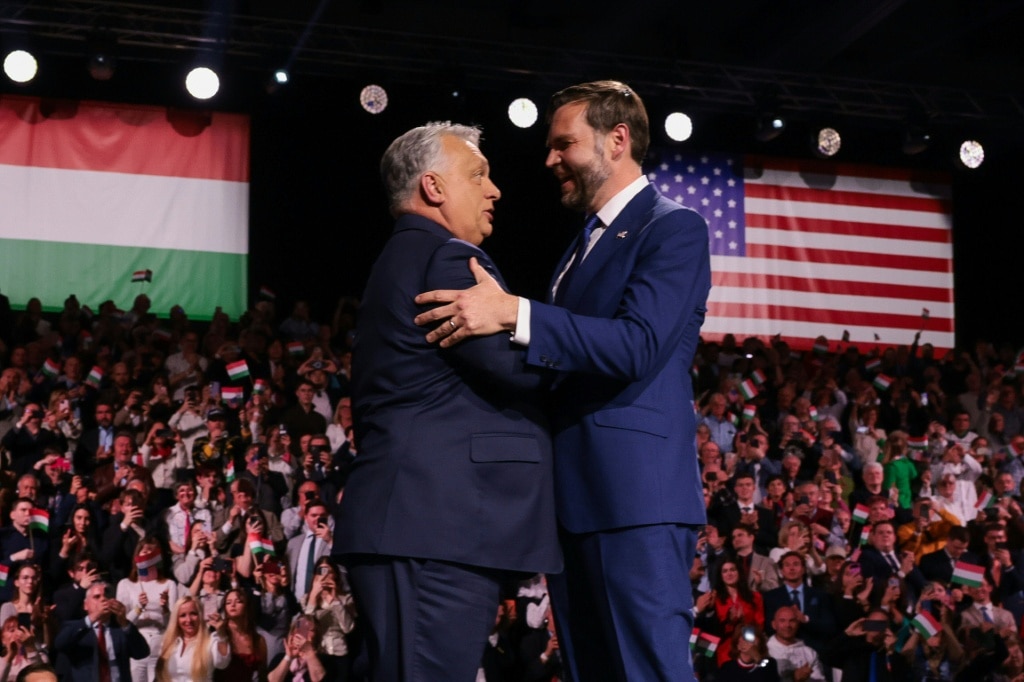
US Vice President JD Vance has emerged from a high-stakes diplomatic and political tour facing two major, immediate setbacks, leaving his ambitions as a likely frontrunner for the 2028 Republican presidential nomination facing new uncertainty.
Last week carried two clear, high-profile assignments for the 41-year-old former Ohio senator: broker a lasting peace agreement to end the war with Iran during negotiations hosted in Pakistan, and shore up support for incumbent Hungarian Prime Minister Viktor Orban, a key Trump-aligned far-right leader, ahead of the country’s general election. By the end of the trip, neither goal had been achieved.
Vance departed Islamabad on Sunday after 21 hours of marathon, overnight negotiations with Iranian representatives, leaving without a final deal to convert a temporary two-week ceasefire into a permanent end to the conflict. A self-described anti-interventionist who was one of the most outspoken opponents of the Iran war within Trump’s cabinet, Vance delivered a blunt assessment of the outcome at a short, tightly controlled press conference, where he took only three questions before boarding his return flight to Washington. In remarks to reporters, he confirmed no binding agreement had been reached.
Before Vance even landed back on US soil, a second defeat arrived. Just days after Vance joined Orban for a high-energy campaign rally in Budapest, the long-serving Hungarian prime minister conceded election loss, despite an all-out push by the Trump administration to keep his government in power.
The twin losses delivered a blunt reality check for Vance, who political analysts widely name as a top contender to inherit Donald Trump’s political legacy as the Republican Party’s presidential nominee in 2028. As one of the Trump administration’s most vocal advocates for backing far-right, anti-immigration parties across Europe, Vance was viewed as the natural pick to campaign for Orban, who he has previously praised as a “model” for European governance, thanks to Orban’s close ties to both Trump and Russian President Vladimir Putin. Orban’s defeat marks the first major high-profile setback for the administration’s formal national security strategy of aligning with right-wing Euroskeptic parties across the continent, and tied the White House directly to the election loss.
In comments to Fox News’ *Special Report with Bret Baier* on Monday, Vance pushed back on framing the trip as a total failure, arguing that standing by ideological allies even in defeat was a meaningful exercise. “It wasn’t a bad trip at all, because it’s worth standing by people even though you don’t win every race,” Vance said. “We didn’t go because we expected him to cruise to an election victory. We went because we thought it was the right thing to do.”
On the Iran talks, Vance struck a similarly mixed tone, acknowledging the lack of a final deal but highlighting incremental progress. “I wouldn’t just say that things went wrong, I also think things went right,” he told Fox. “We made a lot of progress.”
The future of the US-Iran negotiations remains unclear. Trump has confirmed that Iranian representatives have maintained contact and still expressed interest in reaching a deal, even as the US continues to enforce a naval blockade on Iranian ports. Vance said the “ball is in Iran’s court” for resuming formal talks, but did not rule out future negotiations to reach an agreement.
The political impact of the two setbacks on Vance’s 2028 presidential aspirations remains unconfirmed. The race for the 2028 Republican nomination is set to begin in earnest following November 2024 midterm elections, where Vance is expected to face a primary challenge from Secretary of State Marco Rubio. While his role as vice president has given him unprecedented national name recognition and access to party infrastructure, it also ties him directly to Trump’s policy agenda, which has grown increasingly unpopular with general election voters in recent months.