作者: admin

  • A crumbling system is depriving India’s young offenders of a ‘second chance’

    A crumbling system is depriving India’s young offenders of a ‘second chance’

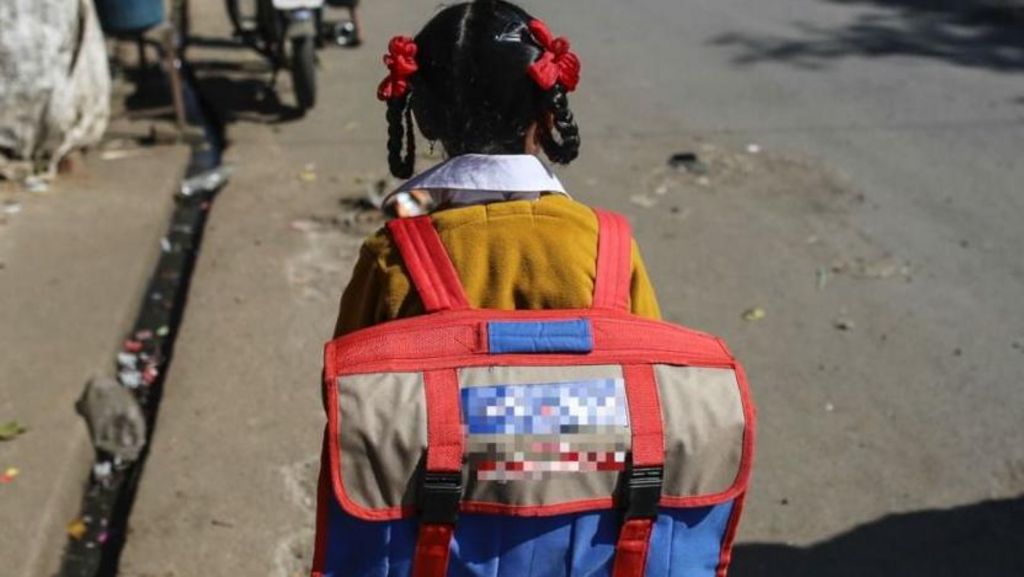
    India’s juvenile justice system, established to protect young offenders, is systematically failing thousands of children across the nation despite comprehensive legislation. The case of Pooja (name changed), who spent six years in adult prison for alleged murder despite being a minor at the time of arrest, exemplifies the system’s critical implementation gaps.

    Arrested in 2018 from Uttar Pradesh’s impoverished neighborhood, Pooja should have been presented before a Juvenile Justice Board (JJB) within 24 hours as mandated by law. Instead, she remained in adult incarceration for six years until her case was finally transferred to a JJB in 2024, which confirmed her minor status and ordered her immediate release.

    This case represents broader systemic failures documented in the India Justice Report, which reveals that over half of cases before 362 JJBs remained pending in 2023. Critically, one in four JJBs lacks a full bench despite legal requirements, while approximately 745 districts nationwide share only 707 JJBs.

    The system’s weaknesses extend beyond judicial panels to rehabilitation facilities. Child care institutions, observation homes, and special homes frequently suffer from overcrowding, inadequate counseling services, and insufficient educational or vocational programs. Many facilities fail to maintain mandated age-based segregation, creating environments where violence, sexual abuse, and gang culture replication occur.

    Experts attribute these failures to multiple factors: poor governmental oversight, insufficient data transparency, and widespread apathy among officials. Maja Daruwala of IJR emphasizes that data deficiencies indicate inadequate oversight and accountability mechanisms. Meanwhile, frontline workers like Fr Antony Sebastian of Echo NGO note that many authorities believe children in the system are ‘beyond help,’ contradicting the law’s rehabilitative spirit.

    Successful rehabilitation models do exist. Organizations like Echo demonstrate that vocational training in dairy farming, poultry management, and hotel operations, combined with consistent counseling, can effectively reintegrate even those convicted of serious offenses like murder and rape. Their success stories prove that with appropriate intervention, meaningful transformation is possible.

    The 2012 Delhi gang rape case prompted significant juvenile justice reforms, including provisions trying children 16-18 as adults for heinous crimes. However, implementation failures continue undermining these legislative advances, leaving thousands of children like Pooja without proper legal protection or rehabilitation opportunities.


  • HK bets on integrated hub to enhance TCM profile

    HK bets on integrated hub to enhance TCM profile

    Hong Kong has officially inaugurated a groundbreaking integrated traditional Chinese medicine (TCM) complex, positioning itself as a future global leader in the ancient medical practice. The dual-facility development, comprising the Chinese Medicine Hospital of Hong Kong and the Government Chinese Medicines Testing Institute, commenced initial operations in December with a formal plaque-unveiling ceremony held Tuesday.

    The sprawling 42,900-square-meter hospital and adjacent 17,200-square-meter testing facility, situated in Tseung Kwan O, represent the city’s most ambitious TCM infrastructure project to date. The ceremony attracted over 300 attendees including healthcare professionals, legislators, and government officials from both Hong Kong SAR and mainland China.

    Chief Executive John Lee Ka-chiu heralded the complex as the cornerstone of a new TCM ecosystem that integrates academic, clinical, and industrial capabilities. ‘These flagship projects will foster collaborative advancement in scientific research and commercial application,’ Lee stated, noting the hospital has already received overwhelmingly positive patient feedback since its soft opening.

    The initiative aligns with China’s national strategic emphasis on TCM development, particularly highlighted in the forthcoming 15th Five-Year Plan (2026-30). Lee pledged Hong Kong would leverage its internationally connected healthcare system, globally compatible regulatory framework, and robust clinical research capabilities to serve as China’s ‘bridgehead for taking traditional Chinese medicine global.’

    National Health Commission Minister Lei Haichao recognized the opening as an ‘important milestone’ for Hong Kong’s TCM sector, which has seen remarkable growth—TCM consultations now account for 24.3% of all medical visits, up from just 7.5% in 1996.

    Minister Lei outlined a comprehensive vision for Hong Kong’s TCM future: embedding services within local communities, driving synergistic growth across industry-academia-research spheres, and pooling resources to establish the Greater Bay Area as a premier TCM hub. He specifically highlighted Hong Kong’s exceptional capabilities in pharmaceutical testing and quality control as critical assets for advancing TCM’s global expansion.

    The development follows Hong Kong’s release of its first-ever TCM development blueprint last month, supported by the Chinese Medicine Development Fund which has awarded grants to over 9,800 applicants benefiting more than 1,300 institutions since 2019.

  • ‘Help is on its way’: Trump urges Iranians to keep protesting, take over institutions

    ‘Help is on its way’: Trump urges Iranians to keep protesting, take over institutions

    In a significant escalation of tensions with Tehran, former U.S. President Donald Trump has issued a forceful call for continued protests in Iran while implementing substantial economic measures against the Islamic Republic. Through his Truth Social platform, Trump directly addressed Iranian citizens with the message: “Iranian Patriots, KEEP PROTESTING – TAKE OVER YOUR INSTITUTIONS!!!… HELP IS ON ITS WAY.” He simultaneously declared the cancellation of all meetings with Iranian officials until what he termed the “senseless killing” of protesters ceases.

    The political turmoil in Iran represents the most substantial internal challenge to the country’s clerical leadership in at least three years. The protests, initially sparked by severe economic conditions, have persisted for two weeks amid a harsh government crackdown. For the first time, Iranian authorities have acknowledged the substantial human cost of the unrest, with an unnamed official telling Reuters that approximately 2,000 people have been killed during the demonstrations.

    Trump’s economic offensive includes imposing 25% import tariffs on products from any nation conducting business with Iran, a significant measure given Iran’s status as a major oil exporter. The former president has also suggested that military action remains among the options he is considering to punish Iran for its handling of the protests, stating earlier this month that “we are locked and loaded.”

    International reactions have been sharply divided. China immediately criticized the tariff announcement, while Russia condemned what it described as “subversive external interference” in Iran’s internal politics. The Russian Foreign Ministry issued a statement warning that “those who plan to use externally inspired unrest as a pretext for repeating the aggression against Iran committed in June 2025 must be aware of the disastrous consequences of such actions.”

    Despite the scale of the protests and Iran’s considerable economic challenges, there are no visible signs of fracture within the country’s security elite that might threaten the clerical system that has held power since the 1979 Islamic Revolution. However, German Chancellor Friedrich Merz offered a starkly different assessment, predicting that “we are now witnessing the final days and weeks of this regime.” Iranian Foreign Minister Abbas Araqchi swiftly dismissed these comments, accusing Berlin of double standards and claiming Merz had “obliterated any shred of credibility.”

  • BTS to kick off world tour on April 9; Middle East stop to be announced

    BTS to kick off world tour on April 9; Middle East stop to be announced

    Global K-pop phenomenon BTS has officially unveiled plans for their first world tour in seven years, marking their highly anticipated return to the international stage. The tour will commence on April 9, shortly following the release of their fifth full-length album on March 20.

    The ‘Love Yourself’ tour in 2019 was the group’s last worldwide concert series before their extended hiatus. This new tour, described as their most extensive production to date, will span 34 regions across 12 months, with potential additional dates to be announced. The tour will begin in Goyang, South Korea, offering fans the first opportunity to see the complete septet perform together in nearly four years.

    Grammy-nominated BTS will perform across major global destinations including Tokyo, multiple US cities (Tampa and Las Vegas confirmed), Spain, UK, and France. The tour will also include Southeast Asian stops in Singapore, Malaysia, and the Philippines, where the group maintains an enormous fan base.

    Middle Eastern fans, particularly in the UAE where BTS performed during KCON Abu Dhabi in 2016, will have their anticipation rewarded in 2027. While specific Middle Eastern locations remain undisclosed, the announcement confirms the region will be included on the tour itinerary. This follows j-hope’s recent solo appearance in Dubai during Dubai Watch Week 2025, which heightened expectations for the group’s return.

    The upcoming album represents BTS’s first full-length release in over three years and features 14 tracks developed through collaborative introspection and individual creative contributions from all members during intensive production sessions in late 2025.

  • Job seekers face tougher hunt as advertised roles drop for second quarter

    Job seekers face tougher hunt as advertised roles drop for second quarter

    Australia’s employment landscape is showing concerning signs of contraction as newly released government data reveals a persistent decline in job vacancies. According to the latest figures from the Australian Bureau of Statistics (ABS), available positions decreased by 0.2% during the three-month period ending in November, marking the sixth consecutive month of deterioration in employment opportunities.

    The current national vacancy count stands at approximately 326,700 unfilled positions, effectively returning to levels observed at the beginning of the previous year. This sustained downturn follows a more substantial 2.7% reduction recorded in the quarter ending August 2023. Annually, the market has witnessed a significant contraction of 5.2%, representing 17,800 fewer available roles compared to November 2022.

    ABS Head of Labour Statistics Robert Long provided sector-specific analysis, noting that “private sector job vacancies primarily drove the annual decrease, falling by 6.8% in the year to November. Conversely, public sector vacancies experienced an 8.9% increase during the same period.”

    Industry performance varied considerably across sectors. The education and training industry suffered the most severe decline at 15.5%, followed closely by rental, hiring and real estate services which dropped 12.8%. Transport and construction roles also demonstrated notable reductions. These losses were partially offset by gains in wholesale trade, public administration and safety, mining, and healthcare and social assistance.

    The tightening job market presents challenges for Australia’s 665,800 unemployed citizens, creating increasingly competitive conditions for job seekers across multiple industries.

  • Spanish star Julio Iglesias accused of sexual assault by two ex-employees

    Spanish star Julio Iglesias accused of sexual assault by two ex-employees

    Spanish music icon Julio Iglesias, renowned for his romantic ballads and global success, has become the subject of a criminal complaint following serious allegations from two former employees. The 82-year-old singer faces accusations of sexual harassment, inappropriate touching, mistreatment, and rape allegedly occurring in 2021 at his luxury residences in the Dominican Republic and Bahamas.

    According to a joint investigative report published by elDiario.es and Univision, the allegations originate from a domestic worker and a physiotherapist who previously worked for the international music star. One accuser, identified as Rebeca from the Dominican Republic, was 22 years old during the alleged incidents and described feeling “like an object, like a slave in the 21st century” while working for Iglesias.

    The second accuser, Laura from Venezuela, was 28 when she began working as a physiotherapist for the legendary performer. Judicial sources confirmed to AFP that a formal complaint was filed against Iglesias on January 5, 2026, and is currently under judicial review, though specific details remain confidential.

    The allegations have sent shockwaves through Spain’s cultural and political circles. Equality Minister Ana Redondo has publicly called for “a full investigation” via social media platform X, while Deputy Prime Minister Yolanda Diaz described the testimonies as “chilling.”

    Author Ignacio Peyro, who recently published a biography of Iglesias, expressed “deep consternation” over the allegations, noting they were “not known” during the book’s preparation. He has called for a revised and updated version of the biography to address these serious claims.

    Multiple media outlets, including AFP, have attempted to contact Iglesias for comment regarding the allegations without success. The singer, born in Madrid, achieved worldwide fame during the 1970s and 1980s with numerous romantic hits and collaborations with renowned artists including Diana Ross, Stevie Wonder, and Willie Nelson.

  • Canada’s Mark Carney faces delicate balancing act in China visit

    Canada’s Mark Carney faces delicate balancing act in China visit

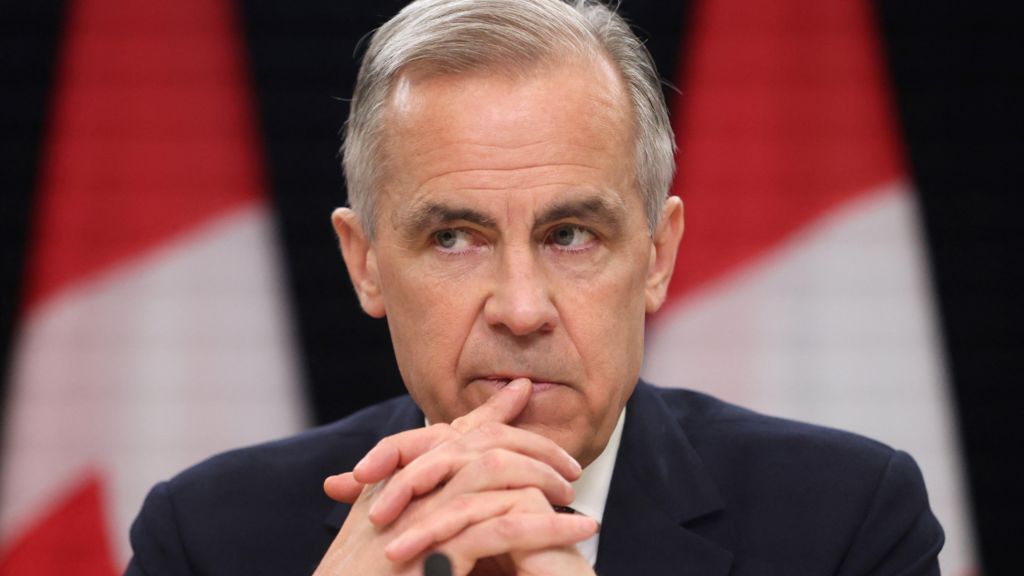
    Canadian Prime Minister Mark Carney has embarked on a diplomatically sensitive mission to Beijing, marking the first official visit by a Canadian leader to China since 2017. The high-stakes trip aims to recalibrate bilateral relations while pursuing Canada’s strategic objective of reducing economic dependence on the United States.

    The carefully choreographed itinerary includes meetings with China’s Premier Li Qiang, National People’s Congress Chairman Zhao Leji, and a pivotal one-on-one discussion with President Xi Jinping. These engagements represent a significant thaw in relations that reached a historic low in 2018 following the detention of Huawei executive Meng Wanzhou in Canada and China’s subsequent arrest of two Canadian citizens on espionage charges.

    Senior Canadian officials have characterized the visit as both “consequential and historic,” aligning with Ottawa’s ambitious plan to double non-US exports within the next decade. The agenda encompasses trade discussions, agricultural cooperation, and international security matters, with particular focus on resolving Chinese tariffs on Canadian canola that have adversely affected farmers in prairie provinces.

    The diplomatic reconciliation occurs against a complex backdrop. Ottawa maintains its assessment of China as “an increasingly disruptive global power” that frequently disregards international norms, yet recognizes the necessity of engagement given China’s economic influence. The Carney administration approaches negotiations with dual objectives: fostering collaboration in mutually beneficial areas like energy and climate policy while establishing clear boundaries in contentious domains such as defense and critical minerals.

    This diplomatic balancing act has already manifested in preliminary adjustments, including the early termination of a Taiwanese visit by Canadian legislators to avoid conflicting signals during Carney’s Beijing engagement. The underlying tension reflects Canada’s challenging position of pursuing enhanced Chinese trade while maintaining its alliance with the United States, which continues to impose tariffs on Canadian steel, aluminum, and automotive sectors.

    Chinese state media has explicitly encouraged Canada to demonstrate “strategic autonomy” from American foreign policy, highlighting how agricultural tariffs imposed by Beijing last year were widely perceived as retaliation for Canadian levies on Chinese electric vehicles. With bilateral trade valued at approximately $118 billion in 2024, both nations recognize the substantial economic stakes involved, though their underlying motivations differ significantly.

    Former Canadian diplomat Colin Robertson observed that both countries are approaching the relationship with unprecedented realism, potentially laying groundwork for a more sustainable bilateral framework based on clearly understood boundaries and mutual interests. The United States is monitoring developments closely as Canada navigates its complex position between economic necessity and geopolitical alignment.

  • New US dietary guidelines trigger widespread concern

    New US dietary guidelines trigger widespread concern

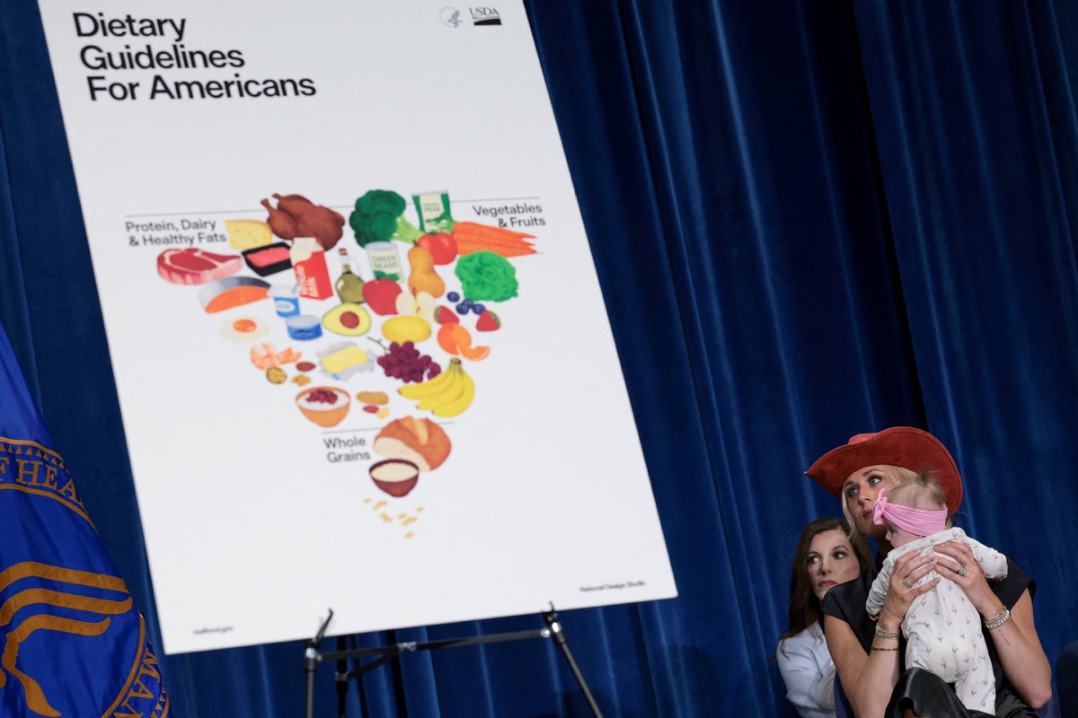
    The United States has ignited international scientific debate with its newly released federal dietary guidelines that dramatically depart from decades of established nutritional advice. Unveiled on January 7, 2026, by the Departments of Agriculture and Health and Human Services, the guidelines position meat, full-fat dairy products, and oils at the core of recommended eating patterns while marginalizing grains and fruits.

    The controversial framework, promoted as encouraging ‘real food’ over ultra-processed products, eliminates previous alcohol consumption limits and emphasizes protein-rich diets. US officials defend the changes as reflecting emerging consensus on prioritizing minimally processed foods over refined carbohydrates. However, prominent nutrition experts have raised serious concerns about the scientific basis and potential motivations behind the revisions.

    Dr. Marion Nestle, Professor Emerita of Nutrition at New York University, expressed skepticism regarding the evidence supporting increased meat and high-fat dairy consumption. ‘They claim this is based on scientific evidence,’ Nestle stated, while questioning whether sufficient research exists to justify these specific recommendations.

    The guidelines have drawn particular scrutiny from Chinese nutrition experts who are analyzing their global implications. Gu Zhongyi, a leading Chinese dietitian, emphasized that ‘dietary guidelines don’t just affect what’s on the plate—they reshape agricultural supply chains, land use and food prices.’ China maintains its grain-centered dietary approach, which experts argue better aligns with both nutritional science and domestic production realities.

    Environmental advocates have additionally criticized the guidelines for largely ignoring climate considerations and sustainability impacts. Zhang Qinglu, a researcher at Huazhong Agricultural University, noted that the proposed dietary structure ‘fails to account for its implications on agricultural burdens,’ adding that its ‘effects on global ecological sustainability remain subject to debate.’

    The guidelines have also raised practical concerns among both American and Chinese communities regarding affordability and implementation. Restaurant owner Jimmy Zhang from Boston commented that eating more meat and dairy ‘is not realistic for a lot of families’ facing economic constraints.

    As the scientific community continues to assess the guidelines, the fundamental question remains: who do these nutritional recommendations truly serve?

  • India hunts rampaging elephant that killed 20 people

    India hunts rampaging elephant that killed 20 people

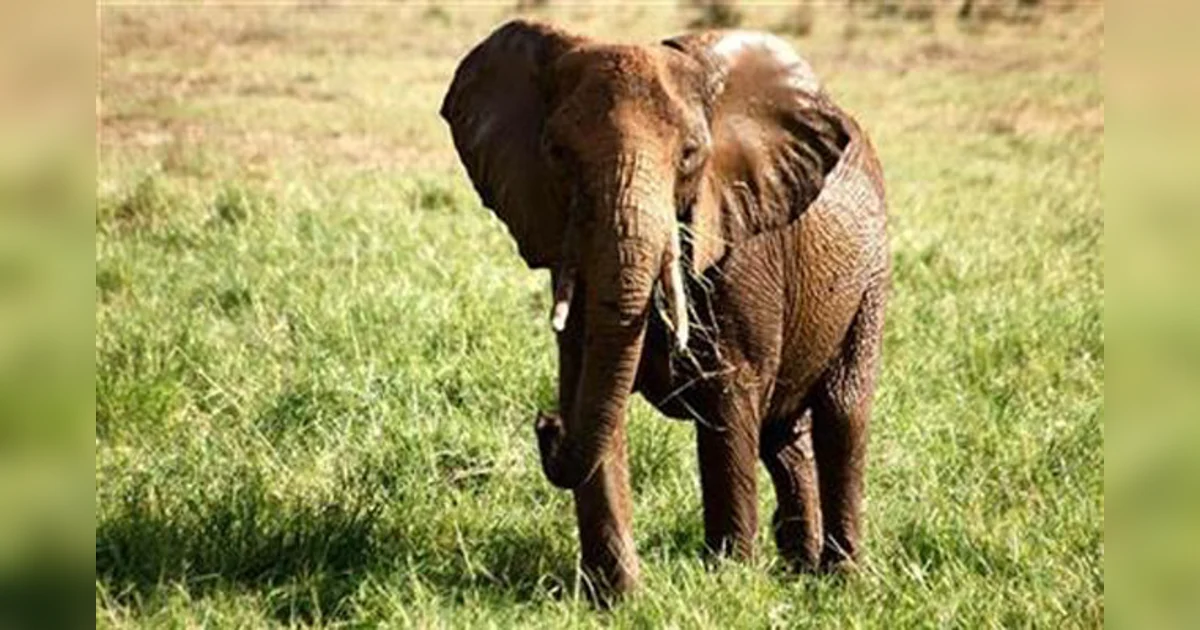
    Indian authorities have launched an extensive search operation to locate a destructive wild elephant responsible for a deadly rampage that claimed 20 lives in Jharkhand’s rural regions. The solitary male elephant, exhibiting unusually aggressive behavior, terrorized West Singhbhum district over a nine-day period starting in early January, leaving communities in profound distress.

    According to government forest officer Aditya Narayan, coordinated efforts involving drone surveillance and ground patrols are underway to track the elusive pachyderm, which hasn’t been sighted since last Friday despite intensive search operations. The victims include vulnerable children, elderly residents, and even an experienced elephant handler (mahout), highlighting the severity of the situation.

    The escalating crisis has forced inhabitants across more than 20 villages to abandon agricultural activities or implement nighttime barricades for protection. Local elected official Pratap Chachar confirmed that security teams are providing nocturnal assistance to frightened communities living under constant threat.

    This tragic incident underscores the growing human-elephant conflict in India, where shrinking habitats force these endangered giants into increasingly frequent contact with human settlements. Parliamentary data reveals that elephant attacks resulted in 629 fatalities during the 2023-2024 period alone. Wildlife experts suggest the aggressive behavior may be linked to ‘musth’—a physiological condition in male elephants characterized by heightened testosterone levels and increased aggression during mating periods.

    India hosts the world’s largest population of wild Asian elephants, recently estimated at 22,446 individuals by the Wildlife Institute of India. These elephants, classified as endangered by the International Union for Conservation of Nature, now inhabit merely 15% of their historical range due to expanding human infrastructure, mining operations, and agricultural development.

  • China eyes space leap with record satellite filings

    China eyes space leap with record satellite filings

    China has embarked on an unprecedented space infrastructure initiative by submitting plans to the International Telecommunication Union (ITU) for deploying 203,000 satellites across 14 distinct constellations. This monumental filing represents the nation’s most substantial coordinated international effort to secure critical orbital resources and frequency spectrum.

    The ambitious application, dominated by China Satellite Network Group (planning 12,992 satellites) and Yuanxin Satellite Technology (targeting over 15,000 satellites), signals a strategic shift in China’s space development approach. Rather than isolated commercial ventures, this nationwide coordination elevates satellite internet to government-backed infrastructure status, involving diverse stakeholders from commercial space companies to major telecommunications operators like China Mobile and China Telecom.

    Industry experts emphasize that while the filing demonstrates long-term strategic planning, significant challenges remain in execution. Yang Feng, CEO of commercial satellite firm Spacety, notes that transforming these plans into operational constellations requires overcoming substantial hurdles in systems engineering, manufacturing capacity, and launch capabilities.

    The timing coincides with growing competition in low-Earth orbit, where currently approximately 10,824 operational satellites exist with orbital resource utilization at 18%. The United States maintains dominance through SpaceX’s Starlink program, accounting for 75.94% of active spacecraft globally, while China represents just 9.43%.

    According to Zhang Zhilong, associate professor at Beijing University of Posts and Telecommunications, China may require five to ten years to achieve parity with Starlink in launch volume. Success will depend not only on technical execution but also on developing a comprehensive ecosystem encompassing direct-to-handset standards, terminal affordability, service models, and enhanced industry chain coordination.

    The market response has been volatile, with commercial space stocks initially surging before experiencing significant corrections, reflecting both optimism about the sector’s potential and awareness of the practical challenges ahead.