作者: admin

  • Davos braces for Trump’s ‘America First’ onslaught

    Davos braces for Trump’s ‘America First’ onslaught

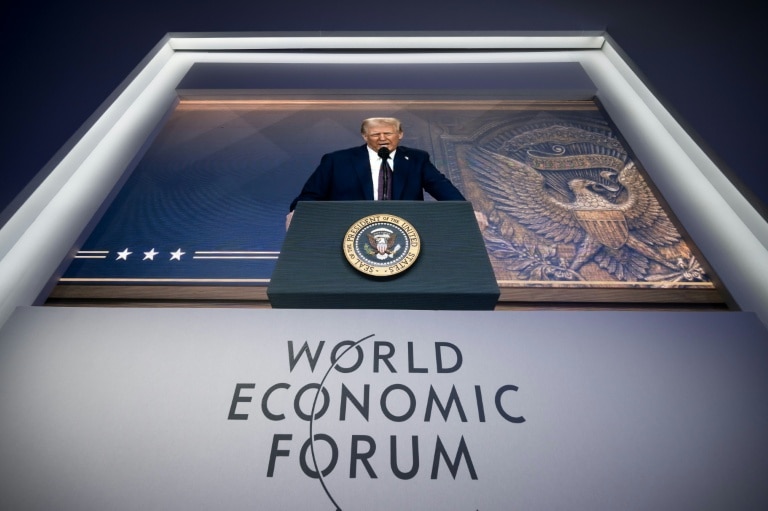
    The alpine resort of Davos prepares for a seismic political confrontation as former President Donald Trump returns to the World Economic Forum with an unprecedented U.S. delegation. Scheduled to deliver a keynote address on Wednesday, Trump’s appearance marks his first in-person participation since his initial term, setting the stage for a dramatic clash between his ‘America First’ agenda and the forum’s traditional advocacy for open markets and multilateral cooperation.

    Forum President Borge Brende confirmed the historic nature of Trump’s delegation while acknowledging the meeting occurs against ‘the most complex geopolitical backdrop since 1945.’ The delegation includes Secretary of State Marco Rubio, Treasury Secretary Scott Bessent, and Middle East/Ukraine envoy Steve Witkoff, indicating planned discussions on multiple global flashpoints including Ukraine, Gaza, Venezuela, and Iran.

    Trump’s agenda includes detailed housing policy announcements aimed at American voters, delivered before international elites as midterm elections approach. This comes amid widespread domestic concern over living costs, positioning the Davos appearance as both diplomatic mission and political theater.

    The return follows Trump’s virtual address last year, where he threatened punishing tariffs for nations refusing to relocate manufacturing to the U.S. His administration has since withdrawn from 66 international organizations, including nearly half of its UN-affiliated bodies, fundamentally restructuring America’s global engagement.

    Economic analysts recognize 2025 as potentially marking the end of neoliberal globalization. Bain & Company economist Karen Harris notes: ‘This represents a paradigm shift where the U.S. prioritizes national security and weaponizes economic policy—a approach historically associated with Chinese economic philosophy.’

    European and Asian leaders including EU Commission Chief Ursula von der Leyen, Ukrainian President Zelensky, and Chinese Vice Premier He Lifeng will attend, with six G7 leaders represented. Their presence underscores the global effort to navigate what Standard Chartered’s Philippe Dauba-Pantanacce describes as ‘a broad rejection of multilateral institutions.’

    While former WTO Director Pascal Lamy acknowledges Trump’s trade policies have created significant noise with limited economic impact thus far, the geopolitical consequences continue unfolding. Evidence emerges in the EU’s accelerated Mercosur trade agreement with South America and China’s strategic export diversification away from American markets.

    The gathering of 850 corporate leaders including Nvidia’s Jensen Huang and Microsoft’s Satya Nadella will witness firsthand the crystallization of a new global order—one potentially progressing without traditional American leadership.
  • Zoho Corporation opens its first data centres in UAE

    Zoho Corporation opens its first data centres in UAE

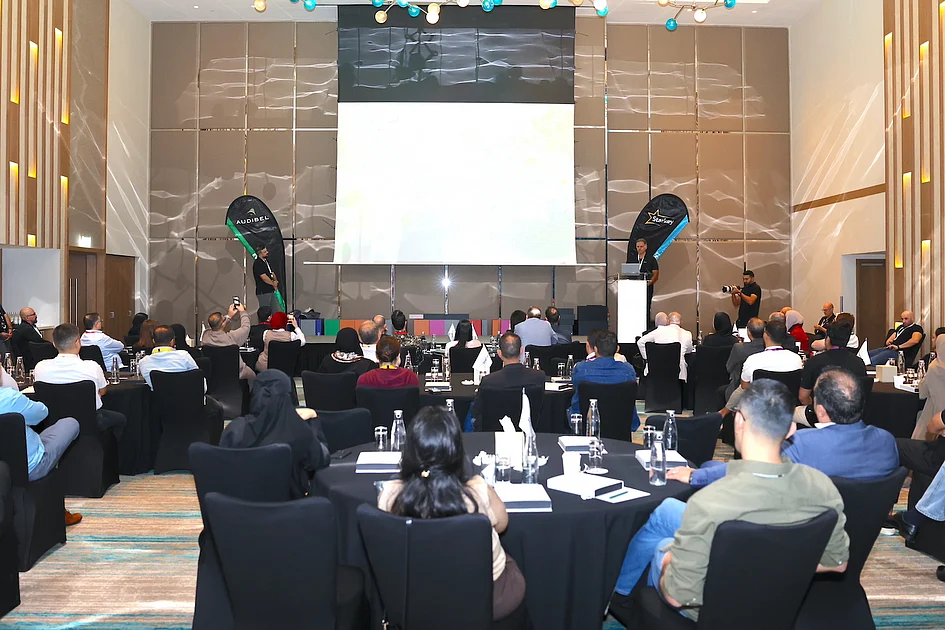
    In a strategic expansion of its Middle Eastern operations, Zoho Corporation has officially inaugurated its first United Arab Emirates data centers in Dubai and Abu Dhabi. This infrastructure deployment represents a significant portion of the company’s previously announced Dh100 million ($27 million) investment commitment to the UAE market made in 2023.

    The twin facilities will host over 100 cloud-based solutions from both Zoho’s core business platform and its enterprise IT management division, ManageEngine. The launch strengthens Zoho’s physical presence in what company leadership identifies as one of their largest regional markets.

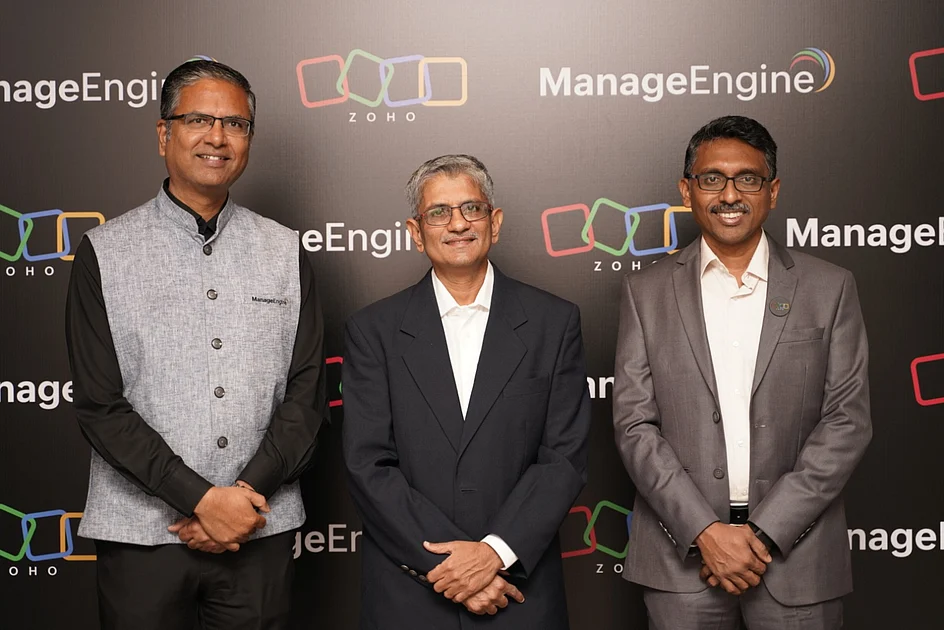
    Shailesh Davey, Co-founder and CEO of Zoho Corporation, emphasized the strategic importance of this development: ‘Our new data centers enable local businesses to maintain data sovereignty while supporting the National Cybersecurity Agenda. This infrastructure will empower organizations of all scales—from small enterprises to government entities—to accelerate their digital transformation initiatives, directly contributing to Dubai’s Vision 2030 economic diversification goals.’

    The facilities have obtained critical security certifications, including the CSP Security Standard Certificate from Dubai Electronic Security Center (DESC). This accreditation qualifies Zoho to provide services to government and semi-government entities. The centers maintain compliance with multiple international standards: ISO 27001, ISO 22301, ISO 27017, and CSA STAR Level 2 certification.

    Zoho’s growth metrics in the UAE demonstrate remarkable momentum, with a 38.7% revenue increase in 2025 and a 29% expansion of its partner network. The company has simultaneously increased its local workforce by 35% to support growing client demands. Key drivers of this growth include Zoho’s Customer Experience platform (featuring CRM and Desk solutions), VAT-compliant accounting software Zoho Books, low-code development platform Creator, and the comprehensive Zoho One suite.

    Concurrently, ManageEngine has achieved 20% growth in the UAE enterprise sector, with particular strength in unified endpoint management and cloud observability solutions. The banking, financial services, insurance (BFSI), government, and manufacturing sectors have demonstrated especially strong adoption rates, with cloud solutions growing at approximately 35% annually.

    Hyther Nizam, President of Zoho MEA, confirmed upcoming workforce expansion: ‘Following our 30% staff increase last year, we will now ramp up our data center operations team, including Network Operations Center personnel, to meet both operational needs and compliance requirements.’

    Over the past five years, Zoho has invested Dh80 million in digital transformation partnerships with entities including Dubai Economy and Tourism (DET) and Dubai Culture, supporting over 7,000 businesses in their technological evolution.

  • Trump administration to end legal protections for some Somalis in mid-March

    Trump administration to end legal protections for some Somalis in mid-March

    The United States Department of Homeland Security (DHS) has announced the termination of Temporary Protected Status (TPS) for Somali nationals residing in the country, effective March 17. This humanitarian program, designed to offer refuge to individuals from nations experiencing extreme conflict or instability, will no longer shield Somali citizens from deportation.

    Homeland Security Secretary Kristi Noem justified the decision by asserting that conditions in Somalia have ‘improved to the point that it no longer meets the law’s requirement,’ and that allowing Somalis to remain is ‘contrary to our national interests.’ In a controversial move, the agency is actively promoting ‘self-deportation’ through a mobile application, promising a $1,000 exit bonus and a complimentary plane ticket—incentives that, despite DHS claims of hundreds of successful uses, have no verified instances of payment.

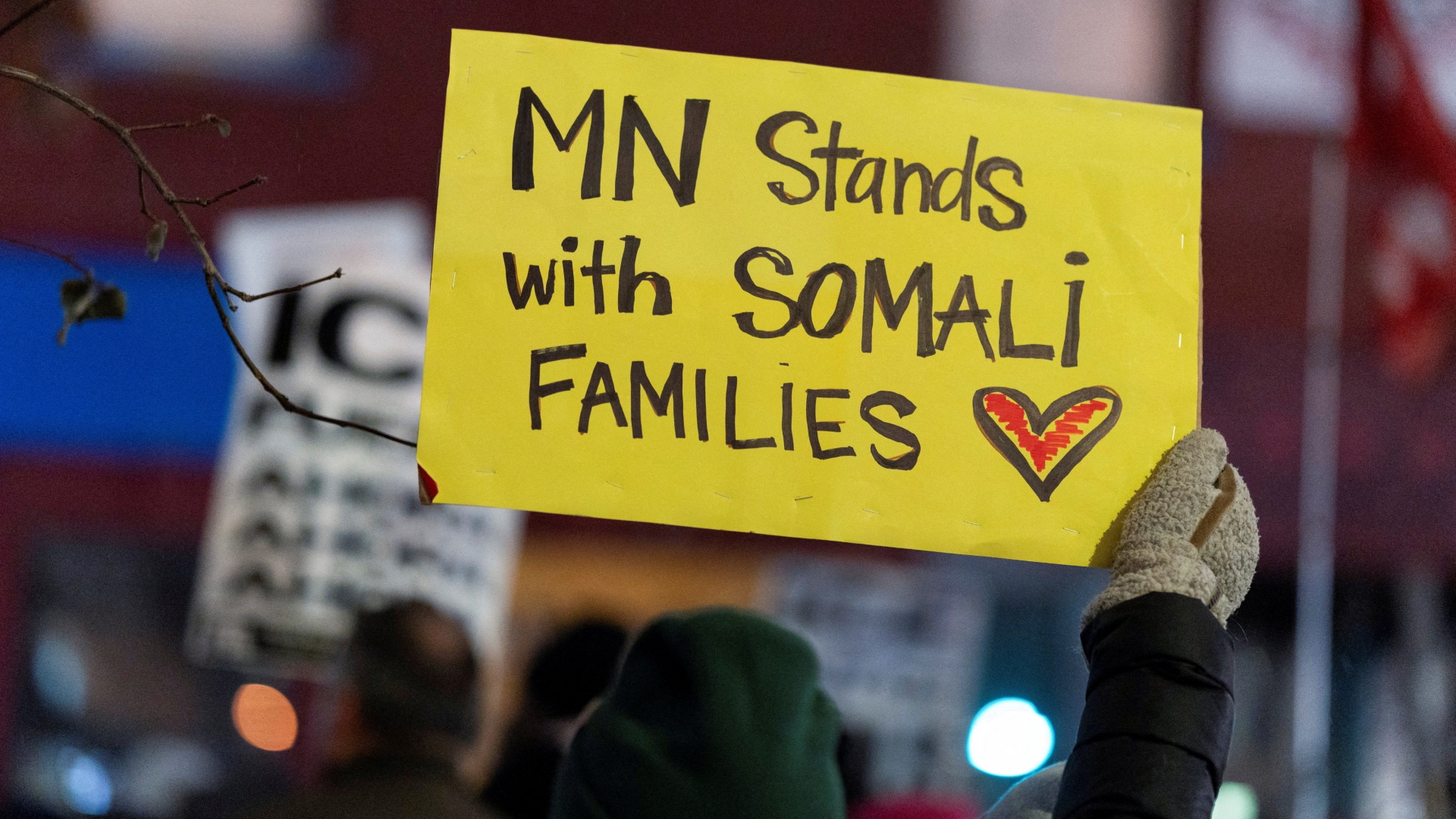
    This policy shift occurs within the broader context of the Trump administration’s systematic dismantling of TPS designations, which has previously affected nationals from Venezuela, Syria, and Afghanistan. The decision has triggered significant fear within the substantial Somali community of Minneapolis, estimated at over 80,000 people—the largest in the U.S.

    The political climate surrounding this action is highly charged. President Donald Trump has publicly expressed vehement opposition to Somali immigration, using inflammatory language to describe both the immigrants and Representative Ilhan Omar, the sole Somali-American in Congress. His comments, which labeled Somalis as coming from ‘hell’ and their country as one that ‘stinks,’ have been widely condemned as racist by community leaders and state lawmakers.

    In an escalation of tactics, hundreds of federal agents, including Immigration and Customs Enforcement (ICE) officers, have been deployed to Minnesota. This operation has not only sparked widespread protests but also a legal challenge from the state government. Minnesota has filed a lawsuit against the Trump administration, arguing the deployment infringes on states’ rights and lacks ‘express congressional authorization.’ Illinois, a previous target of similar federal actions, has also sued.

    The situation turned tragic last week with the fatal shooting of Renee Nicole Good, a 37-year-old U.S. citizen and mother of three, by an ICE agent. Bystander video evidence contradicts official claims that the officer faced an ‘imminent threat,’ showing the agent firing through her car window at close range. Secretary Noem has concurrently issued warnings on national television, threatening to hold individuals accountable for any acts of violence against law enforcement during operations.

  • US ends protection for Somalis amid escalating migrant crackdown

    US ends protection for Somalis amid escalating migrant crackdown

    The United States government announced Tuesday it will terminate Temporary Protected Status (TPS) for Somali nationals, setting a March 17 departure deadline amid escalating immigration enforcement measures targeting Somali communities. The Department of Homeland Security declared via social media that it would end protections that have shielded Somalis from deportation to conflict-affected regions.

    The policy shift comes amid intensified Immigration and Customs Enforcement (ICE) operations in Minnesota, home to approximately 80,000 Somali residents—the largest Somali community in the nation. Recent weeks have seen masked officers conducting vehicle checkpoints and enforcement sweeps that have reportedly resulted in approximately 2,000 arrests. During one such operation, officers were witnessed forcibly removing individuals from vehicles.

    Tensions escalated dramatically last week when an ICE officer fatally shot 37-year-old Renee Nicole Good during an operation in Minneapolis. The incident has sparked protests and led to the resignation of three federal prosecutors who allegedly faced pressure to focus investigations on the victim’s widow rather than the shooting itself.

    Administration officials have justified the crackdown by citing a massive public benefits fraud case involving $300 million in diverted funds. Federal prosecutors have charged 98 individuals, with 85 identified as being of Somali descent. Fifty-seven defendants have already been convicted in the scheme.

    Republican leadership, including President Trump, has accused Minnesota Democratic authorities of ignoring previous warnings about the fraud due to the community’s ethnic composition. On his Truth Social platform, Trump promised ‘reckoning and retribution’ for Minnesota while alleging Democrats benefit from diverted attention away from the scandal.

    Congresswoman Ilhan Omar, the first Somali-American elected to Congress, condemned the administration’s tactics, stating: ‘Trump is trying to scare them and terrorize them every single day… Somalis are not intimidated.’

    Minnesota state authorities have sought a temporary restraining order to halt ICE operations pending judicial review, while community organizers describe the situation as targeted persecution against Somali residents through weaponized federal agencies.

  • Hearing loss is estimated to cost African economies $27.1 billion annually

    Hearing loss is estimated to cost African economies $27.1 billion annually

    A profound hearing health crisis is imposing massive economic costs across Africa while triggering groundbreaking technological innovation in hearing aid technology. According to World Health Organization data from the Eastern Mediterranean and African regions, approximately 78 million people currently live with hearing loss, with projections indicating this number could surge to 194 million by 2050.

    The financial impact is particularly severe in Africa, where failure to address hearing disabilities is estimated to cost economies approximately $27.1 billion annually. The WHO African Region projects disabling hearing loss could affect up to 97 million people by mid-century if current trends continue. The crisis also affects over 2 million children aged 0-15 across regions who require rehabilitation for disabling hearing conditions.

    In response to this growing global health challenge, Starkey Hearing Technologies has launched its revolutionary Omega AI platform across the Middle East and North Africa markets. The centerpiece of this technological advancement is DNN 360, hailed as the world’s first deep neural network-powered directionality system for hearing aids.

    Brandon Sawalich, President and CEO of Starkey, emphasized the company’s commitment to innovation: “Since being the first to introduce AI technology in hearing aids, Starkey has continued to set the speed of innovation for the industry. Omega AI is an engineering feat only Starkey could accomplish, reflecting our unwavering commitment to creating advanced technology that connects people back to their lives.”

    The new technology delivers substantial performance improvements, offering up to 28% enhanced speech intelligibility in challenging environments and an 8 dB signal-to-noise ratio improvement. Remarkably, it maintains these advancements while providing up to 51 hours of battery life and superior water resistance tested to last ten times longer than previous coatings.

    Giscard Bechara, Regional Director for Starkey Middle East, noted the particular relevance for the region: “Across the Middle East and Africa, the need for hearing solutions that perform in real-world noise over long days is growing quickly. Omega AI is built for that reality.”

    The platform introduces several industry-first features including LED indicator lights that confirm power and Bluetooth connectivity while functioning as a “find-my-hearing-aid” tool. Perhaps most innovatively, Omega AI incorporates TeleHear AI, which utilizes generative artificial intelligence to help patients resolve common hearing issues in real time with 93% predictive accuracy.

    Additional health monitoring capabilities include Balance Builder and an automatic respiratory rate monitor through the My Starkey application, further positioning the technology at the intersection of hearing health and overall wellness management.

  • Bangladesh: Muhammad Yunus warns of disinformation ‘flood’ before February vote

    Bangladesh: Muhammad Yunus warns of disinformation ‘flood’ before February vote

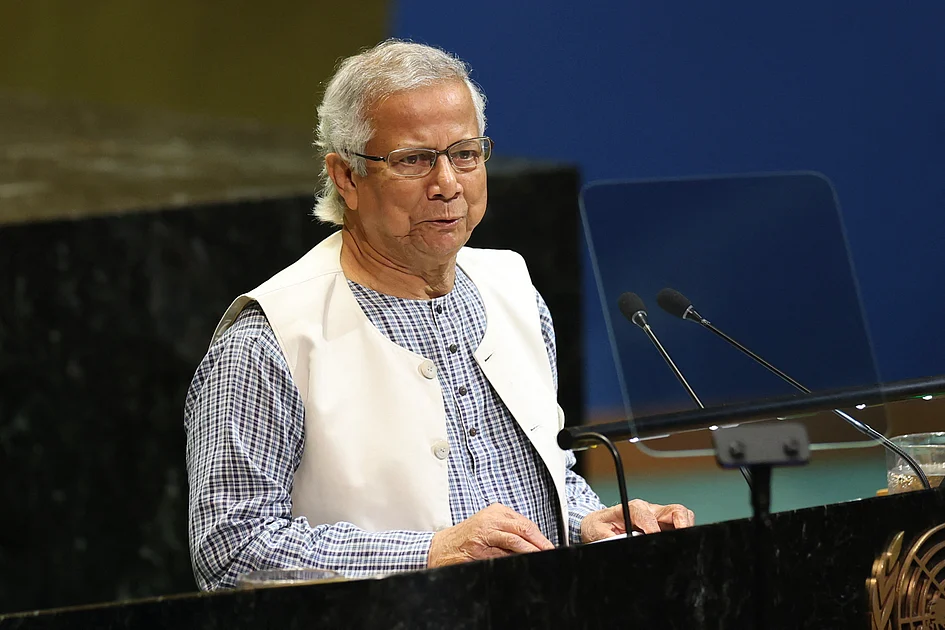
    Nobel Peace Prize recipient Muhammad Yunus has issued a stark warning about the deluge of disinformation threatening to undermine Bangladesh’s pivotal February elections. The 85-year-old interim leader revealed he has urgently appealed to United Nations human rights chief Volker Turk for assistance in combating what he describes as a coordinated misinformation campaign originating from both international and domestic sources.

    In an official statement released Tuesday, Yunus’s office detailed his grave concerns about the potential impact of fabricated news and malicious rumors circulating across social media platforms. This electoral process marks the nation’s first democratic exercise since the August 2024 student-led uprising that ended Prime Minister Sheikh Hasina’s 15-year authoritarian regime, plunging the South Asian nation into prolonged political instability.

    European Union election observation delegations have characterized the upcoming February 12 vote as the most significant democratic undertaking of 2026, highlighting its importance for the Muslim-majority nation of 170 million people. Yunus, who returned from exile to lead a transitional caretaker government following the revolution, is scheduled to relinquish power after the elections.

    The Nobel laureate inherited what he characterizes as a fundamentally fractured political system and has championed comprehensive constitutional reforms designed to prevent a regression to autocratic governance. A national referendum on these proposed structural changes will coincide with the election date, aiming to establish robust checks and balances among the executive, judicial, and legislative branches of government.

    UN rights commissioner Turk has reportedly pledged the organization’s support in addressing the disinformation crisis, acknowledging the critical importance of preserving electoral integrity in one of Asia’s most densely populated democracies.

  • Fashion student, teen footballer: Who were the young victims of Iran’s protests?

    Fashion student, teen footballer: Who were the young victims of Iran’s protests?

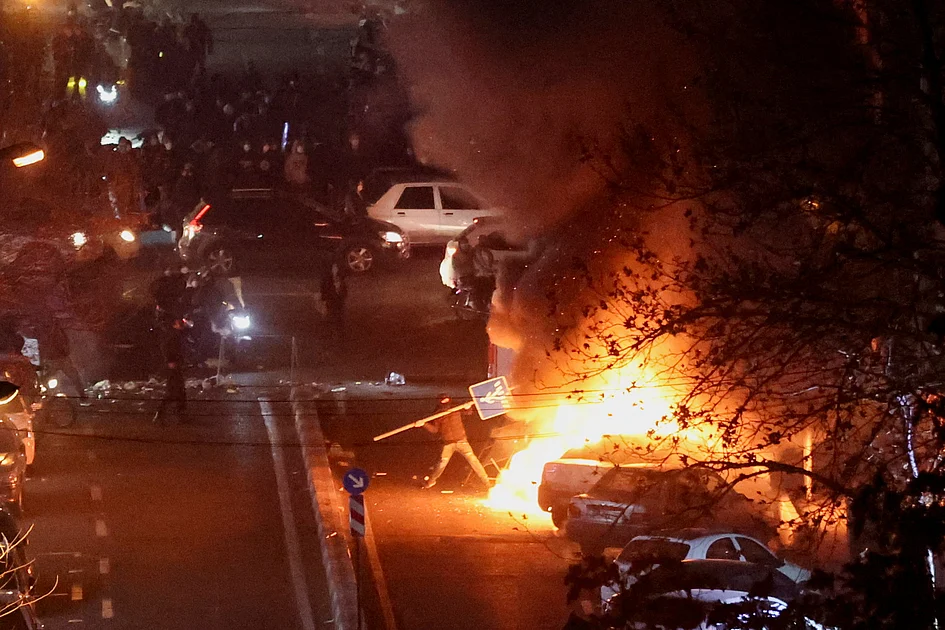
    Iran’s recent wave of civil unrest has resulted in a tragic loss of young lives, with emerging artists, athletes, and students numbering among those killed by security forces during nationwide demonstrations. According to documentation compiled by international human rights organizations, victims included a promising fashion designer, a teenage football prospect, and a champion bodybuilder—all shot during protests initially sparked by economic grievances.

    Verified reports from Norway-based Iran Human Rights (IHR) indicate security personnel employed lethal force against demonstrators, with many fatalities resulting from close-range gunshot wounds. Director Mamood Amiry Moghaddam confirmed the organization has documented 648 protest-related killings, including nine minors and six women, though the actual death toll is feared to be significantly higher.

    The victims represented Iran’s diverse ethnic and regional backgrounds. Rubina Aminian, 23, a textile and fashion design student at Tehran’s prestigious Shariati College, drew inspiration from her Kurdish heritage and Baluch cultural influences. She was fatally shot in the head from behind while participating in demonstrations on January 8. Her family faced official obstruction when attempting to reclaim her body and were prohibited from holding traditional mourning ceremonies.

    Seventeen-year-old Rebin Moradi, a Kurdish football talent participating in Tehran’s premier youth league with Saipa Club, was killed by security forces on January 7. Despite confirmation of his death, his family has been denied access to his remains for proper burial.

    Mehdi Zatparvar, 39, a respected sports physiologist and former national weightlifting champion from Gilan province, was shot dead during protests on January 9. Simultaneously, Erfan Faraji from Rey had just celebrated his eighteenth birthday before being killed during demonstrations, his body eventually identified among dozens held at the Kahrizak morgue.

    Iranian authorities have attributed casualties to confrontations with “rioters” and blamed foreign instigators for transforming economic protests into sustained unrest. Official statements acknowledge dozens of security force members died during the clashes, though independent verification remains challenging amid restricted media access and official transparency.

  • India orders quick commerce platforms to stop ’10-minute’ delivery services

    India orders quick commerce platforms to stop ’10-minute’ delivery services

    In a significant regulatory move, India’s labor ministry has directed leading quick commerce platforms Blinkit, Zepto, and Swiggy to cease marketing their services as ’10-minute delivery’ offerings. The directive emerged from a confidential meeting held on Saturday between ministry officials and company representatives, signaling increased governmental scrutiny over the rapidly expanding sector.

    The $11.5 billion quick commerce industry, which has revolutionized urban shopping patterns across India, faces mounting concerns regarding rider safety and working conditions. Industry observers note that the pressure to meet aggressive delivery timelines has raised alarms about potential traffic violations and inadequate compensation for delivery personnel who fail to meet the stringent time targets.

    While Blinkit has already modified its branding from ‘Grocery in 10 minutes’ to the more ambiguous ‘Groceries & more,’ competitors Zepto and Swiggy’s Instamart continued promoting their 10-minute service capabilities on major app marketplaces as of Tuesday. The sector has attracted substantial investor interest, with Swiggy securing $1.11 billion in funding from prominent institutions including BlackRock, Temasek, and Fidelity just last December.

    None of the involved companies provided official comments regarding the ministry’s directive, and government officials have not issued public statements. The regulatory intervention highlights the growing tension between technological innovation and workforce protection in India’s rapidly digitalizing economy.

  • Albanese’s hate speech Bill has ‘significant shortcomings’, Jewish leader warns

    Albanese’s hate speech Bill has ‘significant shortcomings’, Jewish leader warns

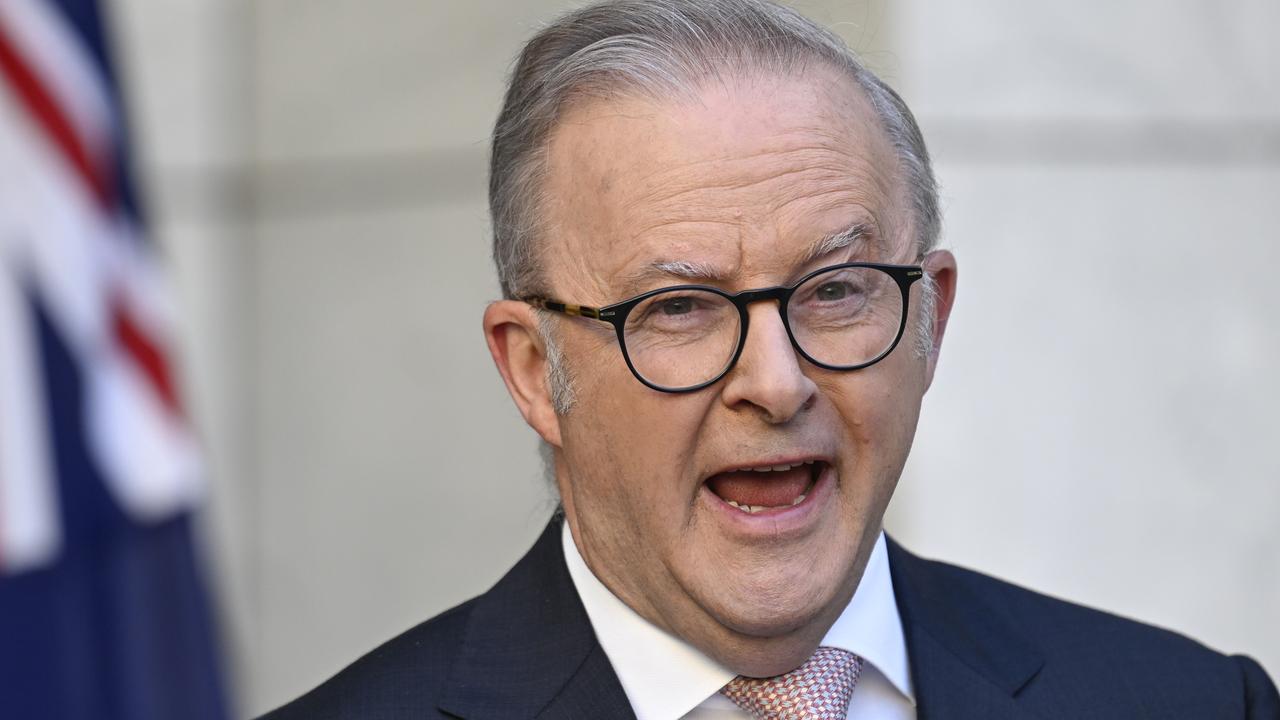
    A prominent Australian Jewish organization has expressed significant reservations about proposed national security legislation, warning that critical flaws in the government’s approach could undermine the effectiveness of new hate speech laws. The Executive Council of Australian Jewry (ECAJ), while acknowledging positive aspects of the Albanese government’s omnibus bill, identified several concerning shortcomings that might necessitate further legislative revisions within years.

    The comprehensive legislation, developed in response to the Bondi Beach terrorist attack, seeks to overhaul multiple legal domains including hate speech protocols, immigration procedures, and firearms regulations. Key provisions would establish new offenses targeting individuals who radicalize children or incite racial hatred, alongside criminalizing membership in banned hate organizations. The bill additionally facilitates a nationally coordinated firearm buyback program and empowers states to restrict gun licenses exclusively to Australian citizens.

    ECAJ co-chief executive Peter Wertheim presented testimony during emergency hearings, highlighting four primary deficiencies in the proposed serious vilification offense. Notably, the legislation fails to address hatred directed at individuals based on gender identity and sexual orientation, excludes recklessness as a prosecutable mental state, and incorporates problematic exemption clauses for religious teachings referencing sacred texts. Most concerning to Jewish representatives is the requirement that prosecutors demonstrate affected individuals would experience genuine fear for their safety—a significantly high evidentiary threshold.

    Wertheim articulated strong opposition to the religious exemption provision, characterizing it as “misconceived and outdated.” He argued that recognized global religions universally disavow promoting racial hatred intentionally, though acknowledging that textual interpretations might occasionally be misappropriated for such purposes. The ECAJ cited their successful litigation against Sydney preacher Wissam Haddad as precedent demonstrating how such exemptions could potentially shield hate speech under the guise of religious instruction.

    The organization further expressed concern that the religious defense might deter prosecutors from pursuing cases where defendants could simply claim textual quotation context. Regarding the controversial phrase “globalise the Intifada,” which some Jewish groups interpret as advocating violence against Jewish people, Wertheim advocated for its explicit prohibition under the new legislation. He noted the challenge of contextual understanding among Australia’s predominantly non-Jewish population and judicial system.

    Government officials defended the religious exemption as intended to protect genuine religious discourse involving historical text quotation without additional inflammatory context. Attorney-General’s Department representatives emphasized the legislation examines conduct holistically rather than targeting specific phrases. Both Australian Federal Police and ASIO leadership acknowledged the bill’s potential to enhance community safety while recognizing the inherent challenges in predicting prosecutorial outcomes until judicial testing occurs.

  • US opens ‘air defence coordination cell’ in Qatar as Iran tensions rise

    US opens ‘air defence coordination cell’ in Qatar as Iran tensions rise

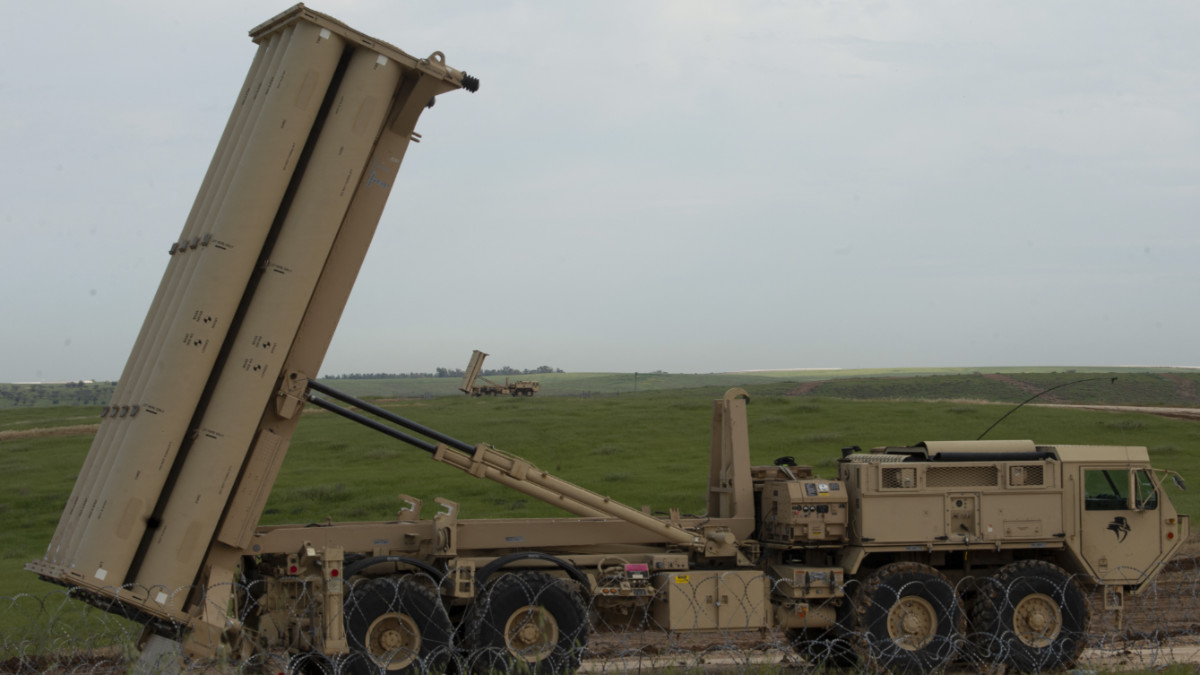
    The United States and Qatar have formally inaugurated a new air and missile defense coordination center at Al-Udeid Air Base, signaling strengthened military cooperation as the Trump administration contemplates potential intervention in Iran. Admiral Brad Cooper, commander of U.S. Central Command (CENTCOM), characterized the facility as a “significant step forward” in regional air defense integration, with 17 nations currently participating in operations at the site.

    This development represents the latest effort by Washington to establish enhanced defense collaboration among regional partners, often described as a “Middle East NATO” initiative primarily focused on countering Iranian influence. However, analysts note that America’s credibility as regional security guarantor suffered following Israel’s September strike on Hamas negotiators in Doha, an operation that Middle East Eye reported President Trump had prior knowledge of despite official denials.

    The strategic importance of Qatar within U.S. defense architecture has been further highlighted by recent events. In response to security concerns, Qatar secured a presidential executive order equating attacks on the gas-rich nation to attacks on American interests. Not to be outdone, Saudi Arabia pursued similar security assurances during Crown Prince Mohammed bin Salman’s November visit to Washington.

    The timing of the defense coordination announcement coincides with escalating protests in Iran and U.S. considerations of military action. President Trump’s social media posts encouraging protesters to “take over” government institutions while promising assistance have heightened regional tensions.

    Qatar finds itself in a delicate position, being the only regional nation to have experienced attacks from both Israel and Iran. The relationship with Tehran is particularly complex, as both countries share the world’s largest natural gas field and have maintained diplomatic channels. Qatar and Oman have consistently served as mediators between Washington and Tehran.

    The regional security landscape continues to evolve amid Israel’s military actions in Gaza and strained normalization efforts with Gulf states. Middle East Eye reported that Saudi Arabia notably refused U.S. requests to provide missile interceptors during Iranian ballistic missile attacks against Israel, highlighting the complicated alliances and competing interests characterizing Middle Eastern geopolitics.