作者: admin

  • US ‘kill line’ in stark contrast to China’s supportive policies

    US ‘kill line’ in stark contrast to China’s supportive policies

    A new social media phenomenon dubbed the ‘kill line’ has sparked intense discussion across Chinese platforms, drawing stark comparisons between economic vulnerabilities in the United States and China’s comprehensive social welfare system. The term, borrowed from gaming culture where it indicates critically low health levels, now describes how middle-class American families can rapidly descend into financial ruin from a single crisis.

    Recent financial surveys reveal alarming fragility in US households. Bankrate’s study indicates 59% of Americans cannot cover an unexpected $1,000 expense, while PNC Bank’s 2025 report shows approximately 67% of US workers live paycheck to paycheck. This vulnerability gained attention after viral posts documented cases like a former JavaScript engineer earning a six-figure salary who became homeless within six months of job loss.

    Social security expert Yang Yifan from Southwest Jiaotong University explains that the ‘kill line’ metaphor reveals ‘low fault tolerance’ in a system where essentials like healthcare and housing operate for profit. ‘A single shock can set off a cascading failure,’ Yang noted, highlighting how the US market-centered paradigm moves risk to individuals and heightens loan default possibilities.

    Multiple factors drive this crisis: soaring living costs, weakened family ties, and rampant consumerism. A Posh Peanut study identified the US as the world’s most expensive country to raise children, with nearly $600,000 average costs from birth to age 18. Brigham Young University research shows over 70% of Americans now consider economic challenges among the most critical family issues.

    The situation may worsen following recent legislation. The newly enacted One Big Beautiful Bill Act reduces health program funding by over $1 trillion—the largest cut in US history—potentially stripping insurance coverage from millions. The administration defends these reforms as necessary to eliminate waste and promote self-reliance.

    Meanwhile, China has significantly expanded its social security framework. Basic pension insurance now covers 1.072 billion people (over 95% coverage), while unemployment and work-related injury insurance have reached 246 million and 302 million participants respectively. The three major social insurance funds have accumulated a 9.81 trillion yuan balance, creating substantial financial buffers.

    China’s approach represents a strategic shift toward human capital investment. The recent plenum adopted recommendations for the 15th Five-Year Plan (2026-30), emphasizing childcare, elderly care, health, and education to promote well-rounded development. This marks a departure from traditional infrastructure-focused models.

    Poverty reduction expert Wu Haitao from Zhongnan University notes China employs a systematic strategy linking poverty alleviation to broader goals like rural vitalization. Rather than relying primarily on cash transfers, China ensures affordable access to education and healthcare while fostering rural industries for stable employment.

    From 2012-2020, China lifted nearly 100 million people above the national poverty line, achieving the UN’s 2030 Sustainable Development Goal a decade early. The campaign followed the comprehensive ‘Two Assurances and Three Guarantees’ standard—ensuring adequate food, clothing, healthcare, education, safe housing, and clean drinking water.

    Even after households exited poverty in 2021, support continued for five additional years to prevent regression—a practice officials describe as ‘helping them onto the horse and accompanying them for part of the journey.’ Recent data shows authorities have identified 7 million vulnerable individuals and helped eliminate relapse risks.

    As global poverty rises approaching the UN’s 2030 deadline, China’s holistic, empowerment-driven model offers a reference for systematic investment in human capital—demonstrating how societies can maintain upward trajectories far from any ‘kill line’ vulnerability.

  • Social media a key factor for both sides in Iran domestic unrest

    Social media a key factor for both sides in Iran domestic unrest

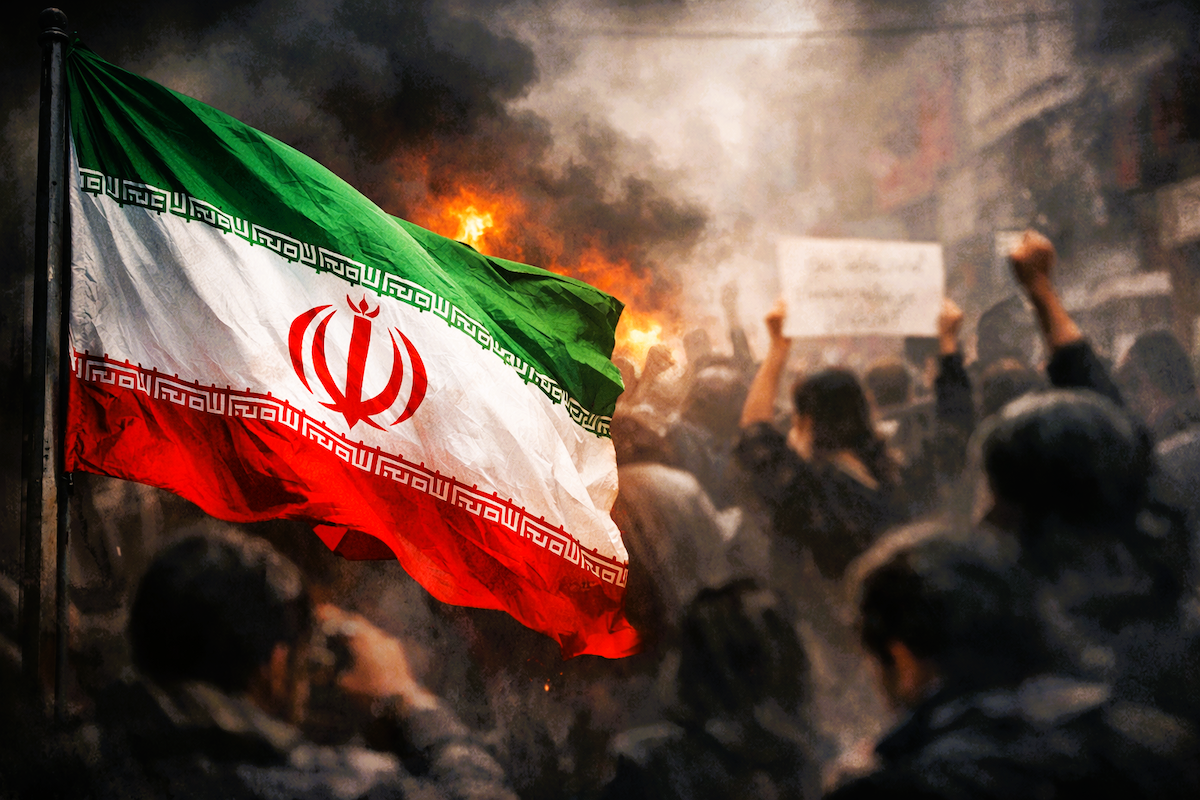
    Iran’s latest wave of civil unrest has entered a critical phase as authorities implement unprecedented internet restrictions to suppress widespread demonstrations. The protests, which originated from economic grievances over the plummeting value of the Iranian rial, have evolved into a broader movement challenging the Islamic Republic’s governance structure.

    According to digital media expert Shirvin Zeinalzadeh from Arizona State University, the current protests represent a significant evolution in digital activism within Iran. While initial demonstrations were extensively documented through social media platforms, the government’s January 8 internet blackout has fundamentally altered the digital landscape. This shutdown represents the most comprehensive internet restriction in Iran’s history, affecting both mobile networks and landline communications.

    The blackout has unexpectedly galvanized global attention, with Iranian diaspora communities and international observers using social media to express concerns about the situation within Iran. Platforms like Instagram and Twitter have become hubs for this international response, generating more visible engagement than during the 2022 ‘Woman, Life, Freedom’ protests following Mahsa Amini’s death.

    Despite the digital blockade, protesters have demonstrated remarkable resilience. Some have reportedly turned to Elon Musk’s satellite-based Starlink service to maintain communication, though authorities are allegedly attempting to interfere with this alternative channel. Meanwhile, exiled figures like Reza Pahlavi, son of Iran’s last Shah, have actively used social media to sustain pressure on the government from abroad.

    Iranian state media has maintained a consistent narrative, focusing on property damage and casualties among security forces while labeling protesters as ‘terrorist actors.’ This coordinated messaging reflects the government’s sophisticated approach to information control, with research suggesting such propaganda can reduce protest likelihood by approximately 15% for 10-15 days.

    Notably, analysis of online discourse reveals that despite the escalating situation, social media sentiment lacks the explicit calls for violence seen in other global protest movements. Instead, the focus remains on raising awareness about the internet blackout and expressing nonviolent opposition to Supreme Leader Ali Khamenei.

    The protests particularly resonate with Iran’s substantial youth population (approximately 60% under age 30), who rely heavily on digital technology for communication and organization. This demographic pattern mirrors youth-led movements in other countries, where internet access serves as both catalyst and essential tool for mobilization.

    The persistence of protests despite the digital crackdown suggests external influences—including diaspora communities and dissident media—continue to shape narratives and reinforce collective action. As the situation develops, the eventual restoration of internet access may trigger a new wave of international scrutiny and domestic response, presenting additional challenges for Iranian authorities.

  • Elderly care economy to get a fillip

    Elderly care economy to get a fillip

    China has launched a sweeping national initiative to transform its substantial aging demographic into a dynamic economic driver while simultaneously enhancing senior welfare. The ambitious policy framework, unveiled jointly by multiple government ministries, specifically targets the nation’s population of over 310 million citizens aged 60 and above.

    The comprehensive strategy, formally titled “Several Measures on Cultivating Elderly Care Business Entities and Promoting Silver Economy,” represents a coordinated effort between the Ministry of Civil Affairs, Ministry of Commerce, and Ministry of Industry and Information Technology. The initiative aims to cultivate a robust silver economy by empowering commercial enterprises, stimulating consumption patterns, and integrating cutting-edge technological solutions.

    Li Banghua, Director of the Elderly Care Service Department at the Ministry of Civil Affairs, emphasized the dual significance of this development: “Cultivating the silver economy is crucial for addressing aging population challenges while simultaneously creating fresh economic growth vectors and expanding domestic consumption demand.”

    The policy measures encourage elderly care institutions to expand home-based care services through chain operation models, while simultaneously directing e-commerce platforms and major retail supermarkets to improve supply-demand alignment for senior care services. This approach aims to make elderly care services more accessible, convenient, and personalized through both digital and physical channels.

    Guo Hanqiao, Deputy Director of the Ministry’s Aging Services Department, highlighted the strategy’s focus on creating integrated consumption scenarios: “We’re merging elderly care services with consumer opportunities to enhance accessibility of age-friendly products. We’ll utilize county-level care service platforms and senior activity centers as demonstration and distribution points for product exhibition, rental, and sales.”

    In a significant integration effort, the Ministry of Commerce has incorporated elderly care services into the national 15-minute convenient life circle initiative, which had established approximately 6,300 pilot circles by July 2025. These circles provide comprehensive services including elderly care, domestic assistance, dining, and retail, currently benefiting 129 million citizens.

    The initiative also promotes the development of senior-friendly commercial infrastructure, with Zhejiang province already implementing specialized shopping streets designed for older adults. These include nostalgic theme theaters, retro dance halls, and social platforms in Hangzhou, complemented by over 570 organized activities generating more than 100 million yuan in personal spending.

    Technology integration forms another critical component, with the Ministry of Industry and Information Technology prioritizing the development and deployment of humanoid robots, health monitoring devices, and rehabilitation aids for home, community, and institutional use. The ministry is additionally advancing high-end medical devices including cochlear implants and rehabilitation training systems through clinical testing support.

    E-commerce platforms are being directed to optimize senior-friendly interfaces and establish dedicated silver economy shopping channels, with more than 10 major platforms already receiving accessibility enhancements to improve the online shopping experience for older adults. Additional consumer stimulation measures include specialized senior discounts and themed shopping events designed to boost expenditure within this demographic.

  • K-pop drum duet between Japan and South Korea’s leaders caps off summit talks

    K-pop drum duet between Japan and South Korea’s leaders caps off summit talks

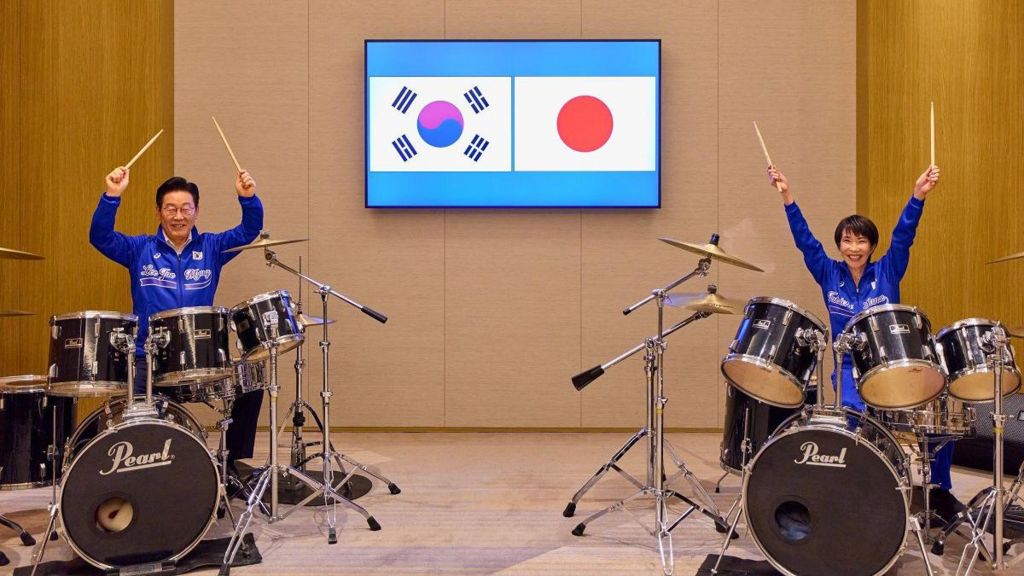
    In an unprecedented display of cultural diplomacy, South Korean President Lee Jae Myung and Japanese Prime Minister Sanae Takaichi captivated global attention with an impromptu drumming performance following their bilateral summit. The two leaders, adorned in coordinated blue jackets, showcased their rhythmic talents to the beats of popular K-pop tracks including BTS’s “Dynamite” and the soundtrack from the film “KPop Demon Hunters.

    The musical interlude, which leveraged Takaichi’s background as a former heavy metal band drummer, served as the concluding highlight of President Lee’s official state visit to Japan. This unconventional diplomatic approach forms part of Lee’s broader strategy to strengthen regional alliances, particularly with nations with which South Korea maintains complex historical relationships.

    The viral video footage of the drumming session, which Lee self-deprecatingly described as “a little clumsy,” has generated significant positive engagement across social media platforms. During his visit to Nara—Prime Minister Takaichi’s hometown—Lee presented his Japanese counterpart with a custom drum set, followed by an exchange of autographed drumsticks after their performance.

    Prime Minister Takaichi revealed on social media platform X that the musical surprise was orchestrated in response to Lee’s expressed aspiration to play drums during their previous meeting at the APEC summit last year.

    The diplomatic significance of this cultural exchange extends beyond symbolic gestures. Both nations, despite historical tensions stemming from Japan’s colonial rule and ongoing territorial disputes, remain crucial U.S. allies in counterbalancing China’s growing regional influence. During the summit, Takaichi emphasized the increasing importance of trilateral cooperation among Japan, South Korea, and the United States amid evolving strategic challenges.

    The leaders concurrently committed to enhancing economic collaboration, particularly relevant given China’s recent restrictions on rare earth and dual-use goods exports to Japan. This agreement signals a pragmatic approach to regional economic security concerns.

    President Lee’s diplomatic methodology has yielded domestic political benefits, boosting his approval ratings through a series of carefully orchestrated engagements with world leaders. Prior to his Japanese visit, Lee met with Chinese President Xi Jinping in Beijing, where they captured selfies using a Chinese smartphone. In October, he presented former U.S. President Donald Trump with an elaborate golden crown during their meeting.

    However, Lee’s diplomatic outreach has encountered limitations with North Korea, where Kim Jong Un’s administration has rejected peace overtures and recently demanded apologies regarding alleged surveillance drone incursions.

    Lee’s political ascent initially raised concerns in Tokyo and Washington due to his perceived socialist economic leanings and relative international obscurity. These apprehensions have been partially alleviated through his balanced diplomatic approach among major regional powers, demonstrating a capacity for pragmatic statesmanship despite historical controversies, including the unresolved matter of wartime forced labor compensation.

    In a reflective social media post, Lee drew parallels between their musical collaboration and diplomatic efforts: “Even if our timing was slightly different, our intention to find the same rhythm was shared. In that same spirit, we will continue to build a future-oriented Korea–Japan relationship together, with one heart.”

  • Ugandan opposition leader campaigns in flak jacket

    Ugandan opposition leader campaigns in flak jacket

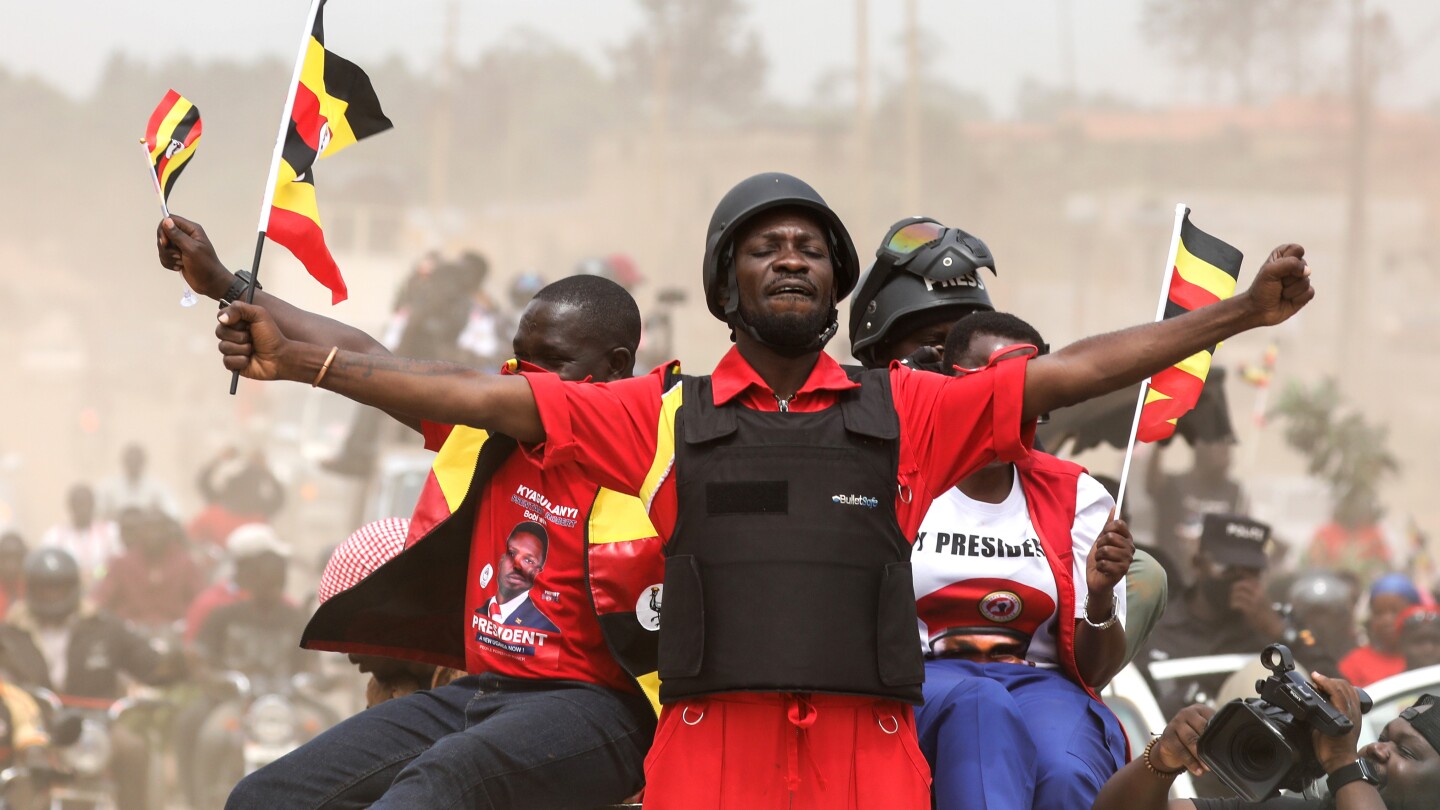
    MUKONO, Uganda — Opposition presidential candidate Bobi Wine conducted campaign activities in Mukono while clad in protective military gear, illustrating the volatile political climate preceding Uganda’s January 15th elections. The musician-turned-politician, legally named Kyagulanyi Ssentamu, appeared in public wearing both flak jacket and helmet as government forces maintained heavy visibility throughout the capital city of Kampala.

    Despite these visible security measures, the protective equipment provides no defense against the recurrent deployment of tear gas that has characterized Wine’s campaign events. Security personnel maintain constant surveillance at opposition rallies, creating an atmosphere of tension throughout the election cycle.

    Wine represents the primary electoral challenge to incumbent President Yoweri Museveni, who is pursuing an unprecedented seventh term in office. Museveni has maintained continuous political control since 1986 through systematic constitutional modifications that have eliminated presidential term limits and age restrictions. The longstanding leader has consistently neutralized political rivals through imprisonment and marginalization tactics.

    In his December 31st national address, President Museveni explicitly endorsed security forces’ use of tear gas against opposition gatherings, referring to Wine’s supporters as “criminal elements.” This rhetoric echoes the treatment Wine experienced during his initial presidential campaign in 2021, when he faced physical assault by police officers, had his clothing torn, and witnessed the imprisonment of dozens of his supporters.

  • China’s Long March 8A rocket launches new satellite group

    China’s Long March 8A rocket launches new satellite group

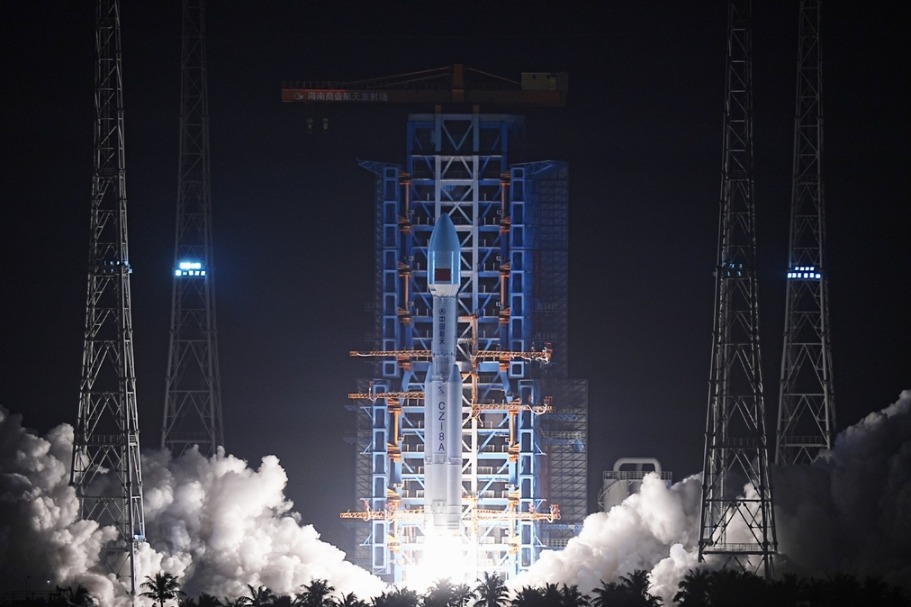
    China has successfully deployed a new cluster of internet satellites using its Long March 8A carrier rocket, marking another significant step in the nation’s ambitious space infrastructure development. The launch occurred on January 13, 2026, at 23:25 Beijing Time from the Wenchang Spacecraft Launch Site in Hainan province.

    The mission successfully placed the 18th group of low-orbit internet satellites into their predetermined orbits, expanding China’s growing satellite network designed to provide global internet coverage. This launch represents the continuing advancement of China’s commercial space capabilities and its strategic positioning in the global space technology sector.

    The Long March 8A rocket, developed by the China Academy of Launch Vehicle Technology, represents China’s newer generation of launch vehicles designed for medium-lift capabilities with cost-effective operational parameters. The successful deployment demonstrates China’s growing proficiency in frequent, reliable satellite launches necessary for maintaining and expanding constellation networks.

    This launch forms part of China’s broader strategy to establish a comprehensive space-based internet infrastructure, potentially offering worldwide connectivity services while enhancing the country’s technological competitiveness in the global space economy. The expansion of satellite internet constellations has significant implications for global communications, rural connectivity, and emergency response capabilities worldwide.

  • A Dubai chocolate-inspired dessert has taken S Korea by storm

    A Dubai chocolate-inspired dessert has taken S Korea by storm

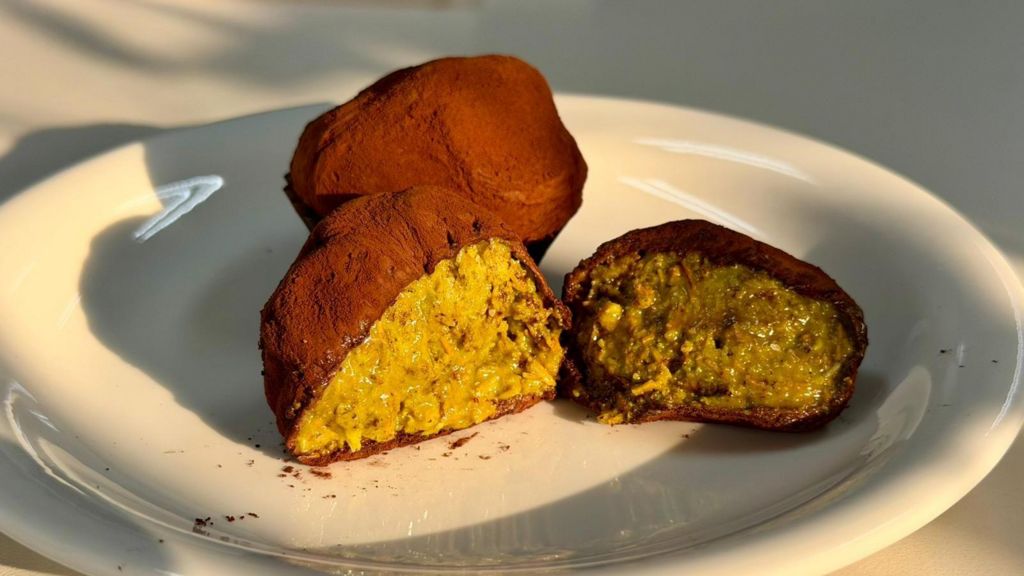
    South Korea has been swept by an unprecedented dessert phenomenon as the Dubai-inspired chewy cookie captivates the nation’s culinary scene. This innovative confectionery, featuring a unique combination of pistachio cream and knafeh pastry shreds enveloped in chocolate marshmallow, has created a nationwide buying frenzy since its introduction last September.

    The trend gained monumental traction when Jang Won-young, a member of the popular girl band Ive, shared an image of the distinctive treat on her Instagram platform. Almost immediately, consumer demand skyrocketed beyond all expectations. Retail establishments report selling hundreds of units within minutes of availability, while convenience store chain CU has moved approximately 1.8 million pieces since October launch.

    The overwhelming popularity has triggered significant market disruptions, with pistachio prices surging approximately 20% due to supply chain pressures. The scarcity has prompted some retailers to implement purchase limitations per customer. Meanwhile, entrepreneurial developers have created real-time tracking maps showing inventory levels across participating vendors.

    Interestingly, the dessert’s texture more closely resembles traditional Korean rice cakes than conventional cookies, contributing to its distinctive appeal. Food critic Lee Yong-jae observes that the treat’s success stems from its visual intensity and substantial density, aligning with contemporary Korean culinary preferences that prioritize impressive presentation over flavor balance.

    The phenomenon has expanded beyond traditional bakeries, with sushi restaurants, cold-noodle establishments, and even convenience stores incorporating the Dubai-inspired item into their offerings. Some consumers have reported counterfeit products appearing in the market, prompting online complaints about inferior imitations lacking authentic ingredients.

    As production facilities struggle to meet relentless demand, industry analysts predict further price increases from the current 5,000-10,000 won range, cementing this culinary trend as one of South Korea’s most significant food movements in recent years.

  • What to know as Louvre tickets are becoming 45% more expensive for many

    What to know as Louvre tickets are becoming 45% more expensive for many

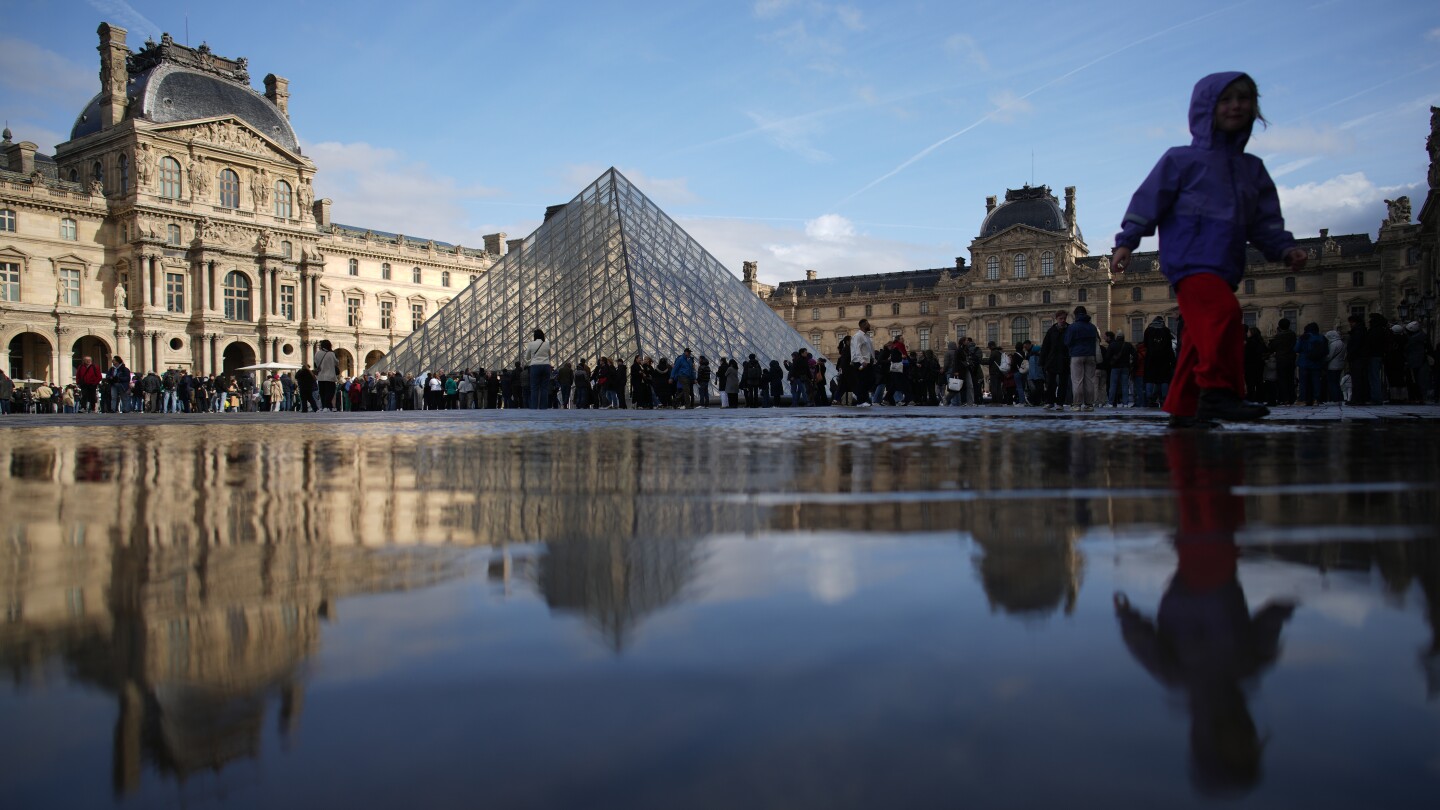
    The Louvre Museum in Paris, renowned as the world’s most visited cultural institution, has introduced a controversial two-tier ticketing system that significantly increases admission costs for most international visitors. Effective immediately, non-European tourists now face a 45% price surge, with entry fees jumping from €22 to €32 ($26 to $37). This strategic move comes as the museum grapples with substantial financial challenges stemming from aging infrastructure, chronic overcrowding, and heightened security demands following October’s high-profile crown jewels heist valued at approximately €88 million ($102 million).

    The new pricing structure maintains preferential rates for citizens and residents of European Union countries, Iceland, Liechtenstein, and Norway, while applying the increased fee to visitors from other nations, including the United States—which traditionally supplies the Louvre’s largest foreign visitor demographic. The museum administration emphasizes that certain categories, including visitors under 18 and specific European residents, retain eligibility for free admission.

    French labor unions have vehemently opposed the differentiated pricing model, condemning it as a commercialization of cultural access that creates unequal opportunity to experience national heritage. The CGT Culture union particularly argues that this approach undermines the museum’s universal mission. Meanwhile, the Louvre’s operational stability has been repeatedly compromised by staff walkouts, including a recent Monday closure due to strike action. Museum workers have cited unmanageable tourist crowds, inadequate staffing levels, and deteriorating working conditions as primary concerns, with some strikes extending for weeks amid calls for systemic reform.

    While not directly attributing the price increase to the October jewel theft, museum officials acknowledge that the brazen daylight robbery has intensified scrutiny regarding protection measures for France’s priceless cultural artifacts. The incident has amplified broader discussions about funding mechanisms for major cultural institutions and whether visitors should bear increased operational costs. Comparatively, the Louvre’s new standard ticket remains premium-priced against other European attractions like Rome’s Colosseum (€18) and Athens’ Acropolis (€30).

  • Energy giants lift ASX for third day, offsetting big four bank losses

    Energy giants lift ASX for third day, offsetting big four bank losses

    Australia’s sharemarket has demonstrated remarkable resilience by securing its third consecutive daily advance, overcoming significant banking sector weakness through substantial gains in energy commodities driven by escalating Middle Eastern geopolitical tensions.

    The benchmark S&P/ASX 200 index climbed 12.10 points (0.14%) to settle at 8820.60, while the broader All Ordinaries index gained 13.30 points (0.15%) to close at 9151.80. The Australian dollar simultaneously strengthened against the US currency, appreciating 0.21% to reach 66.97 US cents.

    Market performance revealed significant sector divergence, with eight of eleven industry sectors finishing positively. Energy equities emerged as the standout performers, surging 2.40% as West Texas Intermediate crude oil reached a ten-week peak amid supply disruption concerns. Major energy producers Woodside Energy (+2.62% to $23.92), Santos (+2.77% to $6.31), and Beach Energy (+5.24% to $1.205) all recorded substantial gains.

    IG market analyst Tony Sycamore attributed the oil price surge to anti-government protests in Iran that threatened approximately 3.3 million barrels of daily production. ‘The violent government response, with reports of thousands killed or arrested, has prompted US President Donald Trump to issue threats of military action and implement 25% tariffs on nations conducting business with Iran,’ Sycamore noted. Additional supply concerns emerged after suspected Ukrainian drones struck four Greek-managed oil tankers in the Black Sea on Tuesday.

    The materials sector provided additional support following G7 discussions addressing supply chain vulnerabilities for critical minerals. Mineral Resources advanced 1.39% to $61.34, Alpha HPA jumped 3.49% to $0.89, and Wildcat Resources climbed 4.71% to $0.445. Major iron ore producers BHP (+1.13%), Rio Tinto (+0.78%), and Fortescue (+0.35%) all closed higher despite precious metals including gold, aluminium, and copper retreating from record highs.

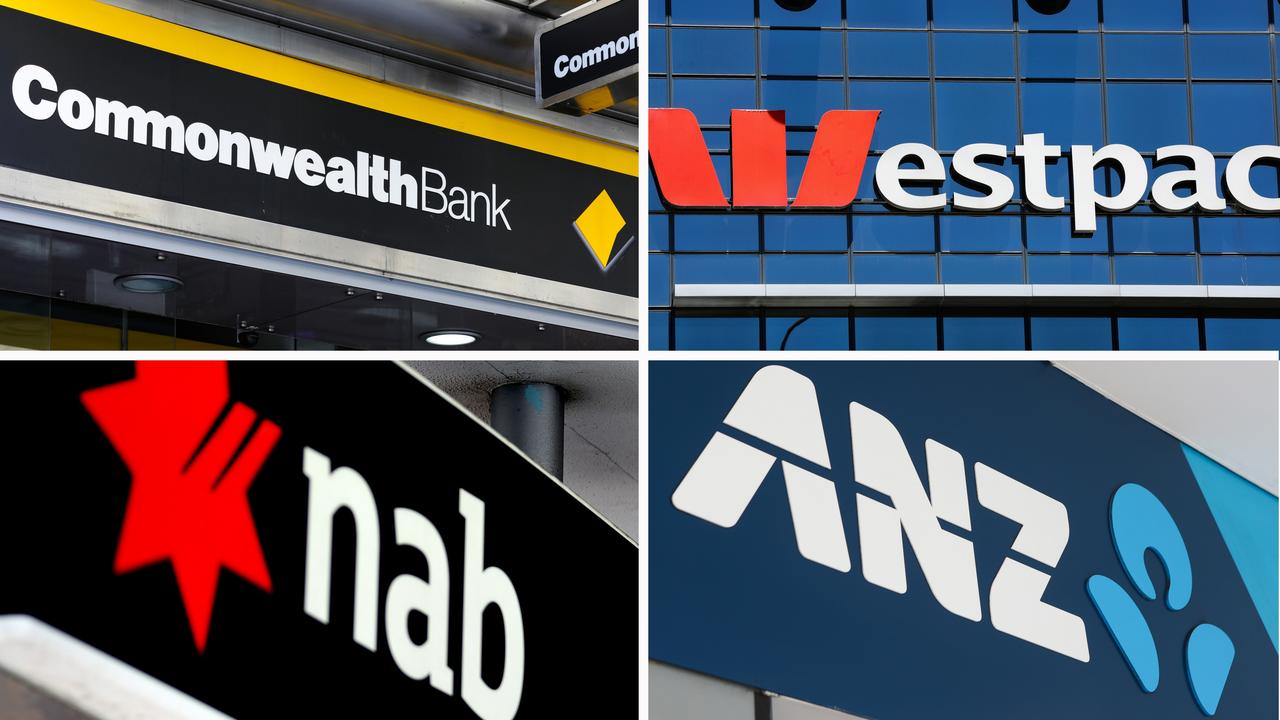
    These gains partially offset substantial banking sector weakness, with financial stocks declining 0.73% collectively. Commonwealth Bank led the downturn, falling 1.25% to $152.88, followed by National Australia Bank (-1.13% to $41.91), Westpac (-0.57% to $38.28), and ANZ (-0.27% to $36.38).

    Individual stock movements featured Neuren Pharmaceuticals soaring 6.06% to $20.47 after projecting potential 2028 sales of $US700 million for its Rett syndrome treatment DAYBUE. Endeavour Group rebounded 2.16% to $3.78 following profit guidance of $400-411 million for the December half. Conversely, Humm Group declined 0.68% to $0.74 as directors opposed a ‘reckless and flawed’ board restructuring proposal.

  • The UK is expected to approve a ‘mega’ Chinese embassy in London despite objections

    The UK is expected to approve a ‘mega’ Chinese embassy in London despite objections

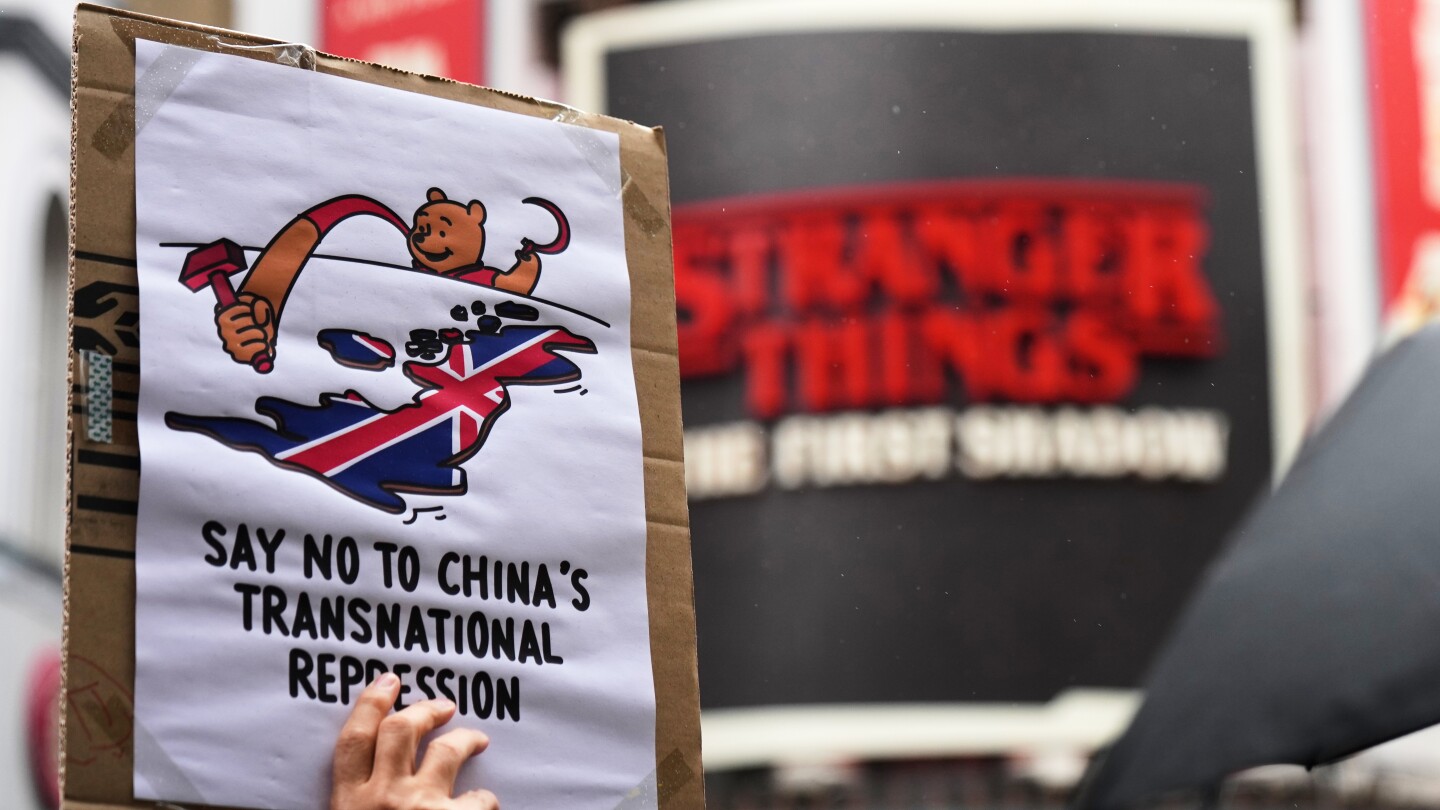
    The British government is reportedly finalizing approval for China’s expansive new diplomatic compound in London, concluding years of contentious debate over national security implications. The massive facility at Royal Mint Court, adjacent to the City’s financial hub, would become China’s largest diplomatic mission in Europe.

    Security analysts and parliamentarians from multiple parties have voiced profound concerns regarding the embassy’s proximity to critical financial data infrastructure. Conservative MP Alicia Kearns characterized the location as potentially providing China with “a launchpad for economic warfare” due to adjacent fiber-optic networks transmitting sensitive financial information between London’s primary financial districts.

    The approval process, initially scheduled for October, faced repeated delays following escalating allegations of Chinese espionage activities. Britain’s domestic intelligence service MI5 recently alerted lawmakers to targeted recruitment efforts by Chinese operatives through professional networks and front companies. These developments intensified scrutiny of the diplomatic project already criticized for its potential to facilitate surveillance of Chinese dissidents in the United Kingdom.

    Chinese authorities have expressed frustration over the seven-year delay, accusing the UK of “politicizing” what they describe as a fully compliant diplomatic construction project. The Chinese Foreign Ministry issued statements warning that Britain would “bear the consequences” if approval were withheld.

    The decision arrives ahead of Prime Minister Keir Starmer’s anticipated visit to China, which would mark the first such trip by a British leader since 2018. Starmer has maintained that national security remains non-negotiable while advocating continued diplomatic engagement with China, a position criticized by opposition figures as potentially naive.

    The £225 million ($301 million) property acquisition dates to 2018, with planning objections initially centered on protest management before evolving into comprehensive security deliberations under the current administration.