作者: admin

  • Winter fishing season brings fresh catches at Hunan’s Liuye Lake

    Winter fishing season brings fresh catches at Hunan’s Liuye Lake

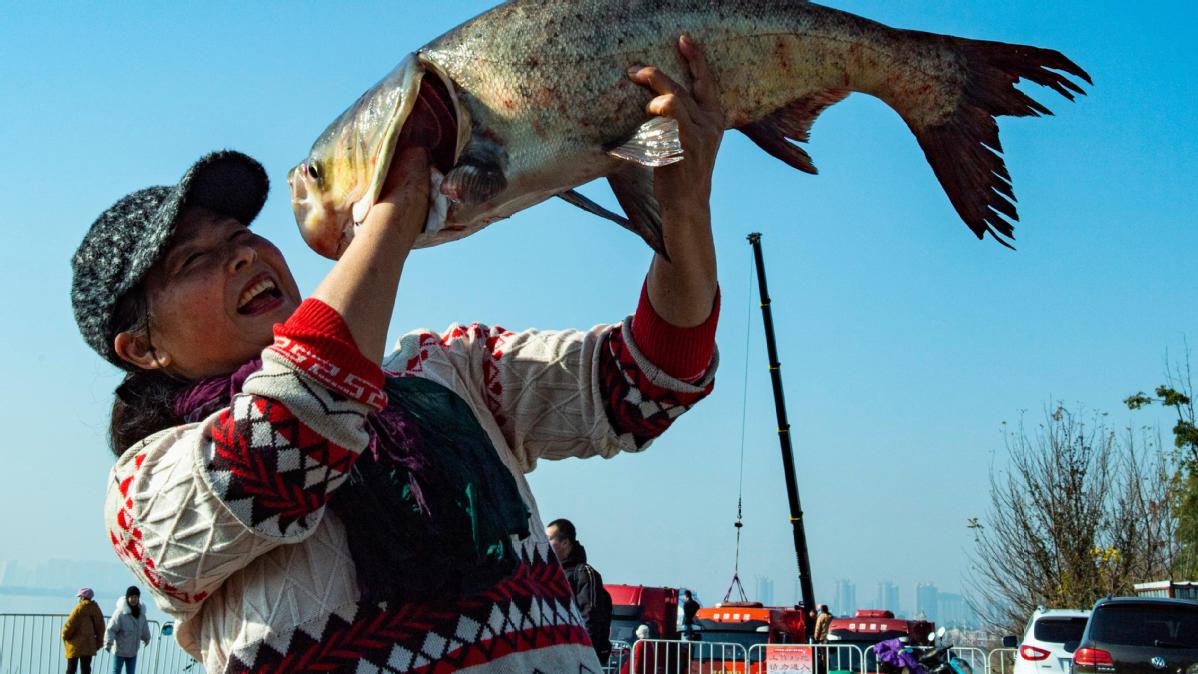
    Against the backdrop of winter’s crisp air, Liuye Lake in Changde, Hunan province, has become the centerpiece of a remarkable annual tradition—the Winter Fish Market. Now in its seventh consecutive year, this highly anticipated event has transformed into both a cultural celebration and economic boon for the region.

    The fishing festival, running from January 8 to January 18, operates on a simple yet effective principle: daily catches are available from 9 am until completely sold out. This year’s market holds special significance as it coincides with preparations for the upcoming Chinese Year of the Horse, symbolizing local aspirations for prosperity and success in the coming year.

    What sets Liuye Lake apart is its commitment to ecological aquaculture practices. The ‘willow-leaf lake’ employs a strict natural farming methodology that completely avoids artificial feeds, chemical fertilizers, and fish medications. This approach has not only ensured the quality of the aquatic products but has also maintained the lake’s ecological balance.

    According to local government estimates, the current winter fishing season is expected to yield approximately 250,000 kilograms of fresh fish. The morning scenes at the lake demonstrate the event’s popularity, with locals forming orderly queues to secure their share of the daily catch, often resulting in complete sell-outs within hours.

    The impact of Liuye Lake’s fishing industry extends far beyond Changde’s boundaries. Fresh catches are systematically transported to major urban markets, including Chongqing and Chengdu, bringing the lake’s renowned freshness to dining tables across the region. This distribution network has effectively turned a local tradition into a regional culinary phenomenon.

    The success of the winter fishing market represents a harmonious blend of environmental conservation, cultural preservation, and economic development—a model that continues to gain recognition and appreciation throughout Central China.

  • California investigates Grok over AI deepfakes

    California investigates Grok over AI deepfakes

    California Attorney General Rob Bonta has initiated a formal investigation into xAI’s Grok artificial intelligence platform following widespread reports of non-consensual sexually explicit deepfakes. The probe targets Elon Musk’s AI company for its alleged role in generating and disseminating explicit material depicting women and children without consent.

    Bonta characterized the situation as an ‘avalanche’ of disturbing content that has been weaponized for online harassment. The investigation emerges alongside international scrutiny, with British Prime Minister Keir Starmer warning of potential regulatory action against X platform and UK communications regulator Ofcom launching its own parallel investigation.

    xAI maintains that users prompting illegal content face consequences equivalent to those uploading prohibited material directly. Musk personally denied awareness of any underage imagery generated by Grok, emphasizing the tool only produces content upon specific user requests rather than spontaneously.

    The controversy has triggered broader legal debates regarding platform accountability. Legal experts question whether Section 230 protections—which traditionally shield online platforms from liability for user-generated content—apply to AI-generated imagery. Cornell University Professor James Grimmelmann argues that when platforms themselves generate content, they exceed Section 230’s protective scope.

    Political responses have intensified with three Democratic senators requesting Apple and Google remove X and Grok from their app stores. Although both platforms remain available, X subsequently restricted its image generation feature to paying subscribers only. The developments occur as the UK prepares legislation criminalizing non-consensual intimate imagery creation, with potential fines reaching 10% of global revenue for violations.

  • Venezuela’s oil riches are years off, but winners and losers will emerge

    Venezuela’s oil riches are years off, but winners and losers will emerge

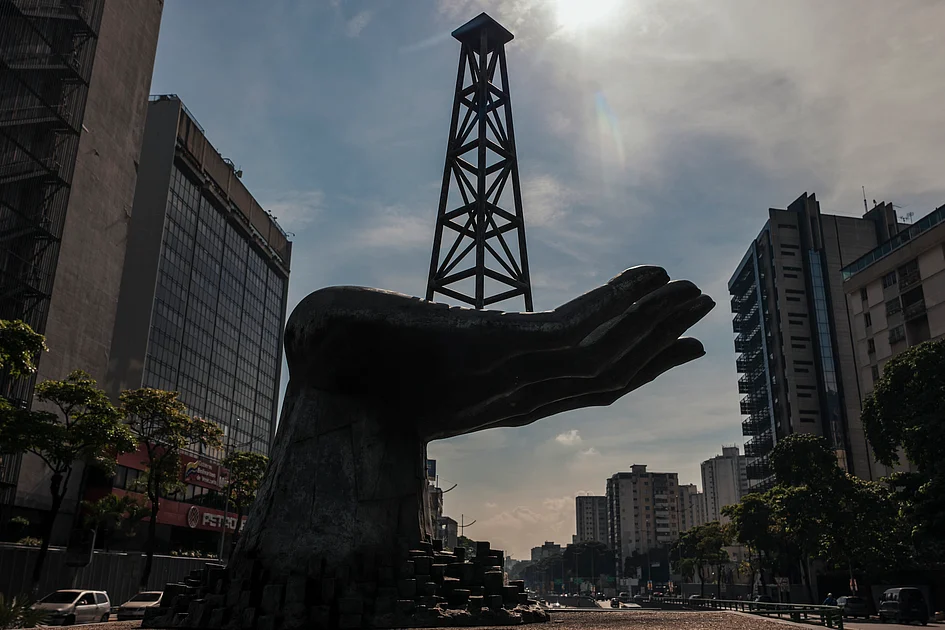
    A strategic transformation of Venezuela’s beleaguered oil industry, championed by US President Donald Trump, is projected to unfold over several years rather than months. While the nation possesses immense hydrocarbon reserves capable of attracting significant investment—particularly as US shale production peaks and Russian resources face sanctions—immediate large-scale production increases remain improbable.

    Initial beneficiaries of this geopolitical shift are already emerging. US energy giant Chevron, alongside European firms Repsol and Eni with established Venezuelan operations, stands to gain substantially. American Gulf Coast refineries, historically configured to process Venezuela’s heavy crude, also position themselves advantageously. Analysts from J.P. Morgan suggest Washington’s growing influence over these resources could recalibrate global energy dynamics, potentially stabilizing oil prices at historically lower ranges for the benefit of American consumers.

    Conversely, nations and entities that capitalized on Venezuela’s previous isolation face potential losses. China, the primary destination for Venezuelan crude, may see discounted oil flows diminish, particularly impacting its independent ‘teapot’ refineries. Cuba, long dependent on Venezuelan oil subsidies, could face severe energy shortages. Furthermore, increased Venezuelan supply threatens to pressure global prices, potentially harming US shale drillers and other OPEC+ members who have meticulously managed market balances.

    Industry leaders express cautious optimism tempered by practical realities. Exxon Mobil’s CEO Darren Woods labeled Venezuela ‘uninvestable’ without profound legal and commercial reforms. Current projections from S&P Global Energy indicate a plausible 50% production increase to 1.5 million barrels per day within two years—a meaningful but not market-shattering addition representing less than 0.5% of global supply.

    The long-term outlook, however, appears more promising. Post-2030, Venezuela’s vast geological reserves could become highly attractive as other global fields decline. Successful US-led investment, in coordination with Caracas, might eventually establish Venezuela as a crucial supplier meeting enduring global demand, fundamentally altering energy geopolitics for decades to come.

  • Indian nationals ‘strongly advised’ to avoid travel to Iran until further notice

    Indian nationals ‘strongly advised’ to avoid travel to Iran until further notice

    The Indian Ministry of External Affairs has significantly escalated its travel guidance concerning Iran, issuing a formal advisory on Wednesday, January 14th, 2026. The new directive strongly advises all Indian nationals against any travel to the Islamic Republic of Iran until further notice. This represents a notable intensification from a prior caution issued on January 5th, which had merely urged citizens to ‘exercise due caution’ within the country.

    The updated advisory carries specific instructions for the Indian community already residing in Iran. All individuals holding resident visas are being instructed to formally register their details with the Indian Embassy in Tehran if they have not done so already. Furthermore, those presently in the country are being directed to exercise heightened vigilance by strictly avoiding all areas where protests or public demonstrations are occurring.

    The Ministry emphasizes the importance of staying informed through official channels. Indian citizens in Iran are advised to monitor local news developments closely and to consistently check the official Embassy website and its social media platforms for any emergent instructions or critical updates. This advisory reflects growing concerns over the regional security environment and a proactive measure by the Indian government to ensure the safety of its citizens abroad.

  • Former Guizhou official gets 11-year sentence for bribery

    Former Guizhou official gets 11-year sentence for bribery

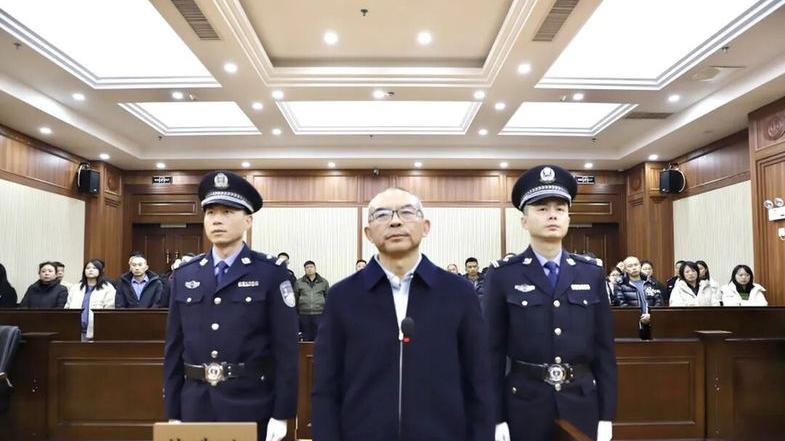
    In a significant judicial ruling underscoring China’s ongoing anti-corruption campaign, Chen Shaorong, a former high-ranking official from Guizhou province, has been sentenced to 11 years and three months imprisonment for bribery offenses. The Qiannan Bouyei and Miao Autonomous Prefecture Intermediate People’s Court delivered the first-instance verdict on Tuesday, marking another milestone in the nation’s systematic crackdown on corrupt practices within public office.

    The court established that Chen, previously serving as deputy director of the Legal Affairs Committee under the Standing Committee of the Guizhou Provincial People’s Congress, systematically abused his official authority over nearly two decades. From 2005 through 2024, he leveraged multiple influential positions—including vice-mayor of Liupanshui, executive vice-mayor of Guiyang, and Party secretary of Anshun—to illicitly benefit organizations and individuals across various sectors.

    His corrupt activities primarily involved facilitating preferential treatment in coal mine operations, project contracting assignments, and personnel promotion decisions. In exchange for these unlawful services, Chen accepted bribes exceeding 22.07 million yuan (approximately $3.16 million), alongside additional illegal gains surpassing 100,000 yuan worth of valuables and benefits.

    The judiciary noted the exceptionally large sum involved warranted severe punishment under Chinese criminal law. However, the court acknowledged mitigating factors including Chen’s confession, voluntary disclosure of bribery offenses, and active restitution of illicit proceeds. These cooperative actions qualified him for legally prescribed sentence reductions.

    In addition to imprisonment, the court imposed a substantial financial penalty of 1.3 million yuan ($186,000) and ordered complete confiscation of all illicit assets and associated interest, which will be transferred to the state treasury. Any outstanding amounts are subject to continued legal recovery procedures.

    Following the verdict announcement, Chen formally accepted the judgment in open court and declared he would not pursue an appeal, concluding a high-profile case that demonstrates China’s sustained determination to combat corruption at all governmental levels.

  • Venezuela looking to ‘new era’ after Maduro ouster, says interim leader

    Venezuela looking to ‘new era’ after Maduro ouster, says interim leader

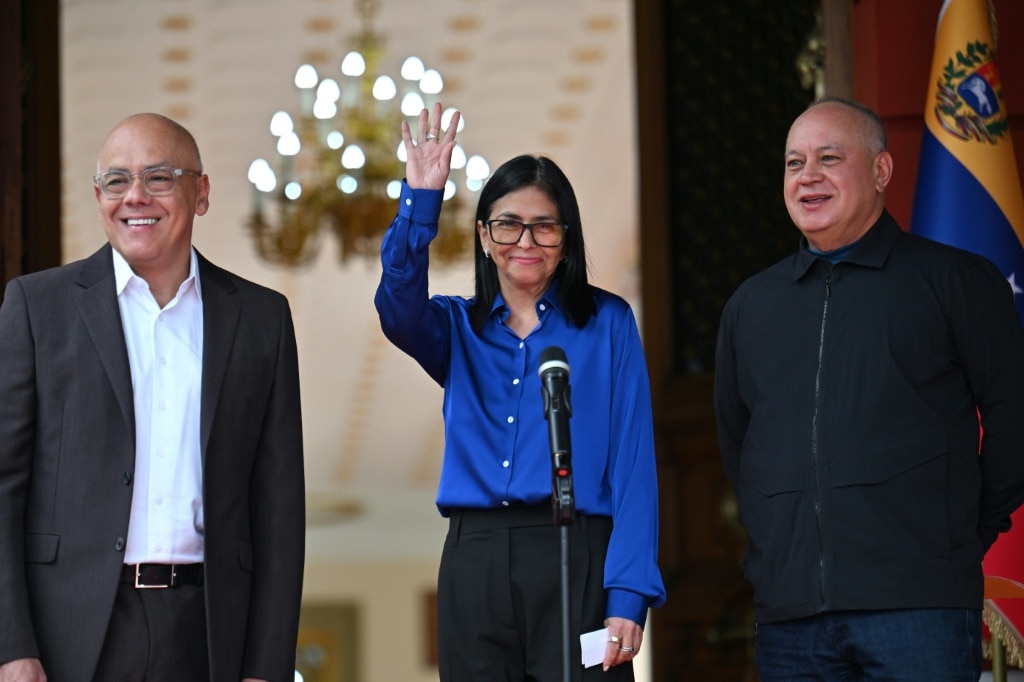
    Venezuela’s political landscape is undergoing a profound transformation following the US-led ouster of longtime leader Nicolas Maduro. Interim President Delcy Rodriguez, addressing her inaugural press conference since Maduro’s capture by US forces on January 3, declared the nation’s entry into a “new political era” characterized by increased tolerance and ideological diversity. Rodriguez, previously Maduro’s deputy, positioned herself as a unifying figure committed to fostering understanding across political divides.

    The transition arrangement, sanctioned by US President Donald Trump, mandates Rodriguez’s adherence to Washington’s directives. This development has notably sidelined prominent opposition leader and Nobel Peace Prize laureate Maria Corina Machado, whom Trump deemed insufficiently respected within Venezuela. Machado is scheduled to meet with Trump at the White House to advocate for a democratic transition involving herself and Edmundo Gonzalez Urrutia, the opposition’s 2024 presidential candidate who allegedly lost due to electoral fraud.

    A significant confidence-building measure has been the systematic release of political prisoners. Rodriguez claims 406 individuals have been freed since December, with accelerated releases following last week’s governmental shift. Independent verification varies, with the Foro Penal NGO documenting approximately 180 releases and AFP’s count based on opposition data confirming 70 liberations since January 8. Recent releases include 17 journalists and media workers, among them Roland Carreno, a prominent opposition activist detained during post-election protests in August 2024.

    Rodriguez navigates a complex balancing act, complying with US demands while maintaining support from Maduro loyalists who retain control over security apparatuses. Prisoner releases have been conducted discreetly at alternative locations to avoid public spectacles. Concurrently, Venezuela has restored access to social media platform X after over a year of blockage, with Rodriguez updating her profile to “acting president” and advocating for national unity toward economic stability and social justice.

    International dimensions continue to evolve, with several Spanish and Italian citizens recently freed alongside previous releases of American detainees. Maduro’s X account remains active, featuring a recent post with his wife captioned “We want you back,” indicating ongoing support for the deposed leader.

  • Xizang expands elderly care faster than its population growth

    Xizang expands elderly care faster than its population growth

    The Tibet Autonomous Region has achieved remarkable progress in elderly care services, significantly outpacing its general population growth according to recent government reports. At a press briefing held in Lhasa this week, regional authorities detailed substantial advancements in both care facility infrastructure and pension system enhancements.

    By the conclusion of 2025, Tibet had established 80 county-level centralized care service centers specifically designed for economically vulnerable seniors. These facilities currently accommodate over 5,800 elderly residents while providing more than 12,000 specialized care beds, with more than half designated for nursing care purposes. The region’s comprehensive approach also includes 65 dedicated day-care centers for older adults and 195 rural ‘happiness homes’ that enable seniors to receive support while remaining within their familiar communities.

    Demographic data from the latest national census reveals that Tibet’s population aged 60 and above has reached 311,000 individuals, representing 8.52% of the permanent population. Those aged 65 and older number approximately 207,000, accounting for 5.67% of the population. These segments have demonstrated annual growth rates exceeding 3%, substantially higher than the region’s overall population expansion.

    Lhamo Drolma, Deputy Director of the Regional Department of Civil Affairs, highlighted the parallel developments in social security infrastructure. “By 2025, we had established 539,200 personal pension accounts with cumulative contributions reaching 161 million yuan (approximately $23 million),” Drolma announced. The region has elevated the basic monthly pension for both urban and rural residents to 295 yuan—double the national average and ranking fourth highest nationwide—benefiting 318,200 individuals. Additional pension adjustments have positively impacted over 120,000 retirees from enterprise and government institutions.

    Healthcare services for seniors have similarly advanced at an accelerated pace, with 62% of secondary hospitals now featuring dedicated geriatrics departments and 85% of medical centers implementing elderly-friendly modifications. Major hospitals have introduced priority services including specialized service windows and customized assistance programs to ensure comprehensive healthcare accessibility for elderly patients.

  • Watch: Paraglider survives 500ft drop into ocean

    Watch: Paraglider survives 500ft drop into ocean

    A recreational paraglider cheated death after experiencing catastrophic equipment failure that sent him plunging approximately 500 feet into the Atlantic Ocean off Florida’s Palm Beach County coastline. The harrowing incident, captured on video, shows the precise moment the powered paraglider’s motor system malfunctioned during flight, triggering an uncontrolled descent into the waters below.

    Emergency response teams from the Palm Beach County Sheriff’s Office and the United States Coast Guard immediately launched a multi-agency rescue operation. The victim, whose identity remains undisclosed, demonstrated remarkable presence of mind throughout the ordeal, managing to disentangle himself from the parachute canopy and activated his personal flotation device while awaiting rescue in open water.

    Marine safety experts subsequently emphasized the critical importance of emergency preparedness for adventure sports enthusiasts. The incident has sparked renewed discussions about safety protocols and equipment maintenance standards within the paragliding community. Authorities confirmed the individual sustained only minor injuries and was transported to a nearby medical facility for evaluation following his retrieval from the ocean.

  • Greenland biathlete pursues Olympic dream while anxious about ‘terrrifying’ threats to her homeland

    Greenland biathlete pursues Olympic dream while anxious about ‘terrrifying’ threats to her homeland

    Ukaleq Slettemark, a 25-year-old biathlete from Greenland, faces unprecedented psychological challenges while competing in the Biathlon World Cup in Ruhpolding, Germany. Beyond the typical pressures of Olympic qualification for Milan Cortina 2026, Slettemark contends with growing anxiety stemming from former U.S. President Donald Trump’s repeated assertions about acquiring her homeland.

    The athlete described the profound emotional toll on her family, revealing her mother broke down crying at the competition venue and her aunt experiences sleepless nights. “We are imagining the worst-case scenario,” Slettemark confessed to The Associated Press, emphasizing the collective fear permeating Greenland’s community. Some residents reportedly consider relocating due to safety concerns.

    Despite competing under Greenland’s banner in World Cup events, the Slettemark siblings would represent Denmark at the Olympics since Greenland lacks sovereign nation status with its own Olympic committee. This complex political reality now intersects with geopolitical tensions as Trump recently reaffirmed his territorial ambitions on social media, citing national security requirements.

    The situation creates a peculiar dynamic for Slettemark, who maintains friendships with American athletes while condemning the political rhetoric. She draws parallels between Trump’s statements and Russian aggression in Ukraine, suggesting similar Olympic consequences should apply if the U.S. pursued forceful acquisition. Both her parents being accomplished biathletes—her father competed in the 2010 Olympics and her mother established Greenland’s Biathlon Federation—adds layers to this intersection of athletic pursuit and geopolitical anxiety.

  • Some personnel advised to leave US military base in Qatar, say diplomats

    Some personnel advised to leave US military base in Qatar, say diplomats

    The United States military has initiated precautionary personnel adjustments at its strategic Al Udeid Air Base in Qatar, with diplomatic sources confirming that select personnel received recommendations to depart the facility by Wednesday evening. This development occurs against a backdrop of escalating regional tensions and explicit security warnings from Washington regarding potential intervention to safeguard protesters in Iran.

    Three diplomatic officials with knowledge of the situation clarified to Reuters that this constitutes a strategic posture modification rather than a mandated evacuation. The precise rationale behind this operational shift remains unspecified, according to one diplomat who spoke on condition of anonymity.

    Al Udeid Air Base represents America’s most significant military installation across the Middle East, accommodating approximately 10,000 military personnel and serving as a critical operational hub for regional security operations. The base’s strategic importance has grown substantially in recent years as a coordination center for air operations throughout the Middle East.

    This security recalibration follows earlier statements from Iranian officials warning neighboring nations that Tehran would target US military installations in retaliation for any American offensive actions. These threats emerged subsequent to former President Donald Trump’s declarations regarding potential intervention in Iran’s internal affairs.

    The current situation echoes similar precautionary measures implemented in the previous year, when US forces relocated selected personnel and military families from Middle Eastern bases more than a week prior to conducting airstrikes against Iranian targets. In June of that year, Iran retaliated with missile strikes targeting the Qatari base, demonstrating the facility’s vulnerability during regional conflicts.

    Neither the US Embassy in Doha nor Qatar’s Ministry of Foreign Affairs provided immediate commentary or confirmation regarding these recent developments when contacted by Reuters. The absence of official statements has heightened attention on the evolving security dynamics in the Persian Gulf region.