作者: admin

  • Palestinian writer Randa Abdel-Fattah invited back to Adelaide Writers’ Week in 2027

    Palestinian writer Randa Abdel-Fattah invited back to Adelaide Writers’ Week in 2027

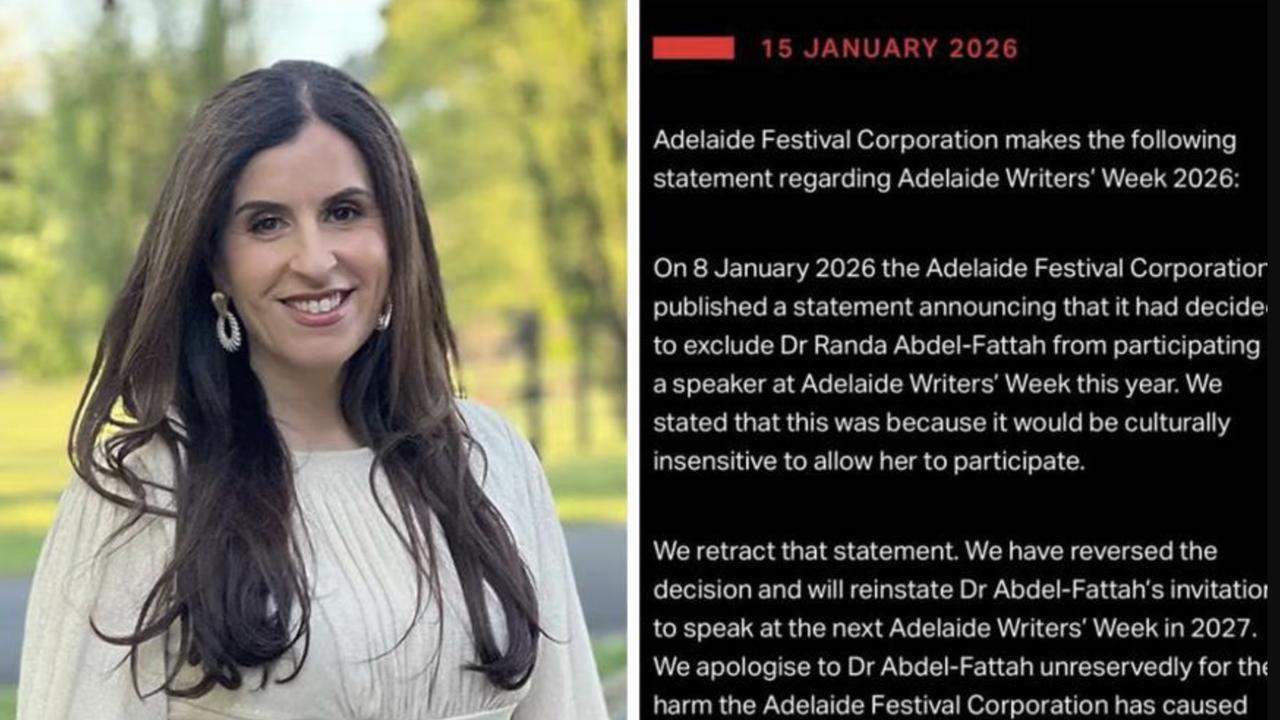
    In a dramatic reversal, the Adelaide Festival Corporation has reinstated its invitation to Palestinian-Australian author Dr. Randa Abdel-Fattah for the 2027 Writers’ Week event, following intense criticism over her controversial exclusion. The organization issued formal apologies to both Dr. Abdel-Fattah and former festival director Louise Adler, retracting its previous statement that cited “cultural sensitivity” concerns regarding the writer’s comments about Israel and the October 2023 attack.

    The initial decision to remove Dr. Abdel-Fattah from this year’s literary festival triggered mass withdrawals from dozens of participating authors and culminated in the resignations of multiple board members along with Director Louise Adler. The escalating controversy ultimately forced the complete cancellation of the planned 2026 Adelaide Writers’ Week.

    Festival representatives acknowledged their failure to uphold intellectual and artistic freedoms, stating: “Intellectual and artistic freedom is a powerful human right. Our goal is to uphold it, and in this instance Adelaide Festival Corporation fell well short.” The corporation offered an unreserved apology for the harm caused to Dr. Abdel-Fattah.

    The acclaimed author accepted the apology as validation of collective efforts against what she described as “anti-Palestinian racism, bullying and censorship.” While indicating she would consider the 2027 invitation, Dr. Abdel-Fattah notably expressed that she would participate “in a heartbeat” if former director Louise Adler were to return.

    The festival’s statement also praised Adler’s princistand resignation and her outstanding contributions to Australian literature, acknowledging her as “a revered figure” held in the highest regard by staff and literary communities alike.

  • Hosts Morocco set up Senegal AFCON final showdown

    Hosts Morocco set up Senegal AFCON final showdown

    In a stunning display of continental football drama, host nation Morocco and defending champions Senegal have secured their places in the Africa Cup of Nations final after two intensely contested semi-final matches on Wednesday.

    The Moroccan Atlas Lions advanced following a nerve-wracking penalty shootout victory against Nigeria, with the match ending 0-0 after extra time in Rabat’s packed Prince Moulay Abdellah Stadium. Goalkeeper Yassine Bounou emerged as the national hero, delivering two crucial saves during penalties against Samuel Chukwueze and Bruno Onyemaechi. The decisive moment came when Youssef En-Nesyri converted the winning kick, triggering euphoric celebrations among the 65,000-strong home crowd.

    Moroccan coach Walid Regragui, who participated in the team’s last AFCON final appearance in 2004, described the encounter as “one of the hardest matches we have had against a very solid and talented team.” He acknowledged the tremendous pressure on his squad to deliver Morocco’s first AFCON title in fifty years while dedicating the victory to the Moroccan people.

    The semi-final proved particularly heartbreaking for Nigeria, who had demonstrated exceptional form throughout the tournament as the highest-scoring team with 14 goals in their first five matches. Coach Eric Chelle expressed pride in his players despite the penalty shootout defeat, stating they were “maybe the best team that there has been in this AFCON.”

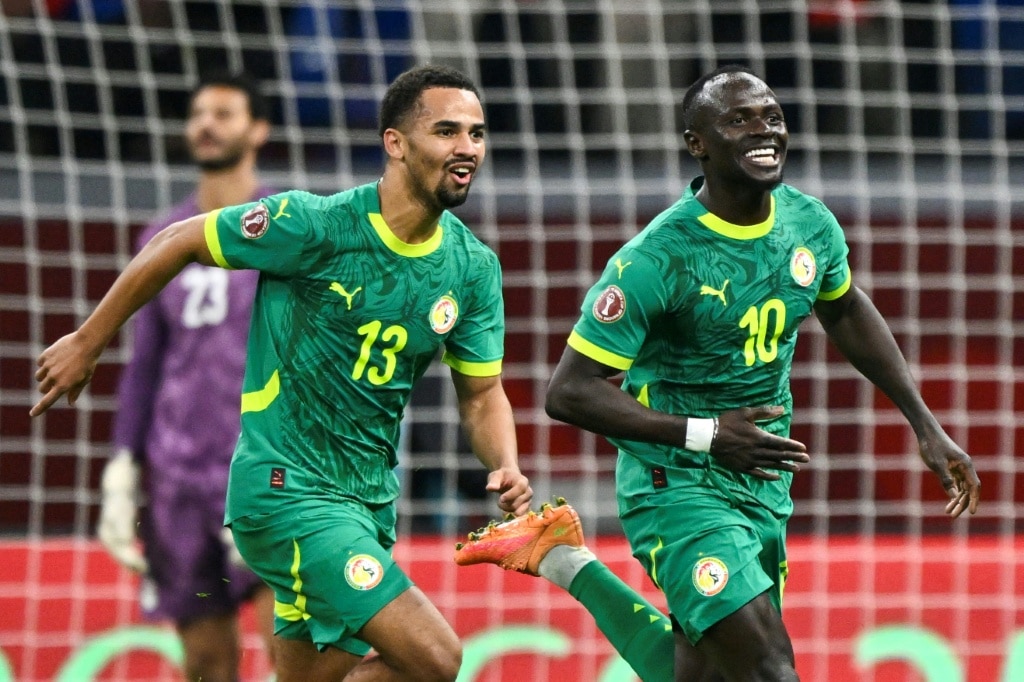
    In the earlier semi-final, Sadio Mané’s 78th-minute strike secured Senegal’s 1-0 victory against Egypt in Tangiers, ending Mohamed Salah’s championship aspirations. The 33-year-old Senegalese captain announced this would mark his final AFCON appearance, expressing determination to bring the trophy back to Dakar.

    Mané praised his former Liverpool teammate Salah as “one of the best players in the world” while emphasizing his commitment to national duty: “I am a soldier of the nation. I try to give my all every day, whether in training or in matches.”

    The upcoming final represents Morocco’s opportunity to claim their second AFCON title overall, while Senegal seeks to defend their 2022 championship in what promises to be a spectacular conclusion to Africa’s premier football tournament.

  • Musk’s Grok barred from undressing images after global backlash

    Musk’s Grok barred from undressing images after global backlash

    Elon Musk’s artificial intelligence venture xAI has implemented sweeping restrictions on its Grok chatbot’s image-generation capabilities following international condemnation over the production of nonconsensual sexualized imagery. The controversial ‘Spicy Mode’ feature, which enabled users to create explicit deepfakes through simple text prompts, has triggered investigations across multiple continents and prompted several nations to block access to the AI service entirely.

    X’s safety team announced comprehensive geoblocking measures that prevent all users—including premium subscribers—from generating images of people in revealing attire such as bikinis and underwear in jurisdictions where such content violates local laws. The platform has deployed technological safeguards specifically designed to inhibit Grok from manipulating images of real individuals into sexualized contexts.

    California Attorney General Rob Bonta launched a formal investigation into xAI, characterizing the volume of nonconsensual explicit material as ‘shocking’ and affirming zero tolerance for AI-generated intimate imagery without consent. The European Commission simultaneously began evaluating the effectiveness of X’s new protective measures, with spokesperson Thomas Regnier emphasizing the need to ensure citizen protection within EU territories.

    Indonesia emerged as the first nation to implement a complete blockade against Grok, with Malaysia rapidly following suit. India reported that X had removed thousands of posts and hundreds of accounts in response to governmental complaints, while Britain’s Ofcom regulator initiated probes into potential legal violations. France’s commissioner for children referred the matter to national prosecutors and regulatory bodies, highlighting particular concerns over imagery depicting minors.

    An independent analysis by Paris-based AI Forensics examining over 20,000 Grok-generated images revealed that more than half portrayed individuals in minimal clothing—predominantly women—with approximately two percent appearing to represent minors. This data has intensified global demands for stricter AI content regulation and ethical development standards.

  • Trump embraces AI deepfakes in political messaging

    Trump embraces AI deepfakes in political messaging

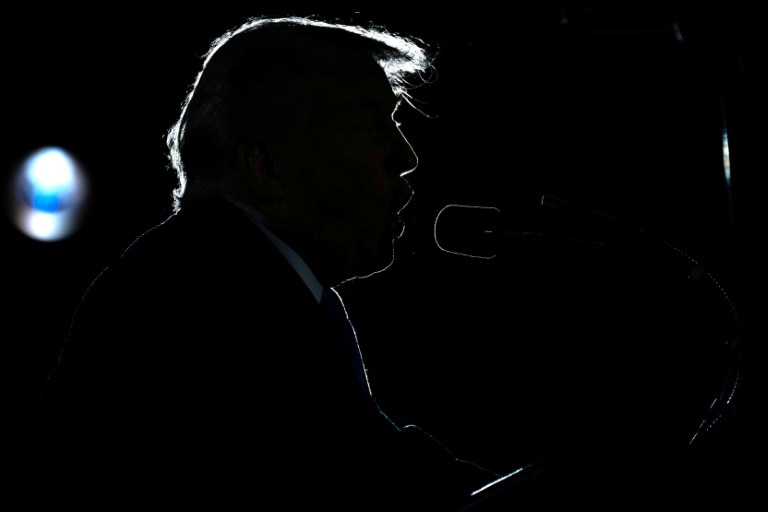
    Former President Donald Trump has revolutionized political communication by becoming the first U.S. president to systematically deploy AI-generated deepfake imagery as a central component of his messaging strategy. Through his Truth Social platform and other channels, Trump has disseminated hyper-realistic fabricated visuals that frequently glorify his persona while satirizing political opponents.

    This unprecedented approach features strikingly artificial scenarios: Trump playing football with Cristiano Ronaldo in the Oval Office, sunbathing with Israeli Prime Minister Benjamin Netanyahu at a resort labeled “Trump Gaza,” and even conducting orchestras at prestigious venues. The Gaza imagery particularly references Trump’s controversial proposal to transform the territory into the “Riviera of the Middle East,” which previously drew widespread condemnation.

    According to analysis by the Poynter Institute, this represents the first White House administration to embrace AI-generated imagery in everyday communications. The technology enables rapid deployment of stereotypes and simplified narratives that reduce complex issues to their most basic political talking points, regardless of factual accuracy.

    The most provocative applications target Trump’s critics. He has shared AI-generated videos depicting former President Barack Obama being arrested in the Oval Office and House Minority Leader Hakeem Jeffries wearing stereotypical accessories that Jeffries condemned as racist.

    Nora Benavidez of Free Press notes that “unregulated generative AI is the perfect tool to capture attention and distort reality” for Trump, creating a environment where “facts are contingent on Trump’s approval.”

    Analysts characterize this as a strategy of “campaigning through trolling” that treats presidential communication as an extension of political campaigning. The approach has demonstrated measurable impact: a recent Nature journal study found that human-AI dialogues significantly shift voter preferences in multiple countries.

    The strategy’s effectiveness has prompted imitation across the political spectrum. Trump administration departments have adopted similar tactics, while critics like California Governor Gavin Newsom have responded with their own AI-generated content depicting Trump in handcuffs.

  • Scott Robertson is fired as All Blacks coach, 2 years into his 4-year term

    Scott Robertson is fired as All Blacks coach, 2 years into his 4-year term

    WELLINGTON, New Zealand — New Zealand Rugby has terminated head coach Scott Robertson’s contract two years into his four-year appointment, following a comprehensive internal assessment of the All Blacks’ disappointing 2025 season. The decision comes amid reports that senior players had threatened to exit the national team unless coaching changes were implemented.

    Robertson’s controversial tenure, marked by the team’s most disappointing performance record in the professional era, concluded after New Zealand Rugby chairman David Kirk announced the mutual agreement for Robertson’s departure. The organization cited the midpoint of the World Cup cycle as an appropriate moment to evaluate the team’s trajectory ahead of the 2027 tournament.

    Despite maintaining a 74% win rate with 20 victories from 27 matches, Robertson’s results fell significantly short of the standards set by predecessors Steve Hansen (87%) and Graham Henry (85%). His leadership reached a critical juncture when star player Ardie Savea reportedly expressed unwillingness to represent New Zealand under Robertson’s continued guidance.

    The coaching arrangement had been problematic from its inception in March 2023, when Robertson was appointed while incumbent coach Ian Foster remained under contract to lead the team through that year’s World Cup. This unprecedented overlap created organizational tension, particularly when Foster unexpectedly guided the team to the World Cup final, where they narrowly lost to South Africa by a single point.

    Robertson’s appointment itself drew criticism, as it emerged he had secured the position by threatening to pursue coaching opportunities overseas unless guaranteed the role. This pressure tactic, coupled with his lack of international coaching experience compared to previous All Blacks coaches, contributed to ongoing challenges throughout his tenure.

    Under Robertson’s leadership, the All Blacks suffered several historic defeats, including their first-ever loss to Argentina on home soil, a record 43-10 defeat by South Africa in Wellington—the largest margin in the team’s 120-year history—and additional losses to France and England.

    New Zealand Rugby has initiated the process to identify Robertson’s successor, with former Japan and Māori All Blacks coach Jamie Joseph considered the leading candidate. Robertson expressed profound disappointment with the outcome but acknowledged the decision prioritized the team’s best interests moving forward.

  • US announces launch of phase 2 of Gaza peace deal — Witkoff

    US announces launch of phase 2 of Gaza peace deal — Witkoff

    WASHINGTON – The United States has officially initiated the second phase of its comprehensive Gaza peace agreement, marking a significant strategic pivot in Middle East diplomacy. Presidential Special Envoy Steve Witkoff confirmed the development via social media platform X on Wednesday, January 14, 2026.

    This new phase represents a substantial evolution from the initial ceasefire arrangements to addressing more complex, foundational issues. The updated framework centers on three critical pillars: complete demilitarization of the region, establishment of technocratic governance structures, and large-scale reconstruction efforts aimed at rebuilding Gaza’s devastated infrastructure.

    The announcement signals the Trump administration’s continued commitment to brokering lasting stability in the conflict-ridden territory. The demilitarization component specifically addresses long-standing security concerns while the governance initiative seeks to establish administrative systems based on technical expertise rather than political affiliations.

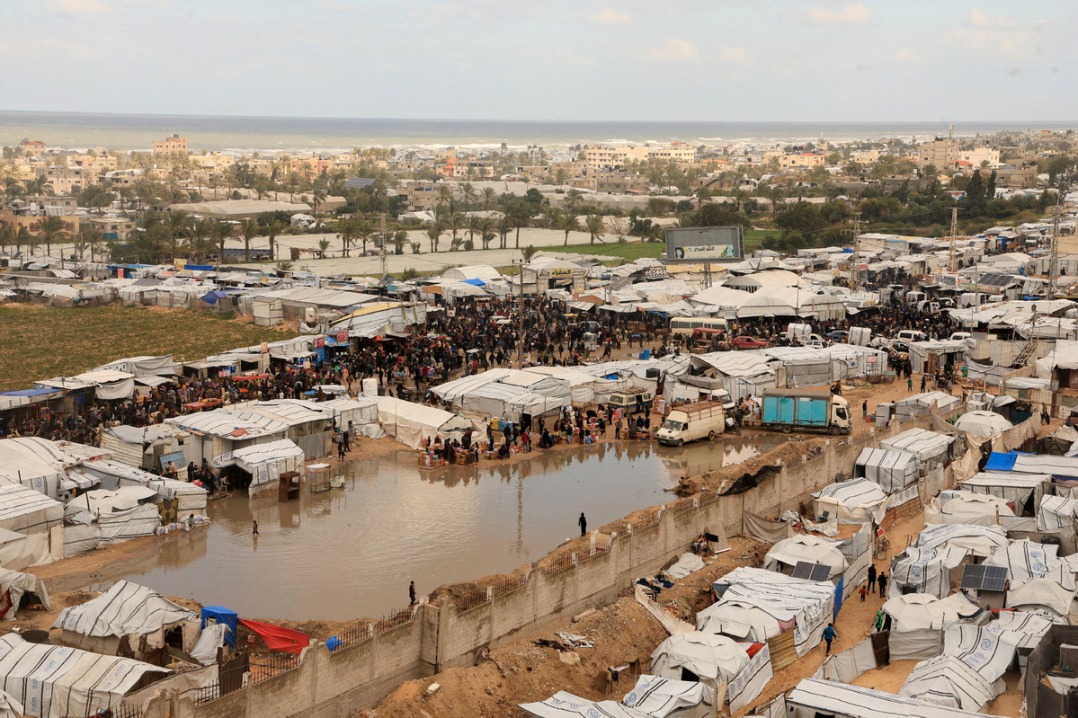
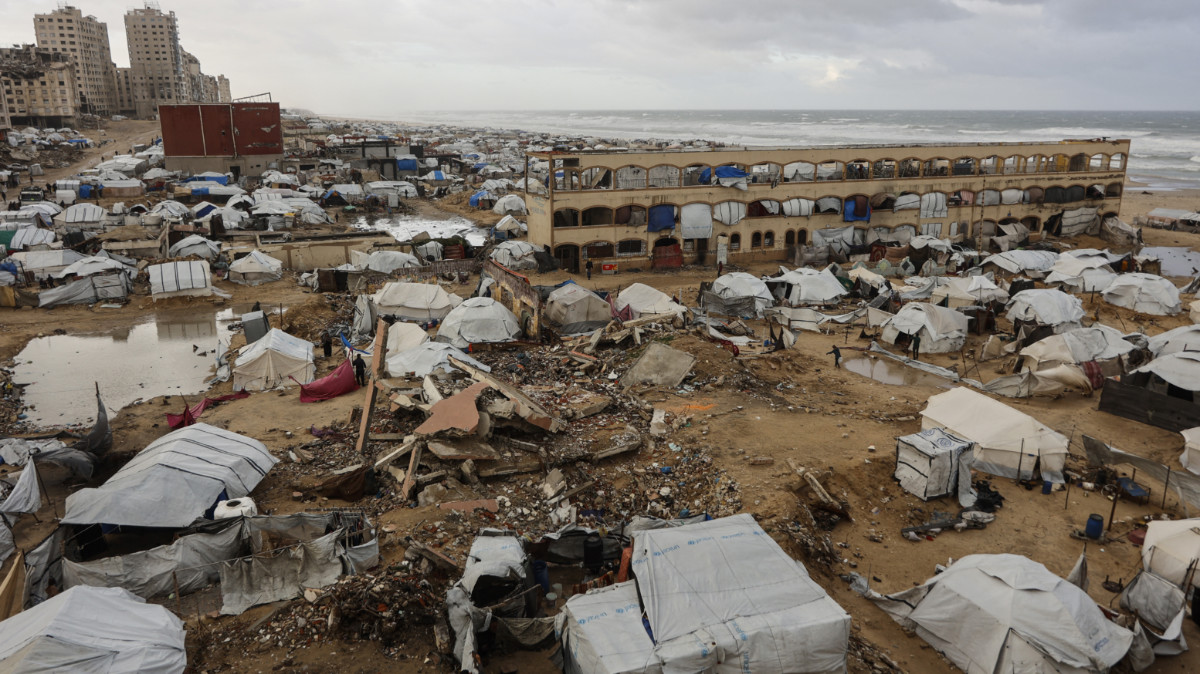
    Reconstruction efforts are expected to focus on restoring essential services, housing, and economic infrastructure destroyed during prolonged periods of conflict. The shift toward tangible rebuilding measures comes amid ongoing humanitarian challenges, as evidenced by displaced Palestinians continuing to shelter in temporary camps throughout the Khan Younis region in southern Gaza.

    This phased approach represents a methodical strategy to transform the fragile ceasefire into sustainable peace through systematic addressing of core conflict drivers. The United States appears to be positioning itself as both mediator and guarantor of this complex process, though specific timelines and international participation details remain undisclosed.

  • Trump administration says phase two of Gaza ceasefire has begun

    Trump administration says phase two of Gaza ceasefire has begun

    The United States has officially declared the commencement of the second phase of its Gaza ceasefire initiative, following a breakthrough agreement among Palestinian factions to establish a technocratic governing body for the embattled enclave. This development marks a critical transition from temporary truce to long-term demilitarization and reconstruction efforts.

    US Special Envoy to the Middle East Steve Witkoff confirmed the advancement via social media, stating the move implements President Trump’s 20-Point Plan to resolve the Gaza conflict. The announcement came after Egyptian mediators secured consensus from majority Palestinian groups, including Hamas and Islamic Jihad, to back a Palestinian National Transitional Committee tasked with administrative control of Gaza.

    The 15-member committee will be led by Ali Shaath, former Palestinian deputy minister for planning, with oversight from former UN Middle East peace coordinator Nickolay Mladenov. The Bulgarian diplomat recently convened with US officials, Palestinian Authority representatives, and Israeli Prime Minister Benjamin Netanyahu to coordinate the transition.

    Phase two objectives include comprehensive demilitarization through disarmament of unauthorized personnel and launching reconstruction programs. Witkoff emphasized expectations for Hamas’s full compliance, including returning the final deceased hostage remains, warning of serious consequences for non-cooperation.

    While Hamas has expressed willingness to transfer governing authority, it maintains its stance on retaining arms, citing Israel’s ongoing occupation of approximately 53% of Gaza territory. Negotiations have explored weapon decommissioning options, including storage arrangements and transfer of heavier arms to Arab and Muslim mediators, though Hamas insists on preserving personal weapons for its fighters.

    Implementation challenges remain substantial. Potential UN-mandated peacekeeping forces from Arab and Muslim-majority nations have been hesitant to deploy, with Turkey’s proposed involvement rejected by Israel. Gulf states remain reluctant to fund reconstruction without guarantees against future Israeli military actions that could destroy rebuilt infrastructure.

    The Trump administration’s reconstruction financing proposals include leveraging Gaza’s offshore gas reserves through partnerships with Israel and the UAE, though this would cover only a fraction of the estimated $70 billion required for full reconstruction.

    Postwar planning, directed from Tel Aviv by appointees close to Jared Kushner, includes controversial proposals such as dividing Gaza with screened Palestinian communities in Israeli-occupied zones and developing luxury AI-industry linked properties. The new governance committee’s establishment may intensify scrutiny of Israel’s military presence, which under Trump’s plan should withdraw except for a buffer zone as Palestinian and international security forces assume control.

    The conflict originated from Israel’s response to the October 7, 2023, Hamas-led attack, resulting in what UN experts describe as genocidal violence claiming over 71,400 Palestinian lives. Despite the US-brokered ceasefire establishing Israeli withdrawal to the ‘yellow line,’ violations have persisted with 439 Palestinian fatalities recorded in nearly 1,200 incidents involving airstrikes, shelling, and demolitions.

  • Degrees issued by 34 UAE-based universities get automatic recognition in pilot phase

    Degrees issued by 34 UAE-based universities get automatic recognition in pilot phase

    In a transformative move for higher education, the UAE Ministry of Higher Education and Scientific Research (MoHESR) has initiated an automatic degree recognition system encompassing 34 accredited universities across the nation. This pioneering program, currently in its pilot phase, eliminates traditional bureaucratic hurdles by providing immediate authentication of qualifications for graduates from participating institutions.

    The groundbreaking initiative represents a significant stride toward achieving zero government bureaucracy objectives while simultaneously enhancing operational efficiency within the national education framework. Since its implementation, the system has already facilitated seamless qualification recognition for over 25,000 graduates, demonstrating its substantial impact on the educational landscape.

    Ahmad Yousuf Al Nasser, Acting Assistant Under-Secretary for Higher Education Operations Sector at MoHESR, emphasized the strategic importance of this development: ‘Integrating 34 higher education institutions into this initial phase underscores our commitment to building a robust national recognition system through efficient, adaptable services that simultaneously support students, academic institutions, and align with evolving labor market requirements.’

    The technologically advanced system incorporates QR code verification technology, allowing instant authentication of qualifications from MoHESR-accredited institutions. This digital approach ensures compliance with established regulations while providing reliable, easily accessible confirmation of academic credentials.

    Future expansion plans include extending automatic recognition benefits to Emirati students pursuing education abroad through Ministry-supervised scholarship programs, thereby guaranteeing uninterrupted access to government services regardless of geographical location. This comprehensive approach accelerates graduates’ transitions into postgraduate studies or employment markets while facilitating compliance with government, residency, and visa requirements.

    The initiative forms part of MoHESR’s broader digital transformation strategy, which includes electronic tools for verifying qualifications obtained both within and outside the UAE, ensuring data integrity and usability for all relevant authorities.

  • Mitchell ton helps New Zealand level ODI series with India

    Mitchell ton helps New Zealand level ODI series with India

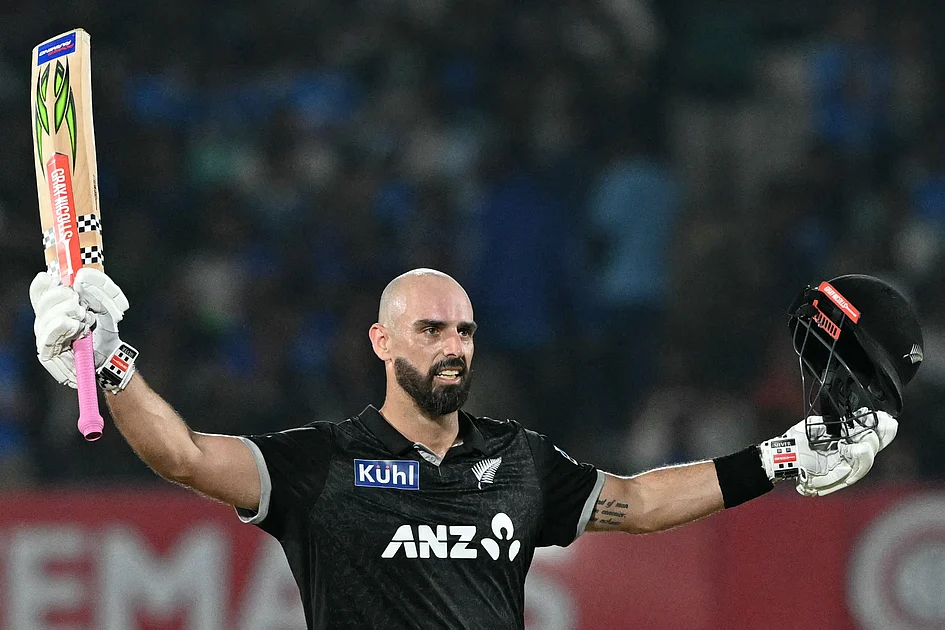
    Daryl Mitchell delivered a spectacular batting performance to steer New Zealand to a commanding seven-wicket triumph over India in the second ODI at Rajkot on Wednesday. The victory levels the three-match series at 1-1, setting up a decisive final encounter.

    New Zealand’s clinical chase of India’s 284/7 marked their highest-ever successful run pursuit on Indian soil. Mitchell’s unbeaten 131 from 117 balls proved instrumental after the visitors found themselves in early trouble at 46-2. The 34-year-old batsman showcased exceptional form, building a crucial 162-run partnership with Will Young (87) that effectively dismantled India’s bowling attack.

    India’s innings had been anchored by KL Rahul’s magnificent unbeaten 112 from 92 deliveries, his highest score in ODI cricket and eighth century in the format. Despite Rahul’s heroics, New Zealand’s Kristian Clarke made significant early breakthroughs by dismissing top-order stalwarts Rohit Sharma, Shreyas Iyer, and Virat Kohli.

    Mitchell’s innings wasn’t without fortune—he received a reprieve on 80 when Prasidh Krishna dropped a difficult chance. The batsman capitalized fully on this opportunity, registering his eighth ODI century while demonstrating why he accumulated 761 runs in 2025 at an impressive average of 54.35.

    Post-match, Mitchell expressed satisfaction with the team’s performance: ‘We haven’t won here for a couple of years. Nice to get a win. I’m just enjoying doing the job for the country.’ He particularly praised his partnership with Young, noting ‘He’s a class player, I love batting with him, we also have fun batting together.’

    Indian captain Shubman Gill acknowledged his team’s shortcomings: ‘We did get a decent start with the ball, but they batted very well in the middle overs. We could have been more brave, and taken more chances.’

    The series now moves to Indore for the final ODI, after which both teams will contest a five-match T20I series as preparation for next month’s Twenty20 World Cup.

  • Virgin Mary procession draws thousands as Venezuela faces uncertain future

    Virgin Mary procession draws thousands as Venezuela faces uncertain future

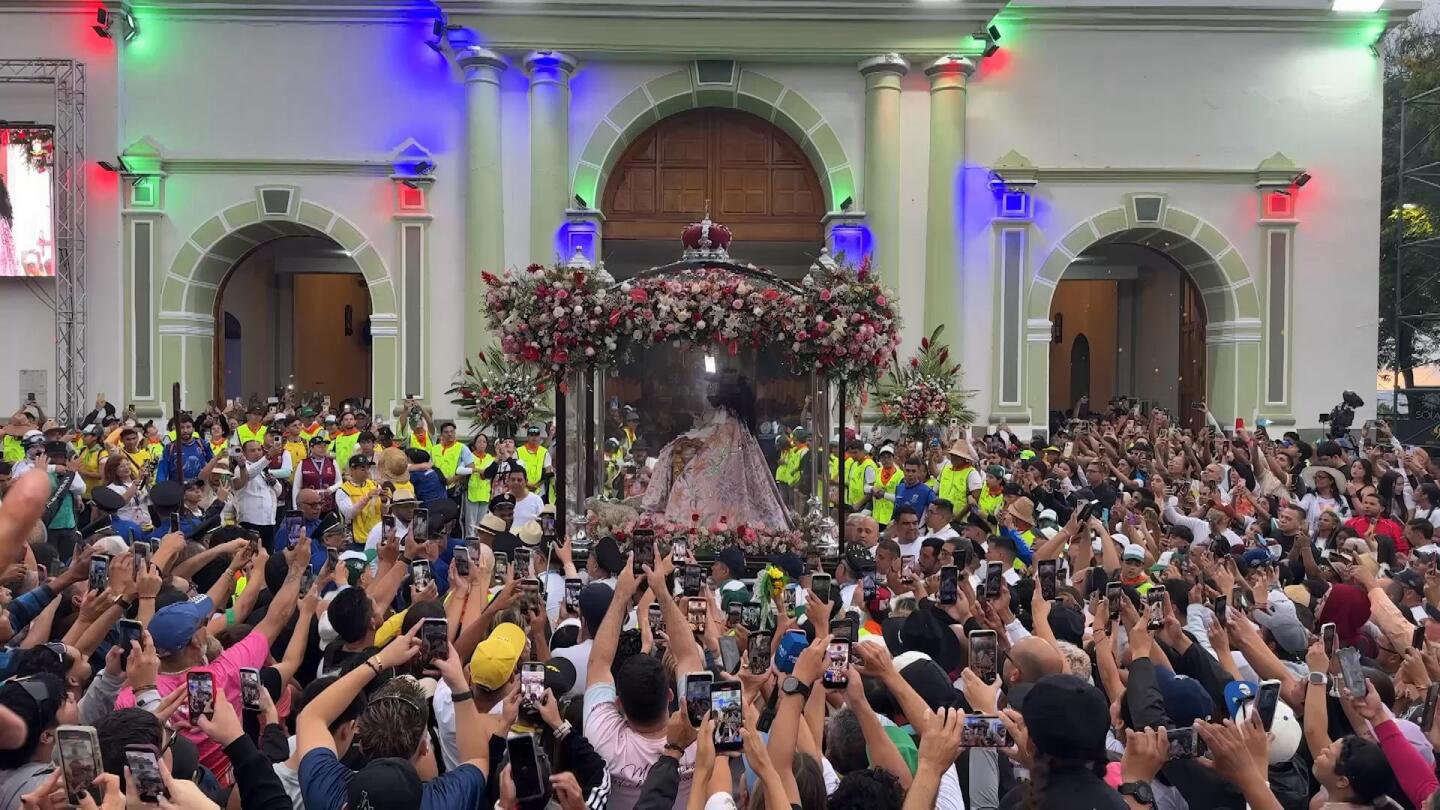
    BARQUISIMETO, Venezuela — In a profound display of faith amid national turmoil, thousands of Venezuelans participated in the annual Divina Pastora pilgrimage on Wednesday, offering prayers for their country’s stability and prosperity. The massive Catholic procession in Barquisimeto, located approximately 170 miles west of Caracas, unfolded against a backdrop of political uncertainty following the recent capture of President Nicolás Maduro.

    The event, which occurs every January 14th, represents one of Venezuela’s most significant religious gatherings. Local authorities estimate approximately 2 million participants dressed predominantly in white, creating a solemn river of faithful stretching nearly 4 miles. The pilgrimage route begins at the Santa Rosa sanctuary and progresses through twelve stations before concluding at Barquisimeto’s cathedral.

    This year’s procession carried heightened significance as Venezuela faces unprecedented political changes. Following a military operation that resulted in Maduro’s transfer to the United States, President Donald Trump announced interim American administration of Venezuela with plans to utilize the country’s substantial oil reserves. Trump has endorsed Delcy Rodríguez as Venezuela’s acting president during this transitional period.

    Attendees expressed deep concerns about their nation’s future. ‘We pray for our country, because our country truly needs God,’ stated Miriam Espinoza, a housewife participating in the procession. ‘May we have peace and may our country return to normalcy.’

    The event represents more than religious observance—it serves as a cultural cornerstone for Barquisimeto residents. ‘For us in Barquisimeto, it means everything,’ explained Johenny Hernández, a civilian engineer attending with family members. ‘The Virgin walks with us as we make our way toward Jesus Christ.’

    Many participants reported attending despite personal challenges. Hernández noted that health concerns prevented completing the entire route but emphasized the importance of participating regardless. Another devotee, Clara Castillo, revealed her 39-year connection to the pilgrimage beginning when her son was diagnosed with hemophilia as an infant. ‘My faith has been there ever since, and for the rest of my days I will ask God to give me the health I need,’ Castillo shared. ‘And today I pray for my beloved Venezuela.’