作者: admin

  • ‘No one move!’: The agonising silence as Venezuela rescuers listen for survivors

    ‘No one move!’: The agonising silence as Venezuela rescuers listen for survivors

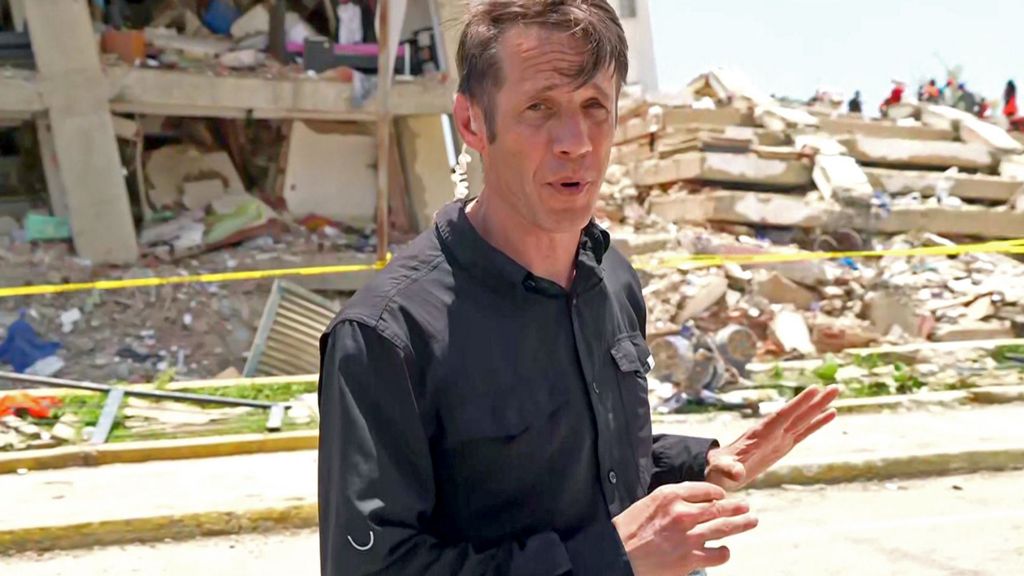
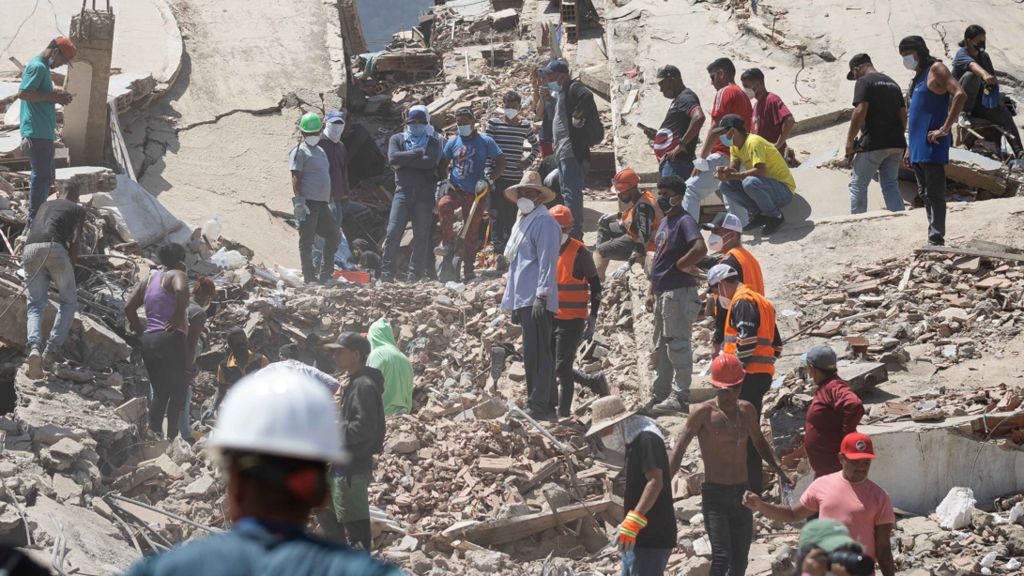
    Four days after a series of powerful earthquakes rocked Venezuela’s coastal La Guaira region, the once-bustling beachside residential districts have been reduced to sprawling, unstable mountains of crumbled concrete, twisted iron and choking dust. Dozens of grieving relatives and amateur volunteers pick through this wreckage by hand, clinging to the fragile hope that they might recover their missing loved ones—either alive, or so they can lay them to rest.

    The rhythm of this grim work was suddenly broken this week when a rescuer claimed to pick up the faint sound of a voice coming from deep beneath the rubble of the collapsed Mariola and Maribel Residences. The news of a potential survivor rippled through the gathered crowd in seconds. Shouts of “silence, please” rippled through the hillside of debris as emergency crews scrambled down, ordering heavy machinery, cranes and power drills to shut down immediately. The whole crowd fell dead silent, holding their breath as rescuers strained to hear any sign of life.

    Just three days prior, 33 trapped people had been pulled alive from the wreckage, but that glimmer of early hope has faded with every passing hour. After 10 minutes of agonizing waiting, no sound emerged from the concrete. The alert was declared a false alarm, and the crowd’s brief euphoria crumbled into despair.

    For many families, the pain of their loss has been compounded by deep anger at what they describe as a lack of meaningful support from Venezuelan authorities. Ronnie Navarro, a relative who traveled more than 350 kilometers from Puerto La Cruz to join the search for his uncle trapped in the rubble, says local officials have done little more than drive past the site for a cursory look before leaving. “The relatives of those who lived there are helping because the government doesn’t want to help,” Navarro told reporters, his voice breaking as he confirmed there has still been no sign of his uncle.

    Zuly Marín, a 66-year-old biologist who has lived in the Mariola and Maribel Residences for more than a decade, survived the collapse purely by chance: she had gone out shopping before the quake and stopped to visit her father instead of returning home. Now, she says she has already lost her niece and brother-in-law to the disaster, and she holds authorities responsible for the delayed response. “I think that if [the authorities] had arrived sooner, many people would have been saved,” Marín said, adding that she no longer holds out hope of finding her missing family members alive.

    Nearby, at the completely leveled Caribe residential complex, similar anger plays out. Belkys Valecillo says her brother, nephew and sister-in-law are all buried on the first floor of the collapsed tower. She says authorities have told her heavy machinery can only be used once active search efforts are called off—but just four days into the crisis, three separate families are still digging by hand to recover their loved ones. Crews have already pulled several bodies from the wreckage, with many more still missing.

    As night fell over the disaster zone, another brief burst of hope flared up when a young volunteer reported hearing a voice under the Caribe complex rubble. Rescuers and volunteers rushed to the site, with crowds running to deliver water to workers and nurses preparing to treat a potential survivor. Once again, the alert ended in disappointment: half an hour after the search began, crews only found two motionless bodies deep in the debris, leaving families once again confronting the slow, agonizing work of waiting and grieving.
  • More than 100 Venezuelans who were deported from the US hours before the earthquakes are missing

    More than 100 Venezuelans who were deported from the US hours before the earthquakes are missing

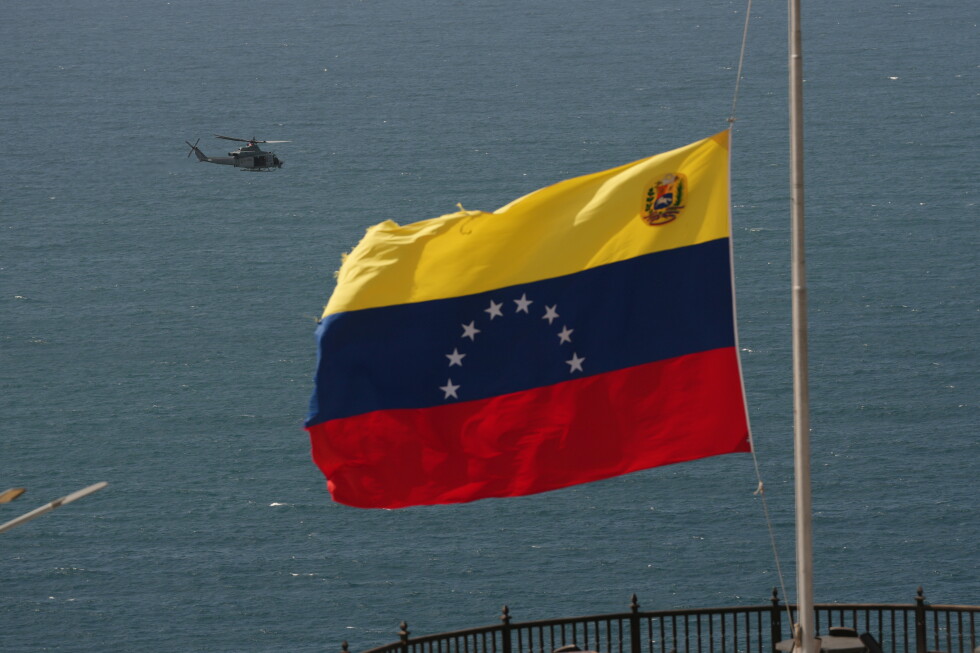
    MIAMI — A catastrophic double earthquake that devastated central coastal Venezuela left dozens of recently deported Venezuelan migrants caught in a deadly disaster, after they were held in a collapsed hotel just hours after their deportation flight landed from the United States, surviving deportees have confirmed. The tragedy unfolded Wednesday, when two major earthquakes measuring magnitudes 7.2 and 7.5 hit the coast, with the La Guaira region emerging as one of the hardest-hit areas. The official death toll from the Venezuelan government now tops 1,700.

  • Search suspended for six missing after charter boat sinks near Vancouver

    Search suspended for six missing after charter boat sinks near Vancouver

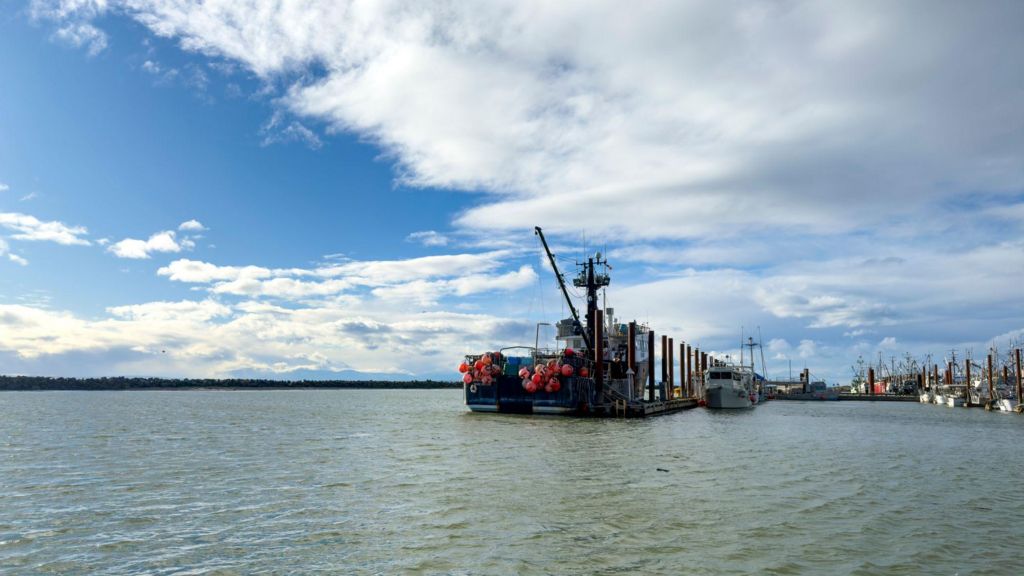
    A tragic maritime incident off the coast of Vancouver has led Canadian rescue officials to call off their search for six people missing after a charter fishing boat sank in the waters off British Columbia’s southern coast on Sunday.

    The emergency alert was first received by officials at 11:45 Pacific Time, 19:45 Greenwich Mean Time, reporting people struggling in open water without protective life jackets roughly 16 kilometers, 10 miles, from the shore. The ill-fated vessel had set out just hours earlier from Steveston, a centuries-old historic fishing community located in the city of Richmond, south of Vancouver.

    Quick, life-saving action from a civilian sailing couple changed the outcome for three passengers, who were pulled from the cold Pacific waters by the pair before official search crews arrived at the scene. Search teams later pulled a fourth survivor from the water, bringing the total number of rescued people to four.

    The joint search operation was one of the largest rapid responses mounted in the region in recent months, drawing in resources from multiple agencies. Local commercial passenger ferries operating in the area joined the hunt, alongside Canadian Coast Guard cutters, Royal Canadian Mounted Police watercraft, and search-and-rescue aircraft and helicopters dispatched from nearby bases.

    Speaking to public broadcaster CBC News, Major Gregory Clarke, commanding officer of the Joint Rescue Coordination Centre based in Victoria, confirmed that search teams had combed every inch of the suspected incident zone. “We covered the area extensively,” Clarke said, noting that officials are now confident all possible opportunities to find survivors on the water’s surface have been exhausted. Clarke also confirmed that investigators have not yet pinpointed what caused the vessel to sink. “We have no idea at this time,” he said, adding that the lack of any visible wreckage at the scene was deeply alarming to search teams.

    The civilian rescuers, Brian Angus and Dorothy Stauffer, echoed that observation in their own comments to CBC, saying they spotted no debris or wreckage floating in the area when they pulled the three survivors from the water. They also confirmed that none of the people they rescued were wearing life jackets, a detail that aligns with the original 911 call placed to emergency officials. Clarke praised the couple’s quick thinking, saying their rapid call for help and immediate rescue effort saved the lives of the three people they pulled from the water.

    As of Monday morning, official investigators have not released the public name of the sunken vessel, nor have they updated the public on the medical condition of the four survivors that were pulled from the water. RCMP officials confirmed in an official statement that the full circumstances and root cause of the sinking remain under active investigation, with more details expected to be released as the probe progresses.

  • Hollywood director gets two and a half years in prison for defrauding Netflix

    Hollywood director gets two and a half years in prison for defrauding Netflix

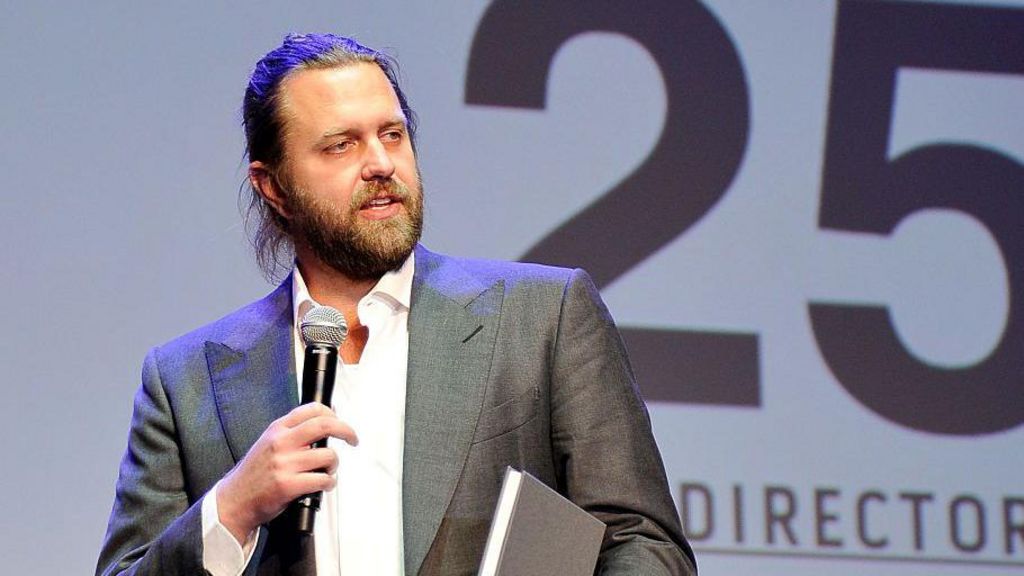
    A well-known Hollywood filmmaker behind the 2013 action feature *47 Ronin* has been handed a 30-month federal prison sentence after being convicted last year of siphoning more than $11 million in production funds from streaming giant Netflix.

    Carl Erik Rinsch, 48, faced a potential maximum sentence of 90 years behind bars for his convictions on federal wire fraud and money laundering charges, but received a far shorter punishment consistent with pre-sentencing recommendations. In addition to his prison term, U.S. District Judge Jay Rakoff ordered three years of supervised release following his release, ordered Rinsch to forfeit $11 million in illegally obtained assets, and imposed a $700 statutory fine.

    The case centers on an unfinished science fiction series Rinsch was developing for Netflix, initially codenamed *White Horse*. Prosecutors laid out evidence that the streamer had allocated roughly $55 million in total production funding for the project, with $11 million earmarked specifically for final completion work that Rinsch had requested. Instead of directing those funds toward series production, Rinsch diverted the full sum into a personal bank account, prosecutors proved at trial. Within just a few months, half of the stolen funds had been lost through high-risk personal investments, including large bets on volatile cryptocurrency. The remaining money was spent on extravagant personal purchases, prosecutors confirmed, including a Rolls-Royce luxury automobile and high-end home goods such as a six-figure mattress.

    During Rinsch’s one-week criminal trial held in Manhattan, multiple top Netflix executives took the witness stand to confirm that the streamer had only committed to producing one season of the sci-fi project, which Rinsch never delivered. In an unusual step for a criminal defendant, Rinsch testified in his own defense, arguing that the situation amounted to a misunderstanding and that he believed the funds were intended to keep the project on hold and retain key staff during the COVID-19 pandemic.

    Prior to his sentencing, Rinsch publicly apologized to the court and formally accepted full responsibility for his criminal actions. In a statement following the sentencing ruling, U.S. Attorney Jay Clayton emphasized the broader meaning of the court’s decision, noting that the sentence sends a clear deterrent message that financial fraud against entertainment industry partners will not be tolerated.

    Separately, reporting from *The New York Times* has shed light on Rinsch’s declining mental stability in the period after he signed the high-profile Netflix deal. According to friends and former colleagues, the director grew increasingly erratic, claiming he could predict natural disasters including lightning strikes and volcanic eruptions, and espoused unfounded beliefs about a “secret transmission mechanism” behind the spread of COVID-19.

  • One big win and three defeats for Trump in dramatic day at Supreme Court

    One big win and three defeats for Trump in dramatic day at Supreme Court

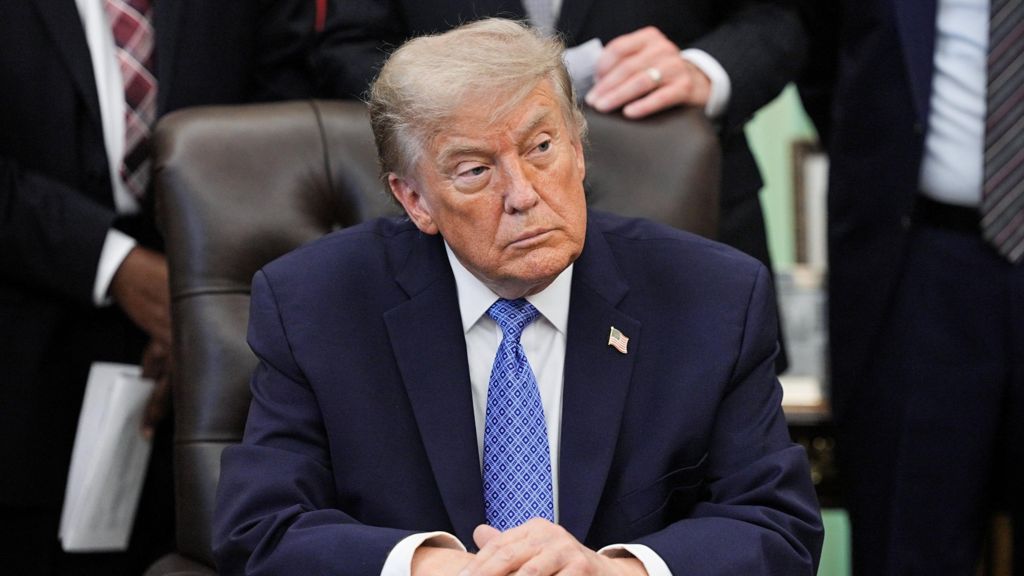
    On the penultimate day of the U.S. Supreme Court’s 2025-2026 term, the nation’s highest court delivered a mix of landmark victories and unexpected setbacks to former and current President Donald Trump, revealing surprising ideological shifts within the court’s conservative majority that defy common partisan assumptions. A close examination of the four major rulings involving the president lays bare the evolving dynamics of the nation’s most powerful judicial body.

    Almost a century ago, the Supreme Court issued a unanimous ruling that blocked Democratic President Franklin D. Roosevelt from claiming unlimited authority to oust commissioners from congressionally established regulatory agencies designed to operate independent of direct presidential control. On this eventful Monday, that 90-year-old precedent was formally overturned in a case brought by Trump, with the court’s six conservative justices — three of whom Trump himself appointed during his first term — forming a unified majority to expand executive power.

    “Subordinates who exercise the president’s power are subject to removal by him,” Chief Justice John Roberts wrote in the majority opinion. “Then, and only then, can they remain accountable to the president, and the president to the people.” The outcome of this ruling hands Trump and all future U.S. presidents sweeping authority to replace regulators across dozens of key federal agencies when the sitting president disagrees with their policy stances. While the Federal Trade Commission was the specific agency at the heart of this case, echoing FDR’s dispute a century prior, the new precedent applies to every sector of federal regulation, from election oversight and communications policy to labor disputes, financial rulemaking and environmental protections. This decision is widely expected to accelerate the dramatic policy swings that have become standard when a new president of a different party takes office — a trend that has already played out between the presidencies of Barack Obama, Trump, Joe Biden, and now Trump’s second term. Trump himself celebrated the ruling in a post on his Truth Social platform, writing, “Ninety years of precedent has been completely and unequivocally overruled, greatly increasing presidential power at a time when it is most needed!”

    Not long after delivering that sweeping win for executive authority, the court drew a clear line against one of Trump’s specific personal policy priorities: his bid to remove Federal Reserve Board of Governors member Lisa Cook. In a narrow 5-4 ruling, two conservative justices — Chief Justice Roberts and Brett Kavanaugh — broke ranks with their fellow conservatives to join the court’s three liberal justices in blocking Trump’s removal attempt. Trump has claimed Cook engaged in mortgage fraud to justify her ouster, but observers widely view the move as rooted in his anger over the Fed’s refusal to cut U.S. interest rates, a key policy demand of his second term. Writing for the new majority, Roberts ruled that Cook is entitled to a full opportunity to challenge her removal and rebut Trump’s unsubstantiated allegations, warning of the “calamities that could arise” if presidents were allowed to force their monetary policy preferences on the independent central bank.

    A second major setback came in a case over late-arriving mail-in ballots, where the court again ruled against Trump. The case centered on whether federal law bars states from counting mail-in ballots that are postmarked by Election Day but arrive after the polls close. In this ruling, the three liberal justices were joined by Roberts and Trump-appointed Justice Amy Coney Barrett, who authored the majority opinion. Citing the U.S. Constitution’s grant of broad authority to states to set the “time, place and manner” of congressional elections, Barrett rejected Trump’s claims that late-arriving mail-in ballots are inherently vulnerable to widespread fraud, arguing that disputes over election rules are best resolved through the democratic process rather than judicial intervention. Trump immediately responded by doubling down on his push for congressional passage of an election reform package that would drastically restrict mail-in voting. While the Republican-controlled House of Representatives has already approved the legislation, Democrats and a small bloc of moderate Republicans have blocked a Senate vote, leaving the measure stalled.

    The final blow for Trump on Monday came in a little-noticed entry on the court’s list of cases it declined to hear: the president’s final appeal of the civil judgment in the E. Jean Carroll sexual abuse and defamation case. Carroll, a former magazine writer, accused Trump of sexually assaulting her in a 1990s department store dressing room, and a 2023 jury found Trump liable for defamation, ordering him to pay $5 million in damages. The Supreme Court’s refusal to take up the appeal closes off the final avenue for Trump to challenge that $5 million judgment, though he still plans to appeal a separate $83.3 million damages award from a second defamation case brought by Carroll. Trump decried the decision in a Truth Social post, writing, “I will continue the fight against this weaponization and lawfare case against me, including the ridiculous claim of defamation, with all my power and strength. This injustice cannot be allowed to stand!”

    Monday’s rulings served as a stark reminder of the Supreme Court’s unique role as the final arbiter of U.S. law, and delivered a day of mixed outcomes for Trump: a historic expansion of presidential power that delivers a long-term partisan victory, but concrete defeats for his immediate policy priorities and personal legal battles. The day also upended expectations of unified conservative control, showing that even with a 6-3 conservative majority, Trump cannot count on automatic victory for every one of his priorities before the nation’s highest court.

  • Rescuers keep up search for survivors at collapsed La Guaira building

    Rescuers keep up search for survivors at collapsed La Guaira building

    Search and rescue teams are maintaining unrelenting efforts to pull any possible survivors from the rubble of a collapsed building in Venezuela’s coastal La Guaira region, days after the disaster struck. While official records confirm that at least 1,700 lives have already been lost to the incident, rescuers, local authorities, and volunteer groups have not abandoned the desperate search, clinging to the fragile yet persistent hope that more people trapped beneath the debris can be found alive. The collapse, which followed months of lingering infrastructure concerns in the area, has drawn widespread attention to the risks of aging urban development in Venezuela’s densely populated coastal zones. Community members have gathered near the disaster site, holding quiet vigils for the confirmed victims while also offering water, food, and support to the rescue crews working around the clock to comb through the wreckage. Despite the overwhelming scale of the tragedy and the shrinking window of time for finding survivors, first responders say they will continue their operations as long as there is a chance of saving additional lives.

  • The Ring and Lilo & Stitch actress Daveigh Chase died of Aids

    The Ring and Lilo & Stitch actress Daveigh Chase died of Aids

    The entertainment industry is mourning the loss of Daveigh Chase, the versatile former child star whose career spanned beloved horror, animation and television projects, who passed away on June 16 at the age of 35. Conflicting details around her cause of death have emerged from official records and official statements, alongside disclosures about the struggles she faced in her later years.

    According to a Los Angeles County Medical Examiner report obtained by media outlets, Chase’s death was attributed to complications from AIDS, with chronic polysubstance use listed as an additional significant underlying condition. The case is currently marked as open by the examiner’s office. However, Chase’s long-time manager John Ryan Jr. previously told BBC News last week that the star died from sepsis following a battle with meningitis while receiving care at a Los Angeles hospital.

    Further context about Chase’s life before her passing was shared by her father, John David Schwallier, who told *The New York Times* that Chase had been experiencing homelessness and living in Los Angeles with her boyfriend in the period leading up to her death.

    Chase’s entertainment career began exceptionally early: she started performing at age four, and landed her first credited Hollywood role at seven, a small guest spot on the hit 1990s sitcom *Sabrina the Teenage Witch* led by Melissa Joan Hart. She stepped away from full-time acting in 2015, closing out a three-decade career that included many iconic pop culture roles.

    Her breakthrough came in 2001, when she was cast as Samantha Darko in the cult classic psychological drama *Donnie Darko*, a role she reprised in the 2009 standalone follow-up *S Darko*. Two years later, she cemented her place in horror film history as Samara Morgan, the menacing long-haired ghost at the center of *The Ring* — the American remake of the iconic Japanese horror classic about a cursed videotape that kills all who watch it within seven days. Chase’s haunting performance, which featured the iconic scene of Samara crawling out of a television screen, earned her the 2003 MTV Movie Award for Best Villain.

    The same year *The Ring* hit theaters, Chase took on another career-defining role: voicing Lilo Pelekai, the adventure-loving Hawaiian girl obsessed with Elvis Presley, in Disney’s animated blockbuster *Lilo & Stitch*. Her warm, heartfelt performance earned her an Annie Award for Outstanding Voice Acting in an Animated Feature Production, and she returned to voice the character in multiple subsequent franchise spin-offs. Chase also added another major animated credit to her resume, voicing the lead character Chihiro in the English-language dub of Hayao Miyazaki’s Oscar-winning Studio Ghibli classic *Spirited Away*, and later had a multi-season recurring role on the hit HBO cable drama *Big Love*.

  • John Major says Reform are ‘ragbag’ scapegoating Muslims and migrants

    John Major says Reform are ‘ragbag’ scapegoating Muslims and migrants

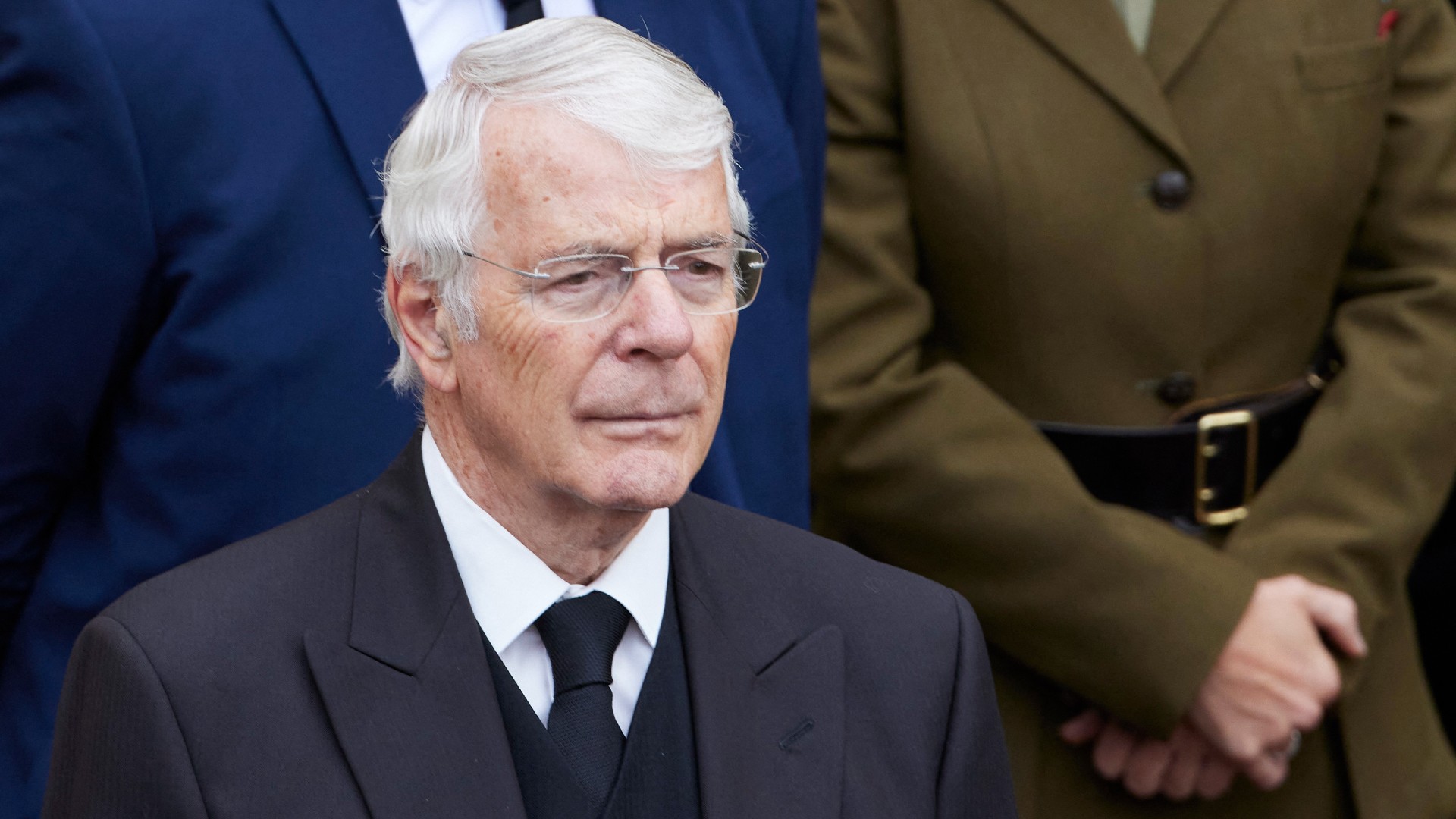
    In a sharp rebuke that has reignited debate over rising far-right populism in British politics, former Conservative Prime Minister John Major has launched a blistering attack on right-wing party Reform UK, accusing the group of systematic scapegoating targeting Muslim communities and migrants.

    Major, who led the UK as Conservative Prime Minister from 1990 to 1997, laid out his criticisms in a recent interview with The Independent, delivering one of the most high-profile rejections of Reform UK’s growing political influence from within the traditional conservative establishment.

    Dismissing the party’s ideological foundation entirely, Major questioned Reform UK’s core identity: “What is Reform? It’s a ragbag really. What’s its philosophy? What’s its purpose? What are its convictions? I don’t know. Nobody knows. Nobody talks about it. I don’t hear lectures about the convictions and philosophy of Reform.”

    The former prime minister argued that Reform UK’s recent electoral momentum does not stem from a compelling positive policy platform, but rather from widespread public disillusionment with decades of governance from the two main parties, Labour and the Conservatives. “Reform had nothing good to offer” and are drawing “wholly negative votes” because successive Labour and Conservative governments have failed the British public, he said.

    Major went on to identify the party’s core unifying tactic: anti-Muslim and anti-migrant rhetoric. “But what positivity is there about Reform? What is their unique selling brand? It’s that they are opposed to Muslims and migrants,” he added. “And when that wears out, because that is the way they operate, they’ll find somebody else in order to be a scapegoat. They are certainly narrow in concept, nationalist in instinct, and hostile to those, in a quite crude way, who don’t actually agree with them.”

    Major’s condemnation comes on the heels of a groundbreaking electoral performance for Reform UK in last month’s UK-wide local elections. Led by veteran populist figure Nigel Farage, the party secured more than 1,300 council seats across England, Scotland and Wales, and won full control of 13 local councils – marking the largest surge in vote share of any political party in the contest.

    Multiple recent opinion polls and electoral projections now place Reform UK on track to become the largest party in the UK House of Commons following the next general election, a shift that has upended traditional British political dynamics.

    Compounding the criticisms leveled by Major are multiple recent reports of inflammatory, racist rhetoric from newly elected and former Reform UK candidates. Last month, Middle East Eye documented several alleged cases of racist comments among the party’s newly elected council representatives.

    In the lead-up to the local elections, the Daily Mail exposed alleged Islamophobic social media posts from Phil Tierney, a Reform UK candidate for the Chelmsley Wood council seat. One public post on X, formerly Twitter, had Tierney openly stating “I am Islamophobic.”

    In another high-profile incident, Daniel Devaney, who initially ran as a Reform UK candidate for the Clayton and Fairweather Green ward in Bradford, was forced to step down from the party ticket after old racist posts resurfaced. Despite the public backlash, Devaney still won election to the council seat. His controversial posts included a threat to “blast [Muslims] off the face of the earth,” where he referred to Muslim people as “pure scum.” Devaney later issued an apology for the remarks.

    The extraordinary rise of Reform UK, paired with widespread allegations of bigotry among its ranks, has prompted soul-searching across Britain’s mainstream political parties, with many figures echoing Major’s warnings that the party’s brand of exclusionary nationalism poses a fundamental threat to the country’s pluralistic social fabric.

  • Aftershock frays nerves as many Venezuelans left to fend for themselves

    Aftershock frays nerves as many Venezuelans left to fend for themselves

    A week after two powerful back-to-back earthquakes devastated Venezuela’s northern coastal region, hopes of pulling more survivors from collapsed buildings are rapidly fading, as survivors and local volunteers lead most search operations amid widespread criticism of the Venezuelan government’s slow, under-resourced disaster response.

    On August 26, a magnitude 7.2 quake and a 7.5 quake hit just 39 seconds apart in the state of La Guaira, located just outside the capital Caracas. The violent twin tremors triggered the collapse of nearly 800 structures, killed more than 1,700 people, and left tens of thousands unaccounted for. Interim President Delcy Rodríguez has called the disaster the “most brutal natural catastrophe” in Venezuela’s modern history. On Monday morning, a 4.6 magnitude aftershock rattled already frayed nerves across La Guaira and Caracas, though no additional damage was reported.

    In La Guaira, one of the worst-hit port cities, reporters from the BBC observed local residents digging through rubble with only basic hand tools—crowbars, mallets, and pickaxes—hunting for trapped loved ones and neighbors. While uniformed Venezuelan police and military personnel were visible on streets near disaster zones, they were not spotted working to clear rubble or extract survivors. Heavy earth-moving equipment has only arrived sporadically, in most cases reaching collapse sites days after residents began digging, when it was already too late to save trapped people.

    Many survivors have already shifted their goals from rescue to recovering remains to give family members a proper burial. Thirty-nine-year-old Carolyn Zerpa, who has been searching for her father and brother by hand, told reporters that pickaxes are barely enough to move heavy debris. “You can’t really do much with just a pickaxe,” she explained. Thirty-two-year-old electrician Ruben Rojas, who has worked through the rubble with only gloves and a hard hat, said even official civil protection teams lack the tools required for large-scale rescue. “The government doesn’t give it. They are just like us, working with their hands,” Rojas said.

    Local frustration over the delayed response has been amplified by Venezuela’s ongoing severe economic crisis, which has stretched government resources thin for years. Zuly Marín, a 15-year La Guaira resident who lost her niece and brother-in-law in the disaster, said the slow arrival of rescue teams and heavy equipment directly cost lives. “I think that if they had come sooner, many people could have been saved,” she said. In El Junquito, a mountainous community west of Caracas, residents told Reuters that almost no public officials have reached the area, and local farmers and residents have been the only ones distributing basic food and supplies to displaced families. Thirty-three-year-old resident Keily Ibarra said the community is still waiting for official support to clear debris, inspect damaged structures, and aid impacted families.

    Despite the fading odds of finding more survivors, there has been one small recent miracle: on Monday, a joint team of rescue workers from Venezuela, Mexico, and El Salvador pulled 21-year-old Aaron Levi Cantillo Vargas alive from rubble after he had been trapped for more than 100 hours. Salvadoran President Nayib Bukele confirmed the rescue in an announcement, adding that Cantillo is now receiving specialized medical care, and that rescuers will “continue working with the hope of being able to save more lives.”

    The Venezuelan government has taken some formal steps in response to the disaster: Rodríguez announced a special government commission to assess full damage across affected regions, chaired by her brother, National Assembly President Jorge Rodríguez. The commission plans to use a color-coded system to classify the safety of damaged buildings and determine when residents can return to their homes, while temporary displacement camps are being set up in the meantime. But the slow on-the-ground response has left most rescue work to local volunteers and international disaster teams, which have mobilized quickly to support the effort.

    Multiple countries have pledged substantial new international aid in recent days. The United States has doubled its previous commitment to disaster relief, announcing it will provide more than $300 million to fund emergency medical care, food assistance, clean water and sanitation, temporary shelter, and logistical support. A U.S. Navy frigate, the USS Fort Lauderdale, is currently stationed off the coast of La Guaira, and its crew and Marines are using landing craft to deliver supplies directly to hard-hit coastal areas. The Netherlands plans to send a cargo vessel carrying emergency supplies, while China has pledged nearly $15 million in disaster assistance for Venezuela.

  • Europe’s central bank head defends its recent rate hike to fight inflation

    Europe’s central bank head defends its recent rate hike to fight inflation

    SINTRA, Portugal — European Central Bank (ECB) President Christine Lagarde has pushed back against characterizations of the institution’s June 11 quarter-percentage-point benchmark interest rate increase as a mere precautionary “insurance hike,” arguing the move was a necessary step to prevent persistent above-target inflation from extending into the late 2020s.

    Speaking Monday at the ECB’s annual monetary policy conference, Lagarde emphasized that without the 25 basis point hike — the first policy rate adjustment from the ECB in 12 months, which lifted the key rate to 2.25% for the 20-nation eurozone — inflation would have remained stuck above the bank’s 2% medium-term target through 2028.

    “Some have characterized our rate increase earlier this month as an ‘insurance hike,’” Lagarde stated. “I’m sorry to disappoint them. That is not an accurate description. We faced an outlook of rising headline and core inflation.”

    Current projections show even with the new rate increase, inflation will not return to the 2% target until the final quarter of 2027. Annual inflation across the eurozone stood at 3.2% in May, per recent official data.

    Lagarde made clear that the aggressive outsized rate hikes the ECB deployed to tame double-digit inflation following Russia’s halt of natural gas exports to Europe amid the Ukraine war will not be needed moving forward. In response to that 2022 energy shock, the ECB carried out what Lagarde called “the fastest tightening cycle in our history, raising rates in increments we had never used before.”

    Today, a shifting landscape of geopolitical volatility requires a more gradual, meeting-by-meeting approach to rate setting, she explained. Ongoing conflict in Iran and supply disruptions affecting energy shipments through the Strait of Hormuz have created fluctuating price pressures for oil and natural gas, while the European economy has outperformed gloomy forecasts in the face of new U.S. tariffs on European imports imposed by the Donald Trump administration.

    “We no longer need to act with the same force,” Lagarde said. “We can make measured adjustments to rates, calibrated to the shocks we face.”

    To improve policy accuracy, the ECB now prepares both mild and severe outcome scenarios for ongoing geopolitical events, allowing policymakers to avoid both overreaction and underreaction to shifting market conditions. The ECB’s next rate-setting meetings are scheduled for July 22-23 and September 9-10, where policymakers will adjust policy based on the latest incoming data.