作者: admin

  • Forget tariff wars: The EU and Mercosur build one of the world’s biggest free-trade zones

    Forget tariff wars: The EU and Mercosur build one of the world’s biggest free-trade zones

    After a quarter-century of complex negotiations, the European Union and the South American Mercosur bloc are poised to formally sign one of the most significant trade agreements in modern history. The landmark deal, set for formalization at a ceremony in Paraguay, represents a profound shift in global trade dynamics and a powerful endorsement of multilateralism.

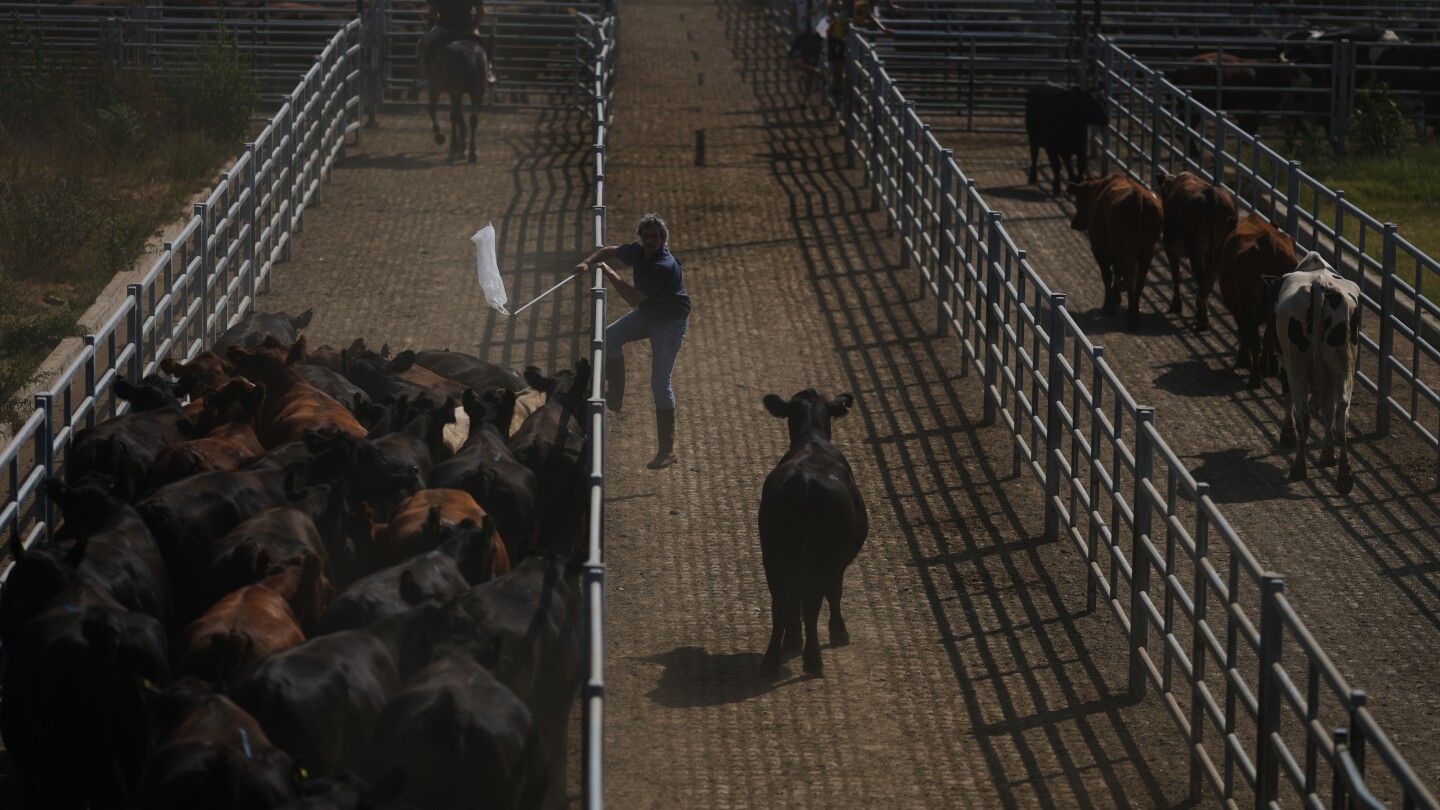
    The agreement between the EU and Mercosur—comprising Argentina, Brazil, Paraguay, and Uruguay—will create a free-trade zone encompassing over 700 million people and accounting for approximately 25% of global GDP. The pact eliminates tariffs on a wide range of products, from Argentine beef and Brazilian agricultural goods to European automobiles and machinery.

    The timing carries particular geopolitical significance as it emerges against a backdrop of rising protectionism and great power competition. European Commission President Ursula von der Leyen characterized the agreement as a robust defense of rules-based international trade “in the face of an increasingly hostile and transactional world.”

    For South American nations, the deal represents both economic opportunity and strategic positioning. Brazilian President Luiz Inácio Lula da Silva hailed it as a “victory for dialogue, negotiation and the bet on cooperation.” Experts note the agreement provides South American economies with crucial diversification away from the intensifying U.S.-China rivalry, allowing the region to “flex its muscles in the international sphere,” according to Lee Schlenker of the Quincy Institute.

    The accord marks a dramatic policy reversal for Argentina, which maintained protectionist policies for decades. President Javier Milei, despite his libertarian skepticism of international organizations, has embraced the agreement as a mechanism to revitalize Mercosur and open Argentina’s economy to global markets.

    The path to agreement faced significant obstacles, particularly from European agricultural interests concerned about competition. Widespread farmer protests across Europe prompted the EU to add environmental safeguards, animal welfare protections, and strict export quotas to the final agreement. The bloc further allocated approximately $52 billion in subsidies to ease farmer concerns, a move some analysts characterized as a “sizable bribe” necessary to secure the deal’s passage.

    The automotive sector emerges as another major beneficiary, with the elimination of 35% tariffs on European vehicles and parts providing manufacturers like Volkswagen and BMW opportunities to regain market share from Chinese competitors in South America.

    Despite the impending signing, the agreement still requires ratification by the European Parliament, leaving some participants cautiously optimistic about its ultimate implementation.
  • Thailand suffers another construction accident just a day after rail tragedy that killed 32

    Thailand suffers another construction accident just a day after rail tragedy that killed 32

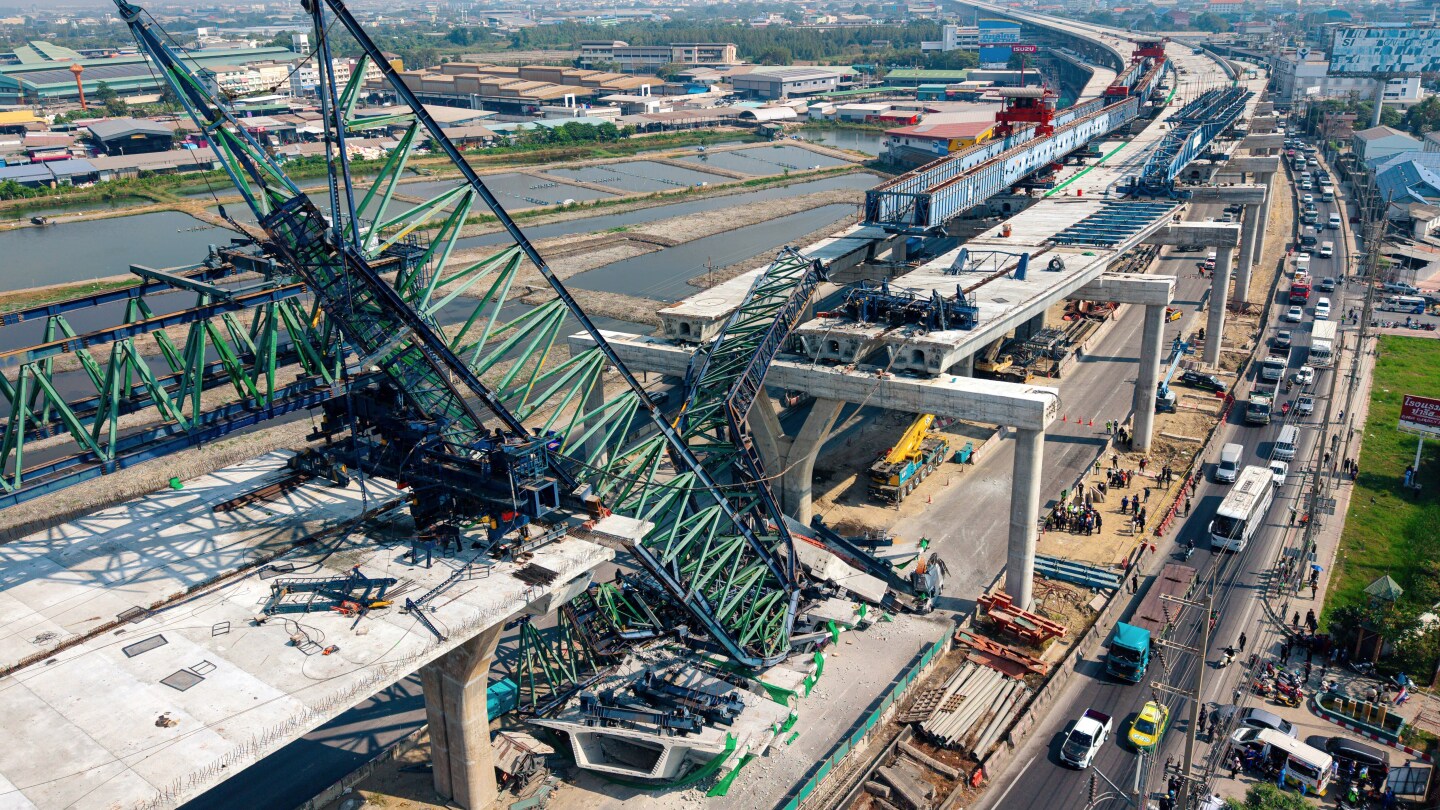
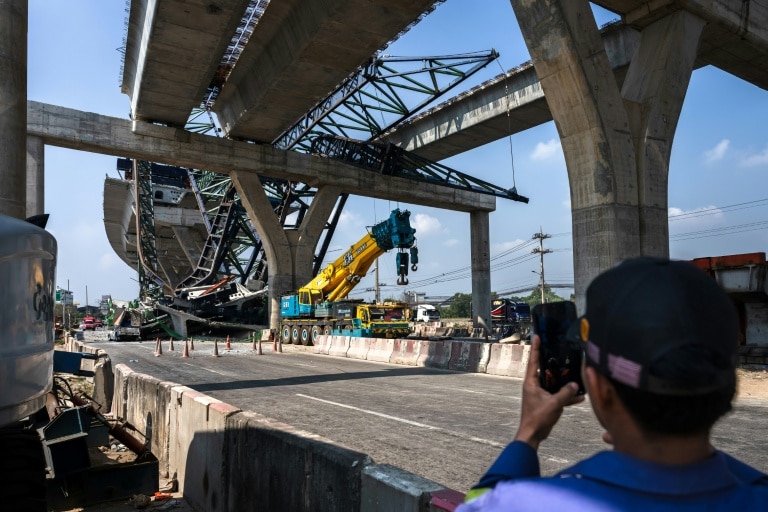
    Thailand faces mounting scrutiny over construction safety protocols following two major infrastructure accidents within 24 hours. The most recent incident occurred Thursday morning on the outskirts of Bangkok when a construction crane collapsed onto the Rama 2 Road elevated expressway in Samut Sakhon province. According to the government’s Public Relations Department, the collapse trapped at least two vehicles beneath massive metal girders at approximately 9 a.m., with rescue operations immediately initiated. Initial reports from Fire & Rescue Thailand’s Facebook page indicated at least one fatality, though official confirmation remains pending.

    This latest accident comes merely one day after a catastrophic construction incident in Nakhon Ratchasima province, where a falling crane derailed and crushed a moving passenger train, resulting in at least 32 confirmed fatalities. Provincial governor Anuphong Suksomnit confirmed the conclusion of search operations Wednesday night, though investigations continue regarding three passengers initially listed as missing. Officials believe 171 people were aboard the train’s three carriages at the time of impact.

    The Rama 2 Road expressway extension project has developed notoriety for multiple construction accidents in recent years, some proving fatal. Similarly, the high-speed rail project involved in Wednesday’s tragedy represents a significant component of Thailand’s infrastructure development, with total investment exceeding 520 billion baht ($16.8 billion) and connections to China’s Belt and Road Initiative.

    Italian-Thai Development (Italthai), the project’s contractor, faces renewed scrutiny following both incidents. The company previously served as co-lead contractor for Bangkok’s State Audit Building that collapsed during construction in March 2023, killing approximately 100 people. Although dozens of executives were indicted, none have faced trial. Italthai has issued statements expressing condolences and committing to compensation for victims’ families and medical expenses for the injured.

    The involvement of Chinese companies in both projects has drawn additional attention, particularly given their participation in multiple expressway extensions around Bangkok where several accidents have occurred. South Korea’s Foreign Ministry confirmed one South Korean national among the dead in the train accident, while Chinese Foreign Ministry spokesperson Mao Ning expressed official condolences regarding the rail incident.

  • Fatal back-to-back crane failures tied to same Thai firm: minister

    Fatal back-to-back crane failures tied to same Thai firm: minister

    Thailand’s infrastructure sector faces a severe crisis following two catastrophic crane failures within 48 hours, both linked to the nation’s prominent construction firm Italian-Thai Development. The tragic sequence began Wednesday when a massive launching gantry crane collapsed onto a passenger train in Nakhon Ratchasima province, resulting in 32 fatalities and 64 injuries in one of Thailand’s deadliest rail accidents in recent history.

    The tragedy deepened Thursday morning when another crane operated by the same company collapsed at the Rama II Expressway construction site near Bangkok, claiming two additional lives. Verified dashcam footage obtained by AFP captured the terrifying moment when the massive structure plummeted, generating massive dust clouds and sending debris across the busy highway as vehicles scrambled to avoid falling wreckage.

    Transport Minister Phiphat Ratchakitprakarn confirmed Italian-Thai’s involvement in both incidents, expressing bewilderment at the consecutive failures. ‘We have to find out the facts, whether it was an accident or something else,’ the minister told local media. The company, one of Thailand’s largest construction contractors, has faced multiple deadly accidents at its sites in recent years.

    The Rama II Expressway project, designed to connect Bangkok with southern regions, has earned the grim nickname ‘Death Road’ due to its history of fatal incidents. Prior to this week’s tragedies, the corridor witnessed a concrete beam collapse in March that killed several workers, a November 2024 crane accident that claimed three lives, and two additional fatal incidents in 2023 and early 2024.

    At the Nakhon Ratchasima site, where the crane remains suspended from concrete pillars intended for the Thailand-China high-speed rail project, construction workers gathered Thursday to document the wreckage while relatives of victims conducted silent prayers. The Chinese-backed rail initiative represents a significant joint venture between the two nations.

    Italian-Thai has issued formal condolences and committed to compensating victims’ families while covering all medical expenses. Thailand’s rail operator has ordered an immediate construction halt pending comprehensive investigation. Minister Phiphat has vowed accountability for all parties involved, including both Italian-Thai and their Chinese consultancy partners.

  • Better know the players as Iran unrest extends to minority groups

    Better know the players as Iran unrest extends to minority groups

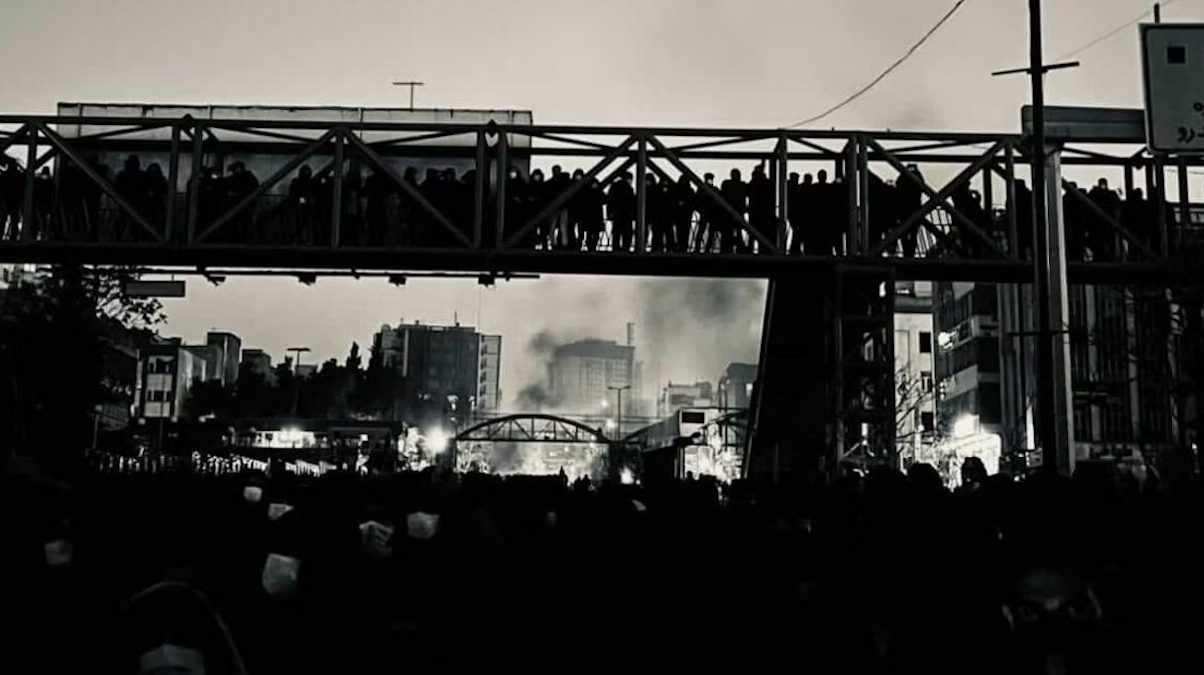
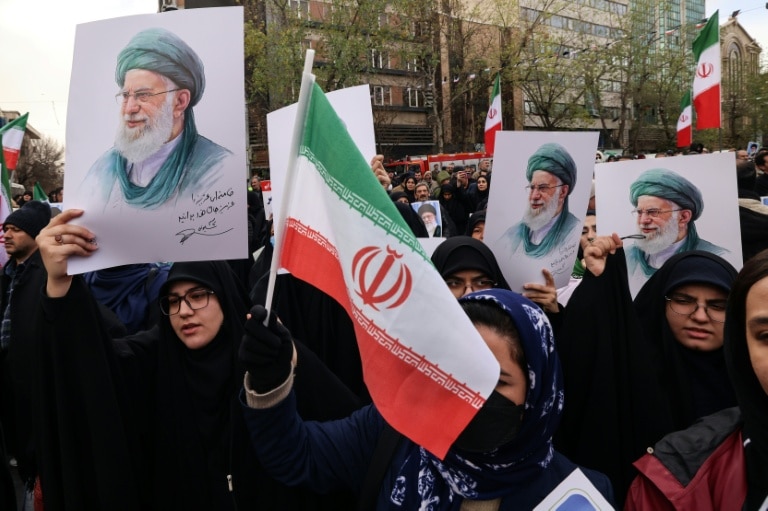
    What began as merchant-led demonstrations in Tehran’s Grand Bazaar on December 28, 2025, has transformed into Iran’s most significant protest movement in decades. The government initially perceived these protests as manageable economic grievances from traditionally conservative bazaar merchants seeking currency stabilization and inflation control. In an unprecedented move, Supreme Leader Ali Khamenei openly acknowledged the merchants’ concerns, marking the first time he had ever legitimized any demonstration.

    However, the situation rapidly escalated beyond governmental expectations. Protests spread to over 25 provinces, evolving into a nationwide challenge to the regime’s survival. The government responded with violent crackdowns that reportedly resulted in more than 6,000 protester fatalities.

    The movement’s most significant development has been the incorporation of Iran’s ethnic minorities into the protest landscape. Iran’s population of 93 million includes substantial ethnic diversity: while Persians constitute 51% of the population, Azeris represent 24%, Kurds number between 7-15 million (8-17%), with Arabs and Baluch minorities comprising 3% and 2% respectively.

    Kurdish communities initiated their involvement through protests in Malekshahi, Ilam province, on January 3. A subsequent security forces raid on wounded protesters at Ilam hospital generated widespread outrage and international attention. Kurdish leadership demonstrated strategic sophistication by calling for regional strikes rather than protests, remembering the brutal suppression during the 2022-23 “Women, Life, Freedom” uprising.

    The southeast Baluchestan region joined the movement on January 9, with protests emerging from Friday prayers, driven by longstanding ethnic and religious marginalization. Iranian Azerbaijan participated more cautiously and later, reflecting their relatively privileged position within Iran’s power structures.

    The protest movement reveals fundamental divisions about political change. Urban Persian-majority protesters typically seek social freedoms, economic recovery, and Western normalization. Ethnic communities carry additional demands for decentralization, linguistic rights, cultural recognition, and genuine power-sharing—demands historically labeled as separatist by Tehran.

    Complicating the opposition landscape, Reza Pahlavi—son of the last Shah—has positioned himself as a transitional leader. However, his published roadmap for transition proposes concentrated power resembling the current supreme leader’s authority and characterizes ethnic demands as national security threats, deepening skepticism in minority regions.

    The future of Iran’s protest movement hinges on whether any political transition can address the fundamental tension between centralized power and ethnic pluralism. Lasting change will require incorporating diverse regional and community demands rather than perpetuating Persian-dominated power structures.

  • Trump is meeting with Venezuelan opposition leader after cozying up to Maduro’s successor

    Trump is meeting with Venezuelan opposition leader after cozying up to Maduro’s successor

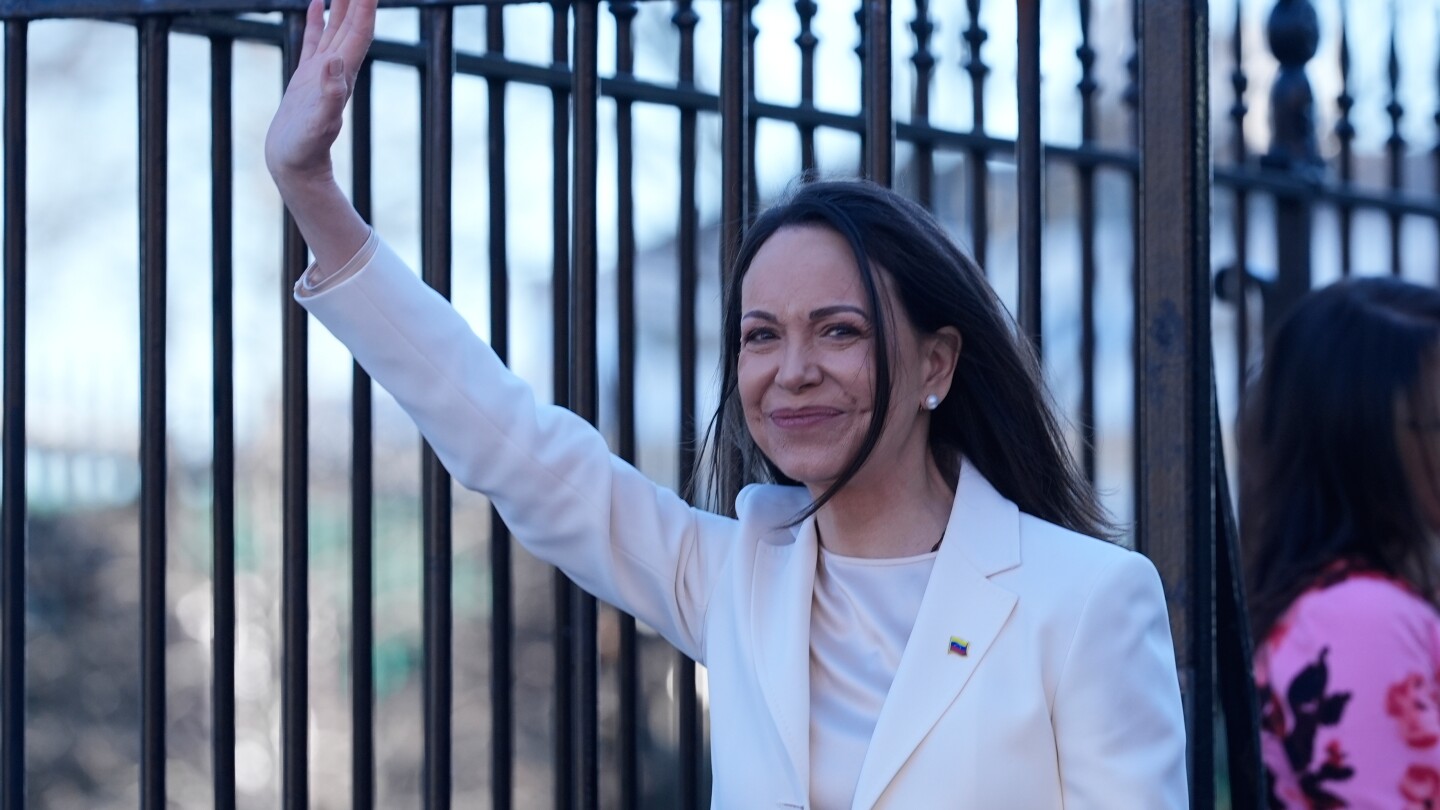
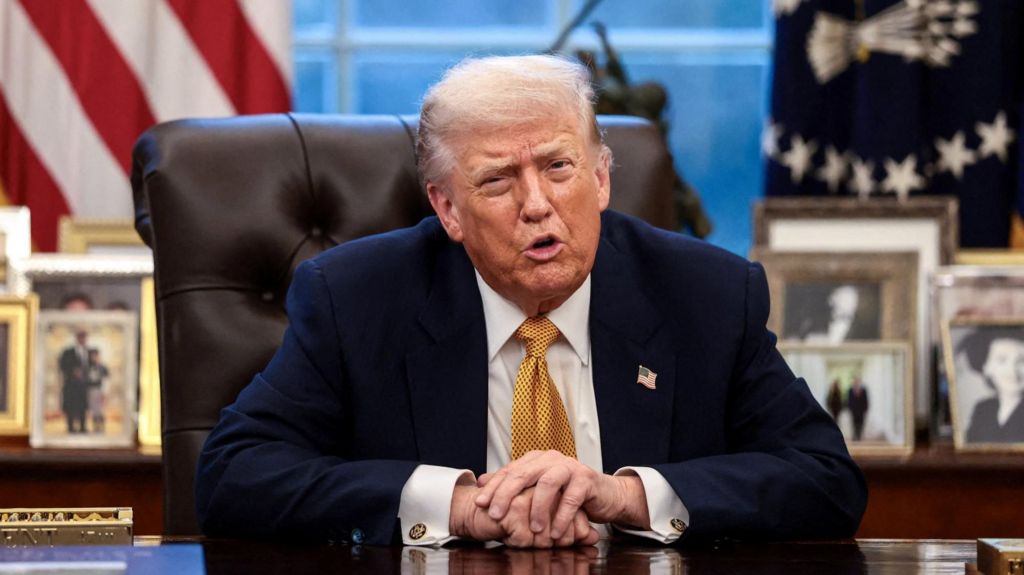
    In a significant diplomatic development, Venezuelan opposition figure María Corina Machado convened with former U.S. President Donald Trump at the White House on Thursday, despite his previously expressed reservations about her political viability. The meeting occurred against the backdrop of ongoing U.S. engagement with Venezuela’s acting leadership following the dramatic capture of former President Nicolás Maduro.

    White House Press Secretary Karoline Leavitt characterized the encounter as a ‘frank and positive discussion’ regarding Venezuela’s political landscape, acknowledging Machado as ‘a remarkable and brave voice’ while maintaining that Trump’s assessment of her limited domestic support remained unchanged. The administration simultaneously continues to recognize acting President Delcy Rodríguez, Maduro’s former deputy, who maintains operational control of government functions and delivered her inaugural state of the union address Thursday.

    This diplomatic balancing act reflects the complexity of U.S.-Venezuela relations following the audacious military operation that apprehended Maduro. The Trump administration has implemented sweeping measures targeting Venezuela’s oil industry, including recent seizures of sanctioned tankers in the Caribbean, as part of broader efforts to dismantle the previous regime’s economic infrastructure.

    Notably, Rodríguez’s government has demonstrated cooperation by releasing political prisoners detained under Maduro, including five American citizens this week. Her administration has adopted a less confrontational stance toward Trump’s ‘America First’ policies than initially anticipated, suggesting potential for continued dialogue.

    Machado’s political journey spans nearly two decades of opposition leadership, beginning with her co-founding of the Súmate organization that challenged Hugo Chávez’s government. Her 2004 Oval Office meeting with President George W. Bush became emblematic of her opposition stance, drawing fierce criticism from Chávez. Despite allegedly winning the 2024 election rejected by Maduro, Machado has faced consistent skepticism from Trump regarding her capacity to govern effectively.

  • Jailed baby killer Benjamin Swann to plead guilty to unrelated injury charge, court told

    Jailed baby killer Benjamin Swann to plead guilty to unrelated injury charge, court told

    A Melbourne court has been informed that Benjamin Joseph Swann, currently serving a 13-year sentence for child homicide, will admit guilt in a separate case of recklessly causing injury to another individual. The 31-year-old former carpenter appeared before Magistrate Kieran Gilligan where prosecutors confirmed the resolution of this additional case.

    The assault incident occurred on January 6, 2024, in Manor Lakes—merely 13 days before Swann fatally injured 115-day-old Elijah, his former girlfriend’s newborn son. During Thursday’s proceedings, the prosecution withdrew four charges, leaving a single count of recklessly causing injury to which Swann will formally plead guilty during a May hearing.

    Swann received his current sentence in November after admitting to the January 20 homicide of premature infant Elijah, who had spent most of his brief life hospitalized. Justice James Gorton described how Swann, attempting to establish himself as a ‘father figure,’ was caring for the child when he inflicted fatal blunt force trauma to the infant’s head in a moment of frustration.

    The court previously heard that Swann responded to the child’s distress by violently assaulting him, then attempted to shift blame onto the infant’s mother while showing no remorse. Justice Gorton characterized the killing as ‘a serious instance of this serious offence’ given Elijah’s vulnerable state.

    Swann will remain eligible for parole after serving nine years and six months of his current sentence. The separate case will proceed to plea hearing on May 7, where sentencing will be determined for the earlier assault incident.

  • Trump told ‘killing has stopped’ in Iran after violent protest crackdown

    Trump told ‘killing has stopped’ in Iran after violent protest crackdown

    U.S. President Donald Trump announced on Wednesday that he had received assurances from “very important sources” indicating that “the killing in Iran has stopped” following widespread anti-government protests. However, he did not dismiss the possibility of future military action against Tehran.

    The statement comes amid a severe crackdown by Iranian authorities, which human rights organizations report has resulted in over 2,400 fatalities. In response to the escalating regional instability, both the U.S. and the U.K. have initiated precautionary measures, including reducing staff at the Al-Udeid Air Base in Qatar—the largest American military installation in the Middle East.

    International concern has mounted following reports that a 26-year-old protester, Erfan Soltani, was sentenced to death. Although his family initially reported an imminent execution, Iranian state media later denied the death penalty had been issued. Foreign Minister Abbas Araghchi stated that “hanging is out of the question,” while cautioning the U.S. against repeating its June 2025 bombing of Iranian nuclear facilities.

    Several nations have issued travel advisories and altered flight paths. Germany’s Lufthansa, among other airlines, announced it would avoid Iranian and Iraqi airspace indefinitely. The British Embassy in Tehran has temporarily closed, operating remotely, and Italy and Poland have urged citizens to leave Iran.

    Internet blackouts imposed by Iranian authorities since last Thursday have severely hampered independent verification of events on the ground. Organizations like HRANA continue to document casualties, reporting 2,435 confirmed deaths, including 13 children, with hundreds more cases under investigation.

    Trump expressed tentative optimism regarding de-escalation but reaffirmed that the U.S. remains prepared to act, stating earlier this week via social media that “HELP IS ON ITS WAY” to Iranian protesters.

  • More Australians are ‘job hugging’ as confidence in the job market collapses

    More Australians are ‘job hugging’ as confidence in the job market collapses

    A significant shift is underway in Australia’s employment landscape as economic apprehensions and technological advancements reshape career mobility. According to recent LinkedIn research surveying 2,000 individuals, 59% of Australian professionals intend to remain in their current positions throughout 2026, signaling the emergence of a phenomenon termed ‘job hugging’.

    The comprehensive study reveals that economic instability represents the primary factor driving this employment conservatism, with approximately 70% of respondents acknowledging intensified competition within the job market. Notably, four out of five Australian workers feel inadequately prepared to pursue new employment opportunities, while one-third express specific concerns regarding artificial intelligence’s evolving role in recruitment processes.

    LinkedIn career specialist Brendan Wong observes that Australia’s workforce has transitioned from the ‘great resignation’ era to a period of professional retention. ‘The employment landscape has become increasingly competitive with fewer available positions,’ Wong explained. ‘Concurrently, artificial intelligence is fundamentally reshaping hiring practices and skill requirements.’

    This trend presents unique challenges for employers, as professionals may maintain positions despite dissatisfaction. Wong emphasizes that organizations must address underlying retention factors through upskilling initiatives and internal mobility programs to maintain workforce engagement and productivity.

    The research further indicates AI’s growing influence on employment criteria, with organizations increasingly prioritizing technical proficiency over traditional experience. ‘Artificial intelligence has transitioned from specialized advantage to mainstream necessity,’ Wong noted. ‘Professionals seeking career advancement should develop AI competencies while simultaneously enhancing human-exclusive skills including creative problem-solving, interpersonal communication, and adaptive thinking.’

    Despite prevailing anxieties, the report identifies several expanding professional sectors including AI engineering, artificial intelligence management, and chief risk oversight. Positions supporting infrastructure development and energy transition maintain strong demand, alongside human-centered roles in mental health services and organizational development.

  • Three men flee after alleged Melbourne street brawl erupts into stabbing, two seriously injured

    Three men flee after alleged Melbourne street brawl erupts into stabbing, two seriously injured

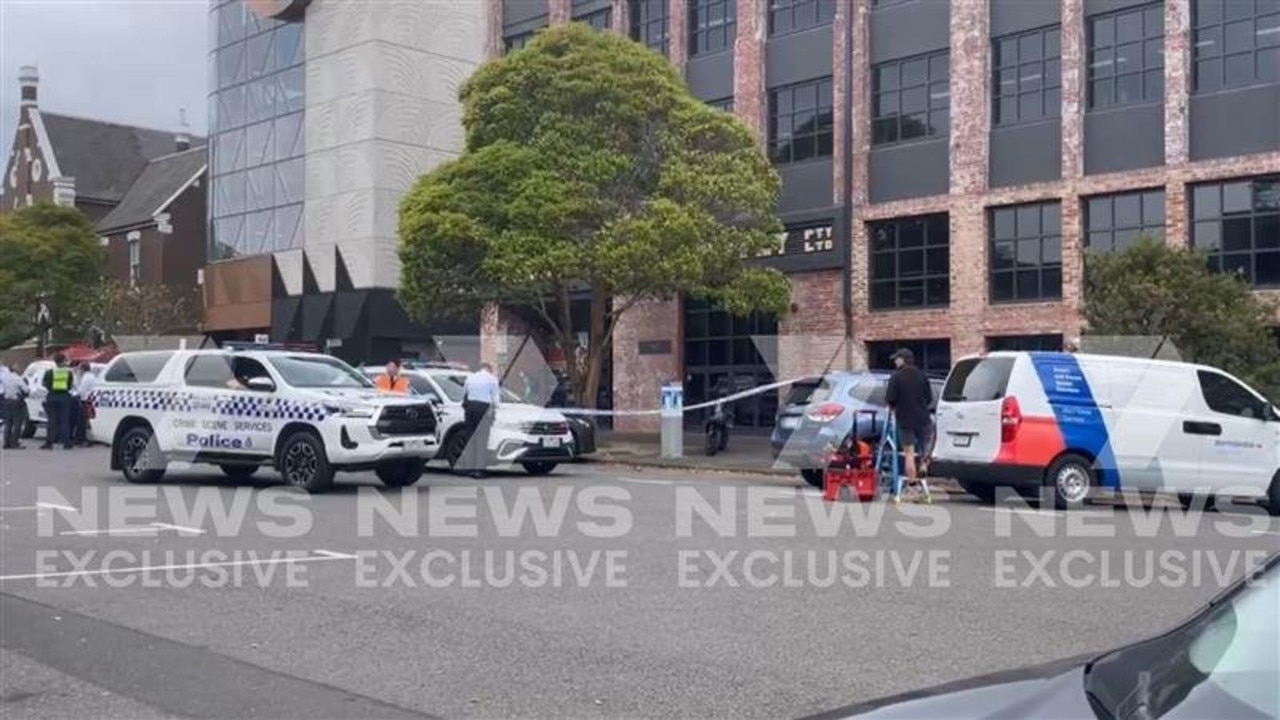
    A violent altercation between two groups of men escalated into a daylight stabbing in South Melbourne on Thursday, leaving two individuals with serious injuries and sparking a police manhunt for three fleeing suspects. The incident occurred shortly before 11:30 AM local time at the intersection of Clarendon and Bank Streets, transforming a public thoroughfare into an active crime scene.

    Victoria Police confirmed that responding officers discovered two victims suffering from wounds consistent with a stabbing. Emergency medical services promptly transported both men to a nearby hospital, where they are being treated for their serious, yet non-life-threatening, injuries. Preliminary investigations indicate that all parties involved were acquainted with one another, suggesting the conflict was not a random act of violence.

    Authorities have established a perimeter as forensic specialists and detectives work to piece together the sequence of events that led to the brawl and subsequent stabbing. The investigation is ongoing, with law enforcement actively appealing to the public for assistance. They are urging any witnesses, or individuals who may have captured dashcam or mobile phone footage of the incident, to come forward and contact Crime Stoppers anonymously to aid in identifying and locating the three men who fled prior to the arrival of police.

  • AI-created Iran protest videos gain traction

    AI-created Iran protest videos gain traction

    A new wave of artificial intelligence-generated videos depicting fabricated protest scenes in Iran has emerged across social media platforms, according to research published Wednesday. These hyper-realistic deepfakes have collectively garnered approximately 3.5 million views while exploiting information gaps created by the Iranian government’s internet restrictions.

    Disinformation monitoring organization NewsGuard identified seven distinct AI-generated videos circulating online, created by both pro-government and anti-regime actors. Among the most prominent examples was a clip distributed on X (formerly Twitter) showing women protesters destroying a vehicle belonging to the Basij paramilitary force, which has been deployed to suppress demonstrations. This particular video accumulated nearly 720,000 views.

    Additional fabricated content included videos showing Iranian protesters symbolically renaming streets after former U.S. President Donald Trump, with one clip depicting demonstrators changing a street sign to “Trump St” amid cheers from the crowd. These developments occurred as Trump repeatedly discussed providing assistance to Iranian protesters, though he noted Wednesday that he had received information suggesting the government had halted its violent crackdown.

    Simultaneously, pro-regime social media users circulated AI-generated content purporting to show massive government-supported counterprotests throughout Iran. Experts indicate these fabricated videos represent a dangerous new frontier in information warfare, where AI-generated “hallucinated” visual content increasingly overshadows authentic imagery during major news events.

    The phenomenon highlights how partisan actors exploit AI tools to advance competing narratives during information vacuums. NewsGuard analyst Ines Chomnalez observed: “There’s a lot of news—but no way to get it because of the internet blackout. Foreign social media users are turning to AI video generators to advance their own narratives about the unfolding chaos.”

    This incident follows a pattern of AI fabrications distorting breaking news events, including false narratives surrounding the U.S. capture of Venezuelan leader Nicolas Maduro and a deadly shooting by immigration agents in Minneapolis. AFP fact-checkers additionally uncovered misrepresented imagery creating misleading narratives about the Iranian protests, including videos actually filmed in Greece and Nepal being presented as current events in Iran.