作者: admin

  • Tour trend takes students to factories

    Tour trend takes students to factories

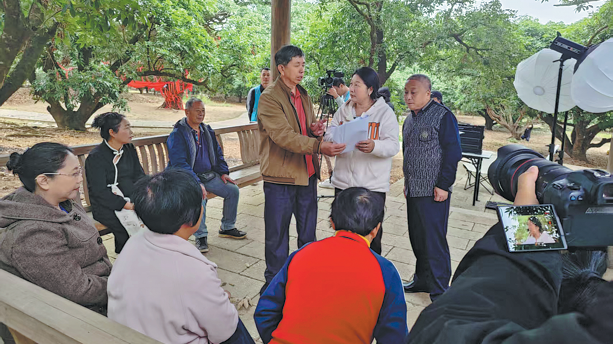
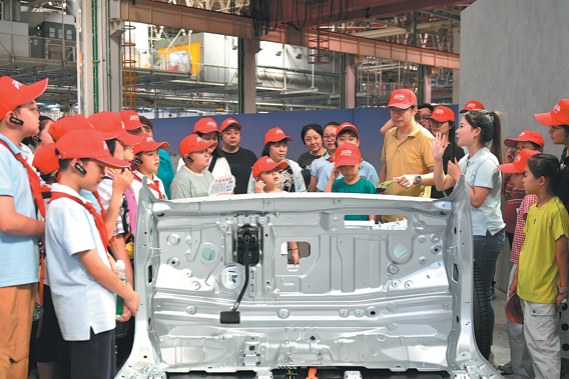
    Across China, an emerging educational trend is transforming industrial facilities into dynamic learning environments as factory tours gain unprecedented popularity among students. The movement represents a significant shift in educational tourism, moving beyond traditional cultural and recreational activities to showcase the nation’s technological advancements in manufacturing.

    At Geely Auto’s Jinzhong facility in Shanxi province, middle school students witness robotic arms performing precision welding operations that challenge conventional perceptions of industrial environments. “My whole concept of manufacturing involved heat, noise and crowded spaces,” remarked 8th-grader Zhang Heyuan. “Instead, I discovered a clean, quiet, and highly automated facility that feels like stepping into the future.”

    The phenomenon extends beyond automotive plants to include electric vehicle manufacturers, robotics laboratories, dairy producers, and traditional craft workshops. Demand has surged to remarkable levels, with Beijing’s Xiaomi electric vehicle plant reporting over 100,000 registrations for tours in the first ten months of 2025. The facility has expanded its winter schedule to accommodate 126 sessions this month alone.

    These industrial visits function as interactive classrooms where theoretical knowledge meets practical application. At Nio’s Second Advanced Manufacturing Base in Hefei, Anhui province, students observe innovative systems including three-dimensional storage solutions and intelligent assembly lines that resemble elevated highways. Since opening to the public in 2018, Nio’s Hefei facilities have welcomed approximately 300,000 visitors who participate in automotive science lectures and hands-on model building activities.

    The trend coincides with China’s ascent in global manufacturing, where the nation maintains its position as the world’s largest manufacturer for 15 consecutive years. With over 500,000 high-tech enterprises and commanding more than 40% of global “Lighthouse Factories”—benchmarks for smart manufacturing and digitalization—China’s industrial landscape offers substantial educational value.

    Educational experts emphasize the tours’ multifaceted benefits. “These experiences enhance scientific literacy while helping students intuitively understand China’s position in the global technological ecosystem,” explained Yang Yi, Public Affairs Director at Nio Manufacturing. The exposure frequently inspires career aspirations, as evidenced by high school student Ma Hexuan’s reaction after visiting Siasun Robot & Automation: “Witnessing technological innovation’s power has motivated me to contribute to such industries.”

    According to Xiong Bingqi, Director of the 21st Century Education Research Institute, these experiences help students align academic choices with societal needs. The movement also fosters broader cultural appreciation for innovation, with Chinese Academy researcher Han Junhui noting that “smart factories becoming tourist attractions epitomize China’s transition from traditional to intelligent manufacturing.”


  • UAE: Death of friends, family impact children differently; how parents can help

    UAE: Death of friends, family impact children differently; how parents can help

    In the wake of recent tragedies across the United Arab Emirates, mental health professionals are shedding light on the complex ways children process grief and loss, emphasizing that young minds require specialized support mechanisms distinct from adult coping strategies.

    The emotional landscape of childhood grief has come into sharp focus following a devastating road accident that claimed the lives of four siblings, prompting educators and psychologists to reexamine support systems for bereaved children. Unlike adults who typically express grief overtly, children often internalize their pain, manifesting through behavioral changes that may persist for years without proper intervention.

    Clinical psychologist Dr. Reena Thomas of Medeor Hospital, Dubai, explains: “Children’s responses to mortality vary significantly based on developmental stage, temperament, and comprehension capacity. While some exhibit immediate emotional outbursts, others retreat into silence that parents frequently misinterpret as resilience. This silence often represents profound internal struggle rather than healthy adaptation.”

    Two contrasting cases illustrate this psychological complexity. Fatima S. (pseudonym) discovered her daughter had silently mourned a close friend’s death for over two years, exhibiting diminished school engagement and persistent questioning. Conversely, an Abu Hail family witnessed their son develop pervasive anxiety about mortality after losing both an elderly grandfather and young cousin within months, demonstrating how consecutive losses can fundamentally alter a child’s perception of safety.

    Educational institutions are increasingly implementing proactive measures. Numerous UAE schools have established dedicated spaces for emotional expression, with teachers facilitating peer support networks recognizing that classroom grief requires as much attention as home-based mourning. These initiatives have gained urgency following recent tragedies, including the quadruple sibling fatality and a sudden death at a Sharjah educational institution.

    Dr. Thomas recommends parents monitor behavioral indicators including sleep pattern alterations, appetite changes, academic performance declines, and newfound anxieties about loved ones’ mortality. She emphasizes: “Children frequently grieve in non-linear stages across extended periods. Parental presence and stability provide more therapeutic value than perfectly crafted explanations. Maintaining routines while permitting emotional expression in whatever form it takes proves most beneficial.”

    The psychological community stresses that societal support systems must evolve to address childhood grief’s unique characteristics, particularly as communities process collective tragedies. With proper understanding and intervention, professionals believe children can develop healthy coping mechanisms that serve them throughout life.

  • US experts see stormy year ahead

    US experts see stormy year ahead

    Leading American academics are projecting a period of intensified political strife and social division throughout 2026, driven by midterm elections, persistent economic pressures, and deepening institutional fractures. This assessment emerges from expert analyses conducted separately with China Daily, indicating continued turbulence following a volatile 2025.

    Anthony Moretti, Associate Professor at Robert Morris University, anticipates the upcoming electoral cycle will dominate the national conversation. “The overwhelming focus throughout 2026 will revolve around polling data, partisan advantages, and electoral trajectories,” Moretti stated. He further suggested that potential setbacks for former President Donald Trump’s party could trigger intensified rhetoric targeting immigrants and political opponents.

    The pervasive polarization extends beyond mere electoral politics. Sourabh Gupta, senior fellow at the Institute for China-America Studies, characterizes the coming months as particularly combative. “I envision significant polarization persisting for the foreseeable future,” Gupta noted. “Both major parties will likely maintain confrontational stances until after November’s elections, creating a particularly challenging political climate.”

    Economic concerns remain paramount among voter priorities, with affordability and cost of living issues continuing to dominate public anxiety. Gupta expressed skepticism toward economic promises from political leadership, doubting whether proposed policies would translate into tangible job creation or wage improvement. He additionally projected persistent inflationary pressures, potentially worsening throughout the year.

    The analysis further identifies structural vulnerabilities within American governance. Jack Midgley of Georgetown University’s Security Studies Program highlighted how mega-donors tied to specific issues or business interests increasingly impede legislative compromise. “This influence causes lawmakers to adamantly advocate for narrow positions, reducing their willingness to negotiate—even with members of their own party,” Midgley explained.

    This dynamic ultimately weakens constitutional checks and balances. Midgley referenced George Washington’s warnings about powerful political parties potentially subverting the people’s will, noting concerning shifts in governmental power distribution. “We currently observe expanding presidential authority alongside diminishing roles for both Congress and the judiciary,” he stated.

    Internationally, recent US military intervention in Venezuela exemplifies this trend toward executive assertiveness and departure from rules-based order. According to Midgley, this action has destabilized Venezuela, created regional uncertainty, and undermined established international norms by legitimizing spheres of influence and governmental overthrow.

    Collectively, these experts foresee no rapid resolution to current tensions. The profound damage inflicted upon governmental institutions and international relationships will require years to address—assuming the political will eventually emerges to do so.

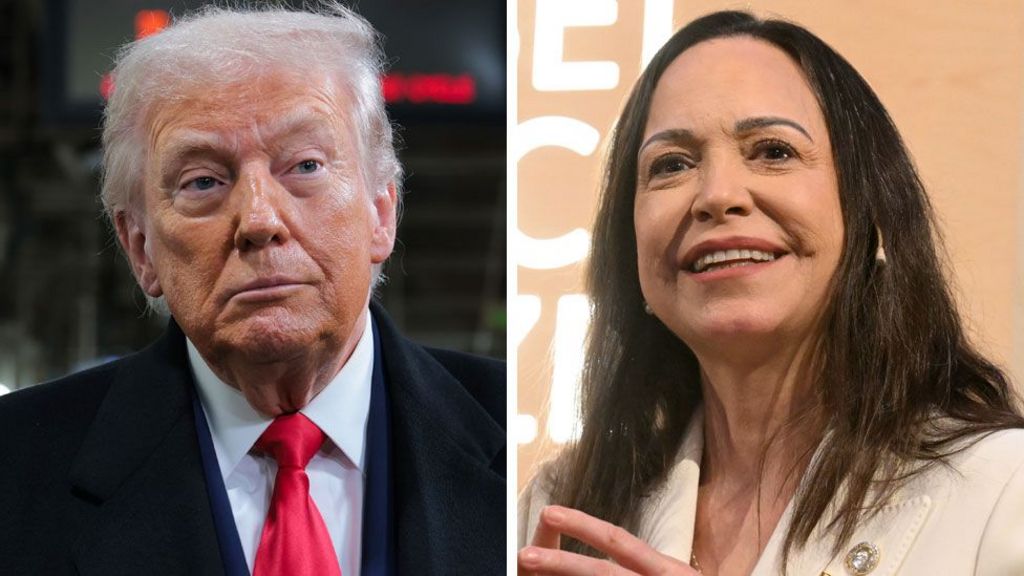
  • She’s offered Trump her Nobel Prize. But what might Venezuela’s Machado ask for in return?

    She’s offered Trump her Nobel Prize. But what might Venezuela’s Machado ask for in return?

    In a high-stakes diplomatic maneuver, Venezuelan opposition figure María Corina Machado is scheduled to meet with U.S. President Donald Trump at the White House on Thursday, aiming to reverse his recent endorsement of interim leader Delcy Rodríguez. The meeting follows Machado’s symbolic offer to share her Nobel Peace Prize—an honor Trump has publicly coveted—though the Norwegian Nobel Institute has confirmed prize transfer is legally impossible.

    The political landscape shifted dramatically earlier this month when U.S. forces ousted Nicolás Maduro, whose reelection was widely condemned as illegitimate. Despite Machado’s landslide victory in the 2023 opposition primary and her decades-long democratic activism, Trump unexpectedly backed Rodríguez—Maduro’s former vice-president—claiming Machado lacked sufficient respect to lead.

    Machado’s coalition argues Rodríguez represents continuity with Maduro’s abusive regime and seeks to convince Trump that his current alignment undermines democratic restoration. Conversely, Rodríguez supporters believe her transitional leadership prevents instability from armed colectivos and government loyalists who still control state institutions.

    Venezuelans remain deeply divided: many view Machado as the legitimate democratic leader based on her primary victory and protest mobilization capabilities, while others fear immediate opposition rule could trigger violent backlash. Anonymous analysts suggest Trump’s intervention success actually stemmed from Machado’s years of weakening Maduro’s regime, noting that over 80% of Venezuelans desire political change unlikely under Rodríguez.

    The Oval Office meeting represents a critical test of Trump’s unpredictable foreign policy approach, where personal diplomacy could reshape Venezuela’s fragile transition. Ultimately, Trump’s assessment may depend less on Machado’s arguments than on Rodríguez’s performance in coming weeks.

  • 71-year-old braves icy river to rescue drowning man

    71-year-old braves icy river to rescue drowning man

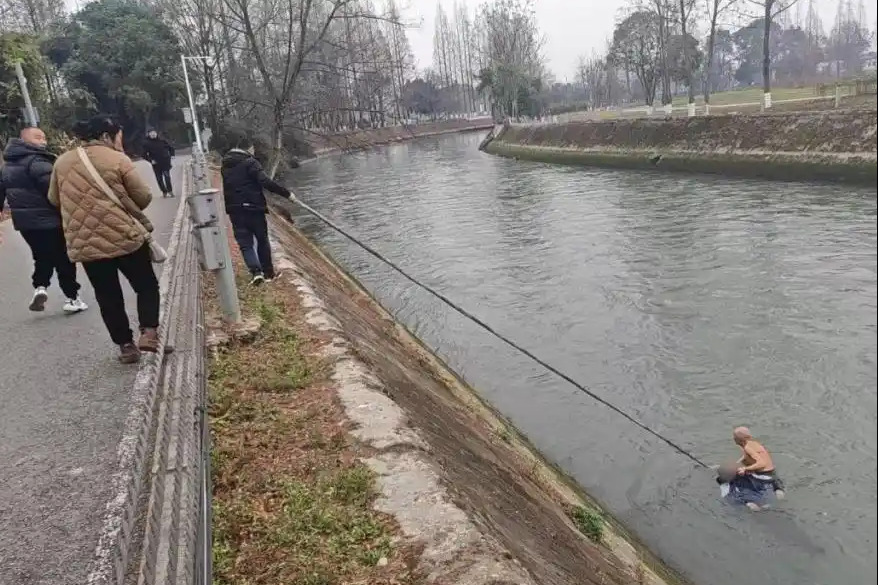
    In an extraordinary display of courage and selflessness, 71-year-old Liu Guiyuan from Chengdu has become an internet sensation after saving a drowning man from an icy river on January 7th. The dramatic rescue occurred along the banks of Fangqiao village’s river where swift currents threatened to sweep the victim away.

    The chain of events began when Wu Ke, a local village official patrolling the riverbank, spotted the struggling man being carried downstream. Wu immediately grabbed a life ring and shouted for assistance while running along the shore. Liu, who happened to be cycling nearby, heard the distress calls and responded without hesitation.

    Demonstrating remarkable presence of mind, the senior citizen turned his bicycle around, removed his clothing, and plunged into the frigid waters. Battling against the powerful current, Liu reached the drowning individual and maintained a secure hold while attempting to return to shore. The rescue operation faced additional complications due to the steep and slippery riverbanks, which prevented direct exit from the water.

    With strategic coordination, Liu began swimming across the river while carefully keeping the victim’s head above water. Wu provided crucial support from the opposite bank, first throwing a life ring and then utilizing a rescue pole when the initial attempt failed. Despite showing signs of exhaustion from the strenuous effort in cold conditions, Liu successfully grasped the pole, enabling both men to be pulled to safety.

    The entire rescue operation lasted approximately ten minutes, concluding as firefighters arrived to provide additional assistance using ropes. Medical personnel transported the rescued man to a nearby hospital where he made a full recovery.

    In subsequent interviews, Liu displayed characteristic humility regarding his actions. ‘I wasn’t afraid at all; my only thought was to save him,’ the septuagenarian stated. He further revealed his personal philosophy: ‘I often tell myself that as long as it’s a good thing I can do, I will definitely do it.’

    Local authorities have officially recognized Liu’s heroic actions, praising his demonstration of selfless kindness and community spirit that transcends age limitations.

  • Intel-sharing aids HK’s drug trafficking crackdown

    Intel-sharing aids HK’s drug trafficking crackdown

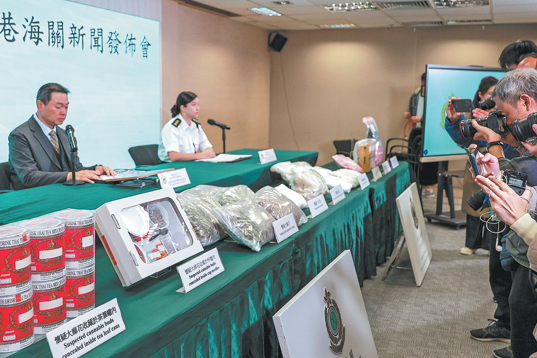
    Hong Kong authorities have announced a major breakthrough in combating international drug trafficking through expanded cross-border intelligence sharing. From October to December, a sophisticated collaboration network spanning 17 jurisdictions enabled the seizure of 1.4 metric tons of suspected narcotics with an estimated street value of HK$431 million (approximately $55.3 million).

    The operation, detailed at a Wednesday media conference at Hong Kong International Airport, resulted in 183 identified drug-smuggling cases involving aviation transportation and led to the apprehension of 62 suspects across multiple jurisdictions. The arrested individuals, ranging from 19 to 77 years old, included a significant number of foreign nationals residing outside both Hong Kong and mainland China.

    This successful crackdown followed the strategic expansion of Hong Kong Customs’ intelligence-sharing network to include law enforcement agencies from 16 partner jurisdictions, including mainland China, Macao, Germany, and Thailand. The enhanced collaboration framework facilitates joint intelligence analyses and comprehensive risk assessments.

    Wong Ngar-lun, Head of Airport Investigations for Hong Kong Customs, emphasized the effectiveness of prompt intelligence exchanges in disrupting drug-trafficking syndicates. Noting that approximately 70% of the city’s total drug seizures in 2025 were intercepted at the airport, Wong highlighted the aviation pipeline’s continued appeal to smugglers and pledged ongoing “multipronged, multilayered” enforcement strategies.

    Authorities also announced intensified security measures for transit passengers and cargo, aiming to systematically dismantle Hong Kong’s exploitation as a global transshipment hub for narcotics. The recent operation identified 18 transit-related cases demonstrating this concerning trend.

    Under Hong Kong’s Dangerous Drugs Ordinance, convicted drug traffickers face severe penalties including maximum sentences of life imprisonment and fines up to HK$5 million.

  • DPP slammed for fueling ‘infiltration’ lies

    DPP slammed for fueling ‘infiltration’ lies

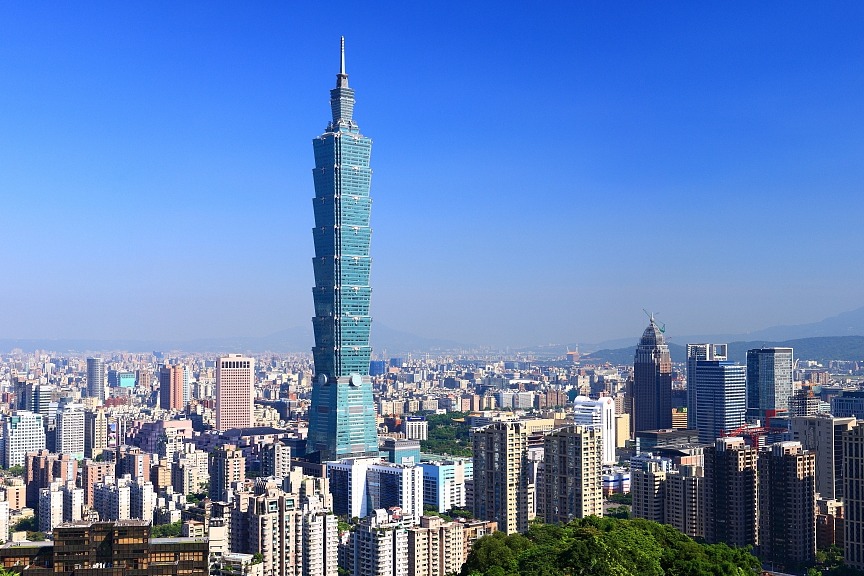
    Chinese mainland authorities have sharply criticized Taiwan’s Democratic Progressive Party (DPP) for propagating what they characterize as fabricated ‘infiltration’ narratives. Zhu Fenglian, spokeswoman for the State Council Taiwan Affairs Office, addressed these claims during a Wednesday press conference, labeling the DPP’s assertions as both misleading and deliberately malicious.

    The controversy emerged following recent statements from DPP officials regarding the use of mainland Chinese expressions in everyday Taiwanese contexts. DPP Secretary-General Hsu Kuo-yung asserted that such linguistic practices, while seemingly minor, could collectively constitute a form of ‘cultural infiltration’ that threatens Taiwan’s distinctive identity.

    This rhetoric has manifested in tangible consequences, including the online harassment of a Keelung dessert shop that incorporated mainland terminology for green grapes in its menu offerings. Zhu characterized these developments as irrational and pathological, attributing them directly to the DPP’s political agenda of eliminating Chinese cultural elements from Taiwanese society.

    The spokeswoman further condemned the DPP’s educational policies, noting the implementation of ‘Taiwan independence’ curricula and textbooks that seek to reconstruct historical narratives. She emphasized that Chinese culture remains the shared heritage of all compatriots across the Strait, encompassing language, writing systems, and traditional celebrations.

    In a related development, Zhu addressed a recent report from Taiwan’s security department alleging mainland use of artificial intelligence and big data analytics for disinformation campaigns. She dismissed these claims as factual distortions designed to foster anti-China sentiment and divert attention from the DPP’s governance challenges.

    The DPP has concurrently pursued legislative measures to counter perceived infiltration, including proposed amendments to strengthen the 2020 ‘anti-infiltration act.’ Zhu characterized this legislation as a political tool for suppressing opposition and intimidating Taiwan residents, ultimately serving separatist objectives while restricting cross-Strait exchanges and undermining fundamental freedoms.

  • Short videos shine spotlight on rural life

    Short videos shine spotlight on rural life

    The remote village of Tandi in Gaozhou, Guangdong province, has emerged as an unexpected digital media sensation through its innovative production of short-form dramas that showcase authentic rural life. This transformation represents a pioneering economic development model combining agricultural heritage with digital storytelling.

    At the forefront of this cultural movement stands the series ‘New Dreams in Lychee Land,’ which received prestigious nominations for Best Director and Best Actress at the 4th Hong Kong Bauhinia International Film Festival. The production has achieved remarkable digital penetration, accumulating over 150 million views across major Chinese platforms including Douyin, Kuaishou, and WeChat.

    What distinguishes this production is its complete integration with the local environment. The drama was filmed entirely within Tandi village, utilizing the region’s renowned lychee industry as both backdrop and narrative foundation. This approach has successfully transported authentic rural stories to massive urban audiences while celebrating agricultural traditions.

    According to local officials, the project exemplifies Gaozhou’s innovative development strategy that synergizes short-form media production with agricultural promotion, farmer participation, and rural cultural preservation. The initiative has generated substantial economic benefits for the community of approximately 1,000 residents.

    Village Party Secretary Guo Zhiyu reported significant growth in complementary industries including homestay accommodations, local restaurants, and cultural tourism. ‘During weekends and holidays, visitors must book homestays and restaurant meals well in advance due to overwhelming demand,’ Guo explained, noting substantial income increases for local farmers.

    The village has responded to this tourism surge by upgrading infrastructure and facilities to enhance visitor experiences while maintaining the community’s authentic character. This digital-to-physical economic model demonstrates how rural communities can leverage digital media to create sustainable development while preserving cultural identity.

  • Watch: Aerial footage shows cars swept away by flash floods in Australia

    Watch: Aerial footage shows cars swept away by flash floods in Australia

    Dramatic aerial footage has emerged capturing the sheer force of flash floods that struck Australia’s southeastern state of Victoria, showing multiple vehicles being swept away by raging torrents. The devastating weather event prompted authorities to close the iconic Great Ocean Road on Thursday as a safety precaution amid rapidly deteriorating conditions.

    The sudden inundation transformed normally tranquil waterways into violent currents that overwhelmed roadways and infrastructure. Emergency services responded to numerous incidents across the affected regions, with rescue teams deployed to assist stranded motorists and residents. The flash flooding represents the latest in a series of extreme weather events to impact Australia in recent years, highlighting the increasing climate volatility facing the nation.

    Meteorological officials attributed the sudden flooding to an intense low-pressure system that delivered unprecedented rainfall amounts within a condensed timeframe. The phenomenon demonstrates how quickly weather conditions can change in coastal regions, particularly during Australia’s volatile spring season. Local authorities have issued warnings for residents to avoid floodwaters and heed evacuation recommendations where provided.

    The temporary closure of the Great Ocean Road, one of Australia’s most famous tourist routes, underscores the significant disruption caused by the extreme weather. The route’s closure affects both local communities and tourism operations along the scenic coastline, with economic implications for businesses reliant on the thoroughfare.

  • Yoon’s fate to be determined on Feb 19

    Yoon’s fate to be determined on Feb 19

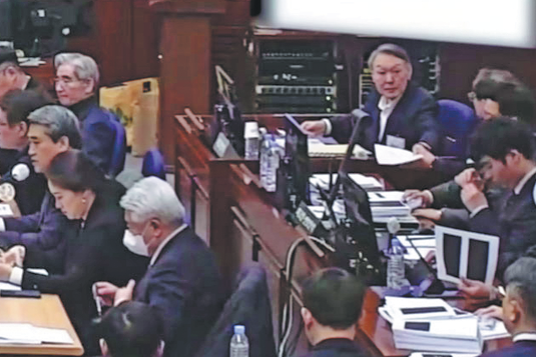
    A Seoul court announced on Wednesday that it will render its verdict on February 19 in the landmark insurrection trial of former South Korean President Yoon Suk-yeol, following prosecutors’ unprecedented demand for capital punishment. The Seoul Central District Court’s declaration came after an exhaustive 17-hour final hearing session, setting the stage for a historic judicial decision that could reshape the nation’s political landscape.

    Prosecutors characterized Yoon’s December 2024 declaration of martial law as “a severe demolition of constitutional order orchestrated by anti-state forces.” The special counsel team asserted that Yoon had weaponized the state of emergency as an instrument to consolidate power and establish prolonged authoritarian rule, actions they described as fundamentally violating national security principles and civil liberties.

    The prosecution emphasized that Yoon had demonstrated no genuine remorse or acceptance of responsibility for the constitutional crisis, compelling them to seek the maximum penalty under South Korean law. During the proceedings, the former president maintained composure, offering a faint smile upon hearing the death penalty request before reiterating his unwavering claim of innocence.

    Yoon contended that his implementation of constitutional emergency powers represented a legitimate presidential action to safeguard national interests rather than an attempted insurrection. He argued the martial law declaration aimed to alert citizens to genuine national security threats rather than establish military dictatorship.

    The Blue House, official residence of current President Lee Jae-myung, issued a statement expressing confidence that the judiciary would deliver a ruling consistent with legal principles and public expectations. Presiding Judge Ji Gwi-yeon affirmed the court’s commitment to adjudicating based strictly on constitutional provisions, statutory law, and evidentiary considerations.

    Legal experts note the symbolic significance of the prosecution’s capital punishment request despite South Korea’s de facto moratorium on executions since 1997. Hongik University law professor Cho Hee-kyong explained that insurrection remains technically punishable by death under the Criminal Act, and anything less than the maximum penalty request might have signaled inadequate seriousness about the constitutional violations.

    While most analysts anticipate a life imprisonment sentence, the court retains discretion to consider historical precedents including the 1996 death penalty verdict against former president Chun Doo-hwan for coup-related offenses, which was later commuted to life imprisonment. Yoon’s persistent denial of wrongdoing may serve as an aggravating factor in sentencing determinations.