作者: admin

  • China’s first 1-mln-cubic-meter salt cavern hydrogen storage project starts operation

    China’s first 1-mln-cubic-meter salt cavern hydrogen storage project starts operation

    In a landmark milestone for global hydrogen energy development, China’s first one-million-cubic-meter-scale salt cavern hydrogen storage demonstration project officially entered commercial operation on Saturday in Pingdingshan, a city in China’s central Henan province. The launch pushes the nation’s renewable energy transition and hydrogen industrialization agenda into an unprecedented new phase, industry leaders confirmed at the opening ceremony.

    Salt cavern hydrogen storage is widely recognized as a transformative solution to one of the clean energy sector’s most persistent bottlenecks: low-cost, large-scale long-duration hydrogen storage and transport that can underpin the buildout of resilient new energy systems. Yang Chunhe, an academician of the Chinese Academy of Engineering, emphasized this critical role in remarks at the commissioning event. “This technology is the key to unlocking wide adoption of hydrogen as a mainstream clean energy source by removing the barriers that have held back large-scale storage and transportation to support new energy system construction,” Yang explained.

    The project leverages the high-purity natural salt rock deposits held by a gas storage and salt chemical subsidiary of the China Pingmei Shenma Group, a major state-owned energy and chemical enterprise. A collaborative cross-institutional team delivered the facility: core technological innovations were spearheaded by the Institute of Rock and Soil Mechanics under the Chinese Academy of Sciences, with engineering design and construction carried out in partnership with two of China’s largest national energy giants, China National Petroleum Corporation (CNPC) and China Petrochemical Corporation (Sinopec).

    Liang Wuxing, deputy chief economist of China Pingmei Shenma, outlined the facility’s key specifications. The project developed a purpose-built water-soluble salt cavern with a total internal volume exceeding 30,000 cubic meters, delivering a total working hydrogen storage capacity of 1.5 million standard cubic meters. Currently, the facility operates two high-pressure compressors that inject hydrogen at 15 megapascals, with a steady injection rate of 2,000 standard cubic meters per hour.

    Unlike single-bodied thick salt formations common to many existing salt cavern storage sites, this project stores hydrogen in layered salt rock structures, a geological condition that accounts for most of China’s salt resource reserves. Yang confirmed that the operational launch has already formally verified both the long-term sealing reliability and full engineering feasibility of hydrogen storage in this common geological structure, clearing a major path for wider replication across the country.

    Looking ahead, the project’s engineering team has committed to advancing new development pathways for bulk hydrogen energy adoption. The team will work to commercialize the technology and test a range of diversified hydrogen use cases, from blending hydrogen into existing natural gas pipeline networks to fuel for hydrogen-powered heavy-duty trucks and hydrogen-fired industrial boilers.

  • Suspect due in court over shooting at Trump gala

    Suspect due in court over shooting at Trump gala

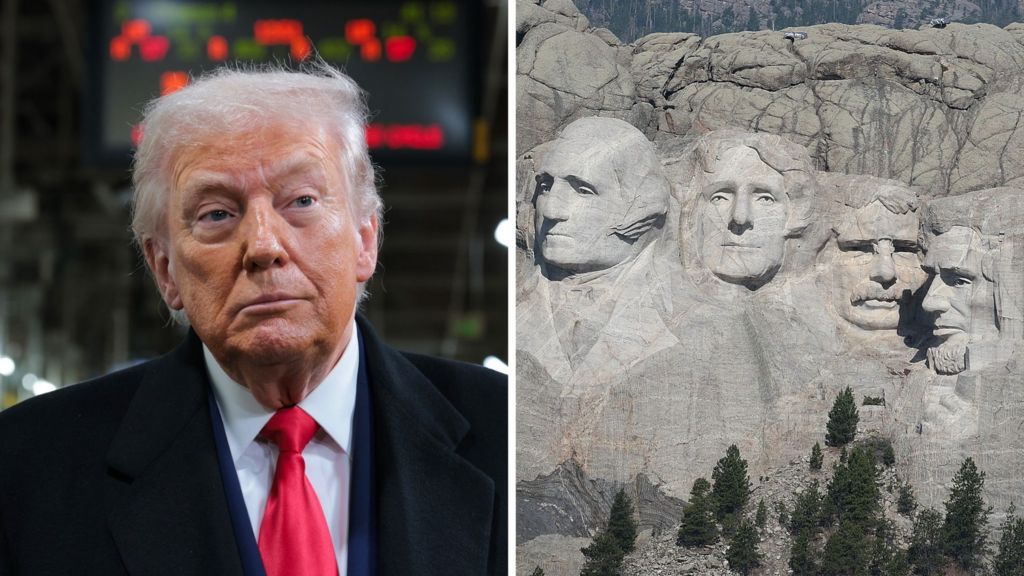
    In the latest episode of escalating political violence rocking a deeply polarized United States, a 31-year-old California man accused of attempting to assassinate former President Donald Trump at a high-profile Washington DC gala is scheduled to make his first federal court appearance on Monday, marking the third alleged plot on the former president’s life in just two years.

    The alleged attack unfolded Saturday night at the Washington Hilton, the iconic venue that has hosted the annual White House Correspondents’ Dinner for decades without security incident. Saturday’s gathering marked the first time Trump, who was in attendance alongside First Lady Melania Trump, Vice President JD Vance, multiple cabinet members, top congressional leaders, and hundreds of political and media guests, had accepted the WHCA’s invitation to attend the annual black-tie event.

    According to administration officials, the suspect, identified as Cole Allen, came to the venue with the explicit goal of killing Trump and other senior officials attending the media dinner. Allen was a registered guest at the hotel, and arrived armed with a shotgun, a handgun, and multiple knives. The New York Post reported that, shortly before launching his alleged attack, Allen sent a message to his family noting that his planned targets would be “prioritized from highest-ranking to lowest.”

    Camera footage shared by Trump online shows the suspect sprinting past a security checkpoint on the floor directly above the gala ballroom. After a short exchange of gunfire between Allen and Secret Service agents, the suspect was taken into custody at the scene. No fatalities were reported in the incident. The moment gunfire erupted, Secret Service agents immediately swarmed the ballroom to protect the former president, triggering chaotic scenes as dozens of attendees dove under tables for cover.

    Trump was quickly evacuated from the venue by his Secret Service detail. Speaking to reporters at a hastily convened late-night press briefing at the White House, Trump recalled that he initially mistook the sound of gunfire for a dropped serving tray before recognizing the danger. He told CBS News in an interview Sunday evening that he did not fear for casualties amid the chaos, saying, “I wasn’t worried. I understand life. We live in a crazy world.”

    Allen is expected to face initial charges of assault on a federal officer and use of a firearm during a violent felony during his 1 pm ET (1700 GMT) court appearance Monday. Legal officials note that additional charges are likely to be filed in the coming days as the investigation progresses. The incident has renewed public scrutiny of presidential security protocols, after Trump noted that the Washington Hilton venue was “not a particularly secure” facility. The former president also said he hopes the dinner can be rescheduled within the next month.

    Saturday’s alleged plot is the third known attempt on Trump’s life since 2024. During a 2024 campaign rally in Butler, Pennsylvania, a gunman opened fire on the crowd, killing one attendee and wounding Trump lightly in the ear. Just months later, a second man was arrested after a Secret Service agent spotted a rifle barrel protruding from bushes along the perimeter of a West Palm Beach golf course where Trump was playing a round of golf.

  • Shanghai hosts dialogue to foster cultural and tech fusion

    Shanghai hosts dialogue to foster cultural and tech fusion

    On April 26, 2026, Shanghai played host to the Shanghai sub-forum of the 2026 World Dialogue on Art and Technology, a gathering that spotlights the coastal metropolis’ long-term ambition to carve out its status as a leading international cultural hub and global design capital. Held under the guidance of the China Federation of Literary and Art Circles and co-organized by Shanghai University and a cohort of partner institutions, the one-day event convened scholars, industry practitioners and educators from across the globe to unpack cross-cutting questions at the intersection of art, technology and cultural development. Centered on two core themes, the forum pooled international research insights and real-world case studies to investigate how cutting-edge digital tools can both supercharge innovation in folk arts and strengthen efforts to preserve centuries-old traditional cultural practices, while mapping out new collaborative pathways for integrating technology and creative design in the increasingly digital 21st century. Speaking at the opening of the forum, Hu Dawei, Deputy Party Secretary and Vice President of Shanghai University, underscored the institution’s longstanding dedication to breaking down silos between academic disciplines. The university, he noted, has prioritized combining strengths in science and engineering with expertise in humanities, social sciences and the arts to align with national development strategies and advance Shanghai’s ongoing urban transformation. “This gathering is more than an academic exchange—it is a starting point for boosting the revitalization of China’s outstanding traditional culture and expanding its global footprint through cross-civilizational dialogue and mutual learning,” Hu added. Over the course of the event, participants delved into rich, in-depth discussions across a range of high-priority topics, from the broader integration of science and art and digital innovation in folk arts to cultural heritage revitalization and the digitization of cultural and museum collections. Attendees also shared a diverse set of research outcomes that merge groundbreaking theoretical innovation with hands-on practical application, laying a foundation for future collaborative projects across sectors and borders. To cap off the forum, organizers also officially launched the Eighth China Creativity Festival for College Students. Organized by the Shanghai Municipal Education Commission, the annual festival is designed to establish a national platform for emerging creative talent from colleges and universities across the country to showcase their original work, while encouraging young innovators to contribute fresh perspectives and new energy to the creative expression and forward-thinking development of China’s vast and diverse cultural heritage.

  • Why Elon Musk and Sam Altman are fighting over OpenAI

    Why Elon Musk and Sam Altman are fighting over OpenAI

    What began as a collaborative partnership to build one of the world’s most influential artificial intelligence laboratories has erupted into a high-stakes legal battle that could reshape the future of the rapidly growing AI industry. Elon Musk, one of the original co-founders of OpenAI alongside current CEO Sam Altman, has launched a lawsuit against the organization and its leadership, seeking damages that exceed $130 billion.

    The origins of OpenAI trace back to 2015, when the project launched as a non-profit research initiative focused on developing safe, beneficial artificial general intelligence for the public good. Musk was a key early backer and founding board member, bringing both financial capital and global visibility to the fledgling organization alongside Altman, who would eventually take over as chief executive to steer the company’s rapid growth. That growth accelerated dramatically following the 2022 launch of ChatGPT, OpenAI’s groundbreaking large language model that ignited a global AI boom and pushed the company’s valuation into the hundreds of billions of dollars. Along the way, OpenAI restructured its governance model to include a for-profit commercial arm to scale development and attract major investment, a shift that has become a core point of contention between Musk and current leadership.

    Musk’s legal action argues that the organization has strayed dramatically from its original non-profit mission, abandoning the commitments that drew him and other early supporters to the project. The nine-figure damages claim reflects the massive market value that OpenAI has accumulated since its public breakthrough with ChatGPT, and a ruling in Musk’s favor could force major changes to OpenAI’s corporate structure, its commercialization strategy, and even its control of core AI technologies that are now used by millions of people and businesses around the world.

    For the broader global tech ecosystem, this lawsuit carries far-reaching implications. It shines a bright spotlight on the tension between the original public-interest mandates of many AI research projects and the enormous commercial pressures that have come with the AI boom. It also sets up a public showdown between two of the most high-profile figures in technology, whose competing visions for the future of artificial intelligence could shape the direction of the industry for years to come.

  • Plane crashes on the outskirts of South Sudan’s capital, killing 14 people

    Plane crashes on the outskirts of South Sudan’s capital, killing 14 people

    A devastating aviation disaster has claimed 14 lives near the capital of South Sudan, after a small Cessna aircraft went down on the outskirts of Juba earlier this week, South Sudan’s Civil Aviation Authority has confirmed. All 13 passengers and one pilot aboard the flight lost their lives in the crash, which occurred roughly 20 kilometers (12 miles) from the center of the capital.

    The aircraft was en route to Juba from the southern South Sudanese town of Yei when it experienced an emergency that led to its crash. Preliminary investigations into the incident point to severe weather conditions as the most likely cause. Dense fog and low cloud cover drastically reduced visibility for the pilot, creating dangerous flying conditions that contributed to the accident, the authority said.

    Among the casualties, two of the deceased hold Kenyan nationality, while all other 12 victims are South Sudanese citizens, the authority confirmed. No survivors have been found at the crash site.

    Shortly after the crash was reported, an official investigative and response team was deployed to the remote hilly location to recover remains and begin piecing together the full circumstances of the disaster. User-generated footage of the accident scene that circulated widely across social media platforms in the hours after the crash shows smoldering wreckage of the plane still engulfed in open flames. The landscape captured in the videos matches the civil aviation authority’s account of poor weather, with heavy mist blanketing the hilly terrain where the aircraft came down.

    The crash marks one of the deadliest aviation incidents in South Sudan this year, and it has prompted the national aviation authority to launch a full review to confirm the exact cause of the disaster and identify any safety gaps that may have contributed to the tragedy.

  • Argentina’s leader bars journalists from government HQ, raising concerns about press freedom

    Argentina’s leader bars journalists from government HQ, raising concerns about press freedom

    BUENOS AIRES, Argentina — In a move that has sent shockwaves through Argentina’s democratic landscape, President Javier Milei has barred the entire corps of accredited reporters from entering the Casa Rosada, the country’s iconic presidential headquarters, capping off a months-long pattern of aggressive hostility toward independent journalism that mirrors the anti-media rhetoric of his ideological ally, former U.S. President Donald Trump.

    The unprecedented ban, implemented last week, followed a dispute over unauthorized footage filmed inside the presidential complex by reporters from Argentina’s Todo Noticias network. According to presidential spokesperson Javier Lanari, the move was implemented as a “preventative measure” after the outlet aired footage captured with hidden smart glasses, which the government frames as illegal espionage. But the network’s journalists push back against this characterization, noting they notified administration press officials of their filming plans in advance, and the footage only captured publicly accessible areas of the building that have been featured on national television before.

    Rather than limiting criticism of his administration, the ban has sparked unified condemnation from across Argentina’s political spectrum, press freedom organizations, and watchdog groups. For a nation that has celebrated a vibrant, independent press since the end of its military dictatorship in 1983, observers say the full exclusion of the press from the presidential seat marks the most severe attack on press freedom in four decades.

    “It’s the culmination of the government’s contempt for journalism and its value in a democracy,” explained Fernando Stanich, president of the Argentine Journalism Forum, a leading professional press association.

    Cristina Zahar, Latin America coordinator for the New York-based Committee to Protect Journalists, framed the administration’s actions as a clear sign of authoritarian drift, even as Argentina remains formally democratic. “An autocrat who tries to curtail press freedoms, who tries to prevent journalists from reporting and keeping society informed about public interest matters,” Zahar said.

    Milei, a radical libertarian outsider who rose to the presidency in 2023 on a platform of slashing government spending and upending Argentina’s established political order, has never moderated his provocative, anti-establishment rhetoric since taking office. An avid daily user of the social platform X, the president has leaned increasingly heavily into anti-media attacks in recent months. An analysis of Milei’s X feed conducted by leading Argentine daily *La Nación* between April 2 and 5 found that Milei published 86 original posts taunting and insulting journalists over just four days, and reshared an additional 874 similar attacks. Many of these posts repeated his signature slogan, “We don’t hate journalists enough,” repeated his false claim that 95% of Argentine journalists are active criminals, and included crude sexual innuendo or targeted insults directed at individual reporters critical of his administration.

    Hours after the press ban was implemented, Milei published an angry all-caps post attacking reporters as “disgusting scum,” adding “how about you try stopping the lies? Oh I forgot, you lot are corrupt junkies hooked on advertising bucks and bribes.” He also shared an AI-generated deepfake image that depicted a prominent Argentine television reporter wearing an orange prison jumpsuit, a clear threat of political prosecution against critical journalists.

    Long before the full ban on press access, Milei had restructured how his administration communicates with the public, sidelining traditional journalistic institutions in favor of unmediated social media outreach, a strategy also honed by Trump. Milei has never held a formal presidential press conference in his tenure, rarely grants interviews to established national outlets, and instead pushes his messaging through viral slogans and AI-generated memes. He frequently appears on right-wing influencer radio programs, and has hired prominent social media provocateurs for senior administration roles, a move that has emboldened his base to adopt stigmatizing, hostile language toward working journalists.

    Following Trump’s playbook of using legal action to harass critical outlets, Milei has filed defamation lawsuits against at least eight independent journalists over the past 12 months, and encouraged his political allies to do the same. Alejandro Alfie, a media reporter for Argentina’s largest newspaper *Clarin* who has investigated networks of anonymous pro-Milei troll accounts, currently faces four defamation lawsuits from Milei’s close allies that seek millions of pesos in damages. Alfie says he has faced ongoing threats of violence, doxxing, and harassment from Milei’s supporters, demonstrating that the president’s rhetoric carries tangible, dangerous real-world consequences.

    “People say, ‘Oh, it’s not real. It’s just social media.’ But when you have someone telling you on Instagram every day that they will kill your children, it is something else entirely,” Alfie said.

    Milei has also taken systemic steps to weaken press access beyond personal attacks and lawsuits. In 2024, he shut down Telam, Argentina’s long-running state news agency, which he accused of operating as a propaganda outlet for left-wing opposition parties — a move echoing Trump’s push to cut federal funding for U.S. public media outlets PBS and NPR over claims of biased coverage. Telam has since been restructured into a state-run advertising agency. Milei also signed changes to Argentina’s open records law that drastically reduced the volume of government information available to the public and reporters.

    Many correspondents who were barred from the Casa Rosada last week say the full ban did not come as a surprise. Over the past year, the administration has incrementally restricted press movement inside the building, closing off entire wings to reporters and capping attendance at official press briefings. Earlier this month, six accredited outlets were already barred from both the Casa Rosada and Argentina’s lower congressional chamber over unsubstantiated claims that their reporters were involved in Kremlin-backed disinformation, claims the outlets have emphatically denied.

    The Todo Noticias smart glasses incident, observers say, was merely a convenient pretext to extend existing restrictions to the entire press corps. “It was the perfect excuse to extend the punishment to the entire press corps,” said Jaime Rosemberg, a political correspondent for *La Nación* who was among the 60 blocked reporters.

    The backlash to the ban has been swift: an opposition lawmaker has already filed a lawsuit against the administration over the order, and a cross-party group of a dozen legislators has called for an urgent meeting with senior government officials to address what they call an “institutional undermining of freedom of expression.”

    The anti-press campaign comes as Milei faces growing political and economic headwinds: recent polling from AtlasIntel shows the president’s public approval rating has fallen to the lowest point of his presidency. His signature campaign promise to eliminate Argentina’s decades-long chronic inflation has stalled, unemployment has risen, and the national economy has contracted. Adding to his troubles, close ally and chief of staff Manuel Adorni is currently under investigation for misuse of public funds, a corruption scandal that echoes the elite misconduct Milei campaigned against.

    Many political analysts and journalists draw a direct line between the administration’s mounting challenges and its escalating attacks on the media, which have long served as a convenient scapegoat for unpopular outcomes. “It’s a very bad moment for the president,” Rosemberg said. “And often the easiest thing to do in that moment, what you have closest at hand, is to blame the press for everything.”

  • Shanghai hosts global event on reproductive genetics

    Shanghai hosts global event on reproductive genetics

    In a landmark moment for global reproductive health collaboration, the 23rd International Conference on Preimplantation Genetics officially opened its doors in Shanghai on April 25, 2026. This gathering marks the first time the leading international event in the specialized field of reproductive genetics has been hosted on Chinese soil, breaking new ground for cross-border knowledge exchange in the region.

    Over four days, the conference brings together more than 300 clinical practitioners and research scientists from 23 countries and regions across the globe. Attendees have gathered to explore cutting-edge advancements reshaping preimplantation genetic testing, or PGT, a life-changing technology that plays a critical role in advancing global reproductive health and curbing the global prevalence of birth defects. The event is co-hosted by the Preimplantation Genetic Diagnosis International Society (PGDIS) and Renji Hospital Affiliated with Shanghai Jiao Tong University School of Medicine, alongside other leading national healthcare institutions.

    Specialists in the field note that traditional prenatal screening methods have long carried a significant limitation: they frequently fail to detect single-gene genetic disorders early in pregnancy. When these conditions are identified after conception, they often leave families facing devastating decisions, imposing heavy long-term emotional and financial burdens that extend to broader society. PGT, widely recognized as a core technological tool for preventing birth defects, addresses this gap by allowing clinicians to conduct a highly precise analysis of an embryo’s genetic material before implantation. This process enables care teams to select only healthy embryos that do not carry pathogenic genetic mutations, drastically reducing the risk of inherited genetic conditions being passed to newborns.

    This year’s conference agenda features deep dives into some of the most pressing topics in the field, including the expanding clinical use of non-invasive PGT techniques, as well as the ethical frameworks and real-world implementation practices for PGT designed to assess polygenic disease risk. In a highlight of the program, Chinese leading researchers and clinicians shared the latest breakthroughs and outcomes from PGT clinical adoption across China, offering global peers valuable insight into the nation’s rapid progress in the sector.

    Global industry leaders have praised the milestone hosting of the conference in Shanghai, noting that the event reflects the city’s rising international influence in reproductive genetics and its sustained commitment to nurturing international partnership and innovation in life-saving healthcare technology. For the global reproductive health community, the conference is expected to drive faster, more equitable advancement of PGT technology, improving outcomes for families seeking to build healthy families across the world.

  • Jinan hosts rescue dog competition across six disaster scenarios

    Jinan hosts rescue dog competition across six disaster scenarios

    After two days of rigorous, real-world challenge testing, a national fire rescue dog competition came to a close on Friday in Jinan, the capital of China’s Shandong province. The gathering brought together 30 experienced handler-canine teams from eight of China’s provincial-level administrative regions, spanning northern and northeastern areas including Shanxi, Hebei, Beijing, Inner Mongolia, Jilin, Heilongjiang, and Gansu.

    Structured around a strict “one handler, one dog” competition framework that mirrors actual field operations, the event put each team’s skills to the test across six distinct, high-stakes disciplines: individual obedience, obstacle navigation, debris search, mudslide area search, container search, and a full-scale integrated rescue drill. Each challenge was intentionally engineered to replicate six common disaster scenarios that rescue teams face during real emergency responses, including earthquakes, collapsed building incidents, and mudslides—disasters that demand sharp instinct, precise coordination, and quick decision-making from both humans and dogs.

    Beyond serving as a competition to rank top performing teams, the event centered on evaluating how effectively handlers and their canine partners collaborate, maintain clear communication amid high-pressure conditions, and execute search missions in chaotic, complex terrain. The competition also shone a spotlight on the irreplaceable, critical role that specialized rescue dog units play within China’s national emergency response infrastructure, showcasing the rigorous training and preparation that these teams undergo to save lives when disaster strikes.

  • Congo creates a paramilitary mining guard backed by US and UAE funding

    Congo creates a paramilitary mining guard backed by US and UAE funding

    KINSHASA, DRC – The Democratic Republic of Congo officially announced the establishment of a specialized paramilitary mining guard on Monday, a $100 million security initiative backed by the United States and the United Arab Emirates. The move comes as Washington works to shore up alternative access to critical battery and tech minerals, amid a fragile peace process in Congo’s conflict-plagued eastern region.

    Per an official statement released by the country’s General Inspectorate of Mines, the new security unit will be rolled out in phased deployments. An initial contingent of 2,500 to 3,000 personnel is scheduled to complete six months of joint military training and enter active service by December this year. By the end of 2028, the force is planned to expand to more than 20,000 members, with a presence across all 22 of Congo’s mining-producing provinces.

    Core goals of the new force include strengthening state regulatory oversight of the $1 trillion-plus mining sector, cutting down on rampant illegal mineral smuggling, and rebuilding confidence among international investors looking to access Congo’s vast untapped mineral reserves. The $100 million price tag for the program is covered through partnership agreements with the U.S. and UAE, according to the statement.

    As a top global supplier of coltan, the ore that holds tantalum – a critical component used in everything from consumer smartphones and laptops to commercial aircraft engines – Congo holds enormous strategic importance for global tech and clean energy supply chains. For decades, however, the country has grappled with systemic illicit mineral trafficking and persistent insecurity, particularly in its eastern provinces. There, ongoing clashes between Congolese government forces and Rwanda-backed rebel groups have killed thousands of people and displaced hundreds of thousands more, leaving large swathes of key mining territory outside of state control.

    Rafael Kabengele, Inspector General of Mines, noted in the statement that Congolese President Félix Tshisekedi has made overhauling the mining sector a core policy priority, aiming to “clean up the entire mining sector, by eliminating practices that run counter to good governance, transparency and the traceability of minerals.”

    The new paramilitary guard will take over all mining security responsibilities currently handled by regular conventional military units. Its formal mandate covers protecting active mine sites, escorting mineral cargo from extraction sites to processing facilities and national border crossings, and safeguarding foreign direct investment in the sector.

    The initiative is a key part of Washington’s broader strategy to reduce China’s current dominance over global critical mineral supply chains, as demand for these resources surges amid the global transition to renewable energy and electric vehicle production. Last year, Congo and the U.S. signed a bilateral minerals partnership, which has already led to American firm Virtus Minerals acquiring a controlling stake in major copper-cobalt producer Chemaf. Multiple other Western companies have also expressed interest in developing new mining projects in the country, including for assets located in currently rebel-held territory.

    U.S. Geological Survey data shows that Congo produced roughly 40% of the world’s total coltan output in 2023. More than 15% of the global supply of tantalum originates from the Rubaya mining region in eastern Congo, which remains largely under the control of armed rebel groups.

    Eastern Congo has cycled between open conflict and fragile ceasefires for nearly three decades, with more than 120 active armed groups operating across the region. Last year, the Congolese and Rwandan governments signed a U.S.-brokered peace agreement, which was paired with the bilateral critical minerals deal that opened new access for U.S. firms and government stakeholders. While peace negotiations between the Congolese government and M23, the main Rwanda-backed rebel group, remain ongoing, active clashes have continued across multiple frontlines in the east, keeping the region in a state of persistent instability.

  • Museum announces return of artefacts to Botswana

    Museum announces return of artefacts to Botswana

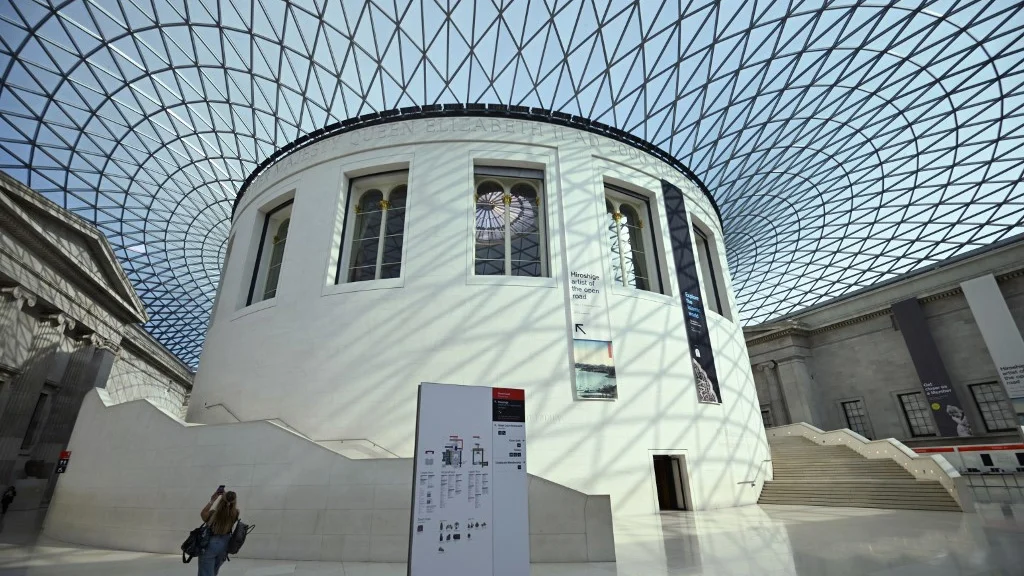
    In a groundbreaking move that signals a growing shift toward accountability for colonial-era cultural theft, a British museum institution has announced plans to hand back 45 historical cultural artefacts to their country of origin, Botswana. This transfer, arranged through a formal collaborative partnership between the UK and Botswanan museum sectors, is being hailed as the first large-scale repatriation of indigenous cultural heritage ever carried out by a United Kingdom museum.

    The objects set for return were originally pulled from Botswana’s Gammangwato region in the 1890s, collected by Christian missionary Rev William Charles Willoughby during the height of British colonial expansion across southern Africa. The collection spans a broad cross-section of daily and cultural life for local communities, including traditional clothing, personal accessories, hunting tools, and everyday domestic items that carry deep cultural meaning for Batswana people.

    The process that led to this transfer grew out of the Making African Connections initiative, a research and partnership project led by the University of Sussex that ran between 2019 and 2021, which built formal connections between Brighton & Hove Museums and Botswana’s Khama III Memorial Museum based in Serowe. Two years after the project concluded, in 2022, the Khama III Museum submitted a formal repatriation claim for the collection, launching the negotiation process that has now resulted in an agreement for return.

    Curators on both sides of the partnership have framed the transfer as far more than a simple movement of objects across borders. Portia Tremlett, senior curator at Brighton & Hove Museums, emphasized that the repatriation fills a critical long-standing gap by returning cultural items to the community that created and gave them meaning. “This repatriation represents an important step in reconnecting these artefacts with the communities, histories and knowledge systems that give them meaning,” Tremlett explained.

    For the receiving institution and the people of Botswana, the handback carries profound meaning for cultural self-determination. Gase Kediseng, curator at the Khama III Memorial Museum, described the transfer as an act of historical restoration that goes beyond material exchange. “This process affirms dignity, identity, and material culture, empowering [the people of] Batswana to tell their own story on their own terms through objects that represent who we were, and who we continue to be,” Kediseng said.

    The 45 artefacts are scheduled to be unveiled to the public as part of a new permanent exhibition opening at the Khama III Memorial Museum on May 27. To mark the milestone occasion, the Botswanan museum will host a two-day international summit alongside the exhibition opening, in partnership with both the University of Sussex and the University of Botswana, to bring together global experts on cultural repatriation and indigenous heritage.