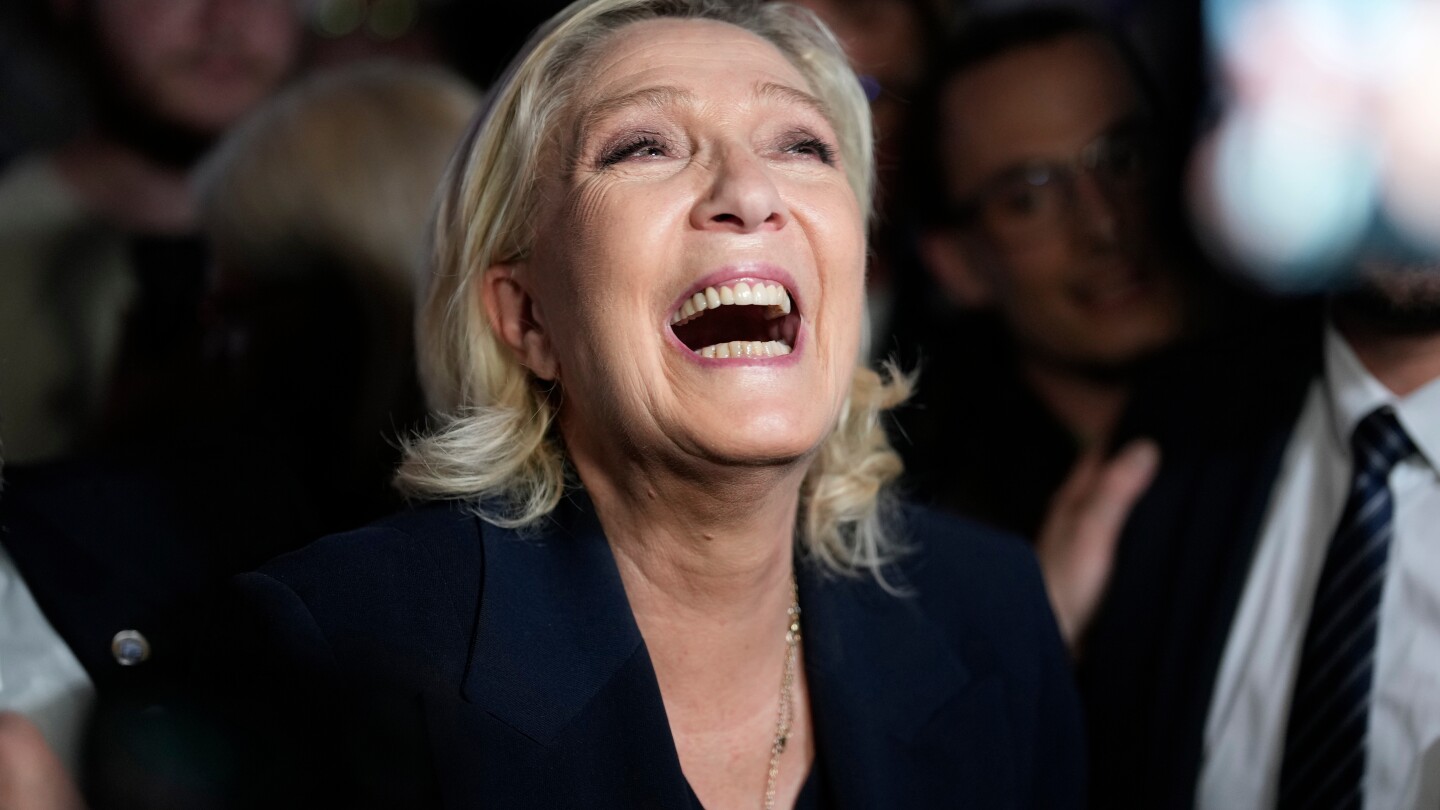
In May 2017, Emmanuel Macron, freshly elected as France’s president, addressed his supporters with a promise to bridge the nation’s divides and win over voters who had backed his far-right rival, Marine Le Pen. Le Pen, leader of the National Front (now rebranded as National Rally), had secured over 10.6 million votes—a historic high for her party. Macron vowed to address the “anger” and “distress” driving these voters, pledging to eliminate their reasons for supporting extremist parties. However, as Macron’s presidency nears its end, this promise lies in ruins. Le Pen’s nativist rhetoric, targeting immigrants, Muslims, and the European Union, has gained millions of converts. National Rally, shedding its controversial past under Le Pen’s father, Jean-Marie Le Pen, has become the largest party in parliament and is poised for a potential victory in the 2027 elections.
作者: admin
-
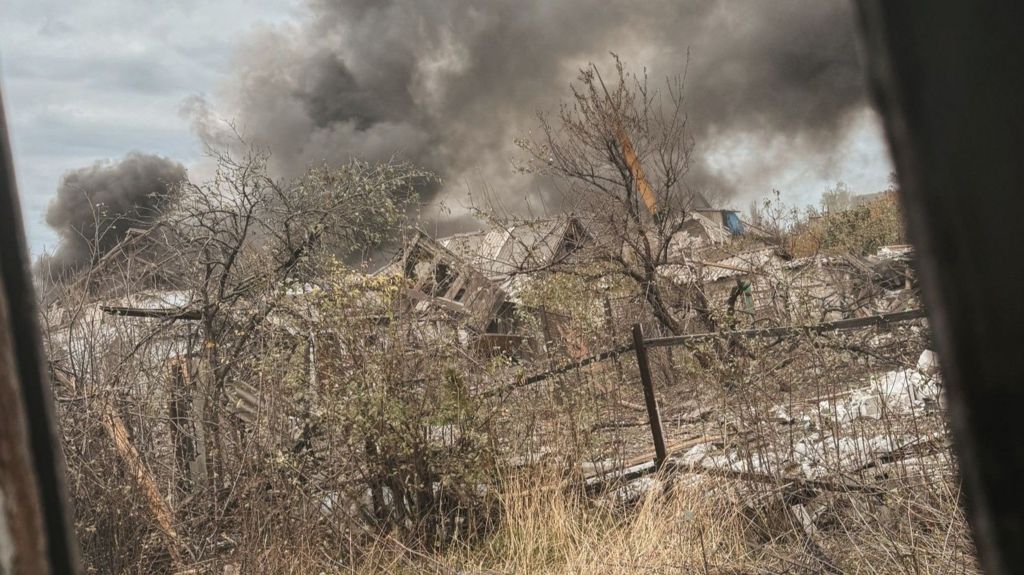
In Ukraine’s ‘kill-zone’, robots are a lifeline to troops trapped on perilous eastern front
In the ongoing conflict in eastern Ukraine, the Fifth Brigade of the Ukrainian army has deployed unmanned ground vehicles (UGVs) to deliver critical supplies to troops on the frontline in Pokrovsk and Myrnograd. These robotic devices, often referred to as ‘land drones,’ have become indispensable in a region where Russian forces are aggressively targeting supply routes. The UGVs, resembling mini tanks without turrets, are small, agile, and capable of navigating narrow paths, making them ideal for transporting food, ammunition, and fuel to soldiers in perilous conditions.
-
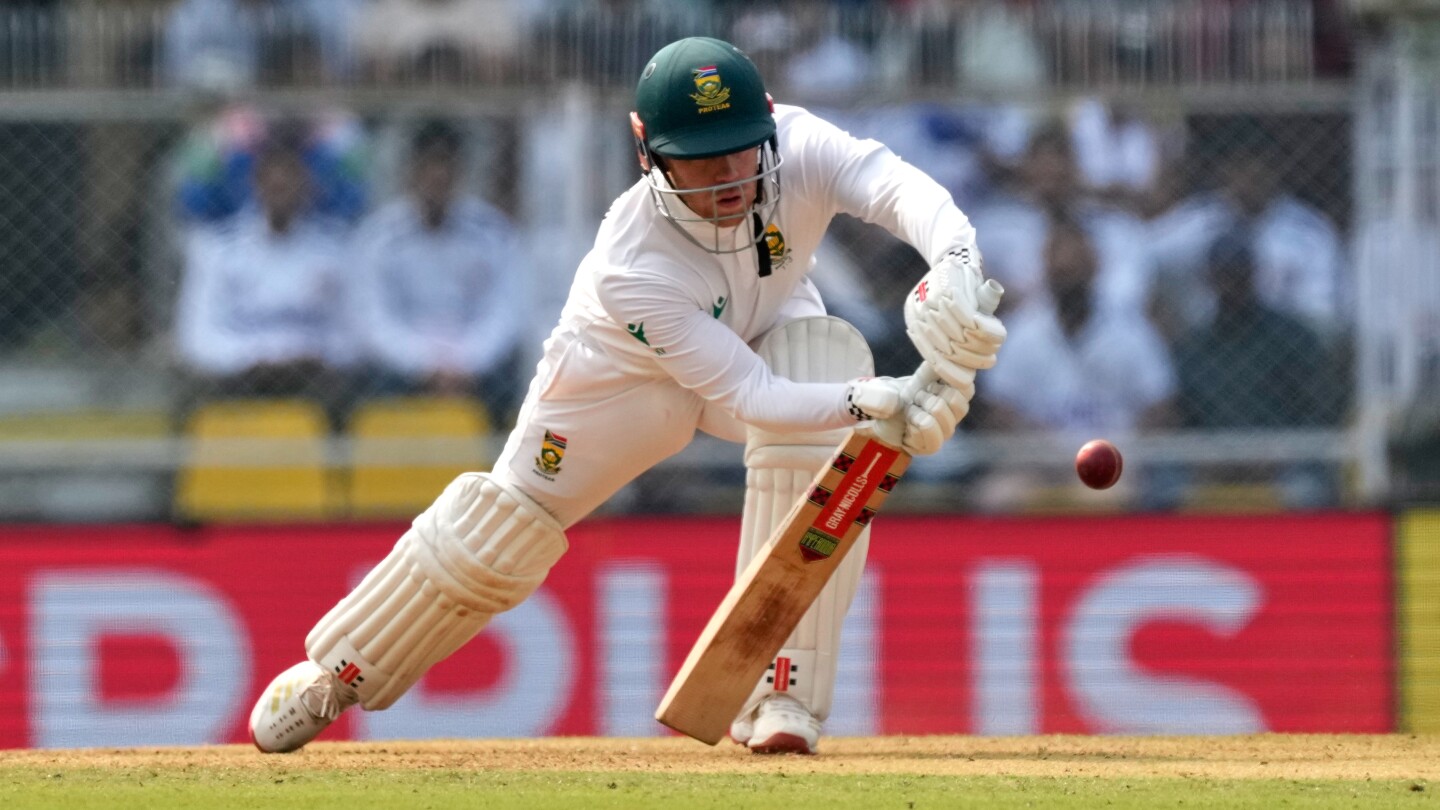
Muthusamy and Verreynne’s unbroken stand frustrates India on day two of second test
GUWAHATI, India — South Africa’s Senuran Muthusamy and Kyle Verreynne showcased remarkable resilience on the second day of the second cricket test against India, forging an unbroken 70-run partnership for the seventh wicket. The duo’s steadfast performance propelled South Africa to 316-6 by the tea interval at the Barsapara Stadium in Guwahati. Resuming from an overnight score of 247-6, Muthusamy and Verreynne batted through the morning session on a placid pitch, thwarting India’s attempts to dismantle the Proteas’ lower order. Muthusamy remained unbeaten on 56, his third test half-century, while Verreynne contributed 38 not out. Their partnership was pivotal in stabilizing South Africa’s innings after a challenging first day. India’s hopes for a breakthrough were dashed when Ravindra Jadeja’s appeal for leg before wicket against Muthusamy was overturned upon review, revealing the ball had grazed the batter’s glove. On the opening day, wrist spinner Kuldeep Yadav had claimed 3-48, restricting South Africa to 247-6. Tristan Stubbs top-scored with 49, but the Proteas lost four wickets in the final session, relinquishing their earlier advantage. Play was halted late in the afternoon due to poor light. South Africa, having won the first test in Kolkata by 30 runs, are now vying for their first series victory on Indian soil since 2000-01.
-
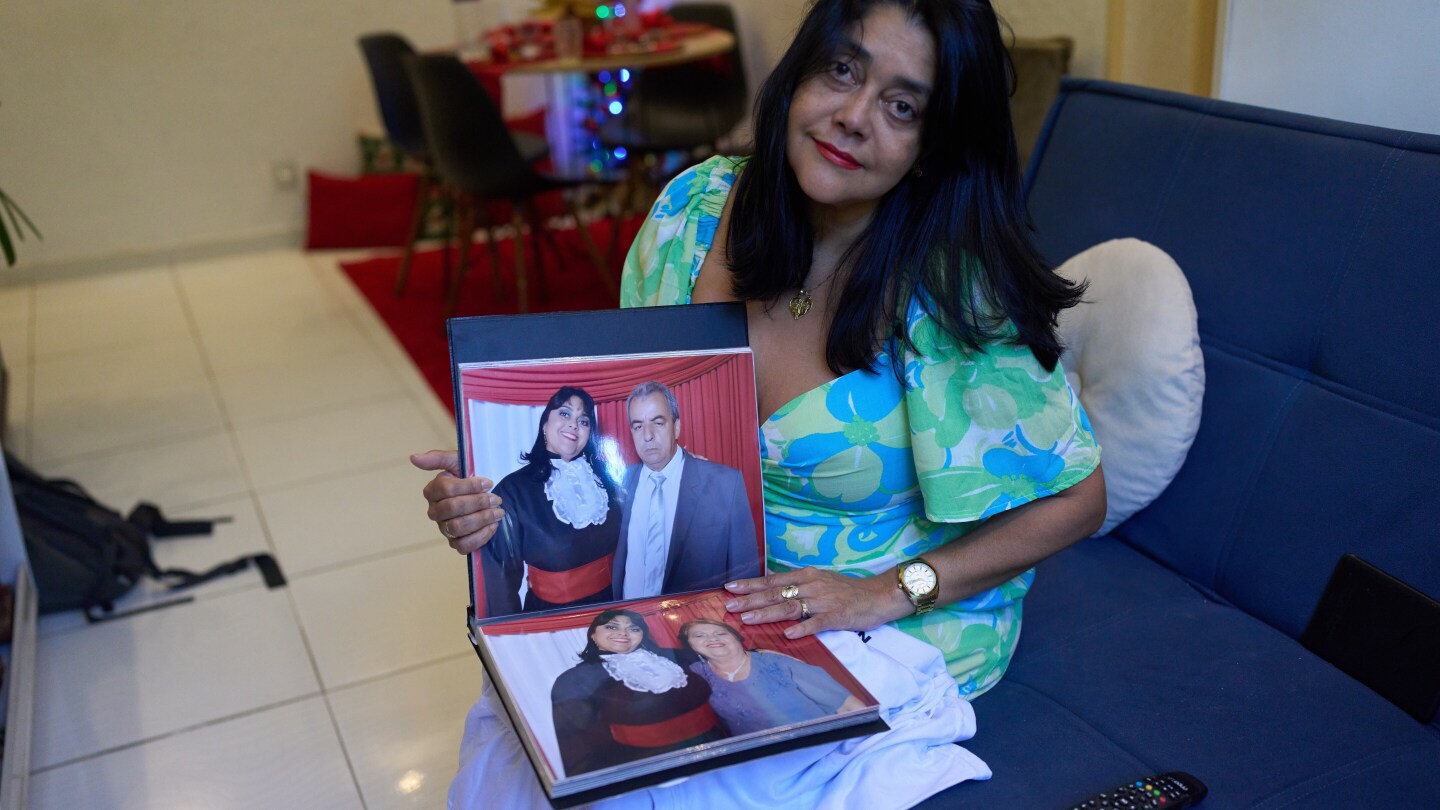
Bolsonaro’s conviction brings vindication for some Brazilians who lost loved ones to COVID-19
In a dramatic turn of events, Brazil’s Supreme Court has ordered the preemptive arrest of former President Jair Bolsonaro, who faces a 27-year prison sentence for attempting a coup following his 2022 election loss to Luiz Inácio Lula da Silva. The arrest has sparked mixed reactions across the nation, particularly among families who lost loved ones to COVID-19, a crisis many blame on Bolsonaro’s handling of the pandemic. Simone Guimarães, a retired teacher from Rio de Janeiro, lost five relatives to the virus, including her husband and sister. She views Bolsonaro’s arrest as a small step toward justice, though it does little to address the grief of those who suffered under his administration. Social media was flooded with tributes to COVID-19 victims, echoing similar sentiments expressed when Bolsonaro was convicted in September. Critics argue that while his conviction for coup-related crimes offers some vindication, it fails to hold him accountable for the pandemic’s devastating toll. Diego Orsi, a translator from São Paulo, likened the situation to the Nuremberg trials, where Nazis were convicted for invasion rather than genocide. Bolsonaro’s denialist stance during the pandemic, including mocking patients and delaying vaccine rollouts, alienated many Brazilians and contributed to his electoral defeat. Epidemiologists estimate that 80% of Brazil’s 700,000 COVID-19 deaths could have been prevented with better leadership. As Bolsonaro’s legal battles continue, the nation remains deeply divided, with his arrest marking a pivotal moment in Brazil’s political landscape.
-
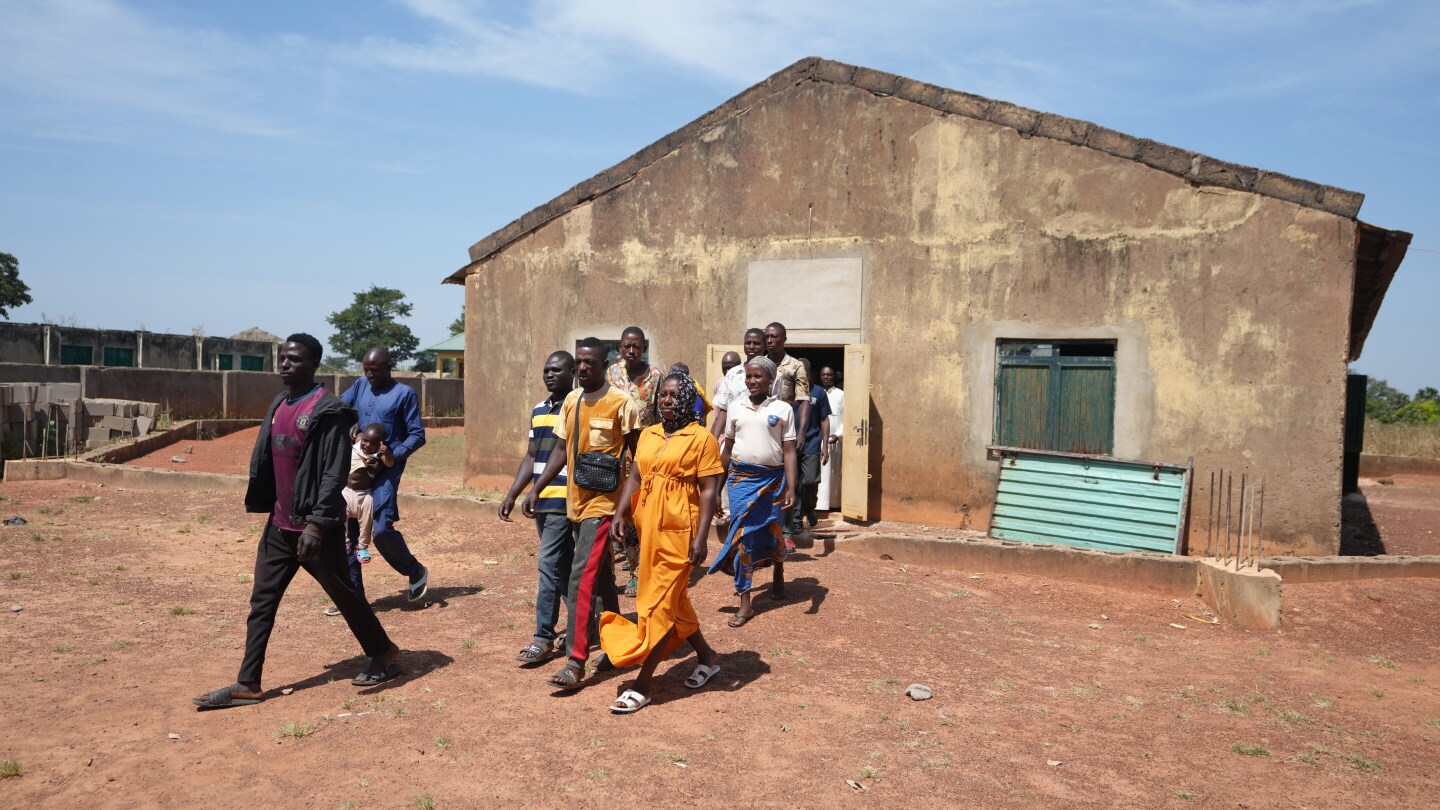
US signals broader efforts to protect Nigeria’s Christians following Trump’s military threat
The Trump administration is intensifying its efforts to collaborate with Nigeria’s government to address violence against Christians, signaling a multifaceted approach that goes beyond potential military intervention. This strategy includes diplomatic measures, intelligence sharing, and assistance programs, as highlighted by a State Department official. Defense Secretary Pete Hegseth recently met with Nigeria’s national security adviser to discuss solutions, emphasizing cooperation over unilateral action. This contrasts with President Trump’s earlier threats to halt all U.S. assistance if Nigeria fails to curb the violence. The administration’s approach aligns with Trump’s broader pledge to reduce foreign military engagements, even as the U.S. security presence in Africa has diminished. However, experts caution that Nigeria’s complex security challenges, involving militant groups like Boko Haram, farmer-herder conflicts, and armed banditry, require long-term solutions beyond military strikes. The Nigerian government has rejected unilateral intervention but welcomes collaborative efforts. Analysts stress that addressing the root causes of violence, such as economic disparities and interfaith tensions, is crucial for sustainable peace. The U.S. faces logistical challenges in mobilizing resources for potential intervention, given the reduced military footprint in the region. While the administration explores options, including sanctions and economic partnerships, the effectiveness of military action remains uncertain. The situation underscores the need for a comprehensive, coordinated strategy to address Nigeria’s multifaceted security crisis.
-
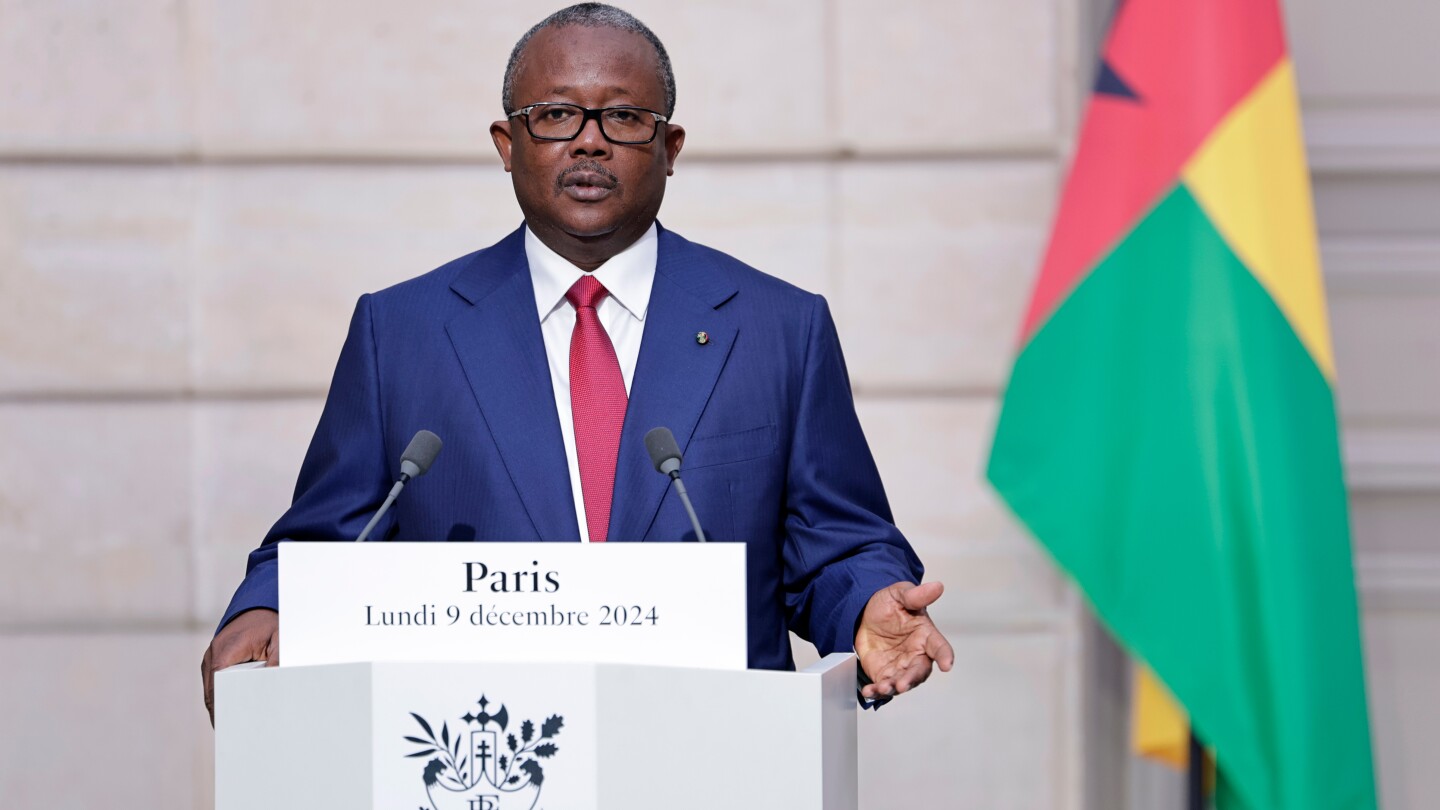
Guinea-Bissau’s president seeks second term in close race marked by tensions
Guinea-Bissau is set to hold a pivotal presidential election on Sunday, with incumbent President Umaro Sissoco Embalo vying for a second term. If successful, Embalo would become the first leader in the nation’s history to secure consecutive terms. The election unfolds against a backdrop of heightened political and ethnic tensions, compounded by the exclusion of the main opposition party, the African Party for the Independence of Guinea and Cape Verde (PAIGC), led by former Prime Minister Domingos Simoes Pereira. Pereira was barred from the race after authorities claimed his party failed to submit its application on time. The election is widely regarded as one of the most contentious in recent history, with analysts warning of potential instability. Nearly half of the country’s 2.2 million population is registered to vote, and a runoff will be held if no candidate secures more than 50% of the votes. Embalo, a 53-year-old former army general backed by a coalition of over 20 political groups, faces stiff competition from 11 other candidates, including Fernando Dias da Costa, a 47-year-old relatively unknown figure supported by Pereira. The election comes at a critical juncture for Guinea-Bissau, one of the world’s poorest nations, which has struggled with coups, drug trafficking, and economic hardship since gaining independence from Portugal over five decades ago. Embalo’s campaign has focused on infrastructure development, while Dias has pledged to prioritize stability, freedoms, and security. The opposition has accused Embalo of authoritarianism and human rights violations, further fueling the political divide. The vote also follows a recent coup attempt in October and a prolonged legitimacy crisis surrounding Embalo’s tenure. Political analyst Augusto Nansambe lamented the erosion of democratic norms, stating, ‘The democracy we knew … is no longer the model we are experiencing; we are experiencing a model defined by a single person.’ Despite the challenges, some residents remain hopeful that the election will bring peace and prosperity to the nation. ‘I hope that these elections will bring peace and tranquility so that there is no more hunger,’ said Marinho Insoldé, a resident of the capital, Bissau.
-
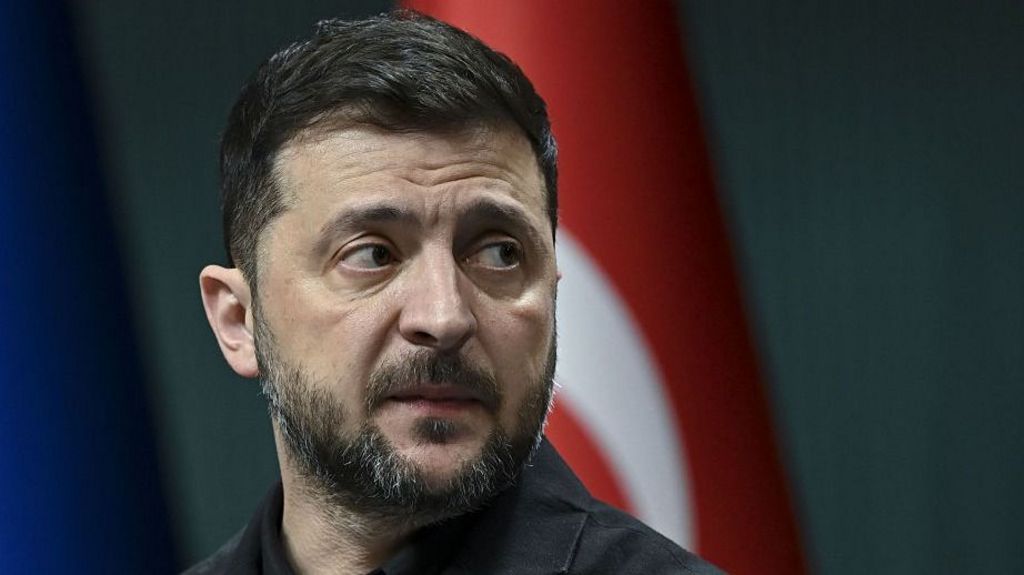
US insists it authored Ukraine peace plan ahead of talks on ending war
A proposed peace plan to end the Ukraine war, allegedly authored by the United States, has ignited significant debate and resistance from Ukraine’s allies. US Secretary of State Marco Rubio emphasized that the draft, which includes provisions favorable to Russia, was developed with input from both Russia and Ukraine. However, Republican Senator Mike Rounds contradicted this, stating that Rubio had informed lawmakers the plan was not US policy but rather a Russian proposal. The State Department swiftly denied Rounds’ claims, asserting that the proposal was indeed crafted by the US. The plan, which remains undisclosed but has been widely leaked, includes controversial measures such as Ukraine withdrawing troops from eastern regions and limiting its armed forces. Ukrainian President Volodymyr Zelensky has warned of the plan’s potential to leave Ukraine vulnerable, while Russian President Vladimir Putin suggested it could form the basis of an agreement. The proposal has faced strong opposition from European leaders, including France and Germany, who argue it undermines Ukraine’s security. US President Donald Trump, who has prioritized ending the conflict, clarified that the plan is not a final offer and extended the deadline for Ukraine’s approval. As negotiations continue in Geneva, the international community remains divided over the plan’s feasibility and implications for lasting peace.
-

Northern Warriors beat Gladiators in Abu Dhabi T10
The Northern Warriors secured a commanding 6-wicket victory against the Deccan Gladiators in the 2025 Abu Dhabi T10 tournament, chasing down a target of 88 runs with 10 balls to spare. This win marked a significant turnaround for the Warriors, who had managed only one victory in their first three matches. Their top-order batsmen rose to the occasion, delivering a much-needed boost to their campaign. In other matches of the day, Vista Riders edged out Aspin Stallions by six runs, while Quetta Qavalary dominated the UAE Bulls with a 9-wicket win. The Gladiators, batting first, faced early setbacks as Trent Boult dismissed Nicholas Pooran and David Wiese in quick succession. Tom Kohler-Cadmore’s resilient 58 off 31 balls provided some stability, but frequent wickets at the other end limited their total to 87/7. The Warriors’ chase was spearheaded by Johnson Charles, who smashed 41 off 17 balls, setting the tone for the innings. Despite a mid-innings slowdown, Thisara Perera and Azmatullah Omarzai ensured a comfortable finish, sealing the victory in 8.2 overs and handing the reigning champions a decisive defeat.
-
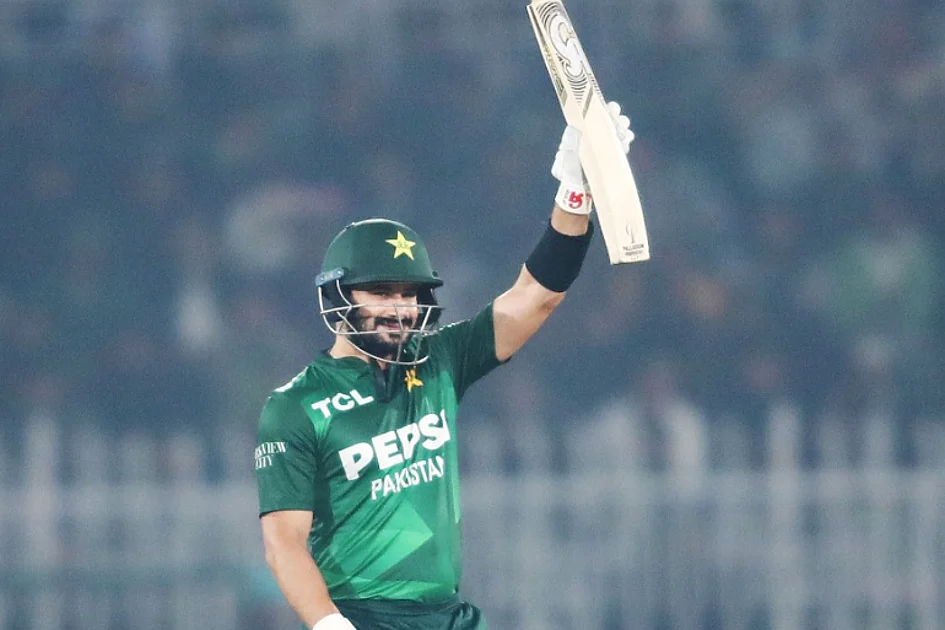
Farhan dazzles as Pakistan outplay Sri Lanka in tri-series
In a thrilling display of cricketing prowess, Sahibzada Farhan delivered a match-winning performance as Pakistan secured a commanding seven-wicket victory over Sri Lanka in the T20 tri-series on Saturday. Farhan’s unbeaten 80 off just 45 balls, embellished with five sixes and six fours, was the cornerstone of Pakistan’s successful chase. The hosts reached the target of 129 with ease, finishing at 131-3 in a mere 15.3 overs. This victory marked Pakistan’s second consecutive win in the series, further solidifying their dominance. Sri Lanka, on the other hand, continued to struggle with their batting lineup. After being bowled out for a paltry 95 in their opening match against Zimbabwe, they managed only 128-7 in this encounter. Captain Dasun Shanaka’s decision to bat first backfired as Pakistan’s bowlers, led by Mohammad Nawaz (3-16), kept the Sri Lankan batsmen in check. The visitors’ dismal form in white-ball cricket persists, having already suffered a 3-0 defeat in the ODI series prior to the tri-series. Farhan’s explosive innings not only sealed the win but also highlighted his growing reputation as a formidable T20 batsman. Pakistan’s clinical performance underscores their readiness for upcoming challenges, while Sri Lanka faces an uphill battle to regain their footing in the tournament.
-
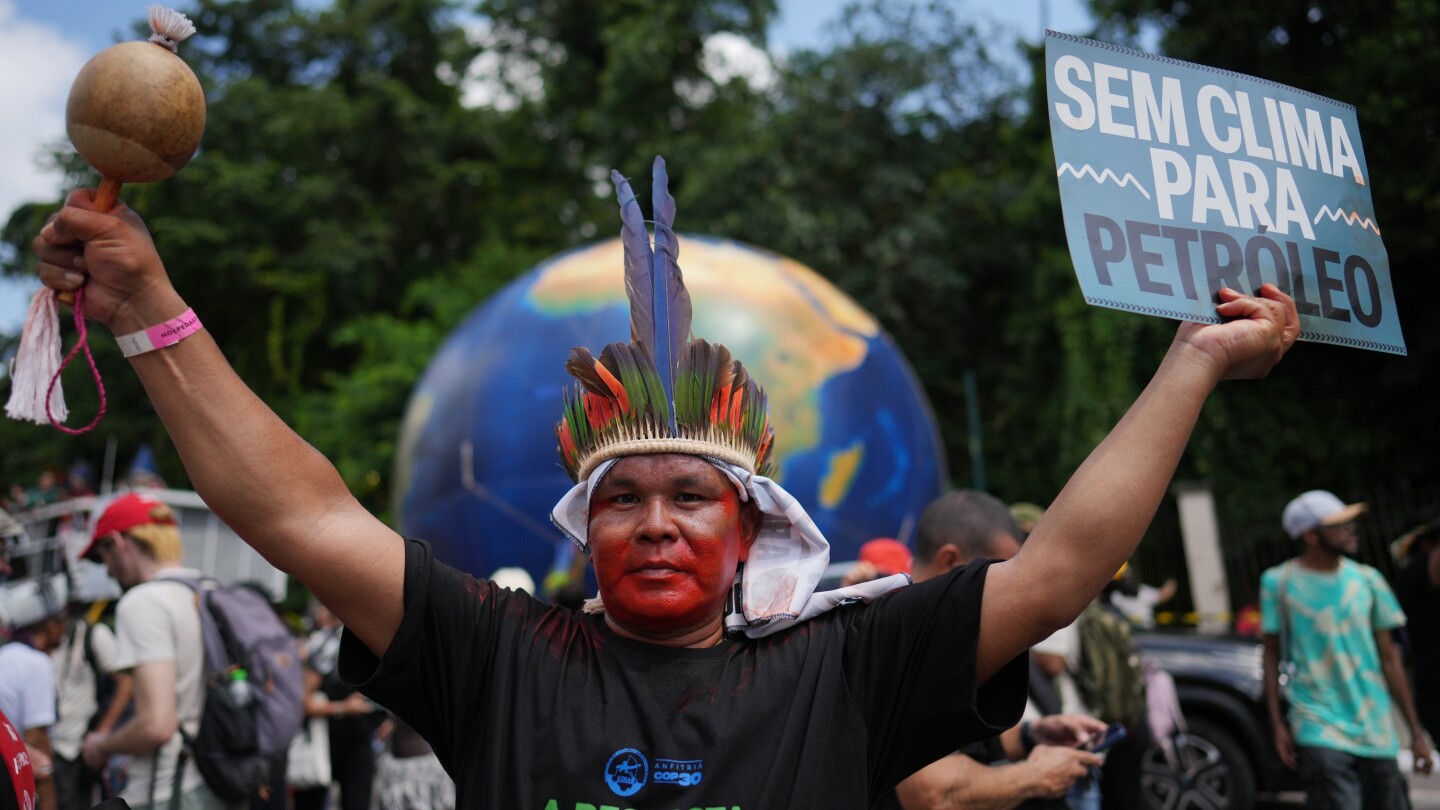
Indigenous people reflect on the meaning of their participation in COP30 climate talks
The streets of Belem, Brazil, echoed with the voices of Indigenous communities during the United Nations COP30 climate talks, held in the heart of the Amazon. While the conference aimed to amplify Indigenous representation like never before, many attendees left feeling that their voices were heard but not truly empowered. The summit, which concluded on Saturday, was hosted in a region critical to global biodiversity and climate regulation, yet Indigenous leaders expressed frustration over the lack of meaningful action and representation. Brazilian officials had hoped the event would empower local communities and protect the Amazon rainforest, a vital carbon sink. However, despite small victories, such as the explicit acknowledgment of Indigenous rights in the final text, the conference fell short on addressing critical issues like fossil fuel phase-outs and equitable participation. Indigenous leaders criticized the focus on symbolic gestures rather than substantive policy changes. Protests outside the venue highlighted the solidarity among Indigenous groups, with demonstrations breaking barriers—both literal and metaphorical—to ensure their voices reached the negotiation tables. While the conference marked a step forward in visibility, it underscored the need for genuine empowerment and action to address the climate crisis affecting Indigenous communities worldwide.