
Half a century ago, on a momentous national holiday that doubled as their most important personal celebration, Roger Lieb and Bonnie Taff said their wedding vows. Their choice of wedding date – July 4, 1976 – was no random selection: that year marked the United States’ 200th anniversary of independence, turning a small private ceremony into an event intertwined with a nationwide celebration. Now, as the nation prepares to mark its 250th birthday in 2026, the pair is gearing up to celebrate their own golden wedding anniversary, a rare coincidence that ties their lifelong relationship directly to America’s modern historical milestones. In an exclusive interview with the BBC, the couple opened up about the unique joys and unexpected quirks of sharing their biggest life moment with one of the country’s largest national parties. They shared stories of packed public venues, spontaneous celebrations from strangers who joined in to toast the newlyweds amid bicentennial parades, and how the overlapping milestone has shaped the way they reflect on their decades together. For 50 years, their anniversary has always come with double the festivities: every Fourth of July, as communities across the nation light fireworks and host barbecues to mark independence, the Lieb and Taff family adds their own anniversary cakes, toasts, and reunions to the celebration. The couple recalled that even on their original wedding day, the overlapping national celebration created a joyful, chaotic atmosphere that they have never forgotten. Many of their guests were already planning holiday gatherings, so the wedding fit seamlessly into long-awaited plans, and strangers on the street stopped to congratulate them after noticing their wedding attire amid the bicentennial crowds. Looking back, both agree that tying their love story to the nation’s history has given their relationship an extra layer of meaning, turning every anniversary into a reminder of both their shared journey and the passage of time across the country they call home.
作者: admin
-
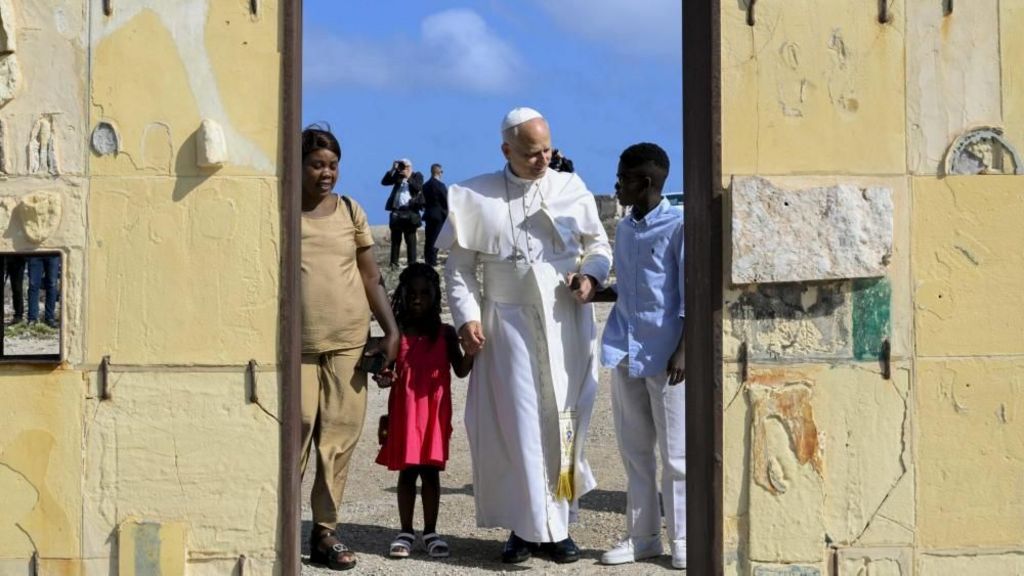
Pope urges Europe to do more for migrants while visiting gateway island
Perched just 145 kilometers off Tunisia’s northern coast, the tiny Italian island of Lampedusa has long been the first European touchstone for hundreds of thousands of people fleeing conflict, poverty and instability across Africa and the Middle East. It is here, on the frontline of the Mediterranean migration crisis, that Pope Leo XIV made a urgent appeal to European leaders to confront what he calls a defining moral and political challenge of the era, just two weeks after the European Union approved sweeping new rules that tighten border restrictions and expand detention powers for undocumented arrivals.
The pontiff’s one-day visit on July 4 began with a quiet act of remembrance: he walked through a local cemetery to pray at the graves of migrants who lost their lives attempting the perilous sea crossing, before stopping at Lampedusa’s iconic Gate of Europe monument, built to honor all those who have perished en route to the continent. After meeting with a migrant family that had recently completed the journey, Pope Leo celebrated open-air mass for a crowd that included new arrivals, Italian coast guard rescuers, aid workers and local residents.
Speaking from what he described as Europe’s farthest Mediterranean outpost, Pope Leo framed migration as a test of the continent’s core values. “Those who have lost their lives in this sea are victims both of decisions that were made and of decisions that were not made,” he told the assembly, pointing to the human cost of both restrictive policies and inaction on the root causes of displacement. He called on European institutions to adopt a holistic approach to the crisis: one that combines immediate, humane support for new arrivals with targeted long-term investment in the developing countries that people are forced to leave. “Europe is capable of addressing the crisis in this region in a comprehensive manner, integrating immediate relief efforts into a long-term strategic plan capable of receiving, protecting, supporting and integrating migrants while assisting developing countries so that no one is forced to emigrate,” he said.
Data from the United Nations’ International Organization for Migration underscores the urgent stakes of Pope Leo’s appeal: more than 1,400 people, including 28 children, have already died or gone missing in Mediterranean crossing attempts this year alone. Migrants typically travel on dangerously overcrowded, poorly maintained vessels, and Lampedusa’s main reception center has long struggled with chronic overcrowding and substandard living conditions for new arrivals.
This visit is consistent with a clear pattern for Pope Leo, who has made expanding support for migrants and refugees a central pillar of his papacy since he was elected head of the Catholic Church in May 2025. He has repeatedly criticized the growing global trend of hardline anti-migration policies, a stance that has put him in direct conflict with political leaders ranging from U.S. President Donald Trump, whose anti-immigration posture he has openly labeled “inhuman.”
Most recently, ahead of the 250th anniversary of United States independence, the pontiff released a public letter to American Catholics that tied the church’s core commitment to protecting life to the moral duty of welcoming immigrants. “The Catholic value of defending life includes welcoming, protecting and assisting immigrants,” he wrote, noting that generations of migrant labor and sacrifice have shaped the United States’ national identity. “To receive them with compassion and generosity is not only an act of charity, but also a recognition of the dignity that belongs to every human person.”
For migrants living and working in Europe, the visit carried deep personal meaning. Kandeh Abdourahman, a migrant who arrived in Lampedusa in 2015 and now works as a cultural mediator for the International Rescue Committee, called the Pope’s trip a powerful validation of migrant experiences. “It was a reminder that our stories are seen, that welcome is not just a word but an act of humanity,” he told reporters. Pope Leo closed his visit by reaffirming his ongoing solidarity with people displaced by crisis, telling the gathered crowd that he will “continue to accompany you, support you and encourage you” amid growing political pressure to restrict migration across the continent.
-
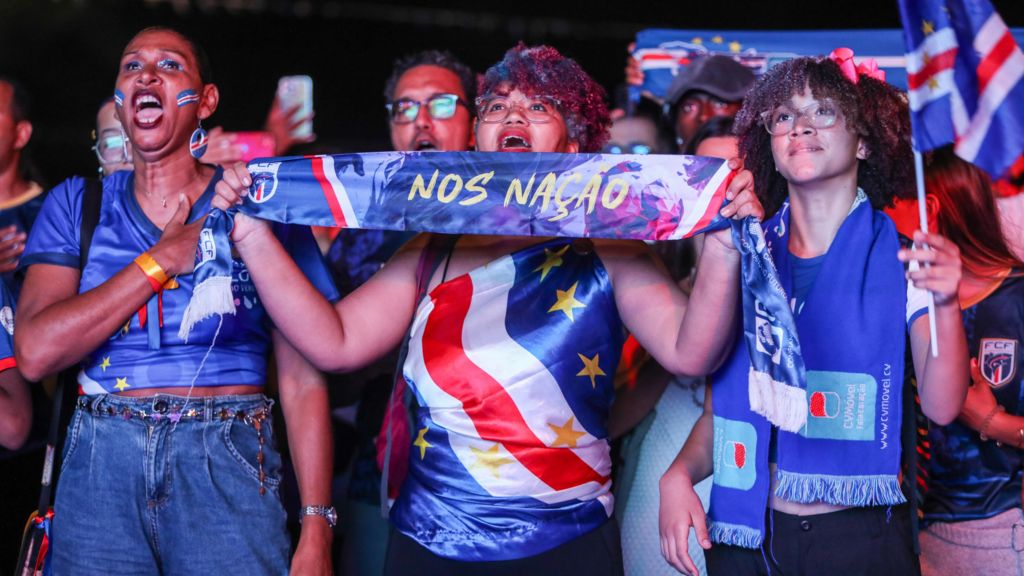
Cape Verde fans ‘proud’ despite 3-2 defeat to Argentina
One of the biggest underdog stories of this World Cup cycle has come to a close, but the tiny Atlantic island nation of Cape Verde is stepping off the global stage not with defeat, but with collective pride. After a tightly contested, high-scoring 3-2 clash against two-time world champions Argentina that eliminated Cape Verde from tournament contention, supporters from across the country and around the globe made one message clear: their team exceeded every expectation, and there is nothing but pride in their historic run.
What made the result even more remarkable for Cape Verde was their ability to go toe-to-toe with a heavily favored Argentine side, pushing the global powerhouse all the way to the final whistle before seeing their World Cup dreams cut short. Even in elimination, the team’s fearless performance and fighting spirit turned new fans onto the side, cementing their status as one of the tournament’s most beloved surprise entrants. For a nation with a fraction of the population and soccer infrastructure of global giants like Argentina, simply reaching this stage of the competition was already a historic milestone, and the narrow, hard-fought loss only amplified the respect the side earned from neutrals and opponents alike.
In post-match interviews and on social media, Cape Verde supporters repeatedly emphasized that their pride in the team’s effort outweighed any disappointment from the elimination. Many noted that the team put their small island nation on the global soccer map in a way that will inspire a new generation of young players, turning a heartbreaking end to the tournament into a watershed moment for Cape Verdean soccer.
-
Ukrainian drones hit St Petersburg oil terminal in latest long-range attack on Russia
On Saturday, a Ukrainian drone assault targeted an oil terminal in Russia’s second-largest city of St. Petersburg, Russian regional officials confirmed, marking the latest escalation in Kyiv’s sustained campaign of strikes against Russian energy infrastructure amid the ongoing full-scale invasion that has stretched into its fifth year.
Regional Governor Alexander Beglov reported that the attack targeted the Kirovsky district of St. Petersburg, which sits along the Baltic Sea coast. He added that Russian air defense systems intercepted and downed 72 Ukrainian drones across the city and its surrounding region. This is not the first time the district has come under attack: it was previously struck in June, just ahead of Russia’s high-profile St. Petersburg International Economic Forum.
Ukrainian President Volodymyr Zelenskyy framed the strike as part of Kyiv’s deliberate “long-range sanctions” strategy targeting Russian war capacity. In a Telegram post, he confirmed that Ukrainian defense forces not only hit the St. Petersburg oil terminal infrastructure, which generates revenue that funds Moscow’s invasion, but also struck a key military target on the island of Kronstadt, located just off St. Petersburg’s coast.
The intensified, near-daily long-range assaults on Russian oil and fuel facilities across occupied and Russian territory have triggered widespread fuel shortages, creating a domestic supply crisis that has piled growing political pressure on the Kremlin. The Crimean Peninsula, which Russia illegally annexed from Ukraine in 2014, has faced particularly severe strike activity, forcing Moscow-installed local authorities to suspend civilian gasoline sales. In a separate Saturday attack on Crimea, the Kremlin-appointed Governor Sergei Aksyonov reported that one person was killed and three others injured, including a 10-year-old child.
Alongside the St. Petersburg strike, another major Ukrainian attack left the border city of Belgorod, a frequent target of Kyiv’s drone campaign, almost entirely without power on Saturday, according to local Russian media reports.
Russian President Vladimir Putin has attempted to downplay the impact of Ukraine’s energy infrastructure strikes, dismissing the damage as “not critical” and insisting his full-scale invasion will continue until he achieves his stated war goals. Putin has claimed the strikes are a Ukrainian tactic to distract from what he says are advances on the front line, though independent military analysts note that Russian territorial gains have been effectively stalled in recent months.
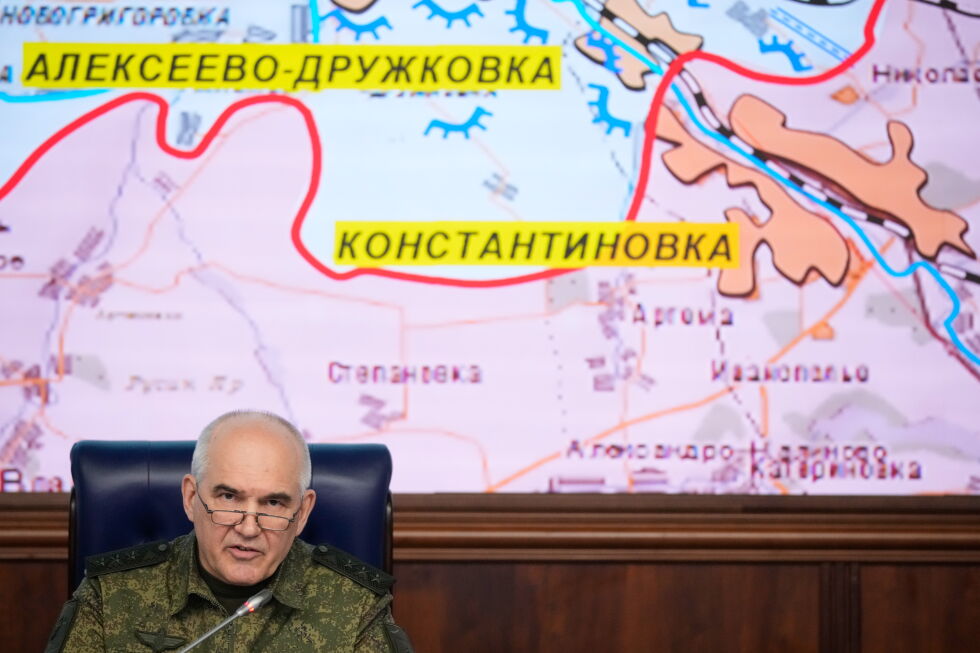
The day before the St. Petersburg attack, Putin visited the Russian military command center overseeing the invasion and was briefed on what Russian officials claim is the capture of Kostyantynivka, a key transport and industrial hub in Ukraine’s Donetsk region. Following weeks of intense urban street fighting, Putin described the seizure of Kostyantynivka as a critical milestone toward capturing Sloviansk and Kramatorsk, the last major heavily fortified Ukrainian-held strongholds in the Donetsk “forest belt” region. Speaking in televised remarks while wearing military fatigues, Putin emphasized that the city’s capture holds major strategic importance for Russia’s campaign.
Ukrainian officials have immediately refuted Moscow’s claims, dismissing the announcement as outright disinformation. Andriy Kovalev, a spokesperson for Ukraine’s General Staff, told local outlet Ukrainska Pravda that Russian forces have not secured full control of the city and their capture claim is false.
Despite Putin’s public efforts to downplay the impact of the strikes, the sustained campaign of drone attacks has brought the reality of the war directly to ordinary Russians across much of the country, shattering the Kremlin’s long-held narrative that the conflict is a distant operation that does not impact daily life inside Russia. Even as Putin projects confidence that the domestic fuel crisis will not erode his political authority or public support for the war, the strikes have created new domestic challenges for the Kremlin three and a half years after the full-scale invasion began.
The escalation on Saturday was not one-sided: Ukrainian authorities in the southeastern Zaporizhzhia region reported that a Russian strike on residential buildings wounded eight people, including two children.
-
Mali government reports rebel attacks targeting northern towns
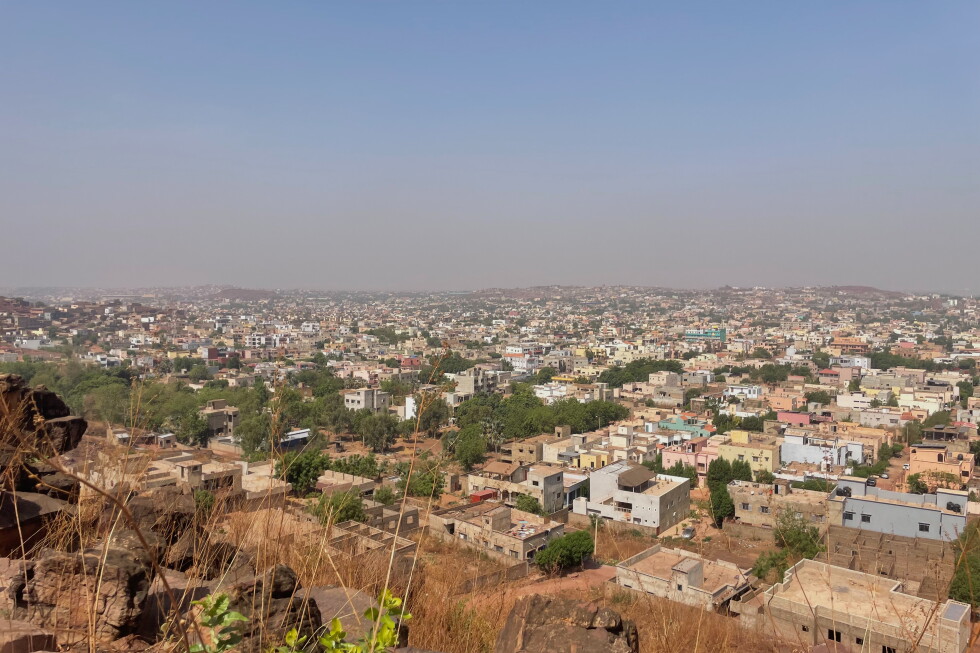
On Saturday, Mali’s official military command confirmed that a wave of rebel assaults hit multiple population centers across the country’s northern region, naming the major urban hubs of Gao and Sévaré among the targeted locations. This confirmation came shortly after a separatist faction publicly announced the launch of a fresh offensive aimed at seizing control of another northern Malian settlement. In a public post shared to the social media platform Facebook, Mohamed Elmaouloud Ramadane, spokesperson for the Azawad Liberation Front (FLA), confirmed that the separatist force was actively conducting an attack on the town of Anefis. As of the latest updates, no official figures for injuries or fatalities connected to the new attacks have been released.
Decades of instability have plagued northern Mali, driven by two overlapping security threats: long-running separatist agitation for an independent Azawad state, and a growing insurgency by transnational jihadist groups linked to al-Qaida and the Islamic State. Separatist movements have waged an on-again off-again fight for self-determination in the region for generations, while the jihadist insurgency that expanded across the Sahel following the 2011 Libyan civil war has turned the tri-border region of Mali, Niger and Burkina Faso into one of the world’s most active conflict zones.
All three Sahel nations have seen military coups in recent years, and the new ruling juntas that took power pivoted sharply away from the Western security partnerships that had guided counter-insurgency operations for a decade. Instead, the juntas turned to Russia for military support, bringing in Russian mercenary fighters to assist national forces in battling the militant groups. Contrary to the juntas’ promises of improved security, the security landscape has deteriorated sharply across the region, with 2023 and 2024 recording a record high number of militant attacks targeting both civilian and government infrastructure. Human rights organizations have also documented widespread accusations that government and allied forces have extrajudicially killed dozens of civilian civilians accused of collaborating with militant groups, fueling resentment among local populations.
The latest unrest follows a major coordinated assault in late April that saw the FLA join forces with Jama’at Nusrat al-Islam wal-Muslimin (JNIM), the regional al-Qaida affiliate. That joint attack killed Mali’s sitting defense minister at his private residence and allowed the combined force to seize control of multiple strategic northern towns, dealing a significant blow to the Malian military’s control over the region.
-
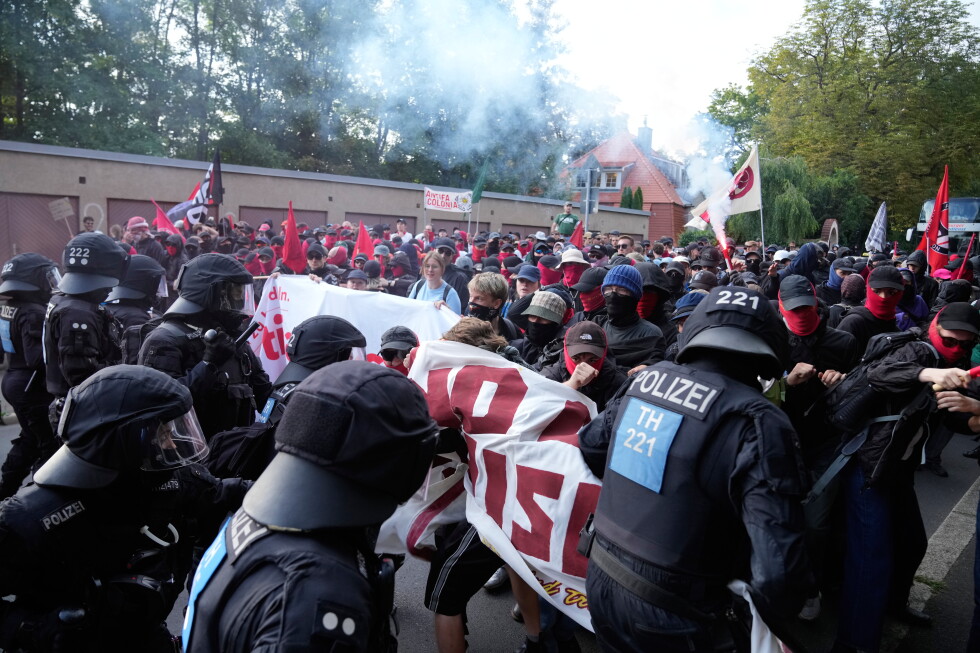
Far-right Alternative for Germany party elects leaders as protesters and police clash
ERFURT, Germany – Thousands of demonstrators gathered in this eastern German city on Saturday to mobilize against the national convention of Germany’s far-right Alternative for Germany (AfD), with scattered confrontations breaking out between some protesters and riot-equipped police officers outside the venue.
The biennial party gathering, called to formally reelect the AfD’s national leadership, is a critical moment for the party: current co-leaders Alice Weidel and Tino Chrupalla, who have steered the party collectively for four years, are seeking extended terms, and party organizers are pushing to present a unified front to voters and observers across the country.
As Germany’s largest national opposition party, the AfD has remained one of the most polarizing political forces in modern German politics, a divide laid bare by the large-scale demonstrations that converged on Erfurt this weekend. Adding fuel to existing controversy, the convention’s date falls exactly 100 years after a foundational Nazi Party gathering held just miles away, an event that cemented Adolf Hitler’s total control over Germany’s fascist movement. Political opponents and leading historians argue that the overlapping timing carries ominous symbolic weight, a claim the AfD has flatly rejected.
Mainstream German political parties have maintained a longstanding “firewall” policy that rules out any formal or informal cooperation with the far-right party. But that has not slowed the AfD’s growing political momentum. The party has successfully leveraged widespread public dissatisfaction with the current national government, which has faced repeated criticism over its slow progress on reforms to revitalize Germany’s sluggish economy. Beyond its signature anti-migration platform that drove its initial rise to prominence in the mid-2010s, the AfD has refined its strategy to tap into voter frustration on a wide range of policy issues, expanding its appeal across segments of the German electorate.
The party is now setting its sights on a historic breakthrough in upcoming regional elections. For the September 6 state vote in eastern Germany’s Saxony-Anhalt, AfD leadership has set a goal of winning 40 percent or more of the popular vote. If the party hits that target, it could either secure an absolute legislative majority on its own or court defectors from other mainstream parties to form a governing coalition – a result that would put the AfD in position to claim its first-ever state governorship in German history. Weidel has framed coming electoral contests as transformative for the party, recently stating that “2026 is a year of destiny for AfD.”
-
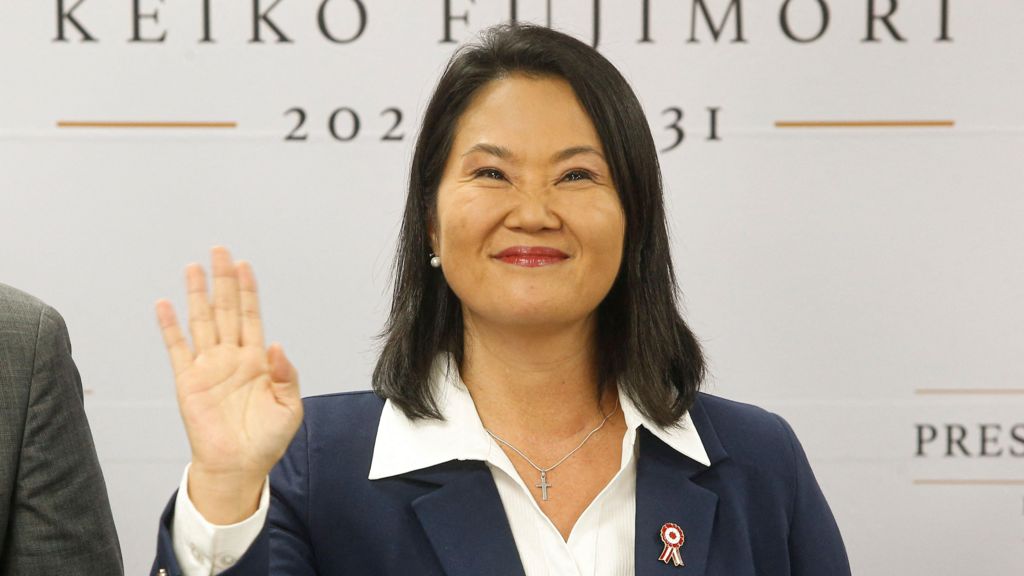
Keiko Fujimori declared winner of Peru’s presidential election weeks after vote
Nearly a month after Peruvian voters cast their ballots in a contentious runoff election, right-wing candidate Keiko Fujimori has been officially certified as the winner of the nation’s top office, capping off her fourth bid for the presidency and marking a continued ideological shift across Latin America.
Peru’s National Jury of Elections confirmed Friday that Fujimori, 51, edged out left-wing rival Roberto Sánchez by an extremely thin margin, taking 50.135% of the vote to Sánchez’s 49.865% — a gap of fewer than 50,000 votes total from the June 7 runoff. This long-awaited result comes after three previous failed presidential runs for Fujimori, the daughter of disgraced authoritarian former President Alberto Fujimori, who remains imprisoned for crimes against humanity committed during his decade-long rule, including extrajudicial killings and forced mass sterilisations.
Throughout the 2026 campaign, Fujimori centered her platform on addressing Peru’s growing public safety crisis, promising a harsh military-led crackdown on organized crime that has driven a surge in extortion and violent crime across the country in recent years. She has also pledged to court foreign private investment to stimulate stagnant economic growth, and to immediately deport undocumented immigrants who commit crimes on Peruvian soil. In her first remarks following the certification, Fujimori framed her incoming presidency as a humble, duty-driven project, acknowledging the narrow mandate by noting that the transition period would be focused on listening and cross-dialogue to prepare for a smooth handover of power. Her inauguration is scheduled for July 28.
Her defeat of Sánchez, a 57-year-old former foreign trade minister who ran on a platform of sweeping progressive economic reform, did not come without controversy. Sánchez has claimed the election was “seriously compromised,” arguing that Fujimori’s strong performance among overseas Peruvian voters indicates systemic irregularities. Immediately following Friday’s official proclamation of results, his party filed an appeal with electoral authorities, calling for the entire runoff to be nullified.
Fujimori’s victory coincides with the narrow election win of fellow right-wing candidate Abelardo de la Espriella in neighboring Colombia, solidifying a growing ideological turn toward the right across Latin America that has unfolded over the past several years. De la Espriella, who also campaigned on a pledge to crack down on organized crime, will take office just days after Fujimori. He joins a growing bloc of right-wing Latin American leaders — including El Salvador’s Nayib Bukele and Ecuador’s Daniel Noboa — that have aligned themselves with U.S. President Donald Trump, who has prioritized engagement with the region during his second term.
This shift leaves Brazil’s left-wing President Luiz Inácio Lula da Silva as the most prominent remaining left-wing head of state in the region, as he faces a tough reelection fight later this year against the son of convicted former right-wing President Jair Bolsonaro. For Peru itself, Fujimori’s inauguration will extend the nation’s period of rapid political turnover: she will become the ninth Peruvian president to hold office in just 10 years, amid ongoing instability that has defined the country’s politics for more than a decade.
-
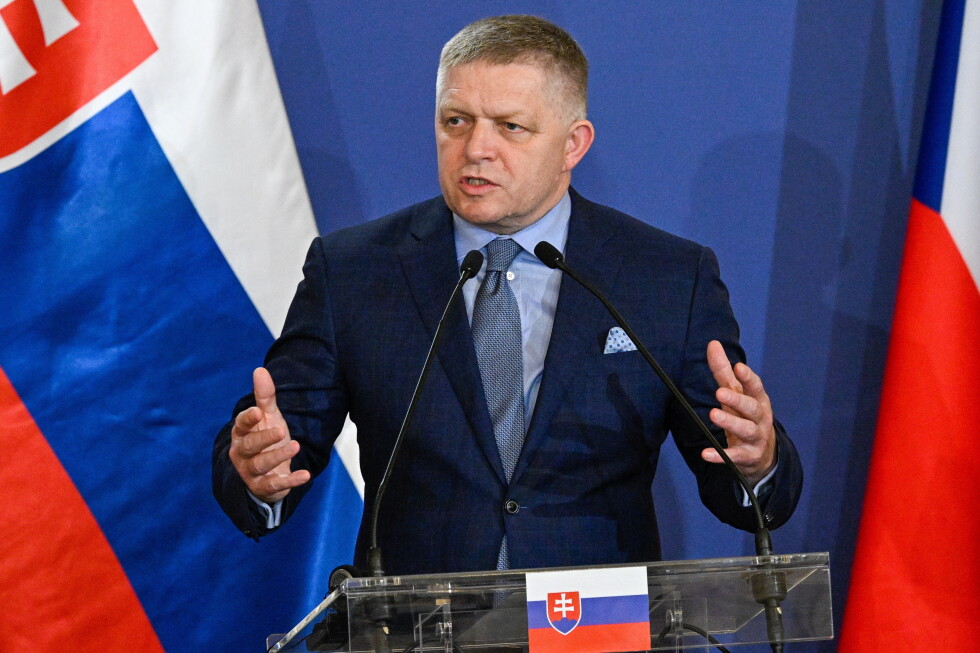
Slovaks vote in a referendum on lifelong payments for populist leader Fico
BRATISLAVA, Slovakia — Slovak voters head to the polls Saturday for a nationally televised referendum that has emerged as one of the most politically charged tests of public opinion in the country’s recent history. The ballot paper carries two contentious questions that directly challenge key policies of populist incumbent Prime Minister Robert Fico’s administration: whether to scrap the controversial lifelong benefit payments granted to Fico and other senior former leaders, and whether to reverse the government’s decision to shutter the country’s top anti-corruption and organized crime enforcement bodies.
The referendum itself is the product of a years-long grassroots push led by the Democrats, a pro-Western opposition party that currently holds no seats in Slovakia’s national parliament. Under Slovak law, organizing a binding public vote requires collecting signatures from at least 350,000 eligible citizens — a threshold the opposition easily crossed, collecting more than the required number of endorsements from residents across the 5.4-million-person nation to secure Saturday’s vote.
The fight over lifelong benefits stems directly from a 2024 national crisis: just months after an assassination attempt left Fico gravely wounded following a public cabinet meeting, an attack that sent shockwaves across the small Central European country and Europe as a whole, Fico’s ruling coalition pushed through legislation expanding the lifelong pension benefit. Previously, the perk was only available to former national presidents; the new law extended it to any prime minister or parliamentary speaker who served at least two full terms in office, setting the monthly payment equal to the full salary of sitting members of parliament, framed by the government as a measure to protect the personal security and financial stability of senior former leaders.
The second question on the ballot addresses another deeply divisive policy from Fico’s government. Earlier in 2024, Fico’s coalition pushed through legislation to abolish the Office of the Special Prosecutor, the independent agency tasked with investigating high-level corruption, transnational organized crime, and domestic extremist activity, alongside disbanding the dedicated police unit within the National Criminal Agency that supported the office’s work. The move drew fierce condemnation from both domestic watchdogs and international allies, with tens of thousands of Slovak citizens taking to the streets of major cities in repeated waves of protest to demand the reversal of the decision. Critics have repeatedly noted that a number of individuals with close ties to Fico’s ruling party were facing active corruption prosecutions handled by the special prosecutor’s office at the time of its dissolution.
Fico, a deeply polarizing figure who returned to the prime minister’s office after 2023 parliamentary elections, has faced near-constant public protest since taking power, driven in large part by his pro-Russian foreign policy and rollback of anti-corruption institutions. The prime minister has already announced he will not cast a ballot in Saturday’s referendum, and pre-referendum public opinion polling suggests the vote is unlikely to meet Slovakia’s strict legal requirement of 50% voter turnout for a referendum to be considered binding. In the entire history of independent Slovakia, only one referendum — the 2003 vote approving the country’s accession to the European Union — has ever crossed the turnout threshold, with all other public votes falling short due to low voter participation.
-
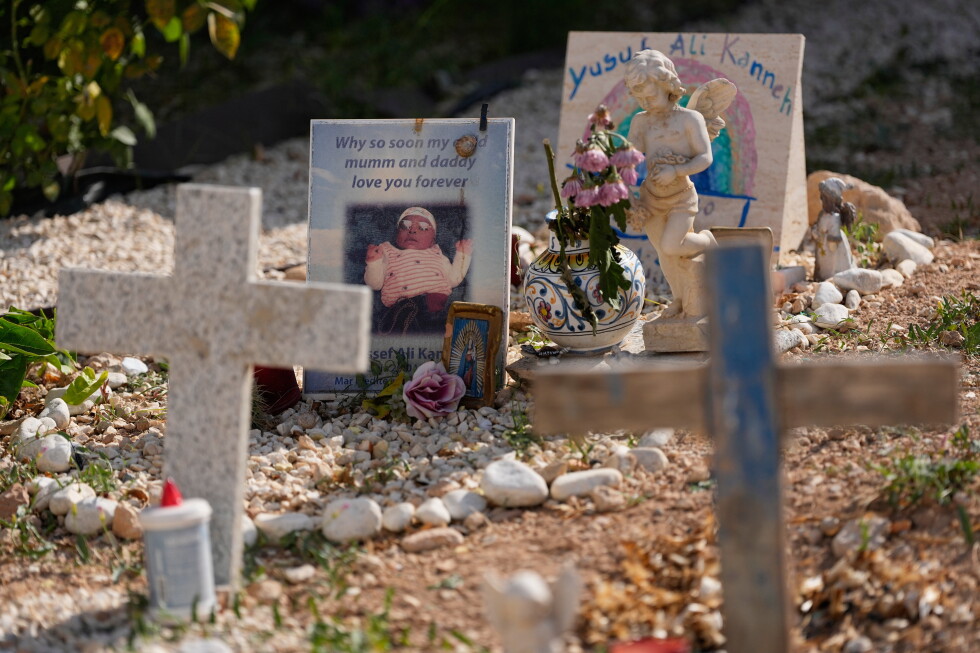
Pope marks July 4 by praying in Lampedusa for migrants who died seeking freedom and prosperity
On the same day Americans across the globe gathered to celebrate the 250th anniversary of the U.S. Declaration of Independence, history’s first American-born pope made a deliberate, symbolic journey to Lampedusa — the tiny Sicilian island at the heart of Europe’s decades-long migration crisis — to honor the tens of thousands of migrants who have lost their lives seeking safety and opportunity on the continent.
Pope Leo XIV, who has repeatedly clashed with the Trump administration over its hardline immigration crackdown including mass deportations in his native Chicago, spent July 4 praying at the island’s migrant cemetery, unveiling a plaque honoring his predecessor Pope Francis, and celebrating a solemn Mass for the hundreds of recent migrant arrivals who have crossed the Mediterranean to reach European soil. The trip followed an earlier visit last month to the Canary Islands, another key European migration entry point, where he rebuked political leaders for turning away desperate migrants and condemned human smugglers for profiting from vulnerable people, warning they will face divine judgment for their exploitation.
Lampedusa, a 5.6-mile strip of rocky land located closer to North Africa than the Italian mainland, has served as the primary entry point for hundreds of thousands of migrants traveling by smugglers’ boats from Libya and Tunisia since the onset of Europe’s modern migration crisis. It has since become the global symbolic epicenter of debates over border security, asylum obligations, and humanitarian responsibility, as European nations grapple with balancing border control against legal and moral commitments to welcome people fleeing conflict, climate disaster, and extreme poverty.
Data from the International Organization for Migration (IOM) confirms more than 35,000 migrants have been recorded missing or dead in the Mediterranean Sea since 2014. Independent analysts estimate the actual death toll is far higher, as countless unreported shipwrecks leave victims counted among the “invisible” losses that never make official records. Salvatore Sortino, IOM’s head of mission for Italy and Malta, noted that while total migrant arrivals along the central Mediterranean route have dropped this year, the proportional number of deaths at sea has actually risen, a trend that underscores the persistent extreme vulnerability of people making the crossing. “The diminishing numbers of arrivals hasn’t resulted in a lower number of deaths at sea,” Sortino explained, adding that Pope Leo’s visit to Lampedusa serves as a critical reminder of this ongoing humanitarian cost.
In a special letter addressed to the American people released to coincide with the 250th Independence Day anniversary, Pope Leo framed the call to welcome migrants as inseparable from the broader defense of all human life — a core tenet of Catholic social teaching. “Protecting the unborn and all human life also means welcoming, protecting and assisting immigrants, whose hopes, sacrifices and contribution have formed part of the history of this country from its very beginning,” he wrote. The pontiff added that extending compassionate, generous welcome to migrants is not only an act of Christian charity, but a fundamental recognition of the inherent dignity that belongs to every person. He also reminded the U.S. that the nation itself was founded by immigrant communities seeking a new life of freedom.
Tareke Brhane, an Eritrean migrant and president of the October 3rd Committee, a nonprofit founded by family members of the 368 victims of a 2013 Lampedusa shipwreck, called the pontiff’s visit a powerful display of solidarity for families still seeking recognition of their lost loved ones. To date, Brhane noted, no official comprehensive registry of migrants who have died crossing the Mediterranean exists, a gap his organization has spent years fighting to close. “It is a strong sign for our battle with Italy and with Europe in order to register the deaths,” he told the Associated Press, adding that the visit brings comfort to grieving relatives who have waited years for acknowledgment of their loss.
Pope Leo’s trip follows the path forged by Pope Francis, who made migrant solidarity a defining priority of his pontificate. Just months after his 2013 election, Francis made his first trip outside Rome to Lampedusa, where he tossed a memorial wreath into the sea and famously decried what he called the “globalization of indifference” toward displaced people. For the global Catholic Church, welcoming the stranger is a core obligation rooted directly in Gospel teaching.
The pontiff’s visit comes just two weeks after the European Union began rolling out a sweeping new migration and asylum pact that sets binding rules for the bloc’s 27 member states. The new framework requires mandatory border screenings of all new arrivals lasting up to seven days, fast-tracks asylum assessments for people from countries deemed “safe” or flagged as security threats, and mandates automatic return orders for rejected asylum seekers to speed up both voluntary and forced repatriations. Human rights advocates have sharply criticized the new rules, arguing they undermine the fundamental right to seek asylum by rushing life-or-death assessments, open the door to racial profiling, deny protection to people with legitimate claims, and will likely lead to a sharp increase in prolonged, inhumane detentions at EU borders.
In Italy, far-right Prime Minister Giorgia Meloni’s government has ramped up deportation efforts as part of its campaign to crack down on irregular migration and the smuggling networks that profit from the trade. Italian Interior Ministry data shows 14,464 migrants have arrived in Italy so far this year as of July 4, a sharp drop from 30,598 arrivals in the same period in 2024 and 26,202 in 2023. At the same time, total deportations — both forced and voluntary — have increased compared to recent years, in line with Meloni’s policy agenda.
The International Rescue Committee estimates 118 million people are currently forcibly displaced worldwide, a figure that reflects growing global pressures from conflict, climate change, and widening economic inequality. Pope Leo’s high-profile visit to Lampedusa on the U.S. Independence Day holiday deliberately ties together conversations around migration policy on both sides of the Atlantic, urging the U.S. and European nations alike to live up to their stated values of human dignity and welcome for those seeking a better life.
Reporting was contributed by Nicole Winfield from Rome. The Associated Press’ religion coverage is supported through a collaboration with The Conversation US, with funding from Lilly Endowment Inc. The AP retains full editorial control over all content.
-

Storm halts live BBC report on Taylor Swift wedding
What was supposed to be a straightforward live entertainment update on one of pop music’s biggest stars quickly turned into a viral moment of unexpected chaos, when a severe torrential thunderstorm crashed a BBC outside broadcast. Reporter Floyd Cush had been on location delivering a live segment centered on emerging reports that global superstar Taylor Swift had tied the knot, when rapidly shifting weather conditions threw the broadcast off course. As wind speeds spiked and heavy rain lashed the area, Cush found himself struggling to stay upright on camera, with the brutal storm forces coming close to knocking him off his feet mid-report. The abrupt disruption turned a routine entertainment news segment into an unplanned viral moment, highlighting how unpredictable live broadcasting can be even for seasoned journalists. While the storm stole the spotlight from the wedding announcement, the incident has drawn widespread attention online, with viewers sharing clips of the chaotic interruption across social media platforms. As of now, no further details on the accuracy of the initial wedding report have been confirmed by Swift’s representatives, but the unexpected storm interruption has already made the segment one of the most talked-about entertainment news moments of the week.