作者: admin

  • Dr Thumbay Moideen awarded the New Year Award 2026

    Dr Thumbay Moideen awarded the New Year Award 2026

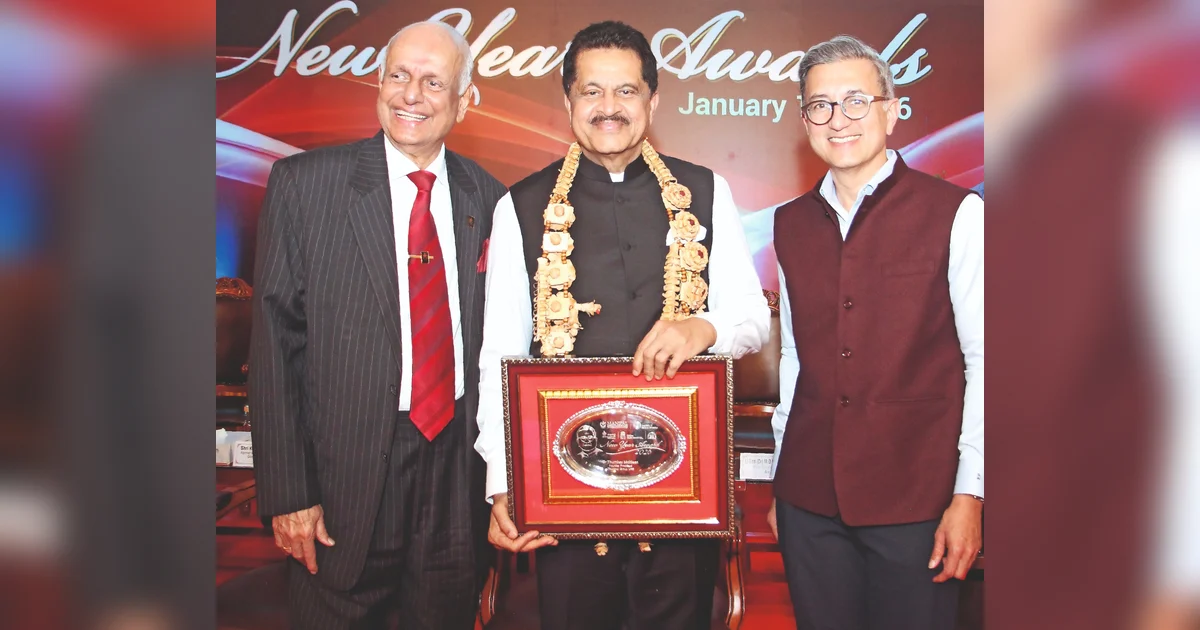
    DUBAI – In a landmark recognition of transformative societal contributions, Dr. Thumbay Moideen, Founder and President of Thumbay Group, has been conferred the distinguished New Year Award 2026. The honor is jointly bestowed by the Academy of General Education (AGE) in Manipal, Manipal Academy of Higher Education (MAHE), MEMG India Pvt Ltd, Manipal Media Network Ltd, and the Dr. TMA Pai Foundation.

    This annual accolade celebrates exceptional individuals originating from the coastal districts of Udupi and Dakshina Kannada who have demonstrated profound commitment to community development. The selection committee specifically acknowledged Dr. Moideen’s pioneering work in constructing an integrated ecosystem that synergizes healthcare delivery, medical education, and research innovation.

    Since establishing Thumbay Group in 1997, Dr. Moideen has engineered one of the region’s most comprehensive healthcare networks. His visionary leadership propelled the creation of Gulf Medical University and a global chain of academic hospitals that prioritize accessibility, quality, and international cooperation. The organization now serves as a multicultural hub for medical education and healthcare delivery, engaging professionals and students from 111 nationalities.

    Hailed as one of the Gulf’s most influential non-resident Indians, Dr. Moideen has emerged as a respected global voice representing both the Beary community and Muslim entrepreneurs worldwide. His journey from coastal Karnataka to international prominence exemplifies diaspora leadership grounded in ethical values and social responsibility.

    In his acceptance remarks, Dr. Moideen reflected: ‘This recognition from institutions that have shaped generations of professionals carries deep significance. Manipal has always embodied knowledge with purpose. I perceive this award not as a personal milestone but as validation of what dedicated teams and value-driven institutions can collectively achieve for society.’

    The New Year Award 2026 joins an expanding portfolio of national and international honors recognizing Dr. Moideen’s institution-building legacy, healthcare advancements, and community-focused leadership paradigm that continues to create lasting impact across continents.

  • Yemen’s prime minister quits, replaced by foreign minister

    Yemen’s prime minister quits, replaced by foreign minister

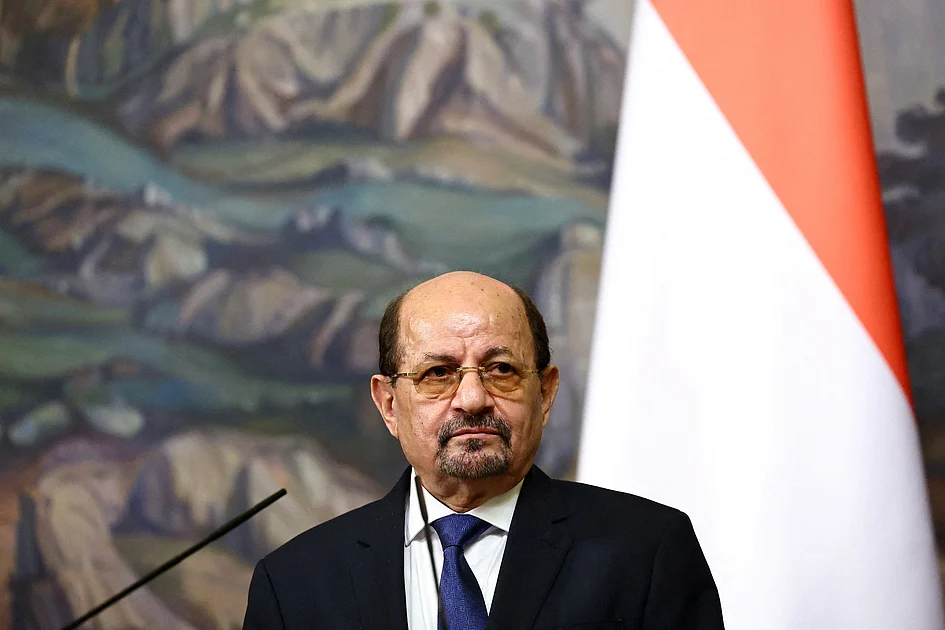
    Yemen’s political landscape has undergone a significant transformation following the resignation of Prime Minister Salem bin Breik and the subsequent appointment of Foreign Minister Shaya Mohsen Zindani as his successor. The presidential leadership council formally accepted Bin Breik’s resignation, citing strategic efforts to restore state institutions and reinforce unified sovereign decision-making as primary motivations behind the leadership change.

    According to the official statement released by Yemen’s state news agency Saba, the transition occurred on Thursday with the presidential council approving Zindani’s nomination to form a new cabinet. The outgoing government will maintain administrative operations, excluding personnel appointments and dismissals, until the new administration is fully established.

    This political reorganization unfolds against a backdrop of heightened regional tensions and factional struggles for territorial control. In December, the Southern Transitional Council (STC), a prominent separatist movement, successfully ousted the internationally recognized government from its Aden headquarters, asserting dominance across southern regions.

    Despite these internal challenges, substantial de-escalation and development initiatives are progressing. Saudi Arabia has committed to injecting over $500 million into Yemen’s development projects, as announced by the Kingdom’s defense minister in January. Concurrently, the United Arab Emirates has urged the international community to intensify diplomatic efforts toward achieving sustainable peace and stability in Yemen and the broader region, as articulated by Ambassador Mohamed Abushahab during a recent UN Security Council meeting.

  • Watch: Large show of support in North Carolina for Buddhist monks

    Watch: Large show of support in North Carolina for Buddhist monks

    A monumental peace pilgrimage spanning 2,300 miles from Texas to the nation’s capital has become a powerful testament to grassroots spiritual solidarity. Buddhist monks leading this transcontinental journey reported experiencing an unexpectedly profound outpouring of public support during their North Carolina segment, marking one of the most emotionally resonant moments of their ongoing walk for global harmony.

    The peace walk, conceived as a living meditation against violence and division, has attracted substantial crowds along various segments of its route. However, the monastic participants particularly noted the exceptional enthusiasm and numerical strength of supporters who gathered across North Carolina’s thoroughfares. This remarkable display of communal engagement underscores a growing public appetite for interfaith dialogue and non-violent activism in regions not traditionally associated with Buddhist practices.

    Eyewitness accounts describe multiline gatherings of citizens representing diverse demographics, many holding handmade signs expressing solidarity with the pilgrimage’s pacifist mission. The walking meditation, which combines physical endurance with spiritual contemplation, has evolved into an impromptu cultural exchange between the orange-robed monastics and local communities.

    This extraordinary civilian response in the American South suggests shifting attitudes toward Eastern spiritual traditions and indicates a broadening appreciation for contemplative practices in mainstream society. The monks’ journey continues toward Washington, DC, having already demonstrated that messages of peace can transcend cultural and geographical boundaries when embodied through determined, peaceful action.

  • Watches: Oris translates Fire Horse energy into a purpose-driven limited edition

    Watches: Oris translates Fire Horse energy into a purpose-driven limited edition

    Swiss watchmaker Oris has masterfully blended cultural symbolism with horological excellence in its latest limited edition timepiece commemorating the 2026 Chinese Year of the Fire Horse. The independent manufacturer continues its tradition of creating purpose-driven watches that balance emotional resonance with mechanical sophistication.

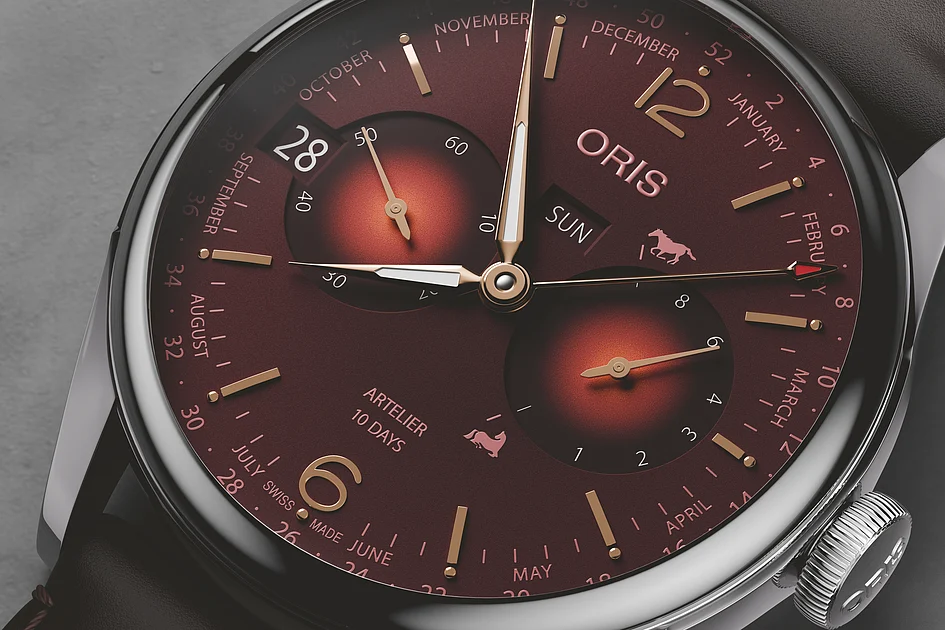
    The timepiece immediately captivates with its deep crimson dial that embodies the Fire Horse’s energetic essence, while subsidiary dials introduce dynamic hues creating visual depth and movement. Rather than overt decorative elements, Oris employs color psychology to convey themes of heat, momentum, and inner power. Practical functionality remains paramount with luminous hands and applied indices ensuring optimal legibility despite the complex displays.

    At its mechanical heart beats the hand-wound Oris Caliber 113, one of the brand’s most ambitious in-house movements. This sophisticated mechanism functions as a complete business calendar, tracking day, date, month, and week—an unusual combination that demonstrates Oris’s commitment to practical complications. The week indicator along the dial’s periphery adds both visual interest and reinforces the watch’s purpose-driven design philosophy.

    The movement’s substantial 10-day power reserve features an intelligent non-linear indicator that increases precision as energy diminishes. Two elegantly engraved horse motifs—one dynamic, one at rest—frame this display, poetically mirroring the mainspring’s energy state. This artistic touch adds narrative depth without compromising technical seriousness.

    Housed in a 43mm multi-piece stainless steel case, the watch provides ample space for the complex dial architecture. Dual sapphire crystals front and back invite interaction with the mechanical artistry within. With 5 bar water resistance and a dark brown cordovan leather strap secured by a folding clasp, the timepiece is designed for regular wear rather than occasional ceremony.

    Limited to 88 numbered pieces—a number traditionally associated with prosperity in Chinese culture—each watch arrives in a wooden presentation box. This release transcends mere symbolic tribute, representing Oris’s distinctive character: independent in spirit, technically assured, and culturally fluent in the narratives that give fine watchmaking enduring significance.

  • Is FOMO making you invest in crypto at the wrong time?

    Is FOMO making you invest in crypto at the wrong time?

    In the volatile world of cryptocurrency investing, emotional decision-making continues to plague retail investors, often leading to poor timing and diminished returns. A recent personal account reveals how Fear Of Missing Out (FOMO) drives investors to purchase digital assets during market peaks, only to watch values decline shortly afterward.

    This pattern of emotional investing—buying during green market days and panicking during downturns—represents a systemic issue in cryptocurrency markets. Institutional investors routinely capitalize on this behavior, leveraging retail investors’ tendency to enter markets late during bull runs, thereby creating optimal exit opportunities for early adopters.

    The psychological dynamics behind these investment mistakes reveal deeper behavioral economics principles. Investors frequently delay entering markets until they feel fully prepared, only to act impulsively when prices surge, driven by anxiety about missing potential gains. This emotional response consistently results in suboptimal entry points and diminished long-term returns.

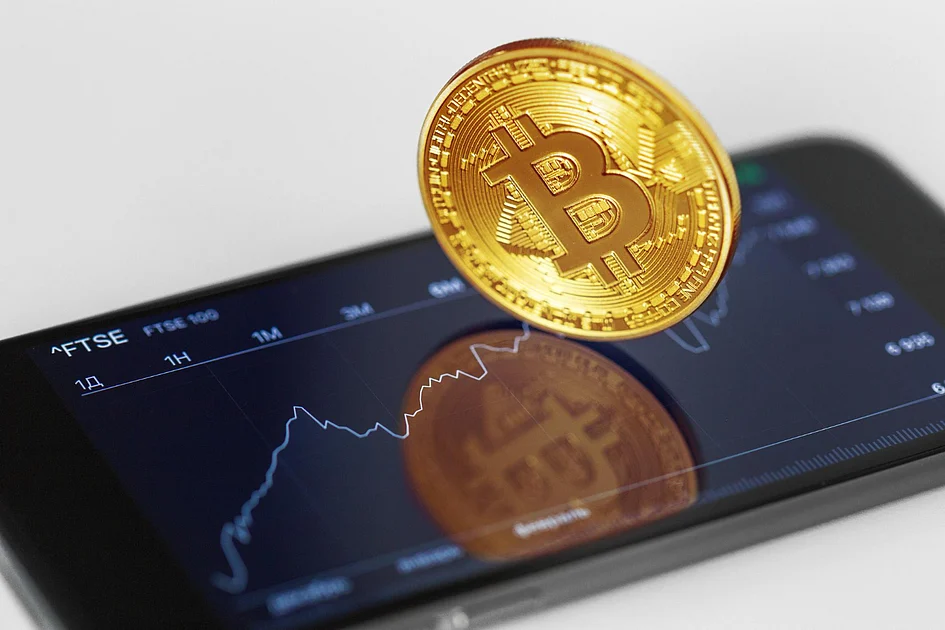
    A promising solution emerging within investment education circles involves automating cryptocurrency purchases to eliminate emotional factors. Following principles advocated by investment educators like Mark Moss, investors can implement systematic weekly purchases of cryptocurrencies such as XRP and Bitcoin, regardless of market conditions. This approach aligns with sound money principles and macroeconomic strategy rather than emotional reactions.

    Contrary to popular misconception, effective cryptocurrency investing doesn’t require substantial capital. The strategy of ‘stacking sats’—accumulating small fractions of Bitcoin over time—demonstrates how consistent, disciplined investing regardless of amount can yield significant long-term results. This method directly counters the emotional investing patterns that widen the wealth gap between disciplined institutional investors and reactive retail participants.

    The investment wisdom of being ‘fearful when others are greedy, and greedy when others are fearful’ remains particularly relevant in cryptocurrency markets. Developing emotional discipline and implementing automated systems may represent the most effective strategy for retail investors seeking to improve their investment outcomes in the unpredictable digital asset landscape.

  • Is 2026 really a buyer’s market? Dubai’s delivery data tells a different story

    Is 2026 really a buyer’s market? Dubai’s delivery data tells a different story

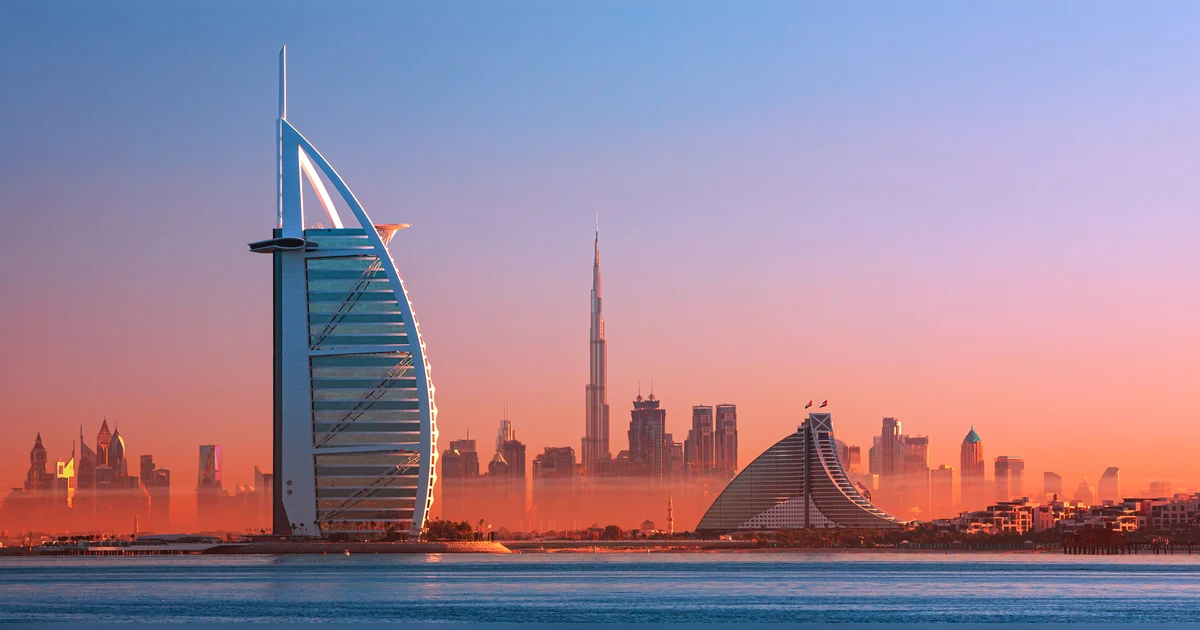
    Contrary to widespread expectations of a buyer-friendly market in 2026, Dubai’s real estate landscape continues to demonstrate remarkable resilience with persistent supply constraints and sustained demand. Current delivery data reveals a significant disparity between projected and actual housing completions, fundamentally reshaping market dynamics.

    According to comprehensive analysis by Morgan’s International Realty, Dubai is experiencing substantial delivery shortfalls with only 34,740 of the 71,613 forecasted residential units likely to reach completion this year. This pattern continues the trend established in 2025, when merely 62% of anticipated handovers materialized, well below the five-year annual average of approximately 35,500 completed units.

    Market experts including Elias Hannoush, CEO of Morgan’s International Realty, and Andrew Cummings of Savills Middle East, emphasize that the current environment doesn’t represent a traditional buyer’s market. Instead, they describe it as a ‘selective market’ where strategic advantages emerge only in specific circumstances and locations.

    The analysis identifies temporary negotiation windows primarily in high-density, mid-market areas such as Jumeirah Village Circle (projected 16,852 units for 2025-27), Business Bay (10,127 units), and Azizi Venice (7,860 units). These pockets offer brief periods of buyer leverage when multiple investor-driven projects complete simultaneously, though this advantage typically diminishes quickly as available units are absorbed.

    Contrary to assumptions of artificial price inflation, current valuations reflect genuine market fundamentals supported by robust rental demand and sustainable income generation. The experts caution against waiting for 2027 despite projected delivery increases, noting that expanded options don’t automatically guarantee improved affordability without corresponding changes in demand dynamics.

    The consensus among industry professionals emphasizes property selection over market timing, advising buyers to focus on developer track records, unit specifications, and location fundamentals rather than attempting to time perfect market entry points. This approach becomes particularly crucial given the market’s maturation beyond previous boom-bust cycles toward more stable, long-term investment patterns.

  • Trade Pantone’s ‘cloud dancer’ white for crisp winter blues: 10 buys to reset your style

    Trade Pantone’s ‘cloud dancer’ white for crisp winter blues: 10 buys to reset your style

    As Pantone’s ‘Cloud Dancer’ off-white takes the title of 2026’s Color of the Year, fashion insiders in Dubai are championing an alternative palette inspired by the region’s crystalline winter skies. While the airy white shade has its merits for UAE wardrobes—particularly in a climate free from urban grime—style experts argue that the post-holiday season calls for more restorative and optimistic tones.

    The current Dubai winter presents perfect conditions for outdoor living, making crisp blue hues the preferred choice for seasonal style resets. This shift toward azure tones reflects a desire for clarity, calm, and quiet confidence after a month of festive soirées and sequins.

    Leading the blue revolution are ten carefully curated pieces that capture the essence of the Emirates’ winter atmosphere. From Jumeirah Group’s inaugural leisurewear line featuring low-key caps for the locally savvy, to UPF50-protected surf suits ideal for January beach scenes, the selections prioritize both style and practicality.

    Notable recommendations include Cordova’s gingham ski jacket for slope-ready styling, hourglass-illusion creating one-pieces for the bikini-averse, and Mediterranean-inspired brunch dresses adorned with whimsical mermaids. For evening elegance, Tom Ford’s impeccably tailored mineral blue satin playsuit offers dramatic open-back sophistication.

    The trend extends to accessories with meaningful touches, such as Max&Co’s collaboration with word artist Pietro Terzini expressing universal parental sentiments after extended school breaks. Even the much-Googled ‘jorts’ (denim shorts) receive a chic makeover, while Piaget’s ‘Possession’ watch features interchangeable alligator straps in light blue, navy, and lapis shades.

    Travel essentials join the movement with Rimowa’s limited-edition ‘powder blue’ suitcase collection, designed to bring tranquility to baggage carousels and complement the season’s serene aesthetic.

  • Trump says he may punish countries with tariffs if they don’t back the US controlling Greenland

    Trump says he may punish countries with tariffs if they don’t back the US controlling Greenland

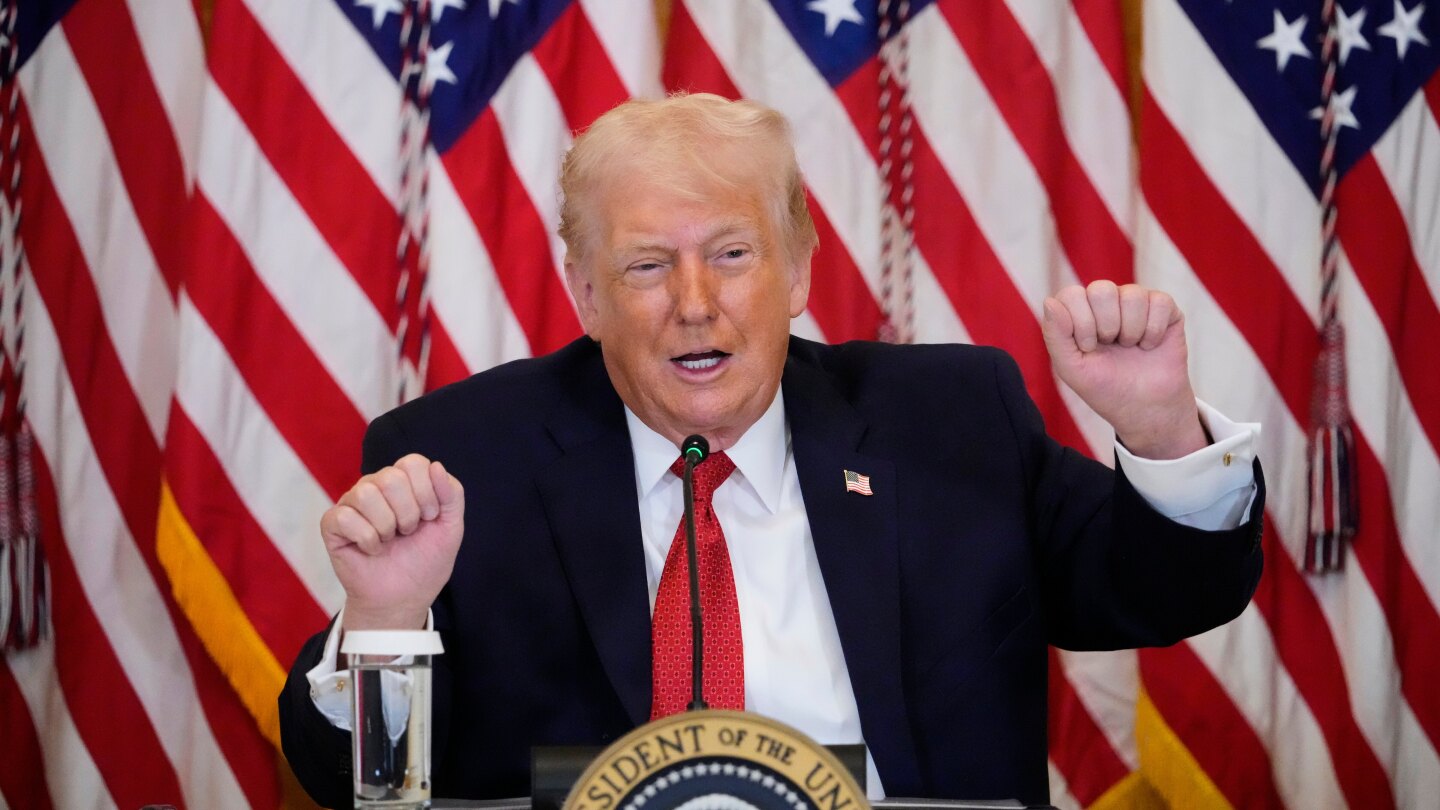
    COPENHAGEN, Denmark — U.S. President Donald Trump has escalated tensions with NATO ally Denmark by suggesting potential tariff impositions on countries that oppose American control over Greenland. The declaration came during a White House event on rural healthcare, marking the first time the president explicitly linked trade policy to his territorial ambitions for the Arctic island.

    Trump asserted that Greenland represents a critical national security priority, justifying his consideration of economic measures against reluctant nations. “I may put a tariff on countries if they don’t go along with Greenland, because we need Greenland for national security,” the president stated, drawing parallels to previous threats against European pharmaceutical exports.

    This hardline stance contrasts sharply with efforts by a bipartisan Congressional delegation visiting Copenhagen to repair diplomatic relations. Led by Senator Chris Coons (D-Delaware), the group emphasized America’s 225-year alliance with Denmark during meetings with Danish Prime Minister Mette Frederiksen and Greenlandic representatives.

    Senator Lisa Murkowski (R-Alaska) articulated the delegation’s contrasting approach, emphasizing that “Greenland needs to be viewed as our ally, not as an asset.” The senator revealed that approximately 75% of Americans oppose acquiring Greenland, reflecting legislation she co-sponsored with Senator Jeanne Shaheen (D-New Hampshire) that would block funding for any annexation of NATO territory without consent.

    The White House’s persistent claims of Chinese and Russian interests in Greenland’s mineral resources have been met with skepticism. Aaja Chemnitz, a Greenlandic politician in the Danish parliament, dismissed these assertions as “lies and exaggeration,” noting that the actual threat originates from American expansionism.

    Greenland’s Prime Minister Jens-Frederik Nielsen has unequivocally stated the territory’s preference for maintaining its current relationship with Denmark and NATO. The Inuit Circumpolar Council chair Sara Olsvig condemned the administration’s rhetoric as reflective of colonial attitudes toward Indigenous peoples, emphasizing that Greenland’s population has no desire to experience recolonization by a global power.

  • Senegal stand in way of Morocco’s 50-year wait for Afcon glory

    Senegal stand in way of Morocco’s 50-year wait for Afcon glory

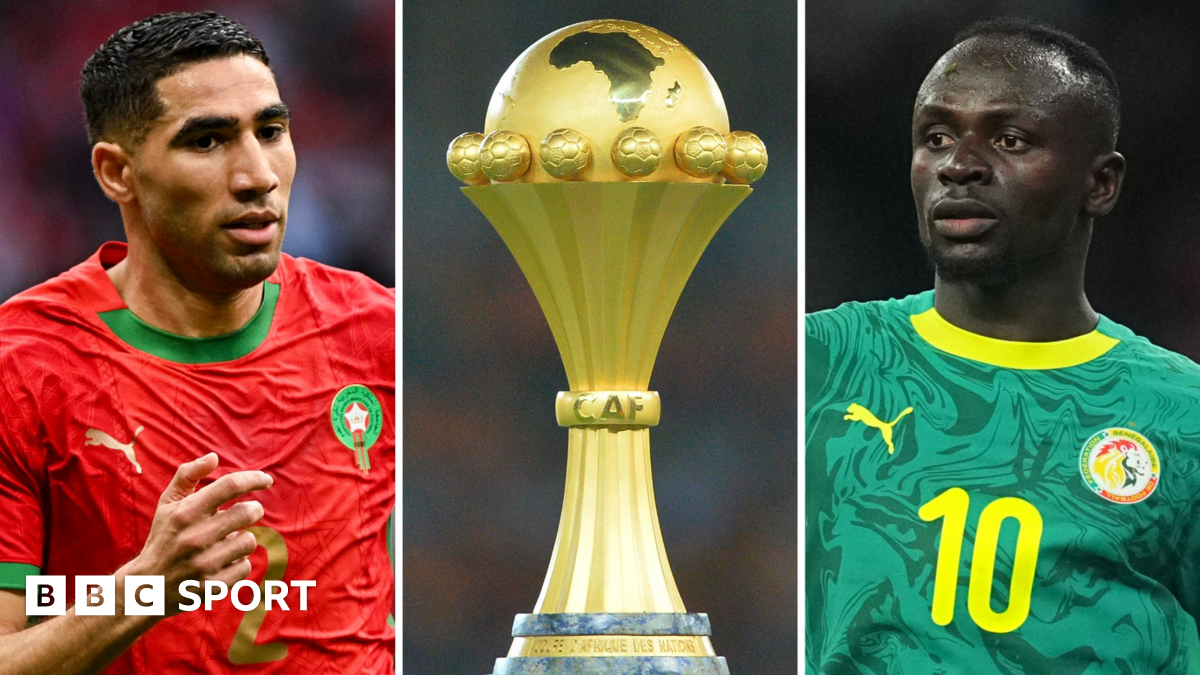
    The stage is set for a monumental showdown in African football as Morocco and Senegal prepare to battle for continental supremacy in the 2025 Africa Cup of Nations final this Sunday in Rabat (19:00 GMT). This clash between the continent’s top-ranked teams represents more than just a football match—it embodies decades of investment, national pride, and footballing legacy.

    Morocco, ranked 11th globally, enters the final seeking to end a half-century wait for their second AFCON title, their sole triumph dating back to 1976. Defender Romain Saiss encapsulated the national sentiment, telling BBC World Service: ‘We are waiting for this trophy for 50 years now. It’s the dream of all Moroccans.’ The Atlas Lions have built their campaign on defensive excellence, conceding only one goal throughout the tournament—a penalty—while maintaining five clean sheets.

    Their opponents, Senegal’s Teranga Lions, stand just eight places behind in global rankings and seek their second AFCON crown after claiming their maiden trophy in 2021. The West Africans boast formidable offensive prowess, having netted 12 times en route to the final. Their progression was secured by veteran forward Sadio Mané, who scored the decisive semi-final goal against Egypt, replicating his heroics from the 2021 final penalty shootout.

    The match represents a clash of contrasting philosophies. Morocco’s journey reflects a royal-backed, systematic investment in football infrastructure initiated by King Mohammed VI in 2008. This long-term project has yielded remarkable successes: a World Cup semi-final appearance in 2022, Olympic bronze, U-20 World Cup victory, and three consecutive African Nations Championship titles. Yet the senior team’s AFCON trophy has remained elusive despite these achievements.

    Senegal meanwhile combines experienced champions from their 2021 triumph with emerging talents. While suspended captain Kalidou Koulibaly and midfielder Habib Diarra will miss the final, the team retains key figures including goalkeeper Édouard Mendy and midfielder Idrissa Gueye.

    Technical leadership adds another compelling narrative layer. For the fourth consecutive edition, the winning coach will be African, with Morocco’s Walid Regragui or Senegal’s Pape Thiaw poised to join recent African-winning managers. Regragui, who experienced AFCON final defeat as a player in 2004, has faced considerable pressure to deliver the trophy despite Morocco’s overall footballing renaissance.

    The Prince Moulay Abdellah Stadium’s expected 69,500-capacity crowd will provide a formidable atmosphere for the hosts, who haven’t lost a competitive home match since 2009. Morocco features tournament top scorer Brahim Díaz, captain Achraf Hakimi, and goalkeeper Yassine Bounou—recently crowned Africa’s best goalkeeper for the second time.

    Beyond the glory and continental bragging rights, the champions will receive $10 million in prize money—a $3 million increase from the previous tournament. For one nation, Sunday’s final represents the culmination of decades of waiting; for the other, an opportunity to solidify their status as Africa’s footballing powerhouse.

  • Machado vows to lead Venezuela ‘when right time comes’

    Machado vows to lead Venezuela ‘when right time comes’

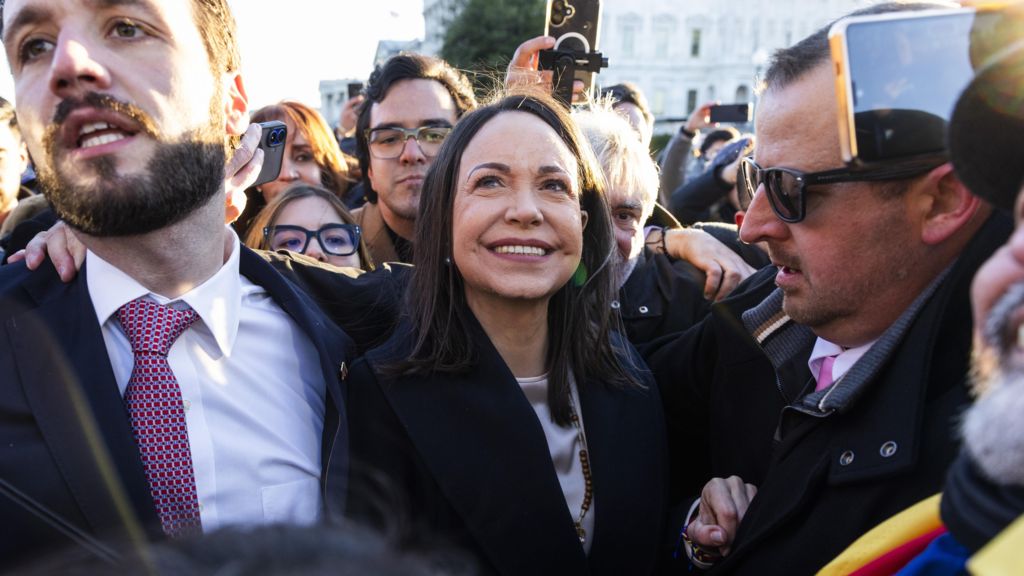
    Venezuelan opposition figure María Corina Machado has declared her intention to assume the presidency “when the right time comes,” positioning herself as the potential first female leader of the nation. During her Washington visit, Machado presented former President Donald Trump with her Nobel Peace Prize medal, characterizing the gesture as acknowledgment of his dedication to Venezuelan liberation.

    This political theater unfolds against the backdrop of extraordinary developments: the U.S. apprehended sitting President Nicolás Maduro in Caracas on January 3rd, transporting him to New York to confront multiple narcotics and weapons trafficking indictments.

    Despite these dramatic events, Trump has refrained from endorsing Machado as Venezuela’s successor leadership, citing insufficient domestic backing—even as her opposition coalition asserts victory in the heavily disputed 2024 elections. Instead, U.S. engagement has focused on interim President Delcy Rodríguez, Maduro’s former vice-president.

    Machado’s Capitol Hill appearances were met with fervent support from chanting admirers waving Venezuelan flags, though their cries of “María, presidente” occasionally overwhelmed her remarks to journalists.

    Concurrently, Rodríguez conducted a significant two-hour meeting with CIA Director John Ratcliffe at Trump’s behest, described by U.S. officials as confidence-building diplomacy. The discussions reportedly addressed potential economic cooperation and reiterated that Venezuela must cease being a sanctuary for American adversaries.

    In her inaugural state of the union address, Rodríguez asserted Venezuela’s readiness to engage the U.S. through political dialogue while defending national “dignity and honor.” She simultaneously announced oil sector reforms inviting greater foreign investment—a notable departure from Maduro’s economic policies. Trump subsequently praised Rodríguez as a “terrific person” following their telephone discussion, which the interim leader characterized as productive and respectful.