作者: admin

  • Benavides rides to smallest Dakar Rally win margin and Al-Attiyah confirms sixth car title

    Benavides rides to smallest Dakar Rally win margin and Al-Attiyah confirms sixth car title

    YANBU, Saudi Arabia — The 2024 Dakar Rally concluded with one of the most dramatic finishes in motorsport history as Argentine rider Luciano Benavides captured his first motorbike title by a mere two seconds following a catastrophic navigational error by American rival Ricky Brabec just kilometers from the finish. This marks the narrowest victory margin ever recorded in the event’s storied history.

    Meanwhile, Qatari driver Nasser Al-Attiyah secured his sixth car category title with a calculated performance on the 13th and final stage, a 105-kilometer sprint along Saudi Arabia’s Red Sea coast to Yanbu.

    The motorbike competition appeared destined for Brabec’s third Dakar victory as the Honda rider entered the final stage with a commanding 3-minute, 20-second advantage over Benavides’ KTM. Brabec was collecting valuable time bonuses for opening the route while maintaining a strong pace.

    The race dynamics shifted irrevocably when Brabec made a critical wrong turn approximately seven kilometers from the finish line. Benavides, maintaining his trajectory, witnessed his rival’s error in real-time. “I saw a headlight turn around and slowed to see who it was,” Benavides recounted. “When I realized it was Ricky, I knew the almost impossible was suddenly possible.”

    The Argentine rider capitalized on the opportunity, finishing second on the stage to teammate Edgar Canet while Brabec arrived 3 minutes and 22 seconds later. The stunning reversal triggered emotional celebrations from Benavides’ team, who hoisted their champion while chanting his name.

    “It’s unreal,” an elated Benavides stated. “Two seconds after two weeks and almost 8,000 kilometers is something that is hard to understand.” The previous closest margin of victory stood at 43 seconds, achieved by Benavides’ brother Kevin in 2023.

    Brabec’s Honda teammate Tosha Schareina completed the podium in a distant third position.

    Benavides’ victory appears particularly remarkable considering he began his ninth Dakar attempt without any prior podium finishes and just three months after sustaining serious knee ligament injuries during the Moroccan Rally. Even during the event’s second week, he rode in the shadow of defending champion and teammate Daniel Sanders, who dominated until crashing on Wednesday and sustaining broken collarbone and sternum injuries.

    In the car category, Al-Attiyah secured his historic sixth title with a conservative final drive, finishing nearly nine minutes behind stage winner Mattias Ekström. The Qatari driver ultimately defeated second-place finisher Nani Roma by 9 minutes and 42 seconds, marking his first victory with manufacturer Dacia. Al-Attiyah has now won Dakar with four different manufacturers across his illustrious career.

    Roma, the 2014 champion, earned his first podium finish since 2019, while Ekström’s Ford edged Sébastien Loeb’s Dacia by 37 seconds for third place overall.
  • Judge urges US grant visa to college student deported due to ‘mistake’

    Judge urges US grant visa to college student deported due to ‘mistake’

    A federal judge has delivered a stern rebuke to the Trump administration, mandating corrective action within 21 days for the wrongful deportation of a Honduran college student. U.S. District Judge Richard Stearns in Boston characterized the incident as a “tragic and preventable mistake” that violated a standing court order.

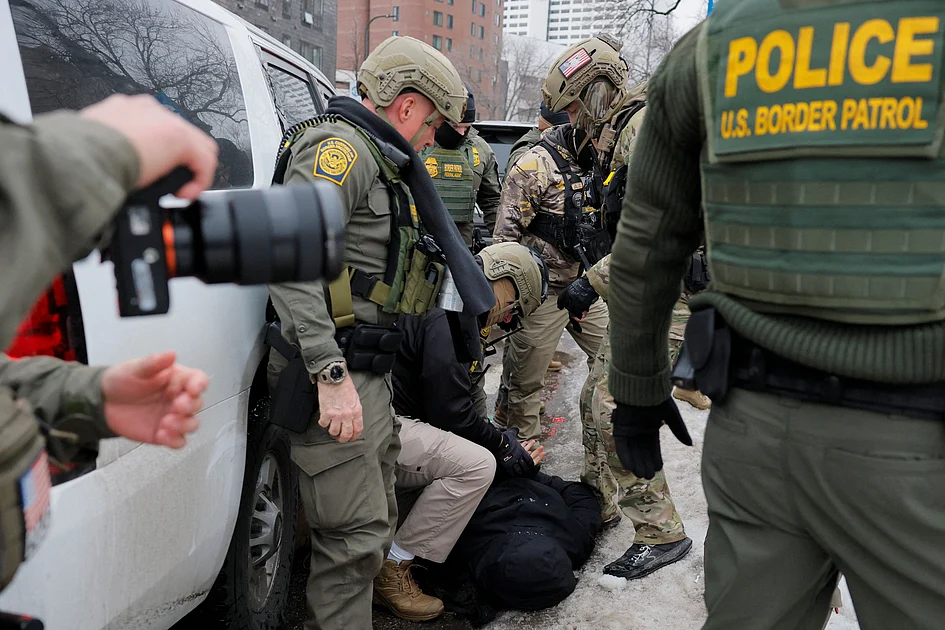
    The case involves Any Lucia Lopez Belloza, a 19-year-old Babson College freshman who was apprehended at Boston’s Logan International Airport on November 20 while preparing to travel home to Texas for Thanksgiving. Despite a judicial order issued on November 21 that explicitly prohibited her deportation or transfer from Massachusetts for 72 hours, immigration authorities had already moved Lopez Belloza to Texas. She was subsequently deported to Honduras on November 22.

    Lopez Belloza’s complex immigration history reveals she originally entered the United States at age eight with her mother while seeking asylum. She maintains she was unaware of any existing removal order against her.

    In his Friday ruling, Judge Stearns proposed two potential remedies: either the U.S. Department of State issues her a student visa, or the administration facilitates her return to the United States. The judge emphasized that the “simplest solution” would be visa issuance, while acknowledging jurisdiction limitations since Lopez Belloza was outside Massachusetts when legal proceedings began.

    Government attorneys previously apologized for what they described as an “amalgam of errors,” specifically noting that an Immigration and Customs Enforcement officer failed to properly flag the court order, mistakenly believing it no longer applied once she left Massachusetts.

    Lopez Belloza’s attorney, Todd Pomerleau, welcomed the judicial intervention as a positive step toward negotiating his client’s return. The Justice Department has declined to comment on the ongoing proceedings. Lopez Belloza currently remains in Honduras with her grandparents.

  • Trump offers Egypt to mediate on Ethiopia dam to resolve ‘The Nile Water Sharing’

    Trump offers Egypt to mediate on Ethiopia dam to resolve ‘The Nile Water Sharing’

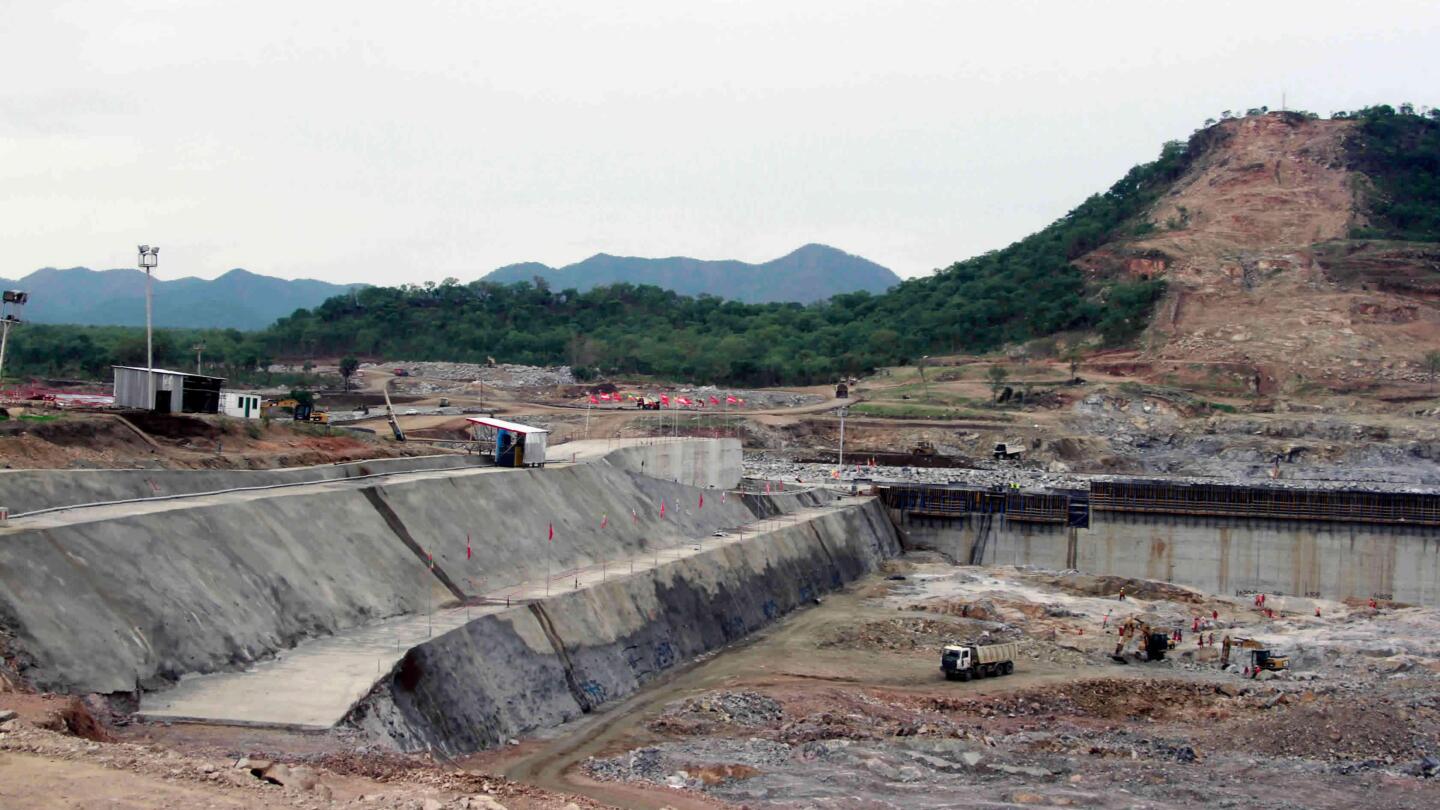
    In a significant diplomatic development, former U.S. President Donald Trump has formally offered to reactivate American mediation efforts between Egypt and Ethiopia concerning the contentious Grand Ethiopian Renaissance Dam (GERD) project on the Nile River. The proposal came through an official letter to Egyptian President Abdel Fattah al-Sisi, publicly shared by the White House on social media platforms.

    The communication emerges against the backdrop of longstanding tensions between the two African nations regarding water allocation from the Nile, which represents approximately 97% of Egypt’s freshwater supply. President Sisi has repeatedly characterized the Ethiopian hydroelectric project as an existential threat to his nation’s water security.

    Trump’s letter explicitly stated: “I am ready to restart US mediation between Egypt and Ethiopia to responsibly resolve the question of ‘The Nile Water Sharing’ once and for all.” He further emphasized that “no state in this region should unilaterally control the precious resources of the Nile and disadvantage its neighbours in the process,” positioning the GERD dispute as a priority matter for his potential administration.

    The proposed framework envisions a negotiated settlement that would ensure predictable water supplies for downstream nations Egypt and Sudan, while simultaneously allowing Ethiopia to either sell or distribute electricity generated from the $4 billion infrastructure project. The GERD, Africa’s largest hydropower initiative inaugurated by Prime Minister Abiy Ahmed in September, promises to more than double Ethiopia’s current electricity capacity upon completion.

    Historical context reveals this isn’t Trump’s first intervention in the matter. During his previous term, he sparked controversy by suggesting Egypt might resort to military action against the dam, remarks that prompted diplomatic summons from both nations and heightened regional tensions. Previous mediation attempts involving the United States, World Bank, Russia, United Arab Emirates, and African Union have consistently failed to produce a lasting resolution over the past decade.

    The dam has evolved into a powerful symbol of national pride and development aspiration in Ethiopia, while simultaneously representing a water security crisis in Egypt. Trump’s relationship with President Sisi, a former general who assumed power in 2013 and has since governed with authoritarian measures, has remained notably warm throughout both leaders’ political careers.

  • Egypt and Sudan welcome Trump’s offer to mediate Nile River dam dispute

    Egypt and Sudan welcome Trump’s offer to mediate Nile River dam dispute

    Egypt and Sudan have expressed approval of former President Donald Trump’s proposal to restart American mediation efforts concerning the contentious Grand Ethiopian Renaissance Dam (GERD) on the Nile River. The diplomatic overture comes amid ongoing tensions between the Nile Basin nations over Africa’s largest hydroelectric project.

    Egyptian President Abdel-Fattah el-Sissi acknowledged Trump’s engagement with what Cairo considers a matter of national survival, stating his country remains committed to “serious and constructive cooperation with the Nile Basin countries, based on the principles of international law.” Simultaneously, Sudan’s military leader Gen. Abdel-Fattah Burhan characterized Trump’s initiative as a positive step toward achieving sustainable solutions that protect all parties’ rights.

    The $5 billion GERD project, inaugurated by Ethiopia last fall, represents a monumental infrastructure development with the capacity to generate over 5,000 megawatts of electricity—effectively doubling Ethiopia’s power generation capabilities. However, downstream nations Egypt and Sudan view the dam’s operation as potentially catastrophic to their water security.

    Egypt, whose 110 million population depends overwhelmingly on Nile waters, fears the dam could significantly reduce water flow, threatening agricultural sustainability and other vital sectors. Sudan has emphasized the need for coordinated reservoir management to prevent adverse effects on its own dams.

    The core disagreement revolves around establishing binding agreements regarding the dam’s filling procedures, water release protocols during droughts, and dispute resolution mechanisms. Previous U.S.-mediated negotiations initiated during Trump’s presidency stalled in 2020 when Ethiopia withdrew from talks, though discussions continued under African Union auspices without resolution.

    Ethiopia maintains that the dam is crucial for national development, noting that most of its population lacks reliable electricity access. As of this reporting, Ethiopian officials had not publicly responded to Trump’s renewed mediation offer.

  • Trump names Tony Blair, Marco Rubio to Gaza ‘board of peace’

    Trump names Tony Blair, Marco Rubio to Gaza ‘board of peace’

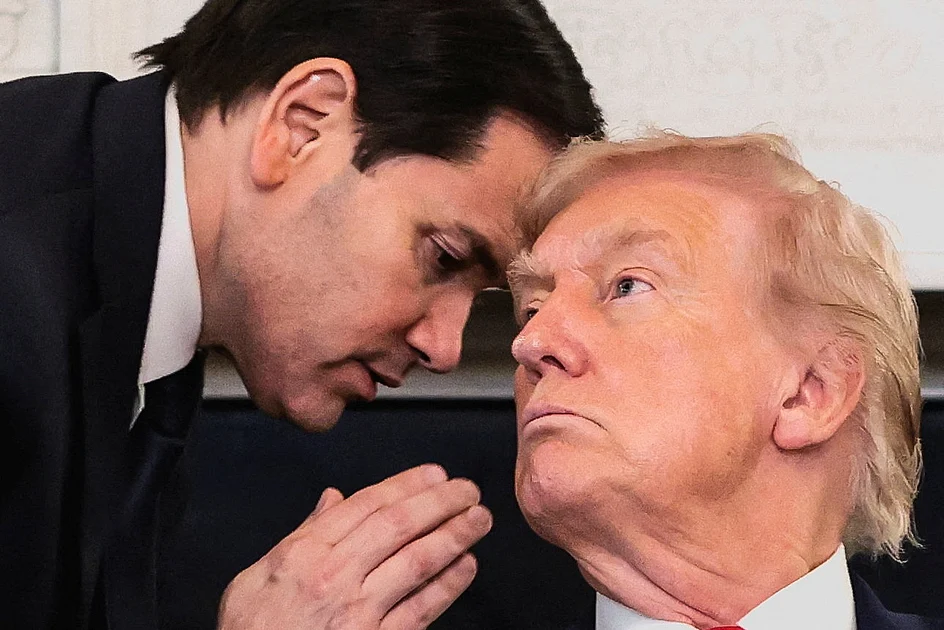
    In a significant diplomatic move, US President Donald Trump has established a high-profile “board of peace” as part of the ongoing efforts to stabilize Gaza following recent conflicts. The newly formed seven-member executive board will be chaired by Trump himself and includes prominent international figures such as Secretary of State Marco Rubio and former British Prime Minister Tony Blair.

    The board’s composition, announced by the White House on Friday, also features Trump’s special envoy Steve Witkoff, son-in-law Jared Kushner, and World Bank President Ajay Banga. Additional members are expected to be appointed in the coming weeks, according to official statements.

    This development represents Phase Two of the US-backed peace plan that initially took effect on October 10, 2025, which previously facilitated the release of all Hamas-held hostages and ended active combat between the Palestinian militant group and Israeli forces in the besieged territory.

    The selection of Tony Blair raises particular interest given his controversial legacy in Middle Eastern affairs, specifically his role in the 2003 Iraq invasion. President Trump acknowledged these concerns, noting he had sought to ensure Blair would be “an acceptable choice to everybody” involved in the peace process.

    Concurrent with the board’s establishment, a 15-member Palestinian technocratic committee has been formed to handle Gaza’s daily governance, headed by Gaza native and former Palestinian Authority deputy minister Ali Shaath. Additionally, US Major General Jasper Jeffers has been appointed to lead the International Stabilisation Force (ISF) in Gaza.

    Despite these structural advancements, the peace initiative faces ongoing challenges including allegations of aid shortages, sporadic violence, and Hamas’s continued reluctance to commit to full disarmament—a non-negotiable condition from Israel.

  • Ukrainian delegation arrives in US for peace talks as Russia hammers energy sites

    Ukrainian delegation arrives in US for peace talks as Russia hammers energy sites

    KYIV, Ukraine — A high-level Ukrainian diplomatic team has arrived in the United States to advance peace negotiations aimed at resolving the ongoing nearly four-year conflict, even as Russia continues its systematic targeting of Ukraine’s energy infrastructure during freezing winter conditions.

    The delegation, led by Ukrainian President Volodymyr Zelenskyy’s Chief of Staff Kyrylo Budanov, includes key negotiators Rustem Umerov and Davyd Arakhamia. Their mission focuses on finalizing critical aspects of a proposed peace settlement, particularly regarding postwar security guarantees and economic recovery frameworks.

    Budanov confirmed via Telegram that the team would meet with U.S. Special Envoy Steve Witkoff, former presidential advisor Jared Kushner, and U.S. Army Secretary Dan Driscoll. The discussions represent a significant diplomatic push by the United States to broker a resolution to the prolonged conflict.

    President Zelenskyy indicated that should American officials approve the proposed agreements, formal signing could occur as early as next week during the World Economic Forum in Davos, Switzerland—an event where former President Donald Trump is also expected to appear.

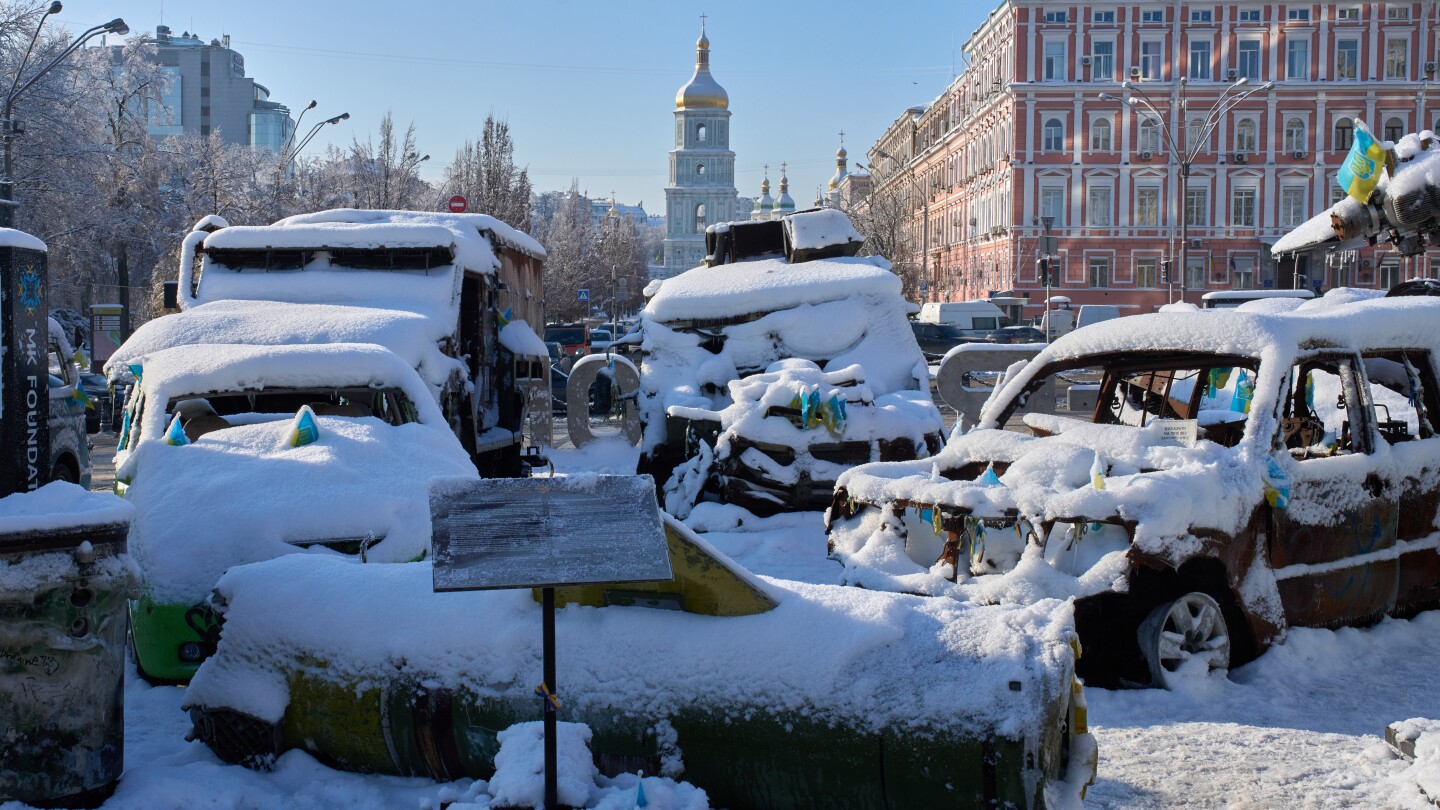
    Meanwhile, Russia launched renewed attacks on energy infrastructure in Ukraine’s Kyiv and Odesa regions overnight into Saturday, leaving more than 20 settlements without power amid subzero temperatures. This continues Russia’s documented strategy of targeting energy systems during winter months, which Ukrainian officials describe as “weaponizing winter” to undermine national resistance.

    Ukraine’s Energy Minister Denys Shmyhal reported that Russia conducted 612 attacks on energy targets throughout the previous year, with increasing intensity as temperatures plummet to -18°C (0°F). In response, Ukraine has implemented emergency measures including eased curfew restrictions to allow citizens access to public heating centers, while prioritizing energy supplies to hospitals, schools, and critical infrastructure.

    The government has also directed major state enterprises—including Ukrzaliznytsia, Naftogaz, and Ukroboronprom—to urgently procure imported electricity to cover at least half of their consumption needs.

  • US Congressional delegation seeks to reassure Denmark and Greenland after Trump’s threats

    US Congressional delegation seeks to reassure Denmark and Greenland after Trump’s threats

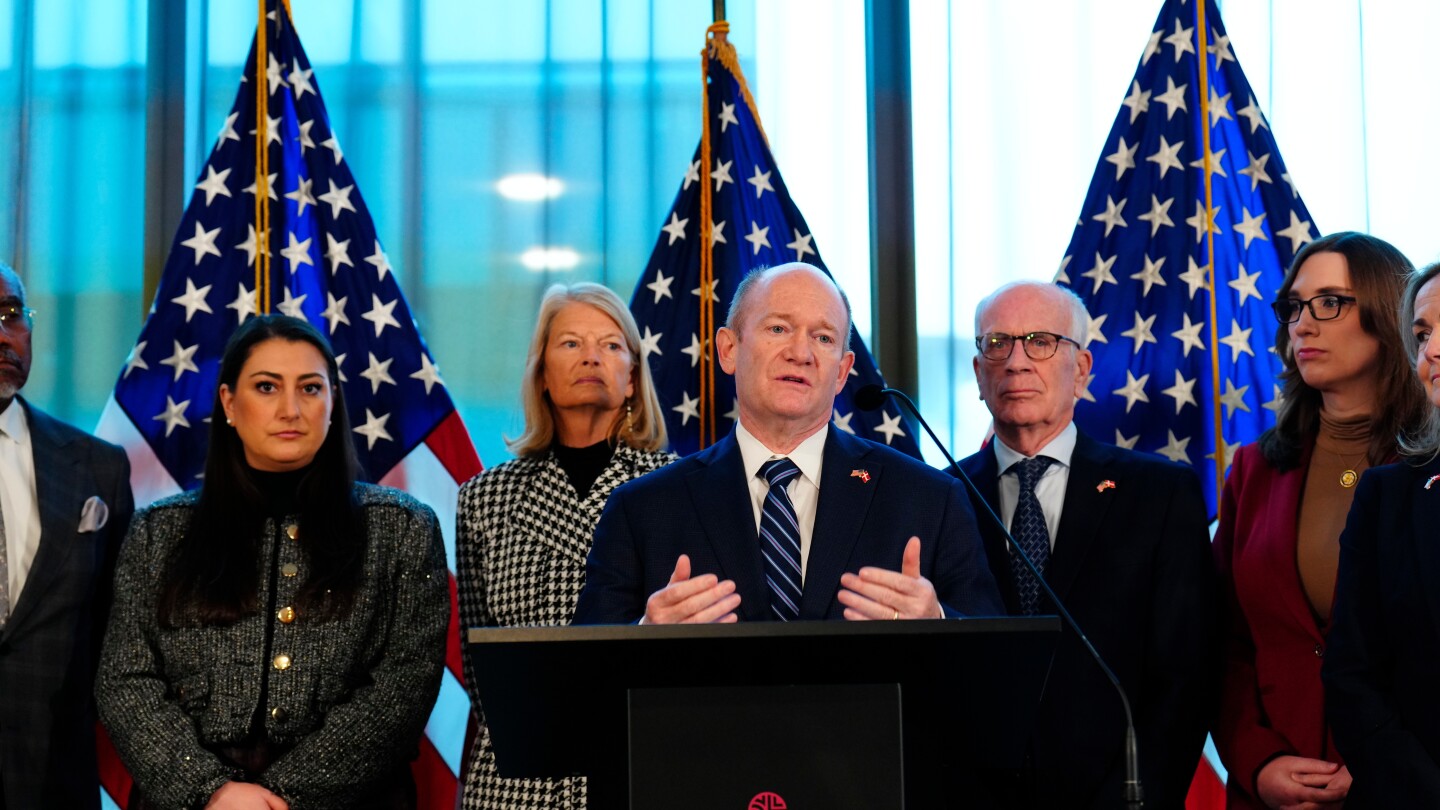
    A bipartisan delegation from the United States Congress has embarked on a diplomatic mission to Copenhagen and Nuuk aiming to reassure Danish and Greenlandic officials amidst escalating tensions following President Donald Trump’s controversial statements regarding the Arctic territory. Led by Democratic Senator Chris Coons of Delaware, the delegation explicitly distanced itself from the White House’s position, emphasizing the United States’ profound respect for Denmark as a vital NATO partner.

    The congressional visit coincides with planned demonstrations in both Copenhagen and Nuuk, Greenland’s capital, where locals are expected to express strong support for the island’s current self-governing status within the Danish Kingdom. Senator Coons, addressing the media in Copenhagen, characterized the recent rhetoric from Washington as a source of significant concern and expressed his intent to de-escalate the situation. He underscored the critical importance of the U.S.-Denmark alliance, warning that actions which cause doubt among such a steadfast partner could have far-reaching consequences for America’s global credibility.

    This conciliatory approach stands in stark contrast to the administration’s stance. President Trump has repeatedly framed a potential U.S. acquisition of Greenland as a national security imperative, citing alleged ambitions from China and Russia over the island’s vast reserves of untapped critical minerals. Notably, the White House has not dismissed the possibility of acquiring the territory by force. Further complicating relations, Trump recently threatened to impose tariffs on countries, including those within the Danish realm, if they did not support the U.S. takeover, marking a new escalation in his strategy.

    The fundamental disagreement was further highlighted after a recent meeting in Washington between U.S. officials and the foreign ministers of Denmark and Greenland. While the parties agreed to establish a working group, they provided publicly divergent explanations of its purpose. In response to the heightened tensions, Denmark has announced plans to bolster its military presence in Greenland in coordination with its allies, firmly asserting that matters concerning the territory’s sovereignty are for Denmark and Greenland alone to decide.

  • China’s anti-graft efforts deepen in 2025, with 115 senior officials probed

    China’s anti-graft efforts deepen in 2025, with 115 senior officials probed

    China’s anti-corruption authorities have revealed a significant escalation in disciplinary actions during 2025, with unprecedented numbers of senior officials facing investigation. The latest data from China’s top disciplinary watchdogs shows a dramatic intensification of the nation’s ongoing battle against corruption.

    The Communist Party of China Central Commission for Discipline Inspection and the National Commission of Supervision announced that 115 officials at provincial or ministerial level and above underwent disciplinary investigation in 2025. This figure represents a substantial increase of 42 cases compared to the previous year’s statistics, demonstrating the heightened intensity of China’s graft prevention efforts.

    Overall disciplinary measures reached remarkable proportions, with 983,000 individuals receiving punishments for various violations throughout the year. This marks a significant rise from the 889,000 cases documented in 2024, indicating the expanding scope of China’s anti-corruption campaign.

    The comprehensive approach to corruption prevention continues to target both bribe providers and recipients with equal vigor. Official statistics reveal authorities investigated 33,000 individuals for offering bribes in 2025, transferring 4,306 of these cases to prosecutors. These numbers show a notable increase from the 26,000 bribery investigations and 4,271 prosecutorial transfers recorded in the preceding year.

    China’s anti-graft institutions have emphasized the continuous nature of these efforts, with recent communiques pledging to intensify the battle against grassroots corruption. The campaign will further deepen rectification programs in multiple high-risk sectors including financial services, state-owned enterprises, energy production, education systems, professional associations, development zones, and public bidding processes. This strategic focus targets areas most vulnerable to corrupt practices, ensuring systemic integrity across critical sectors of Chinese society.

  • Ukraine team arrives in US for Miami talks with Witkoff, Kushner

    Ukraine team arrives in US for Miami talks with Witkoff, Kushner

    A high-level Ukrainian delegation has arrived in Miami for pivotal discussions with key American figures, including Jared Kushner and special envoy Steve Witkoff, alongside U.S. Army Secretary Daniel Driscoll. The negotiations, occurring just before the four-year anniversary of Russia’s full-scale invasion, are set to address two fundamental pillars: concrete security guarantees for Ukraine’s future and the monumental task of post-conflict reconstruction.

    The delegation, led by President Zelensky’s new Chief of Staff Kyrylo Budanov and including Security Chief Rustem Umerov and negotiator David Arakhamia, aims to secure binding commitments from its allies. A primary objective for Kyiv is obtaining ironclad security assurances designed to deter any future Russian aggression, which it views as non-negotiable for its long-term sovereignty. President Zelensky has expressed hope to formalize these agreements at the upcoming World Economic Forum in Davos.

    These diplomatic efforts unfold against a grim backdrop of intensified warfare. Russian forces have accelerated their advance in eastern regions, recently claiming control of additional villages in Donetsk and Zaporizhzhia. Simultaneously, a relentless campaign of missile and drone strikes has crippled Ukraine’s energy infrastructure during a severe winter, leaving 56,000 families in the Bucha area alone without power and prompting widespread heating restrictions and school closures across the nation.

    The path to a peace agreement remains fraught with challenges. The Kremlin maintains its objective to seize all territories it claims as Russian, while previous U.S. pressure on Ukraine to accept terms viewed in Kyiv as capitulation has created sticking points. Furthermore, declarations of intent from European allies like the UK and France to potentially deploy troops to uphold a ceasefire have been met with stark warnings from Moscow, which labeled any foreign forces as ‘legitimate targets.’

  • Trump’s protectionist trade policies allow China to swoop in

    Trump’s protectionist trade policies allow China to swoop in

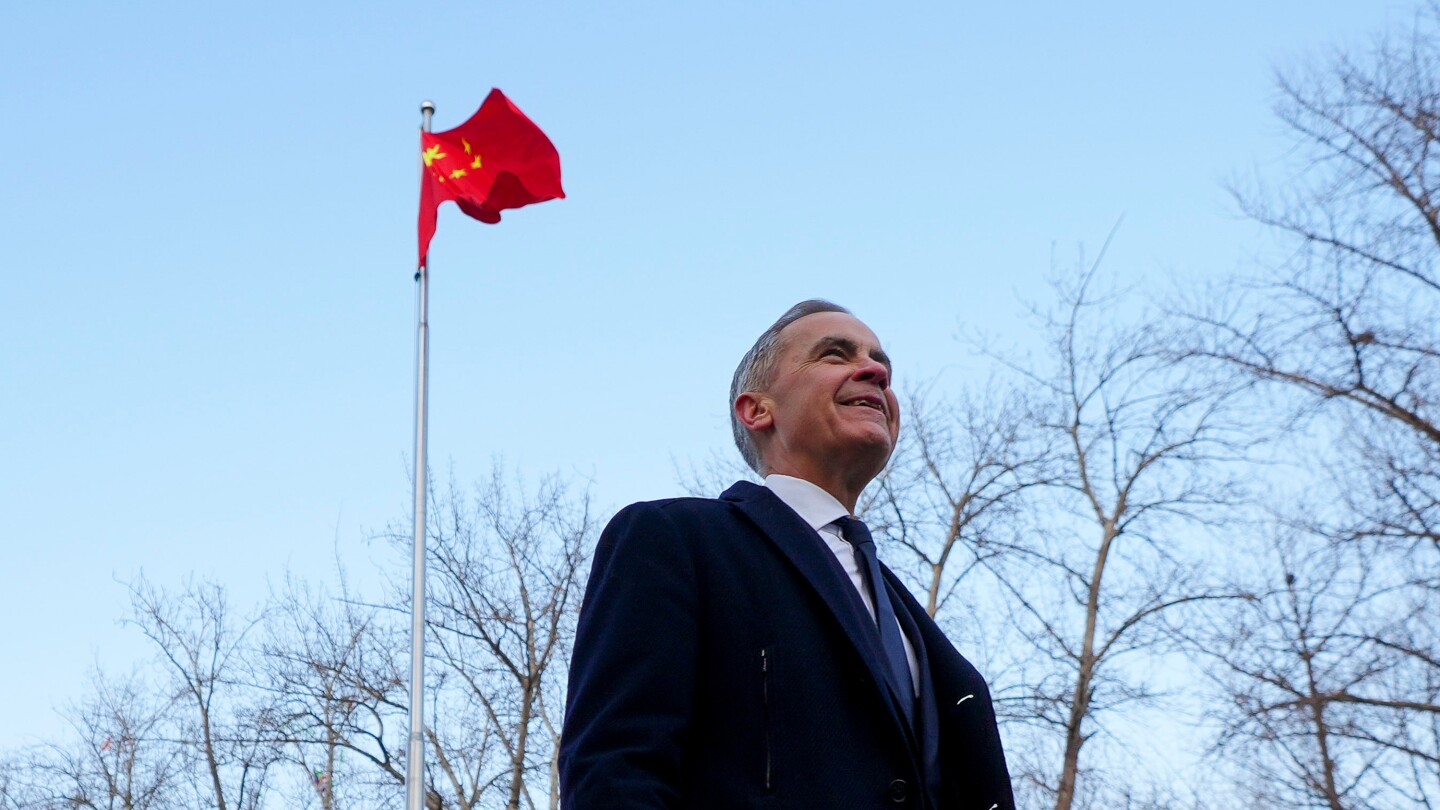
    In a significant shift in global trade dynamics, key U.S. allies are actively diversifying their economic partnerships in response to the Trump administration’s aggressive tariff policies. Canada has taken a landmark step by dramatically reducing its 100% import tariff on Chinese electric vehicles, securing in return substantially lower Chinese tariffs on Canadian agricultural exports, particularly canola seeds.

    This strategic pivot reflects a fundamental recalibration of Canada’s economic priorities. Trade expert Edward Alden of the Council on Foreign Relations notes, ‘The economic threat from the United States is now perceived by Canadians as far bigger than the economic threat from China. This represents a substantial declaration of realignment in Canada’s economic relations.’

    The Canadian decision comes amid persistent trade tensions with the United States, including maintained tariffs on Canadian steel and aluminum exports. Prime Minister Mark Carney’s government has made a calculated gamble in pursuing closer ties with Beijing, despite historical tensions including past diplomatic incidents involving detained citizens.

    This trend extends beyond North America. The European Union is finalizing a major trade agreement with Mercosur, the South American trading bloc, while simultaneously pursuing enhanced trade relations with India. China, meanwhile, has successfully diversified its export markets away from the United States, achieving a record $1.2 trillion global trade surplus in 2025 despite reduced exports to the American market.

    The Trump administration has fundamentally overhauled seven decades of U.S. trade policy, implementing double-digit tariffs on imports from nearly every nation while targeting specific industries with additional levies. While the administration claims these measures protect American industries and generate Treasury revenue—pointing to Taiwan’s agreement to invest $250 billion in the United States in exchange for tariff reductions—many allies view the approach as unpredictable and arbitrary.

    The Canadian-Chinese agreement has drawn domestic criticism, particularly from Ontario Premier Doug Ford, who warned that ‘China now has a foothold in the Canadian market and will use it to their full advantage at the expense of Canadian workers.’ However, the agreement includes limitations, capping Chinese EV exports at 49,000 vehicles initially with a reduced 6.1% tariff, gradually increasing to approximately 70,000 over five years.

    The most significant risk for Canada remains the impending renegotiation of the USMCA trade pact with the United States. Analysts suggest the Chinese agreement could complicate these talks, potentially provoking retaliatory measures from the Trump administration. Nevertheless, Canada appears to be signaling its readiness to explore alternatives rather than make ‘humiliating compromises to serve only American interests,’ according to trade economist Mary Lovely of the Peterson Institute for International Economics.