作者: admin

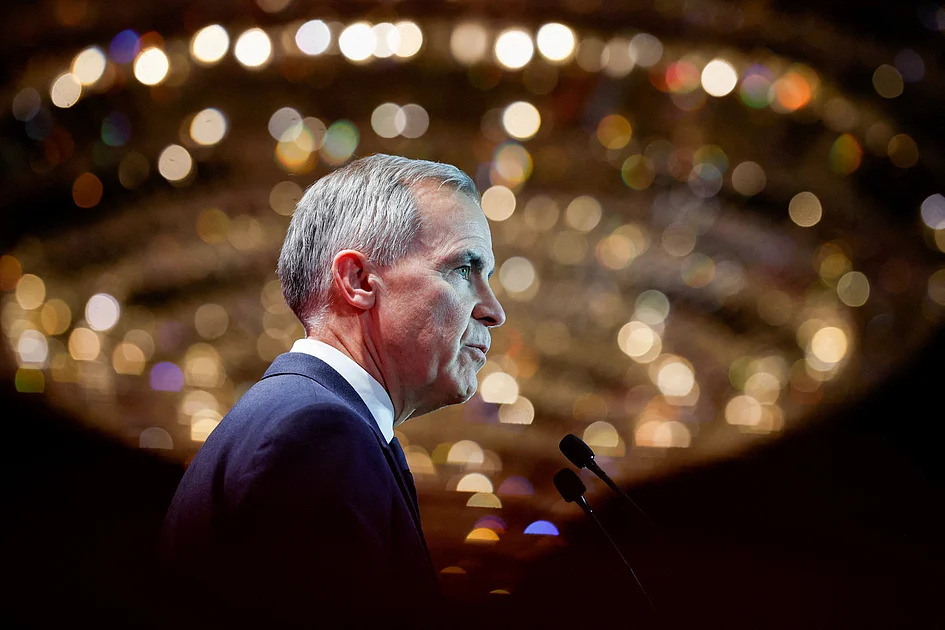
  • Canadian PM Mark Carney plans to accept Trump invite to join Gaza board

    Canadian PM Mark Carney plans to accept Trump invite to join Gaza board

    In a significant diplomatic development, Canadian Prime Minister Mark Carney has agreed to join a newly established international board overseeing post-war Gaza governance at the invitation of U.S. President Donald Trump. The formation of this multinational coalition represents a major initiative in stabilizing the region following the fragile ceasefire implemented in October.

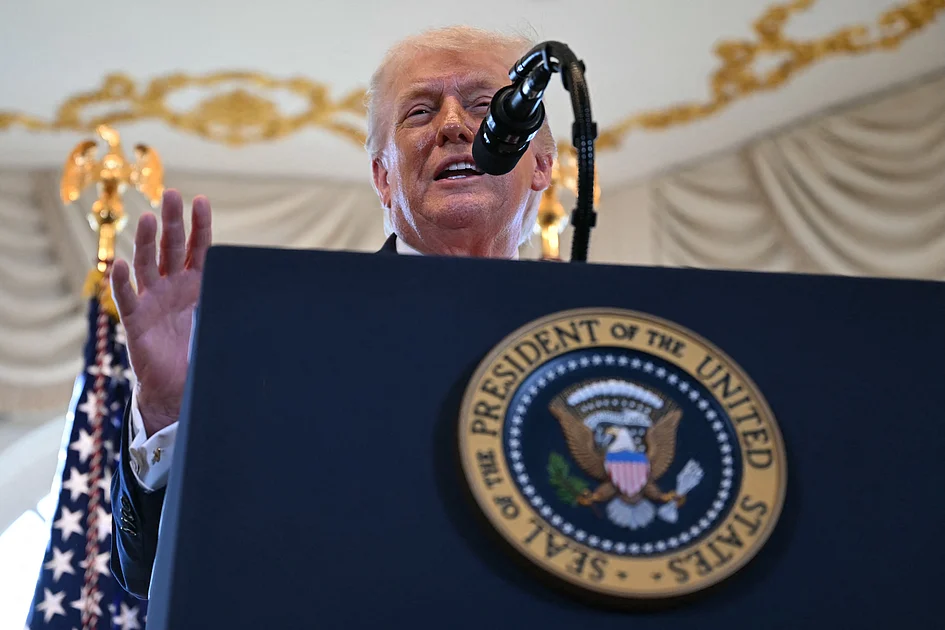
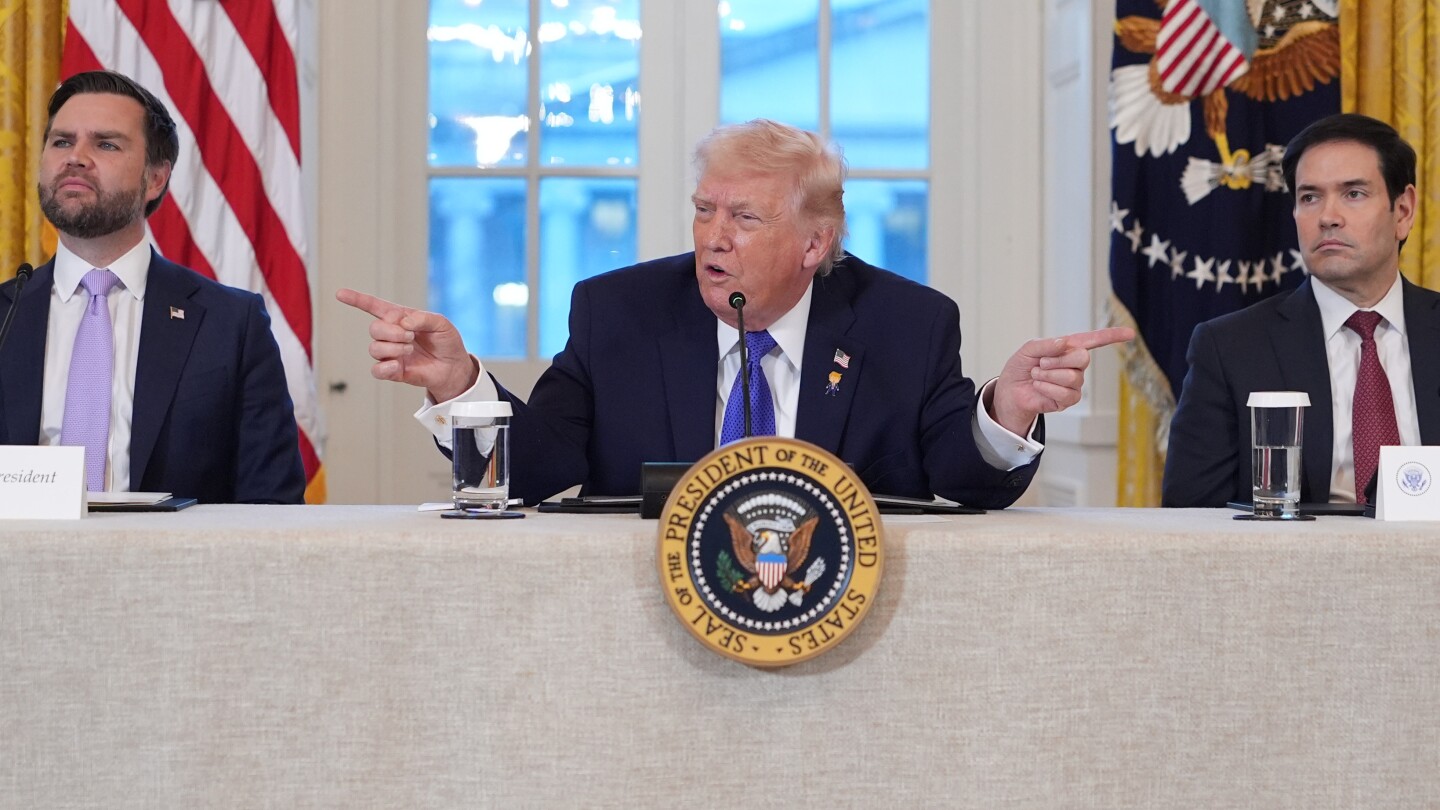
    President Trump has appointed himself as chairman of what he terms the ‘Gaza Board of Peace,’ demonstrating personal investment in Middle East stabilization efforts. The board’s composition includes high-profile international figures, with former British Prime Minister Tony Blair and U.S. Secretary of State Marco Rubio already confirmed in senior positions within the organization.

    The recruitment effort extends beyond North American and European leaders, with invitations extended to Egyptian President Abdel Fattah al-Sisi and Turkish President Tayyip Erdogan. Egypt has acknowledged receipt of the invitation and is currently conducting a formal review process, as confirmed by the country’s foreign minister during a recent press briefing.

    Additional confirmed participants include Turkish Foreign Minister Hakan Fidan, who will serve alongside Trump’s special envoy Steve Witkoff and former senior advisor Jared Kushner. This diverse composition suggests a multifaceted approach to Gaza’s temporary governance, combining political veterans with regional experts.

    The board’s establishment comes at a critical juncture in Middle Eastern politics, with Gaza requiring substantial reconstruction and political stabilization following recent conflicts. The involvement of multiple international stakeholders indicates a coordinated effort to address both immediate humanitarian concerns and long-term governance structures.

    While specific operational details and mandate parameters remain undisclosed, the participation of G7 member Canada through Prime Minister Carney’s involvement signals Western commitment to the region’s stability. The Canadian government has confirmed Carney’s acceptance without elaborating on specific responsibilities or time commitments.
  • Trump tariff threat over Greenland ‘unacceptable’, European leaders say

    Trump tariff threat over Greenland ‘unacceptable’, European leaders say

    A severe transatlantic diplomatic crisis has erupted following President Donald Trump’s announcement of punitive tariffs against eight allied nations in response to their opposition to his proposed acquisition of Greenland. The unprecedented move, declared via Trump’s Truth Social platform on Saturday, threatens a 10% tariff on goods from Denmark, Norway, Sweden, France, Germany, the United Kingdom, the Netherlands, and Finland, effective February 1st, with potential escalation to 25% by June if no agreement is reached.

    The announcement triggered immediate and forceful condemnation from European leaders. UK Prime Minister Keir Starmer denounced the tariffs as “completely wrong,” while French President Emmanuel Macron labeled them “unacceptable.” Swedish Prime Minister Ulf Kristersson explicitly stated, “We won’t let ourselves be blackmailed,” highlighting the collective European defiance against what many perceive as economic coercion.

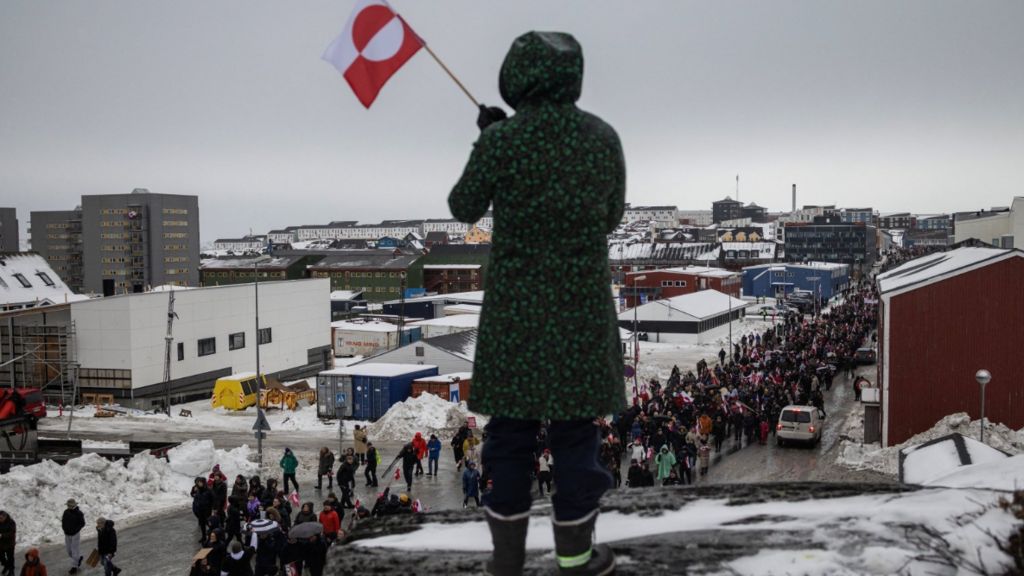
    Simultaneously, thousands of protesters mobilized across Greenland and Denmark, waving placards with messages like “Hands Off Greenland” and “Greenland is not for sale.” Greenlandic Prime Minister Jens-Frederik Nielsen joined demonstrations in Nuuk, marching toward the U.S. consulate. Polls indicate approximately 85% of Greenlanders oppose joining the United States, reinforcing the territory’s desire for self-determination.

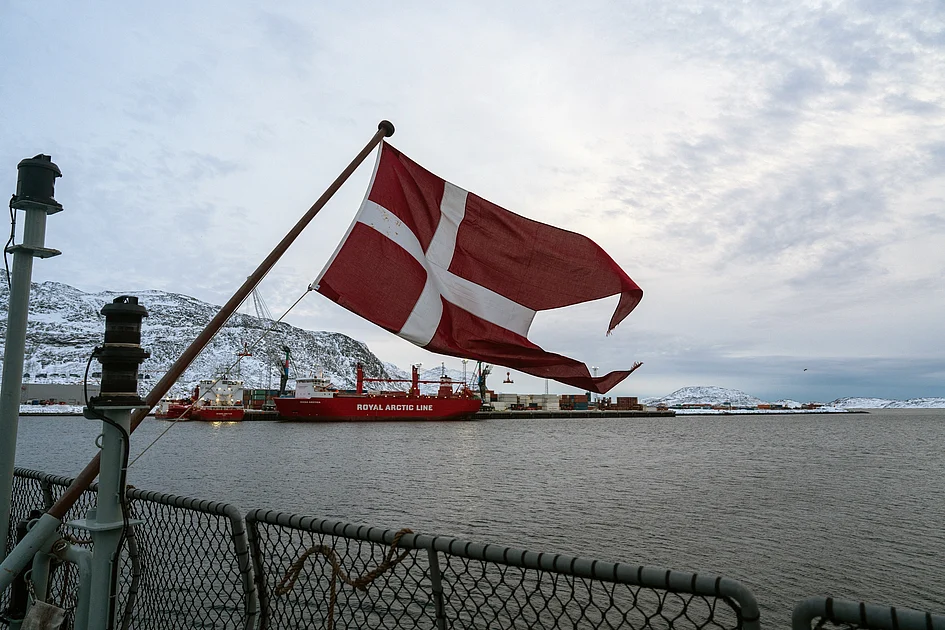
    President Trump justifies the acquisition push by emphasizing Greenland’s strategic importance for U.S. national security, citing its resource wealth and critical location between North America and the Arctic for missile detection and regional monitoring. He has previously stated Washington would acquire the territory “the easy way or the hard way,” refusing to rule out military force.

    The European response has extended beyond rhetoric. Several nations, including France, Germany, and the UK, have dispatched troops to Greenland on a ‘reconnaissance mission,’ arguing that Arctic security should remain a collective NATO responsibility. Furthermore, the tariff threat has jeopardized the recently negotiated EU-US trade deal, with German MEP Manfred Weber announcing that its ratification must now be put on hold.

    This escalation comes despite recent diplomatic efforts, including the establishment of a high-level working group between U.S. and Danish officials, which many had hoped would de-escalate tensions. Instead, Trump’s actions have injected renewed urgency into the crisis, severely straining relations with key NATO allies and trading partners and creating one of the most significant diplomatic confrontations in recent transatlantic history.

  • Tongji University’s Wu Jiang assumes presidency of architects’ Asia council

    Tongji University’s Wu Jiang assumes presidency of architects’ Asia council

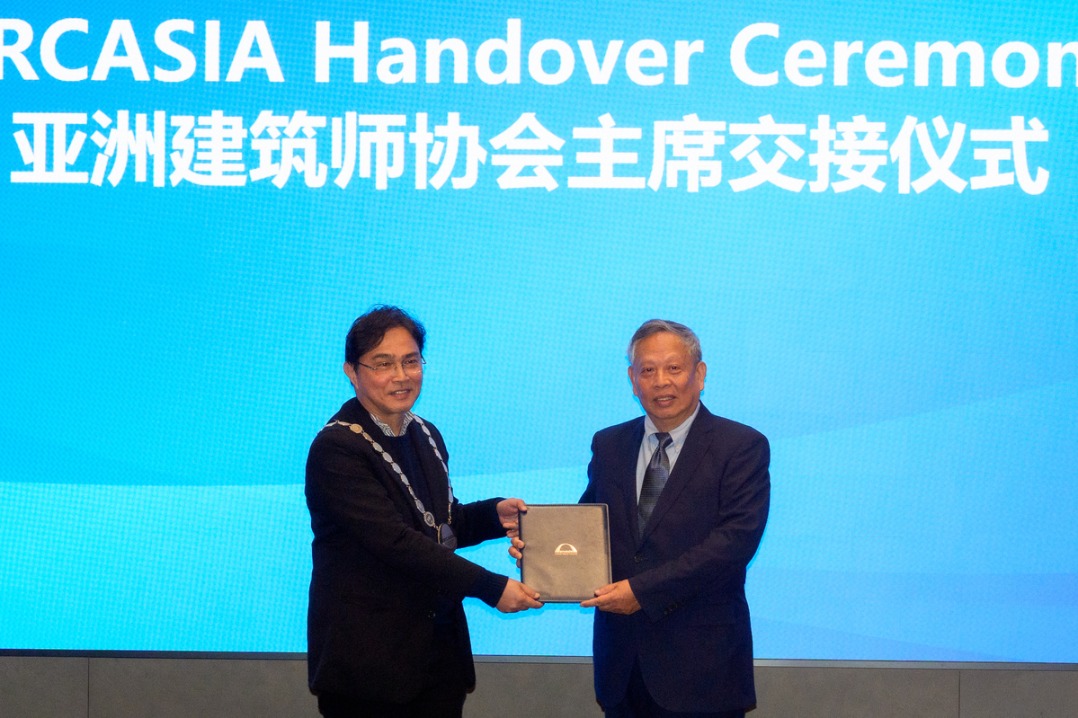
    In a historic appointment, Professor Wu Jiang from Shanghai’s Tongji University has been inaugurated as the 23rd President of the Architects Regional Council Asia (ARCASIA). The landmark transition occurred during a formal handover ceremony held at Tongji University on Saturday, marking the first time since the council’s establishment in 1979 that a representative from the Chinese mainland has assumed this prestigious leadership role.

    Professor Wu addressed the gathering with a forward-looking vision, emphasizing the critical juncture at which architecture stands today. “With the rapid advancement of digital and intelligent technologies, our field confronts both unprecedented challenges and extraordinary opportunities,” he stated. “ARCASIA must respond proactively to empower Asian architects in harnessing these transformative developments.”

    Highlighting his dual responsibilities as both practitioner and educator, Wu added: “As an architectural educator, I consider it my fundamental duty to foster extensive exchanges and elevate educational standards across Asia’s architectural institutions during my tenure.”

    The newly elected president brings exceptional qualifications to the position. His distinguished credentials include serving as Executive Director of the Architectural Society of China, Chairman of the ASC’s Architectural Education Branch, and Vice-Chairman of the Urban Planning Society of China. Additionally, Wu holds the prestigious title of Honorary Fellow from the American Institute of Architects and has been elected as an Academician of the French Academy of Architecture.

    Wu’s ascent to the presidency follows his 2018 appointment as ARCASIA Vice-President, where he represented the Architectural Society of China and led engagement initiatives with the regional body. Established in 1979, ARCASIA currently represents professional architectural associations from 24 countries and regions across Asia, standing as the continent’s most authoritative organization for the architectural profession.

  • Indonesia plane missing with 11 people on board; search ongoing

    Indonesia plane missing with 11 people on board; search ongoing

    Indonesian search and rescue teams are conducting an intensive multi-agency operation to locate a missing commercial aircraft that vanished from radar on Saturday afternoon. The Indonesia Air Transport turboprop plane, carrying three passengers and eight crew members, disappeared during its scheduled flight from Yogyakarta to Makassar on Sulawesi island.

    According to official reports from the Makassar search and rescue agency, contact was lost with the aircraft at approximately 1:00 PM local time (06:00 GMT). The last known position was tracked to the mountainous terrain of Maros Regency, bordering Makassar, prompting authorities to concentrate search efforts in this challenging geographic area.

    The comprehensive search operation involves coordinated efforts between Indonesian air force units, police departments, and volunteer organizations. Muhammad Arif Anwar, head of the local rescue agency, confirmed the deployment of both aerial and ground teams. Andi Sultan, operations chief at the Makassar agency, detailed that advanced search capabilities including helicopter surveillance and drone technology are being utilized to scour the difficult landscape.

    French aircraft manufacturer ATR, which produced the missing plane, has acknowledged the incident and released an official statement confirming their technical specialists are providing full support to Indonesian authorities and the operating airline. The company has characterized the situation as ‘an accident’ while awaiting further investigation findings.

    This incident highlights ongoing aviation safety concerns in Indonesia, the world’s largest archipelago nation where air transportation serves as a critical connectivity infrastructure between its thousands of islands. The country has experienced several aviation tragedies in recent years, including two separate helicopter crashes in September 2025 that resulted in ten fatalities collectively.

  • Louvre heist probe still aims to ‘recover jewellery’, top prosecutor says

    Louvre heist probe still aims to ‘recover jewellery’, top prosecutor says

    French judicial authorities have reaffirmed their unwavering commitment to recovering the imperial jewels stolen in an audacious October heist from the Louvre Museum, despite investigative hurdles. Paris’s chief prosecutor Laure Beccuau confirmed to AFP that while all four primary suspects in the €94 million ($102 million) robbery have been apprehended, the precious artifacts remain missing three months after the daylight theft.

    The brazen October 19th operation saw thieves employ a moving truck with an extendable ladder to access the museum’s Apollo Gallery, where they used angle grinders to breach display cases containing France’s crown jewels. Two accomplices waited below as the perpetrators made their escape on high-powered motorcycles, inadvertently dropping a diamond-and-emerald crown during their frantic departure.

    Among the eight still-missing pieces is a historically significant emerald-and-diamond necklace originally presented by Napoleon I to his second wife, Empress Marie-Louise. Prosecutor Beccuau emphasized that investigators maintain an open theory regarding the jewels’ whereabouts, noting no definitive evidence suggests the treasures have left French territory, though she acknowledged all possibilities remain viable.

    International art world intermediaries have provided crucial intelligence to detectives pursuing the recovery operation. These networks offer early warning systems for stolen goods trafficking across borders. Beccuau indicated that voluntary return of the jewels would constitute ‘active repentance’ and could influence judicial proceedings.

    An additional fifth suspect, the 38-year-old partner of one alleged thief, faces accessory charges but has been released under judicial supervision pending trial. Investigators continue to explore whether the theft was commissioned, maintaining no preconceptions about motives behind France’s most significant cultural property crime in recent history.

    The prosecution team remains determined, with Beccuau declaring, ‘We haven’t said our last word. It will take as long as it takes,’ underscoring the priority status of this high-profile cultural heritage investigation.

  • Trump invites Egypt’s Sisi, Turkey’s Erdogan to join Gaza ‘Board of Peace’

    Trump invites Egypt’s Sisi, Turkey’s Erdogan to join Gaza ‘Board of Peace’

    In a significant diplomatic move, former U.S. President Donald Trump has extended formal invitations to Egyptian President Abdel Fattah al-Sisi and Turkish President Recep Tayyip Erdogan to participate in a newly established international framework for Gaza governance. The initiative, termed the “Board of Peace,” aims to oversee temporary administrative functions in the war-torn territory, which has maintained a precarious ceasefire since October.

    The Egyptian government confirmed it is currently reviewing the invitation through its Foreign Ministry, which made the announcement during a press briefing on Saturday. This development follows the White House’s Friday revelation of several key appointments to the board’s leadership structure.

    The proposed governance body will operate under Trump’s chairmanship and includes notable international figures: U.S. Secretary of State Marco Rubio, Turkish Foreign Minister Hakan Fidan, former British Prime Minister Tony Blair, Trump’s special envoy Steve Witkoff, and presidential son-in-law Jared Kushner, who previously orchestrated Middle East peace efforts during the Trump administration.

    This multinational initiative represents the most comprehensive international effort to address Gaza’s political vacuum and reconstruction needs following recent hostilities. The inclusion of both Egyptian and Turkish leadership is particularly significant given their historically divergent approaches to Gaza and the broader Palestinian question, suggesting a potential convergence of regional interests under U.S.-led mediation.

  • Massive fire engulfs dozens of shops at a shopping mall in southern Pakistan, killing 3 people

    Massive fire engulfs dozens of shops at a shopping mall in southern Pakistan, killing 3 people

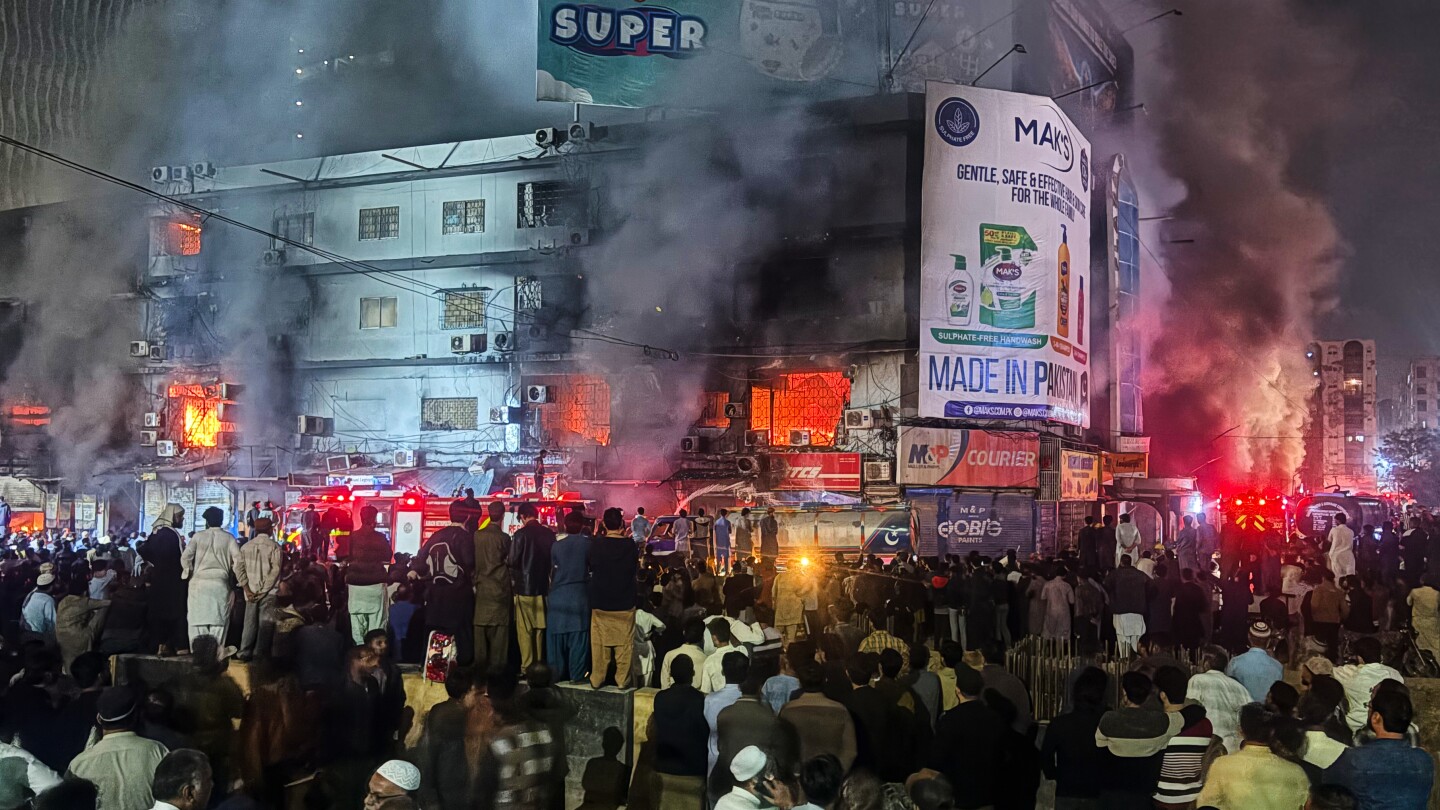
    A devastating nocturnal blaze ravaged a multi-story commercial complex in Karachi, Pakistan’s most populous metropolis, on Saturday evening, resulting in a confirmed death toll of three individuals and leaving approximately twelve others with injuries, as reported by municipal police and emergency response authorities.

    The conflagration ignited at Gul Plaza shortly after 10:00 PM local time, prompting an immediate deployment of firefighting units and rescue personnel. Local media outlets indicated that the majority of retail proprietors were either in the process of concluding daily operations or had already vacated the premises when the rapidly spreading fire erupted.

    While the precise origin of the catastrophe remains undetermined pending formal investigation, preliminary reports suggest the inferno originated within a section designated for storage of imported textiles, garments, and plastic household merchandise. These highly combustible materials reportedly acted as significant accelerants, facilitating the fire’s aggressive progression throughout the building’s structure.

    Televised news footage documented emergency crews clad in specialized protective equipment employing extended ladders, high-capacity water cannons, and multiple hose lines to combat flames erupting from windows and balconies. An Associated Press correspondent on location reported dense plumes of black smoke permeating the nocturnal atmosphere, visible from considerable distances.

    This tragic incident underscores a persistent pattern of inadequate fire prevention infrastructure and emergency response systems prevalent throughout Karachi and broader Pakistani urban centers. The provincial capital of Sindh has witnessed multiple comparable tragedies, including a November 2023 shopping mall fire that claimed ten lives and injured twenty-two individuals, highlighting systemic public safety deficiencies that frequently culminate in substantial property damage and human casualties.

  • Why teaching Arabic to AI is hard and how UAE researchers are solving it

    Why teaching Arabic to AI is hard and how UAE researchers are solving it

    Abu Dhabi’s Technology Innovation Institute (TII) has achieved a significant breakthrough in artificial intelligence by developing Falcon-H1 Arabic, a sophisticated language model capable of processing both Modern Standard Arabic and multiple regional dialects simultaneously. This advancement addresses one of AI’s most persistent linguistic challenges: Arabic’s complex morphological structure and the substantial variations between its formal and colloquial forms.

    The research team, led by Chief Researcher Hakim Hacid of TII’s Artificial Intelligence and Digital Science Research Center, employed innovative architectural approaches combining transformer attention with state space models called Mamba. This hybrid system enables more efficient information processing, particularly across extended sequences, while maintaining robust reasoning capabilities. The model’s 256,000-token context window allows for comprehensive analysis of complete documents—from legal cases to medical histories—without losing coherence.

    Unlike conventional AI systems that treat Arabic dialects as minor variations, Falcon-H1 Arabic was specifically trained on diverse dialectal sources including Egyptian, Levantine, Gulf, and Maghrebi Arabic. The team intentionally expanded training data beyond formal written Arabic and implemented careful filtering to ensure genuine linguistic diversity across regions. Remarkably, the 34-billion-parameter model outperforms larger systems with over 70 billion parameters, demonstrating that performance depends on data quality and architectural innovation rather than mere scale.

    This development carries significant implications for Arabic language preservation in technology. By prioritizing native Arabic support, including often-overlooked dialects, the work aligns technological progress with cultural and linguistic realities. Applications span multiple sectors including legal documentation analysis without translation, medical record summarization that accommodates mixed formal and dialectal language, and enterprise systems operating natively in Arabic.

    The research team acknowledges three priority areas for future development: integrating additional dialects with limited digital resources, achieving full functional parity with English-language AI capabilities, and advancing multimodal AI that combines text, images, and speech natively in Arabic. The model’s open-source release enables researchers and developers across Arabic-speaking regions to adapt and extend the technology, moving toward making Arabic a ‘first-class citizen’ in AI rather than a translated afterthought.

  • Vance and Rubio set to attend Winter Olympics opening ceremony in Italy. Trump isn’t on the list

    Vance and Rubio set to attend Winter Olympics opening ceremony in Italy. Trump isn’t on the list

    ROME, Italy — The White House announced on Saturday that Vice President JD Vance will spearhead the official United States delegation to the 2026 Winter Olympics in Italy, confirming his attendance at the highly anticipated opening ceremony. The delegation represents a significant diplomatic and celebratory presence for the American contingent at the global sporting event.

    Vance will be accompanied by a distinguished group including Secretary of State Marco Rubio, Second Lady Usha Vance, and U.S. Ambassador to Italy Tilman Fertitta. Enhancing the prestige of the delegation is a cohort of celebrated American Olympic gold medalists, adding a layer of athletic excellence to the diplomatic mission.

    The 2026 Milan-Cortina Games are scheduled to commence on February 6th with an opening ceremony set to break new ground in Olympic history. The traditional Parade of Nations will transcend a single venue. While the primary spectacle will unfold before 60,000 spectators at Milan’s iconic San Siro stadium, athletes will simultaneously be presented in the mountain venues of Cortina d’Ampezzo, Predazzo, and Livigno. This innovative, multi-city format marks an unprecedented expansion of the ceremony’s reach.

    Notably absent from the delegation roster is former U.S. President Donald Trump. The American athlete representation within the delegation boasts impressive credentials, featuring twin sisters Jocelyne Lamoureux-Davidson and Monique Lamoureux-Morando, key members of the gold medal-winning 2018 ice hockey team. They will be joined by decorated Olympians including figure skating champion Evan Lysacek and two-time short track speed skating gold medalist Apolo Ohno.

  • ‘We demand respect’: Thousands join anti-Trump protest in Denmark over Greenland

    ‘We demand respect’: Thousands join anti-Trump protest in Denmark over Greenland

    COPENHAGEN – Tens of thousands of demonstrators flooded the streets of Denmark’s capital on Saturday in a powerful display of opposition to U.S. President Donald Trump’s controversial pursuit of mineral-rich Greenland. The massive civic mobilization came just one day after Trump threatened to impose tariffs on nations resisting his territorial acquisition plans.

    Waving a sea of red-and-white Danish and Greenlandic flags, protesters gathered outside Copenhagen’s city hall chanting “Kalaallit Nunaat!” – the indigenous name for Greenland. The carefully coordinated demonstrations, organized by Greenlandic associations, simultaneously unfolded across multiple Danish cities including Aarhus, Aalborg, Odense, and extended to Nuuk, Greenland’s capital.

    Uagut, an association representing Greenlanders in Denmark, articulated the movement’s core message: “The aim is to send a clear and unified message of respect for Greenland’s democracy and fundamental human rights.” Organizers scheduled a sister demonstration in Nuuk to specifically protest what they termed the U.S.’s “illegal plans to take control of Greenland,” with marchers proceeding toward the U.S. consulate.

    The protests coincided with a visit by a bipartisan U.S. Congressional delegation seeking to distance American lawmakers from Trump’s polarizing stance. Democratic Senator Chris Coons, leading the delegation, explicitly contradicted the administration’s security justification for the proposed acquisition during meetings with Danish and Greenlandic officials.

    “There are no pressing security threats to Greenland,” Coons told reporters, acknowledging shared concerns about Arctic security amid climate change while emphasizing NATO’s existing protective umbrella. This statement directly countered claims by Trump advisor Stephen Miller that Denmark lacked capacity to defend its Arctic territory.

    Recent polling data reveals overwhelming opposition among Greenlanders, with 85% rejecting potential U.S. membership. The demonstrations underscore growing transatlantic tensions as European NATO members, including Britain, France, Germany and Nordic countries, deploy troops to Greenland for military exercises explicitly designed to demonstrate sovereign defense capabilities.