作者: admin

  • How Malaga-born Diaz became Morocco’s national icon

    How Malaga-born Diaz became Morocco’s national icon

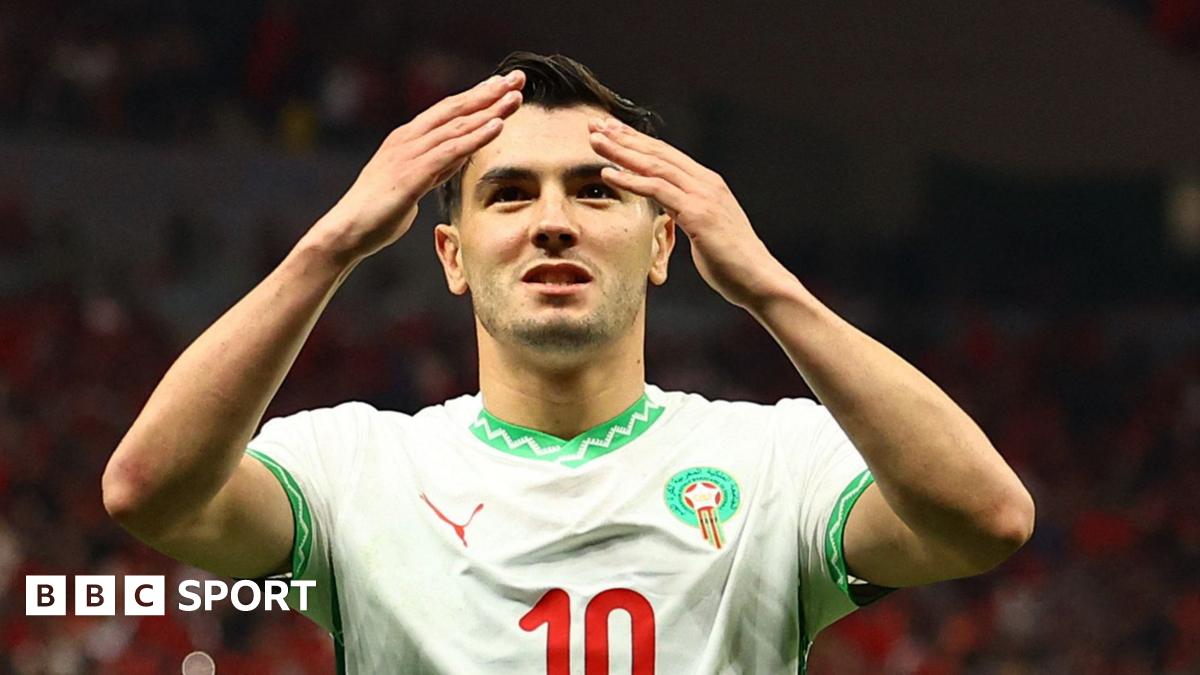
    As Morocco prepares for Sunday’s Africa Cup of Nations final, all eyes are on their unexpected national icon: Real Madrid forward Brahim Diaz. The 26-year-old scoring sensation, born in Malaga to a Spanish mother and Moroccan father, has become the tournament’s top scorer while embodying a modern multicultural identity that resonates across continents.

    Diaz’s football journey began in the tight spaces of futsal courts, where he developed the technical excellence that now defines his game. His patient development path—from modest Malaga teams to Manchester City’s academy and ultimately to Real Madrid—reflects a family philosophy prioritizing education and gradual growth over shortcuts. Despite early injury setbacks at Madrid and a transformative loan spell at AC Milan where he won Serie A wearing the iconic number 10, Diaz persevered with unwavering self-belief.

    His 2023 decision to represent Morocco rather than Spain culminated years of courtship by the Moroccan federation. Since debuting in 2024, he has scored 13 goals in 21 appearances, finding the net in every round leading to the AFCON semifinals—a first for any Moroccan player. His celebration gesture, lifting elbows and hands as if to say “what looks difficult becomes easy with work,” has become a national symbol of perseverance.

    Beyond the pitch, Diaz’s impact resonates throughout Moroccan society. His social media engagement surpasses that of African superstars like Mohamed Salah, while his image dominates billboards and promotional campaigns. Though maintaining a deliberately private profile at the request of both Real Madrid and the Moroccan federation, his spontaneous traditional dance celebration during the tournament went viral and became a national victory ritual.

    Now, as Morocco seeks only its second AFCON title while hosting the tournament amid enormous expectations, Diaz carries the hopes of a nation that sees in him the embodiment of their footballing ambition. His technical excellence in crowded spaces, experience in high-pressure matches, and dual cultural heritage have positioned him as the symbol of a modern, ambitious Morocco—with Sunday’s final offering the ultimate stage for his remarkable journey.
  • Man swims in flooded Sydney golf course after heavy rain

    Man swims in flooded Sydney golf course after heavy rain

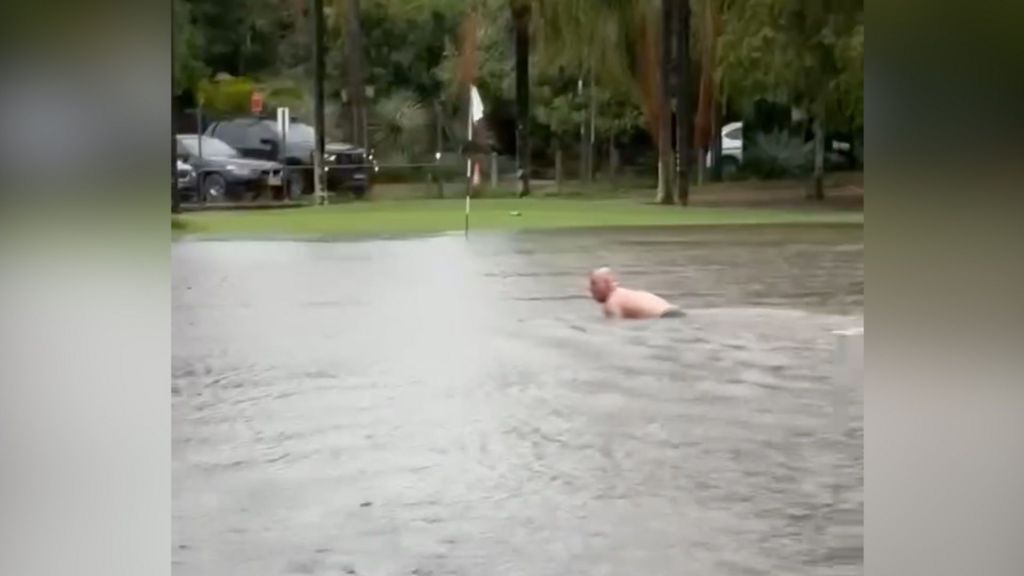
    Amidst torrential downpours that submerged parts of Sydney, an unidentified individual turned urban flooding into an impromptu aquatic adventure at a waterlogged golf course. The spontaneous swim occurred as severe weather systems swept across Australia’s eastern coast, transforming manicured fairways into temporary reservoirs.

    Eyewitness accounts describe the man casually swimming breaststroke through murky floodwaters that completely covered the golf course’s features, including sand traps and putting greens. The incident, captured on video and circulated across social media platforms, showcases an unusual response to the severe weather conditions that prompted official flood warnings across the region.

    Meteorological reports indicate the rainfall exceeded monthly averages within a 48-hour period, with emergency services responding to multiple flood-related incidents throughout the metropolitan area. While authorities cautioned against entering floodwaters due to hidden dangers and contamination risks, this particular individual appeared determined to embrace the unusual circumstances.

    The viral moment has sparked mixed reactions from online commentators, ranging from amusement at the display of Australian resilience to concerns about normalizing dangerous behavior during extreme weather events. The incident highlights how communities respond differently to environmental challenges, blending practicality with moments of levity during difficult circumstances.

  • Faisal Islam: Trump’s Greenland threats to allies are without parallel

    Faisal Islam: Trump’s Greenland threats to allies are without parallel

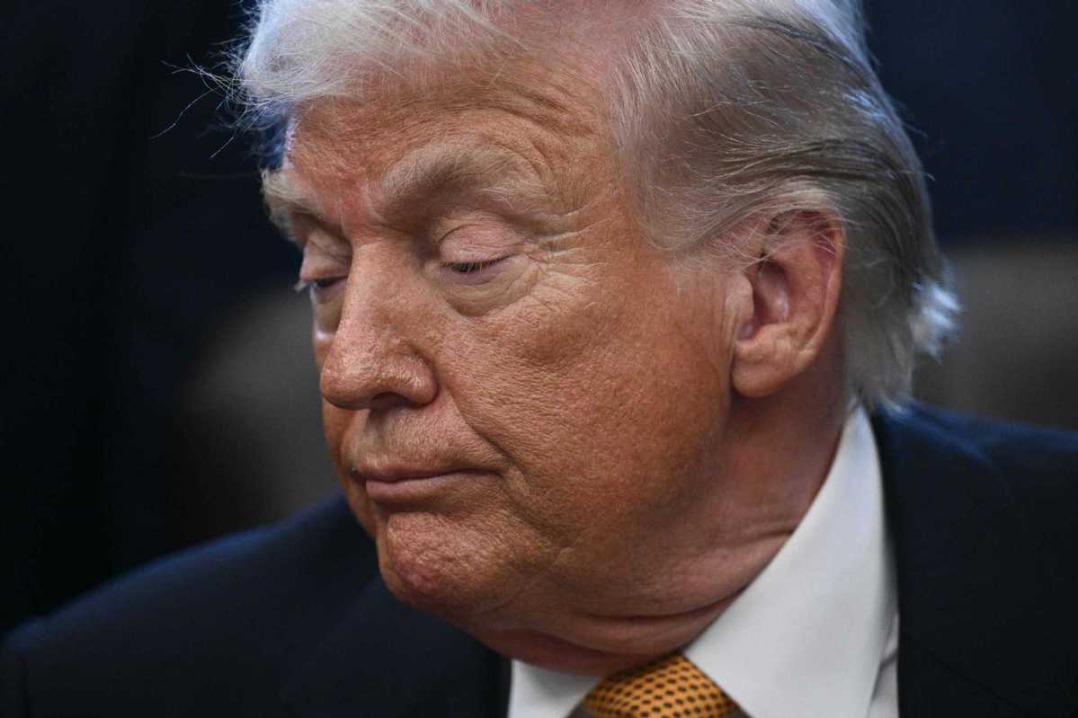
    A unprecedented diplomatic crisis has emerged following U.S. President Donald Trump’s coercive threat to Western allies regarding Greenland’s potential annexation. The administration’s ultimatum—either support the proposed territorial acquisition or face intensified trade restrictions—represents an extraordinary escalation in economic diplomacy that experts describe as without historical parallel.

    The threat, delivered through presidential social media channels, has sent shockwaves through diplomatic circles. Officials from affected nations have expressed both bewilderment and deep concern about the implications for NATO and Western alliance structures. The move targets longstanding partners with minimal warning, fundamentally challenging the principles of international cooperation that have underpinned transatlantic relations for decades.

    Economic analysts note that while allies have previously adapted to Trump’s trade policies, this particular threat enters qualitatively different territory. Canadian Prime Minister Mark Carney’s recent strategic pivot illustrates alternative approaches emerging among affected nations. During his China visit this week, Carney actively promoted “a new world order” in trade relationships, achieving a 14% surge in Canada’s non-U.S. trade that compensates for losses in American commerce.

    The timing of Trump’s intervention coincides with his scheduled appearance at the World Economic Forum, where he is expected to meet with leaders of the very nations whose economies he has threatened. Diplomatic experts question the feasibility of such a territorial acquisition, noting that no modern precedent exists for compelling allies to surrender sovereign territory through economic coercion.

    International observers have drawn disturbing comparisons, questioning how the global community would respond if China or Russia issued similar threats to their allies. The fundamental rationale behind the threat—public coercion of strategic partners—has raised profound concerns about the stability of international norms and the functioning of American decision-making processes.

    As protests supporting Greenland’s position emerge in Denmark, the international community largely hopes this unprecedented situation will resolve before causing permanent damage to alliance structures that have maintained global stability for generations.

  • Indonesian rescuers find wreckage of plane in mountainous region

    Indonesian rescuers find wreckage of plane in mountainous region

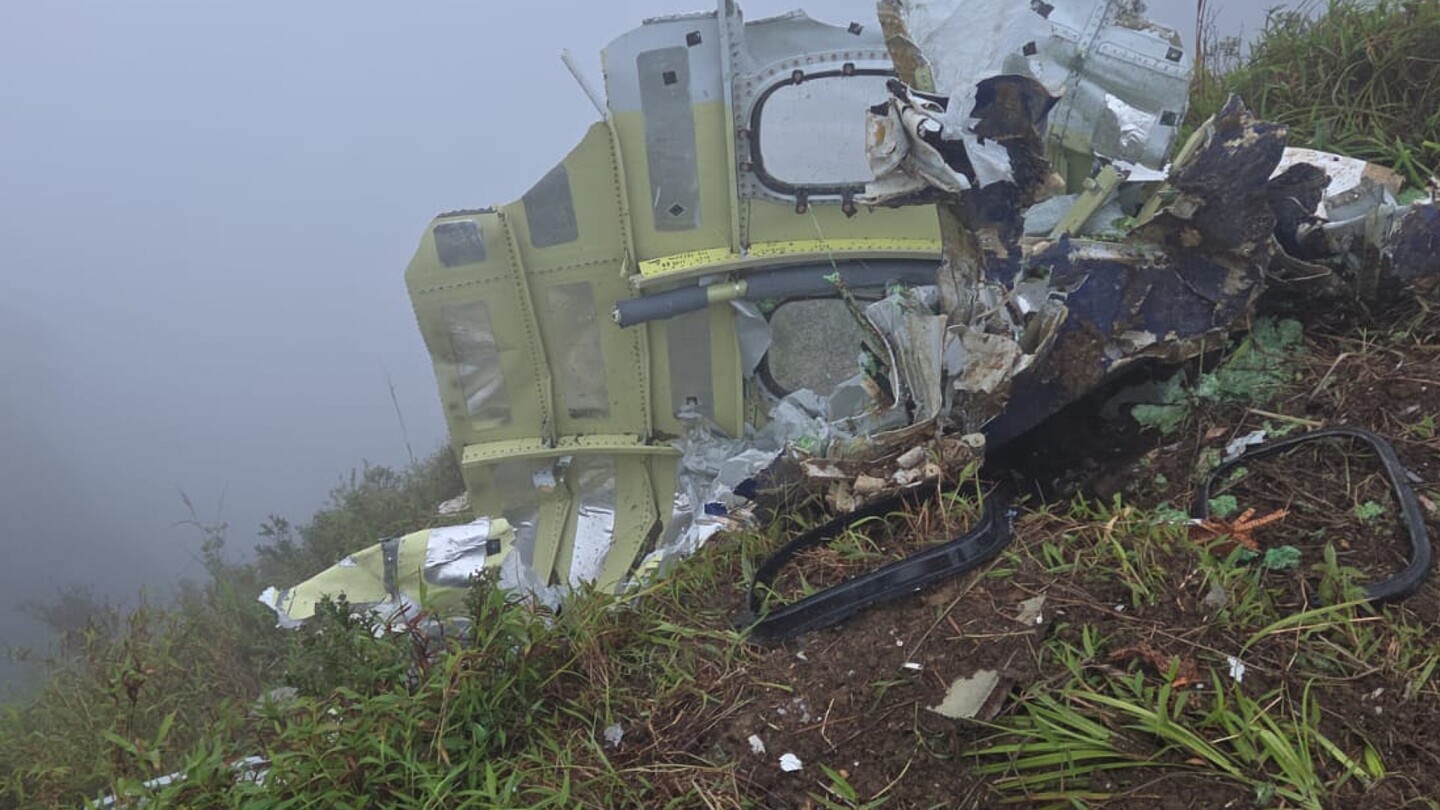
    JAKARTA, Indonesia — Search and rescue teams in Indonesia have successfully located and recovered wreckage from a missing ATR 42-500 turboprop aircraft that disappeared during adverse weather conditions while approaching mountainous terrain on Sulawesi Island. The discovery comes after the plane vanished from radar on Saturday with eleven individuals aboard.

    The aircraft, operated by Indonesia Air Transport, was conducting an airborne maritime surveillance mission from Yogyakarta on Java Island to Makassar, the provincial capital of South Sulawesi. According to aviation authorities, the plane lost contact with air traffic control shortly after being instructed to correct its approach alignment during cloudy conditions.

    Muhammad Arif Anwar, Director of Makassar’s Search and Rescue Office, confirmed that air force personnel spotted aircraft debris Sunday morning on the forested slopes of Mount Bulusaraung in Maros district. Ground teams subsequently accessed the challenging terrain and identified larger sections consistent with the main fuselage and tail assembly scattered across steep northern slopes.

    The ill-fated flight carried eight crew members and three officials from Indonesia’s Marine Affairs and Fisheries Ministry. Military commander Major General Bangun Nawoko reported that rescue operations continue despite formidable challenges including strong winds, heavy fog, and extremely rugged topography that have hampered access to the crash site.

    Visual documentation released by Indonesia’s National Search and Rescue Agency shows rescue personnel navigating steep, fog-shrouded ridge lines to reach the scattered wreckage. The discovery marks a critical breakthrough in the search operation, allowing teams to concentrate efforts on locating potential survivors and recovering victims.

    This incident highlights Indonesia’s ongoing transportation safety challenges, where geographical constraints necessitate extensive air and sea connectivity across the archipelago’s 17,000 islands while confronting persistent safety concerns across various transport sectors.

  • Portugal’s presidential election may deliver another gain for populists in Europe

    Portugal’s presidential election may deliver another gain for populists in Europe

    LISBON, Portugal — Portugal’s presidential election on Sunday features an unprecedented field of 11 candidates, setting the stage for a potential political milestone as far-right populist André Ventura emerges as a formidable contender. This development signals a possible breakthrough for Europe’s expanding far-right movement within a nation traditionally resistant to such politics.

    The crowded ballot virtually guarantees no single candidate will secure the required 50% majority, necessitating a runoff election next month between the top two vote-getters. Nearly 11 million registered voters will determine the successor to President Marcelo Rebelo de Sousa, who concludes his constitutionally limited two-term tenure.

    André Ventura, leader of the populist Chega (Enough) party, ranks among the front-runners according to recent polling. His party’s remarkable ascent has transformed it into Portugal’s second-largest parliamentary faction within just six years of establishment. Ventura’s campaign prominently targets immigration, with provocative billboards proclaiming ‘This isn’t Bangladesh’ and opposing welfare benefits for immigrants—rhetoric previously considered unthinkable in Portuguese political discourse.

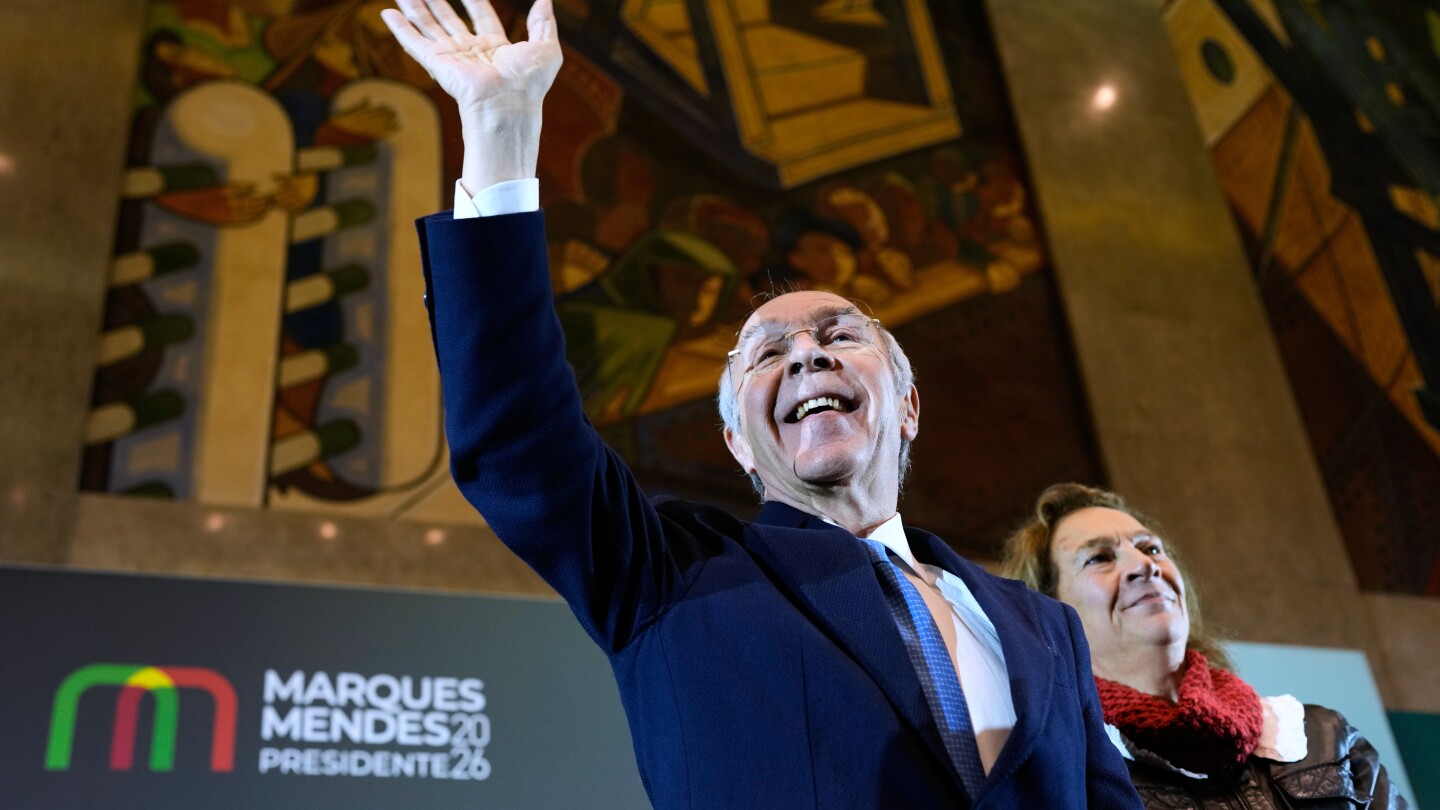
    Other prominent candidates represent Portugal’s establishment parties: Luís Marques Mendes from the governing center-right Social Democratic Party and António José Seguro of the center-left Socialist Party. Retired Rear Admiral Henrique Gouveia e Melo, acclaimed for his efficient management of Portugal’s COVID-19 vaccination campaign, presents a strong independent challenge.

    The election occurs amid Portugal’s most severe political instability in decades, following three general elections within three years. While Ventura emphasizes immigration, voters express greater concern about housing affordability and living costs. The next president will also face constitutional decisions regarding euthanasia legislation approved by parliament in 2022.

    Though largely ceremonial, the Portuguese presidency wields significant influence through mediation powers, legislative veto authority, and the crucial ability to dissolve parliament—a tool known locally as the ‘atomic bomb.’ The election’s outcome will determine leadership at Lisbon’s distinctive riverside ‘pink palace’ for a five-year term, with a potential runoff scheduled for February 8 should no candidate achieve immediate victory.

  • Taiwanese reporter accused of bribing military officers to leak information to China

    Taiwanese reporter accused of bribing military officers to leak information to China

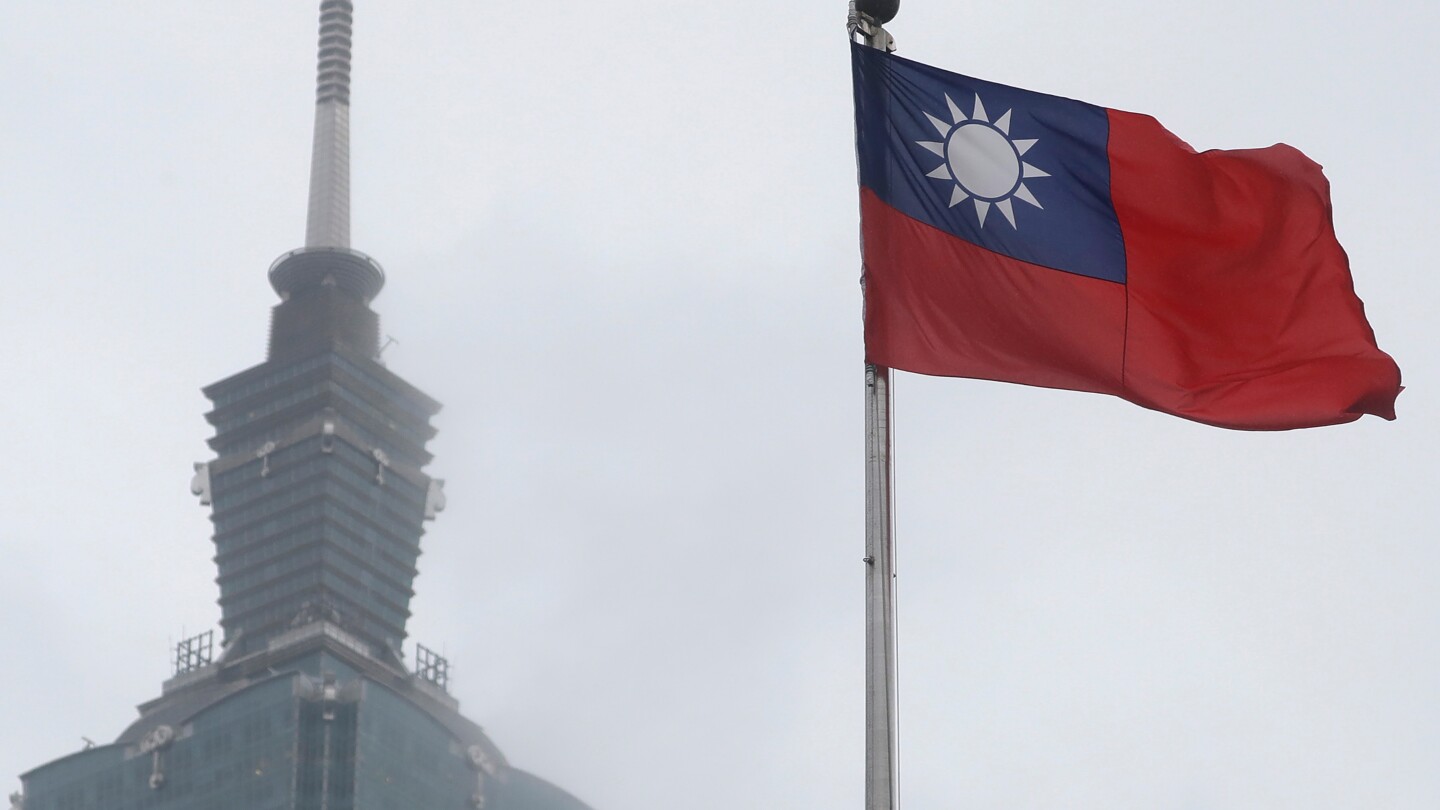
    TAIPEI, Taiwan — Taiwanese authorities have taken decisive action against an alleged espionage operation, detaining a television journalist alongside five current and former military officers on Saturday. The case centers on accusations that the journalist bribed military personnel to obtain sensitive defense information for individuals from mainland China.

    The Qiaotou District Prosecutors Office confirmed that a district court ordered the detention of the individuals, identifying the journalist only by the surname Lin. CTi TV, the employer of reporter Lin Chen-you, acknowledged his detention while emphasizing their lack of case details and calling for a fair judicial process. The news organization concluded its statement with the phrase “God bless Taiwan.

    This development occurs amid heightened tensions between Taiwan and China. Beijing consistently claims Taiwan as part of its territory and has intensified military activities around the island. Last month, China conducted large-scale military exercises following Washington’s announcement of significant arms sales to Taiwan.

    According to prosecutors, Lin allegedly provided payments ranging from several thousand to tens of thousands of Taiwan dollars (equivalent to tens to hundreds of U.S. dollars) to active military personnel in exchange for sensitive information. The prosecution did not specify whether the Chinese recipients had direct ties to the Chinese government.

    Authorities executed raids on Friday targeting the journalist’s premises and nine current and retired military personnel as part of an investigation into potential violations of national security laws, anti-corruption statutes, and the unauthorized disclosure of classified information. CTi TV confirmed that their corporate offices were not subject to these raids.

    Lin’s professional background, as indicated on his Facebook profile, includes serving as a political reporter and anchor covering Taiwan’s legislative affairs.

    The case represents an unusual intersection of journalism and national security concerns in Taiwan, where espionage investigations typically focus on government and military personnel rather than media representatives. CTi News has operated as an online news outlet since 2020, when Taiwan’s National Communications Commission declined to review its cable television license due to repeated violations and increasing complaints. Although a court later overturned this decision, the legal dispute continues through the appeals process.

  • New York pension fund may invest in Israel despite Gaza genocide, defying Mamdani

    New York pension fund may invest in Israel despite Gaza genocide, defying Mamdani

    New York City’s pension system is contemplating a controversial return to investing in Israeli government bonds, potentially reversing a recent divestment policy despite ongoing international condemnation of Israel’s military operations in Gaza. This financial deliberation pits fiduciary responsibilities against ethical considerations in a heated municipal debate.

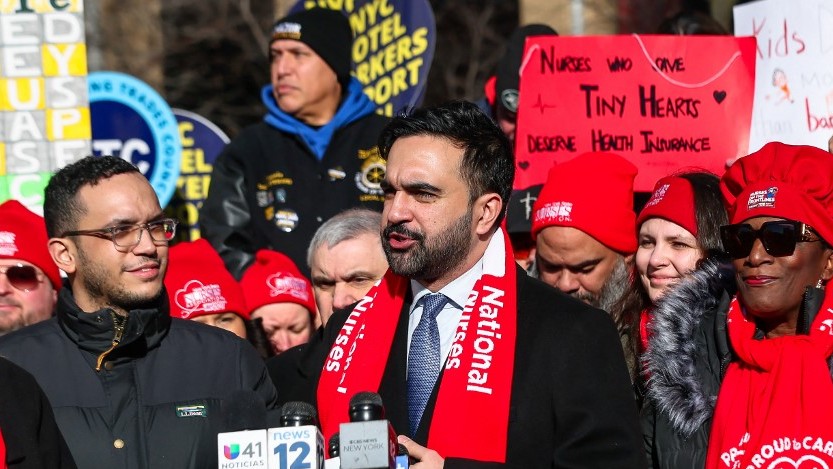
    The Financial Times reported that city officials are evaluating reinvestment options even as Mayor Zohran Mamdani maintains public support for divesting from Israel due to its conduct in Palestinian territories. The discussion highlights the complex intersection of municipal finance and international human rights concerns.

    City Comptroller Mark Levine emphasized his fiduciary obligation to pension beneficiaries, noting to the FT that “Israel bonds have performed very well and they continue to be investment grade rated.” Israeli bonds function as direct loans to the state treasury, providing investors with consistent interest payments while funding government operations.

    Opponents argue that such investments effectively subsidize Israel’s settlement expansion in occupied territories, displacement of Palestinian communities, and civilian casualties in Gaza. The potential policy reversal has intensified tensions within City Hall since Mamdani took office on January 1 and immediately revoked an executive order that had prohibited city agencies from boycotting or divesting from Israel.

    The mayor, a longstanding critic of Israel’s military campaigns, previously stated that New York “should not have a fund that is invested in the violation of international law.” Comptroller Levine, while acknowledging personal ties to Israel through family and cultural connections, maintains that investment decisions should prioritize financial metrics over political considerations.

    This reevaluation occurs despite warnings from credit rating agencies like Moody’s that categorize Israeli bonds as “increasingly risky investments.” The debate marks a significant departure from decades of routine pension investments in Israeli debt, a practice that ended in 2023 when the city allowed its $39 million bond holdings to mature without reinvestment.

    Former Comptroller Brad Lander, who initiated the divestment, framed the 2023 decision as part of a broader strategy to avoid foreign sovereign debt rather than singling out Israel for special treatment. The current reconsideration revives fundamental questions about whether public pension funds should finance governments accused of violating international law.

  • Mercosur, EU sign free trade agreement in Asuncion

    Mercosur, EU sign free trade agreement in Asuncion

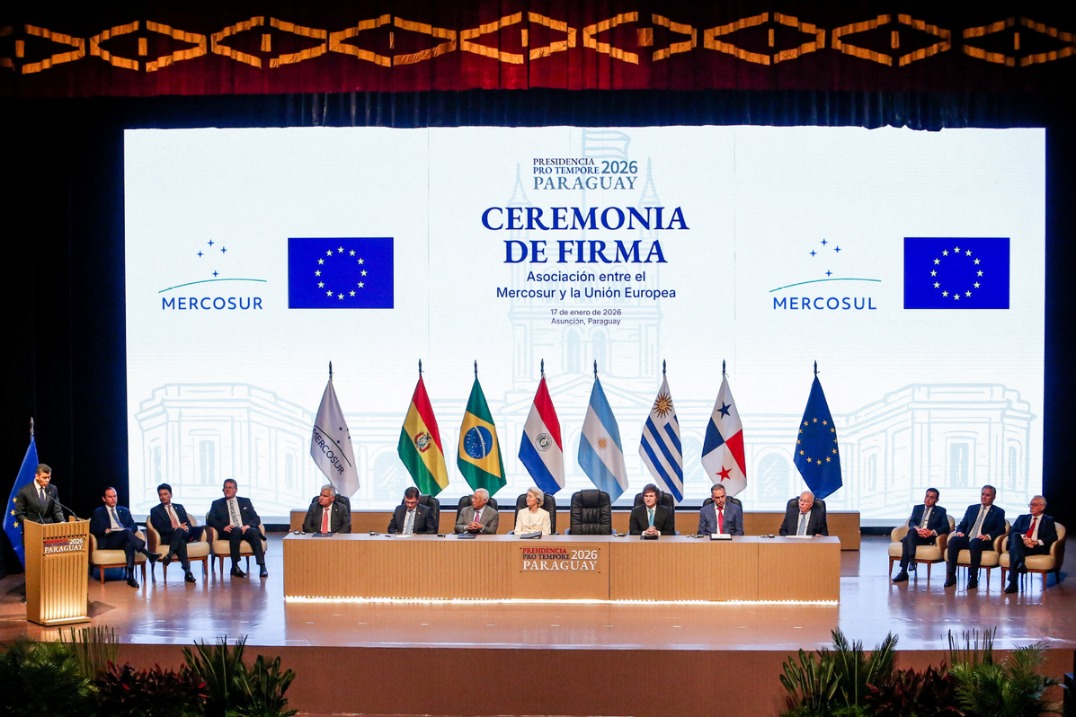
    In a landmark ceremony held in Asunción on January 17, 2026, the European Union and the Southern Common Market (Mercosur) formally signed one of the world’s most comprehensive free trade agreements, culminating negotiations that spanned more than two decades. The signing event brought together top leadership from both blocs, including European Commission President Ursula von der Leyen, European Council President Antonio Costa, and representatives from Mercosur’s core member states.

    The agreement establishes a transformative economic framework between the two regions, which together represent a market of over 700 million people. The pact will progressively eliminate tariffs on numerous goods, with the European Commission projecting annual duty savings exceeding €4 billion on EU exports alone. Key EU exports to Mercosur include machinery, chemical products, and transport equipment, while South American exports predominantly feature agricultural commodities, minerals, and forestry products.

    The negotiation journey, which began in the late 1990s, encountered multiple obstacles including political shifts in South American governments, environmental protection concerns, and resistance from European agricultural sectors. The final agreement includes provisions addressing sustainable development and environmental standards, reflecting contemporary trade priorities.

    The pact now advances to the ratification phase, requiring approval from the European Parliament and the national legislatures of Mercosur’s member countries: Argentina, Brazil, Paraguay, and Uruguay.

  • Trump says US to impose tariffs on 8 European nations over Greenland

    Trump says US to impose tariffs on 8 European nations over Greenland

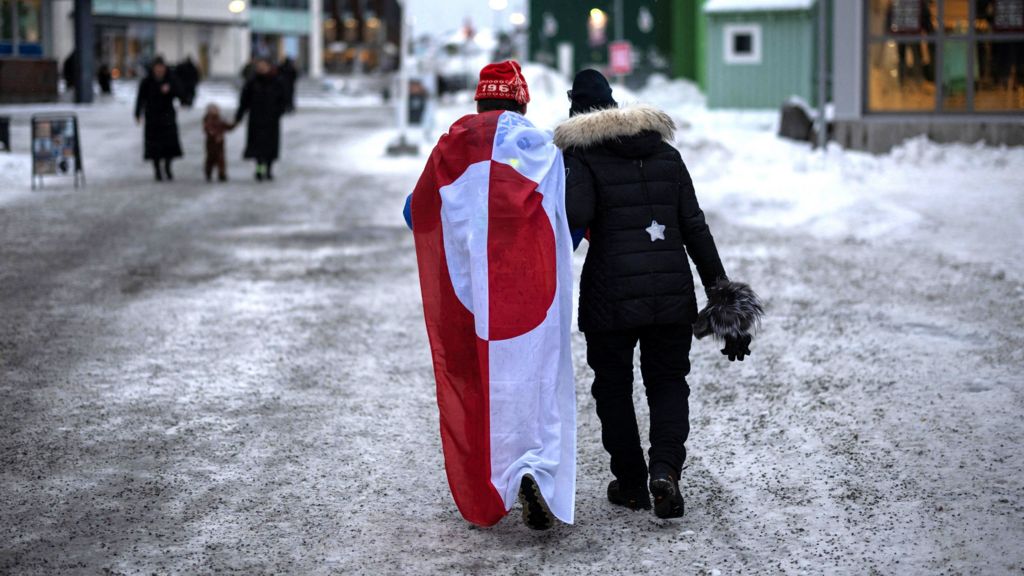
    In a significant escalation of diplomatic tensions, former U.S. President Donald Trump declared on Saturday that the United States would implement sweeping tariffs against eight European nations in retaliation for their opposition to American ambitions regarding Greenland. The targeted countries include Denmark, Norway, Sweden, France, Germany, Britain, the Netherlands, and Finland.

    According to Trump’s social media announcement, a 10% tariff on all goods from these nations will take effect on February 1, 2026. These levies are scheduled to increase dramatically to 25% by June 1 unless an agreement is reached for the United States to acquire the Arctic territory of Greenland.

    The tariff threat follows reports that several NATO members, including Britain, France, and Germany, deployed military assets and diplomatic personnel to Greenland this week in apparent opposition to U.S. territorial aspirations. Trump framed these actions as a ‘very dangerous game’ that created an unacceptable level of risk.

    ‘Therefore, it is imperative that, in order to protect Global Peace and Security, strong measures be taken so that this potentially perilous situation ends quickly, and without question,’ Trump stated in his post.

    The former president justified the proposed acquisition on national security grounds, asserting that American control of Greenland is necessary to protect U.S. interests. He simultaneously offered negotiations with Denmark ‘and/or any of these Countries that have put so much at risk, despite all that we have done for them.’

    Greenland, while self-governing, remains part of the Kingdom of Denmark, which maintains authority over its defense and foreign policy. The United States already operates a strategic military base on the island. Since returning to office in 2025, Trump has repeatedly expressed interest in obtaining Greenland, recently intensifying his rhetoric.

    The announcement sparked immediate public backlash, with thousands of protesters gathering in Copenhagen on Saturday chanting slogans such as ‘Greenland is not for sale,’ demonstrating widespread European opposition to the proposition.

  • Syrian army extends control over northern part of country as Kurds report clashes

    Syrian army extends control over northern part of country as Kurds report clashes

    The Syrian military has significantly expanded its territorial control across northern regions following the withdrawal of Kurdish forces from strategic positions. This development comes precisely one day after President Ahmed al-Sharaa issued a landmark decree granting official recognition to the Kurdish language and minority status.

    Military advancements saw government forces assume control of two Aleppo neighborhoods previously held by Kurdish units, with additional territorial gains east of the city completed on January 17th. The implementation of a March integration agreement, designed to incorporate Kurdish fighters into state forces, has subsequently stalled amid renewed hostilities.

    Authorities confirmed the seizure of critical oil fields near Tabqa in Raqa province, while designating areas southwest of the Euphrates River as restricted military zones. Both Syrian army and Kurdish forces reported combat casualties, exchanging accusations of violating withdrawal agreements.

    The geopolitical landscape intensified as U.S. Envoy Tom Barrack conducted emergency meetings with Syrian Kurdish leader Mazloum Abdi in Erbil. The United States Central Command publicly urged Syrian forces to cease offensive operations between Aleppo and al-Tabqa, reflecting international concern over escalating tensions.

    President Sharaa’s unprecedented decree represents the first formal recognition of Kurdish rights since Syria’s 1946 independence, granting nationality to previously stateless Kurds and establishing Kurdish as a national language. However, Kurdish authorities characterized these concessions as insufficient, demanding constitutional guarantees rather than temporary provisions.

    Analyst Nanar Hawach of the International Crisis Group observed that Damascus appears to be offering cultural concessions while simultaneously consolidating military control, effectively driving wedges between Kurdish civilians and their governing armed forces.