作者: admin

  • Crypto ‘godfather’ David Chaum unveils breakthrough to protect Bitcoin in UAE

    Crypto ‘godfather’ David Chaum unveils breakthrough to protect Bitcoin in UAE

    In a landmark announcement at the World Government Summit in Dubai, cryptocurrency visionary David Chaum has unveiled a revolutionary solution to safeguard Bitcoin against emerging quantum computing threats. The American cryptographer, widely regarded as the founding father of digital currency, demonstrated what he describes as the first practical method to quantum-proof Bitcoin without requiring fundamental changes to its underlying blockchain architecture.

    Chaum’s breakthrough centers on modifying wallet software rather than altering the core blockchain protocol. “This can be implemented without modifying the chain itself, simply by updating the software in users’ digital wallets,” Chaum explained to Khaleej Times. “The solution is immediately deployable and addresses a critical vulnerability that could otherwise compromise Bitcoin’s security infrastructure.”

    The timing coincides with the UAE’s accelerating emergence as a global cryptocurrency hub. Chaum praised the nation’s balanced approach to regulation and innovation, noting: “The UAE is establishing itself as the genuine center of crypto technologies through rigorous standards combined with remarkable diversity across different emirates. The level of interest and energy here is unprecedented.”

    Chaum, who previously attended the summit, expressed particular admiration for UAE leadership’s forward-thinking approach. The event itself, themed ‘Shaping Future Governments,’ brings together international organizations, thought leaders, and private sector representatives to explore technological solutions to global challenges.

    Beyond cryptocurrency security, Chaum addressed broader technological transformations, highlighting artificial intelligence’s growing influence on governance structures. “The fundamental question humanity must confront is how we can leverage AI to enhance self-governance without ceding control to autonomous systems,” he stated, acknowledging the UAE’s rapid integration of AI into government operations.

    Chaum identified privacy as an increasingly critical concern in the AI era, noting that “privacy has evolved from a niche interest to a pivotal issue” as artificial intelligence systems develop unprecedented knowledge about individuals.

    Looking toward the coming decade, Chaum characterized the current period as a historical inflection point: “We’re at a phase change in human history—potentially moving toward either a constrained world or one of greater openness and abundance. My work is dedicated to steering us toward the more positive trajectory.”
  • UAE eyes long-term space missions as it builds next-gen astronauts

    UAE eyes long-term space missions as it builds next-gen astronauts

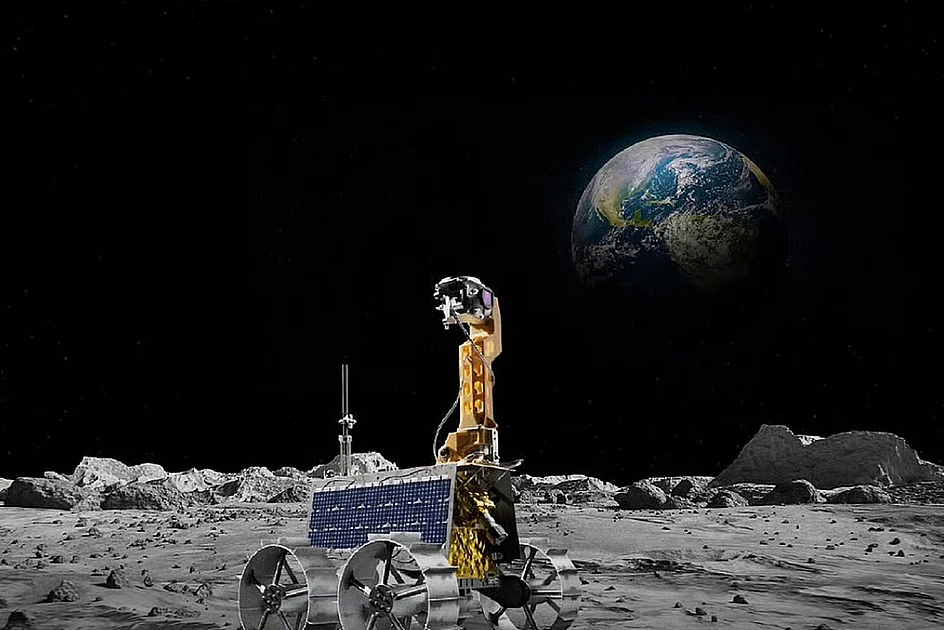
    The United Arab Emirates is strategically transitioning from short-term space missions to establishing a sustainable, long-term presence beyond Earth’s orbit. This ambitious shift was articulated by Major Hazzaa Al Mansouri, the nation’s pioneering astronaut, during his address at the Young Arab Leaders Forum.

    Addressing the session titled ‘The Space Silk Route: Mapping Arab Ambition,’ Al Mansouri revealed that this new phase of space exploration necessitates a fundamental transformation in astronaut training methodologies, international cooperation frameworks, and the integration of cutting-edge technologies. The vision is firmly anchored in the UAE’s 15-year commitment to NASA’s Lunar Gateway program and aligns with the broader Mars 2117 strategy.

    “We are moving beyond the concept of temporary space visits toward establishing permanent settlements in space,” Al Mansouri emphasized. He highlighted the critical challenges posed by the immense distance to the lunar station—approximately 450,000 kilometers from Earth compared to the International Space Station’s 400-kilometer orbit. This vast distance demands unprecedented astronaut autonomy and decision-making capabilities without constant reliance on ground control.

    The next generation of Emirati astronauts will require advanced proficiency in artificial intelligence systems, particularly for missions where real-time communication with Earth becomes impractical. Al Mansouri noted that current ISS operations already incorporate AI-supported models to enhance crew decision-making processes.

    Complementing the UAE’s scientific ambitions, Oman is developing the Arab world’s first commercial spaceport through ETLAQ, its national launch company. Founder Sayyid Azzan bin Qais Al Said detailed the strategic advantages of the near-equatorial Etlaq spaceport, which aims to provide satellite companies with accelerated access to orbit amid growing launch backlogs globally.

    The comprehensive project extends beyond launch capabilities to include a “Space Valley” in Duqm—an integrated zone designed to support downstream businesses ranging from data processing and logistics to space-grade fuel production. This infrastructure initiative seeks to democratize space access for entrepreneurs without specialized rocket engineering backgrounds.

    Together, these parallel developments create a complete value chain positioning the Gulf region as a significant contributor to the trillion-dollar global space economy. The collaborative approach emphasizes sovereign capability development while fostering regional partnerships that inspire future generations to pursue leadership roles in the space sector.

  • China braces for peak air travel as Spring Festival rush starts

    China braces for peak air travel as Spring Festival rush starts

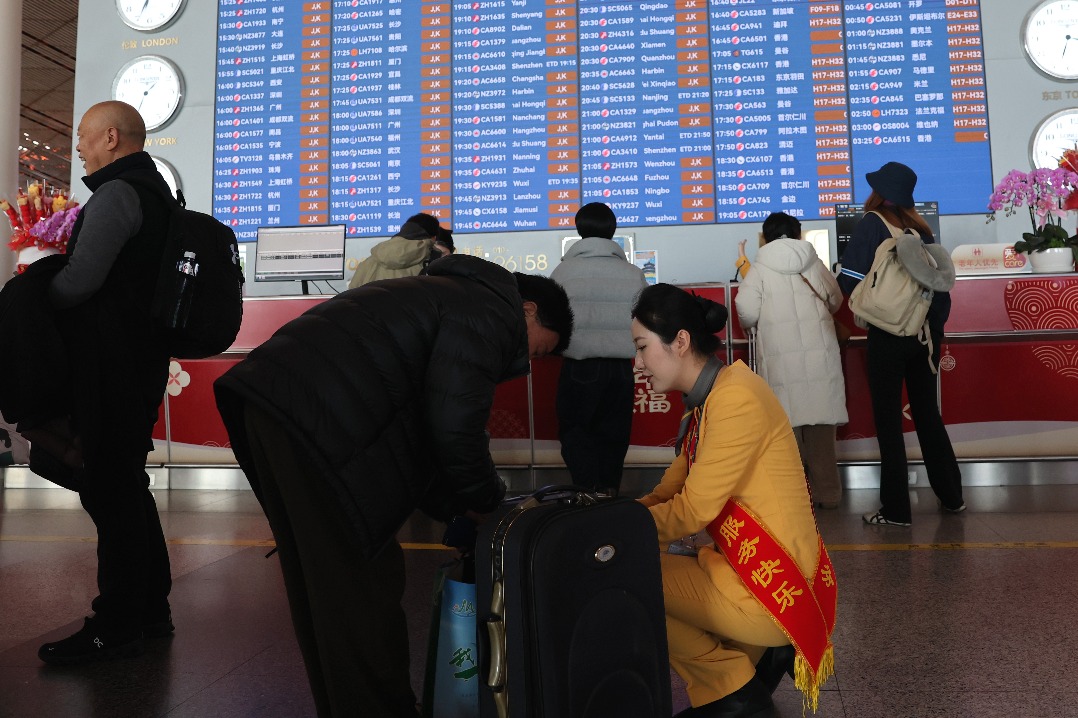
    China’s civil aviation network has activated comprehensive operational measures as the nation’s massive Spring Festival travel migration (chunyun) commenced on February 2, 2026. This year’s extended nine-day holiday period—the longest in recorded history—has triggered unprecedented demand for air transportation, testing the capacity of the country’s aviation infrastructure.

    According to the Civil Aviation Administration of China (CAAC), the opening day witnessed approximately 19,080 scheduled flights transporting an estimated 2.19 million passengers. Major aviation hubs including Guangzhou Baiyun, Shanghai Pudong, Shenzhen Bao’an, Beijing Capital, and Chengdu Tianfu airports reported particularly heavy traffic volumes, with robust demand on routes connecting Shanghai, Hangzhou, Guangzhou, Shenzhen, and Beijing.

    The extended holiday period has fundamentally altered travel patterns, stimulating long-distance journeys and prolonging the pre-festival peak travel window. Aviation authorities project daily flight operations could approach 20,000 in the week preceding the Spring Festival, while the holiday period itself (excluding New Year’s Eve and the first day) is expected to maintain a daily average of approximately 19,500 flights—representing a substantial increase of roughly 1,000 flights daily compared to 2025 levels.

    Throughout the entire 40-day travel period spanning February 2 to March 13, China’s aviation sector anticipates processing approximately 95 million passenger journeys. This translates to a daily average of 19,400 flights and 2.38 million passenger trips, demonstrating the immense scale of this annual population movement.

    Airlines have implemented significant capacity expansion strategies to accommodate surging demand. Air China revealed plans to operate over 70,000 passenger flights during the chunyun period, marking a year-on-year increase exceeding 10%. The carrier has strategically focused additional capacity on trunk routes connecting major urban clusters and popular tourist destinations. Notably, the airline has deployed all nine of its domestically manufactured C919 aircraft for Spring Festival services, showcasing China’s growing aviation manufacturing capabilities.

    Air traffic management authorities have enhanced coordination protocols to ensure operational efficiency. The North China Air Traffic Management Bureau forecasts that Beijing’s Capital and Daxing airports will collectively handle 88,800 takeoffs and landings throughout the travel rush. Refined traffic flow management measures have been implemented to optimize efficiency during peak operational periods.

    At Beijing Capital International Airport—projected to process 7.89 million passengers during the 40-day period, representing a 1.5% increase from 2025—authorities have adjusted staffing patterns at critical passenger service points and strengthened coordination with municipal transportation authorities. These measures aim to ensure seamless air-rail connections and ground transportation integration. The airport has also introduced specialized assistance programs catering to elderly passengers, children, and family groups traveling together.

    With the travel rush gaining momentum, aviation authorities confirm that cross-sector coordination between airlines, airports, and air traffic control systems has been fully activated to manage peak passenger flows. Through expanded capacity, refined operational procedures, and high-intensity operations at key transportation hubs, China’s civil aviation network is positioned to navigate the world’s largest annual human migration event with emphasis on safety, efficiency, and service reliability.

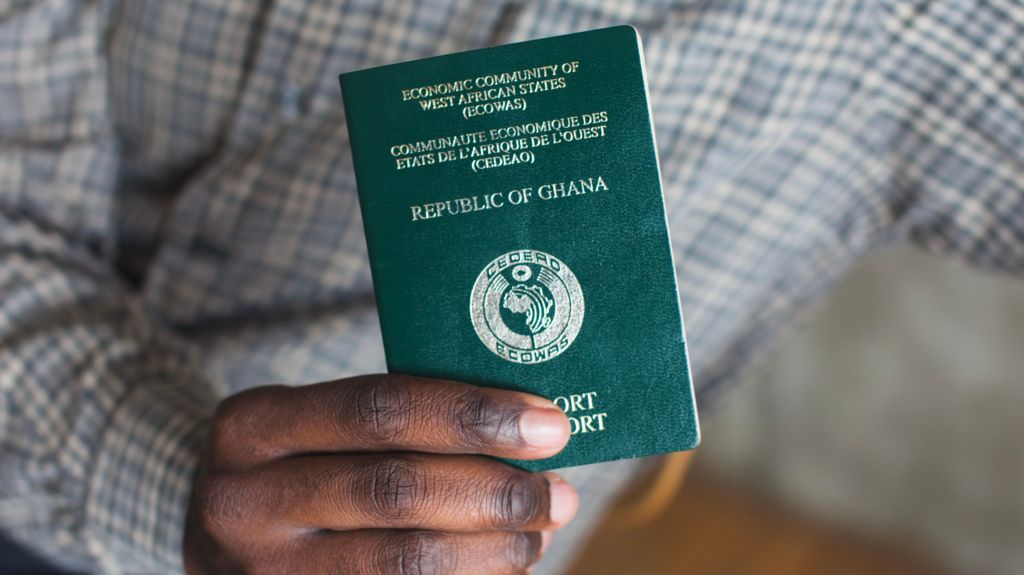
  • Ghana suspends citizenship process for people of African descent

    Ghana suspends citizenship process for people of African descent

    Ghana has temporarily suspended citizenship applications for members of the African diaspora as authorities work to streamline what many applicants describe as a challenging and costly process. The program, established in 2016, enables individuals who can demonstrate African ancestry—particularly descendants of transatlantic slave trade victims—to obtain Ghanaian nationality.

    This initiative has attracted significant interest, with over 1,000 people securing citizenship in recent years, including renowned African American musician Stevie Wonder. However, the application process has faced criticism for its complexity and financial barriers.

    Dr. Erieka Bennet, ambassador for the Diaspora African Forum, highlighted several practical obstacles facing applicants. The requirement to submit DNA evidence within one week of application has proven particularly problematic, with many describing the timeframe as “impossible” to meet. Questions regarding the reliability of DNA testing have also emerged among potential candidates.

    The financial commitment presents another significant hurdle. While the initial application fee is $136, shortlisted candidates must pay an additional $2,280 before undergoing vetting, attending a citizenship orientation, and finally receiving their nationality at a ceremony presided over by President John Mahama.

    The suspension has created uncertainty for those planning relocations or investments, though government officials have indicated that updated timelines and guidelines will be issued “in due course.” Dr. Bennet remains optimistic that the issues will be resolved and the application process will resume.

    Ghana’s diaspora outreach program stems from the Pan-African vision championed by the nation’s first president, Kwame Nkrumah, following independence. The program was revitalized in 2019 as the “Year of Return,” reigniting global interest in reconnecting with Ghana. Today, diaspora members frequently invest in real estate, agriculture, technology, and small businesses, with citizenship enabling property ownership, voting rights, and access to public services.

    Other African nations, including Benin and Sierra Leone, offer similar citizenship pathways based on verified ancestral connections, though Ghana’s program remains among the most prominent initiatives of its kind.

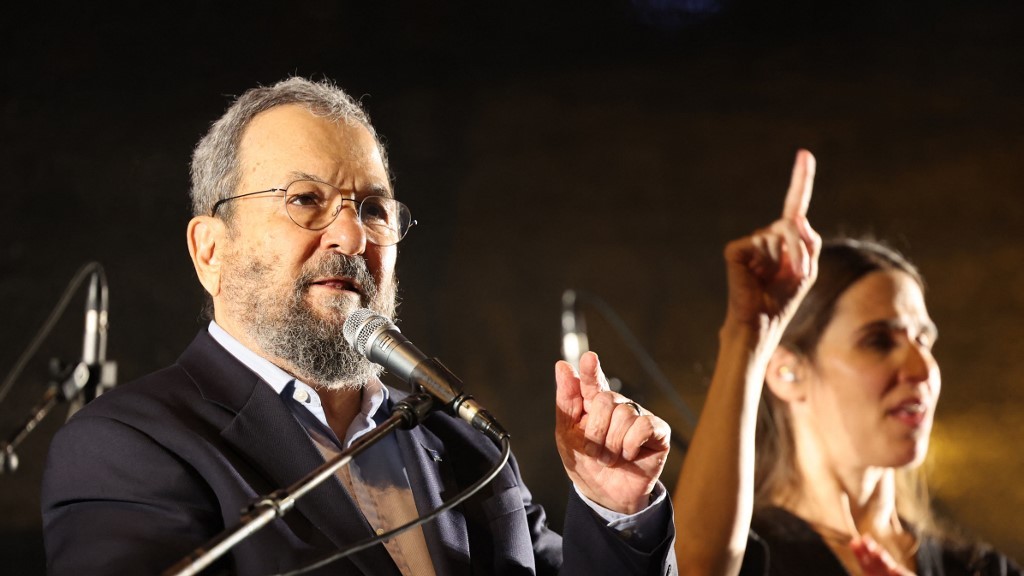
  • Epstein advised former Israeli PM Ehud Barak to ‘look at’ Palantir

    Epstein advised former Israeli PM Ehud Barak to ‘look at’ Palantir

    Newly released audio evidence from the US Department of Justice reveals convicted financier Jeffrey Epstein actively advised former Israeli Prime Minister Ehud Barak on potential collaboration with controversial technology firm Palantir. The recording, dated February 2013, captures Epstein characterizing Palantir co-founder Peter Thiel as behaving “really strange, like he’s on drugs” while simultaneously proposing Barak’s potential board membership with the company.

    This revelation emerges amid the ongoing release of thousands of Epstein documents under congressional pressure, depicting the disgraced financier operating as an unofficial intermediary for numerous political figures. Despite Barak’s recent attempts to minimize their association, documentation shows 4,078 references to the former Israeli leader within the Epstein files, including their 2015 joint venture funding Reporty Homeland Security (now Carbyne) – established years after Epstein’s initial sex crime convictions.

    Further correspondence from December 2016 reveals Epstein’s accountant discussing opportunities to acquire Palantir shares at approximately 50% discount, coinciding with reports of the company’s strategic meeting with then-President-elect Donald Trump.

    The disclosures gain particular significance given Palantir’s substantial role in Israeli military operations. The AI-driven surveillance technology company established its Tel Aviv headquarters in 2015 and has since become integral to Israel’s defense infrastructure. Company leadership has openly endorsed Israel’s military campaigns in Gaza, with co-founder Alex Karp’s writings confirming Palantir software was deployed in the controversial 2024 pager attacks across Lebanon that targeted Hezbollah members and civilians.

    United Nations experts have condemned these operations as “terrifying” violations of international law, while a report from UN Special Rapporteur Francesca Albanese indicates reasonable grounds to believe Palantir provided predictive policing technology and automated battlefield decision-making systems for military applications.

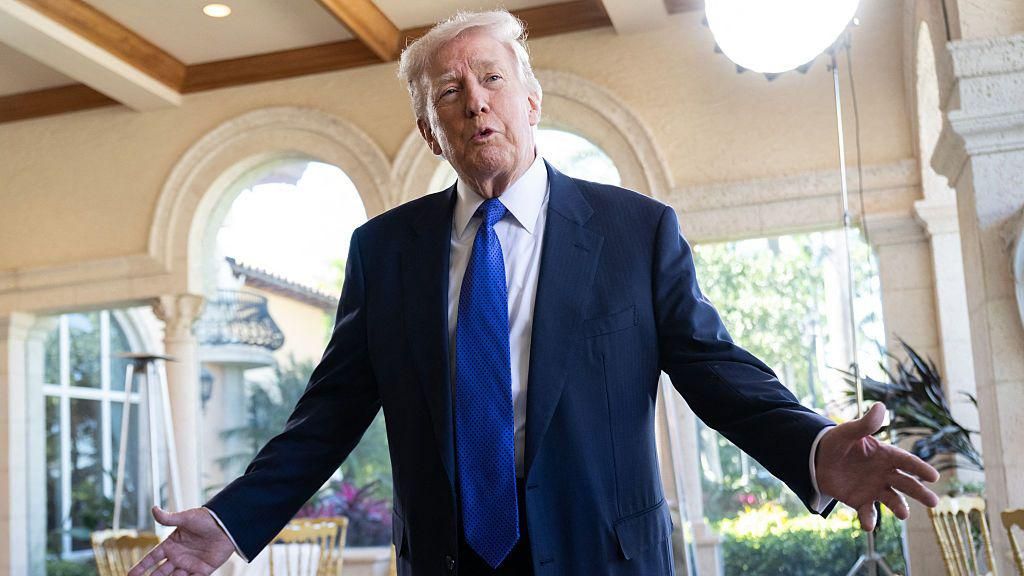
  • US and India reach trade deal, Trump says after Modi call

    US and India reach trade deal, Trump says after Modi call

    In a landmark diplomatic breakthrough, former U.S. President Donald Trump and Indian Prime Minister Narendra Modi have orchestrated a comprehensive trade agreement that fundamentally reshapes economic relations between the world’s largest democracies. The arrangement, announced through Trump’s Truth Social platform, commits India to purchasing over $500 billion in American goods across energy, technology, agriculture, and coal sectors.

    The agreement eliminates the contentious 25% tariff penalty previously imposed on India for its Russian oil purchases, with the overall tariff rate on Indian goods reduced to 18% from the previous 50% peak. In return, India has committed to eliminating all trade barriers against U.S. products and will cease purchasing Russian oil, redirecting its energy procurement to American suppliers and potentially Venezuelan sources.

    This development follows closely after India’s separate trade agreement with the European Union, concluded after nearly twenty years of intermittent negotiations. Both leaders emphasized the strategic importance of the pact, with Modi expressing delight at the outcome and Trump suggesting the economic cooperation could contribute to resolving the Russia-Ukraine conflict.

    The White House confirmed the tariff adjustments to the BBC, noting the Russian oil-linked tariffs would be dropped entirely as part of the comprehensive agreement. The deal marks a dramatic reversal from August, when U.S. tariffs on Indian goods reached 50% – the highest rate imposed on any Asian nation – causing Indian exports to the U.S. to plummet dramatically.

    Prime Modi acknowledged the agreement on social media platform X, thanking Trump ‘on behalf of the 1.4 billion people of India’ and highlighting the immense opportunities created when major economies and democracies collaborate effectively.

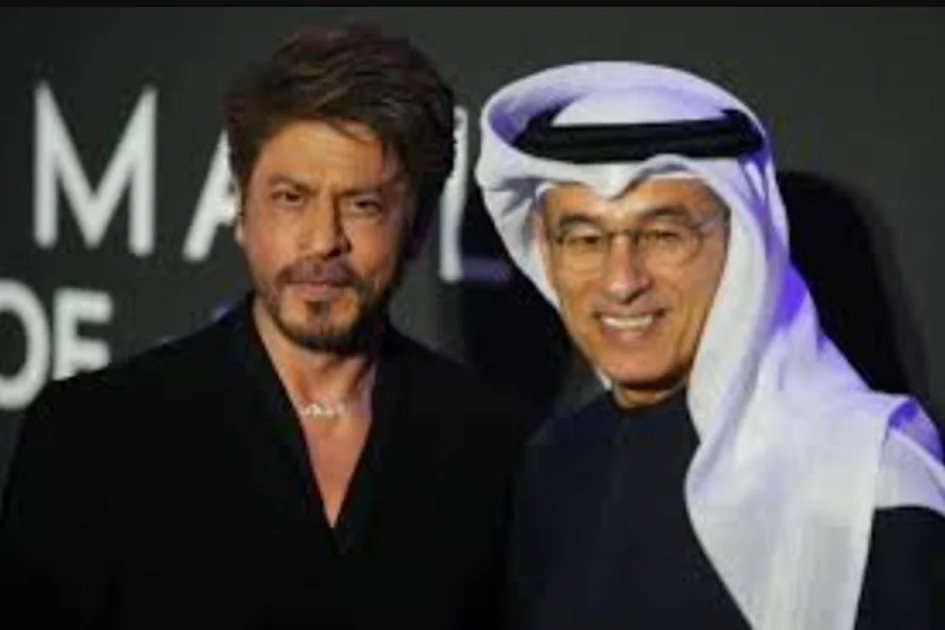
  • In photos: How SRK bonded with Emaar’s Mohammed Alabbar during a fashion show in Dubai

    In photos: How SRK bonded with Emaar’s Mohammed Alabbar during a fashion show in Dubai

    DUBAI – The Armani Hotel Dubai served as the epicenter of global fashion excellence on January 30th as Bollywood megastar Shah Rukh Khan received the prestigious Global Style Icon award at the Dubai Mall Global Fashion Awards. The ceremony culminated the Dubai Mall Festival of Fashion, recognizing Khan’s three-decade influence that extends far beyond cinema into international style trends.

    The event gained additional significance through Khan’s warm interaction with Mohamed Alabbar, the visionary founder of Emaar Properties and architectural mastermind behind Dubai’s iconic Burj Khalifa. Their meeting highlighted the deep cultural and historical connections between the Indian superstar and the United Arab Emirates, sparking widespread attention across social media platforms.

    Khan’s sartorial evolution has undergone a remarkable transformation parallel to his recent cinematic resurgence through blockbuster films ‘Pathaan’ and ‘Jawan’. Departing from traditional formal wear, the actor has embraced a more adventurous, high-fashion aesthetic that complements his newly developed action-hero physique. This style renaissance is largely attributed to celebrity stylist Shaleena Nathani, renowned for crafting Deepika Padukone’s signature looks.

    The Global Style Icon recognition arrives following Khan’s notable appearance at the Met Gala, where he demonstrated a willingness to experiment beyond conventional red carpet attire. His fashion journey now represents a blend of rugged sophistication and experimental elegance that resonates with global audiences.

  • Gaza’s Rafah crossing reopens with heavy Israeli restrictions and monitoring

    Gaza’s Rafah crossing reopens with heavy Israeli restrictions and monitoring

    The Rafah border crossing connecting Gaza and Egypt resumed operations on Monday following a nearly two-year closure after Israeli forces dismantled the transit point. This reopening marks a significant development in regional mobility under a newly implemented security arrangement.

    Israeli authorities finalized checkpoint installations within the crossing early Monday, enabling a carefully regulated flow of movement. The new protocol permits 50 Palestinians to enter Gaza from Egypt daily, while approximately 150 residents may exit the enclave each day.

    A sophisticated approval system requires all travelers to undergo security vetting with mandatory authorization from both Egyptian and Israeli authorities. European Union personnel from the EU Border Assistance Mission will administer the crossing’s operations, though Israeli forces maintain a presence in surrounding areas.

    Notably, Israeli security teams will conduct physical inspections of individuals returning to Gaza after they depart the crossing facility. Advanced surveillance measures, including facial recognition technology, will monitor departing travelers according to Israeli media reports.

    This strategically vital passage—Gaza’s sole border crossing bypassing Israeli territory—had remained sealed since May 2024 when Israeli forces assumed control. The reopening forms part of the October 10 ceasefire agreement mediated by the United States, fulfilling longstanding appeals from United Nations agencies and humanitarian organizations.

    While Hamas officials acknowledged the crossing’s reopening, they criticized Israeli-imposed restrictions as obstructive to civilian movement. Senior Hamas representative Ghazi Hamad accused Israel of deliberately complicating transit procedures.

    Concurrently, Hamas announced completion of administrative transfers to the newly formed National Committee for the Administration of Gaza (NCAG). This 15-member technocratic body, established under the ceasefire agreement, will oversee governance for Gaza’s 2.2 million residents under supervision of a US-chaired ‘Board of Peace’.

    The reopening offers potential relief for medical emergencies, as Israeli authorities had previously blocked healthcare delegations and essential supplies during the conflict. According to Gaza’s Government Media Office, approximately 22,000 injured individuals and patients await urgent medical evacuation, though current quota limitations suggest extended waiting periods for most seeking overseas treatment.

  • Singapore to launch space agency in response to global investment surge

    Singapore to launch space agency in response to global investment surge

    Singapore has announced the creation of its National Space Agency, scheduled to commence operations on April 1st, 2026. The groundbreaking initiative was unveiled by Tan See Leng, Minister for Energy Technology at Singapore’s Ministry of Trade and Industry, during the country’s inaugural space summit.

    The newly formed agency will serve as Singapore’s central coordinating body for space-related activities, focusing on developing and operating national space capabilities while creating supportive legislative frameworks for innovation and commercial space enterprises. This strategic move positions Singapore to leverage its existing technological strengths in advanced manufacturing, aerospace systems, micro-electronics, precision engineering, and artificial intelligence within the rapidly expanding space sector.

    Current statistics reveal Singapore’s growing space ecosystem, hosting 70 space companies employing approximately 2,000 professionals across various segments of the space value chain. The establishment of the space agency comes amid unprecedented global investment in space technology, with 2025 recording historic funding levels according to data from investment firm Seraphim Space, with further growth anticipated.

    The Singaporean government emphasized that this institutional framework will enable the nation to fully capitalize on the increasing opportunities within the global space economy, transforming the country into a significant player in the international space technology landscape.

  • Russian cargo ship captain is found guilty over North Sea tanker crash death

    Russian cargo ship captain is found guilty over North Sea tanker crash death

    In a landmark maritime trial concluding Monday, Russian captain Vladimir Motin was convicted of gross negligence manslaughter for his role in a catastrophic collision between cargo vessel Solong and U.S. oil tanker Stena Immaculate. The incident occurred March 10, 2025, in the North Sea off northeast England while both ships carried highly flammable cargo.

    The court heard how Motin, 59, from St. Petersburg, was serving as sole watch officer aboard the 130-meter Solong when it struck the anchored 183-meter U.S. military jet fuel tanker at 15.2 knots. The impact triggered an enormous blaze that burned relentlessly for eight days, consuming both vessels in a fireball visible for miles.

    Tragically, 38-year-old Filipino crew member Mark Angelo Pernia, who was working on the Solong’s bow at the moment of impact, perished instantly. His remains were never recovered from the wreckage.

    Prosecutors presented compelling evidence demonstrating Motin’s failure to execute basic safety protocols during the crisis. The Russian captain neglected to summon assistance, reduce speed, sound collision alarms, or initiate emergency stopping procedures. CCTV footage and audio recordings revealed a startling minute of silence from the bridge before impact, followed by panicked transmissions from the U.S. tanker crew reporting ‘fire, fire, fire.’

    Senior specialist prosecutor Michael Gregory characterized the incident as ‘a tragic and entirely avoidable death caused by truly, exceptionally bad negligence,’ noting it was ‘extremely fortunate that no one else was killed.’

    Rescue teams successfully evacuated 36 personnel from both vessels following the collision. The Solong was transporting alcoholic spirits and hazardous materials destined for Rotterdam, while the Stena Immaculate carried jet fuel for U.S. military operations.

    Motin, who prosecutors allege falsified accounts of the incident, will face sentencing on Thursday.