作者: admin

  • Canadian woman found dead surrounded by dingoes on Australian beach

    Canadian woman found dead surrounded by dingoes on Australian beach

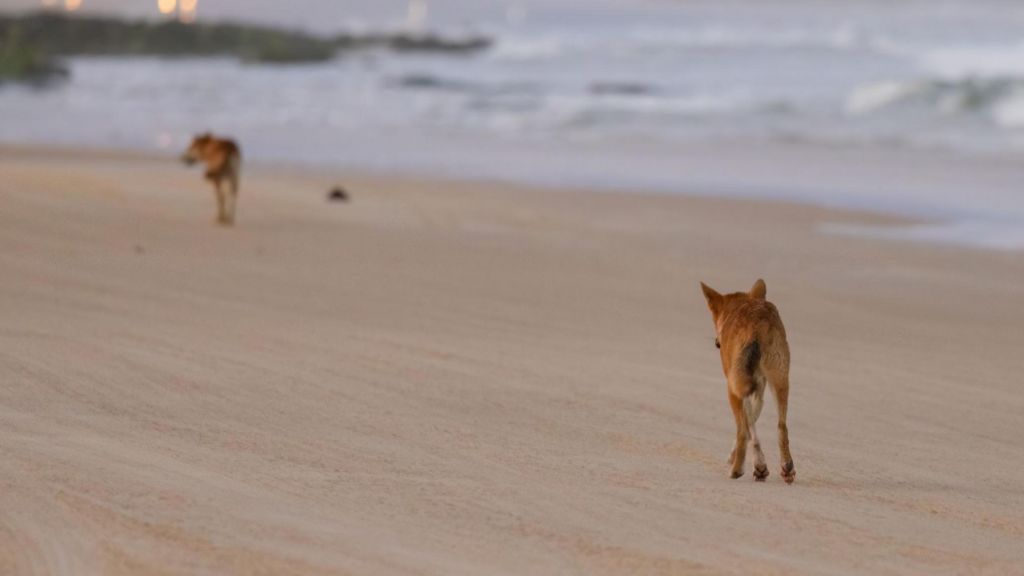
    Authorities in Queensland, Australia, are investigating the tragic death of a 19-year-old Canadian tourist whose body was discovered surrounded by dingoes on K’Gari Island. The incident occurred near the historic Maheno shipwreck site, a popular tourist attraction, early Monday morning.

    According to Queensland Police Inspector Paul Algie, two witnesses driving along the beach at approximately 06:30 local time observed approximately ten dingoes congregating around an object they subsequently identified as a human body. The victim, whose identity remains undisclosed, had been employed at a local backpacker’s hostel for the previous six weeks and had informed friends of her intention to take a morning swim around 05:00.

    Inspector Algie described the scene as “traumatic and horrific,” noting visible markings on the body consistent with dingo interference. However, investigators have not yet determined whether the cause of death was drowning or animal attack. A post-mortem examination scheduled for Wednesday is expected to provide conclusive evidence.

    K’Gari Island, formerly known as Fraser Island, is recognized for its significant dingo population, which holds cultural importance to local Indigenous communities and enjoys protected status as a native species. Authorities emphasized that despite their cultural significance, dingoes remain wild animals requiring cautious distance. The area where the incident occurred is characterized as wilderness terrain with known dingo activity.

    The tragic event has highlighted the inherent risks of human-wildlife interaction in Australia’s natural landscapes, particularly in regions where protected species coexist with tourist activities.

  • China’s Q4 GDP growth slows to 3-year low, full-year pace meets official target

    China’s Q4 GDP growth slows to 3-year low, full-year pace meets official target

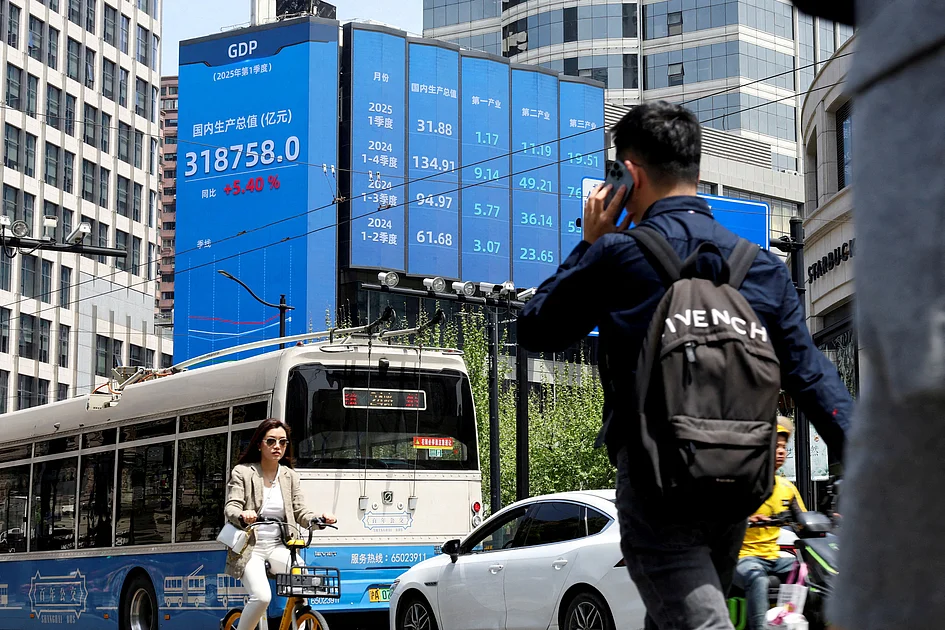
    China’s economic expansion decelerated to its slowest pace in three years during the fourth quarter of 2025, registering 4.5% year-on-year growth according to National Bureau of Statistics data released Monday. While the full-year growth of 5.0% met Beijing’s official target, the quarterly slowdown reveals underlying vulnerabilities in the world’s second-largest economy.

    The manufacturing sector and export performance provided crucial support throughout 2025, with China achieving a record trade surplus of nearly $1.2 trillion. This remarkable export resilience stemmed from strategic diversification to non-U.S. markets amid ongoing trade tensions and smaller-than-anticipated tariff increases from Washington.

    However, this external strength masks significant domestic weaknesses. The economy faces mounting challenges from persistently soft domestic demand, a protracted property market crisis, and deflationary pressures. Fixed asset investment contracted by 3.8% in 2025—the first annual decline since records began in 1996—while property investment plummeted 17.2%.

    Consumption indicators remain particularly concerning. December retail sales grew a meager 0.9%, falling short of analyst expectations and November’s 1.3% growth. This consumption weakness persists despite stable employment figures, with the urban survey-based jobless rate holding at 5.1% in December.

    Policy makers have begun implementing supportive measures, with the central bank recently cutting sector-specific interest rates and indicating potential further reductions in reserve requirements. The government maintains its commitment to “proactive” fiscal policy and ambitions to significantly increase household consumption’s share of the economy over the next five years.

    Analysts note that structural reforms addressing income growth and social safety net strengthening will be crucial for rebalancing the economy away from its current export and investment dependence toward sustainable consumption-led growth.

  • Ex-CNNC general manager faces disciplinary probe

    Ex-CNNC general manager faces disciplinary probe

    China’s top anti-corruption authorities have launched a disciplinary probe against Gu Jun, former senior executive of the state-owned China National Nuclear Corporation (CNNC). The Central Commission for Discipline Inspection (CCDI) and National Supervisory Commission disclosed on Monday that Gu is suspected of serious breaches of Party discipline and national laws, currently undergoing comprehensive review and investigation.

    Gu Jun, 62, from Jiangsu province, concluded his extensive career in China’s nuclear power sector with his retirement in 2024 after serving as CNNC’s general manager since 2018. His professional journey began in 1983, with Party membership commencing in 1989. His career trajectory included significant leadership roles at Sanmen Nuclear Power Company and the former State Nuclear Power Technology Corporation, which underwent restructuring and merger into State Power Investment Corporation in 2015.

    Prior to his CNNC appointment, Gu held the general manager position at China Nuclear Engineering and Construction Corporation starting April 2015. His case represents the latest in China’s ongoing anti-corruption campaign within state-owned enterprises and strategic industries, particularly those involving critical national infrastructure and advanced technological development.

  • Look: UAE President touches down in India, welcomed by PM Narendra Modi during visit

    Look: UAE President touches down in India, welcomed by PM Narendra Modi during visit

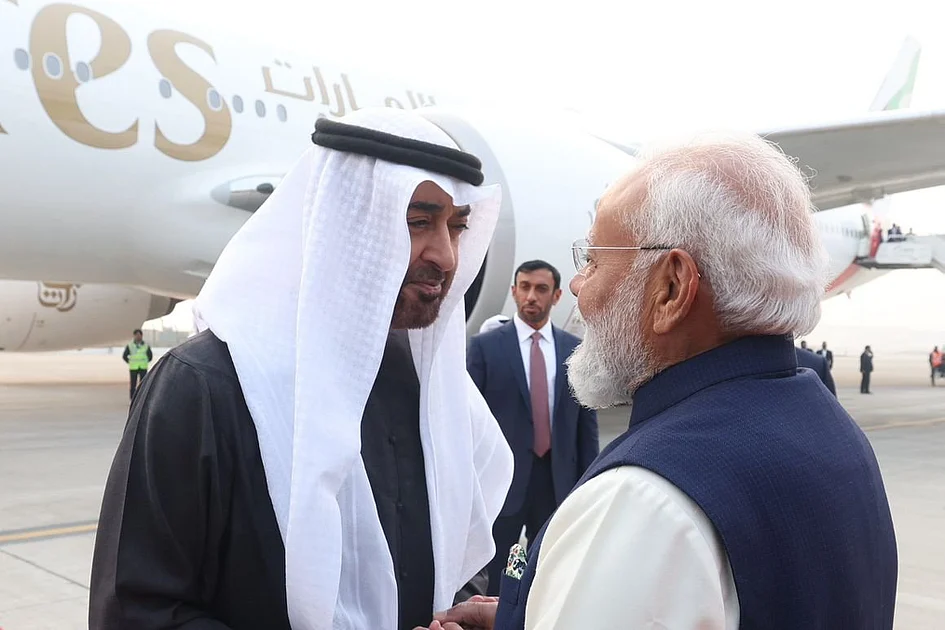
    In a significant diplomatic engagement, UAE President Sheikh Mohamed bin Zayed Al Nahyan arrived in New Delhi on January 19, 2026, marking a pivotal moment in bilateral relations between the two nations. The distinguished leader was received with full state honors by Indian Prime Minister Narendra Modi at Palam Air Force Station, where ceremonial guards flanked the red carpet in a display of mutual respect and diplomatic protocol.

    The high-level delegation accompanying the UAE President includes prominent figures such as Dubai’s Crown Prince Sheikh Hamdan bin Mohammed bin Rashid Al Maktoum, alongside key government ministers and senior officials. This composition underscores the strategic importance both nations place on this diplomatic exchange.

    Prime Minister Modi characterized the visit as emblematic of the robust friendship and growing strategic partnership between India and the UAE. The leaders are scheduled to engage in comprehensive discussions covering bilateral cooperation, economic partnerships, and regional security matters. This meeting follows previous successful summits that have substantially strengthened economic and security ties between the two nations.

    The timing of this state visit holds particular significance as both countries continue to expand their collaboration in energy security, digital infrastructure, and technological innovation. Recent years have witnessed substantial Emirati investment in Indian infrastructure projects, while India remains a crucial partner for the UAE’s food security initiatives and technological development.

  • Giorgio Armani launches new era with iridescent colors and a star-studded front row

    Giorgio Armani launches new era with iridescent colors and a star-studded front row

    MILAN — The fashion world witnessed a significant transition as Giorgio Armani’s first menswear collection since the iconic designer’s passing debuted under the sole creative direction of his longtime collaborator Leo Dell’Orco. The showcase, which closed Milan Fashion Week, attracted celebrity attendees including Ricky Martin and Hudson Williams in the front row.

    The collection masterfully balanced Armani’s heritage with contemporary innovation, maintaining the brand’s signature soft tailoring while introducing sharper, modern elements. The presentation opened with a fresh color narrative, featuring a loden green top paired with a textured jacket and gray trousers. Iridescent jewel tones in calming purples and lapis blues created striking contrasts against luxurious velvet, cashmere, and chenille fabrics.

    Archival Armani aesthetics emerged through blouson bomber jackets and belted trench coats complemented by simple white shirts with ties, alongside the brand’s trademark pleated trousers. The ensembles were completed with slightly crumpled fedora hats, adding a touch of casual sophistication.

    In a departure from Armani’s usual presentation style, the new collection received a full walk-through finale, with Martin capturing the moment from his front-row seat as the audience applauded enthusiastically. Fashion experts noted the collection’s heightened energy and joyful spirit, with WWD’s Fashion and Style Director Alex Badia observing, ‘There is something about joy. It is not a new beginning but you can sense something new is happening.’

    Carlo Capasa, head of Milan’s fashion chamber, praised the collection as ‘very modern’ while maintaining ‘the true spirit of Armani.’ Dell’Orco, who collaborated with Armani for four decades, received extended applause when he took his bow, notably dressed in a double-breasted suit without a tie—a subtle but meaningful departure from Armani’s signature dark T-shirt and blazer combination.

  • ‘A Knight of the Seven Kingdoms’ Review: A smaller, smarter return to Westeros

    ‘A Knight of the Seven Kingdoms’ Review: A smaller, smarter return to Westeros

    The fantasy landscape of Westeros returns with a refreshingly intimate approach in HBO’s latest spinoff ‘A Knight of the Seven Kingdoms,’ now streaming weekly on OSN+ in the UAE. Departing from the epic scale of its predecessors, this series adapts George R.R. Martin’s novella ‘The Hedge Knight’ with a deliberate focus on character development and grounded storytelling.

    Set approximately a century before the events of ‘Game of Thrones,’ the narrative follows Ser Duncan the Tall (Peter Claffey), a knight-for-hire determined to prove his worth through tournaments and small missions, accompanied by his young squire Egg (Dexter Sol Ansell). Unlike the dragon-filled skies and throne-room conspiracies of previous iterations, this installment explores Westeros at human scale, where honor and personal identity carry equal weight to political power.

    The series demonstrates structural intelligence through its concise format—six episodes of approximately thirty minutes each—creating tightly paced storytelling that avoids narrative bloat. While the weekly release schedule may challenge binge-conditioned audiences, the deliberate pacing allows for meaningful character development without unnecessary padding.

    Performance excellence elevates the production, with eleven-year-old Dexter Sol Ansell delivering a remarkably nuanced portrayal of Egg that consistently captivates. Peter Claffey physically embodies the towering knight while bringing emotional depth to a character who frequently misreads social situations, generating authentic humor through awkward interactions and class disparities.

    The production maintains visual sophistication despite its smaller scope, with cinematography reaching particular brilliance in episode five—a sequence that also reaffirms the series’ commitment to maintaining Westeros’ signature edge despite its lighter tone. Familiar house names like Targaryen and Baratheon emerge organically, satisfying franchise enthusiasts while remaining accessible to newcomers.

    This character-driven approach proves Westeros needs neither ice zombies nor dragons to maintain compelling storytelling, offering a refreshing alternative to the increasingly complex mythology of ‘House of the Dragon.’ With season two already greenlit, the series establishes a promising new direction for Martin’s fantasy universe.

  • Ninth policeman dies in Guatemala gang riots, attacks

    Ninth policeman dies in Guatemala gang riots, attacks

    Guatemala has plunged into a state of emergency following a devastating surge in gang-related violence that has resulted in the deaths of nine police officers. President Bernardo Arevalo enacted the 30-day emergency measure on Sunday in response to coordinated riots across three prisons and a subsequent wave of targeted attacks on law enforcement personnel.

    The crisis ignited when gang-affiliated inmates seized 45 guards and a psychiatrist as hostages on Saturday. Their demands centered on the transfer of gang leaders from maximum-security facilities to institutions with more lenient conditions. Guatemalan security forces, with military support, executed a successful operation on Sunday to reclaim control of the prisons and liberate all captives.

    In retaliation for the government’s crackdown, criminal networks launched aggressive assaults on police stations and patrol units. These attacks claimed the lives of eight officers immediately and left another critically wounded. The ninth fatality, Officer Frayan Medrano, succumbed to his injuries on Monday after being shot during a motorcycle patrol south of Guatemala City. The violence also left a dozen additional officers wounded and resulted in the death of one suspected gang member.

    Authorities have attributed much of the violence to the Barrio 18 gang, alongside their rivals MS-13. Both organizations are recognized by the United States as terrorist entities and are held responsible for significant drug trafficking and criminal operations throughout Central America. In a significant development, security forces captured Aldo Dupie, known by the alias ‘El Lobo’ (The Wolf), the alleged leader of Barrio 18 in Guatemala. Official footage showed him being taken into custody with bloodstained clothing.

    The declared state of emergency grants expanded powers to security forces, including the authority to suspend assembly rights and conduct arrests without immediate judicial oversight. This crisis continues a pattern of prison unrest in Guatemala dating back to mid-2025, with gang members repeatedly demanding improved conditions for their incarcerated leaders.

    Guatemala faces profound security challenges, with homicide rates reaching 17.65 per 100,000 inhabitants last year—more than double the global average. The nation’s struggle with organized crime reflects broader regional patterns where criminal enterprises continue to operate from within prison systems, often with alleged collusion from corrupt officials.

  • Pakistan: Magnitude 6 quake kills one person, brings down houses

    Pakistan: Magnitude 6 quake kills one person, brings down houses

    A significant seismic event measuring 6.0 on the Richter scale struck northwestern Pakistan on Monday, January 19, 2026, resulting in casualties and substantial damage to infrastructure. According to official reports from regional authorities and the European Mediterranean Seismological Center (EMSC), the earthquake’s epicenter was located at a depth of 35 kilometers (approximately 21.75 miles).

    The tremor triggered substantial geological disturbances in the mountainous terrain of Gilgit-Baltistan province, where multiple mud-brick residences either collapsed or sustained severe structural damage. Regional Information Minister Ghulam Abbas confirmed that falling mountain rocks struck several access roads and a major highway, significantly impeding transportation networks.

    Tragically, one fatality was confirmed when a man was struck by falling debris on a roadway. Minister Abbas indicated that government agencies had mobilized heavy machinery to clear blocked transportation routes and assess the full extent of the damage. The remote, mountainous geography of the affected region presents particular challenges for emergency response and recovery operations.

    The seismic activity occurred in a region historically susceptible to earthquakes due to its proximity to the convergence of the Eurasian and Indian tectonic plates. The timing of the event—during winter months—raises additional concerns about displaced residents and the potential for secondary hazards, including landslides and aftershocks.

  • India’s central bank proposes linking BRICS’ digital currencies, sources say

    India’s central bank proposes linking BRICS’ digital currencies, sources say

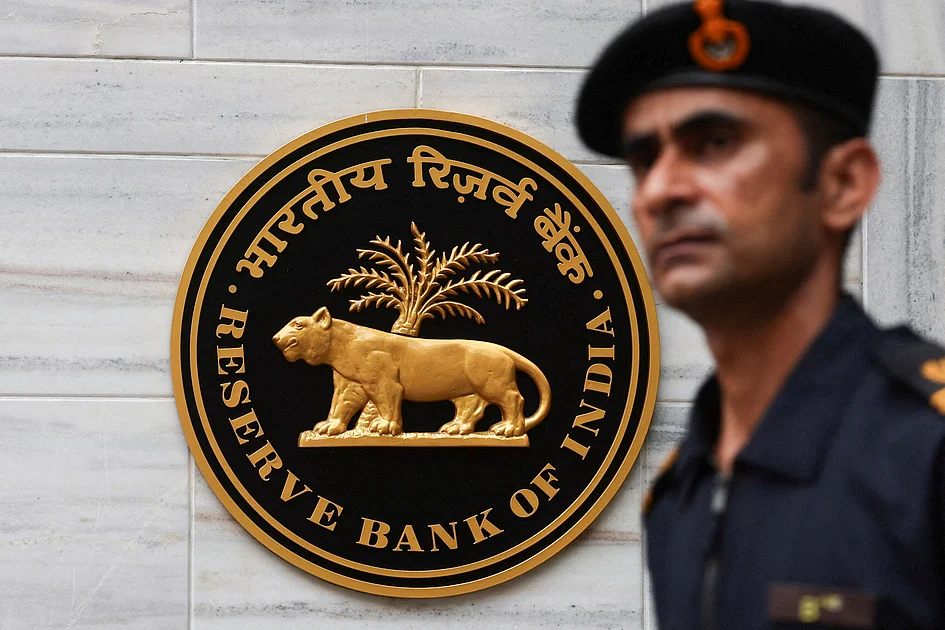
    In a strategic move that could reshape global financial architecture, India’s central bank has advanced a proposal to interconnect the digital currencies of BRICS nations, according to sources familiar with the matter. The Reserve Bank of India (RBI) has recommended including this initiative on the agenda for the 2026 BRICS summit, which India will host later this year.

    The proposal aims to establish technological linkages between central bank digital currencies (CBDCs) of BRICS members—Brazil, Russia, India, China, and South Africa—to facilitate seamless cross-border trade and tourism payments. This development marks the first formal effort to create a multilateral digital currency framework within the bloc, potentially reducing dependency on the U.S. dollar amid escalating geopolitical tensions.

    This initiative builds upon the 2025 BRICS declaration in Rio de Janeiro that advocated for payment system interoperability among member states. While none of the BRICS nations have fully launched their digital currencies, all five core members are conducting advanced pilot projects. India’s e-rupee has attracted approximately 7 million retail users since its December 2022 debut, while China has been aggressively promoting international usage of its digital yuan.

    The RBI has publicly expressed interest in currency linking mechanisms to accelerate cross-border transactions and enhance the global footprint of its currency, though officials maintain these efforts are not explicitly aimed at de-dollarization. Technical and regulatory challenges remain significant, including the need for interoperable technology platforms, governance frameworks, and mechanisms to address trade imbalances.

    Sources indicate that bilateral foreign exchange swap arrangements between central banks are being considered to manage potential trade imbalances. The proposal also contemplates weekly or monthly settlement mechanisms through these swaps. However, progress may be hindered by member states’ reluctance to adopt technological platforms from other countries, requiring consensus on both technical standards and regulatory approaches.

    The initiative emerges against a backdrop of renewed trade tensions, with former U.S. President Donald Trump having previously characterized the BRICS alliance as “anti-American” and threatening tariffs against member states. Previous attempts to deepen economic cooperation within BRICS, including a proposed common currency, have encountered substantial obstacles.

    The RBI has positioned its e-rupee as a regulated alternative to stablecoins, with Deputy Governor T Rabi Sankar recently highlighting concerns about stablecoins’ potential to facilitate illicit payments, undermine monetary stability, and fragment national payment ecosystems.

  • Japan, US narrow first $550 bln investment picks, including SoftBank-linked plan, sources say

    Japan, US narrow first $550 bln investment picks, including SoftBank-linked plan, sources say

    Japan and the United States have accelerated bilateral negotiations to identify inaugural projects under a monumental $550 billion investment initiative, with a major SoftBank Group infrastructure venture emerging as a leading candidate, according to sources familiar with the discussions.

    The investment framework, originally conceived as part of broader trade negotiations between Tokyo and Washington, represents a strategic economic partnership designed to strengthen supply chain resilience and mutual economic interests. Four individuals with direct knowledge of the proceedings confirmed that governmental committees have intensified deliberations to finalize project selections ahead of Japanese Prime Minister Sanae Takaichi’s anticipated spring visit to the United States.

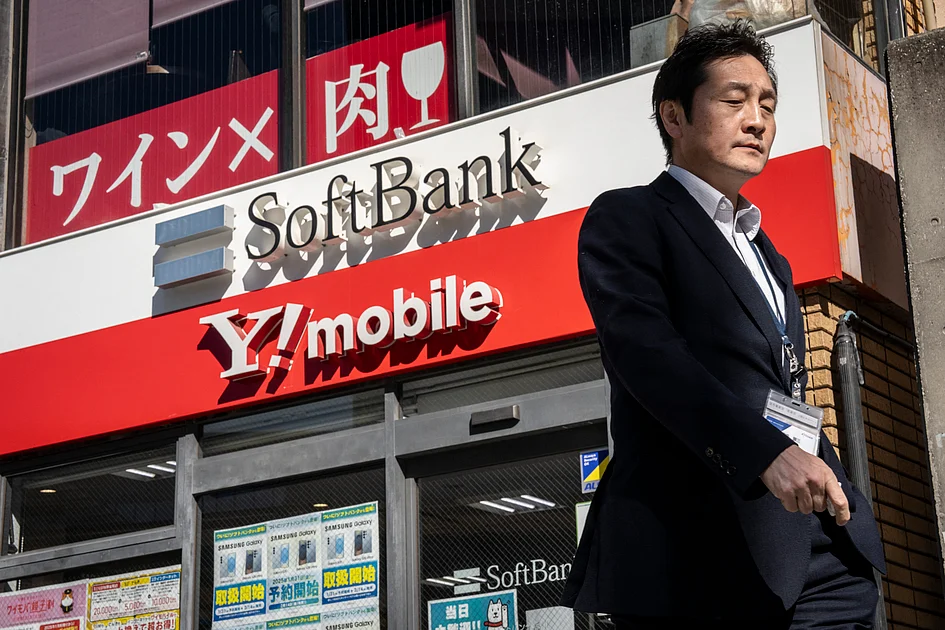
    Among the shortlisted ventures is a substantial data center development project connected to SoftBank Group, though the technology conglomerate has not publicly commented on its potential involvement. The investment package will incorporate multifaceted financial instruments including direct equity positions, loan facilities, and guarantee mechanisms administered through Japan’s state-owned financial institutions.

    The Japan Bank for International Cooperation (JBIC) and Nippon Export and Investment Insurance (NEXI) will serve as primary vehicles for deploying capital, with preliminary discussions already underway with major Japanese financial institutions regarding co-financing arrangements. Since December, bilateral consultation committees featuring representatives from multiple U.S. departments (Commerce and Energy) and Japanese ministries (Foreign Affairs, Finance, and Industry) have conducted four substantive meetings to evaluate potential investments.

    The final selection process will involve recommendations from a U.S.-led investment committee headed by the Commerce Secretary to President Donald Trump, who retains ultimate authority over project approvals. Japanese officials have emphasized their commitment to advancing the initiative irrespective of pending Supreme Court rulings regarding the legality of presidential tariff authorities, characterizing the investment partnership as a mutually beneficial strategy for strengthening critical supply chains beyond temporary trade disputes.