
Jubilant scenes erupted across Argentina and major diaspora communities in the United States this week as the national men’s football team sealed a dramatic semi-final victory over England, punching their ticket to the World Cup final. From bustling city plazas in Buenos Aires to suburban neighbourhoods in Miami and New York, millions of fans flooded the streets waving sky-blue and white striped flags, blowing vuvuzelas, and singing traditional chants long into the night. The win, which came after a tightly contested match that kept supporters on the edge of their seats, has united the global Argentina fanbase in collective excitement, with many describing the moment as a once-in-a-generation opportunity to lift football’s most coveted trophy. Local authorities in major Argentine cities reported large but peaceful gatherings, with fans sharing hugs and taking to social media to post clips of their celebrations that have since gone viral across platforms.
作者: admin
-
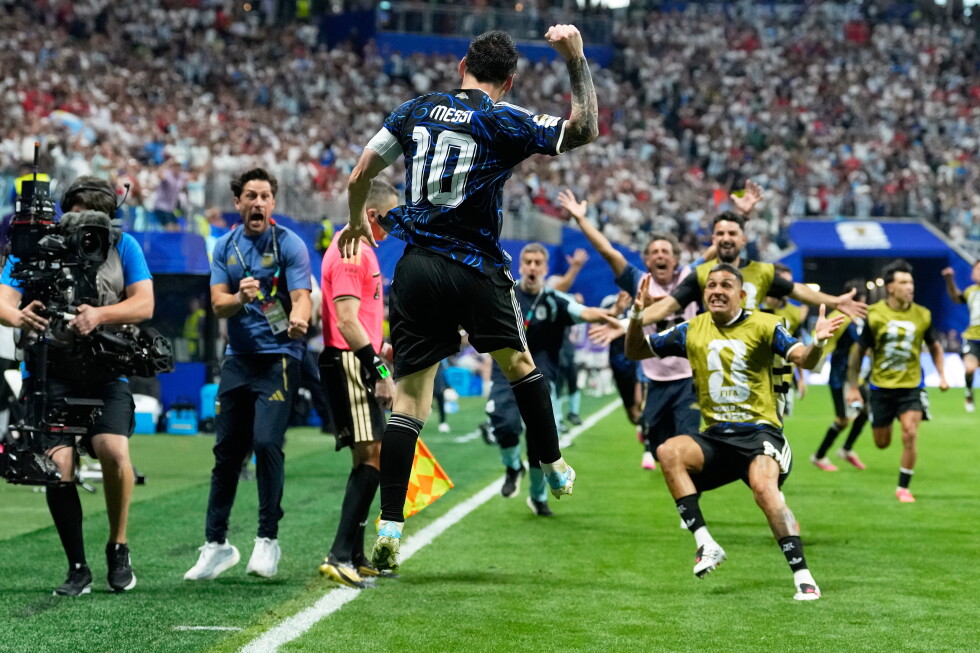
The World Cup final is set, with Messi and Argentina facing Yamal and Spain for the title on Sunday
The expanded 48-team 2026 FIFA World Cup co-hosted across the United States, Canada and Mexico is days away from crowning a new champion, and the title decider has delivered one of the most anticipated storylines in modern soccer history. When Lionel Messi’s defending champion Argentina faces Spain’s rock-solid defensive side in East Rutherford, New Jersey this Sunday, it will be more than a fight for the golden trophy—it is a clash of contrasting styles, generations, and long-brewing destiny that no soccer fan could have scripted.
The road to the final began with two breakout semifinal performances. On Tuesday, Spain booked their spot with a commanding 2-0 victory over France, while a day later, tournament comeback kings Argentina pulled off another late rally to defeat England 2-1, punching their ticket to the decider.
Argentina enters the match chasing history that has not been made in more than 60 years. The South American side is vying for its fourth World Cup title, and would become the first nation to win back-to-back World Cups since Brazil achieved the feat in 1958 and 1962. Leading the charge is Messi, the tournament’s all-time leading goalscorer, who has powered Argentina to a tournament-high 19 goals so far—an explosive attacking record that stands as the best in the competition.
Standing in their way is a Spanish side built on elite defensive discipline that has been nearly unbreakable throughout the tournament. Spain has conceded just one goal across seven matches, the lowest total of any team, earning their place in the final as they chase their second World Cup title, their first coming in 2010. Ranked second in the pre-tournament FIFA world rankings behind Argentina’s top spot, La Roja have been almost unbeatable for more than a year: they carry a 37-match unbeaten streak across all competitions into Sunday’s final, with 28 wins and nine draws since their last loss, a 1-0 defeat to Colombia in March 2024.
What makes this final even more remarkable is the twist of fate that brought the two teams to New Jersey, after a planned pre-tournament showcase never came to be. As the reigning South American and European champions respectively, Argentina and Spain were scheduled to meet in a high-profile Finalissima clash in Doha, Qatar last March. The match was ultimately canceled over security concerns, sparked by escalating regional unrest linked to the ongoing conflict involving Iran, the United States and Israel. What was supposed to be a preview of a World Cup final has instead become the main event, with the two sides set to square off not at Lusail Stadium—site of Argentina’s iconic 2022 penalty shootout win over France— but at a venue just outside New York City for soccer’s biggest stage.
Beyond the team rivalry, the final will deliver a once-in-a-generation meeting between two Barcelona superstars separated by 20 years. A viral 2007 photograph captured Messi, then a rising young star participating in a UNICEF initiative, posing with an infant. That baby was Lamine Yamal, now Spain’s breakout young left-footed talent who followed in Messi’s footsteps to become a star at Barcelona. Two decades after that innocent photo op, the pair will share the World Cup final pitch, capping the tournament with a narrative that feels too perfect to be scripted.
A look at both teams’ journey to the final highlights their contrasting paths to the decider. Spain have remained unbeaten throughout this World Cup, posting six wins and one draw across seven matches, with 13 goals scored and just one conceded. Their campaign began with a tense 0-0 draw against Cape Verde in the group stage, followed by a 4-0 rout of Saudi Arabia and a 1-0 win over Uruguay. In the knockout round, they dismantled Austria 3-0, edged Portugal 1-0, defeated Belgium 2-1, and shut out France 2-0 to reach the final.
Argentina, by contrast, has been perfect so far, with seven wins from seven matches and zero draws, netting 19 times while conceding seven. The Albiceleste started their group stage campaign with a 3-0 win over Algeria, a 2-0 defeat of Austria, and a 3-1 victory over Jordan. They have lived up to their “comeback kings” reputation in the knockout round, grinding out tight wins: 3-2 over Cape Verde, 3-2 over Egypt, 3-1 over Switzerland, and the late 2-1 turnaround against England that booked their final spot. Argentina also brings an impressive long-form World Cup unbeaten streak into Sunday: they have not lost a World Cup match since their opening group game defeat to Saudi Arabia in 2022, going 11 wins and two draws over their last 13 outings.
As the 104-match, five-week extravaganza comes to a close, all eyes turn to the East Rutherford pitch. One side boasts the most dynamic attack in the tournament, the other boasts the tightest defense. One is led by the greatest goalscorer in tournament history chasing back-to-back titles, the other is a youthful defensive juggernaut led by the sport’s next great star chasing a second world crown. After a canceled pre-tournament match and a months-long journey across North America, the biggest World Cup in history is set for a picture-perfect ending that no fan will want to miss.
-

Idaho mother charged with children’s murder must stay in jail, judge rules
A 23-year-old Idaho mother accused of murdering her 18-month-old twin sons will remain behind bars after a judge revoked her bail earlier this week, in a high-profile case that has intersected with national anti-vaccine rhetoric. Andrea Shaw, charged with two counts of second-degree murder in the May 2025 deaths of her toddlers Dallas and Tyson, has maintained that the children’s fatal health decline stemmed from routine childhood vaccinations. She has not yet entered a formal plea in the case.
Shaw’s legal team had petitioned the court to cut her original $2 million bail to just $100,000, arguing that she needed to be released to care for her newborn child, born only days before her arrest in the case. Her attorney, Joseph Filicetti, also noted that Shaw had recently undergone a cesarean section and required recovery time while nursing her infant, framing her as a loving mother who posed no risk to the new baby. The BBC has reached out to Filicetti for additional comment beyond his statements to U.S. media outlets.
Prosecutors in Payette County pushed back aggressively against the bail reduction request, urging the judge to revoke bond entirely. They argued that Shaw should not be granted any form of release that would put her in proximity to children, including her own newborn. “This is not a vaccine case,” one lead prosecutor stated bluntly. “This is a case where a mother unfortunately has killed her two children.” Prosecutors allege that Shaw suffocated the twins, who were found dead in their cribs at the family’s home.
The judge ultimately sided with the prosecution, agreeing that Shaw poses a clear threat to her youngest child and revoking bond entirely.
The case has drawn heightened attention due to Shaw’s ties to Children’s Health Defense, a prominent anti-vaccine organization founded by current U.S. Health Secretary Robert F. Kennedy Jr. Months after the twins’ deaths in 2025, Shaw and her husband gave an interview to the group laying out their claim that vaccines caused the children’s deaths. Shaw told the group that the toddlers became ill eight days after receiving routine vaccinations for hepatitis A, diphtheria, tetanus, pertussis and influenza. She said she sought medical care after they developed symptoms, and that clinicians told her the illness could be a vaccine reaction; the children were prescribed pain medication but died two days later.
Shaw has claimed that law enforcement immediately pinned blame on her rather than accepting a vaccine-related cause, while investigators say her arrest followed a months-long, exhaustive investigation into the deaths. Full autopsy results from the investigation have not yet been made public.
Shaw is also a named plaintiff in a lawsuit led by Children’s Health Defense against the American Academy of Pediatrics, challenging the organization’s long-standing childhood vaccination recommendations. Mainstream public health experts and practicing clinicians have repeatedly reaffirmed the well-documented safety of routine childhood vaccines. While minor side effects are possible after vaccination, severe adverse outcomes are extremely rare, and vaccines are credited with preventing millions of life-threatening illnesses globally each year.
-
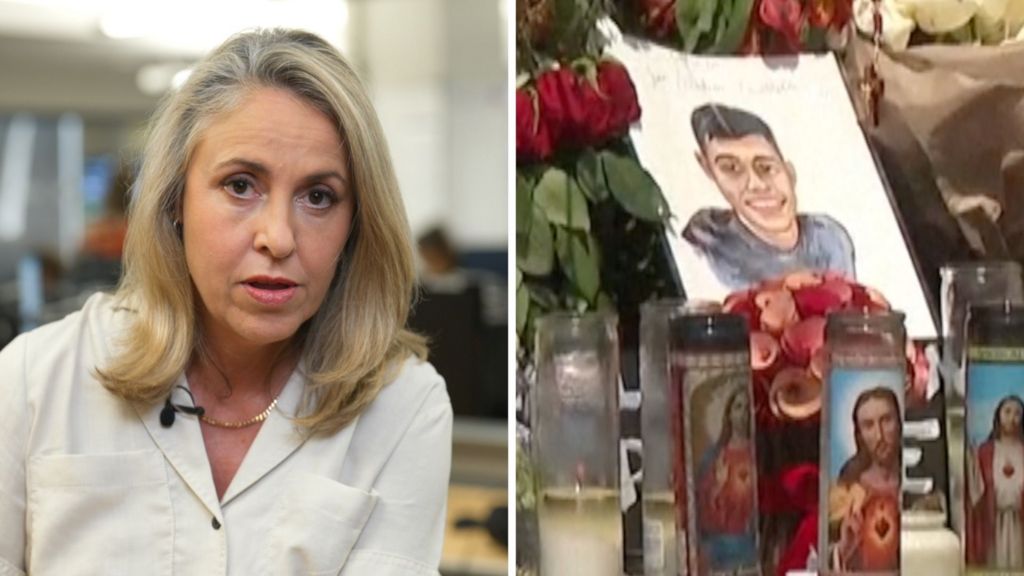
Watch: Is Trump facing a popular backlash on immigration?
A pair of fatal incidents involving U.S. Immigration and Customs Enforcement (ICE) agents that claimed the lives of two men have sparked growing scrutiny of former President Donald Trump’s immigration policies, with political analysts now weighing whether a widespread popular backlash is building against his stance on the issue. The BBC’s North America correspondent Sarah Smith has launched an on-the-ground investigation into how these two deaths are shifting public opinion and reshaping the political landscape around Trump’s approval ratings on immigration.
The killings have reignited long-simmering public debate over the tactics used by ICE under the Trump administration, which prioritized aggressive immigration enforcement and expanded detention and deportation operations. Critics argue that the fatal encounters expose deep flaws in the hardline approach that Trump championed during his time in office, while supporters of the former president maintain that ICE agents were following established protocols and that the incidents are being exploited for political gain.
Smith’s reporting examines the reaction from diverse communities across the country, from immigrant advocacy groups that have organized protests calling for greater oversight of ICE to conservative base voters who remain committed to Trump’s restrictive immigration agenda. The key question driving her analysis is whether these two high-profile deaths will cross a threshold for swing voters, eroding Trump’s support in key demographics and damaging his overall political standing ahead of potential future electoral contests.
As the fallout from the incidents continues, political strategists are closely tracking shifts in polling to gauge the extent of any backlash. The incident has also pushed immigration back to the forefront of national political conversation, reminding observers of how the issue remains one of the most divisive and consequential in U.S. politics, capable of reshaping public approval of political leaders.
-
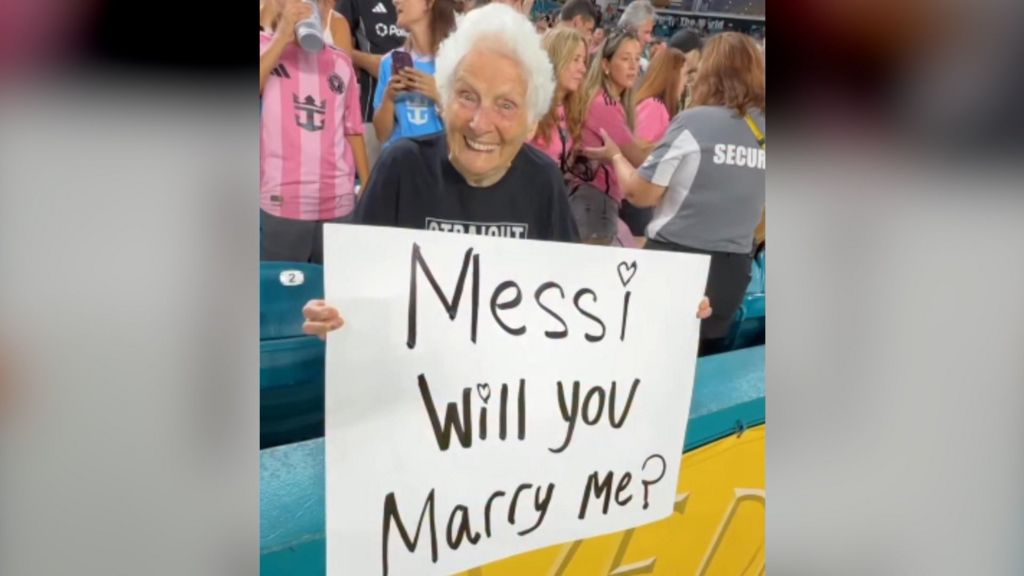
Watch: TikTok legend Gangster Granny on her love for Messi
The internet has no shortage of unexpected viral stars, and few have captured global public attention quite like the cultural phenomenon known widely as Gangster Granny. This silver-haired digital icon, who built her massive following through bold, unapologetic content and a delightfully unconventional persona, has recently made headlines for an endearing new chapter of her online story: her open, heartfelt adoration for Argentine football superstar Lionel Messi.
Footage of the beloved TikTok legend discussing her fandom has been spreading rapidly across social platforms, giving audiences a new look at the warm, enthusiastic side of the creator who built her brand on subverting stereotypes of older internet users. In the clip, she doesn’t hold back when sharing what draws her to the eight-time Ballon d’Or winner, highlighting his skill on the pitch, his sportsmanship, and the universal appeal that has made him a beloved figure across generations.
What started as a casual confession of fandom has quickly turned into a viral moment of its own, with fans of both Gangster Granny and Messi sharing the clip and reacting to the unexpected cross-over pairing. For a creator who has always thrived on keeping her audience surprised and entertained, this public celebration of one of the world’s most famous athletes fits perfectly with the persona that has made her a household name on TikTok, where millions of followers tune in regularly for her unique take on life, culture, and everything in between.
-
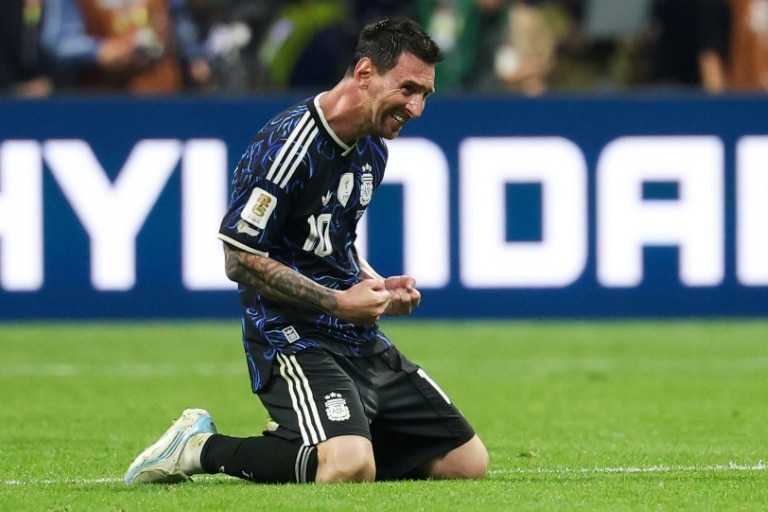
Messi’s Argentina stun England in comeback to reach World Cup final
In a drama-charged World Cup semi-final that will go down as one of the most memorable chapters in the decades-long Argentina-England football rivalry, Lautaro Martinez’s 92nd-minute match-winning header sealed a dramatic 2-1 comeback victory for defending champions Argentina, who will now face European champions Spain in Sunday’s historic final. Played out in front of a packed crowd of 68,239 fans at Atlanta’s Mercedes-Benz Stadium, the contest lived up to every bit of its billing as a clash between two of the sport’s most storied national sides.
-
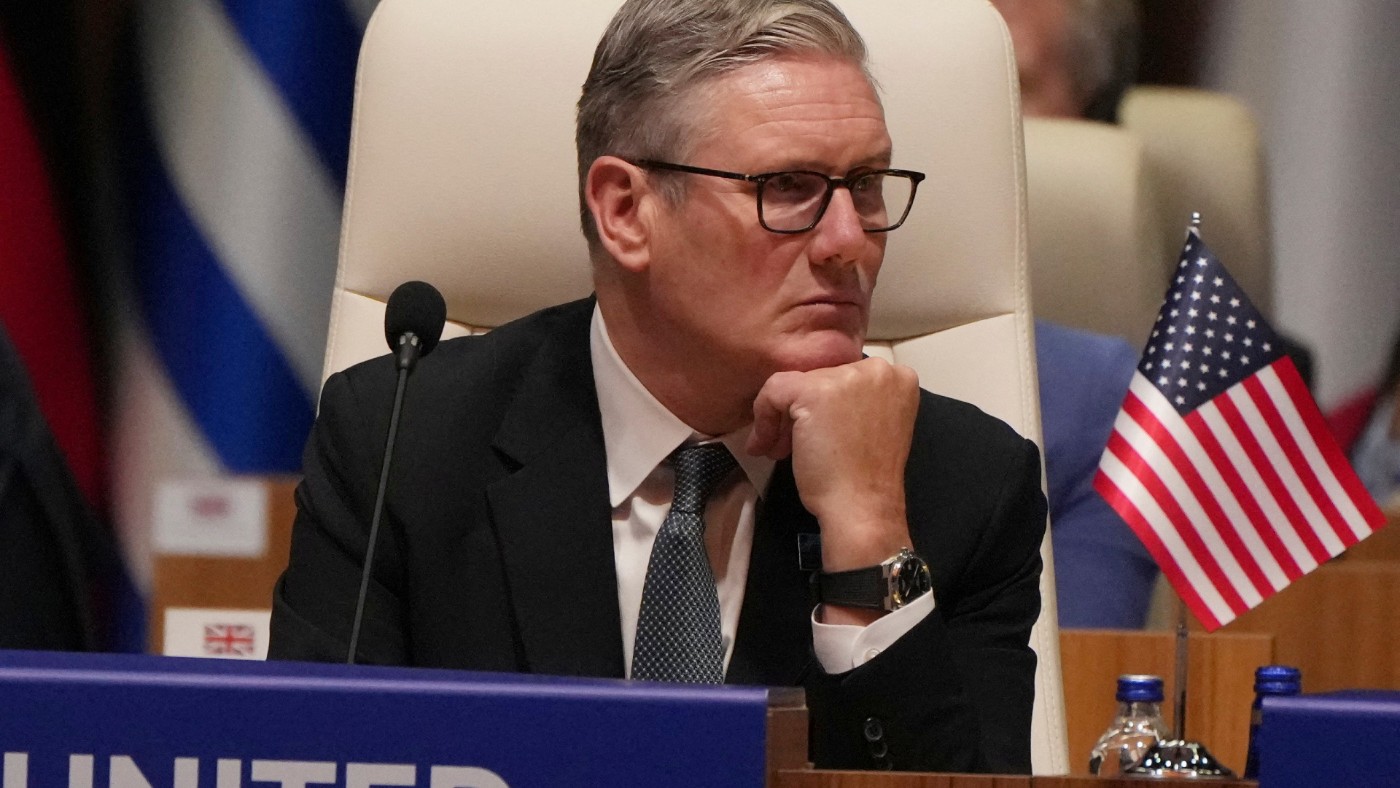
UK politicians call for sanctions on Israel as Starmer’s Gaza legacy slammed
As the United Kingdom prepares for a change in its prime minister next week, more than 80 members of Parliament and members of the House of Lords have signed an open letter urging the government to implement sweeping, comprehensive sanctions against Israel, while a coalition of leading British humanitarian organizations has issued sharp criticism of outgoing Prime Minister Keir Starmer’s record on Palestinian rights.
Organized by Labour Members of Parliament Imran Hussain and Richard Burgon, the letter addressed to UK Foreign Secretary Yvette Cooper calls on the government to align its actions with the 2023 advisory opinion issued by the International Court of Justice (ICJ). This July 19 marks exactly two years since the ICJ ruled that Israel’s 56-year-long occupation of Palestinian territories is unlawful under international law, concluding that Israel’s near-total segregation of Palestinian communities in the occupied West Bank constitutes a breach of international prohibitions against racial segregation and apartheid.
The cross-party group of signatories — which includes former Labour Party leader Jeremy Corbyn, Green Party Members of Parliament Sian Berry and Hannah Spencer, former New Labour cabinet minister Lord Peter Hain, and Jewish Kindertransport refugee Lord Alf Dubs — argues that two years on from the landmark ruling, Israel has only expanded its unlawful occupation. They point to a series of escalatory actions that have erased almost all remaining hope for a two-state solution: Israel currently controls more than 60 percent of the Gaza Strip, a territory it has left largely in ruins after three years of military campaign; it has launched expanded incursions into southern Lebanon and Syrian territory under the pretense of targeting Hezbollah; and it has ramped up annexationist policies in the West Bank. In September 2024, far-right Israeli Finance Minister Bezalel Smotrich, who also serves as de facto governor of the occupied West Bank, unveiled a plan to annex 82 percent of the territory to Israel, a move built on the principle of seizing “maximum land with minimum [Palestinian] population” that would eliminate any possibility of a sovereign Palestinian state.
“Israel’s actions over the past two years underline how, without much bolder action, the Israeli government will continue to simply ignore the words of condemnation from political leaders and governments and deepen its illegal occupation,” the letter reads. It notes that the ICJ has clearly established that all UN member states hold a legal obligation to recognize the illegality of Israel’s occupation and refrain from economic or trade activity that sustains it. Despite publicly acknowledging the court’s ruling, the letter argues, the British government has failed to take formal action to meet its binding legal and moral obligations. Drawing a contrast to the UK’s robust response to Russia’s full-scale invasion of Ukraine, the politicians point out that London imposed widespread sanctions on Moscow for its violation of international law, but has refused to apply the same standard to Israel.
The signatories outline a clear set of concrete demands: ban all trade with unlawful Israeli settlements in the occupied West Bank, sanction companies that profit from the occupation, implement targeted individual sanctions against Israeli officials responsible for expanding the occupation, suspend the existing UK-Israel bilateral trade agreement, and end all arms transfers to Israel — including the supply of components for F-35 fighter jets.
Parallel to the politicians’ appeal, 17 major UK charities have also called on incoming Prime Minister Andy Burnham to take immediate action to end what they describe as Israel’s atrocities against Palestinian people. The coalition includes prominent organizations such as Save the Children UK, Medical Aid for Palestinians, Islamic Relief, and Amnesty International UK, who warned that Palestinians cannot afford any further delay or political inaction on the matter.
In their statement, the charities delivered a scathing assessment of Starmer’s legacy on Palestine. “Despite a partial arms suspension in 2024, Keir Starmer’s government has continued to enable Israel’s atrocities against Palestinians, their families and children through the supply of F-35 fighter jet parts,” Save the Children UK said, adding that “History will remember your complicity.”
John McDonnell, a Labour MP and former shadow chancellor who signed the politicians’ letter, emphasized that the incoming prime minister faces a clear moral and legal duty to act. “The Netanyahu government clearly believes it can act with impunity as it destroys any hope of a two-state solution with its total annexation of the West Bank,” McDonnell told Middle East Eye. “The hope is that the incoming prime minister recognises that the UK government has a duty to act.”
Burnham, who is set to succeed Starmer in office next week, has already sought to distance himself from his predecessor’s approach, issuing a public apology for the Labour Party’s initial response to the conflict in Gaza. “I know many people feel that at the start of Israel’s military action in Gaza, my party didn’t get it right, and I am sorry about that. The response has too often not been good enough. We need to do better,” he said. Burnham acknowledged the “unbearable suffering” in Gaza, describing it as a “scar on our collective conscience,” and has called for increased pressure on the Israeli government to end its expansion of occupation. He has praised the outgoing Starmer administration for its limited steps — including formal recognition of Palestinian statehood, sanctions on a small number of far-right Israeli ministers, and a ban on the supply of British-produced bombs and bullets to Israel — but admitted that the UK was far too slow to call for a permanent ceasefire, and that a more robust approach is now needed.
Foreign Secretary Yvette Cooper has also softened her rhetoric in recent weeks, acknowledging that Labour’s early response to the Gaza crisis was misaligned with humanitarian concerns. But aid groups warn that a shift in tone does not guarantee meaningful policy change.
Halla Keir, advocacy and research manager at Medical Aid for Palestinians, stressed that the urgency of the crisis leaves no room for further delay. “Every new prime minister inherits difficult decisions. But this should not be one of them,” Keir said. “Almost three years into Israel’s genocide in Gaza, the need for action could not be clearer. The UK’s obligations under international law are clear. What is needed now is the political courage to act.”
Save the Children UK echoed this call, noting that “Nothing can change the horrors Palestinians have faced. But the next prime minister has an opportunity to put an end to the UK government’s role as an ally to atrocities.”
-
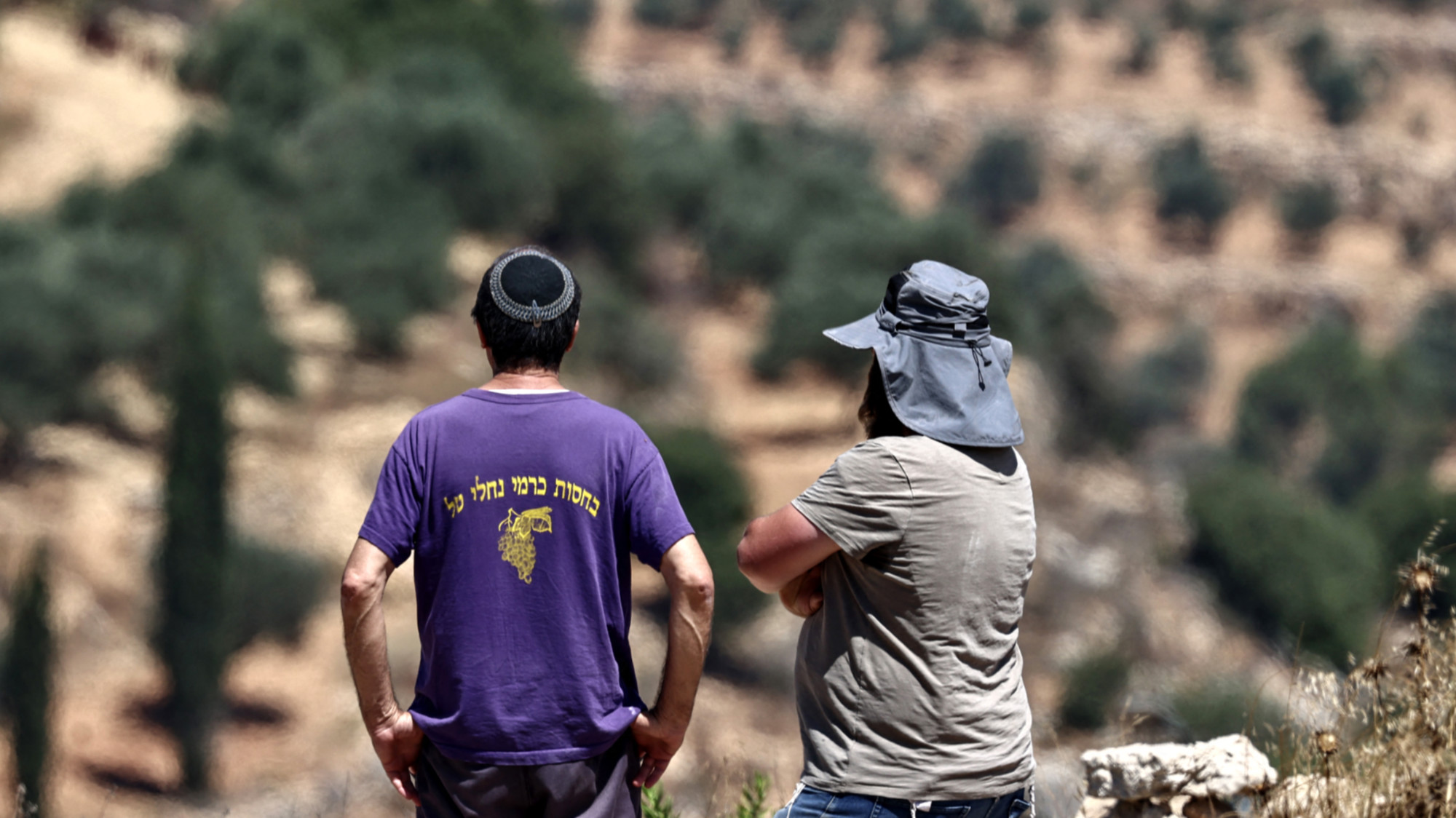
Israel approves over $400m to fund 34 settlements in occupied West Bank
In a controversial move that has reignited global scrutiny of Israeli territorial policy, the Israeli government announced Tuesday it has formally approved a 1.3 billion shekel ($434 million) budget to construct 34 new settlements in the occupied West Bank. According to leading Israeli outlet Ynet, the budget approval was finalized by the country’s security cabinet back in June, but was intentionally kept secret for months over fears of pushback from the United States government. The foundational approval for the 34 settlements themselves was granted in a separate, unpublicized cabinet vote in March, with neither decision disclosed to the public until this week.
With this latest authorization, the total number of settlements approved by Prime Minister Benjamin Netanyahu’s current far-right government, which took office in late 2022, has climbed to 104. Alongside the new construction projects, the government also signed off on the re-establishment of the Sa-Nur settlement in the northern West Bank. This site was originally evacuated in 2005 as part of Israel’s disengagement from the Gaza Strip, but Israeli settlers have already returned to the location in recent months.
Top government officials from the ruling far-right bloc have celebrated the decision as a landmark step in their planned expansion of Israeli control over the West Bank. Finance Minister Bezalel Smotrich, who also leads civilian oversight of the occupied West Bank through the Defense Ministry, spearheaded the budget measure and framed it as a core achievement of what his faction calls a “settlement revolution.” Smotrich described the approval as a critical security and strategic decision, tying the expansion to his long-stated goal of blocking the creation of an independent Palestinian state, which he referred to as a “terror state” that would threaten Israeli sovereignty. “We are passing, one after the other, budgetary decisions that fund roads, infrastructure, and now also buildings and caravans,” Smotrich said, confirming that construction on the new settlements would launch as early as this coming summer.
Settlement Minister Orit Strook, a fellow member of Smotrich’s Religious Zionist party who resides in an existing West Bank settlement, went even further in praising the move, calling it “the greatest Zionist-settlement move since the establishment of the state.” Strook claimed that no comparable pro-settlement decision had been made in the entire history of the Zionist movement, adding that the government’s agenda aims to ensure “no point remains without a settlement” across the occupied territory.
Just days earlier, Smotrich and Netanyahu signed a separate landmark umbrella agreement with the Samaria Regional Council, committing 8.5 billion shekels ($2.5 billion) to upgrade and expand infrastructure across the northern West Bank. Israeli daily Israel Hayom reported that this is the first time an Israeli government has formalized such a direct agreement with a regional settlement council. The deal allocates funding for 18 previously approved new settlements, the construction of roughly 12,000 additional homes in existing settlement blocs, and broad upgrades to local roads and public services.
However, the settlement expansion push has drawn sharp criticism both from within Israel and from the international community. All Israeli settlements built in the West Bank are universally recognized as illegal under international law, a position formally upheld by the International Court of Justice and endorsed by the overwhelming majority of the global community. Domestic Israeli anti-settlement advocacy group Peace Now has lambasted the new measures, describing the recent 8.5 billion shekel infrastructure deal as “a fire sale of the State of Israel.” In a formal statement, the organization argued: “Not only is the government thumbing its nose at millions of Israelis and plundering their money for the benefit of a narrow settler sector – it is digging, with its own hands, the diplomatic and security pit in which the State of Israel may end up buried.”
Earlier this month, Peace Now published a comprehensive report documenting the current government’s rapid acceleration of de facto annexation of the occupied West Bank. The report found that over the past three years, the government has approved more than 100 new settlements and formalized 185 unapproved settlement outposts. These outposts now exert control over more than 1.1 million dunams of land, equal to roughly 18 percent of the total area of the occupied West Bank. The report also added that Israeli settlers, backed by the Israeli military, have forcibly displaced 118 distinct Palestinian communities from their land in the territory to make way for expansion.
-

Earth’s magnetosphere a natural ‘speed governor’, Chinese study reveals
A groundbreaking new study published in *Nature Geoscience* on July 15, 2026, upends long-held scientific assumptions about how Earth’s magnetic field interacts with solar wind reaching the Moon, confirming that our planet’s magnetosphere functions as a natural \”speed governor\” that cuts the velocity of solar particles reaching the lunar nearside by nearly half. This discovery draws from the first ever analysis of noble gases in farside lunar samples, collected and returned to Earth by China’s historic Chang’e 6 mission in 2024, and unlocks a new pathway to reconstruct the ancient history of Earth’s magnetic field.
-
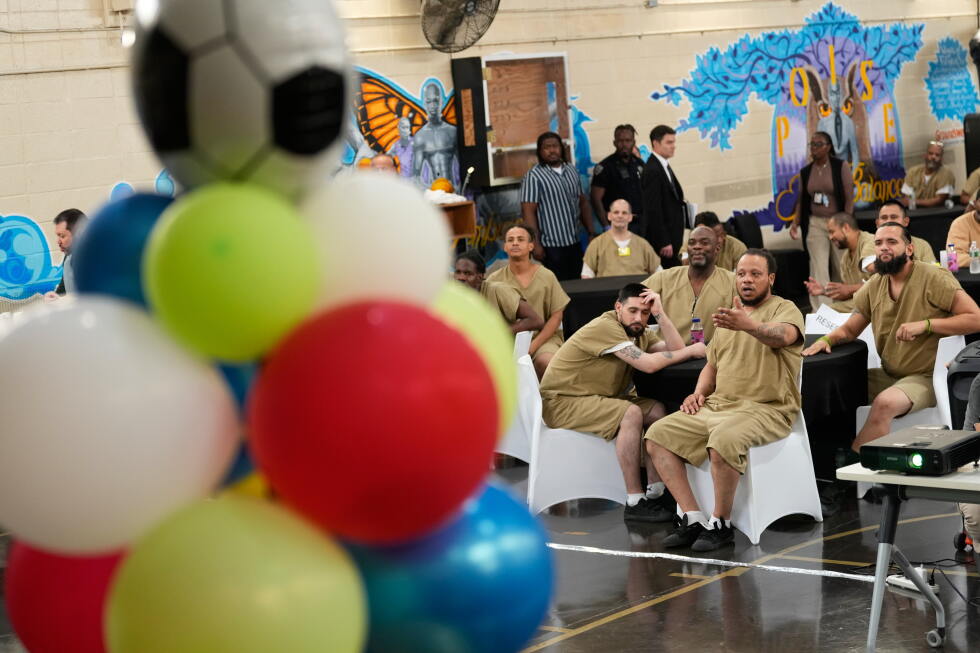
NYC’s Rikers Island jail hosts World Cup watch party for inmates
NEW YORK – From downtown office break rooms to waterfront public parks and neighborhood sports bars, soccer fans across the city packed viewing gatherings for Wednesday’s World Cup semifinal between England and Argentina. But one watch party unfolded in a location few would expect to host such a communal, lighthearted event: Rikers Island, New York City’s sprawling, controversial correctional complex long plagued by headlines of overcrowding, mismanagement, and systemic failing.
On this Wednesday afternoon, more than 100 incarcerated people, clad in standard tan correctional uniforms, filled rows of tables facing a large projection screen set up in the main intake center’s gymnasium. Colorful balloon towers, capped with soccer-ball-shaped balloons, framed the screen, transforming the utilitarian space into a makeshift fan zone for the high-stakes match.
The jail system first launched these organized watch parties when the World Cup tournament kicked off last month, opening access only to incarcerated people who have maintained good behavior, requiring a minimum of 30 days incident-free to participate. The program has already brought more than 90 fan gatherings to the facility, drawing roughly 4,500 participants out of Rikers’ current population of approximately 6,600 incarcerated people.
Shortly before kickoff, New York City Mayor Zohran Mamdani arrived to join the event. Ditching his signature dark formal suit jacket, the Democratic mayor rolled up the sleeves of his white dress shirt, took a seat at one of the front tables, and dove straight into casual conversation about the tournament with the incarcerated guests.
One participant at the mayor’s table shared his prediction: he expected Argentina to defeat England, then go on to face Spain in the final, after Spain’s upset win over France in the earlier semifinal. “You never know,” Mamdani responded, noting he was a vocal supporter of Morocco, which had been eliminated in an earlier round of competition.
At a neighboring table, another incarcerated person told the mayor he was scheduled to be released from custody later that same day. Mamdani congratulated him warmly, shaking his hand and patting him on the back, saying “That’s amazing.”
Roughly 20 minutes into the match, the mayor departed the gathering, leaving the crowd of incarcerated fans to enjoy the rest of the game in the transformed gym space. The unusual program marks a rare effort to bring recreational, community-focused activities to a facility that has long been the center of criticism over poor conditions and lack of programming for incarcerated people.