作者: admin

  • Missing kayaker found safe and well after spending night lost off South Australian coast

    Missing kayaker found safe and well after spending night lost off South Australian coast

    A 73-year-old kayaker has been successfully rescued after enduring a harrowing night adrift in South Australian waters, transforming what began as a routine crab fishing expedition into a dramatic survival story.

    Goran Radic launched his kayak from Middle Beach, approximately 50 kilometers north of Adelaide, on Tuesday evening but failed to return as expected. His family reported his disappearance to authorities shortly before 11 PM, triggering an immediate multi-agency search operation.

    Emergency response teams including a police helicopter equipped with infrared technology, marine rescue units, and water police combed the coastal area throughout the night. Despite their intensive efforts, the search was temporarily suspended around 3:30 AM Wednesday without locating the missing kayaker.

    The breakthrough came at 8:30 AM Wednesday when a surveillance helicopter spotted Radic approximately two kilometers south of his original departure point. Rescuers airlifted the septuagenarian to safety, where paramedics conducted a thorough medical evaluation confirming his good physical condition.

    In his account to reporters, Radic described seeing search helicopters during the night that unfortunately passed over him without detection. ‘I observed a rescue helicopter sometime during the night, and they missed me, so I decided to navigate toward St Kilda,’ he explained. ‘I saw lights that I believed would guide me to safety, but ultimately didn’t reach the destination. So I kayaked back, and they found me this morning.’

    Police officials confirmed arrangements would be made to recover Radic’s kayak and expressed gratitude to community members who provided crucial information that assisted search efforts. The successful conclusion of this overnight ordeal highlights the effectiveness of coordinated emergency response systems and the resilience of individuals facing unexpected challenges in marine environments.

  • Man arrested after climbing into pygmy hippo Moo Deng’s enclosure at Thai zoo

    Man arrested after climbing into pygmy hippo Moo Deng’s enclosure at Thai zoo

    Thai authorities have apprehended an individual following an unauthorized intrusion into the habitat of Moo Deng, a celebrated pygmy hippopotamus who has gained substantial online fame. The incident occurred Tuesday evening at Khao Kheow Open Zoo, located approximately 100 kilometers southeast of Bangkok.

    According to Zoo Director Narongwit Chodchoy, the suspect entered the enclosure during a period when animal caretakers were temporarily absent and public visitors were not present. Surveillance footage, which has since circulated widely across digital platforms, depicts a man clad in a black beanie, sunglasses, green tank top, and brown shorts approaching Moo Deng and her mother Jona while operating a tablet device, presumably capturing photographic or video content.

    The individual remained within the restricted area for approximately one to two minutes before zoo personnel detected the breach. Officials confirmed that the man complied with staff instructions and did not attempt to evade detection while zoo authorities summoned police assistance.

    Moo Deng achieved international recognition shortly after her birth in 2024, primarily through social media content shared by zoo staff that highlighted the young hippo’s endearing characteristics. Her popularity has significantly increased visitor attendance, with both domestic and international tourists flocking to witness the animal firsthand.

    Law enforcement has preliminarily charged the suspect with trespassing violations, with additional legal proceedings under consideration. The individual has been released on bail pending further investigation. Zoo management has confirmed that both hippos emerged from the encounter unharmed, though slightly startled, and will receive continued veterinary observation.

    The zoo administration has reiterated its commitment to visitor safety and animal welfare, emphasizing the critical importance of adhering to all facility regulations and staff directives.

  • A look at Eid al-Fitr and how Muslims celebrate the Islamic holiday

    A look at Eid al-Fitr and how Muslims celebrate the Islamic holiday

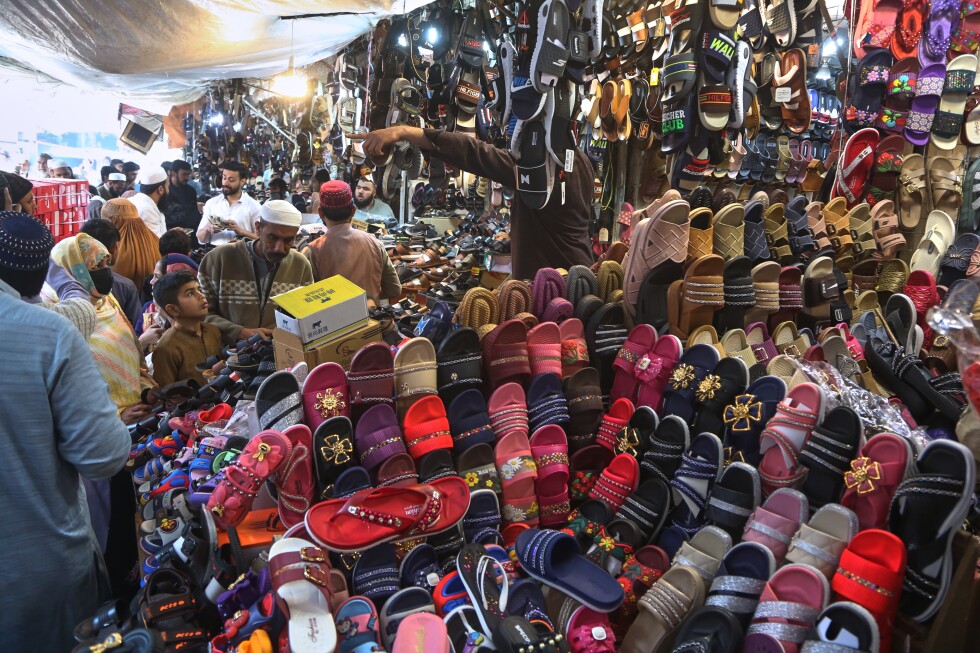
    As the Islamic holy month of Ramadan concludes, Muslims worldwide prepare to observe Eid al-Fitr under unprecedented geopolitical tensions. This religious holiday, traditionally characterized by joyful congregational prayers, family gatherings, and festive new clothing, faces the shadow of international conflict and rising domestic anxieties across Muslim communities.

    The ongoing Iran conflict continues to destabilize numerous Middle Eastern nations, creating ripple effects that extend far beyond regional borders. American Muslims particularly find themselves navigating this year’s religious observances amidst a complex backdrop of immigration policy fears, escalating anti-Muslim rhetoric, and concerns for loved ones in conflict zones.

    Eid al-Fitr signifies the completion of Ramadan’s daily dawn-to-dusk fasting, a period dedicated to intensified worship, charitable acts, and communal solidarity. The holiday’s timing follows the Islamic lunar calendar, with this year’s celebrations anticipated to commence approximately on March 20th, though specific dates may vary across different countries and Muslim traditions.

    Global celebrations reflect rich cultural diversity: Indonesians participate in massive homecoming migrations to ancestral villages, Malaysian communities practice open-house hospitality with traditional green monetary gifts for children, and Egyptian families distribute powdered-sugar cookies while children receive special ‘eidiya’ cash presents. In the United States, ethnically diverse Muslim populations organize inclusive prayer services and community festivals featuring family-oriented activities.

    The traditional greeting ‘Eid Mubarak’ (Blessed Eid) continues to symbolize the holiday’s spirit of forgiveness and renewal, even as communities worldwide navigate the challenges of celebrating during turbulent times.

  • Chinese national charged for trying to smuggle 2,000 ants from Kenya

    Chinese national charged for trying to smuggle 2,000 ants from Kenya

    In a significant wildlife enforcement operation, Kenyan authorities have apprehended two individuals for attempting to smuggle over 2,000 live queen garden ants from the country. Zhang Kequn, a Chinese national, was intercepted at Nairobi’s Jomo Kenyatta International Airport last week after customs officials discovered the insects concealed in his luggage—each specimen individually packaged in test tubes or tissue paper.

    The subsequent investigation revealed that Zhang had acquired the ants from his Kenyan associate, Charles Mwangi, at a rate of 10,000 Kenyan shillings ($77) per 100 ants. Both men now face multiple charges including illegal dealing in wildlife species and conspiracy to commit a felony. During their court appearance on Tuesday, prosecutors presented evidence of their operation while both defendants entered not guilty pleas.

    This case highlights a growing concern among Kenyan conservation authorities about international demand for exotic insects. While not explicitly confirmed in this instance, wildlife officials have noted increasing interest from collectors in Europe and Asia who keep ants as exotic pets. Zhang’s luggage was reportedly destined for China when intercepted.

    The defendants’ attorney, David Lusweti, argued that his clients were unaware they were violating wildlife protection laws, stating they merely identified what they believed to be a legitimate economic opportunity. Despite these claims, both men remain in custody pending their next court hearing scheduled for March 27th.

    Kenya Wildlife Service officials indicate this investigation is expanding, with additional arrests anticipated as authorities probe suspected ant harvesting operations in other regions. This case follows a similar incident in May 2023 where four individuals received prison sentences and substantial fines for attempting to smuggle thousands of queen ants overseas, reportedly destined for collectors in Europe and Asia.

  • Venezuela beats Team USA to claim World Baseball Classic

    Venezuela beats Team USA to claim World Baseball Classic

    In a stunning upset that captivated the baseball world, Venezuela secured its first-ever World Baseball Classic championship with a dramatic 3-2 victory over Team USA in Miami. The thrilling final concluded Tuesday night with Venezuela’s ninth-inning heroics against a heavily favored American squad featuring MLB’s top award winners.

    The victory celebration unfolded amid both sporting triumph and political significance, coming just months after the controversial capture of Venezuelan President Nicolas Maduro by US forces. Venezuelan third baseman Eugenio Suárez delivered the championship-winning hit in the top of the ninth inning, triggering an immediate on-field celebration as players rushed the pitch while draped in national flags.

    “This championship represents something far greater than baseball,” Suárez declared post-game. “While nobody believed in Venezuela’s chances, we’ve demonstrated our resilience and brought this celebration to our entire nation.”

    The US team, featuring holders of Major League Baseball’s four most prestigious awards including Shohei Ohtani and Aaron Judge, had entered the tournament as overwhelming favorites. This loss marks another disappointing outcome for Team USA, which has captured only one title in the WBC’s six-tournament history since the event’s 2006 inception.

    The 2026 tournament marked the first World Baseball Classic to feature all current holders of MLB’s major awards, adding significance to Venezuela’s underdog triumph. The victory sparked emotional celebrations both in Miami’s loanDepot park and among Venezuelan communities worldwide, serving as a moment of national pride amid ongoing political challenges.

  • A new U.S. trade deal with Indonesia secures fossil fuels and access to critical minerals

    A new U.S. trade deal with Indonesia secures fossil fuels and access to critical minerals

    HANOI, Vietnam (AP) — A landmark trade agreement between Indonesia and the United States has fundamentally transformed their economic relationship, aligning Jakarta’s substantial natural resources with Washington’s strategic objectives. The comprehensive pact grants U.S. investors enhanced access to Indonesia’s critical minerals sector while committing Indonesia to significant purchases of American energy products including crude oil and liquefied petroleum gas.

    The agreement establishes reciprocal benefits: Indonesia secures reduced tariff rates on key exports including palm oil, coffee, cocoa, spices, and rubber, with duties dropping from a threatened 32% to 19%. Meanwhile, the United States gains assured access to Indonesia’s mineral wealth, particularly nickel and rare earth elements essential for electric vehicle batteries and clean energy technologies.

    This development occurs against the backdrop of intensifying Sino-American competition for influence in Southeast Asia. Indonesia, as the world’s largest nickel producer, finds itself balancing relationships with both superpowers. Chinese companies currently dominate Indonesia’s mineral processing sector, operating numerous nickel smelters and industrial parks.

    The pact includes several groundbreaking provisions: Indonesia will facilitate American investment across the entire mineral value chain, from exploration to export, while relaxing restrictions on critical mineral exports to the U.S. The agreement also commits both nations to cooperate on developing small modular nuclear reactors and establishing a U.S. coal export corridor from America’s West Coast.

    Energy transition analysts note the agreement marks a significant shift from previous climate cooperation frameworks. The Trump administration’s withdrawal from the Just Energy Transition Partnership, which promised billions for reducing coal use, contrasts with the current emphasis on fossil fuel exports. Indonesia’s solar energy development remains notably limited compared to regional neighbors, with less than 1 gigawatt installed compared to Vietnam’s 2 GW and India’s 60 GW.

    The agreement’s implementation faces uncertainties following the U.S. Supreme Court’s ruling against presidential tariff authority and requires ratification by Indonesia’s parliament. Some provisions, including those affecting halal certification requirements in the Muslim-majority nation, have drawn domestic criticism.

    Regional observers suggest the Indonesia-U.S. deal may establish precedents for other Southeast Asian nations currently negotiating with Washington, particularly Vietnam, as the United States seeks to secure alternative supply chains and reduce dependence on Chinese-dominated critical mineral markets.

  • Middle East war: global economic fallout

    Middle East war: global economic fallout

    The ongoing Middle East conflict continues to send shockwaves through global energy markets, with multiple nations implementing emergency measures to address supply disruptions. Oil prices exhibited volatility on Wednesday, with West Texas Intermediate dropping over 3% to approximately $93 in Asian trading, while Brent crude declined more than 2% yet maintained above $101 per barrel. This reversal followed Tuesday’s price surge triggered by Iran’s renewed attacks on oil-producing neighboring countries.

    Supply chain adaptations are emerging as key strategies to navigate the crisis. South Korea announced a significant arrangement with the United Arab Emirates to receive 18 million additional barrels of oil through alternative channels that bypass the strategically critical Strait of Hormuz. This development is particularly significant given that approximately 70% of South Korea’s oil imports traditionally transit through this vulnerable waterway.

    The Strait of Hormuz itself remains a focal point of geopolitical tension. Tracking data indicates Iran is selectively permitting passage to vessels from nations it considers friendly, while Iraqi officials are negotiating for safe passage of their oil tankers. Mohamed Bagher Ghalibaf, Speaker of Iran’s Parliament, issued a stark warning that the strategic waterway “won’t return to its pre-war status,” suggesting permanent alterations to global energy transit routes.

    International responses reflect the conflict’s widening economic impact. Germany has moved to empower its competition watchdog to investigate energy companies suspected of exploiting the crisis through unjustified fuel price increases. Meanwhile, Australia’s Reserve Bank implemented a 25 basis point interest rate hike to 4.10%, explicitly citing “sharply higher fuel prices” driven by the Middle East conflict.

    Consumer-level effects are becoming increasingly visible across continents. In Thailand, motorists formed extensive queues at petrol stations from Bangkok to Chiang Rai province amid worsening shortages and anticipated price increases following the expiration of government-imposed diesel price caps. The aviation sector also faces mounting pressure, with Scandinavian airline SAS announcing the cancellation of at least a thousand April flights due to unsustainable fuel costs, while U.S. carriers warned of challenging months ahead if current price levels persist.

    The situation remains fluid, with Iran’s Foreign Minister Abbas Araghchi asserting on social media platform X that the “wave of global repercussions has only begun and will hit all — regardless of wealth, faith, or race.” This statement underscores the potentially far-reaching economic consequences extending well beyond immediate energy supply concerns.

  • Iran confirms death of top security official Ali Larijani

    Iran confirms death of top security official Ali Larijani

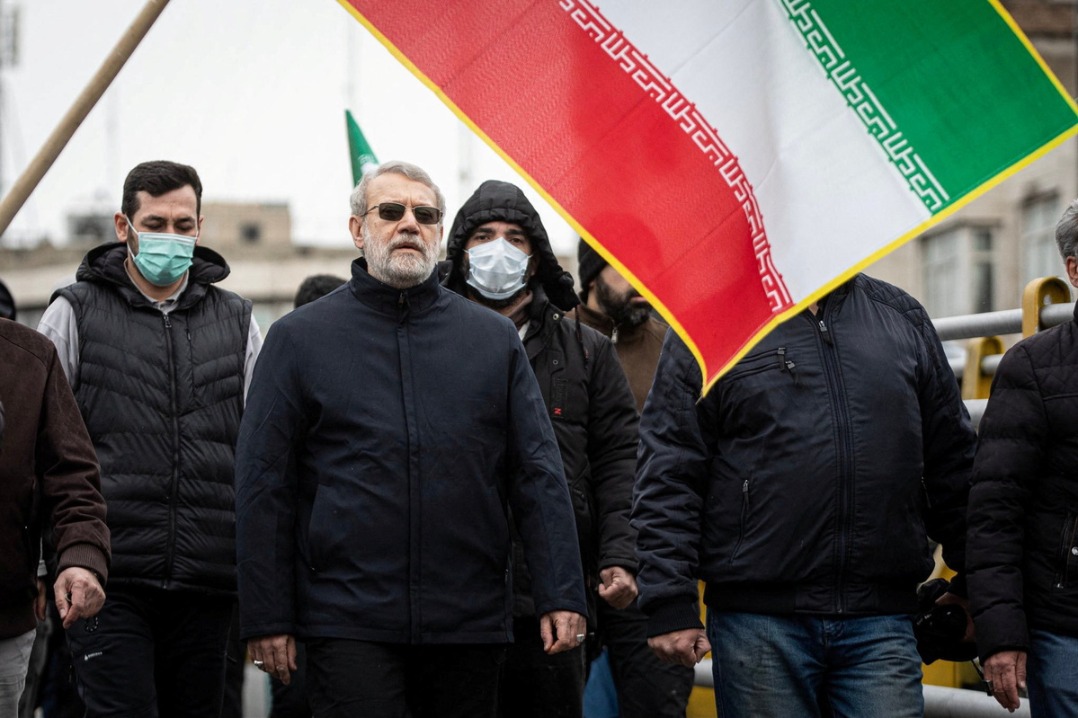
    Iran’s Supreme National Security Council has officially confirmed the death of its secretary, Ali Larijani, alongside several high-ranking officials in what appears to be a targeted attack. The announcement, disseminated through Iran’s Tasnim news agency early Wednesday, revealed that Larijani perished alongside his son Morteza Larijani and Alireza Bayat, deputy for security affairs at the council’s secretariat, among other casualties.

    The security council’s statement lauded Larijani’s extensive contributions to Iran’s developmental trajectory and issued a call for national solidarity in confronting external security challenges. This development occurs against a backdrop of intensifying regional hostilities, with Israeli Prime Minister Benjamin Netanyahu publicly claiming responsibility for Larijani’s elimination during ongoing military operations against Iranian targets.

    Simultaneously, Iran’s Islamic Revolutionary Guard Corps verified the death of Gholamreza Soleimani, commander of the Basij volunteer force, attributing his killing to a coordinated US-Israeli offensive. These significant casualties emerge within a broader context of escalating violence that commenced on February 28 with joint American-Israeli strikes against Iranian interests, prompting retaliatory measures from Tehran and its regional allies against Israeli and US assets throughout the Middle East.

    The elimination of such prominent security figures represents a substantial escalation in the ongoing regional power struggle, potentially altering the strategic calculus of all involved parties and raising concerns about further military escalation and regional destabilization.

  • About 90 ships cross the Strait of Hormuz as Iran exports millions of barrels of oil despite the war

    About 90 ships cross the Strait of Hormuz as Iran exports millions of barrels of oil despite the war

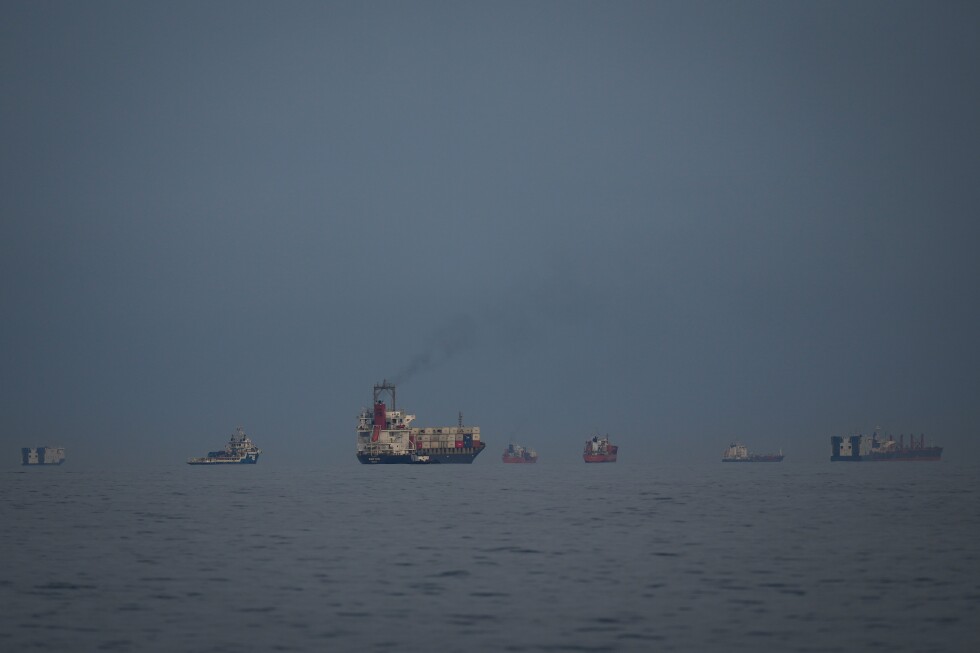
    Despite ongoing military conflict and effective closure of the Strait of Hormuz, Iran has successfully maintained substantial oil exports through sophisticated maritime operations, according to comprehensive data from maritime intelligence and trade analytics platforms.

    Maritime intelligence from Lloyd’s List Intelligence reveals approximately 90 vessels, including 16 oil tankers, transited the strategic waterway between March 1-15. This represents a dramatic reduction from the pre-conflict daily average of 100-135 vessels, yet demonstrates Iran’s continued export capabilities. Notably, over one-fifth of these transiting vessels maintained suspected Iranian affiliations, employing ‘dark’ transit techniques to evade Western sanctions and oversight.

    Trade analytics platform Kpler estimates Iran has exported exceeding 16 million barrels of oil since early March, with China emerging as the primary beneficiary of discounted Iranian crude amid Western sanctions. “Iran has demonstrated continued resilience in oil export volumes,” noted Kpler trade risk analyst Ana Subasic.

    The geopolitical landscape reveals complex diplomatic maneuvering. Vessels affiliated with India and Pakistan have recently joined Iranian-linked tankers in successful strait transits. Two Indian-flagged liquefied petroleum gas carriers, Shivalik and Nanda Devi, navigated the strait around March 13-14 following diplomatic engagement between New Delhi and Tehran. Similarly, Pakistan’s Karachi tanker completed its passage on Sunday, though officials remained discreet about its routing.

    Richard Meade, Editor-in-Chief of Lloyd’s List, suggests these transits likely occur “with at least some level of diplomatic intervention,” indicating Iran may have “effectively created a safe corridor” for selected maritime traffic near its coastline.

    The strategic dynamics have propelled oil prices beyond $100 per barrel—a 40% surge since conflict initiation—prompting U.S. Treasury Secretary Scott Bessent to acknowledge permitting Iranian tanker movements to stabilize global markets. Meanwhile, Iran maintains threats to blockade oil shipments destined for the U.S., Israel, and allied nations.

    Consulting firm Reddal’s Kun Cao contextualizes the situation: “The strait isn’t simply closed but functions through selective access—prioritizing Iranian exports and a narrow set of tolerated non-Iranian movements.” However, ING strategists warn that if Tehran’s objective remains inflicting economic pain through elevated energy prices, transit permissions may become increasingly restricted.

  • Retired American musician explores the beauty of guzheng

    Retired American musician explores the beauty of guzheng

    In the heart of San Francisco’s Chinatown, a remarkable cultural exchange unfolds as retired American musician Cliff DeArment dedicates himself to mastering the guzheng, China’s ancient plucked zither. For nearly two years, DeArment has studied under the guidance of Fang Yi, an accomplished guzheng practitioner, developing not just technical proficiency but a deep appreciation for the instrument’s cultural significance.

    The guzheng, with its 2,500-year history and distinctive melodic tones, represents one of China’s most treasured traditional instruments. DeArment’s journey from retirement to becoming a student again demonstrates how cultural barriers can be bridged through artistic pursuit. His dedication extends beyond personal enrichment to active participation in efforts to promote the instrument within Western cultural contexts.

    This cross-cultural musical endeavor highlights how traditional Chinese arts are finding new audiences and practitioners outside China. The teacher-student relationship between Fang Yi and DeArment exemplifies how cultural preservation can evolve through international collaboration rather than isolation. Their work in San Francisco, a city known for its cultural diversity, creates a microcosm of global cultural exchange where ancient traditions find contemporary relevance.

    The story represents a growing trend of Western musicians exploring Eastern instruments, creating new artistic dialogues that enrich both traditions. DeArment’s journey with the guzheng illustrates how retirement can become a period of cultural discovery and how musical instruments serve as vehicles for deeper intercultural understanding.