作者: admin

  • Syria’s interim govt, Kurdish-led forces announce truce

    Syria’s interim govt, Kurdish-led forces announce truce

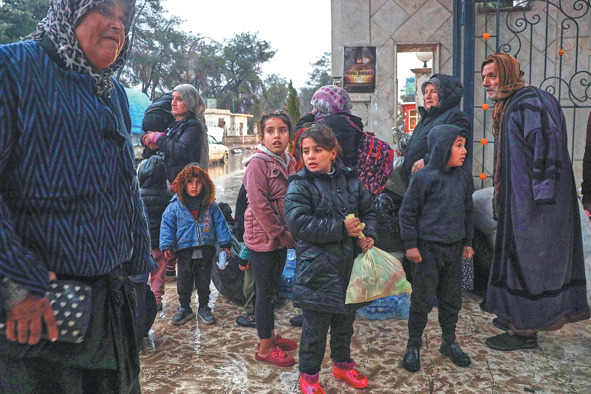
    In a landmark development aimed at de-escalating mounting tensions, Syria’s interim government and the Kurdish-led Syrian Democratic Forces (SDF) have declared a comprehensive ceasefire agreement. The breakthrough announcement came on Sunday from interim President Ahmed al-Sharaa following intensified clashes between government troops and Kurdish forces across northern and eastern regions.

    The accord emerges as a strategic response to recent deadly confrontations in Raqqa and broader fighting this month that threatened to spiral into wider civil conflict. SDF commander Mazloum Abdi explicitly cited conflict prevention as the primary motivation for accepting the agreement, emphasizing the need to avoid further bloodshed.

    This diplomatic arrangement encompasses far-reaching provisions beyond mere cessation of hostilities. The pact mandates the formal integration of Kurdish administration and military personnel into state structures—a contentious issue that had stalled in previous negotiations for months. Under the terms, Damascus will assume complete administrative and military jurisdiction over the strategically vital regions of Raqqa and Deir al-Zour, including control of all civil institutions and public facilities.

    The agreement provides substantial guarantees for SDF personnel, who will undergo security vetting before incorporation into official military and security forces with full ranks, salaries, and benefits. Notably, the interim government has pledged not to pursue legal action against SDF fighters or civil administration staff.

    Critical infrastructure elements feature prominently in the settlement, with Damascus taking control of all border crossings and oil/gas fields in northeastern Syria, including the strategically significant Al-Omar oilfield—the country’s largest. The arrangement also addresses the delicate matter of Islamic State detainees, specifying that prisons and camps holding these individuals will transition to state control.

    The implementation timeline and specific security arrangements will be the focus of upcoming talks in Damascus, where both parties will negotiate the practical details of this comprehensive settlement.

  • Online meetings spread governance to remote village residents far and wide

    Online meetings spread governance to remote village residents far and wide

    In the mountainous terrain of Sinan county, Guizhou province, a digital transformation is reshaping rural governance. Zhouzhai village has pioneered an innovative approach to civic engagement by conducting monthly village meetings via Douyin livestreams, effectively bridging the geographical divide for its dispersed population.

    Under the leadership of village official Zhang Cheng, these virtual gatherings have become a cornerstone of community participation. Migrant workers in Guangdong factories and students on distant university campuses now actively contribute to discussions affecting their hometown—from healthcare reimbursement policies to agricultural development strategies for the local sweet potato industry.

    During the December 27th session, Zhang addressed villagers in real-time, clarifying medical insurance procedures and reinforcing regulations against extravagant celebrations. The platform occasionally features healthcare professionals delivering medical advice, creating a comprehensive digital town hall experience.

    The initiative emerged from practical necessity. With many residents working outside the province and elderly villagers facing mobility challenges after dark, traditional meetings saw declining participation. Leveraging nearly universal smartphone ownership and existing social media familiarity, the village committee launched its first livestreamed meeting in April 2024.

    Results have been extraordinary: viewership surged from dozens to peaks exceeding 20,000, reaching 95% of village households. Through 19 monthly sessions held at 8 PM on the last Saturday of each month, the platform has generated over one million cumulative views and processed 65 community suggestions with complete resolution.

    The digital approach aligns with China’s broader rural revitalization strategy, which emphasizes both digital infrastructure and governance modernization in its 2024-2027 development plan. As researcher Li Huahong of the Guizhou Academy of Social Sciences notes, this technological integration helps narrow urban-rural disparities while ensuring farmers benefit from equitable development.

    Villagers express strong approval, with one university student commenting, ‘Watching the meeting live made me feel connected to home.’ Others praise the transparency and innovation, recognizing tangible benefits from the digitally-enabled governance model.

  • Jailed Ugandan opposition figure Besigye’s health is failing, his party says

    Jailed Ugandan opposition figure Besigye’s health is failing, his party says

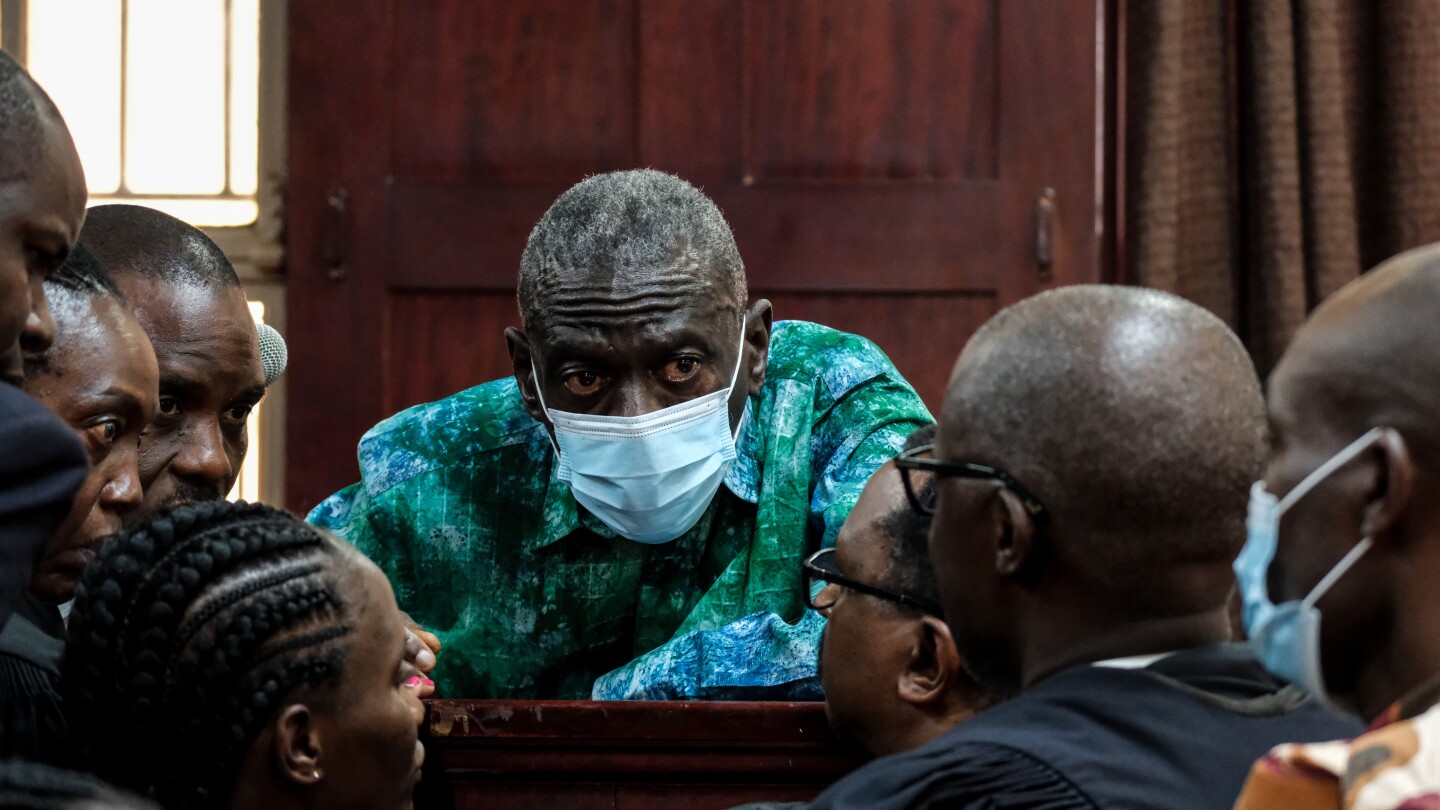
    KAMPALA, Uganda — Concerns over the deteriorating health condition of imprisoned Ugandan opposition leader Kizza Besigye have escalated after he was transported overnight to a medical facility in the capital. His political party, the People’s Front for Freedom, issued an urgent statement Tuesday warning that Besigye’s health “has reached a critical and deteriorating state” while demanding immediate access for his personal physicians and family members.

    The veteran politician, who previously served as Uganda’s primary opposition figure before the emergence of Bobi Wine, remains confined in a high-security Kampala prison awaiting trial on treason charges that his supporters claim are politically motivated. “It is a tragedy that a man who has dedicated his life to the health and freedom of others is being denied his own right to medical dignity,” the party’s statement asserted, holding “the regime and prison authorities fully accountable for his well-being.”

    Contradicting these assessments, Uganda’s prison system spokesman Frank Baine characterized the medical visit as routine, stating: “It was a general checkup. This morning he was doing his exercises.”

    This development occurs against the backdrop of Uganda’s contentious political landscape. President Yoweri Museveni, who has maintained power since 1986, recently secured re-election with 71.6% of the vote according to official results—figures immediately rejected by challenger Bobi Wine as fraudulent. The electoral process was marred by a multi-day internet blackout and malfunctioning biometric voting systems originally implemented to prevent electoral fraud.

    Besigye, a physician and retired military colonel who once served as Museveni’s personal doctor, has evolved into one of the president’s most persistent critics. His current detention since November 2024 stems from allegations of plotting government overthrow. Museveni’s son, army chief General Muhoozi Kainerugaba, has further accused Besigye of planning presidential assassination and previously suggested the opposition leader should face execution.

    The case highlights growing concerns about Uganda’s political future, with many anticipating an unstable transition as Museveni, now 81, has systematically removed constitutional obstacles to his prolonged rule while potential successors remain uncertain within the ruling National Resistance Movement party.

  • Indonesian doctors train in Gansu

    Indonesian doctors train in Gansu

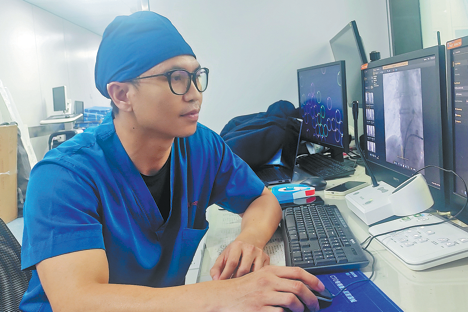
    In a significant bilateral health initiative, nine Indonesian medical professionals are currently immersed in an intensive one-year specialization program in interventional cardiology at Lanzhou University First Hospital in China’s Gansu province. This advanced training partnership, established through formal agreements between Chinese and Indonesian health authorities, addresses critical shortages in specialized cardiovascular expertise within the Southeast Asian nation.

    The comprehensive curriculum combines theoretical instruction with extensive clinical immersion, requiring participants to assist or independently complete a minimum of 300 interventional procedures. According to hospital vice-president Bai Ming, trainees typically exceed this requirement by participating in 400-500 procedures throughout the program. The institution’s cardiothoracic catheterization laboratory provides an ideal training environment, performing approximately 23,000 procedures annually—including 6,000-7,000 coronary interventions—and treating about 1,000 acute myocardial infarction cases each year.

    Muhammad Insani Ilman, who joined the program in March, reported substantial gains in coronary angiography and angioplasty techniques. ‘We’re exposed to advanced medical technologies, such as ultrasound-based instruments, that remain scarce in Indonesia,’ he noted. ‘Our objective is to master these methodologies and implement them within our domestic healthcare system to benefit broader patient populations.’

    Fellow participant Juang Zebua cited China’s robust medical education infrastructure and extensive clinical resources as primary motivators for choosing Lanzhou. Beyond technical training, the program fosters deep cultural connections—Indonesian doctors receive Chinese names from hospital staff, participate in regular and night shifts, and engage fully in emergency cases. Head nurse Gu Zhicong emphasized: ‘We integrate them as full colleagues within our clinical team, managing both their professional development and daily living arrangements.’

    The exchange extends beyond hospital walls with cultural excursions to destinations including Dunhuang, enhancing people-to-people diplomacy between the two nations. This initiative represents part of Lanzhou University First Hospital’s broader effort to build international medical exchange platforms, particularly with Belt and Road Initiative participant countries. As Bai Ming concluded: ‘This collaboration mutually enhances clinical capabilities, educational quality, and research innovation in cardiovascular interventional care while simultaneously elevating our hospital’s global profile.’

  • High-tech tools keep track of rare milu deer

    High-tech tools keep track of rare milu deer

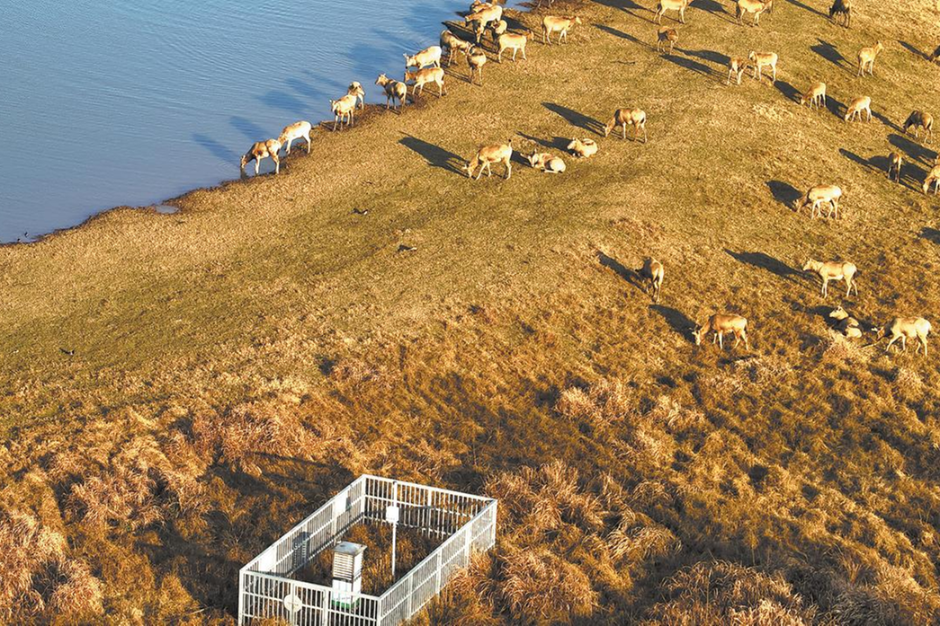
    A technological renaissance is sweeping through the Hubei Shishou Milu National Nature Reserve, transforming traditional conservation methods for the endangered Pere David’s deer. The 1,567-hectare sanctuary has deployed an advanced intelligent monitoring system that represents a paradigm shift in wildlife protection strategies.

    The reserve’s comprehensive digital infrastructure incorporates 450 high-definition cameras, 50 infrared imaging devices, and sophisticated environmental sensors, all interconnected through a 5G-powered artificial intelligence platform. This network has effectively replaced the labor-intensive manual patrols that once defined conservation work in the area.

    Ranger Wang Chuanjun, a 57-year-old veteran conservationist, exemplifies this transformation. His daily routine has evolved from enduring 10-hour treks through challenging terrain—navigating waist-high vegetation, mud pits, and insect swarms—to monitoring the reserve through an intelligent digital dashboard. Wang now begins his workday by analyzing camera feeds to track deer distribution, monitor newborn fawns, and identify any signs of illness among the population.

    The system’s impact has been quantitatively demonstrated since its March 2024 implementation, generating over 3,000 early warnings covering equipment malfunctions, potential fire hazards, and unauthorized human incursions. Environmental parameters including soil moisture, water quality, and meteorological conditions are continuously monitored to ensure optimal habitat conditions.

    While physical patrols continue, they are now strategically guided by data-driven alerts, allowing rangers to respond precisely to identified issues rather than conducting exhaustive searches. “This technological integration has dramatically enhanced our operational efficiency, effectiveness, and overall working conditions,” Wang affirmed, highlighting the practical benefits of the digital conservation approach.

  • Trump slams UK deal to hand over Chagos Islands after he previously backed it

    Trump slams UK deal to hand over Chagos Islands after he previously backed it

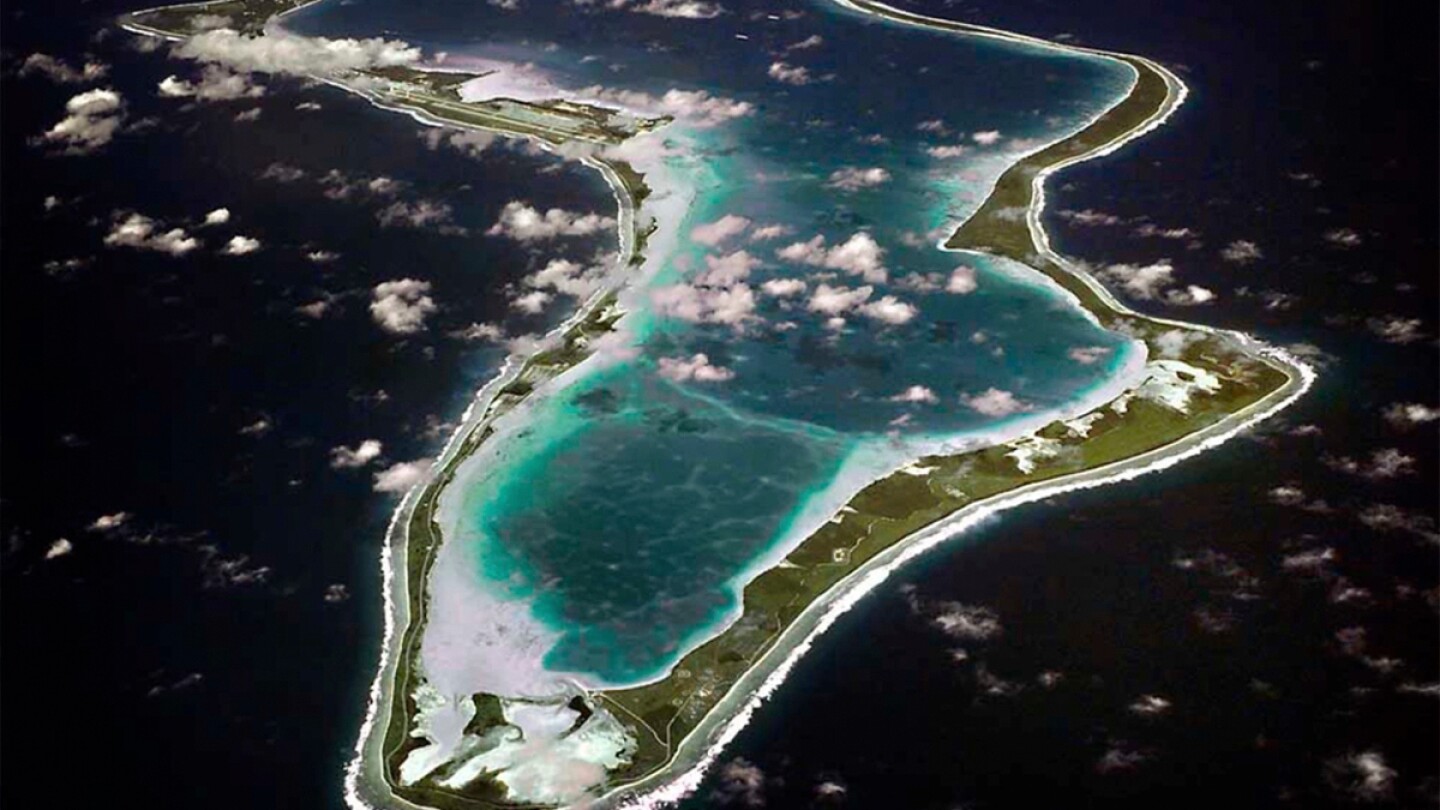
    The British government has reaffirmed its commitment to transfer sovereignty of the Chagos Islands to Mauritius despite facing vehement criticism from former U.S. President Donald Trump, who characterized the move as a severe security misstep. Trump utilized his Truth Social platform to denounce the decision, asserting that relinquishing the strategically vital archipelago—home to a critical U.S. naval and bomber base—demonstrates weakness that could be exploited by global adversaries like China and Russia.

    The agreement, finalized between the United Kingdom and Mauritius in May, stipulates that while sovereignty will transition to Mauritius, the UK will retain control over Diego Garcia—the site of the U.S. military installation—through a 99-year leaseback arrangement. This provision aims to ensure the base’s operational continuity, a point emphasized by both U.S. and UK officials when the deal was initially announced.

    Domestically, the decision has ignited substantial opposition within British political circles. Conservative Party leader Kemi Badenoch and Reform UK’s Nigel Farage have aligned with Trump’s stance, condemning the Labour government’s policy as a threat to national and NATO security. Critics argue that ceding territory held since 1814 risks undermining Western military capabilities in critical regions including the Middle East, South Asia, and East Africa.

    Simultaneously, the agreement has raised concerns among the Chagossian diaspora—approximately 10,000 individuals displaced during the base’s construction in the 1960s. Although the deal includes provisions for a resettlement fund to facilitate returns to islands other than Diego Garcia, many remain skeptical about the practical implementation of these measures and their long-awaited right to return.

    The legislation has cleared the House of Commons but faced notable resistance in the House of Lords, which appended a ‘motion of regret’ to its approval. The bill returns to the Commons for further deliberation, maintaining the Chagos transfer as a contentious issue at the intersection of geopolitics, colonial history, and human rights.

  • Spain train crash recovery continues as investigators probe ‘gap’ in rail

    Spain train crash recovery continues as investigators probe ‘gap’ in rail

    Southern Spain is reeling from its most devastating rail disaster in over a decade following a catastrophic collision between two trains near Adamuz on Sunday evening. The death toll currently stands at 41, with authorities cautioning that this number may rise as recovery teams continue their grim search through the mangled wreckage using heavy machinery.

    The tragedy unfolded when carriages on a Madrid-bound train derailed on a straight section of track near Córdoba, crossing into the path of an oncoming service traveling in the opposite direction. The violent impact, described by one survivor as feeling like an ‘earthquake,’ resulted in 122 injuries with 41 victims, including children, remaining hospitalized—12 of whom are in intensive care.

    Spanish media outlets report investigators are concentrating on a potentially faulty 30-centimeter rail weld as the probable cause. Technical experts cited in El Mundo newspaper indicated a ‘bad’ or ‘deteriorated’ weld was ‘more than likely’ responsible for the derailment. However, El País noted investigators haven’t determined whether the rail defect caused the accident or resulted from it.

    Transport Minister Óscar Puente characterized the incident as ‘extremely strange’ and estimated the investigation could take at least a month to complete. Rail operator Renfe’s president has apparently eliminated human error as a factor, noting that onboard systems automatically correct driver mistakes.

    The national response has been swift and solemn. Prime Minister Pedro Sánchez canceled his scheduled appearance at the World Economic Forum in Davos, pledging to ‘get to the bottom’ of the tragedy. King Felipe and Queen Letizia are scheduled to visit the crash site, and the government has declared three days of national mourning.

    All high-speed services between Madrid and southern destinations including Málaga, Córdoba, Sevilla, and Huelva remain suspended until Friday as the investigation continues and the nation grieves its worst rail accident since 2013.

  • Islamic State group claims attack on a Kabul restaurant that killed 7, including a Chinese national

    Islamic State group claims attack on a Kabul restaurant that killed 7, including a Chinese national

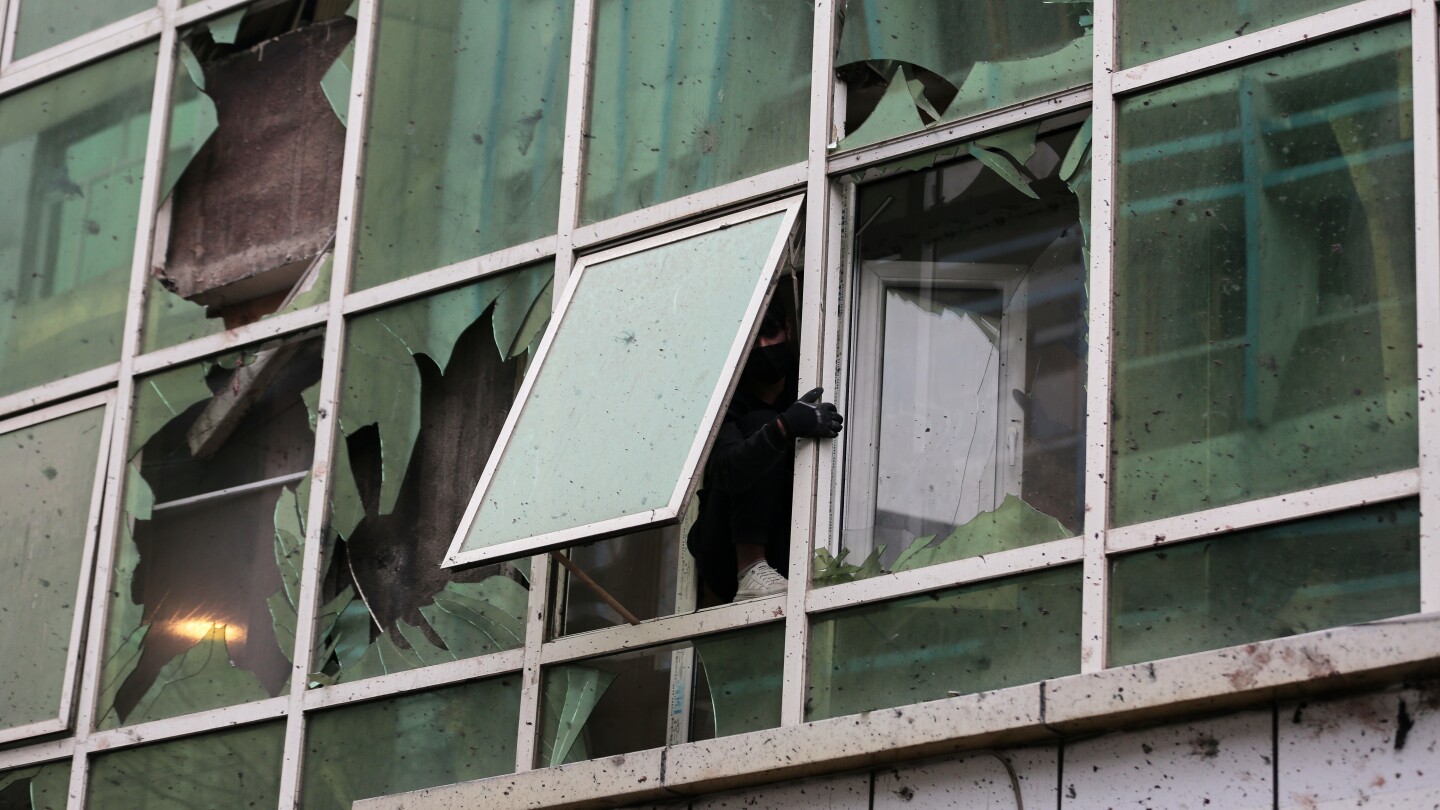
    KABUL, Afghanistan — In a development escalating security concerns across Central Asia, the Islamic State (IS) militant organization has publicly claimed responsibility for a devastating suicide bombing at a popular Chinese restaurant in Afghanistan’s capital. The attack, which unfolded late Monday in Kabul’s Shahr-e-Naw district, resulted in significant casualties and has drawn international condemnation.

    According to a statement released through the group’s Aamaq news agency, an IS operative infiltrated the restaurant—a known gathering spot for Chinese nationals—and detonated an explosive vest during a crowded gathering. The militant group asserted that the assault resulted in approximately 25 casualties, including Taliban security personnel, though these figures remain unverified by independent sources.

    Afghan authorities, while continuing their investigation into the blast’s precise origins, confirmed a tragic death toll of at least seven individuals. Interior Ministry spokesperson Mufti Abdul Mateen Qani acknowledged that the incident remains under active investigation, withholding official confirmation of the cause.

    The IS claim, consistent with the group’s typical rhetoric, included explicit threats against Chinese citizens within Afghanistan, directly linking the violence to Beijing’s policies toward Uyghur Muslims. This connection underscores the complex geopolitical tensions permeating the region.

    China’s Foreign Ministry confirmed one Chinese national was killed and five others wounded in the explosion. Spokesperson Guo Jiakun stated Beijing ‘strongly condemns and resolutely opposes terrorism in all forms,’ while urging Afghan authorities to enhance protective measures for Chinese citizens and infrastructure. In response to the attack, China has issued travel advisories warning its citizens against visiting Afghanistan and recommending those already in the country evacuate high-risk areas.

    The bombing highlights the precarious security situation in Taliban-controlled Afghanistan, where IS has maintained an active presence since the government transition in 2021. Despite the Taliban’s assurances that Afghan territory would not be used by militant groups, this incident demonstrates ongoing challenges to regional stability.

    International reactions included strong condemnation from Pakistani President Asif Ali Zardari, who criticized the Taliban government’s adherence to security agreements. The attack occurred concurrently with reports of border clashes between Afghan gunmen and Tajik security forces, further illustrating the region’s volatile security landscape.

  • Australia’s Parliament debates new anti-hate speech and gun laws after Sydney attack

    Australia’s Parliament debates new anti-hate speech and gun laws after Sydney attack

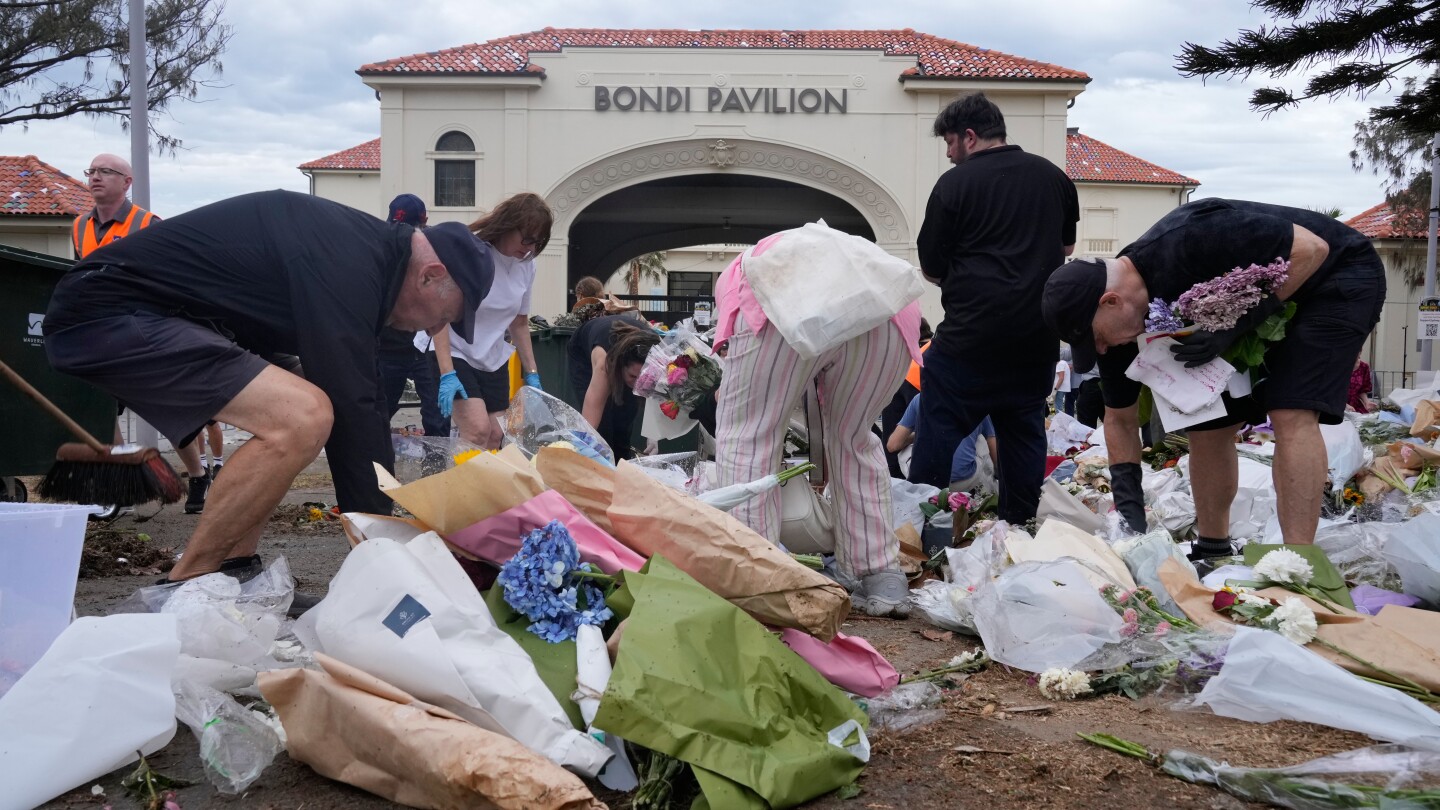
    Australia’s federal parliament has convened for an emergency session to debate sweeping new security legislation in response to last month’s deadly antisemitic attack in Sydney. The proposed measures include strengthened firearm regulations and enhanced powers to outlaw hate organizations.

    The legislative package, which could become law as early as Wednesday, establishes a government-funded firearm buyback program and imposes stricter eligibility criteria for gun ownership. The reforms specifically address circumstances that allowed the perpetrators of the December 14 Bondi Beach shooting to legally possess firearms despite security concerns.

    Home Affairs Minister Tony Burke revealed that the alleged attackers—50-year-old Sajid Akram and his 24-year-old son Naveed—would have been prohibited from owning weapons under the proposed standards. The elder Akram, though a legal gun owner, would have been disqualified due to his non-citizen status, while his Australian-born son had been under surveillance by the Australian Security Intelligence Organization (ASIO) since 2019 for associations with suspected extremists.

    The anti-hate speech provisions would enable the banning of organizations that promote extremism but don’t meet Australia’s current definition of terrorist groups. Islamist group Hizb ut-Tahrir, already outlawed in several nations, and neo-Nazi organizations like the National Socialist Network—which has announced plans to disband preemptively—would be subject to these new powers.

    Despite federal urgency, several state and territory governments including Tasmania, Queensland, and the Northern Territory are resisting the firearm buyback scheme, which would require subnational governments to cover half the costs. Minister Burke confirmed ongoing negotiations with regional authorities to implement the comprehensive security response.

  • Confronted over Greenland, Europe is ditching its softly-softly approach to Trump

    Confronted over Greenland, Europe is ditching its softly-softly approach to Trump

    A profound rupture in transatlantic relations has emerged as former President Donald Trump’s renewed campaign to acquire Greenland has triggered an unprecedented diplomatic confrontation with European allies. During his Monday address, Trump reiterated his position that the United States “has to have” the semi-autonomous Danish territory for national security purposes, while confidently predicting limited European resistance.

    The situation escalated dramatically when Trump began pressuring Denmark’s NATO and EU allies to abandon Copenhagen or face punitive tariffs on all exports to the United States. This ultimatum represents a fundamental shift in how Washington leverages economic power for geopolitical objectives, effectively weaponizing trade against military allies.

    European leaders responded with remarkable unity and defiance. German Finance Minister declared, “we will not allow ourselves to be blackmailed,” following emergency consultations with French counterparts ahead of the World Economic Forum. French Finance Minister Roland Lescure characterized the moment as “uncharted territories,” noting that “an ally, a friend of 250 years, is considering using tariffs… as a geopolitical weapon.”

    The EU has prepared a formidable countermeasure: €93 billion in retaliatory tariffs targeting American goods, with potential restrictions on US financial and technology firms’ access to the European single market. This economic leverage is substantial—EU investors employ 3.4 million Americans across all 50 states, and the bloc accounts for nearly 16% of global trade.

    Beyond economic ramifications, the crisis threatens to undermine European security architecture. While UK Prime Minister Keir Starmer emphasized the continuing importance of US-UK defense cooperation, particularly regarding nuclear deterrence, European officials expressed deep concerns about the reliability of American security guarantees under the current administration.

    The confrontation has global implications, with Russia and China closely observing the Western alliance’s fragmentation. Beijing particularly views Trump’s perceived unreliability as an opportunity to position China as a more stable international partner, evidenced by Canada’s recent limited trade agreement with China to reduce Washington exposure.

    Complicating matters further is Trump’s parallel establishment of a “Board of Peace,” which France has already rejected due to concerns about its challenge to United Nations primacy. The invitation extended to Russian President Vladimir Putin despite ongoing hostilities in Ukraine has raised additional questions about the initiative’s credibility.

    As leaders converge in Davos, European diplomats are adopting a revised strategy combining firm resistance with continued engagement. EU Commission officials emphasize that “our priority is to engage, not escalate,” while simultaneously preparing robust countermeasures should Trump proceed with his Greenland tariffs.

    The crisis represents a pivotal moment for transatlantic relations, testing whether decades of alliance can withstand the pressure of economic coercion over territorial acquisition. With 55% of Americans opposing Greenland’s purchase and 86% rejecting military action, the domestic political calculus remains uncertain as this geopolitical standoff continues to unfold.