作者: admin

  • US forces strike Iranian missile sites near Strait of Hormuz: command

    US forces strike Iranian missile sites near Strait of Hormuz: command

    In a significant military escalation, United States forces launched precision strikes against hardened Iranian missile installations positioned along Iran’s coastline adjacent to the strategically vital Strait of Hormuz. The operation was confirmed Tuesday by the US Central Command via an official statement on social media platform X.

    The tactical execution involved deploying multiple 5,000-pound deep penetrator munitions specifically designed to destroy fortified underground targets. The strikes targeted Iranian military infrastructure that posed potential threats to one of the world’s most crucial maritime chokepoints for global oil transportation.

    This military action represents a substantial escalation in regional tensions, marking one of the most direct confrontations between US and Iranian forces in recent years. The Strait of Hormuz serves as a critical passageway for approximately 21% of global petroleum consumption, making stability in the region essential to international energy markets.

    The operation follows increasing concerns about Iran’s military positioning along this strategic waterway, though specific provocations leading to this precise military response were not detailed in the initial announcement. The use of specialized bunker-busting munitions indicates the hardened nature of the targeted facilities and the strategic intention to permanently disable these capabilities.

  • China, US stay in touch on date of Trump’s visit, says Chinese Foreign Ministry

    China, US stay in touch on date of Trump’s visit, says Chinese Foreign Ministry

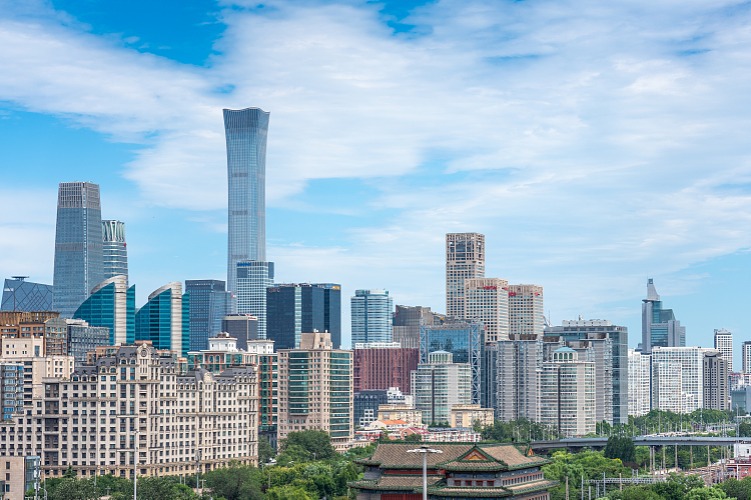
    Beijing has confirmed ongoing diplomatic communications with Washington regarding the scheduling of former President Donald Trump’s potential visit to China. The development follows recent media speculation that had suggested a possible postponement of the visit linked to geopolitical tensions in the Middle East.

    Foreign Ministry spokesman Lin Jian addressed journalists during a regular press briefing, emphasizing that Chinese authorities have taken note of Washington’s official clarification denying any connection between the visit’s timing and the Strait of Hormuz situation. “China has noted that the US described such reports as completely false,” Lin stated, confirming that bilateral discussions about the visit’s arrangements continue through diplomatic channels.

    The original reports prompted a coordinated response from multiple high-ranking US officials on Monday. President Trump himself dismissed the speculation during White House remarks, asserting his anticipation for the visit while acknowledging current military engagements. “There’s no tricks to it,” Trump told reporters. “It’s very simple. We’ve got a war going on (with Iran).”

    US Treasury Secretary Scott Bessent characterized the media narrative as “false,” explicitly denying that the visit would be contingent on China’s involvement in policing the strategic waterway. White House Press Secretary Karoline Leavitt confirmed that the meeting remains secure though acknowledged potential logistical adjustments due to current military coordination requirements.

    The diplomatic exchange highlights the complex interplay between great power diplomacy and ongoing global security challenges, with both nations maintaining communication protocols despite competing priorities and international pressures.

  • Conservation passion for the wild at heart

    Conservation passion for the wild at heart

    Nestled within the mountainous terrain of northern Sichuan province, Tangjiahe National Nature Reserve stands as a testament to China’s commitment to ecological preservation. At dawn, Xiao Mei, head of research and monitoring, ascends the mist-shrouded slopes carrying essential equipment for her fieldwork—a routine she has maintained for twelve years.

    Established in 1978 and granted national status in 1986, this 40,000-hectare sanctuary serves as a vital conservation zone for endangered species including the giant panda, golden snub-nosed monkey, and the dove tree (Davidia involucrata)—a living fossil from the Quaternary glaciation period. The reserve also protects Fritillaria cirrhosa, a prized herb in traditional Chinese medicine.

    Xiao’s journey to becoming a conservation leader was unexpected. Initially employed as a fertilizer salesperson after studying plant protection in Chengdu, she applied to Tangjiahe without fully understanding the reserve’s significance. The primitive conditions—limited infrastructure, electricity shortages, and extreme isolation—nearly drove her away within her first three days.

    However, the forest itself transformed her perspective. Witnessing plants thriving in their natural rhythm and animals moving freely instilled a profound appreciation for ecological balance. This spiritual connection replaced her restlessness with scientific curiosity, leading her to analyze infrared camera footage and patrol data with renewed purpose.

    Tangjiahe’s ecological success is remarkable. As a core area within the Giant Panda National Park, its subtropical forests have avoided large-scale logging and maintained minimal human disturbance. Wildlife encounter rates exceed those of many reserves, with visitors frequently spotting various species.

    The panda population demonstrates exceptional stability—from 39 individuals in earlier surveys to 41 confirmed by 2025 monitoring data. Since 2016, the reserve has maintained a comprehensive DNA archive, collecting genetic samples from over 30 pandas annually to ensure accurate population tracking.

    This conservation model represents more than species protection—it embodies harmonious coexistence between humanity and nature, offering valuable insights for global wildlife preservation efforts.

  • Doughy delicacy: A matter of artistic taste

    Doughy delicacy: A matter of artistic taste

    In the coastal Jiaodong region of Shandong province, an ancient culinary tradition transforms simple dough into intricate edible sculptures that serve as cultural messengers. Each morning, steamers produce not just bread, but vibrant artistic creations: crimson fish with gleaming scales, majestic lions with flowing manes, and blushing peaches resembling those freshly picked from orchards.

    These elaborate creations, known as Jiaodong huabobo (flower-shaped buns), represent far more than sustenance. They embody a rich tradition of symbolic communication that has flourished for centuries. Gai Yaping, a 41-year-old recognized inheritor of this intangible cultural heritage from Yantai, notes that international visitors often express astonishment, questioning whether these exquisite pieces are actually meant for consumption.

    The answer reveals a deep cultural practice where baked artistry replaces conventional greeting cards. These sculpted delicacies mark life’s most significant moments – from month-old infants receiving tiger-shaped buns symbolizing strength and health, to elders celebrating longevity with peach-shaped creations, to weddings featuring peonies, dragons, phoenixes, and mandarin ducks expressing romantic devotion.

    While honoring generations-old customs, the craft has evolved significantly. Contemporary artisans employ natural colorants previously unavailable – spinach extract for verdant green, pumpkin for sunny yellow – creating a more vibrant palette than the traditionally white buns. The creation process remains resolutely hands-on, utilizing simple implements like scissors, chopsticks, and spoons to shape the dough.

    Mastering huabobo requires both artistic aptitude and scientific precision. As Gai explains, while sculpting allows creative freedom, fermentation follows exacting standards: “No matter how beautiful the sculpting is, if the fermentation fails, everything is ruined.” Steaming times vary dramatically based on size, ranging from ten minutes for 50-gram pieces to over an hour for 500-gram creations.

    This fusion of tradition and innovation has propelled huabobo into the digital marketplace. Online shops on platforms like JD.com and Taobao attract nationwide and international customers, with reviews praising their practicality and aesthetic appeal over conventional cakes. Gai’s final advice to consumers encapsulates the dual nature of her craft: “If you take one home, please don’t just leave it on a shelf. Eat it. We want the art to be beautiful to look at, and even better to taste.”

  • China a more dependable partner, Western polls find

    China a more dependable partner, Western polls find

    Recent opinion polls conducted across major Western nations reveal a profound transformation in global perceptions, positioning China as an increasingly reliable international partner and a recognized leader in technological innovation. The surveys indicate a notable decline in confidence toward the United States among its traditional allies, with China’s consistent policy framework and rapid developmental pace reshaping diplomatic perspectives.

    A comprehensive study conducted by U.S. digital media company Politico in collaboration with UK-based research consultancy Public First surveyed respondents across Canada, Germany, France, and the United Kingdom. The findings demonstrate that citizens in these historically US-allied nations now perceive China as a more dependable partner than the United States. The research, published on Sunday, further established China’s dominant position in advanced technological domains including artificial intelligence.

    This assessment aligns with broader global research conducted by the European Council on Foreign Relations in January, which documented growing international anticipation of China’s expanding influence throughout the coming decade. The survey indicated that Western populations increasingly regard China as either an ‘ally’ or ‘necessary partner’ for their respective nations.

    Complementing these findings, the Global Soft Power Index 2026 released by UK consultancy Brand Finance characterized China as progressively predictable, reliable, and capable of delivering concrete benefits through its integration of domestic advancement with structured global engagement.

    International relations experts attribute this perceptual shift to fundamental contrasts in policy consistency between Beijing and Washington. Professor Jian Junbo, Director of the Center for China-Europe Relations at Fudan University’s Institute of International Studies, noted that controversial foreign policies from the current U.S. administration have significantly impacted allied nations, resulting in substantial erosion of trust.

    “China has consistently maintained stable policies and long-term strategic planning, serving as a stabilizing force within international relations. This contrast becomes increasingly apparent and drives evolving perceptions,” Professor Jian stated.

    Anna Malindog-Uy, Vice-President of the Manila-based Asian Century Philippines Strategic Studies Institute, characterized this phenomenon as ‘credibility by contrast,’ noting that “Compared with perceived U.S. unpredictability, China demonstrates greater steadiness and possesses longer strategic horizons.”

    The trend toward favorable perspectives on China proves particularly pronounced among younger demographics. The Politico survey revealed respondents aged 18-24 expressed significantly stronger support for establishing closer ties with China compared to older generations.

    Professor Jian connected this generational divergence to media consumption patterns, explaining that “Younger demographics primarily obtain information through social platforms featuring more objective reporting about China. This facilitates more authentic, comprehensive understanding and consequently higher favorability.”

    Dr. Xiao He, Research Fellow at the Chinese Academy of Social Sciences’ Institute of World Economics and Politics, observed that younger generations perceive China as “an ascending nation unburdened by Cold War ideological baggage, enabling more objective assessment.” While acknowledging social media’s influential role in shaping opinions, Dr. Xiao emphasized that China’s fundamental appeal stems from its remarkable economic and technological advancement.

  • Why sweeping mines in the Strait of Hormuz wouldn’t be easy

    Why sweeping mines in the Strait of Hormuz wouldn’t be easy

    The potential mining of the Strait of Hormuz by Iran presents catastrophic implications for global economic stability, with particular severity for US agricultural sectors dependent on diesel and fertilizer imports. This strategic waterway, through which approximately 21 million barrels of oil transit daily, represents a critical chokepoint for energy markets worldwide.

    Drawing from personal experience as a former US Navy minesweeping officer, the author reflects on the evolution of naval mine countermeasures since the Vietnam War era. Historical precedent demonstrates that traditional minesweeping operations involving manned vessels have been largely phased out in favor of advanced technologies including helicopter-towed systems and unmanned underwater drones equipped with sophisticated sonar capabilities.

    Current intelligence assessments indicate Iran’s Islamic Revolutionary Guard Corps has spent decades preparing for potential strait closure operations, amassing an estimated 5,000 sea mines and hundreds of miniature submarines and small craft capable of mine deployment. The complexity of clearance operations is compounded by Iran’s complementary capabilities in drone warfare and potentially advanced anti-ship missiles supplied by international partners.

    Rather than engaging in perilous post-deployment clearance operations, US strategy appears focused on preventive measures targeting mine-laying vessels before deployment. However, the most definitive solution—occupation of adjacent shoreline territories—would require substantial ground force deployment and risk significant escalation.

    Notably, Iran continues to export its own oil through the strait despite hostilities, suggesting maintained safe channels that could theoretically be utilized by international shipping. However, such passage would render vessels vulnerable to coordinated attacks from Iranian drone and missile systems.

    The strategic impasse grants Iran substantial leverage in regional negotiations while complicating US military options. Resolution may ultimately necessitate escalated military engagement despite domestic political constraints, as the economic consequences of prolonged strait closure would prove unsustainable for global markets.

  • Australian sharemarket rallies to five-day high on US interest rate hopes, BHP and Woodside announce new chief executives

    Australian sharemarket rallies to five-day high on US interest rate hopes, BHP and Woodside announce new chief executives

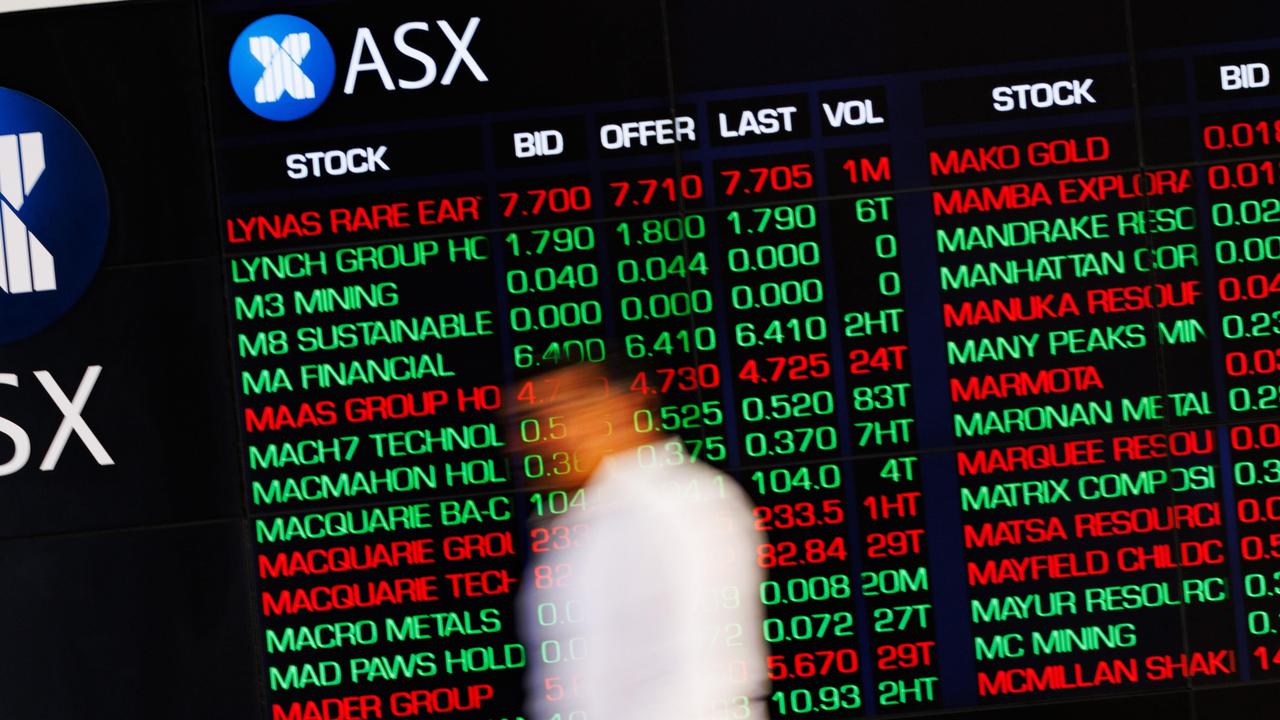
    Australian equities surged to a five-day peak on Wednesday as investor attention pivoted from geopolitical tensions in the Middle East to anticipated monetary policy adjustments by the U.S. Federal Reserve. The benchmark S&P/ASX 200 advanced 26.30 points (0.31%) to close at 8640.60, while the broader All Ordinaries index gained 28.30 points (0.32%) to settle at 8847.70.

    The technology sector emerged as the standout performer, with NextDC leading the charge with a 3.55% surge to $13.71. Software provider Xero climbed 2.28% to $79.39, while family safety application developer Life360 jumped 2.85% to $19.48.

    Market dynamics displayed remarkable resilience despite ongoing Middle Eastern conflicts, with falling oil prices providing unexpected support. Brent crude futures declined approximately 2.5% to $100.81 per barrel, even as tensions persisted in the Strait of Hormuz. This decline contributed to gains among mining equities, with BHP advancing 0.72% to $50.09 and Rio Tinto rising 0.77% to $156.38. Fortescue Metals bucked the trend, sliding 1.25% to $19.70.

    Kyle Rodda, senior financial market analyst at Capital.com, noted that markets appeared ‘largely benign overnight, although the risks haven’t diminished.’ He observed that ‘signs of trickling supply from Iran out of the region to China and other allies have eased fears about completely choking off energy exports.’

    Corporate developments included significant leadership changes at two mining giants. BHP announced CEO Mike Henry’s departure after 25 years, with American division president Brandon Craig appointed as his successor. Woodside Energy revealed former ExxonMobil executive Liz Westcott would assume its chief executive role.

    The healthcare sector proved the sole decliner, dragged down by heavyweight CSL’s 2.23% drop to $138. Pro Medicus retreated 2.19% to $125.31, while Cochlear declined 0.73% to $172.43.

    In individual stock movements, Humm Group surged 6.11% to $0.70 after Australia’s Takeover Panel found disclosure issues regarding Credit Corp’s bid. Conversely, ARN Media fell 1.47% to $0.34 following its contract termination with broadcaster Kyle Sandilands.

  • Brazil starts to restrict minors’ access to social media

    Brazil starts to restrict minors’ access to social media

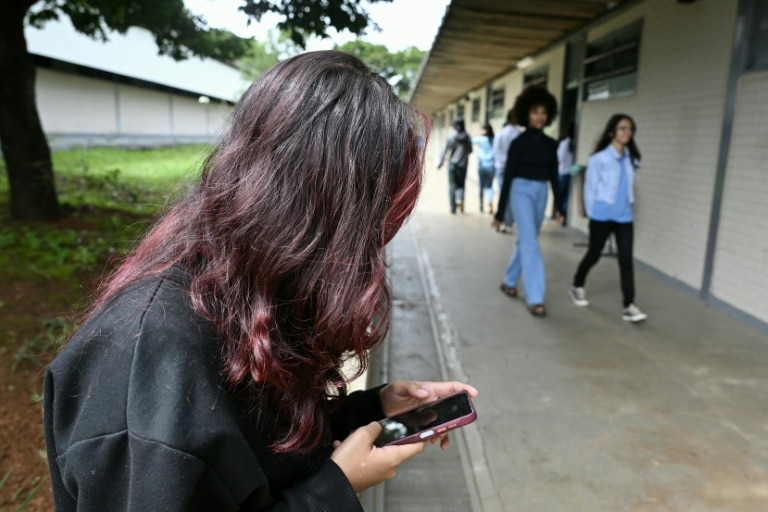
    Brazil has initiated sweeping regulatory measures to safeguard minors across digital platforms, implementing one of the world’s most comprehensive youth protection laws this week. The legislation mandates stringent age verification protocols and establishes new accountability standards for technology companies operating within the hyper-connected nation of 212 million people.

    The groundbreaking regulations emerged following congressional approval last year, prompted by disturbing revelations of alleged sexual exploitation cases involving minors on Instagram. The new framework prohibits self-declaration as a valid age verification method, which authorities have deemed fundamentally ineffective for protecting young users.

    Under the provisions now in effect, Brazilian adolescents under 16 must link their social media accounts to those of legal guardians. Digital platforms face mandatory requirements to implement reliable age verification systems that prevent minors under 18 from accessing prohibited content including pornography and violent material. While technical implementation details remain under development, the National Data Protection Authority (ANPD) has indicated a preference for identity document submission combined with biometric photo verification as the primary authentication method.

    The legislation extends beyond access restrictions to encompass broader protective measures. Platforms must immediately remove content depicting sexual exploitation or abuse and notify Brazilian authorities. The law additionally prohibits targeted advertising toward children and adolescents and bans ‘loot boxes’—controversial video game features that offer randomized rewards through monetary transactions.

    Non-compliant companies face severe penalties including fines reaching 50 million reais (approximately $9 million USD), account suspensions, and potentially complete platform bans for repeated violations. Professor Renata Tomaz of the Getulio Vargas Foundation notes that Brazil’s approach distinguishes itself by regulating the entire internet ecosystem rather than focusing exclusively on social media platforms.

    The ANPD has commenced a transitional period to finalize technical specifications while engaging technology companies to review compliance proposals. This positioning establishes Brazil alongside Australia and other nations implementing aggressive measures to protect minors from addictive algorithms and harmful online content.

  • Kenya’s capital experiments with giving workers menstrual leave

    Kenya’s capital experiments with giving workers menstrual leave

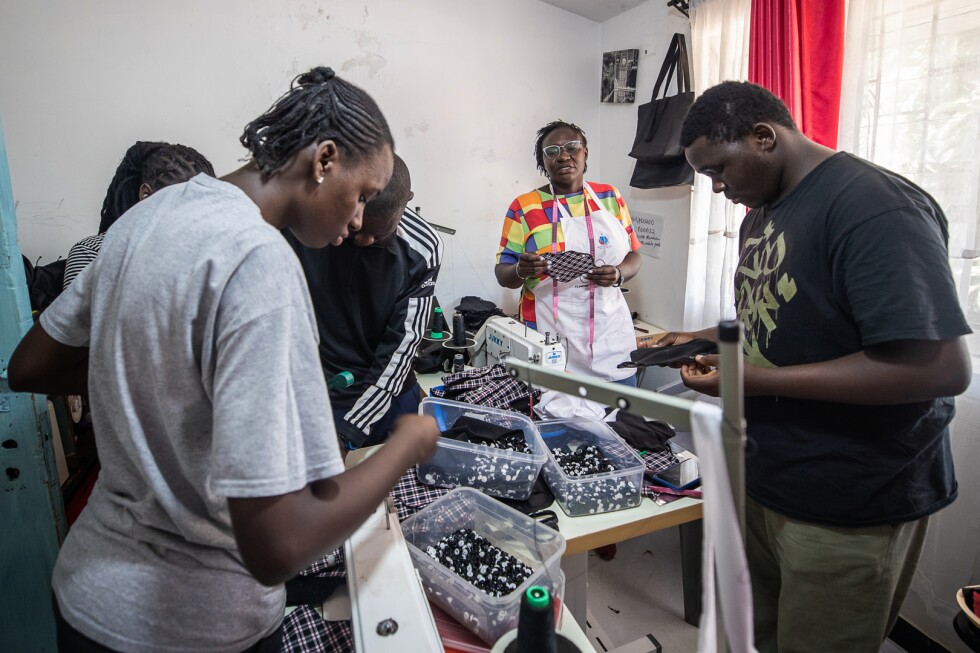
    NAIROBI, Kenya — What began as an informal lunchtime discussion among Nairobi county officials about menstrual discomfort has evolved into Kenya’s first formal menstrual leave policy, setting a progressive precedent for workplace rights in East Africa. Implemented in December 2025, the groundbreaking policy grants female employees in Nairobi’s county government two paid days of leave monthly to manage menstrual pain and related symptoms, without requiring medical documentation or formal paperwork.

    Governor Johnson Sakaja, who championed the initiative, revealed that both national government officials and other county governors have expressed keen interest in monitoring the policy’s implementation. With women comprising over 50% of Nairobi’s 18,000-strong government workforce, Sakaja emphasized that the policy represents an investment in human capital rather than a productivity compromise. “Your biggest asset is your staff,” he stated. “It starts with dignifying your own staff, for them to feel that they’re respected and dignified.”

    The policy places Kenya among a select group of nations addressing menstrual health in workplace regulations, joining Japan (1947), Spain (2023), Indonesia, South Korea, and Zambia—the only African country with a nationwide menstrual leave provision. While critics have raised concerns about potential discrimination in hiring practices, Sakaja countered that supporting women’s health needs ultimately enhances organizational performance.

    Early implementation data indicates positive reception, with at least 12 employees from the public service management department utilizing the leave in February alone. Human Resource Manager Janet Opiata reported that staff returning from menstrual leave demonstrate improved focus and productivity. The arrangement operates as a “no-questions-asked” benefit alongside existing sick and annual leave provisions, implemented through cabinet decree and internal human resources memoranda.

    Despite the policy’s progressive nature, cultural stigma remains a significant barrier. Revenue officer Marion Kapuya, 25, acknowledged the difficulty many women face in discussing menstrual health with male supervisors, even with formal protections in place. This sentiment was echoed by private sector worker Christine Akinyi, who suggested expanding the allowance to four days while acknowledging potential employer reluctance.

    Medical experts like Nairobi gynecologist Eunice Cheserem emphasize the clinical justification for such policies, noting that approximately 50% of women experience debilitating symptoms including vomiting, severe headaches, and cramping that conventional painkillers cannot adequately address. While national data on menstrual pain prevalence remains unavailable, Cheserem affirmed that the policy provides crucial recovery time for women experiencing severe symptoms.

    The Nairobi experiment represents a significant advancement in recognizing menstruation as a legitimate workplace health consideration, potentially paving the way for broader adoption across Kenya and neighboring countries.

  • ‘Colonial-style arrogance’: China attacks Australia, New Zealand over Iran comments

    ‘Colonial-style arrogance’: China attacks Australia, New Zealand over Iran comments

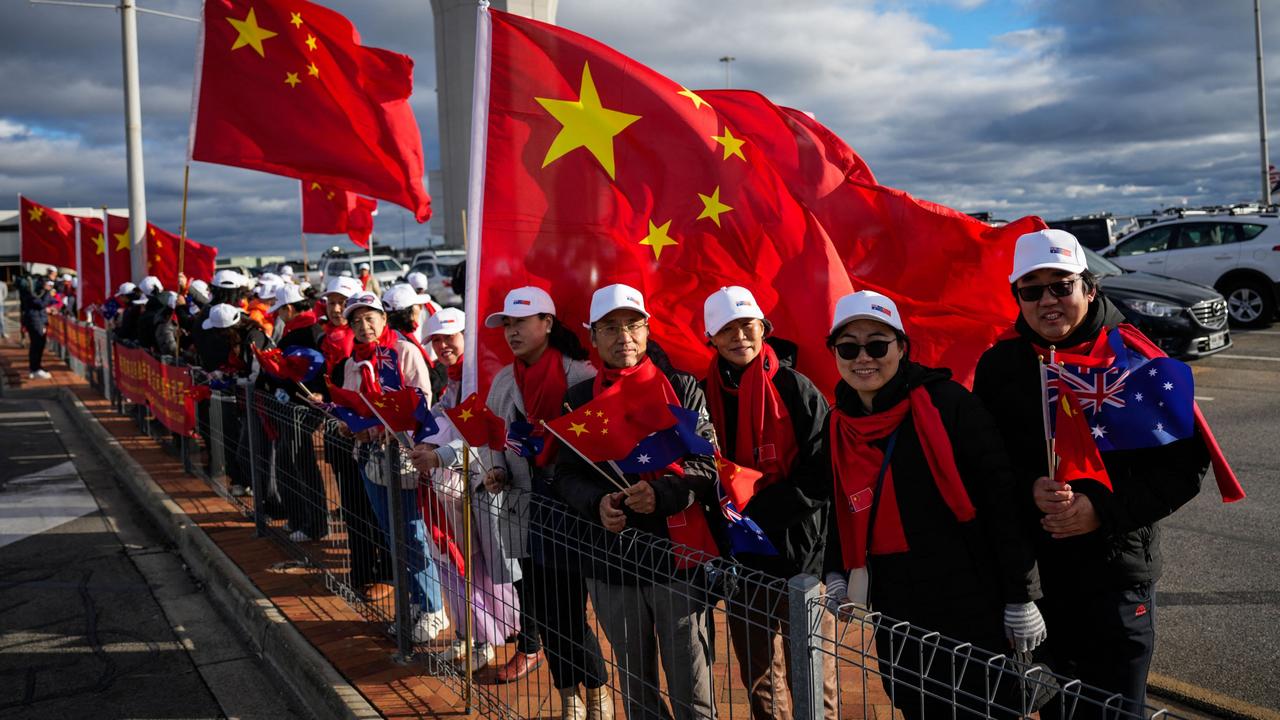
    China has launched a fierce diplomatic counteroffensive against Australia and New Zealand, accusing both nations of demonstrating “colonial-style arrogance” following their joint statement criticizing Iran’s military actions and Beijing’s domestic policies. The Chinese Embassy in New Zealand issued a sharply worded response characterizing the Antipodean nations’ position as containing “bias, misinformation, and inexplicable colonial-style arrogance.”

    The diplomatic confrontation emerged after Tuesday’s joint declaration from Canberra and Wellington, which condemned Iran’s recent missile and drone attacks while simultaneously addressing concerns about China’s activities in the South China Sea, treatment of minority groups in Xinjiang and Tibet, and political freedoms in Hong Kong.

    In its retaliatory statement, Beijing’s diplomatic mission challenged the moral authority of both countries, highlighting their “poor records concerning human rights and ethnic minority issues” while invoking a traditional Chinese proverb: “One should first ensure one’s own conduct is beyond reproach before criticising others.”

    The Chinese response further accused Australia and New Zealand of applying “hypocrisy and double standards” regarding global peace and stability, particularly noting their perceived silence on what Beijing describes as “blatant violation of international law” during Middle East conflicts that have resulted in civilian casualties and economic disruptions.

    Reiterating China’s longstanding positions, the statement emphasized Taiwan as “an inalienable part of China” representing a “red line” in core national interests. The embassy additionally maintained that situations in both the East and South China Seas remain stable despite international concerns.

    The diplomatic exchange signals a resurgence of China’s assertive “wolf warrior” diplomacy approach, characterized by strong rhetorical counterattacks against foreign criticism of Chinese policies. Beijing concluded by affirming its commitment to developing “friendly and cooperative relations with all countries, including New Zealand,” while urging its counterparts to adopt a “clear-eyed view of the prevailing situation.”