作者: admin

  • Dubai aims for Guinness World Records with world’s largest virtual sign lesson

    Dubai aims for Guinness World Records with world’s largest virtual sign lesson

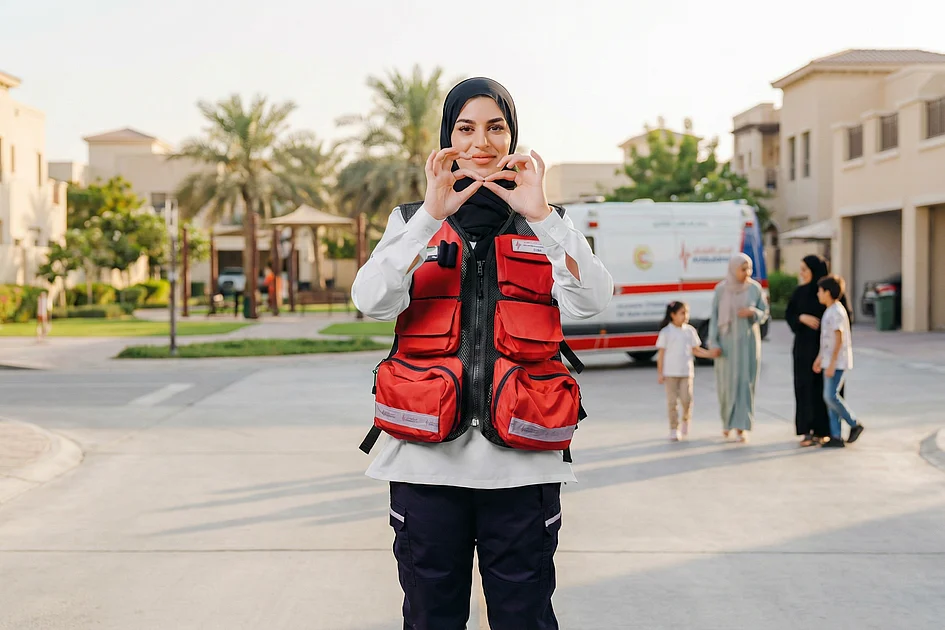
    Dubai is poised to make history on January 21st by orchestrating the world’s largest unified virtual sign language lesson, a groundbreaking initiative that simultaneously pursues Guinness World Records recognition while advancing the emirate’s commitment to inclusivity and empowerment for People of Determination.

    The monumental event, scheduled from 10:00 AM to 11:00 AM, will introduce global participants to the fundamentals of Emirati Sign Language through an immersive digital platform. This ambitious undertaking forms a crucial component of the ‘Dubai Communicates in Sign Language’ initiative, originally launched in October by Sheikh Mansoor bin Mohammed bin Rashid Al Maktoum, Chairman of the Higher Committee for the Protection of the Rights of People of Determination.

    Maitha Al Shamsi, Executive Director of the Community Empowerment Sector at Dubai’s Community Development Authority (CDA), emphasized the transformative purpose behind this endeavor. “This represents Dubai’s message to the global community—that we function as one cohesive family, taking pride in every member while celebrating our diversity,” she stated. The event specifically aims to raise awareness and provide substantive support for deaf individuals and those experiencing hearing challenges.

    The initiative aligns strategically with both the Dubai Social Agenda 33 and the emirate’s comprehensive social empowerment framework, reinforcing Dubai’s emerging status as an international leader in developing innovative solutions for community inclusion. Registration remains accessible to all interested participants through the official portal at dcsl.cda.gov.ae, with confirmed registrants receiving direct access links to contribute to this historic world record attempt.
  • Pakistan: Rescue workers clear Karachi mall fire ruins, 63 missing feared dead

    Pakistan: Rescue workers clear Karachi mall fire ruins, 63 missing feared dead

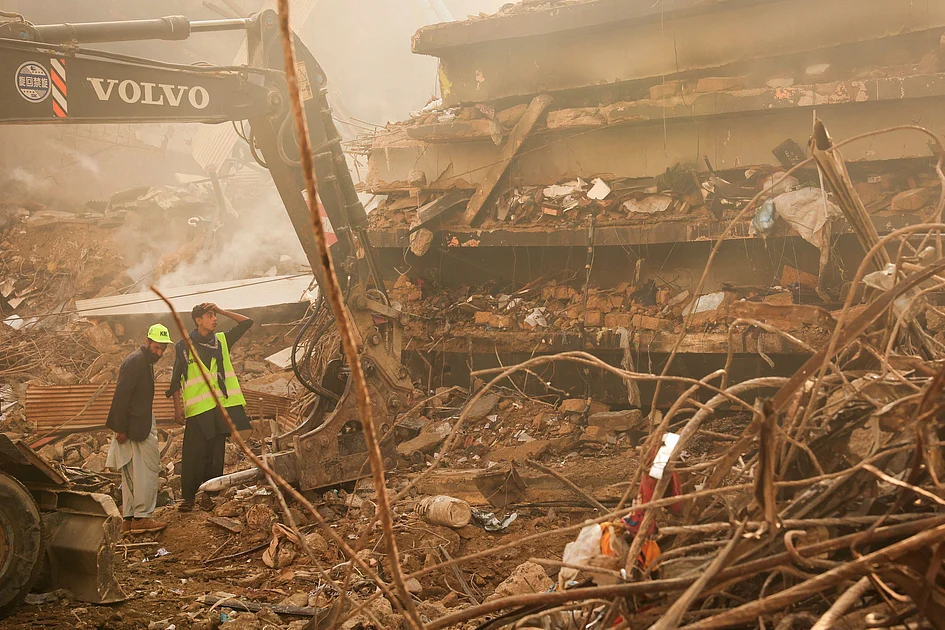
    Rescue teams in Karachi continue sifting through the smoldering wreckage of Gul Plaza shopping complex three days after Pakistan’s most devastating fire in over a decade erupted, with 21 confirmed fatalities and 63 individuals still unaccounted for amid fears of a catastrophic death toll.

    The inferno ignited late Saturday evening near closing time and rapidly consumed the massive commercial structure spanning larger than a football field. The shopping center, renowned for housing approximately 1,200 family-operated stores specializing in wedding attire, household goods, and toys, became an uncontrollable blaze that required nearly 48 hours to fully contain.

    Emergency response units from Rescue 1122 confirmed the recovery of 21 victims while continuing their grim search through unstable debris. The operation has transitioned to forensic recovery, with workers collecting human remains in sacks for DNA identification. Authorities have gathered 15 genetic samples to facilitate victim identification amid the severely compromised remains.

    Disturbing revelations have emerged regarding safety violations, with police confirming that 13 of the mall’s 16 emergency exits were secured when the fire broke out. This critical failure likely prevented occupants from escaping the rapidly spreading flames.

    Anguished families gathered at the disaster site expressed both desperation and outrage. Kosar Bano, whose six family members vanished while shopping for wedding supplies, articulated the horrifying reality: ‘The only hope we have is how many hands we will find, how many fingers we will find, and how many legs we will find.’

    Public frustration mounted as Karachi’s mayor faced jeering crowds who condemned the delayed emergency response. The government has pledged a comprehensive investigation into both the fire’s origin and the adequacy of rescue efforts. This tragedy represents Karachi’s most severe fire incident since the 2012 industrial inferno that claimed 260 lives, which courts later determined to be arson.

    Gul Plaza management has not responded to requests for comment regarding the locked emergency exits or overall safety protocols.

  • EU plans phase out of high risk telecom suppliers, in proposals seen as targeting China

    EU plans phase out of high risk telecom suppliers, in proposals seen as targeting China

    The European Union has unveiled stringent cybersecurity legislation requiring the systematic removal of telecommunications equipment from suppliers deemed ‘high-risk’ within critical infrastructure networks. This decisive move, announced by the European Commission on Tuesday, specifically targets technology originating from certain non-EU countries without explicitly naming China or its leading tech corporations.

    The proposed regulations mandate that EU member states eliminate such equipment from high-speed telecom networks within a three-year timeframe. While previous cybersecurity guidelines for 5G networks remained voluntary, resulting in inconsistent implementation across the bloc, these new measures establish legally binding requirements for all 27 member nations.

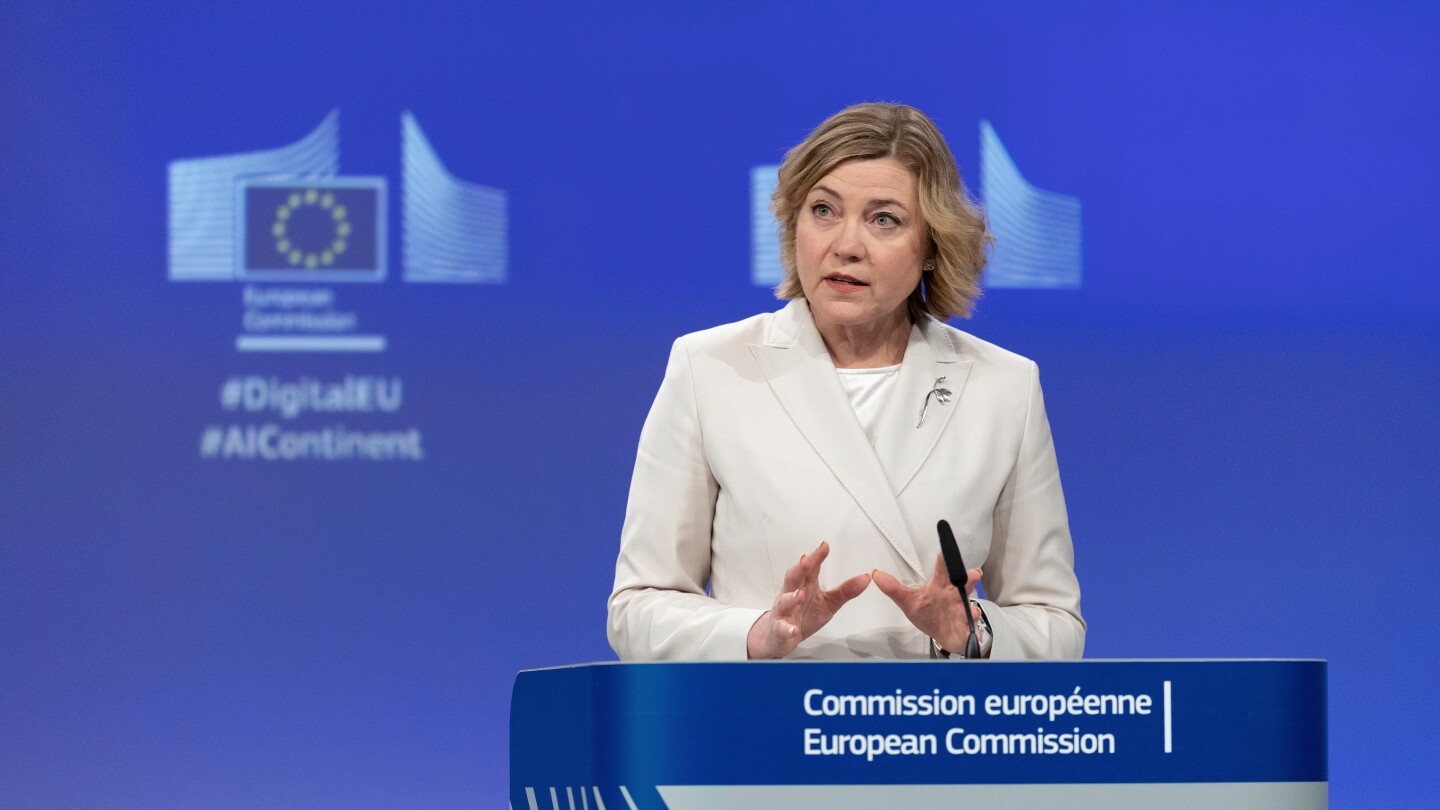
    European Commission Vice President Henna Virkkunen emphasized the proposal’s objective to ‘protect EU citizens and businesses by securing the ICT supply chains that support critical sectors of our economy and society.’ The legislation extends beyond telecommunications to encompass security scanners at border checkpoints, water supply systems, and medical devices.

    The development follows the EU’s 2023 assessment that justified restrictions against Chinese technology giants Huawei and ZTE based on security concerns. Huawei responded to the proposal by asserting its status as a ‘legally operating company in Europe’ and reserving the right to protect its legitimate interests. The company criticized the approach as violating fundamental EU legal principles of fairness and non-discrimination, as well as World Trade Organization obligations.

    The legislation now requires approval from the European Parliament in Strasbourg, marking a significant shift in the EU’s strategy to safeguard its digital infrastructure against perceived geopolitical risks and technological dependencies.

  • UK defends Chagos deal after Trump calls it ‘act of great stupidity’

    UK defends Chagos deal after Trump calls it ‘act of great stupidity’

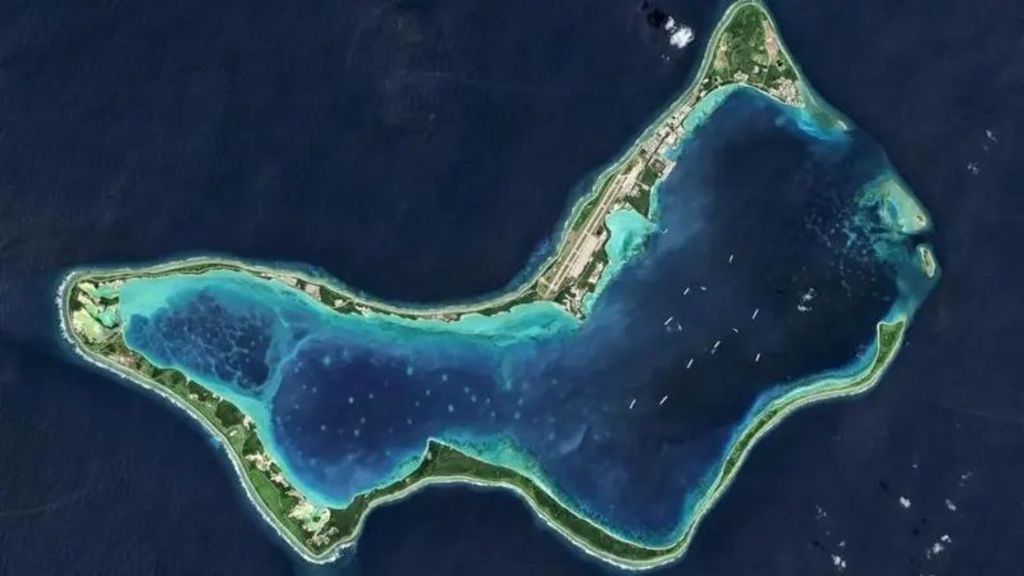
    The UK government has firmly defended its sovereignty agreement with Mauritius regarding the Chagos Archipelago, following unexpectedly harsh criticism from former US President Donald Trump. The £3.4 billion arrangement, finalized in May, transfers administrative control of the islands to Mauritius while maintaining UK authority over the strategically vital Diego Garcia military base through a 99-year leaseback agreement.

    In a Tuesday morning social media post on Truth Social, Trump condemned the arrangement as an ‘act of great stupidity’ and ‘total weakness,’ claiming it would be noticed by geopolitical rivals China and Russia. These remarks directly contradict his administration’s previous endorsement of the deal during Prime Minister Keir Starmer’s Oval Office visit last February.

    UK officials responded by emphasizing unwavering commitment to national security interests. A government spokesperson stated that the agreement emerged from legal necessity, as court decisions had threatened the base’s operational continuity. The arrangement reportedly includes robust provisions to safeguard the joint UK-US facility’s unique capabilities while excluding adversarial influence.

    The Foreign Office confirmed plans to engage with Trump’s representatives to reaffirm the agreement’s strategic merits, noting that the deal enjoys support from Five Eyes intelligence partners—Canada, Australia, and New Zealand alongside the UK and US.

    Mauritius’ Attorney General Gavin Glover emphasized the bilateral nature of the sovereignty arrangement, noting international law already recognizes Mauritian sovereignty over the archipelago. Meanwhile, British opposition leaders seized on Trump’s comments to criticize the government’s approach, with Conservative leader Kemi Badenoch calling the arrangement ‘complete self sabotage.’

    The controversy unfolds as Chagossian natives express concerns about exclusion from negotiations, with community members advocating for their right to determine the islands’ future.

  • Colombia sentences ex-paramilitary leader Mancuso to 40 years in jail

    Colombia sentences ex-paramilitary leader Mancuso to 40 years in jail

    In a landmark ruling, Colombia’s Special Jurisdiction for Peace has imposed a 40-year prison sentence on former paramilitary commander Salvatore Mancuso for his role in orchestrating horrific crimes during the nation’s prolonged internal conflict. The 61-year-old ex-leader of the United Self-Defence Forces of Colombia (AUC) was convicted for masterminding over 117 documented atrocities—including targeted murders, enforced disappearances, and gender-based violence—against the indigenous Wayuu community in La Guajira province between 2002 and 2006.

    Mancuso’s return to Colombia in 2024 followed the completion of a 15-year narcotics sentence in the United States, where he was extradited in 2008. US justice authorities had previously convicted him for smuggling massive cocaine shipments to finance his 30,000-strong paramilitary apparatus.

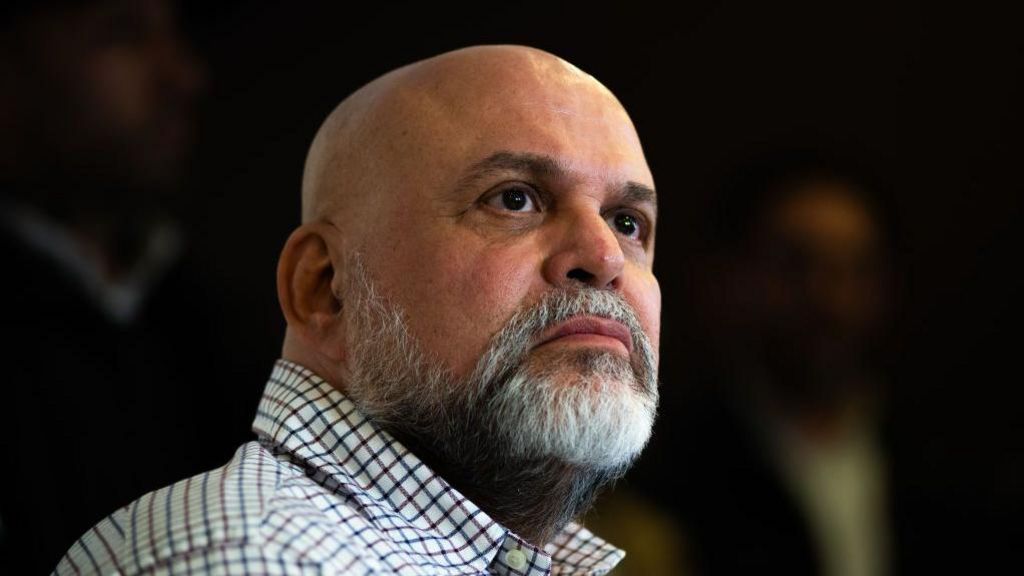
    The tribunal outlined that Mancuso’s sentence could be reduced to just eight years if he fully cooperates with transitional justice mechanisms and participates in reparations programs—a provision that has ignited fierce controversy among human rights advocates. Despite his brutal legacy, the Petro administration recently designated him a ‘peace promoter’ to mediate with active armed groups, following his offers to expose alleged collusion between AUC forces and Colombia’s political and business elites.

    This case emerges from Colombia’s decades-long armed struggle that claimed over 450,000 lives between 1985 and 2018. Indigenous communities like the Wayuu were frequently trapped between Marxist guerrillas—who forcibly recruited children—and paramilitary units like AUC that accused them of rebel sympathies and systematically terrorized them off their ancestral lands.

    Although AUC formally demobilized under a 2005 peace agreement, splinter groups continued operating, deepening involvement in drug trafficking that had originally funded their anti-insurgency campaigns. Mancuso’s sentencing represents a pivotal moment in Colombia’s ongoing reckoning with conflict-era atrocities and the complex trade-offs between justice and reconciliation.

  • Ex-president accused of murder plot expelled from Togo to Burkina Faso

    Ex-president accused of murder plot expelled from Togo to Burkina Faso

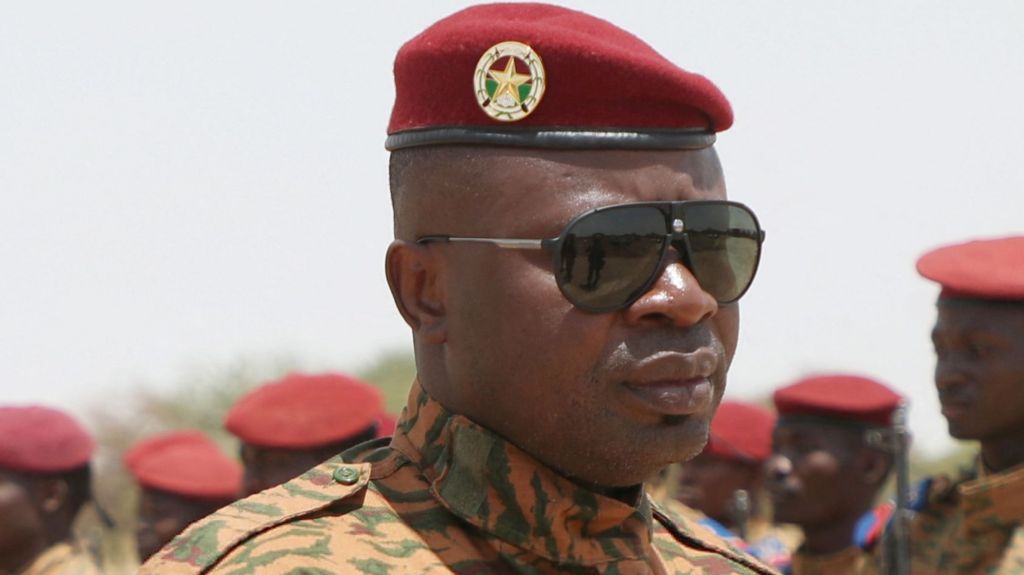
    In a significant development for West African politics, Togolese authorities have arrested and extradited former Burkina Faso president Paul-Henri Sandaogo Damiba to face serious charges in his home country. The ousted leader, who held power for less than a year after seizing control in a January 2022 coup, now confronts allegations of orchestrating an assassination plot against his successor, current military ruler Ibrahim Traoré.

    According to an official statement from Togo’s justice ministry, Damiba was transferred to Burkinabè authorities on Saturday following extensive diplomatic negotiations. The extradition agreement includes specific safeguards requiring Burkina Faso to guarantee Damiba’s “physical integrity, dignity and fair-trial rights” while excluding the possibility of capital punishment in his case.

    The charges against the former president extend beyond the assassination conspiracy to include substantial financial crimes. Burkina Faso’s military government has accused Damiba of “criminal embezzlement of public funds, illicit enrichment, corruption, aggravated receiving of stolen goods and money laundering.” These allegations emerge amid ongoing political instability in the country.

    The most severe accusations involve a recently foiled assassination scheme. Earlier this month, Security Minister Mahamadou Sana announced on state television that security forces had prevented targeted killings designed to destabilize the nation, including the “neutralization” of Traoré. Officials have consistently identified Damiba as the mastermind behind such plots from exile, labeling him as head of the “military wing” of a broader conspiracy in late 2024.

    Damiba’s political trajectory reflects Burkina Faso’s turbulent recent history. He initially seized power citing frustration with the elected government’s inability to contain Islamist violence, only to be overthrown eight months later by Traoré, then a 34-year-old artillery officer who similarly criticized Damiba’s security performance.

    The current junta under Traoré has pursued increasingly assertive policies, including expelling French forces, adopting nationalist positions, and controversially reinstating the death penalty for crimes of high treason. Despite these measures, the country continues to grapple with one of the world’s most severe security crises as jihadist attacks persist across large regions.

    Political analysts suggest Damiba’s extradition and impending trial may exacerbate existing tensions within Burkina Faso’s military and political establishment. The situation highlights the fragile stability of a government simultaneously combating internal rivalries and a brutal insurgency, raising questions about the nation’s political future.

  • South African authorities revise death toll in school bus crash to 12 as driver is arrested

    South African authorities revise death toll in school bus crash to 12 as driver is arrested

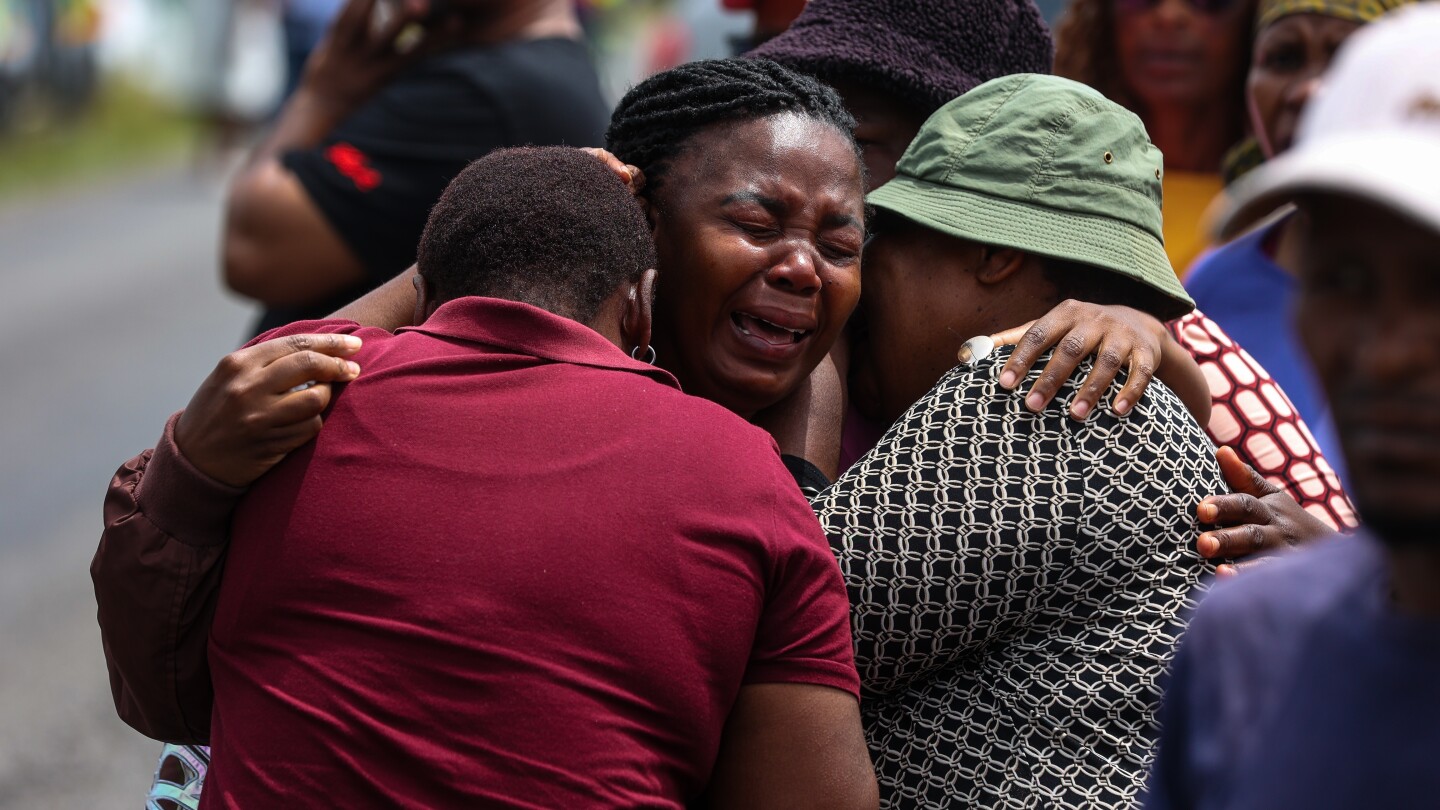
    South African officials have confirmed the devastating death toll from Monday’s catastrophic school bus collision stands at twelve children, with authorities subsequently arresting the driver on serious criminal charges. The privately-operated minibus, which was transporting students to various educational institutions south of Johannesburg, collided head-on with a truck during the morning commute.

    Gauteng Province Premier Panyaza Lesufi, alongside health department representatives, provided updated casualty figures clarifying that all twelve fatalities occurred at the accident scene, contradicting earlier reports of a thirteenth victim succumbing to injuries at medical facilities. The deceased included nine girls and three boys, while five additional children, the bus driver, and a truck passenger required hospitalization for their injuries.

    Law enforcement authorities took the 22-year-old driver into custody following his medical discharge, filing charges encompassing twelve counts of culpable homicide—a legal equivalent to manslaughter—plus accusations of reckless and negligent operation. Preliminary investigations based on witness accounts indicate the minibus was attempting to overtake other vehicles immediately before the catastrophic collision.

    Further compounding the tragedy, Premier Lesufi revealed the driver’s operating permit for the minibus had expired prior to the incident. The accident occurred during the first week of resumed academic activities following South Africa’s year-end holidays, highlighting persistent concerns regarding student transportation safety standards.

    Child Safe, a prominent advocacy organization, had earlier this month urgently cautioned parents to exercise heightened vigilance when selecting privately-operated school transport services, specifically warning against poorly maintained vehicles and unlicensed operators—issues tragically manifested in this week’s devastating collision.

  • Australian Open: Defending champion Keys gets off to shaky start

    Australian Open: Defending champion Keys gets off to shaky start

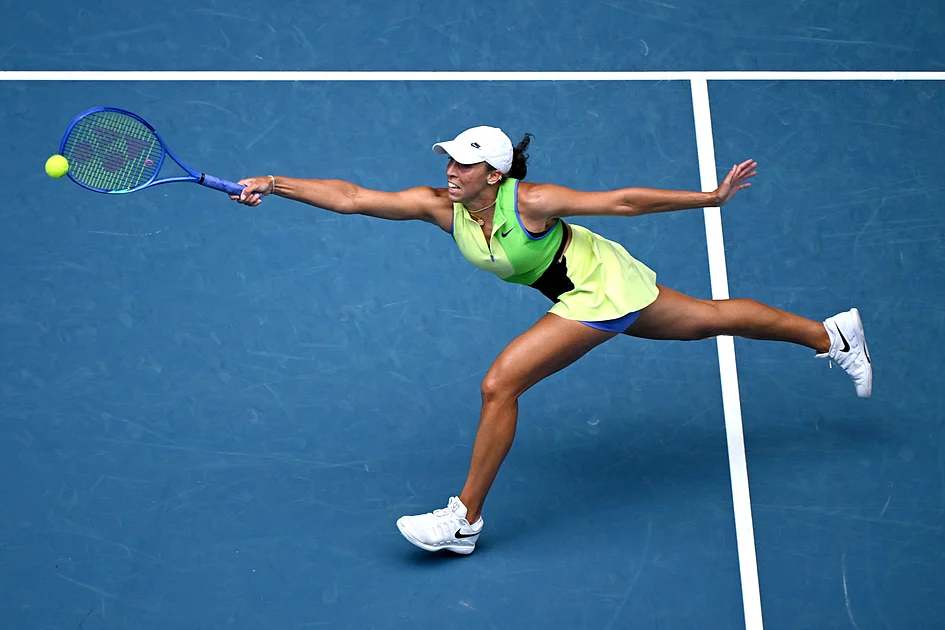
    Defending champion Madison Keys navigated a perilous opening match at the Australian Open on Tuesday, securing a hard-fought 7-6(6), 6-1 victory against Ukrainian qualifier Oleksandra Oliynykova. The American’s title defense commenced under significant duress at Rod Laver Arena, where she found herself trailing 0-4 in the first set due to uncharacteristic double faults and early nerves.

    Facing a Grand Slam debutante whose deep, looping shots created considerable chaos, Keys was forced to erase two set points in a tense tiebreak before clinching the opener. The relief was palpable as she unleashed a triumphant roar, subsequently dominating the second set with composed authority. The win sets up an all-American second-round clash against Ashlyn Krueger.

    In post-match comments, Keys acknowledged the emotional weight of returning as defending champion. ‘I spoke to Lindsay Davenport the other day, and she reminded me that not many people get to go out there and defend a Grand Slam,’ Keys revealed. ‘So I’m just trying to embrace it and enjoy it.’

    Other American contenders enjoyed smoother progress. Eighth seed Ben Shelton, last year’s semifinalist, dispatched France’s Ugo Humbert 6-3, 7-6(2), 7-6(5) in a battle of left-handers. Ethan Quinn also advanced comfortably, defeating 23rd seed Tallon Griekspoor in straight sets.

    The day featured notable milestones and upsets. Australian wildcard Taylah Preston secured her maiden Grand Slam victory against China’s Zhang Shuai, while 22nd seed Leylah Fernandez suffered a surprise exit against Indonesia’s Janice Tjen, who recorded her nation’s first Australian Open match win in 28 years.

    Evening session highlights featured world number two Jannik Sinner’s opening match against Hugo Gaston, followed by two-time champion Naomi Osaka’s highly anticipated return to Rod Laver Arena against Antonia Ruzic.

  • Indian filmmaker Atlee, wife Priya are expecting their second child

    Indian filmmaker Atlee, wife Priya are expecting their second child

    Renowned Indian filmmaker Atlee Kumar and his spouse Priya have joyfully announced they are expecting their second child, marking a significant expansion of their family. The acclaimed director, celebrated for blockbuster films including ‘Theri,’ ‘Bigil,’ and the record-shattering ‘Jawan,’ shared this heartfelt news through an official Instagram post on January 20, 2026.

    The couple, who entered matrimony in November 2014, expressed their excitement with the caption: ‘Our home is about to get even cozier with the addition of our newest member!’ The announcement was accompanied by a series of professionally captured maternity photographs, showcasing the couple’s joyful anticipation.

    This new arrival will join their firstborn son, Meer, who was born in 2023. The pregnancy revelation prompted an immediate outpouring of congratulations from fans and industry colleagues alike. Notable among the well-wishers was actress Samantha Ruth Prabhu, who commented enthusiastically on the social media post.

    Atlee’s distinguished career trajectory includes his directorial debut with the 2013 Tamil film ‘Raja Rani,’ followed by multiple successful collaborations with superstar Vijay. His groundbreaking Bollywood debut with ‘Jawan,’ starring Shah Rukh Khan, achieved historic box office success, cementing his status as one of India’s most influential cinematic talents.

  • Sheikh Mohammed announces UAE tops global government trust index

    Sheikh Mohammed announces UAE tops global government trust index

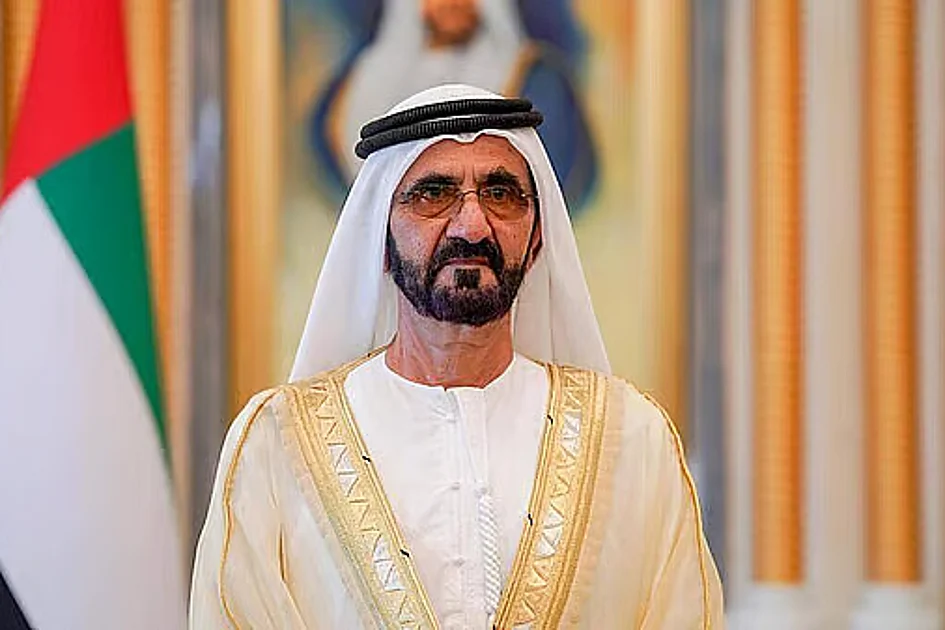
    In a significant development for global governance metrics, the United Arab Emirates has achieved the premier position in the 2026 Edelman Trust Barometer, marking a notable ascent of three positions from the previous year. The announcement was formally made by His Highness Sheikh Mohammed bin Rashid Al Maktoum, Vice President of the UAE and Ruler of Dubai, who emphasized that institutional trust represents a cumulative achievement built through consistent performance rather than momentary accomplishment.

    The comprehensive trust assessment, conducted annually by the New York-based Edelman organization, places India in the second position globally, followed by other nations in the closely watched ranking of public confidence in governmental institutions. Sheikh Mohammed articulated that the foundation of this trust rests upon three critical pillars: consistent promise fulfillment, integrity within legal frameworks, and genuine respect for citizenry.

    Beyond governmental trust, the UAE demonstrated exceptional performance across multiple metrics within the comprehensive study. The nation leads globally in public confidence that future generations will experience improved quality of life, reflecting optimistic national sentiment. Additionally, the Emirates tops international rankings for trust in employers’ ethical conduct and corporate decision-making processes.

    Media trustworthiness represents another area of notable achievement for the UAE, with the country ranking among the top five nations globally and registering a substantial 15-point increase in public confidence. The broader global context reveals education and technology sectors maintain the highest trust levels across industries, with social media platforms showing improved trust metrics despite previous challenges.

    The Trust Barometer results emerge during the World Economic Forum meetings in Davos, where governance and institutional trust feature prominently in global leadership discussions. The UAE’s achievement signals a broader shift in global trust patterns, with emerging economies demonstrating strong performance in public confidence metrics.