作者: admin

  • Allies cautious following US call for naval backup

    Allies cautious following US call for naval backup

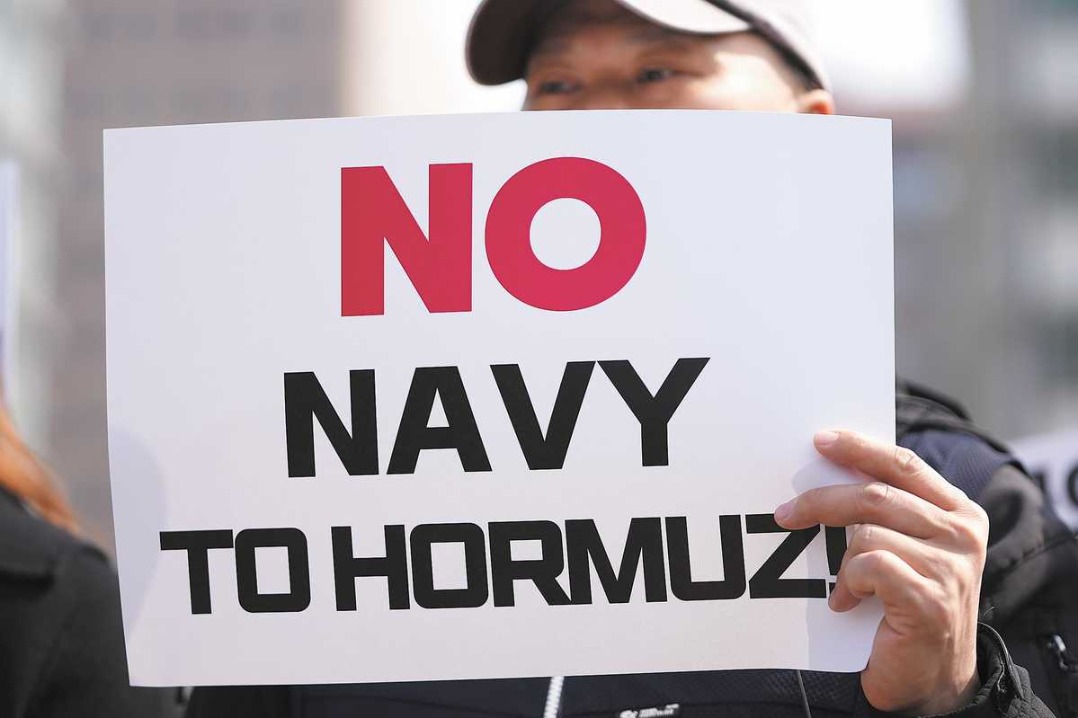
    In a significant display of diplomatic resistance, multiple key U.S. allies have declined Washington’s urgent call for naval support in the Strait of Hormuz, creating tensions within international security partnerships. The rejection comes amid escalating Middle Eastern tensions and highlights growing divisions over military engagement with Iran.

    President Donald Trump voiced conspicuous frustration during a Monday press briefing, explicitly criticizing nations that have benefited from American protection but demonstrated reluctance to participate in the proposed multinational security coalition. “Some are very enthusiastic about it, and some aren’t,” Trump stated, emphasizing that enthusiasm levels from protected allies would influence his future considerations.

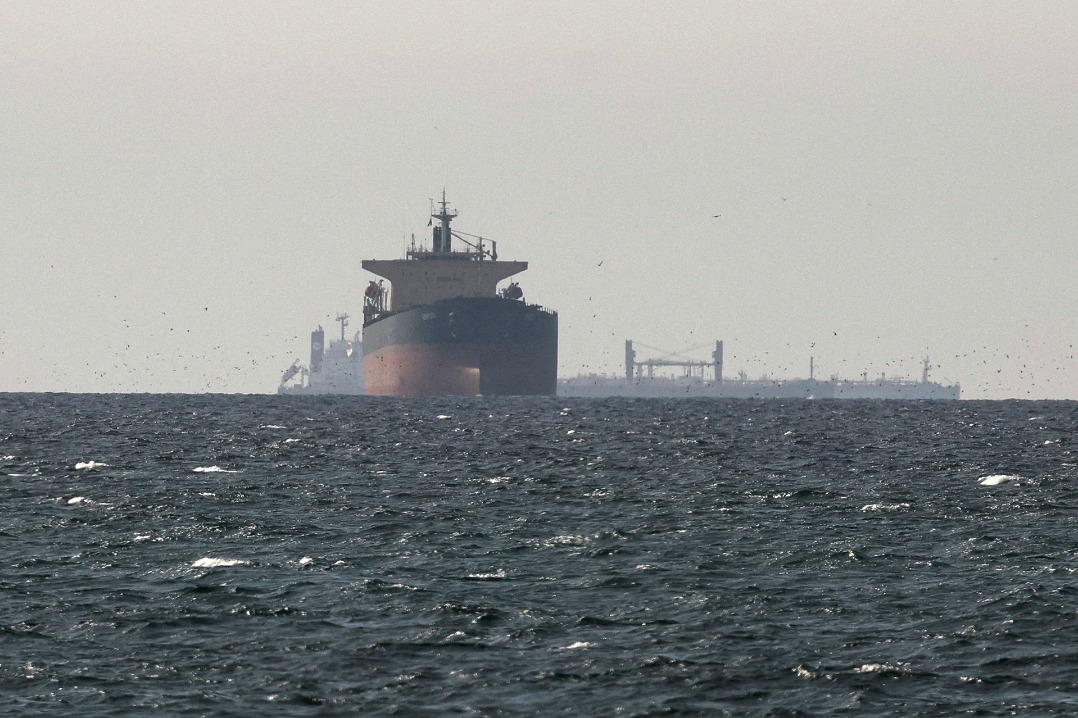
    The strategic waterway between Iran and Oman represents a critical global energy artery, facilitating approximately 20% of worldwide oil and liquefied natural gas shipments. Recent disruptions have triggered concerns about energy security and market stability, prompting the U.S. to formally request naval assistance from seven energy-dependent nations including China, France, Japan, and the United Kingdom.

    International responses have revealed a pattern of cautious hesitation. Australia’s Transport Minister Catherine King confirmed no intentions to deploy vessels, while Japan’s Prime Minister Sanae Takaichi emphasized careful evaluation within legal frameworks. European powers demonstrated even stronger resistance, with German Defense Minister Boris Pistorius declaring “This is not our war” and Italian Foreign Minister Antonio Tajani advocating for diplomatic solutions over military escalation.

    The United Kingdom has adopted a deliberative stance, with Energy Secretary Ed Miliband confirming consideration of “any options” while prioritizing multilateral coordination. Meanwhile, The Washington Post reported concerning casualty figures, with over 200 U.S. personnel wounded across seven Middle Eastern countries during recent military operations, underscoring the human cost of regional engagements.


  • Bookstore fosters love for Tibetan language among kids

    Bookstore fosters love for Tibetan language among kids

    In the heart of Lhasa, Tibet Autonomous Region, an extraordinary cultural initiative is transforming early childhood education through the power of storytelling. Nornor Children’s Bookstore, established by visionary educator Tashi Tsering, has emerged as a vital hub for preserving Tibetan linguistic heritage among the region’s youngest generation.

    What began as an online storytelling platform in 2017 has evolved into a comprehensive cultural center specializing in Tibetan-language picture books and interactive reading programs. The bookstore’s innovative approach combines trilingual education—integrating Tibetan, Mandarin, and English—with creative handicraft activities that stimulate cognitive development and cultural engagement.

    The institution serves multiple functions: as a bookstore offering over 50 original Tibetan-language publications, a daycare facility for children aged 1-3, and a weekend cultural center that attracts families across Lhasa. For approximately 69 yuan ($10) per two-hour session, children participate in professionally guided reading programs that have demonstrated measurable impacts on confidence and language acquisition.

    Despite operating at a financial loss for eight years, the project has expanded beyond Lhasa through library partnerships in neighboring counties. The team has produced more than 200 free audiobooks and collaborates with translators and authors from Tibetan communities across Qinghai and other regions. Their publications have gained recognition in educational institutions as far as Beijing and Shanghai.

    The bookstore faces contemporary challenges, including some younger Tibetan parents’ decreasing familiarity with written Tibetan. Yet its cultural impact remains profound, with former participants reporting sustained academic advantages and stronger cultural connections. Future initiatives include developing interactive point-reading audiobooks, Tibetan alphabet blocks, and expanded cultural programming for traditional festivals like Losar (Tibetan New Year).

    Supported by Tashi Tsering’s wife Tsomo through her café business and online outreach, this grassroots movement represents a significant investment in cultural preservation—proving that stories can bridge generations while nurturing both language skills and cultural identity.

  • Designer passes down culture with leather masterpieces

    Designer passes down culture with leather masterpieces

    Lin Chun-i, a Taiwanese leather artisan with over two decades of mainland experience, has pioneered a unique fusion of traditional intangible cultural heritage techniques with contemporary leather craftsmanship. Establishing his workshop in Guangzhou’s Liwanhu Park in 1993, Lin recognized the city’s exceptional advantages for creative enterprises, citing its comprehensive supply networks and diverse market opportunities.

    Driven by his textile trade family background and artistic training in Taiwan, Lin embarked on extensive journeys across Guizhou, Hunan, and Guangxi to study endangered craft techniques. His collection now incorporates Dong and Tujia brocades alongside Taroko weaving and Bunun embroidery from Taiwan, transforming these cultural expressions into premium leather bags, apparel, and accessories.

    Lin’s approach transcends technical mastery, focusing on cultural integration and preservation. “Ethnic embroidery patterns function as cultural repositories,” he explained, “particularly for communities without written traditions.” His dedication was demonstrated when he mastered the complex Tujia brocade weaving technique in merely four days, astonishing local craftsmen who anticipated a month-long learning process.

    Beyond preservation, Lin has created sustainable economic opportunities, providing employment for hundreds of female embroiderers in Gansu province. His manufacturing philosophy prioritizes handmade craftsmanship over machine efficiency, with over 50% of production completed manually. “True cultural inheritance means enabling artisans to transform skills into livelihoods, not replacing them with machines,” Lin emphasized.

    His contributions were formally recognized in September 2025 when Huaihua city government honored him as an “intangible cultural heritage promotion ambassador.” Additionally, Lin serves as visiting professor at seven universities and operates the symbolically named 1576 Traditional Arts Center, representing the combined coastline measurements of Taiwan and associated islands. The center hosted nearly 40 student groups from Taiwan last year, offering hands-on dyeing and embroidery experiences to foster cultural connection among youth.

    Lin remains committed to his dual role as entrepreneur and cultural custodian, asserting: “It is my responsibility to ensure these heritage techniques reach future generations.”

  • Flailing support casts doubt on Iran campaign legitimacy

    Flailing support casts doubt on Iran campaign legitimacy

    The United States and Israel’s military campaign against Iran is confronting a severe crisis of legitimacy as key Western allies publicly refuse to participate in Middle Eastern operations, according to geopolitical analysts. The strategic rift emerged when European powers including Spain, Germany, Portugal and the European Union collectively rejected Washington’s request for a joint military mission to reopen the Strait of Hormuz—a critical waterway Iran has closed to “enemies and those supporting their aggression.”

    This unprecedented refusal creates both logistical challenges and diplomatic isolation for American operations. Arsenio Dominguez of the UN’s International Maritime Organization cautioned that even military escorts cannot guarantee safe passage through the volatile strait, which facilitates approximately 20% of global energy shipments.

    Abdolreza Alami, director of the Asia West East Centre in Kuala Lumpur, noted that traditional allies now characterize the conflict as “a war of choice rather than collective defense.” This positioning has left Washington bearing sole responsibility for securing vital maritime routes while facing asymmetrical pressures without shared financial or military burden.

    Iranian President Masoud Pezeshkian reinforced Tehran’s defensive stance in communications with French President Emmanuel Macron, asserting that “defending against invasion is a natural right” and demanding cessation of regional base usage against Iran. The president called for international condemnation of what he termed “Zionist-American invasion” while vowing Iran “will not surrender to bullies.”

    Analysts suggest the Western consensus fracture provides Tehran strategic advantage, enabling framing of retaliatory actions as legitimate self-defense against unilateral aggression. Iran’s apparent objective extends beyond inflicting economic damage to persuading allies to pressure Washington toward de-escalation.

    Meanwhile, regional violence escalated dramatically as Israel confirmed eliminating two senior Iranian security officials—Supreme National Security Council Secretary Ali Larijani and Basij volunteer force commander Gholamreza Soleimani—in overnight strikes. If verified, Larijani’s assassination would represent the highest-profile target since Supreme Leader Ali Khamenei’s recent slaying.

    Simultaneously, Baghdad’s fortified Green Zone endured attacks targeting the US embassy and diplomatic residences, while ceasefire negotiations between US representatives and Hamas in Cairo were overshadowed by regional hostilities. Hamas warned it may withdraw from Gaza ceasefire agreements if Israel maintains security restrictions imposed during the Iran conflict.

  • Indian eateries reel under acute cooking gas crunch

    Indian eateries reel under acute cooking gas crunch

    India’s culinary landscape faces unprecedented challenges as commercial liquefied petroleum gas (LPG) shortages, triggered by escalating Middle East tensions, force widespread operational changes across the hospitality sector. The crisis has particularly impacted urban centers including Kolkata, Mumbai, and Delhi, where restaurateurs are implementing emergency measures to maintain operations.

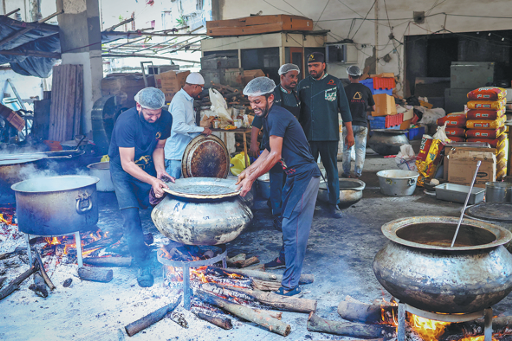
    In Kolkata, restaurant owner Chhanda Chakraborty has transitioned from traditional LPG stoves to induction cooktops and coal-fired tandoors. “Several establishments have eliminated tea and dosa from their menus, opting instead for rice-lentils, sandwiches, and cold beverages,” Chakraborty noted, highlighting how eateries are streamlining offerings to conserve limited fuel resources.

    The supply chain disruption stems from India’s significant dependence on imported LPG, with approximately 62% of the nation’s 31.3 million metric tons annual consumption sourced externally. Critical shipping routes through the Strait of Hormuz, which handles 85-90% of Persian Gulf imports, have experienced severe disruptions due to ongoing US-Israeli conflicts with Iran.

    Professor Swaran Singh of Jawaharlal Nehru University explains: “The hospitality industry’s heavy reliance on LPG coincides with usage by power plants, fertilizer facilities, and urban gas networks. Current tensions have created substantial delays, supply interruptions, and price escalations in LPG imports.”

    Industry associations in major metropolitan areas report suspension rates reaching 20% of food establishments in Mumbai and Kolkata. Many smaller operations, particularly roadside vendors serving millions daily, face imminent closure without immediate supply restoration.

    Government response includes multi-faceted strategies: prioritizing household LPG allocation, negotiating safe passage for Indian-flagged vessels through conflict zones, and directing oil refineries to maximize LPG production. However, economists like Abhirup Sarkar warn that prolonged disruption could establish a “new normal” with significant economic ramifications across multiple sectors.

    While Iran permits limited Indian shipments on case-by-case approvals, industry experts anticipate no rapid resolution until regional conflicts subside, leaving India’s food service industry navigating uncertain operational terrain.

  • Beijing tackles pollen levels as spring blooms

    Beijing tackles pollen levels as spring blooms

    As Beijing enters peak cypress pollen dispersion season in mid-March, municipal authorities have implemented a comprehensive mitigation strategy combining technological interventions and ecological management. The Beijing Municipal Forestry and Parks Bureau has coordinated round-the-clock operations targeting high-risk zones including residential communities, educational institutions, and medical facilities.

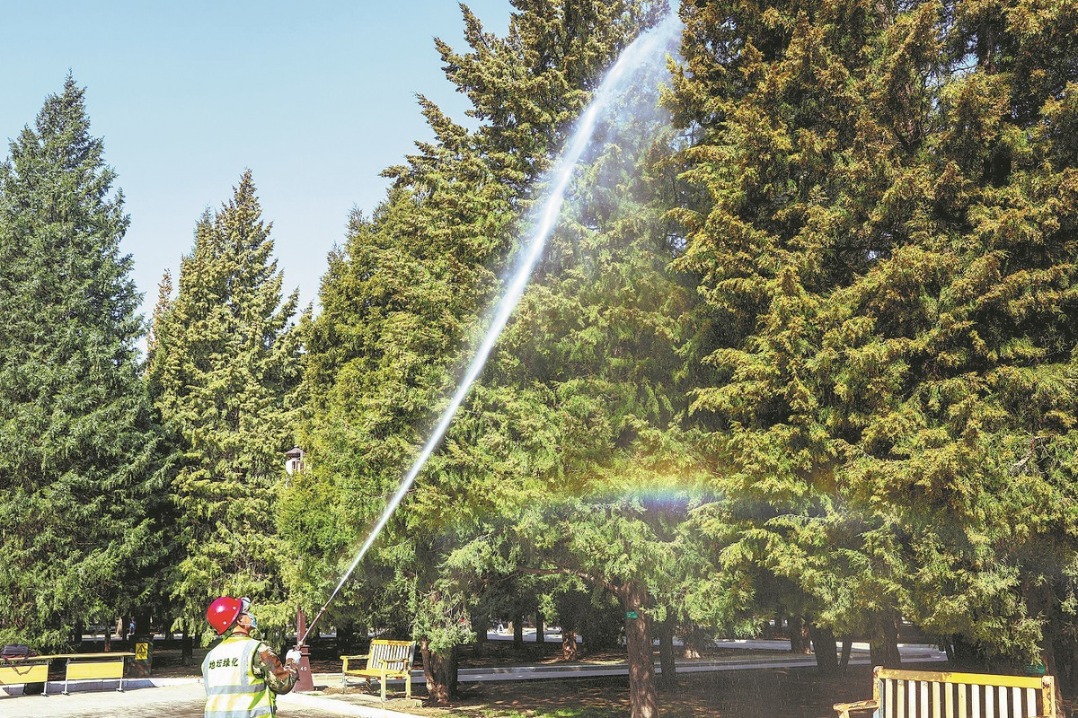
    The current pollen season, which commenced around March 8 according to expert analysis, has prompted deployment of three primary countermeasures: high-frequency water spraying, strategic pruning of male cypress branches, and application of environmentally-friendly biological agents. These pollen fixatives and control agents represent Beijing’s latest innovation in balancing ecological preservation with public health concerns.

    District-level initiatives implemented preventive measures as early as autumn 2025, with Haidian district conducting extensive pruning of pollen-producing cones during dormancy periods. Major green spaces including Temple of Heaven and Ditan Park have intensified suppression efforts following last year’s remarkable phenomenon where billions of pollen particles created visible golden hazes that diffused sunlight into ethereal patterns.

    While visually striking, these pollen clouds created severe health impacts for residents like 27-year-old Jin, who experienced debilitating allergy symptoms including nasal congestion, sneezing, and multi-system itching that diminished her quality of life. This year, she reports noticeable improvement attributable to the enhanced mitigation measures.

    Director Jiang Yingshu of the bureau’s science and technology division emphasized the need for scientific approaches that acknowledge both the ecological value of cold-resistant cypress species and their public health implications. Approximately 168,000 male cypress trees within the Fifth Ring Road area contribute to pollen dispersion patterns influenced by urban heat island effects and prevailing winds, typically creating higher concentrations in southwestern urban zones.

    Medical experts from Beijing Tongren Hospital recommend complementary personal protection strategies during peak dispersion hours (10:00-17:00), including mask usage, protective eyewear, and enhanced indoor air filtration. Chief physician Ouyang Yuhui advises prompt medical consultation for persistent symptoms despite these comprehensive mitigation efforts.

  • War in the Middle East: latest developments

    War in the Middle East: latest developments

    The Middle East conflict has intensified dramatically, with multiple fronts witnessing significant escalation and global repercussions beginning to unfold.

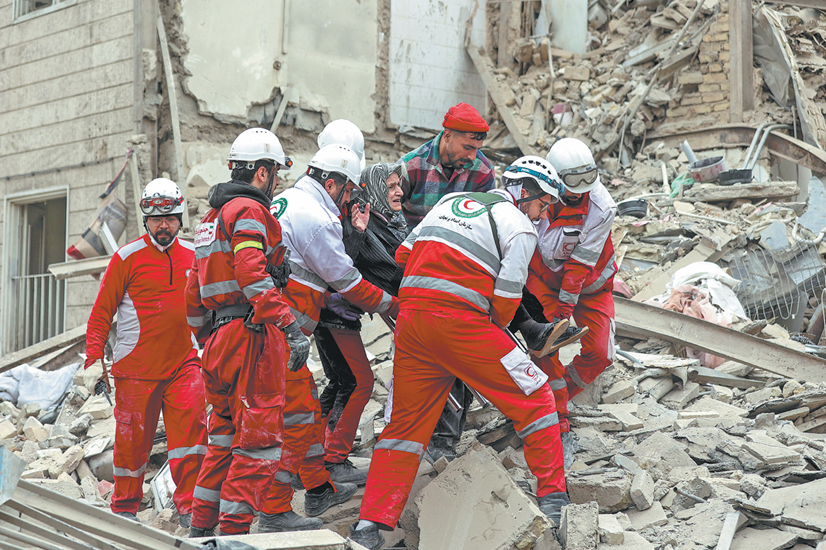
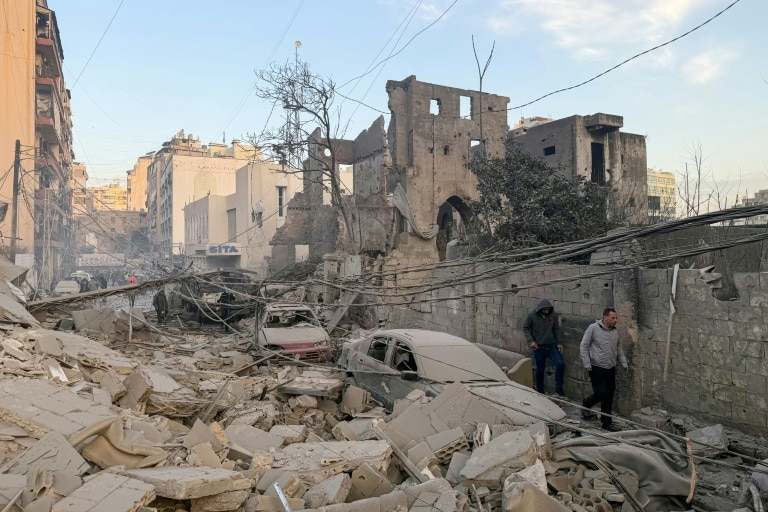
    In Lebanon, Israeli airstrikes targeted central Beirut’s Zuqaq al-Blat neighborhood for the second time without prior warning, resulting in at least 12 casualties according to health ministry reports. Southern Lebanon also saw violence as an Israeli strike hit a vehicle in Sidon, near areas where displaced civilians have sought refuge.

    Iran prepared for funerals of two slain security officials—Ali Larijani and Basij paramilitary force head Gholamreza Soleimani—as Iranian authorities announced the execution of an individual convicted of espionage for Israeli intelligence services. Iranian Foreign Minister Abbas Araghchi warned that the ‘wave of global repercussions has only begun and will hit all—regardless of wealth, faith, or race.’

    Regional tensions expanded as multiple explosions were reported in Erbil, the capital of Iraq’s autonomous Kurdistan region, though specific targets remained unclear. The strategic Strait of Hormuz disruption has forced Iraq to resume limited oil exports of 250,000 barrels daily through Turkey’s Ceyhan port after significant production declines.

    Energy markets responded to the turmoil with benchmark US oil contracts falling over 4% to $92.11 per barrel, while stock markets in Asia and Europe showed gains.

    Gulf nations reported multiple security incidents with projectiles targeting various locations. Saudi defense systems intercepted ballistic missiles near Prince Sultan Air Base (which hosts US personnel) and drones aimed at Riyadh’s diplomatic quarter. Kuwait and Qatar also reported intercepting rocket and missile attacks respectively.

    The human cost continued to mount as Israeli medics confirmed two additional fatalities near Tel Aviv from Iranian missile barrages, bringing the total death toll to 14.

    International diplomatic tensions emerged as US President Donald Trump criticized NATO’s approach to Iran as a ‘foolish mistake’ and expressed disappointment with UK Prime Minister Keir Starmer’s response to the crisis, noting that the British leader ‘hasn’t been supportive.’

  • Senegal turns to CAS to appeal ‘unfair, unprecedented, and unacceptable’ Africa Cup decision

    Senegal turns to CAS to appeal ‘unfair, unprecedented, and unacceptable’ Africa Cup decision

    DAKAR, Senegal — African football has been plunged into a significant governance crisis following a historic decision by the Confederation of African Football (CAF). The sport’s continental governing body has officially stripped Senegal of its 2023 Africa Cup of Nations (AFCON) title and awarded the championship to host nation Morocco, overturning the result of the final contested two months prior.

    The CAF Appeals Board issued its ruling on Tuesday, determining that the Senegalese national team had ‘forfeited the final’ by abandoning the pitch during extra time. The original match outcome—a 1-0 victory for Senegal secured in extra time—has been converted to a 3-0 default victory for Morocco. This extraordinary decision centers on an incident where Senegalese players left the field following a contentious refereeing decision, though they later returned to complete the match.

    The Senegalese Football Federation (FSF) has launched a vehement condemnation of the ruling, labeling it as ‘unfair, unprecedented, and wholly unacceptable.’ In an official statement, the federation declared the move ‘discredits the very institution of African football’ and represents a severe breach of sporting integrity.

    In response, the FSF has announced its immediate intention to escalate the matter to the Court of Arbitration for Sport (CAS) in Lausanne, Switzerland. This external legal challenge is expected to be a protracted process, typically requiring up to a year before a final verdict is delivered. The FSF has pledged its ‘unwavering commitment to the principles of integrity and sporting justice’ and committed to keeping the public informed of all developments in the escalating dispute.

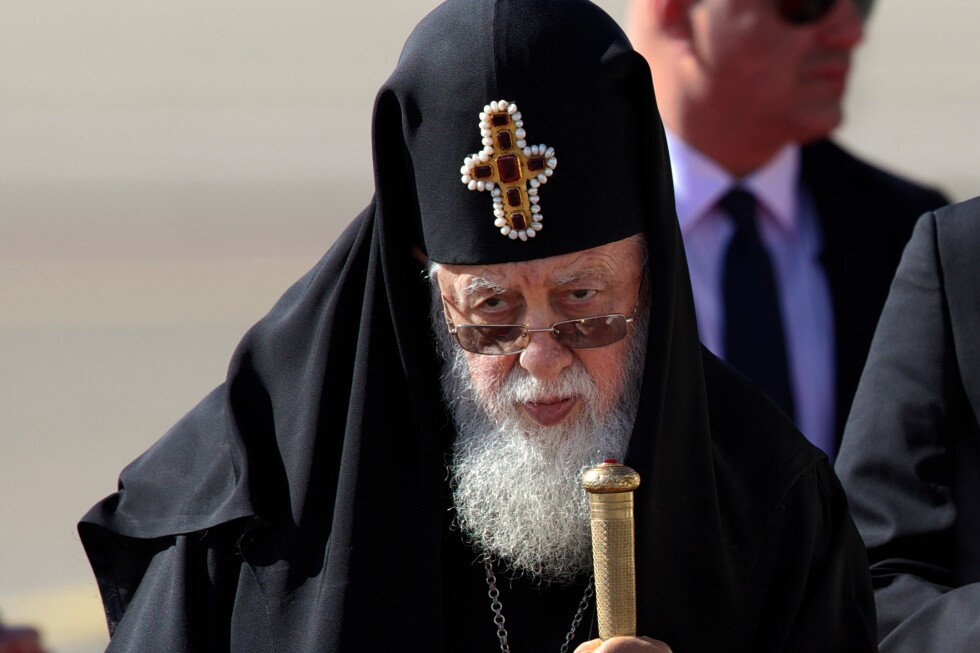
  • Georgian Orthodox Patriarch Ilia II, hailed as an ‘epochal figure,’ dies at 93

    Georgian Orthodox Patriarch Ilia II, hailed as an ‘epochal figure,’ dies at 93

    The nation of Georgia enters a period of profound mourning following the passing of Patriarch Ilia II, the revered head of the Georgian Orthodox Church, who died Tuesday evening at age 93. His death marks the conclusion of a transformative spiritual leadership spanning nearly half a century.

    The Patriarch’s health had deteriorated significantly, leading to his hospitalization in critical condition due to internal bleeding. The medical complications ultimately proved fatal, leaving a spiritual void in one of Eastern Orthodoxy’s most significant sees.

    Shio Mujiri, who has assumed temporary leadership of the church during this transitional period, characterized the loss as monumental. “He was an epochal figure; it is a tremendous loss for the entire Orthodox Church,” Mujiri stated, reflecting the sentiment shared by millions of faithful across Georgia and the Orthodox world.

    Patriarch Ilia II’s tenure represented one of modern Christianity’s most remarkable leadership arcs. Ascending to the patriarchal throne in 1977 during Soviet rule, he guided the church through decades of religious suppression under communist ideology. His steadfast leadership provided spiritual continuity as Georgia transitioned from Soviet republic to independent nation in 1991, maintaining the church’s central role in national identity throughout profound political transformations.

    Church authorities have announced that the process to elect a new patriarch will commence promptly, with a successor to be chosen within the canonical timeframe of two months. This transition occurs amid concerns about potential power struggles within the church hierarchy and questions about whether any successor can match Ilia II’s unique combination of spiritual authority and national influence.

  • US forces strike Iranian missile sites near Strait of Hormuz: command

    US forces strike Iranian missile sites near Strait of Hormuz: command

    In a significant military escalation, United States forces launched precision strikes against hardened Iranian missile installations positioned along Iran’s coastline adjacent to the strategically vital Strait of Hormuz. The operation was confirmed Tuesday by the US Central Command via an official statement on social media platform X.

    The tactical execution involved deploying multiple 5,000-pound deep penetrator munitions specifically designed to destroy fortified underground targets. The strikes targeted Iranian military infrastructure that posed potential threats to one of the world’s most crucial maritime chokepoints for global oil transportation.

    This military action represents a substantial escalation in regional tensions, marking one of the most direct confrontations between US and Iranian forces in recent years. The Strait of Hormuz serves as a critical passageway for approximately 21% of global petroleum consumption, making stability in the region essential to international energy markets.

    The operation follows increasing concerns about Iran’s military positioning along this strategic waterway, though specific provocations leading to this precise military response were not detailed in the initial announcement. The use of specialized bunker-busting munitions indicates the hardened nature of the targeted facilities and the strategic intention to permanently disable these capabilities.