作者: admin

  • German railway to ban consuming alcohol at all its stations, with some exemptions

    German railway to ban consuming alcohol at all its stations, with some exemptions

    BERLIN, Aug — Germany’s state-owned national railway operator Deutsche Bahn announced Tuesday a sweeping new policy that will prohibit public alcohol consumption at all stations across the country, a move designed to address rising safety concerns and improve facility cleanliness for both staff and passengers. The policy includes targeted exemptions for on-site hospitality businesses, and will not extend to alcohol consumption or service aboard moving trains.

    The alcohol restriction will be rolled out in a phased rollout, with the goal of full implementation at all 5,400 Deutsche Bahn-managed stations nationwide by October 15. Thirty major stations across Germany, including high-traffic hubs in Cologne, Hamburg and Munich, have already enacted the ban. Next month, on September 1, Berlin’s central station and Gesundbrunnen station, along with several other regional hubs, will adopt the measure ahead of the full national expansion.

    In an official statement, Deutsche Bahn Chief Executive Evelyn Palla explained the driving force behind the new rule, noting that company data and on-the-ground observations have consistently linked excessive alcohol consumption at stations to increased rates of violent incidents against staff and other travelers. “We have observed too often that violence increases where too much alcohol flows,” Palla said.

    Palla specifically referenced a high-profile brutal attack that occurred just one week prior, in which an allegedly intoxicated passenger assaulted a security officer during a routine ticket check. During the altercation, the employee was shoved and fell out of the open door of a moving train, sustaining serious injuries. The unprovoked attack amplified longstanding calls from rail worker unions for stricter policies to curb alcohol-related violence on Deutsche Bahn property.

    Violations of the new alcohol ban will carry immediate penalties: rule-breakers caught consuming alcohol in prohibited public areas of stations will be removed from the premises, and repeat offenders may face permanent bans from all Deutsche Bahn station properties.

    Notably, the policy carves out key exceptions that avoid disrupting station-based hospitality. Licensed bars, restaurants and caterers located within stations are exempt from the ban, allowing patrons to consume alcohol purchased at these on-site businesses. Travelers will also still be permitted to carry unopened, sealed containers of alcohol in their luggage, personal bags or shopping purchases while in stations. Additionally, the ban does not apply to trains themselves; alcoholic beverages will continue to be sold in dining cars on most long-distance rail services across Germany.

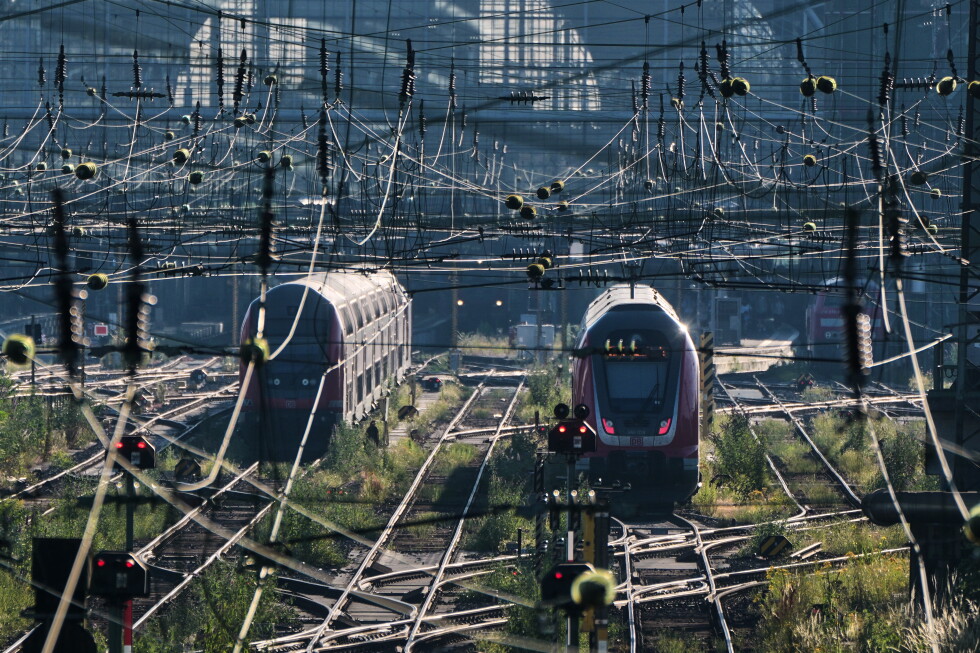
    As the most populous country in the European Union, Germany hosts the largest railway network on the continent, according to Deutsche Bahn’s infrastructure division. The network spans approximately 33,400 kilometers (20,750 miles) and supports an average of 50,000 train journeys per day, serving millions of passengers and commuters across the country daily.

  • Watch: Flooded towns and evacuations as Chile hit by heavy rain

    Watch: Flooded towns and evacuations as Chile hit by heavy rain

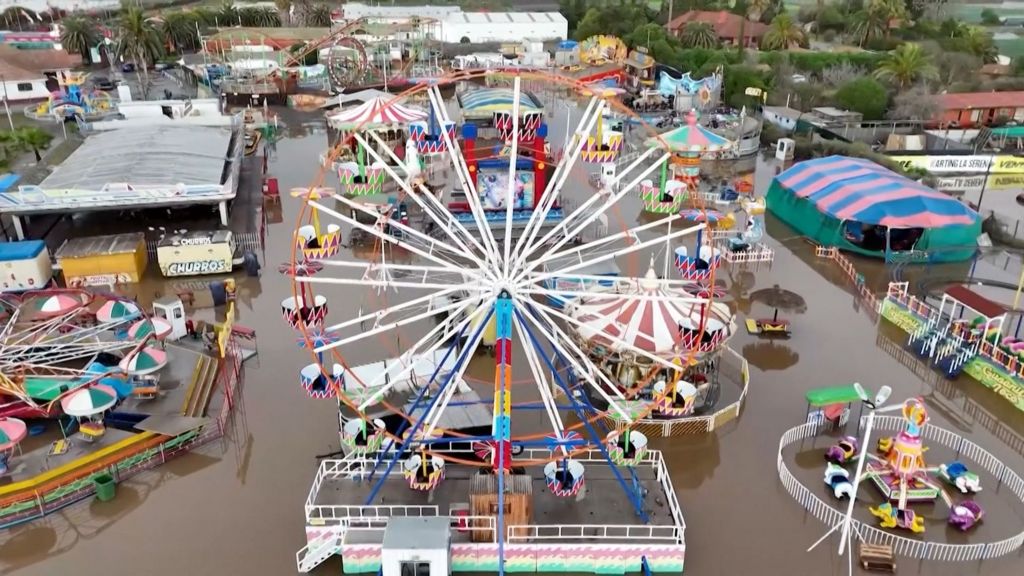
    Chile is grappling with a major weather emergency after days of relentless heavy rain have unleashed devastating flooding across large swathes of its central-northern territory, forcing authorities to enact a sweeping ‘state of catastrophe’ for two hard-hit administrative regions.

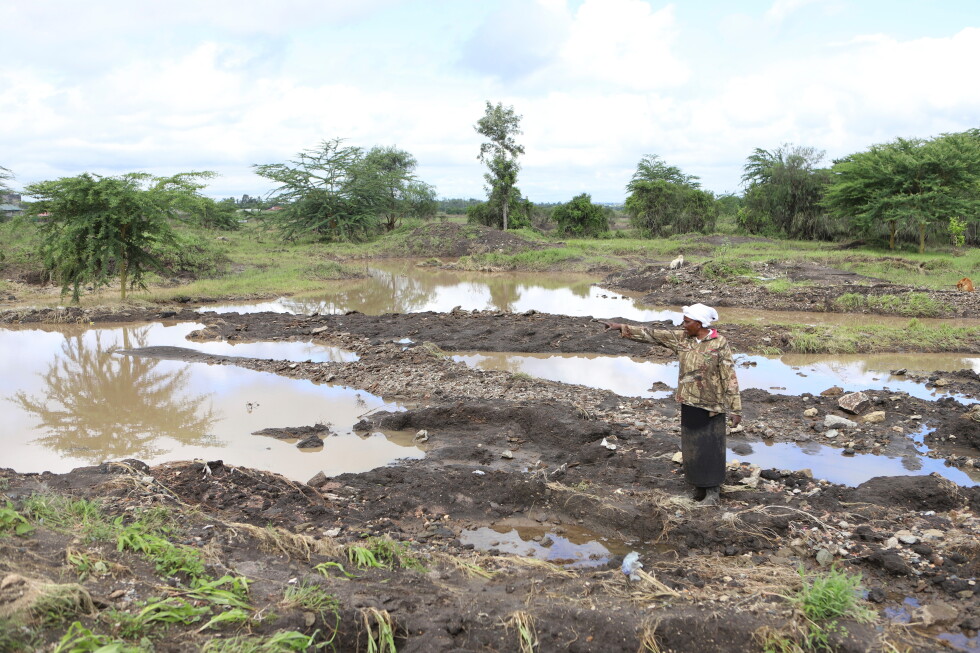
    The worst impacts have been recorded in Coquimbo and Huasco, where rising floodwaters have inundated residential neighborhoods, submerged critical infrastructure, and cut off road access to dozens of small towns and rural communities. Local emergency management teams have launched large-scale evacuation operations, moving thousands of residents from high-risk flood zones to temporary government-run shelters set up across the regions. Footage captured from affected areas shows entire streets turned into rushing muddy rivers, with vehicles swept away and low-lying homes completely submerged, prompting urgent rescue operations for residents trapped by fast-rising water.

    The declaration of a state of catastrophe unlocks emergency federal funding, expedites resource allocation, and grants authorities expanded powers to coordinate response efforts, including deploying national military personnel to support local rescue and cleanup operations. Meteorological agencies have warned that residual rain and flood risks remain in the coming days, as authorities work to assess the full scale of damage, locate missing residents, and deliver emergency supplies to displaced communities.

  • UK PM Burnham’s new cabinet to meet as he announces tax cut

    UK PM Burnham’s new cabinet to meet as he announces tax cut

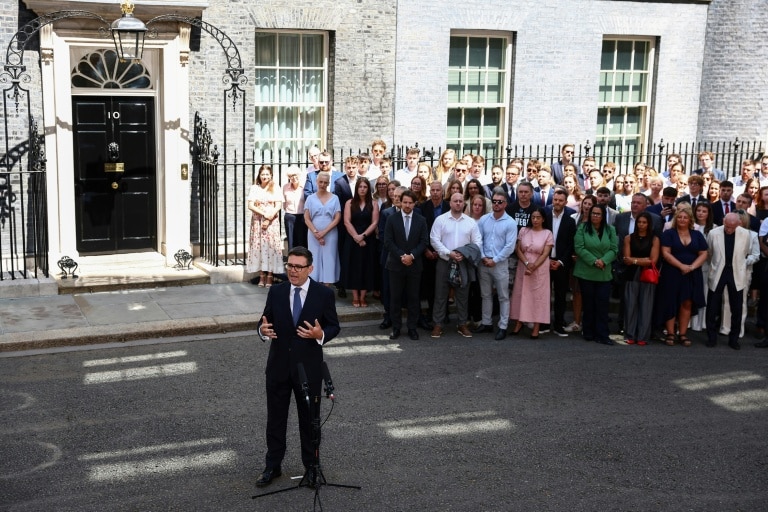
    Britain’s newly inaugurated Prime Minister Andy Burnham kicked off his first full working day in office on Tuesday, convening his freshly assembled cabinet and rolling out his first flagship policy: a value-added tax (VAT) elimination on residential electricity bills, designed to alleviate widespread cost-of-living strain across the country.

    Burnham’s ascent to 10 Downing Street came just one day after he replaced former Prime Minister Keir Starmer, following a vote of no confidence in Starmer’s leadership brought by majority Labour lawmakers. Notably, Burnham is the seventh person to hold the UK’s highest office since 2016, marking a decade of unprecedented political turnover in Westminster.

    Under the new policy set to take effect on October 1, UK households will see no VAT added to their electricity bills, translating to an average annual saving of roughly £45 ($61) per home. The measure is projected to cost the UK government approximately £850 million ($1.14 billion) in the current fiscal year. Burnham’s administration says the tax cut will be fully funded by scrapping Starmer’s proposed digital ID scheme, a program that was estimated to cost taxpayers £1.8 billion.

    “We’re taking immediate action to cut taxes on energy bills, put more money in people’s pockets and bring back hope,” Burnham said in an official statement outlining the policy.

    However, the new premier’s first policy announcement has already sparked internal friction within the Labour Party. Darren Jones, a former cabinet minister and loyal ally of Starmer who was one of several Starmer allies removed from cabinet in Burnham’s Monday reshuffle, has publicly questioned the funding plan. Posting on social platform X, Jones claimed the digital ID scheme was already unfunded under Starmer’s administration, arguing that “The government will have to set out how it will pay for its new policies at the budget.” The backlash has cast early doubt on Burnham’s call for unified party cohesion, raising signs that internal factional divisions could persist despite his vows to end infighting.

    Burnham’s cabinet reshuffle, completed on Monday, signaled a clear leftward shift for the Labour government, aligning with the new prime minister’s long-standing criticism of Starmer’s centrist policy approach. Most prominent allies of the former prime minister were removed from top posts: former finance minister Rachel Reeves was replaced by John Healey, while former deputy prime minister David Lammy stepped down from his role. Key allies of Burnham were elevated to senior positions: former Labour leader Ed Miliband took over as foreign secretary, Wes Streeting – who withdrew his own bid for the Labour leadership to support Burnham – was named defence secretary, and prominent left-wing figure Angela Rayner returned to government after being out of cabinet under Starmer.

    Beyond the energy tax cut, Burnham has outlined a broad policy agenda focused on easing household financial pressure. His administration is currently exploring new national rent control regulations and caps on public bus fares. In his inaugural address as prime minister on Monday, Burnham pledged to reindustrialize the UK’s struggling regional economies and decentralize political power away from London to devolved governments across the country’s nations and regions. He has also promised to publish a 10-year national strategy that will likely expand public ownership of critical utility infrastructure and increase the construction of new public housing.

    Shortly after taking office on Monday, Burnham held introductory calls with key global leaders, including U.S. President Donald Trump, Ukrainian President Volodymyr Zelenskyy, and French President Emmanuel Macron.

    Burnham’s political trajectory to Downing Street is unconventional: he served nine years as mayor of Greater Manchester, only returning to the House of Commons four weeks ago before being elected Labour leader and prime minister. Labour lawmakers currently hold a large parliamentary majority, and the party is counting on Burnham’s widely known down-to-earth public persona to reverse slipping poll numbers and stem growing support for the right-wing anti-immigration Reform UK party, led by Nigel Farage, ahead of the next scheduled general election in 2029. Farage has already rejected Burnham’s mandate as prime minister, calling for an immediate snap general election to let voters weigh in on the new leadership.

    Despite the early policy push, Burnham faces a daunting array of challenges that threaten to derail his agenda. The UK continues to grapple with sluggish economic growth, elevated government borrowing costs, a rapidly growing welfare budget, and persistent irregular migrant crossings via small boats in the English Channel. Global energy market volatility stemming from the ongoing US-Iran conflict, plus uncertain bilateral relations with the United States under the second Trump administration, add further instability to his premiership. Constrained by high levels of existing public debt and binding fiscal rules that require balanced spending and revenue, Burnham has very limited room to implement large new spending programs. Critics have also pointed out that his rapid rise to power came without him releasing a detailed, costed blueprint for how he will deliver on his ambitious policy pledges.

  • New 50% US tariffs add pressure on Canada as trade tensions deepen

    New 50% US tariffs add pressure on Canada as trade tensions deepen

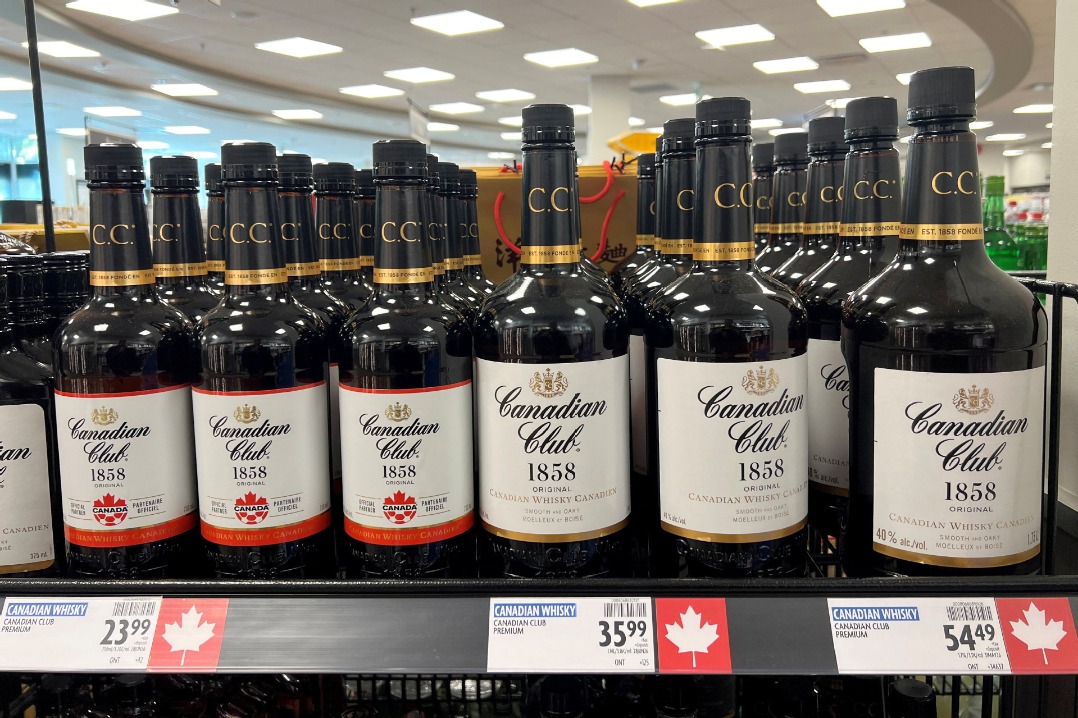
    Escalating trade frictions between the United States and Canada have entered a new phase after the Trump administration unveiled a steep 50% tariff on a targeted set of Canadian imports, a move analysts frame as both a high-stakes negotiating tactic and a strategic shift in legal authority that carries significant risks for bilateral economic relations. Announced publicly by U.S. President Donald Trump on Monday, the new tariffs apply to a range of Canadian goods including wine, hockey sticks, and cement, covering nearly $20 billion in annual cross-border shipments, according to trade experts. The White House has justified the measure as a response to what it calls discriminatory trade practices from Canada, encompassing Canadian restrictions on U.S. alcohol distribution, the country’s longstanding dairy supply management system, and existing automobile import quotas. Canadian Prime Minister Mark Carney swiftly issued a sharp condemnation of the new tariffs, characterizing the action as the latest in a string of unilateral trade measures imposed by Washington that directly violate the terms of the Canada-United States-Mexico Agreement (CUSMA), the regional trade pact that has governed North American commerce for years. Despite the condemnation, Carney stressed that Canada remains open to intensive talks to resolve outstanding trade disputes, noting that a negotiated settlement would deliver mutual benefits for citizens of both countries. The announcement has also sparked pressure from Canadian subnational leaders: Ontario Premier Doug Ford, whose province is among Canada’s largest exporters to the U.S., called on the federal government in Ottawa to hit back with reciprocal measures. In a social media post, Ford wrote, “I’ll never stop fighting to protect Ontario. If these tariffs proceed, Canada should respond tariff for tariff, dollar for dollar.” Trade analysts and academic experts say the latest tariff announcement marks two key shifts in the Trump administration’s approach to trade pressure on Canada. First, it leverages a little-used legal authority from the 1930 U.S. Trade Act, known as Section 338 – a departure from the 1962 and 1974 trade acts that the administration relied on for earlier tariffs, which have run into legal challenges. Dave Townsend, a partner in Dorsey & Whitney’s International Trade Group, explained that this new legal framework allows the Trump administration to impose duties even on goods that are normally granted duty-free access under the terms of CUSMA. The tariffs are set to go into effect 30 days from the announcement date, and Townsend noted their timing is tightly tied to the ongoing, stalled negotiations between Washington and Ottawa. “Canada has thus far not agreed to a new framework trade agreement with the United States, and the White House explicitly noted that only Canada and China have failed to reach such pacts, with both countries having retaliated against earlier U.S. tariffs,” Townsend explained. “Thus, the higher tariffs for goods from Canada appear to be aimed at encouraging an agreement between Canada and the United States, or in retaliation for the failure to reach such agreement, or both.” The new measure raises the risk of further deterioration in already strained bilateral relations, Townsend added. “The question now is whether the two sides can reach such an agreement or whether a cycle of escalation and retaliation takes hold between the two countries.” Ronald Stagg, a history professor at Toronto Metropolitan University, pointed out that turning to the 1930 Trade Act carries historical echoes of economic catastrophe: the act’s original use in the 1930s triggered widespread retaliation from trading partners that deepened the global Great Depression. Stagg also noted that the announcement caught many Canadian policymakers and observers off guard, as public attention had been focused on Trump’s recent threats to penalize Canada over wildfire smoke that drifted across the border, where he accused Canada of failing to manage its forest resources properly. Just days before the tariff announcement, Trump was publicly attacking Canada over the wildfire issue, making the trade move an unexpected shift in focus. Stagg added that the tariff move aligns with a long-observed pattern in Trump’s approach to international negotiations, where he seeks to extract financial or political concessions from counterparties. He pointed to the years-long hold-up of the Gordie Howe International Bridge, a critical new cross-border infrastructure project connecting Detroit, Michigan, and Windsor, Ontario, as a clear example. “His refusal to allow the Gordie Howe Bridge to open until the United States, or possibly the owner of the competing Ambassador Bridge, a significant donor to the Republican Party, received additional compensation, is a good example,” Stagg said. “This demand came despite Canada having paid for the construction, in cooperation with Michigan. The issue for Trump is, on what grounds can he demand money for the United States, or his financial supporters, or his family in each situation.” With the new tariffs in place, the ball is now in Canada’s court to decide how to respond, Stagg noted. “The question now is, will Canada retaliate, or will the Canadian government complain, but try not to ‘poke the bear’?”

  • Iran steps up attacks in return to war with US

    Iran steps up attacks in return to war with US

    Two weeks after open conflict between Iran and the United States reignited, the Middle East has entered a dangerous new phase of escalation, with multiple waves of missile and drone attacks striking targets across the region on Tuesday and fresh threats to global energy supply chains raising alarms worldwide.

    The latest round of hostilities follows the collapse of a June framework peace deal and an April ceasefire, reviving a full-scale confrontation that began after a US-Israeli strike on Iran in late February. In response to that attack, Tehran reimposed its blockade of the Strait of Hormuz— the strategic chokepoint through which roughly one-fifth of the world’s annual oil supplies transited in peacetime— triggering reciprocal port blockades from Washington.

    On Tuesday, air raid sirens wailed across Bahrain and Jordan as regional defense forces intercepted two waves of Iranian projectiles. Bahrain’s interior ministry issued an emergency alert urging civilians to seek shelter, while Jordan’s military confirmed it had shot down five Iranian drones followed by three missiles, with no reported casualties or damage from the strikes. Iran’s Islamic Revolutionary Guard Corps (IRGC) claimed responsibility for the first wave of attacks, stating in an official statement carried by state news agency IRNA that the strikes targeted a “complex housing US terrorist forces in the region of Rukban”. The Iranian military had previously announced targeting US assets across Kuwait and Bahrain, including air defense systems, radar stations and administrative facilities. In a stern warning to Washington, the IRGC added that “With this radar sweep, the enemy should prepare for even more decisive and powerful waves of drone and missile attacks.”

    Alongside direct Iranian strikes, Tehran’s Yemeni allied movement the Houthis has thrown additional fuel on the fire, announcing it will blockade Saudi Arabia’s commercial ports. If the Houthi threat is carried out, it would disrupt Saudi Arabia’s ability to route crude oil exports around the Strait of Hormuz via its Red Sea export terminal at Yanbu, deepening chaos already roiling global energy markets. For months, energy analysts have warned that a resumption of Houthi attacks on Red Sea and Gulf of Aden shipping— a tactic the group employed during the Gaza war— would further shrink available global crude supplies. Despite the high-stakes threat, global oil markets eased slightly on Tuesday after a brief surge to a one-month high on Monday. It remains unclear how the Houthis, who had largely stayed on the sidelines of the current conflict since late February despite a resumption of cross-fire with Saudi Arabia last week that broke a 2022 truce, would implement the port blockade. Saudi Arabia has condemned the announcement, labeling the Houthis a “terrorist militia” and reaffirming its support for Yemen’s internationally recognized government.

    In the Strait of Hormuz itself, the IRGC announced Tuesday it had seized and disabled two “non-compliant” oil tankers that attempted to violate the blockade. The UK Maritime Trade Operations (UKMTO) agency separately confirmed two separate projectile strikes on tankers off the coast of Oman in the past 48 hours, leaving both vessels dead in the water after major fires broke out on board.

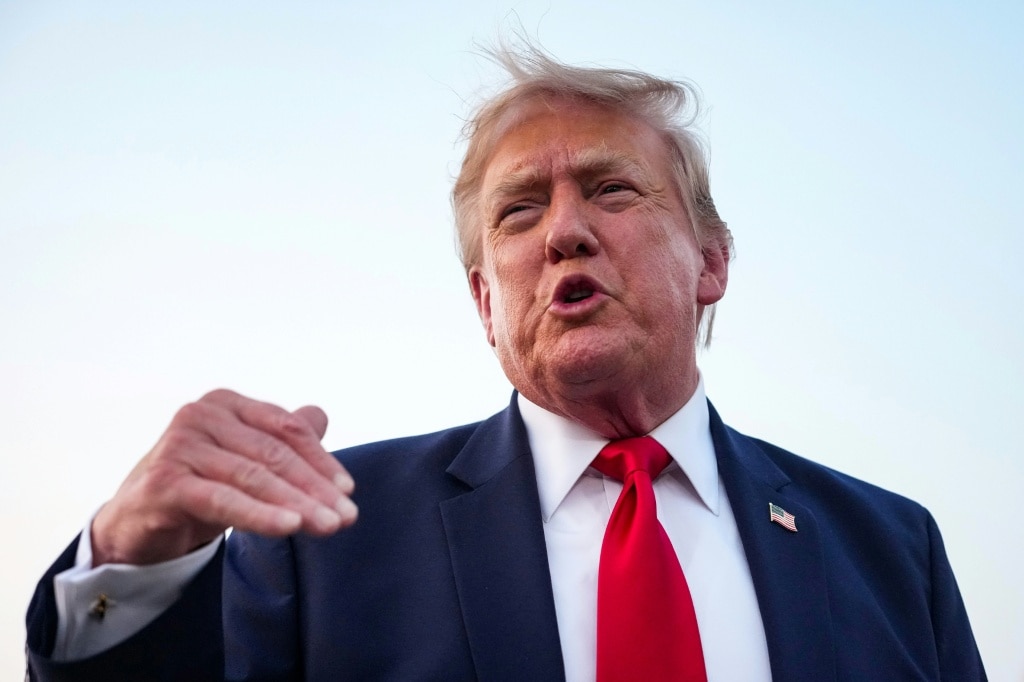
    The escalation comes just one day after the US launched a new round of retaliatory strikes against Iranian targets, following the deaths of at least three American soldiers in recent attacks. US officials said the Monday strikes were intended “to further degrade Iranian military capabilities used to attack commercial shipping” in the strait. The Pentagon confirmed Monday that nearly 100 US service members have been wounded since hostilities resumed on July 7, most suffering minor concussions. In a public address, US President Donald Trump warned that Iran would pay “many times over” for every American service member killed, while Iranian President Masoud Pezeshkian acknowledged the conflict had escalated into “a full-scale war”.

    Surprisingly, even amid open fighting, diplomatic channels remain partially open. Iranian foreign ministry spokesman Esmaeil Baqaei confirmed that indirect diplomatic exchanges between Tehran and Washington are still ongoing via regional mediators. Parallel diplomatic activity is unfolding across the region: Iranian Interior Minister Eskandar Momeni is in Islamabad for a two-day visit, scheduled to hold talks with Pakistani Prime Minister Shehbaz Sharif and army chief Asim Munir. Meanwhile, Lebanese President Joseph Aoun is set to meet with Trump in Washington on Tuesday, as international pressure grows on Beirut to disarm Hezbollah— a non-negotiable condition Israel has set for withdrawing its forces from southern Lebanon.

    The rapidly unfolding escalation has left global policymakers bracing for further unrest, with the potential for the conflict to draw in more regional powers and send energy prices soaring in the coming weeks.

  • International criminal groups use technology to expand in and beyond Asia, UN report says

    International criminal groups use technology to expand in and beyond Asia, UN report says

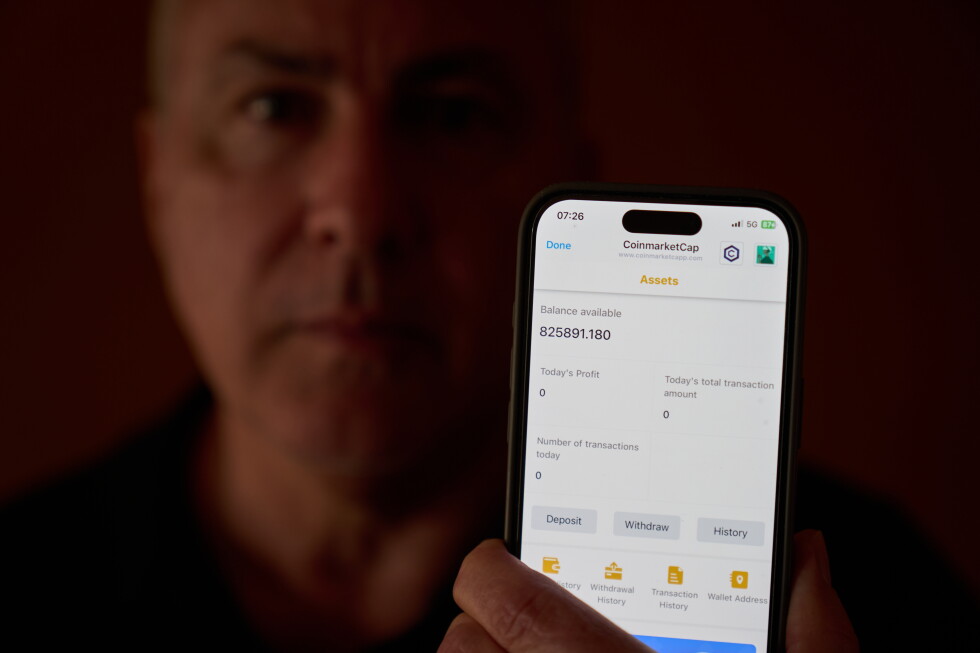
    A new United Nations report has delivered a stark warning about the exponential growth of transnational criminal activity rooted in Southeast Asia, highlighting that increasingly connected syndicates powered by cutting-edge technology have built an illicit economy that extends far beyond the region’s borders. The United Nations Office on Drugs and Crime (UNODC) assessment, released Tuesday, projects that annual global losses from criminal scams linked to these networks alone will reach between $88.3 billion and $114.1 billion by 2025.

    What once was criminal activity largely concentrated within Southeast Asia has now expanded outward to target victims and operate networks across every major global region, the report finds, while international criminal syndicates are simultaneously expanding their presence in Asia to traffic drugs, humans, and endangered wildlife.

    One of the most alarming findings outlined in the report centers on the growing risk modern criminal networks pose to children. Across hundreds of illegal scam compounds scattered across Southeast Asia, these groups operate venues for sex trafficking and distribute child sexual exploitation material, with new artificial intelligence tools drastically amplifying the threat. “There is a huge jump in AI-generated child sexual images … communicated through encrypted communications platforms,” Inshik Sim, UNODC researcher and the report’s coordinator, told reporters during a briefing in Bangkok’s Foreign Correspondents Club of Thailand.

    East Asian crime syndicates now leverage malware, generative AI, and deepfake technology to carry out sexual extortion, online grooming, and both in-person and livestreamed abuse of child victims, the report confirms. Beyond commercial sexual exploitation, victims of trafficking are often forced into other forms of abuse including domestic servitude, coerced begging, and exploitative forced labor. The report also notes that mainstream social media platforms, online gaming, and unregulated online gambling create additional vectors for harm to children, with regional surveys documenting hundreds of underage users across Southeast Asia developing harmful gambling addictions.

    Beyond scam operations and human exploitation, the report details rapid expansion of illicit trafficking for drugs, firearms, contraband tobacco, and protected wildlife across Southeast Asia. The report estimates the total annual value of illicit drug sales in Southeast Asia and neighboring countries reaches as high as $109 billion, with law enforcement seizures of illegal drug shipments rising sharply in recent years. Common trafficked substances include methamphetamines, heroin, and ketamine.

    The report identifies the Sulu-Celebes maritime triangle, located between Indonesia, Malaysia, and the Philippines, as an increasingly critical transit corridor for cocaine shipments traveling from Latin America to consumer markets across Asia. Illicit cocaine is often hidden within legitimate commercial cargo, such as shipments of tea exported from China, to avoid detection. This same maritime corridor is also frequently used to smuggle protected wildlife and unregulated small arms, the report adds.

    It also notes that Thailand and Vietnam have emerged as major source countries for illegal cannabis trafficked to Japan, where cannabis remains fully prohibited, and multiple European markets. In one high-profile example from earlier this year, authorities in Malaysia’s Sabah state seized more than three tons of combined methamphetamine, ketamine, and ecstasy in the largest single drug seizure the region has ever recorded.

    Criminal networks are able to sustain and expand their global operations through a sophisticated transnational infrastructure of financial and digital tools, the report explains. Syndicates use cryptocurrency, encrypted private messaging platforms, and generative AI to create convincing phishing content, deploy real-time deepfake videos and voice calls to defraud victims, and use AI-powered translation tools to target victims speaking hundreds of different languages simultaneously. Satellite communications technology also allows scam compounds to operate uninterrupted even in remote locations or areas under heavy government surveillance, helping groups avoid law enforcement detection.

    To dismantle this growing transnational criminal ecosystem, the UNODC report calls for coordinated cross-border policy responses that integrate law enforcement action across digital data platforms, communications networks, global financial systems, and online service and commercial marketplaces.

    Recent crackdowns on large-scale scam operations have driven criminal groups to adapt rather than disband, UNODC analysts note. After authorities from Thailand, China, and other nations carried out large raids on industrial-sized scam centers mostly concentrated in border regions of Myanmar, Laos, and Cambodia, criminal leaders have shifted their operations to new locations around the world and broken up large facilities into smaller, harder-to-detect sites. “They were destroyed, but none of the operations stopped,” explained Seong Jae Shin, an analyst and counter-terrorism official at UNODC. Scam operations have now relocated to residential villas and other unassuming private properties, operating underground to avoid detection. “It’s much harder for the Cambodian authorities to crack down now,” Shin added.

  • All you need to know about Wafcon 2026

    All you need to know about Wafcon 2026

    After a last-minute postponement earlier this year, the 2026 edition of the Women’s Africa Cup of Nations (Wafcon) is finally set to get underway this weekend in Morocco, marking the third consecutive time the North African nation has hosted the continental tournament’s finals.

    The Confederation of African Football (CAF) delayed the tournament just 12 days before its original March start date, citing unforeseen scheduling complications. What was initially planned to run from March 17 to April 4 will now kick off Sunday, July 26, with an opening Group A clash between Algeria and Senegal at Rabat’s Olympic Stadium, kicking off at 17:00 GMT. This compressed timeline comes just 12 months after the delayed 2024 Wafcon, also hosted by Morocco, but the extra time created by the postponement has allowed organizers to fully prepare for the tournament’s historic expansion.

    For the first time in Wafcon history, 16 teams will compete for the continental crown, up from 12 in previous editions. The expanded tournament will feature 34 total matches, concluding with the final on Sunday, August 16. Beyond regional bragging rights, this edition carries extra global stakes: it serves as the African qualification tournament for the 2027 FIFA Women’s World Cup in Brazil. All four teams that reach the semi-finals will secure an automatic spot in the World Cup, while the four quarter-final losing sides will compete in two playoffs for spots in the intercontinental World Cup qualifying stage.

    ### Tournament Format and Group Draw
    The 16 qualified nations have been split into four groups of four, with the top two finishers from each group advancing to the knockout quarter-final stage. The full group breakdown is as follows:
    – **Group A (Rabat):** Morocco (hosts), Algeria, Senegal, Kenya
    – **Group B (Casablanca):** South Africa (2022 champions), Ivory Coast, Burkina Faso, Tanzania
    – **Group C (Rabat):** Nigeria (2024 champions), Zambia, Egypt, Malawi
    – **Group D (Casablanca):** Ghana, Cameroon, Mali, Cape Verde

    Both Malawi and Cape Verde are making their Wafcon debuts at this edition, while Kenya is returning to the tournament for the first time in a decade, after their single previous appearance in 2016.

    Defending champions Nigeria enter the tournament as overwhelming favorites, targeting a record-extending 11th Wafcon title. The Super Falcons, who beat hosts Morocco 1-0 in last year’s dramatic final, currently rank as Africa’s top women’s national side. Led by homegrown head coach Justin Madugu, the squad boasts a wealth of elite talent: three-time consecutive African Goalkeeper of the Year Chiamaka Nnadozie, and 2024 Wafcon Most Valuable Player Rasheedat Ajibade, the team’s captain.

    Hosts Morocco are aiming to go one step further after finishing as runners-up in both 2022 and 2024. Benefiting from massive infrastructure investment across men’s and women’s football in recent years, the Atlas Lionesses have added 2023 World Cup-winning manager Jorge Vilda to their technical staff, bringing elite international experience to the side. Morocco captain Ghizlane Chebbak, who finished as top scorer at the 2024 tournament with five goals, will lead the team’s push for a first-ever title.

    Other title contenders include 2022 champions South Africa, who retain experienced head coach Desiree Ellis at the helm, and 2024 third-place finishers Ghana, led by head coach Kim Bjorkegren. Zambia rounds out the list of likely challengers: the Copper Queens fell 5-0 to Nigeria in last year’s quarter-finals, but count 2024 BBC Women’s Footballer of the Year Barbra Banda among their ranks, who will be expected to carry the team’s offensive threat.

    ### Venue Adjustments Post-Postponement
    Morocco used six stadiums across five host cities for the 2024 tournament, but organizers have consolidated matches to just two cities for 2026: Rabat, the national capital, and Casablanca. Originally, the city of Fes was scheduled to host all Group D matches, but those fixtures have since been moved to Casablanca’s existing venues, cutting the total number of host cities from five to two.

    All three Rabat venues previously hosted matches during the 2025 men’s Africa Cup of Nations, part of a series of major infrastructure upgrades Morocco has completed as it prepares to co-host the 2030 FIFA World Cup alongside Spain and Portugal. Morocco’s group stage matches will be held at the 45,000-seat Moulay Hassan Stadium, which will also host one quarter-final and one semi-final. The venue for the final has not yet been finalized: it will either be Moulay Hassan Stadium or the larger Prince Moulay Abdellah Stadium in Rabat, which hosted the 2025 men’s Afcon final. If Morocco reaches the final, the larger Prince Moulay Abdellah venue is widely expected to be selected.

    The five confirmed match venues are:
    1. Moulay Hassan Stadium (Rabat)
    2. Olympic Stadium (Rabat)
    3. Al Medina Stadium (Rabat)
    4. Larbi Zaouli Stadium (Casablanca)
    5. Moulay Rachid Stadium (Casablanca)

    ### Full Match Schedule (All Times GMT)
    The vast majority of matches will kick off at 17:00 GMT and 20:00 GMT throughout the group and early knockout stages, with the final starting at a revised 19:00 GMT. The full schedule is as follows:

    **Group Stage**
    – Sunday 26 July: Algeria v Senegal (17:00, Rabat); Morocco v Kenya (20:00, Rabat)
    – Monday 27 July: South Africa v Tanzania (17:00, Casablanca); Ivory Coast v Burkina Faso (20:00, Casablanca)
    – Tuesday 28 July: Zambia v Egypt (17:00, Rabat); Nigeria v Malawi (20:00, Rabat)
    – Wednesday 29 July: Ghana v Cape Verde (17:00, Casablanca); Cameroon v Mali (20:00, Casablanca)
    – Thursday 30 July: Senegal v Kenya (17:00, Rabat); Morocco v Algeria (20:00, Rabat)
    – Friday 31 July: South Africa v Ivory Coast (17:00, Casablanca); Burkina Faso v Tanzania (20:00, Casablanca)
    – Saturday 1 August: Egypt v Malawi (17:00, Rabat); Nigeria v Zambia (20:00, Rabat)
    – Sunday 2 August: Ghana v Cameroon (17:00, Casablanca); Mali v Cape Verde (20:00, Casablanca)
    – Monday 3 August: Senegal v Morocco (20:00, Rabat); Kenya v Algeria (20:00, Rabat)
    – Tuesday 4 August: Burkina Faso v South Africa (20:00, Casablanca); Tanzania v Ivory Coast (20:00, Casablanca)
    – Wednesday 5 August: Egypt v Nigeria (20:00, Rabat); Malawi v Zambia (20:00, Rabat)
    – Thursday 6 August: Mali v Ghana (20:00, Casablanca); Cape Verde v Cameroon (20:00, Casablanca)

    **Knockout Stage**
    – Saturday 8 August: Quarter-final 2 (Winner Group B v Runner-up Group A, 17:00, Casablanca); Quarter-final 1 (Winner Group A v Runner-up Group B, 20:00, Rabat)
    – Sunday 9 August: Quarter-final 4 (Winner Group D v Runner-up Group C, 17:00, Casablanca); Quarter-final 3 (Winner Group C v Runner-up Group D, 20:00, Rabat)
    – Wednesday 12 August: Semi-final 2 (Winner QF2 v Winner QF3, 17:00, Rabat); Semi-final 1 (Winner QF1 v Winner QF4, 20:00, Rabat)
    – Thursday 13 August: World Cup Intercontinental Playoff Semi-final 1 (Loser QF2 v Loser QF3, 17:00, Casablanca); World Cup Intercontinental Playoff Semi-final 2 (Loser QF1 v Loser QF4, 20:00, Casablanca)
    – Saturday 15 August: Third Place Playoff (Loser SF1 v Loser SF2, 17:00, Rabat)
    – Sunday 16 August: 2026 Wafcon Final (Winner SF1 v Winner SF2, 19:00, Rabat)
  • Conflicts and energy shocks threaten progress against global hunger, UN agency head warns

    Conflicts and energy shocks threaten progress against global hunger, UN agency head warns

    ROME – As global progress toward ending hunger remains alarmingly fragile, the head of the International Fund for Agricultural Development (IFAD) has issued a stark warning that persistent geopolitical conflicts and energy market disruptions could drive millions more people into food insecurity by spiking costs for fuel, fertilizer, and staple foods.

    A newly released United Nations food security report published Tuesday confirms that while global hunger levels have seen a slight, modest decline in recent years, current trends project that more than 500 million people will still face chronic undernourishment by 2030, with Africa set to bear the overwhelming majority of that burden.

    In a July 10 interview with The Associated Press, IFAD President Alvaro Lario outlined the severe risks of ongoing instability: if sustained disruptions to shipping lanes and energy supplies—including heightened uncertainty around the Strait of Hormuz amid the ongoing Iran conflict—persist, an additional 9 to 18 million people could fall into hunger.

    “We are living in an era with the highest number of active conflicts in modern memory, and that number continues to climb,” Lario said. “Wherever conflict breaks out, hunger, displacement, and refugee populations all grow alongside it.”

    Conflict stands as one of the single greatest barriers to global hunger reduction, Lario emphasized. Wars and geopolitical tensions disrupt critical supply chains for energy and agricultural inputs, pushing up costs across already inflation-strained global food systems. What makes this dynamic particularly dangerous, he noted, is that hunger and conflict fuel one another, creating a self-reinforcing cycle that cannot be broken without targeted investment in global stability.

    Skyrocketing energy costs have already hit fertilizer production and agricultural output hard, with the most severe impact falling on small-scale farmers. For many of these producers, diesel fuel is a non-negotiable input for pumping irrigation water, harvesting crops, and transporting goods to regional markets. As fuel costs rise, production expenses follow, creating a direct ripple effect that pushes up retail food prices for consumers worldwide.

    Beyond affordability pressures and conflict-driven disruptions, the new report identifies climate change as an accelerating threat to global food security. While global food production continues to expand to meet population growth, roughly one-third of the entire global population still cannot afford a nutritionally adequate healthy diet. That figure jumps to 77% in low-income nations, Lario said.

    “The biggest challenge we face today is no longer just producing enough food to feed the global population,” Lario explained. “It is making healthy, nourishing diets affordable for everyone, everywhere.”

    Extreme climate events including catastrophic flooding, prolonged multi-year droughts, and record-breaking heat are increasingly disrupting agricultural production across every inhabited continent, and have become a regular reality for many rural communities. Instead of relying primarily on emergency disaster response after crises hit, Lario argued that governments must prioritize investing in climate resilience and adaptive infrastructure before disasters occur.

    “This is the new normal for global agriculture,” Lario said. “We are seeing catastrophic floods in regions that never faced them before, and droughts that persist for four or five years straight, wiping out harvest after harvest.”

    To address this gap, IFAD is scaling up investments in climate adaptation programs designed to help vulnerable rural communities withstand floods, droughts, and extreme heat. Lario stressed that this support is desperately needed for the millions of smallholder farmers who produce the majority of the world’s food supply, yet have the least resources to adapt to shifting conditions.

    The report also marks a significant milestone in global food security trends: for the first time in recorded history, Africa has surpassed Asia as the region home to the largest number of food-insecure people. By 2030, the report projects that nearly 60% of the world’s chronically hungry population will reside on the African continent, making it the clear epicenter of the global hunger crisis.

    Lario attributed this shift to a combination of rapid population growth across the continent and slower economic development compared to many parts of Asia, and called for dramatically increased international investment in African agriculture, infrastructure, and local food systems. Currently, African nations import nearly $100 billion in food annually, a statistic Lario said underscores the urgent need to strengthen local production, post-harvest storage, distribution networks, and regional food trade across the continent.

    Without urgent action to build more resilient food systems, Lario warned, overlapping threats from conflict, energy market volatility, and climate extremes will derail what limited progress the world has made toward ending global hunger.

  • QPR sign former Brighton full-back Lamptey

    QPR sign former Brighton full-back Lamptey

    Championship side Queens Park Rangers (QPR) has announced the signing of experienced right-back Tariq Lamptey on a free transfer, marking a new chapter for the 25-year-old defender after a injury-plagued spell at Italy’s Serie A club Fiorentina.

    Lamptey only spent 10 months at Fiorentina, having moved to the Italian top-flight side from Premier League club Brighton & Hove Albion in September 2025. But his time in Italy was cut short by a serious knee injury that limited him to just two first-team appearances for the club before his departure.

    A product of Chelsea’s famed youth academy, Lamptey kicked off his senior career at Stamford Bridge, where he made his Premier League debut against Arsenal. He then made the switch to Brighton, now known as the Seagulls, where he went on to establish himself as a first-team regular, racking up more than 120 appearances across all competitions during his tenure at the club.

    On the international stage, Lamptey has a unique representative history: he initially featured twice for England’s U-21 national side before switching his international allegiance to Ghana, the country of his heritage. He went on to represent Ghana at the 2022 FIFA World Cup and has earned 11 senior caps for the Black Stars to date.

    Speaking following the confirmation of his transfer, Lamptey expressed optimism about his recovery from the knee injury and his new opportunity at QPR. “My recovery has gone well and I’m not too far away now. I’m looking forward to joining with the boys,” the full-back told QPR’s official club website. “Throughout my football journey I’ve always been resilient.”

    QPR chief executive Christian Nourry welcomed Lamptey’s arrival, highlighting the club’s growing appeal as a destination for ambitious players even after the defender received interest from multiple sides. “We’ve had good conversations about what he wants to achieve and how he feels that this is the right environment for him to flourish in,” Nourry said. “His decision to join QPR over a myriad of other EFL Championship clubs and clubs abroad is a further signal of the growing potential of this football club.”

    Terms of the contract have not been made public by the west London club. QPR is set to kick off its 2026-27 EFL Championship campaign with an away fixture against Portsmouth on 15 August, kicking off at 15:00 BST.

  • Major probe after body of man, 40, found outside Broadmeadows home

    Major probe after body of man, 40, found outside Broadmeadows home

    A suspicious death in a Melbourne suburb has launched a full homicide investigation after authorities discovered the body of a 40-year-old man with serious injuries outside a residential property.

    Victoria Police first received the emergency call just after 3:30 p.m. on Tuesday, directing officers to the address on Graham Street in the Broadmeadows area. When first responders arrived, they found the man unresponsive and suffering from significant external injuries. Despite the rapid response from emergency services, the man was pronounced dead at the scene.

    While investigators have not yet confirmed the exact cause of the man’s injuries, official police statements confirm the death is being treated as suspicious. The state’s homicide squad has taken over the case to conduct a full probe into the circumstances surrounding the incident.

    A photo of the investigation site was captured by NewsWire photographer Damian Shaw, documenting the police presence at the Graham Street property in the hours after the body was found.

    In a public appeal for community assistance, police have urged any members of the public who were in the area around the time of the incident, or who hold any information that could aid the investigation, to come forward. Tipsters can share information anonymously through Crime Stoppers by calling the hotline 1800 333 000.

    As of the latest update 24 minutes before this report, no further details about the identity of the deceased beyond his age, or potential persons of interest, have been released to the public.