作者: admin

  • Ajman Police announce 3-month closure of street in Al Rashidiya 2 area

    Ajman Police announce 3-month closure of street in Al Rashidiya 2 area

    Ajman Police Department has officially declared a comprehensive three-month closure of Rashid bin Abdulaziz Street, a key thoroughfare located in the Al Rashidiya 2 district. This significant infrastructure initiative commenced on Tuesday, January 20, 2026, and is projected to conclude on April 20, 2026.

    The temporary shutdown forms an integral component of a broader municipal strategy aimed at road expansion and substantial development works designed to enhance urban mobility and transportation efficiency. Law enforcement authorities have proactively issued detailed guidance to motorists and commuters, strongly advising them to utilize designated alternative routes throughout the construction period to ensure minimal disruption to daily transit patterns.

    Through strategic communications across their official social media platforms, Ajman Police have disseminated crucial informational resources including digital mapping illustrations that precisely delineate the affected closure zone while simultaneously highlighting recommended detour paths. This transparent public communication approach reflects the department’s commitment to maintaining seamless traffic flow and ensuring public safety during essential urban development operations.

    The extended duration of this project underscores the scale and importance of the infrastructure enhancements underway, representing Ajman’s continued investment in modernizing its transportation network to accommodate growing urban demands and future development requirements.

  • Locked exits, panic and desperate calls for help: Survivors tell of mall fire horror

    Locked exits, panic and desperate calls for help: Survivors tell of mall fire horror

    A catastrophic fire that engulfed Karachi’s bustling Gul Plaza shopping center on Saturday evening has left a trail of devastation, with over 70 individuals still unaccounted for and 27 confirmed fatalities. The densely-packed wholesale market, which housed approximately 1,200 shops across multiple floors, became a death trap when flames rapidly consumed the structure despite its impending closure time.

    Eyewitness accounts reveal a horrifying sequence of events where locked emergency exits and extreme overcrowding created impossible escape conditions. Rehan Faisal, a bedsheet merchant who narrowly escaped, described how the inferno transformed the entire building into an inferno within mere minutes. ‘No-one knew it would spread so much,’ he recounted, noting that everything burned ‘before our eyes’ in under seven minutes.

    Nineteen-year-old shop employee Shoiab provided a harrowing testimony of the chaos: ‘Suddenly everything was covered with smoke – we couldn’t see anything and there was panic everywhere. The first exit I tried was locked and the crowds were too dense.’ His survival came only through the intervention of an unknown rescuer who dragged him to safety after he lost consciousness from smoke inhalation.

    The tragedy has exposed critical failures in emergency preparedness and building safety compliance. Senior police official Syed Asad Raza confirmed that only three of the center’s sixteen exits remained accessible, while most gates had been secured ahead of the scheduled closing. Rescue operations face extreme challenges due to the structurally compromised building that risks complete collapse at any moment, according to Dr. Abid Jalaluddin Sheikh, a senior rescue official.

    Anguished families maintain vigil at the disaster site, clutching onto fading hope for their missing loved ones. Muhammad Amin voices the collective despair: ‘What should I tell my mother? My nieces are crying for their father – they ask why he is late to come home.’ The emotional toll compounds as relatives like Muhammad Qaiser search for multiple missing family members without receiving coherent information from authorities.

    Public outrage has escalated into protests demanding accountability for delayed emergency response and systemic safety negligence. Karachi Mayor Murtaza Wahab faced public scorn when arriving nearly 24 hours post-incident, while survivors noted the fire brigade’s delayed arrival despite urgent need. Sindh Chief Minister Murad Ali Shah has pledged a comprehensive investigation, with national lawmakers calling for sweeping reforms in building safety protocols and urban emergency management systems.

  • Dubai gold prices up Dh50 per gram so far this year, hit a record high

    Dubai gold prices up Dh50 per gram so far this year, hit a record high

    Dubai’s gold market has entered unprecedented territory as prices surged dramatically in the opening weeks of 2026, with the precious metal reaching record-breaking valuations. On Tuesday evening, 24-karat gold achieved a remarkable Dh571.25 per gram, representing an extraordinary increase of over Dh50 per gram since the beginning of the year when it closed at approximately Dh520 per gram.

    The market witnessed a significant milestone as 21-karat gold surpassed the Dh500 per gram threshold, joining 24-karat and 22-karat variants that had previously breached this psychological barrier. Current market valuations show 22-karat trading at Dh529.0, 21-karat at Dh507.25, 18-karat at Dh434.75, and 14-karat at Dh339.25 per gram.

    This remarkable rally extends beyond regional markets, with global gold prices reaching $4,727.51 per ounce, marking a 1.05 percent increase at 7:30 PM UAE time. Financial experts attribute this surge to multiple converging factors creating perfect conditions for gold’s ascent.

    According to Vijay Valecha, Chief Investment Officer at Century Financial, the price escalation stems from three primary drivers: “The Greenland crisis has triggered substantial safe-haven demand following Trump’s threats of EU tariffs. Concurrently, criminal investigations into Federal Reserve Chairman Jerome Powell have undermined confidence in the US dollar, traditionally supporting commodity prices. Finally, persistent accumulation by central banks continues providing institutional support for precious metals.”

    Market analysts suggest further appreciation appears inevitable. Ahmad Assiri, Research Strategist at Pepperstone, indicated that $5,000 per ounce represents a logical medium-term target rather than optimistic speculation, representing approximately 7 percent growth from current levels. He emphasized that precious metals currently represent the clearest expression of defensive market sentiment until negotiation pathways become more transparent.

    The broader market perspective suggests this trend may continue through an extended phase of political volatility, with gold positioned as the primary beneficiary of escalating global uncertainties.

  • Trump greenlit tiny Kei cars but will Americans actually buy them?

    Trump greenlit tiny Kei cars but will Americans actually buy them?

    In a surprising policy shift, former President Donald Trump has championed the introduction of Japanese-style micro-vehicles to American roads, challenging the nation’s longstanding preference for large trucks and SUVs. The initiative aims to bring Kei cars (kei-jidōsha or “light vehicles”)—ultra-compact vehicles measuring approximately half the size of a standard Ford F-150—to U.S. markets as affordable, fuel-efficient transportation solutions.

    These miniature vehicles originated in post-World War II Japan as economical transportation for crowded urban areas and have since gained popularity across Asia. While Trump enthusiastically announced on social media in December that he had “approved TINY CARS to be built in America,” calling them “inexpensive, safe, fuel efficient and, quite simply, AMAZING!!!”, automotive experts and industry stakeholders remain skeptical about their viability in the American market.

    Significant barriers include safety concerns on highways dominated by large vehicles, manufacturing cost challenges, and cultural resistance from consumers accustomed to spacious automobiles. Current U.S. regulations only permit Kei cars that are at least 25 years old, making them rare collector’s items rather than practical daily transportation.

    Enthusiasts like Nevi Bergeron, who owns a 1997 Suzuki Cappuccino inspired by Japanese manga, appreciate these vehicles for their novelty but acknowledge their limitations. “It’s tiny and a bit silly… definitely a conversation-starter,” Bergeron noted, while adding that driving beside large trucks makes her “feel vulnerable” on highways.

    Industry analysts question whether manufacturers can produce these micro-cars at sufficiently low prices to compete with conventional sedans, especially amid ongoing post-pandemic supply chain issues and rising production costs. Auto industry investor Steve Greenfield warned that redesigning Kei cars to meet U.S. safety standards would “defeat their cost and efficiency advantages.”

    While some manufacturers like Stellantis plan to introduce small models like the Topolino (with a top speed under 30mph), major Japanese Kei car producers including Toyota, Honda, and Suzuki have not announced concrete plans for U.S. market entry. The experience of Smart cars, which withdrew from the U.S. market in 2019 due to poor sales, suggests limited mainstream demand for miniature vehicles.

    Despite these challenges, importers like Mo Sulai of Tokyo Motors DC report growing interest in Kei vehicles as novelty items and specialty vehicles for golf courses or farms, with prices ranging from $6,500 for vintage mini-vans to over $10,000 for specialized vehicles like micro fire engines. While Trump’s endorsement has raised awareness, Sulai acknowledges that micro-cars will likely remain “a niche market” in a nation accustomed to automotive supersizing.

  • Maggots discovered inside airconditioning vent at Newcastle hospital

    Maggots discovered inside airconditioning vent at Newcastle hospital

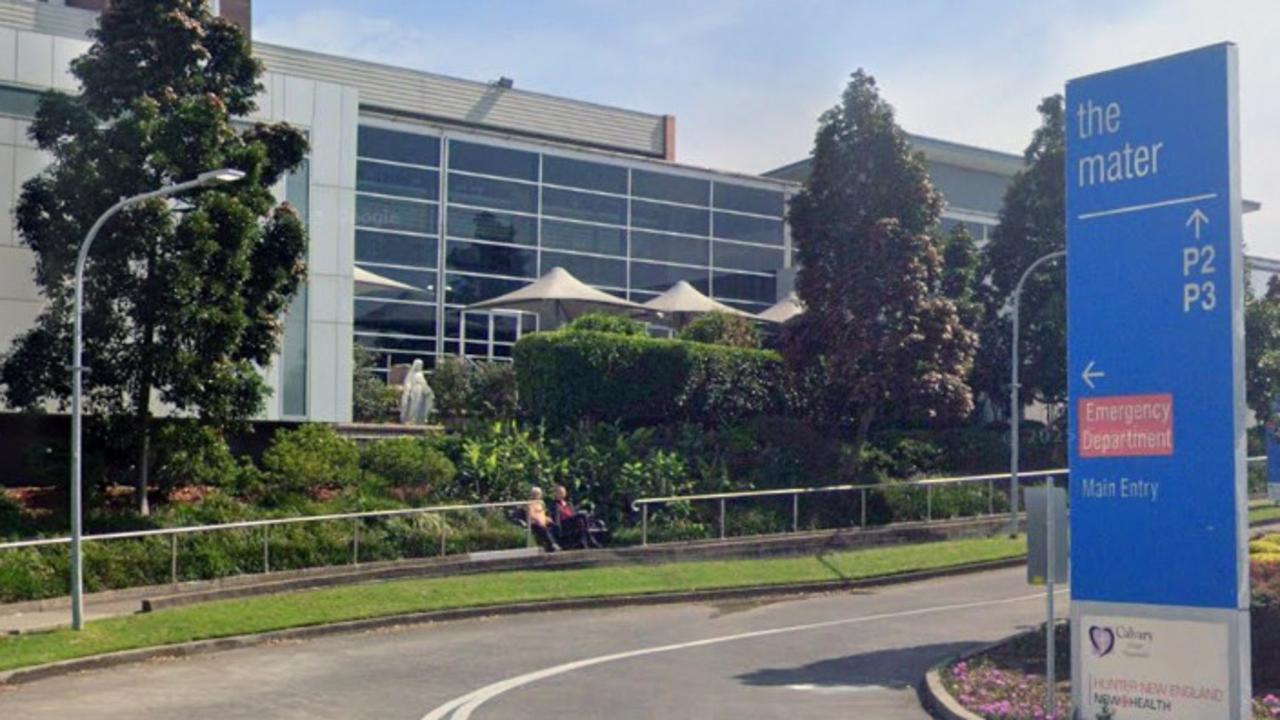
    A disturbing discovery of maggots emerging from air conditioning vents has triggered an emergency evacuation at Calvary Mater Hospital in Newcastle, New South Wales. The infestation occurred in the facility’s hematology ward, specializing in blood-related disorders and treatments.

    On Tuesday, hospital staff made the alarming finding when maggots reportedly fell from ventilation systems onto patient room floors. Hospital administration immediately sealed off the affected four-bed room and initiated patient relocations. Some hematology patients were transferred to alternative medical facilities while others were moved to different floors within the hospital complex.

    A hospital spokesperson emphasized that patient safety remained the highest priority, confirming that specialist pest controllers had been engaged to address the infestation. The incident marks the second recent environmental contamination issue at the facility, following previous discoveries of mold in cancer ward air conditioning systems between January 2024 and April 2025.

    The NSW Nurses and Midwives’ Association expressed serious concerns regarding the infestation. General Secretary Michael Whaites highlighted the need for urgent clarification regarding the source of the pest problem and whether it resulted from inadequate integrated pest management protocols within the hospital.

    Health Minister Ryan Park acknowledged the situation as unsatisfactory, noting that while short-term resolutions were implemented, a comprehensive long-term solution would be necessary. The minister has requested a full incident report and directed hospital leadership to expedite permanent corrective measures.

  • Salah returns to Liverpool training after Africa Cup of Nations

    Salah returns to Liverpool training after Africa Cup of Nations

    Liverpool FC welcomed back Egyptian superstar Mohamed Salah to first-team training on Tuesday, marking his return following Egypt’s campaign in the Africa Cup of Nations. The 33-year-old forward participated in full training sessions at the club’s facility, appearing in high spirits as preparations intensified for the upcoming Champions League encounter against Marseille.

    The return of Liverpool’s legendary goalscorer comes after a period of public tension between player and club. In early December, Salah expressed frustration in a controversial interview, claiming the club had thrown him “under the bus” after being relegated to the bench for three consecutive matches and acknowledging a strained relationship with manager Arne Slot.

    Despite the previous friction, Salah made a constructive appearance as a substitute in Liverpool’s 2-0 Premier League victory against Brighton on December 13, providing a crucial assist. Manager Slot subsequently indicated the club had moved past the controversy, expressing enthusiasm about Salah’s return from international duty.

    Slot previously remarked, “Even if I had 15 attackers I still would have been happy if he would have come back,” highlighting the Egyptian’s importance to the squad. The Dutch manager remained discreet about his communications with Salah but confirmed his inclusion in the 20-man squad for the crucial Champions League fixture.

    Salah’s return occurs during a challenging season for both player and club. The Egyptian icon, who stands as Liverpool’s third-highest goalscorer of all time with 250 goals across 421 appearances, has managed just five goals in all competitions this season. Liverpool’s Premier League title defense faltered significantly with six defeats in seven matches beginning in late September, though the team has recently shown resilience with a 12-game unbeaten streak across all competitions.

    The club currently sits ninth in the Champions League league phase, where the top eight teams qualify automatically for the last 16, while positions nine through 24 must navigate a playoff round. Salah, who signed a lucrative two-year contract extension last year after helping Liverpool secure their record-equaling 20th English top-flight title, remains pivotal to the club’s aspirations for domestic and European success.

  • Measles cases surge in South Carolina as US risks losing elimination status

    Measles cases surge in South Carolina as US risks losing elimination status

    The United States faces a critical public health crisis as measles outbreaks surge across multiple states, threatening the nation’s hard-won elimination status achieved in 2000. Health officials report at least 88 new measles cases in South Carolina alone, bringing the state’s total to 646 infections since October, with over 500 individuals across 15 schools currently under quarantine orders.

    The outbreak epicenter lies in Spartanburg County, where approximately 90% of school-aged children have received measles vaccination—below the 95% threshold required for herd immunity. The highly contagious virus has now spread to two universities, Clemson and Anderson, prompting quarantine measures for dozens of students.

    This represents the most significant measles outbreak since Texas reported over 700 cases in 2025, with national totals exceeding 2,000 infections in the past twelve months—the worst in decades. The resurgence coincides with declining vaccination rates and increased anti-vaccine sentiment, particularly amplified by Health Secretary Robert F Kennedy Jr’s public messaging that minimizes both disease severity and vaccination importance.

    Measles, among the world’s most contagious diseases, spreads through airborne transmission via coughs and sneezes, infecting up to 90% of unvaccinated exposed individuals. The two-dose MMR vaccine, proven safe through extensive research, provides 97% protection against the virus. Complications from measles can include pneumonia, brain swelling, and in rare cases, death—three fatalities were recorded in Texas during recent outbreaks.

    Public health experts warn that without immediate intervention to increase vaccination coverage, the United States risks permanent loss of its measles elimination status, potentially leading to endemic transmission resumption.

  • Man who admitted killing Japan’s ex-PM Shinzo Abe set to be sentenced

    Man who admitted killing Japan’s ex-PM Shinzo Abe set to be sentenced

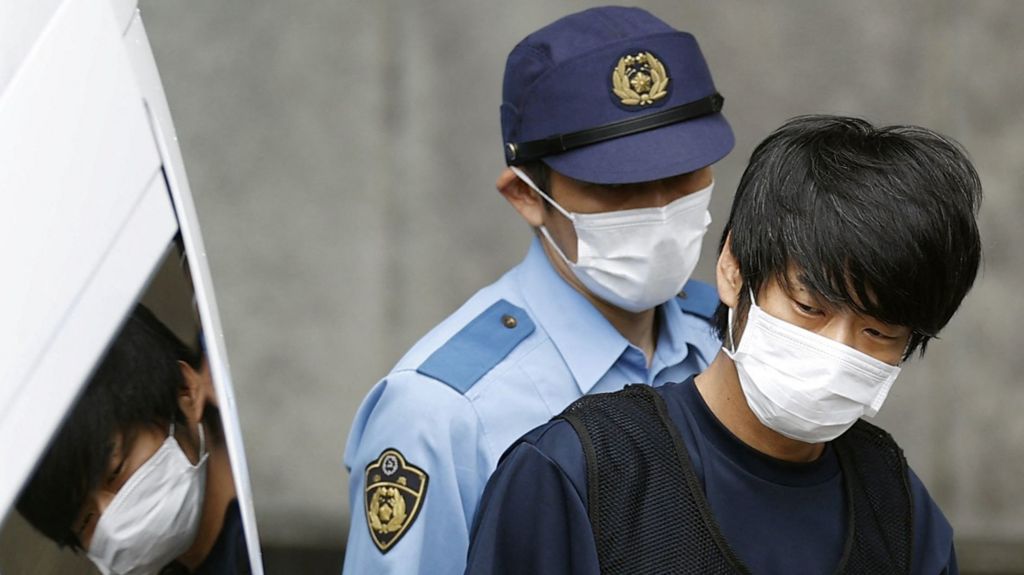
    As Tetsuya Yamagami awaits sentencing for the 2022 assassination of former Japanese Prime Minister Shinzo Abe, a profound societal division has emerged regarding appropriate punishment for the self-confessed killer. The 45-year-old defendant, who pleaded guilty at the outset of his trial, faces potential life imprisonment for shooting Japan’s longest-serving prime minister during a campaign speech in Nara.

    Prosecutors characterize the assassination as a ‘grave act’ that shocked a nation unaccustomed to gun violence, demanding maximum punishment for the cold-blooded murder of a towering political figure. Conversely, Yamagami’s defense team argues for leniency, presenting their client as a victim of ‘religious abuse’ stemming from his mother’s ruinous devotion to the Unification Church.

    The trial has revealed how Yamagami’s family bankruptcy—caused by his mother donating approximately 100 million yen (S$828,750) to the church—fueled resentment against Abe after the former prime minister appeared in a church-related video message in 2021. Despite initially targeting church executives, Yamagami ultimately directed his homemade weapon toward Abe, creating what prosecutors call ‘a leap in logic’ in connecting his grievances to the politician.

    Journalist Eito Suzuki, who extensively covered the proceedings, observed how both the Abe and Yamagami families were ‘overwhelmed with despair’ throughout the emotional trial. The court witnessed tearful testimony from Yamagami’s sister describing the ‘dire circumstances’ endured by the family due to their mother’s church involvement.

    The assassination has triggered significant repercussions, including government investigations into the Unification Church’s practices, the resignation of several cabinet ministers over church connections, and ultimately the revocation of the church’s religious corporation status by a Tokyo court. Sociologists note that public sympathy for Yamagami reflects widespread distrust of controversial religious organizations in Japan, though experts emphasize that victimhood does not justify political violence.

  • Alleged scam mastermind arrested after being exposed by BBC

    Alleged scam mastermind arrested after being exposed by BBC

    Cambodian authorities have detained prominent businessman Kuong Li, a central figure in the BBC’s 2023 investigation into transnational scam operations, marking a significant escalation in the nation’s crackdown on organized cybercrime. The 50-year-old Cambodian national faces multiple charges including illegal recruitment for exploitation, aggravated fraud, organized crime, and money laundering for alleged offenses spanning since 2019.

    The Phnom Penh Municipal Court ordered Kuong Li’s pretrial detention on January 15 following his arrest, with investigations ongoing into wider criminal networks associated with organized online fraud. The suspect gained international notoriety through the BBC Eye documentary ‘The Pig Butchering Romance Scam,’ which exposed human trafficking and fraudulent activities within Cambodian compound facilities.

    Central to the investigation was the Huang Le compound in Sihanoukville, a coastal facility owned by Kuong Li that allegedly housed forced labor operations. The BBC documentary featured testimony from ‘Didi,’ a Chinese national who described being trafficked to Cambodia under false employment promises and compelled to work 12-hour shifts targeting victims in Western countries. Didi’s secretly recorded footage revealed brutal working conditions, including physical abuse and restricted movement, culminating in his desperate escape by jumping from a third-story window.

    The investigation also documented the tragic case of Mi Lijun, another Chinese national who died from organ failure after being abandoned on a highway following serious illness at the compound. Despite initial dismissals from Cambodian authorities who called the BBC’s allegations ‘groundless’ in April 2023, the current prosecution signals a policy shift toward addressing international concerns.

    Paradoxically, Kuong Li received Cambodia’s prestigious ‘Neak Oknha’ royal honorific in June 2023, just months after the BBC exposé aired. His business empire spans real estate, casinos, hotels, and construction ventures, with numerous public appearances alongside senior government officials.

    The arrest occurs amid regional crackdowns on cybercrime networks. Cambodia’s Secretariat of the Commission for Combating Cybercrime reports 37 major cases prosecuted between 2025 and mid-January 2026, resulting in 172 convictions. This includes the high-profile extradition of Chinese billionaire Chen Zhi, accused of masterminding a vast online scam network.

    Prime Minister Hun Manet recently declared combating ‘tech-savvy crimes’ a national priority, responding to mounting international pressure over scam compounds operating within Cambodian borders. The United Nations estimates hundreds of thousands have been trafficked across Southeast Asia, with many forced into operating sophisticated financial scams under deplorable conditions.

    Parallel operations are underway across the region, with Thailand intensifying money laundering investigations and Myanmar conducting raids on scam hubs linked to transnational criminal networks. These coordinated efforts represent an unprecedented regional response to cyber-enabled financial crimes and human trafficking syndicates.


  • Colombia slashes wages for its legislators as public spending balloons ahead of election

    Colombia slashes wages for its legislators as public spending balloons ahead of election

    In a sweeping austerity move, Colombian President Gustavo Petro has enacted a substantial 30% reduction in congressional salaries through presidential decree. The decision, announced Tuesday, directly targets what the government describes as “disproportionate” compensation for legislators in a nation grappling with economic constraints and preparing for pivotal elections.

    The decree eliminates the controversial ‘bonus for special services’—a supplemental payment introduced over a decade ago to cover lawmakers’ relocation expenses. This elimination will reduce monthly congressional earnings from approximately $13,000 to $9,400. The previous salary represented a staggering 32 times Colombia’s minimum wage, which stands at roughly $500 per month for most workers.

    This dramatic pay disparity has long been a subject of public scrutiny in the South American nation. Despite previous legislative attempts to curb congressional compensation, such measures have consistently failed amid resistance from lawmakers who argued the funds were necessary to finance future political campaigns.

    The salary reduction will take effect in July following legislative elections in March and presidential elections in May. The timing underscores the government’s push for fiscal restraint during an election cycle.

    Reactions from Congress have been sharply divided. Senator Angélica Lozano welcomed the move as “a minimal measure of equity” on social media platform X. Conversely, Senate President Lidio García accused Petro of attempting to “punish” legislators who rejected his social and economic reforms, including a tax bill that failed in December.

    The wage cut coincides with Petro’s broader economic emergency measures, which enable him to raise taxes without congressional approval. The government seeks to increase its budget by $4 billion this year to address multiple priorities: covering health insurance payments, maintaining fuel subsidies, and investing $700 million in military infrastructure to counter rebel drone attacks.

    Public spending has reached unprecedented levels under Petro, Colombia’s first left-wing president, exceeding even pandemic-era expenditures. The national government’s 2025 budget stands at approximately $134 billion, creating additional pressure for fiscal reforms.