作者: admin

  • Global markets on alert as Europe to suspend approval of US trade deal

    Global markets on alert as Europe to suspend approval of US trade deal

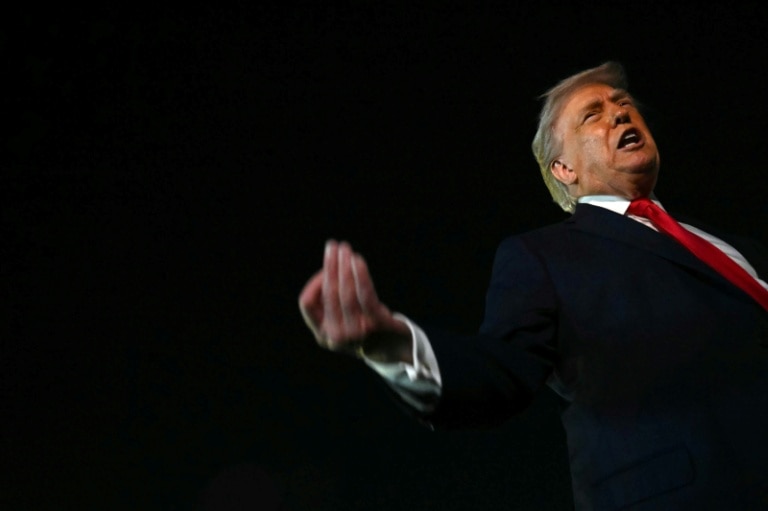
    The European Parliament is poised to formally suspend ratification of a major US-EU trade agreement originally negotiated in July, marking a significant deterioration in transatlantic relations. This decision, scheduled for announcement in Strasbourg on Wednesday, comes in direct response to President Donald Trump’s renewed efforts to acquire Greenland and his accompanying threats of punitive tariffs.

    The escalating tensions have triggered substantial financial market volatility across continents. European markets registered a second consecutive day of declines, while US indices experienced sharp drops—the Dow Jones fell 1.7%, the S&P 500 declined over 2%, and the Nasdaq closed approximately 2.4% lower. Asian markets showed mixed performance, though safe-haven assets surged with gold exceeding $4,800 per ounce for the first time.

    Key European legislators have condemned Washington’s approach. Manfred Weber, an influential German MEP, stated approval was ‘not possible at this stage,’ while Trade Committee Chair Bernd Lange declared there was ‘no alternative’ to suspension given threats against EU territorial integrity. Lange emphasized that using tariffs as coercive instruments undermines the stability of EU-US trade relations.

    The suspended agreement, initially hailed as a breakthrough, would have reduced US levies on most European goods to 15% from previously threatened 30% rates. In return, Europe committed to investment pledges and regulatory changes benefiting US exports. However, the pact requires parliamentary approval to take effect.

    With a temporary truce on EU retaliatory measures set to expire February 6th, the bloc must now decide whether to implement previously prepared tariffs targeting $109 billion in American goods. French President Emmanuel Macron has advocated considering retaliatory options, including the EU’s ‘trade bazooka’ anti-coercion instrument, calling Washington’s tariff accumulation ‘fundamentally unacceptable.’

    US officials delivered contrasting messages at Davos. Treasury Secretary Scott Bessent urged European leaders to refrain from retaliation and ‘have an open mind,’ while Trade Representative Jamieson Greer warned that the US would respond to any retaliatory measures. The dispute occurs within a broader context of technological and metals tariff disagreements that have strained the world’s largest trade partnership, which exchanged over €1.6 trillion in goods and services in 2024.

    As middle powers like Canada advocate for coordinated responses to great power rivalry, the legal foundation of Trump’s tariff regime remains uncertain pending a Supreme Court decision on their constitutionality.
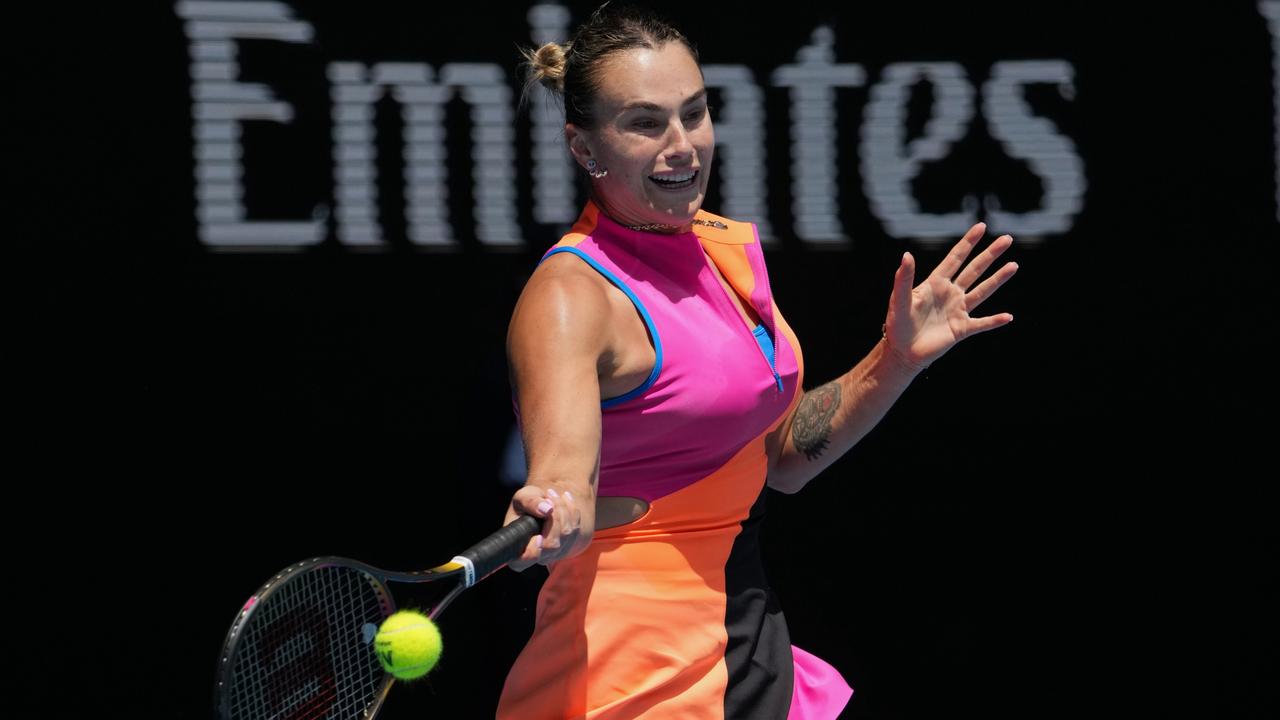

  • Australian Open 2026: Aryna Sabalenka dismantled her second round opponent in straight sets

    Australian Open 2026: Aryna Sabalenka dismantled her second round opponent in straight sets

    Aryna Sabalenka of Belarus demonstrated why she remains a formidable force at the Australian Open, securing a decisive second-round victory against China’s Zhuoxuan Bai. Despite conceding only four games throughout the match, the top-seeded player exhibited visible frustration with aspects of her performance that fell short of her exacting standards.

    The match began with characteristic dominance as Sabalenka powered to a 5-0 lead within just 14 minutes in the opening set. However, Bai’s resilient response disrupted Sabalenka’s rhythm, forcing unexpected errors from the reigning champion. The Belarusian’s annoyance became particularly evident when she required multiple set points to finally close out the first set against her determined opponent.

    This pattern continued into the second set where Sabalenka again established early control by taking the first four games. Yet throughout the contest, the world No.1 expressed dissatisfaction with her serving performance and acknowledged Bai’s effective touch game. The match ultimately revealed both Sabalenka’s explosive power and her relentless pursuit of perfection, signaling an ominous warning to competitors as she progresses in the tournament.

    The performance, while statistically dominant, provided insight into the champion’s mindset—where even comprehensive victories undergo intense scrutiny. Sabalenka’s reaction to minor imperfections underscores her championship mentality and the elevated standards she maintains while defending her Australian Open title.

  • Iranian chess champion opens up about trauma amid protests

    Iranian chess champion opens up about trauma amid protests

    In a poignant interview from Paris, Iranian-French chess grandmaster Mitra Hejazipour has revealed the profound emotional distress she continues to endure while monitoring anti-government protests and severe internet blackouts in her homeland. The 32-year-old athlete, who fled Iran five years ago following her symbolic removal of the mandatory hijab during an international tournament in Moscow, now finds herself grappling with sleepless nights and anxiety as she struggles to contact family members amid widespread communications shutdowns.

    Hejazipour, who obtained French citizenship and became national champion in 2023, described the current situation as ‘highly distressing,’ particularly after receiving harrowing accounts from medical contacts within Iran. ‘A friend working at a hospital shared devastating details about numerous gunshot wounds, especially eye injuries, and many fatalities,’ she disclosed while promoting her newly released autobiography, ‘The Chess Player.’

    The protests, initially triggered by economic hardships in late December, have evolved into the most significant challenge to Iran’s leadership in recent years. Independent monitoring organizations estimate the death toll ranges from several thousand to as many as 20,000 casualties resulting from the government’s brutal crackdown on dissent.

    Despite her successful chess career in exile—which includes leading the French team to a third-place finish at the world championships—Hejazipour remains emotionally connected to Iran’s struggle. She expresses cautious optimism that ‘the sacrifice of Iranians will not be in vain’ and predicts the eventual collapse of the current regime. The chess prodigy identifies Reza Pahlavi, son of the former shah living in American exile, as a potential unifying figure for establishing democratic governance.

    Her memoir recounts a childhood in Mashhad where chess became ‘a balm to soothe my sorrow, my shield against life’s uncertainties.’ The defining moment came in December 2019 when she dramatically removed her headscarf during the World Championship in Moscow, an act that precipitated her exile. Now settled in Paris, Hejazipour has established a charitable organization dedicated to promoting chess as an empowerment tool for women worldwide.

  • Actor Timothy Busfield to be released from jail in sex abuse case

    Actor Timothy Busfield to be released from jail in sex abuse case

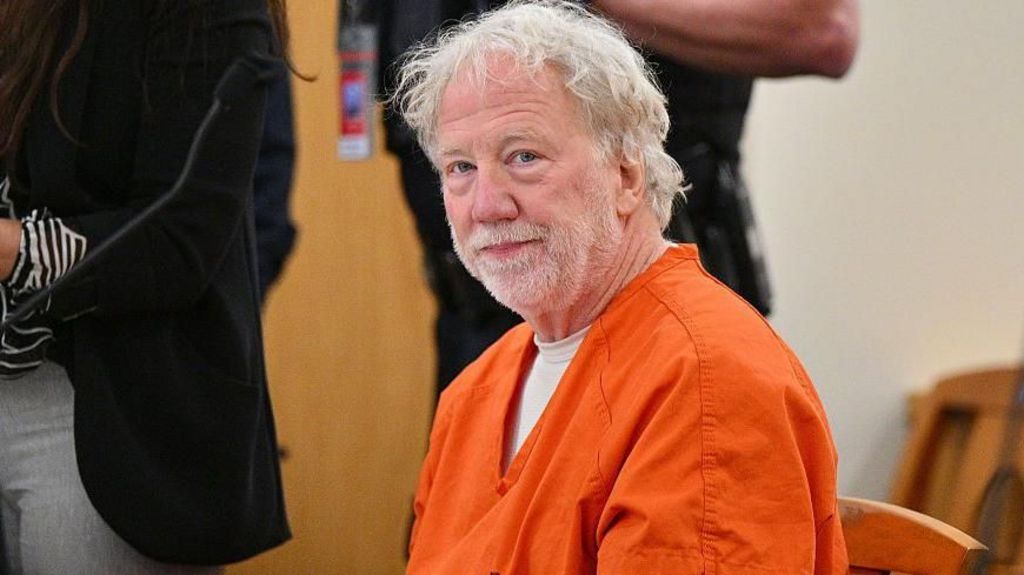
    Emmy-winning actor Timothy Busfield has been granted pretrial release from a New Mexico detention facility while awaiting proceedings on serious child sexual abuse charges. The 68-year-old performer, known for his roles in ‘The West Wing’ and ‘Field of Dreams,’ faces allegations of sexually abusing two minor boys on the set of the television series ‘The Cleaning Lady,’ which he directed and produced.

    Judge David A. Murphy authorized Busfield’s release on his own recognizance without requiring bail, though he must appear at all future court dates. The decision prompted an emotional reaction from Busfield’s wife, actress Melissa Gilbert, who broke down in tears upon hearing the ruling in the Albuquerque courtroom.

    The prosecution had vigorously argued for continued detention, citing what they described as a ‘pattern’ of inappropriate behavior that culminated during the production of the New Mexico-filmed series. Deputy District Attorney Savannah Brandenburg-Koch challenged the defense’s psychological assessments, stating, ‘It doesn’t matter who he’s attracted to. We know that all different types of sex offenders prey on different demographics of people.’

    Busfield’s defense team, led by attorneys Amber Fayerberg and Larry Stein, presented over 70 character references and disclosed that the actor had undergone and passed a polygraph test related to the allegations. Fayerberg argued that Busfield had effectively been ‘cancelled’ already—dropped by his talent agency and edited out of an upcoming romantic comedy—despite maintaining his innocence.

    The defense contends the allegations were ‘manufactured’ as an act of revenge after the children were terminated from the series. Fayerberg asserted, ‘There is a credible story here, and it’s a very sad story, and there are victims… But they weren’t victimized by Tim Busfield. They were victimized by their own parents.’

    According to court documents, the boys alleged Busfield engaged in inappropriate touching that began when one victim was just 7 years old. The actor faces two counts of criminal sexual contact of a minor and one count of child abuse. As conditions of his release, Busfield is prohibited from discussing the case with witnesses and may not have contact with any minor children involved in the case. No trial date has been set.

  • Trade leaders stay bullish on 2026 despite rising barriers

    Trade leaders stay bullish on 2026 despite rising barriers

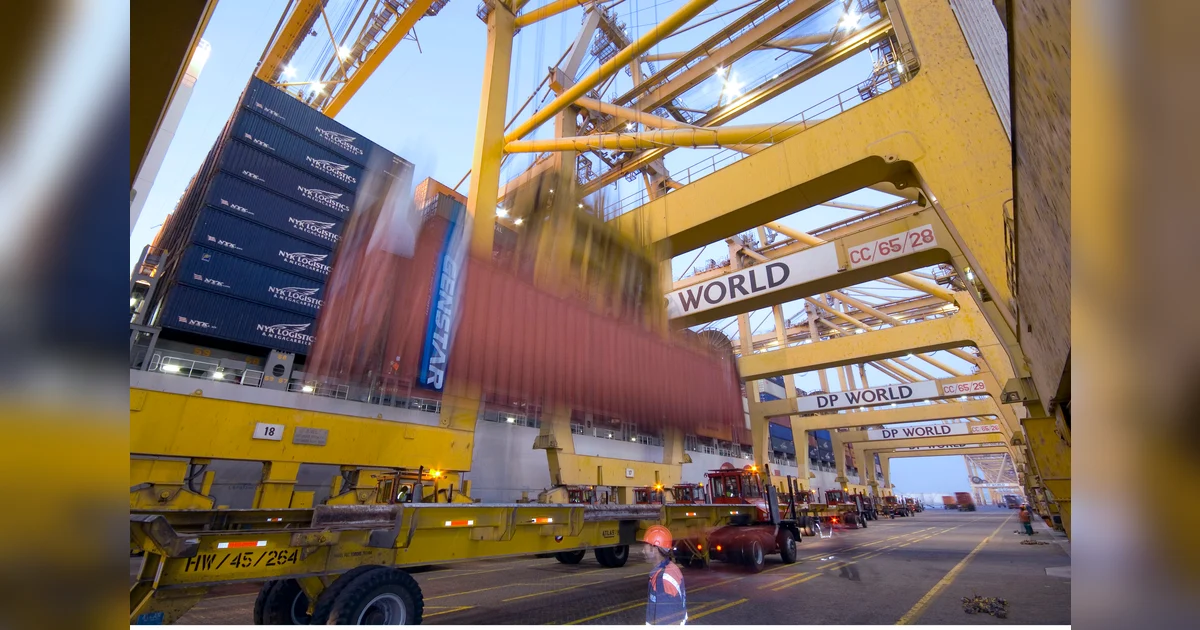
    Despite mounting geopolitical tensions and policy uncertainties, global trade leaders are demonstrating remarkable optimism for 2026, with 94% of senior supply chain executives anticipating growth rates that will match or surpass 2025 levels. This confident outlook emerges from DP World’s comprehensive Global Trade Observatory Annual Outlook, presented during the World Economic Forum in Davos, which surveyed 3,500 executives across 19 countries and eight industries.

    The research reveals a striking divergence between corporate sentiment and institutional projections. While the International Monetary Fund forecasts a decline in global merchandise trade growth from 3.6% in 2025 to 2.3% in 2026, more than half (54%) of business leaders actually expect accelerated expansion. This optimism persists despite widespread recognition of challenges: 90% anticipate rising or sustained trade barriers, and 53% predict high policy uncertainty throughout 2026.

    Sultan Ahmed bin Sulayem, Group Chairman and CEO of DP World, characterized the trading environment as structurally complex rather than cyclical. He emphasized the company’s commitment to maintaining trade flow through strategic infrastructure investments and partnership development that enhance operational efficiency and reliability for customers.

    Regional analysis identifies Europe as the most promising growth area (22% of respondents), followed closely by China (17%), with Asia Pacific (14%) and North America (13%) also generating significant confidence. This regional optimism stems from anticipated European demand stabilization, China’s export resurgence in electric vehicles and renewable energy equipment, and expanding intra-Asian supply chains.

    The United Arab Emirates is emerging as a primary beneficiary of global trade realignment, with WTO projections indicating Middle Eastern outperformance in merchandise trade growth. UAE government data shows non-oil foreign trade exceeding Dh4.3 trillion in 2024, representing 14% year-on-year growth, fueled by comprehensive economic partnership agreements with over 20 nations and deepening integration with Asian and African markets.

    Corporate adaptation strategies are accelerating dramatically, with 51% of firms planning supplier diversification, 44% increasing inventory buffers, and 36% adopting friend-shoring approaches that prioritize politically aligned markets. UNCTAD estimates indicate more than $1.3 trillion in manufacturing investment announced globally since 2022 under supply chain reconfiguration programs.

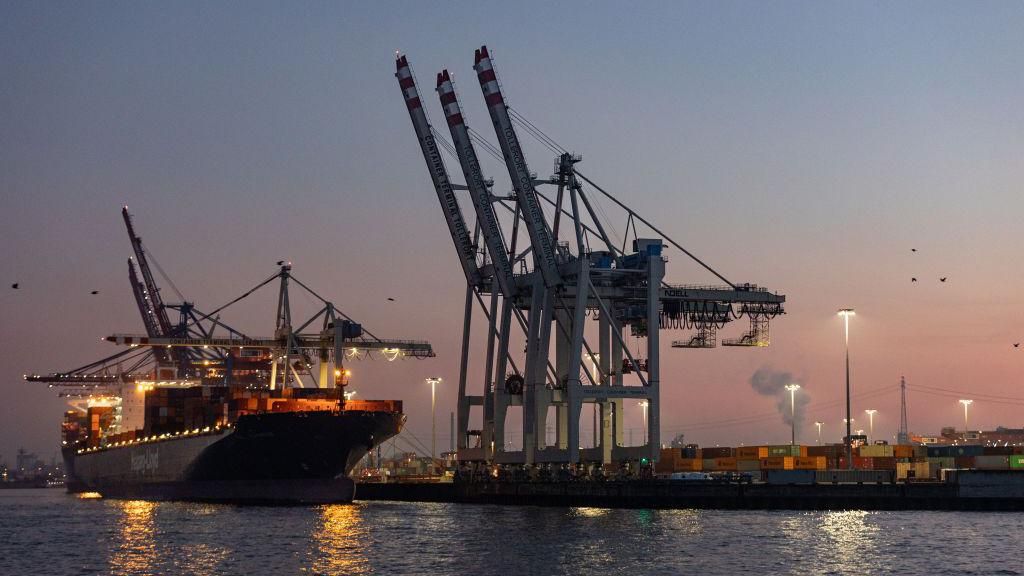
    Route flexibility has become central to trade strategy, with 26% of executives planning new shipping routes in 2026 and another 23% actively evaluating alternatives. This shift is driven by cost reduction objectives, enhanced inland connectivity, and faster customs processing. The expansion of Asia-Europe overland corridors, Middle Eastern logistics hubs, and Africa-linked maritime routes reflects a strategic reduction in dependency on traditional maritime chokepoints.

    Border friction remains a critical constraint, with 60% of executives citing customs clearance as a primary cause of delays. Investments in warehousing, logistics hubs, road networks, and border processing infrastructure are prioritized as essential efficiency drivers. World Bank research indicates that reducing border processing time by just one day can increase trade volumes by up to 1%, strengthening the economic rationale for digital customs platforms and integrated clearance systems.

  • Dollar tumbles as investors reignite ‘Sell America’ trade

    Dollar tumbles as investors reignite ‘Sell America’ trade

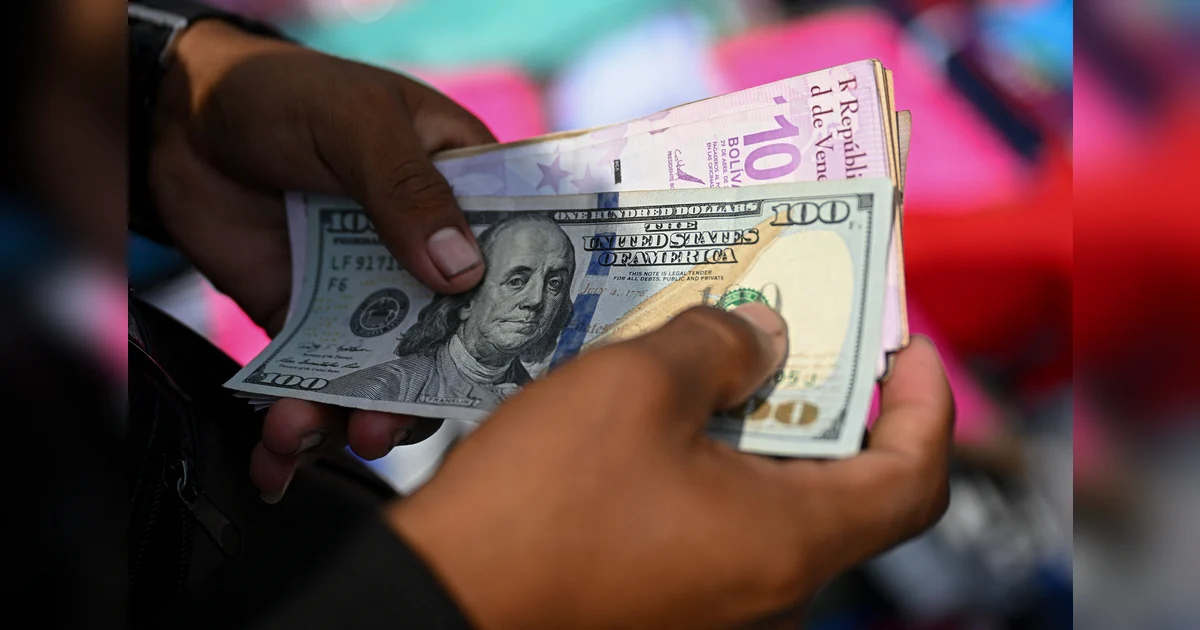
    A dramatic selloff in U.S. dollar assets swept through global markets on Tuesday, January 20, 2026, as geopolitical tensions over Greenland sparked the most significant single-day dollar decline in over a month. The currency’s sharp downturn reverberated across multiple asset classes, highlighting renewed investor anxiety about American economic policy direction.

    The U.S. Dollar Index plummeted by 0.7%, representing its most substantial daily drop since mid-December. This decline was primarily triggered by the White House’s renewed threats toward European allies regarding Greenland’s future status, which simultaneously pressured U.S. stocks and government bonds while boosting the euro and British pound.

    Market analysts identified this movement as a resurgence of the ‘Sell America’ trade pattern that initially emerged following last April’s ‘Liberation Day’ tariff announcements. Tony Sycamore, market analyst at IG in Sydney, noted that investors are rapidly divesting from dollar-denominated assets due to ‘fears of prolonged uncertainty, strained alliances, and potential acceleration of de-dollarization trends.’

    The euro surged 0.8% to $1.1742, marking its strongest daily performance since September, while the pound gained 0.24% to trade at $1.346. Sterling received additional support from UK labor market data showing unemployment holding at a five-year high but with stabilizing vacancy numbers.

    Currency markets exhibited broad-based movements beyond major pairs. The Japanese yen recovered from overnight losses as European trading commenced, with the dollar declining 0.3% to 157.68 yen amid political uncertainty following Prime Minister Sanae Takaichi’s call for snap elections on February 8. The Swiss franc, traditionally a safe-haven asset, strengthened for a third consecutive day, pushing the dollar down 1.1% to 0.7885 francs.

    In Asian markets, the offshore Chinese yuan held steady at 6.952 per dollar, its weakest level since May 2023, following the People’s Bank of China’s decision to maintain benchmark lending rates unchanged for an eighth consecutive month. The Australian dollar advanced 0.48% to $0.675, approaching its strongest position since October 2024, while the New Zealand dollar climbed 0.77% to $0.584, reaching its highest level this year.

    Cryptocurrencies mirrored the traditional market turbulence, with Bitcoin falling 2% to $91,090 and Ether declining 3.3% to $3,104.

    Despite the dramatic market movements, some analysts suggested the ‘Sell America’ effect might prove temporary. Barclays strategist Lefteris Farmakis observed that ‘tariff threats are a marginal negative for the dollar in the near-term given long positions and still-low hedge ratios from a historical perspective,’ while cautioning that major escalation with NATO implications would present more significant challenges for the euro.

  • What is Trump’s ‘Board of Peace’?

    What is Trump’s ‘Board of Peace’?

    In a controversial diplomatic initiative, the Trump administration has formally proposed the establishment of an international ‘Board of Peace’ with extraordinary provisions granting former President Donald Trump permanent leadership authority. According to a charter document obtained by AFP, the organization would require nations to contribute up to $1 billion for permanent membership privileges.

    The proposed board, initially conceptualized for Gaza reconstruction efforts, now envisions a broader mandate to ‘promote stability, restore dependable and lawful governance, and secure enduring peace in areas affected or threatened by conflict.’ The charter explicitly states all operations would comply with international law.

    Central to the controversy are the sweeping powers designated to the chairman position, which would be occupied indefinitely by Donald Trump. The charter grants the chairman ‘exclusive authority to create, modify or dissolve subsidiary entities’ and appoint members to an executive board composed of ‘leaders of global stature.’ Notably, the chairman can only be replaced through ‘voluntary resignation or as a result of incapacity,’ potentially allowing Trump to maintain influence regardless of future political positions.

    The executive board structure reveals a notable concentration of Trump allies and associates, including:
    – US Secretary of State Marco Rubio
    – Special negotiator Steve Witkoff
    – Senior advisor Jared Kushner
    – Former UK Prime Minister Tony Blair
    – Billionaire financier Marc Rowan
    – World Bank President Ajay Banga
    – National Security Council aide Robert Gabriel

    Membership invitations have extended to both traditional allies and adversaries, including China, Russia, and Ukraine simultaneously—a particularly contentious arrangement given Russia’s ongoing invasion of Ukraine. While Hungary’s Viktor Orban and the United Arab Emirates have committed participation, Canada has explicitly rejected the $1 billion permanent membership fee. France has declined involvement, prompting retaliatory tariff threats from Trump against French wine exports.

    The board requires consent from three states to become operational, with annual decision-making conducted through majority voting where the chairman holds tie-breaking authority.

  • UN report declares global state of ‘water bankruptcy’

    UN report declares global state of ‘water bankruptcy’

    A groundbreaking United Nations report has declared that humanity has entered an unprecedented era of “global water bankruptcy,” marking a critical turning point in the planetary freshwater crisis. The comprehensive assessment from the UN University Institute for Water, Environment and Health (UNU-INWEH) reveals that decades of systematic overuse, pollution, and environmental destruction have pushed the world’s water systems beyond recovery thresholds.

    The research institute asserts that conventional terms like “water stress” and “water crisis” have become inadequate to describe the current emergency. These previously used descriptors implied a future scenario that could still be prevented, whereas the world has already transitioned into a new phase of irreversible damage to aquatic ecosystems.

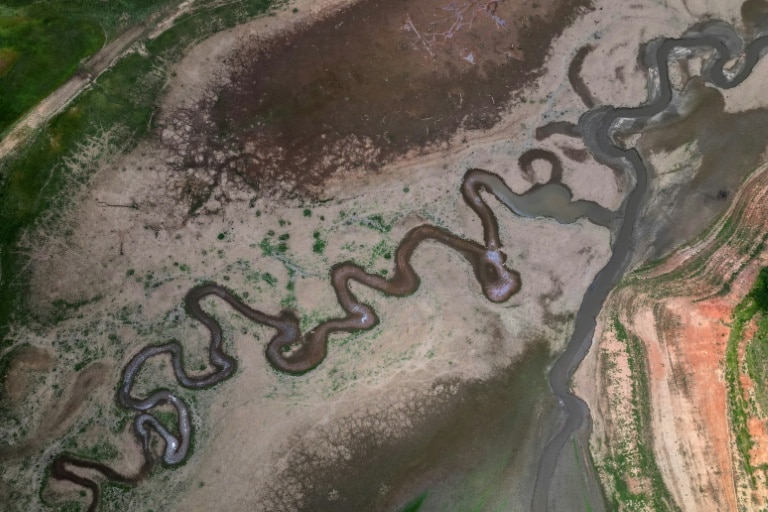
    Water bankruptcy, as defined by the report, represents a condition where long-term water consumption drastically exceeds natural replenishment rates, causing such severe ecological damage that restoration to previous levels becomes virtually impossible. This alarming state manifests through multiple indicators: the dramatic shrinkage of major lakes worldwide, increasingly frequent instances of major rivers failing to reach oceans during dry seasons, and the disappearance of approximately 410 million hectares of wetlands over the past fifty years—an area nearly equivalent to the entire European Union.

    Groundwater depletion presents another critical symptom, with about 70% of major aquifers essential for drinking water and agriculture showing persistent long-term declines. This has led to rising occurrences of “day zero” scenarios where urban demand completely outstrips available supply.

    Climate change exacerbates the crisis, having driven the loss of over 30% of global glacier mass since 1970. This melting threatens the seasonal meltwater relied upon by hundreds of millions of people for survival and agriculture.

    UNU-INWEH Director Kaveh Madani emphasized that while not every nation individually faces water bankruptcy, the consequences are visible across all inhabited continents. He urged governments to confront this “bitter reality” immediately and implement policy overhauls rather than treating water scarcity as a temporary challenge. The report advocates for adopting the bankruptcy framework to facilitate honest assessment and prompt action before further irreversible damage occurs.

    The findings, drawn from extensive existing data and statistics, will be formally proposed in a peer-reviewed paper scheduled for publication in Water Resources Management journal. While some scientists not involved in the report acknowledge the value of highlighting water emergencies, they caution that a blanket global declaration might overlook significant progress being made at local levels to address water management challenges.

  • Exclusive: US envoy accused SDF chief of trying to drag Israel into internal Syria matters, sources say

    Exclusive: US envoy accused SDF chief of trying to drag Israel into internal Syria matters, sources say

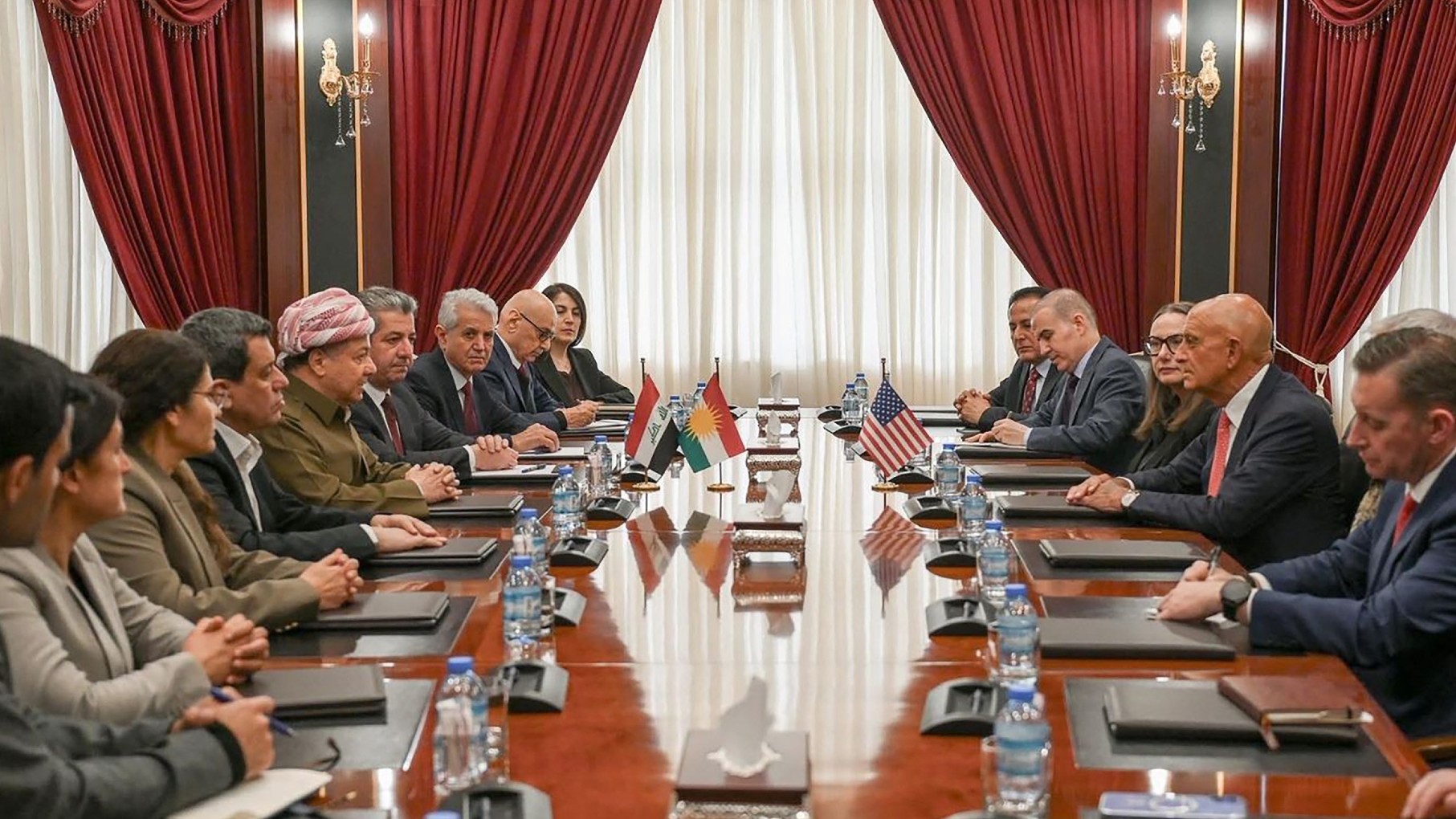
    In a tense diplomatic confrontation preceding Sunday’s ceasefire agreement, U.S. Special Envoy for Syria Tom Barrack allegedly confronted Syrian Democratic Forces (SDF) commander Mazloum Abdi over attempts to involve Israel in Syria’s internal affairs, according to anonymous diplomatic sources who spoke with Middle East Eye.

    The closed-door meeting, which occurred in Erbil on Saturday amid Syrian government advances into SDF-controlled territories, also featured veteran Kurdish leader Massoud Barzani. Sources indicate Barrack delivered sharp criticism regarding Abdi’s delayed implementation of a March 2025 integration agreement that envisioned SDF merging with the Syrian army by year’s end.

    Barrack, a consistent advocate for a unified Syrian state, reportedly accused the SDF leadership of “stalling, failing to implement the agreement with the Syrian government, and relying on foreign powers.” The envoy issued a stark warning against involving Israel, stating such actions would “bring destruction” and potentially create friction between two crucial U.S. allies—Turkey and Israel.

    These allegations emerge alongside acknowledgments from senior SDF officials, including Ilham Ahmed, who confirmed communications with Israeli representatives and expressed openness to support from any external party willing to protect Kurdish communities and their political achievements.

    During the meeting, Barrack challenged Abdi’s apparent failure to recognize Syria’s transformed political landscape, noting: “You still want to deal with the situation as if Bashar al-Assad is ruling Syria… There is a fundamental change; Damascus is our partner today in the fight against terrorism.”

    Contrasting this tone, Barzani reportedly described his recent meeting with Syrian President al-Sharaa as positive while requesting assistance for Kurdish civilian protection, presenting documented evidence of threats facing Kurdish communities. The Kurdish leader offered to serve as “new guarantor” for any revised agreement and requested a follow-up meeting between Sharaa and Abdi.

    The diplomatic efforts culminated in Sunday’s ceasefire announcement, with Syria’s military assuming nearly complete territorial control and dismantling the Kurdish-led forces that governed northeast Syria for over a decade. The agreement stipulates SDF withdrawal from Arab-majority Raqqa and Deir Ezzor provinces, including border crossings and energy fields, though specific implementation timelines remain unclear.

    Barrack subsequently praised the agreement on social media, characterizing it as progress toward a “unified Syria” and noting President al-Sharaa’s recognition of Kurds as “an integral part of Syria.”

  • Trump heads for Davos maelstrom over Greenland

    Trump heads for Davos maelstrom over Greenland

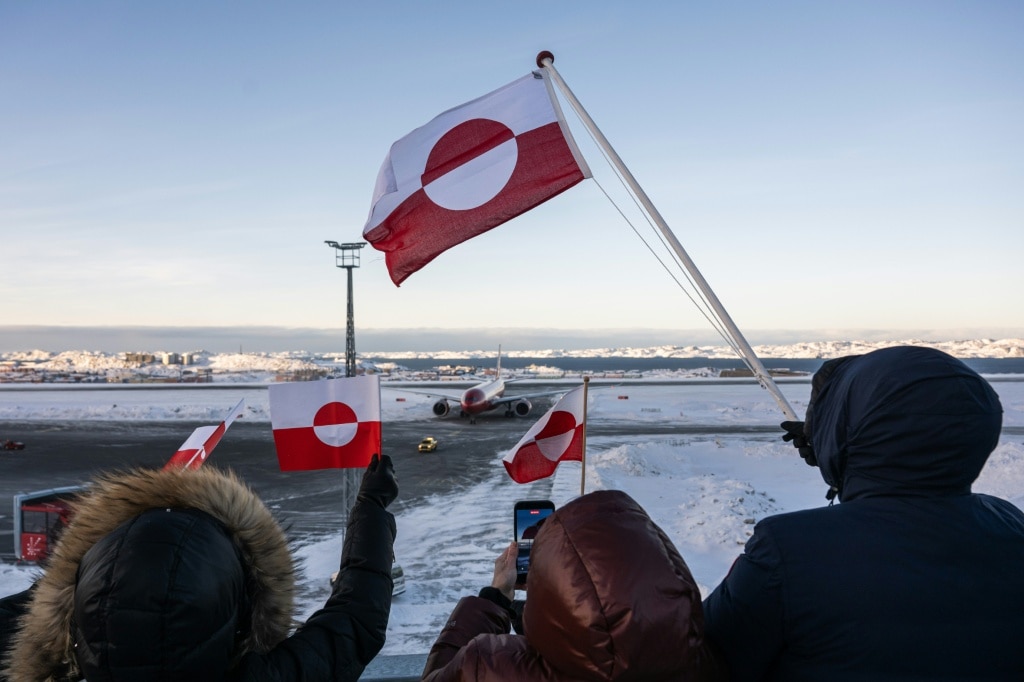
    The World Economic Forum in Davos has become the stage for a significant geopolitical confrontation, with U.S. President Donald Trump’s controversial interest in Greenland creating unprecedented strains within the NATO alliance. During his attendance at the Swiss summit—his first in six years—Trump confirmed he would conduct meetings specifically addressing Greenland, heightening tensions with European leaders who have united against his aggressive foreign policy approach.

    The situation escalated when Trump publicly mocked European counterparts, particularly French President Emmanuel Macron, by revealing private diplomatic communications. Macron had previously condemned Trump’s tariff threats against eight European nations as ‘unacceptable,’ while European Commission President Ursula von der Leyen warned of a potential ‘downward spiral’ in EU-US relations.

    Greenland’s strategic significance has emerged as a central point of contention, with Trump emphasizing its mineral wealth and importance for Arctic security amid growing competition with Russia and China. The autonomous territory’s Prime Minister acknowledged the need to prepare for potential military implications, while Lithuania’s President Gitanas Nauseda declared that any forceful action against a NATO ally would effectively mean ‘the end of NATO.’

    Despite these tensions, some U.S. lawmakers suggested the situation might de-escalate over time. Meanwhile, Trump’s planned announcement of a new international conflict resolution body—the ‘Board of Peace’ with $1 billion membership fees—and his invitation to Russian President Vladimir Putin have further complicated the diplomatic landscape, particularly given Russia’s ongoing invasion of Ukraine.