作者: admin

  • India to withdraw diplomats’ families from Bangladesh, official says

    India to withdraw diplomats’ families from Bangladesh, official says

    India has initiated the evacuation of diplomatic families and dependents from Bangladesh citing heightened security concerns ahead of the country’s February 12 general election. The decision comes amid escalating bilateral tensions that have strained relations between the South Asian neighbors.

    According to an anonymous Indian official speaking on Wednesday, the withdrawal constitutes part of ‘internal readjustments’ in response to security threats. The move follows India’s December summons of Bangladesh’s high commissioner to express concerns about deteriorating security conditions, particularly regarding threats against the Indian mission in Dhaka.

    The current political climate in Bangladesh has been volatile since former Prime Minister Sheikh Hasina sought refuge in India in 2024 following deadly protests that forced her departure. Campaigning for the upcoming election begins Thursday, already triggering demonstrations and counter-protests across the nation.

    The interim government led by Nobel laureate Muhammad Yunus has consistently demanded Hasina’s extradition while simultaneously dismissing India’s concerns about violence targeting minority Hindu communities. Neither country’s foreign ministry has provided immediate commentary on the evacuation decision, and the timeline for families’ return remains unspecified.

    This development marks a significant deterioration in diplomatic relations between the two nations, reflecting the ongoing political instability surrounding Bangladesh’s electoral process and the unresolved status of its former leader.

  • Dubai: Gold prices jump over Dh15 per gram to another record high, could touch Dh600 soon

    Dubai: Gold prices jump over Dh15 per gram to another record high, could touch Dh600 soon

    Dubai’s gold market witnessed unprecedented gains on Wednesday as prices surged dramatically at market opening, setting a third consecutive record high. The precious metal’s remarkable rally saw 24K gold escalate by Dh15.75 to reach Dh586.25 per gram, bringing it within striking distance of the psychological Dh600 barrier.

    The comprehensive price surge affected all variants: 22K gold climbed to Dh542.75 per gram, 21K advanced to Dh520.5, 18K reached Dh446.25, while 14K gold settled at Dh348.0 per gram. This sustained upward trajectory reflects deepening global economic anxieties and geopolitical uncertainties.

    International markets mirrored Dubai’s bullish trend, with gold breaching the $4,800 milestone for the first time in history. At 9:15 AM UAE time, spot gold traded at $4,869.7 per ounce, registering a substantial 2.28 percent increase. This global surge coincides with escalating tensions between the United States and European Union regarding Greenland, adding fresh momentum to gold’s safe-haven appeal.

    Ole Hansen, Head of Commodity Strategy at Saxo Bank, contextualized the rally: ‘The renewed US-Europe standoff over Greenland has acted as a fresh catalyst for gold and silver demand, reinforcing an already powerful hard-asset narrative. Importantly, this rally predates the current dispute and shows no signs of abating. The Greenland episode has effectively poured fresh fuel on a rally that has been building for months, driven by an increasingly uncomfortable macro and geopolitical backdrop.’

    Hansen further noted the concerning performance of traditional safe havens, observing that the dollar, yen, and US Treasuries have all struggled to provide their customary stability as long-end yields rise due to credibility concerns rather than growth optimism.

    Market analysts suggest that if the current momentum persists amid ongoing global uncertainties, Dubai’s gold prices could realistically approach the Dh600 per gram threshold in the near term. Some international forecasts even project gold potentially reaching $5,000 per ounce during the first quarter, underscoring the metal’s strengthened position in contemporary portfolio strategies.

  • Japan court sentences ex-PM Abe’s assassin to life in prison, NHK reports

    Japan court sentences ex-PM Abe’s assassin to life in prison, NHK reports

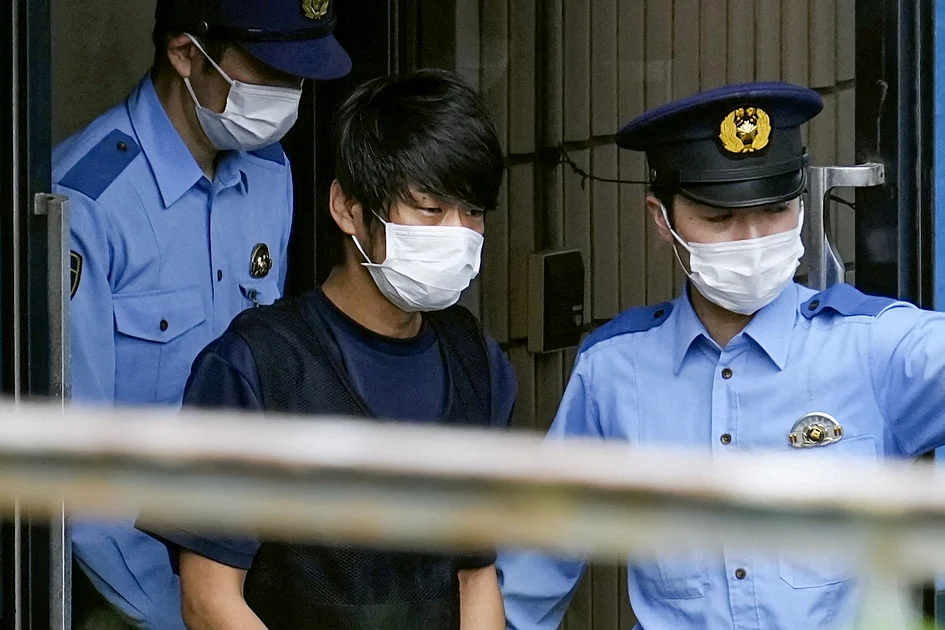
    A Japanese court has delivered a life imprisonment verdict to Tetsuya Yamagami, the 45-year-old perpetrator behind the assassination of former Prime Minister Shinzo Abe in July 2022. The Nara District Court’s ruling concludes a landmark case that has captivated Japan for over three years, marking one of the most significant political violence incidents in the nation’s post-war history.

    Yamagami, who admitted to crafting a homemade firearm and fatally shooting Abe during a campaign speech in western Nara, faced certain conviction following his October court admission. Prosecutors had characterized the assassination as “an extremely grave incident unprecedented in post-war history” during last month’s sentencing request.

    The court proceedings revealed complex motivations behind the attack, with Yamagami expressing resentment toward the Unification Church after his mother’s substantial donations to the organization created severe financial distress for his family. Media reports indicated the assailant targeted Abe due to the former prime minister’s recorded video message to an event affiliated with the church.

    This assassination exposed extensive connections between Japan’s ruling Liberal Democratic Party (LDP) and the controversial religious group, with internal investigations revealing over hundred lawmakers maintained dealings with the organization. The disclosure has significantly eroded public trust in the long-dominant political party.

    Despite stepping down in 2020 citing health concerns, Abe remained Japan’s longest-serving prime minister with 3,188 days in office across two terms and continued to wield considerable influence within the LDP. His death created a political vacuum that has resulted in two leadership transitions and diminished party stability under current Prime Minister Sanae Takaichi, Abe’s political protégée.

    Internationally, Abe was recognized for forging strong diplomatic ties, particularly his unique relationship with former U.S. President Donald Trump, being the first foreign leader to meet Trump after his 2016 election victory. Their bond, strengthened through numerous golf meetings across both nations, continues to influence current Japan-U.S. relations under the Takaichi administration.

    Yamagami’s defense team argued for a reduced sentence of maximum 20 years, citing the defendant’s family hardships caused by the religious organization’s financial demands. The court ultimately rejected these mitigating circumstances in delivering Japan’s most severe punishment short of capital punishment.

  • Beijing becomes China’s second 5-trillion-yuan economy in 2025

    Beijing becomes China’s second 5-trillion-yuan economy in 2025

    Beijing has officially cemented its status as China’s second 5-trillion-yuan economy, achieving a remarkable GDP of 5.2 trillion yuan ($746.7 billion) in 2025 with a solid 5.4% year-on-year growth rate. This milestone places the capital city alongside Shanghai as the only two Chinese municipalities to surpass this monumental economic threshold.

    The city’s economic expansion was primarily fueled by extraordinary performance in advanced manufacturing sectors. The computer, communications, and electronic equipment manufacturing cluster witnessed a striking 20.2% annual growth, while the automotive industry accelerated with a 17.7% increase. Particularly noteworthy was the explosive growth in green technology and high-tech sectors, where new energy vehicle production skyrocketed by 140%, lithium-ion battery output surged by 120%, and service robot manufacturing advanced by 47.6%.

    Beijing’s export capabilities demonstrated significant strength, with large-scale industrial enterprises achieving a delivery value of 211.3 billion yuan—a 6.4% increase from the previous year. The automotive manufacturing sector led this charge with a substantial 24.6% export growth, followed by specialized equipment manufacturing at 10.8%.

    The service sector equally contributed to Beijing’s economic triumph, with information technology services reaching a combined added value of 1.2 trillion yuan after an 11% growth spurt. Simultaneously, the financial industry strengthened its position with an added value of 866.82 billion yuan, reflecting an 8.7% increase that underscores Beijing’s dual identity as both a technological and financial hub.

    This economic milestone reflects Beijing’s successful transition toward high-value industries and innovation-driven growth, positioning the capital as a model for urban economic development in China’s new era of quality-focused expansion.

  • EU lawmakers vote to hold up Mercosur trade agreement over legal concerns

    EU lawmakers vote to hold up Mercosur trade agreement over legal concerns

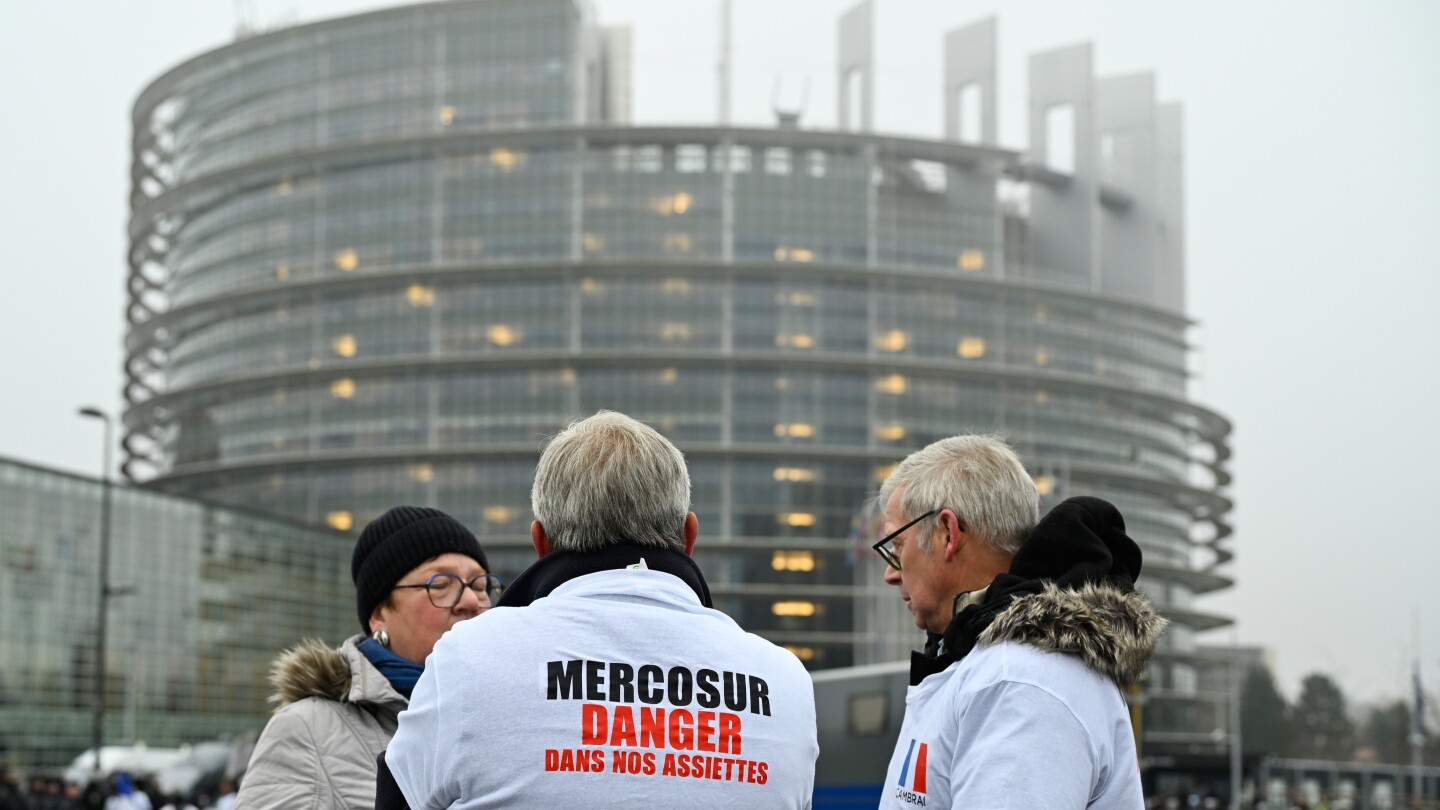
    BRUSSELS — In a dramatic legislative move, the European Parliament has suspended ratification of the landmark EU-Mercosur trade agreement, demanding judicial review from Europe’s highest court regarding its treaty compliance. Lawmakers in Strasbourg narrowly passed the resolution with 334 votes in favor versus 324 against, effectively postponing final approval until the European Court of Justice delivers its legal assessment—a process expected to span several months.

    This decision creates significant uncertainty for the comprehensive trade pact signed just days ago following 25 years of negotiations. The agreement, championed by European Commission President Ursula von der Leyen as a strategic response to global protectionism, aimed to establish one of the world’s largest free trade zones covering over 700 million consumers. It proposed eliminating over 90% of tariffs between the economic blocs, benefiting South American agricultural exports and European industrial goods alike.

    The parliamentary vote revealed deep divisions within the EU, with France emerging as a leading opponent. French Foreign Minister Jean-Noel Barrot welcomed the delay, asserting that Parliament had aligned with France’s long-standing position demanding stronger protections for European farmers. Meanwhile, the European Commission expressed strong regret over the decision, while Germany’s Chancellor Friedrich Merz condemned it as “geopolitically misguided” and urged immediate provisional application of the agreement.

    Trade Committee Chair Bernd Lange criticized the move as “absolutely irresponsible” and damaging to European economic interests. Despite the EU’s internal divisions, ratification appears certain within Mercosur nations (Argentina, Brazil, Paraguay, and Uruguay), where the pact enjoys broad support. The development comes ahead of an emergency EU summit focused on transatlantic relations, where trade strategies are expected to dominate discussions.

  • Trump’s plane lands safely after ‘minor electrical issue,’ Davos trip to continue

    Trump’s plane lands safely after ‘minor electrical issue,’ Davos trip to continue

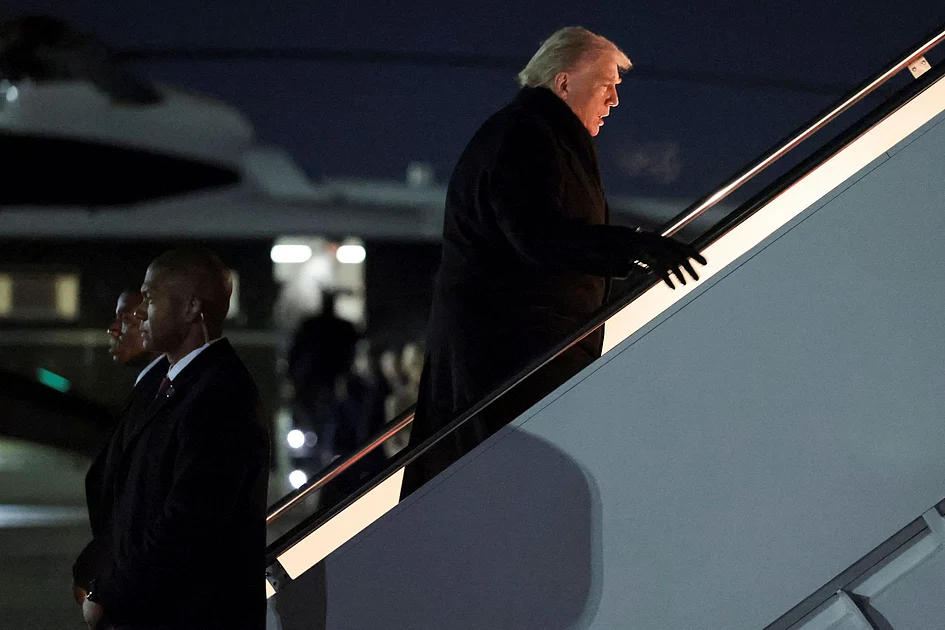
    President Donald Trump’s scheduled journey to the World Economic Forum in Davos, Switzerland, encountered a brief interruption Tuesday night when his official aircraft, Air Force One, returned to Joint Base Andrews shortly after departure. The decision to turn back was prompted by the flight crew’s identification of a minor electrical malfunction, according to an official statement from the White House.

    White House Press Secretary Karoline Leavitt confirmed that the aircraft landed without incident and that the presidential delegation would promptly transfer to a replacement aircraft to continue the transatlantic trip. The incident caused no injuries and was characterized as a minor technical issue.

    Historical context provided by aviation experts indicates that while such safety incidents involving U.S. presidential aircraft are uncommon, they are not without precedent. In 2011, an Air Force One flight carrying President Barack Obama aborted a landing approach in Connecticut due to adverse weather conditions. Similarly, in 2012, the vice presidential aircraft Air Force Two, transporting then-Vice President Joe Biden, sustained a bird strike during approach in California but landed safely without further complications.

    The swift aircraft change demonstrates the extensive contingency protocols surrounding presidential travel, ensuring that such technical issues cause minimal disruption to official schedules. President Trump is expected to join numerous other world leaders at the annual Davos forum, which serves as a critical platform for global economic dialogue.

  • Israeli PM Netanyahu agrees to join Trump’s Board of Peace

    Israeli PM Netanyahu agrees to join Trump’s Board of Peace

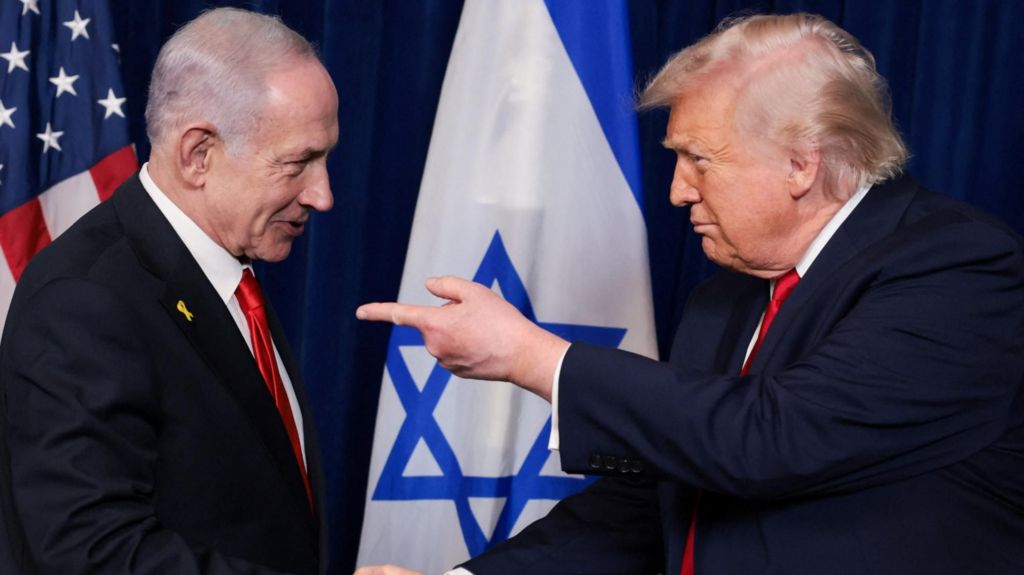
    A significant geopolitical development has emerged as Israeli Prime Minister Benjamin Netanyahu confirmed his participation in former U.S. President Donald Trump’s newly established Board of Peace. This international organization, conceptualized to promote stability and lawful governance in conflict zones, has sparked both interest and skepticism within the global community.

    The Board’s charter, obtained by media sources, reveals unconventional membership terms: nations can secure renewable three-year positions or obtain permanent status through a $1 billion financial contribution. While the United Arab Emirates, Bahrain, Albania, Armenia, Azerbaijan, Belarus, Hungary, Kazakhstan, Morocco, and Vietnam have agreed to participate, several key nations including Norway, France, and Sweden have expressed reservations or declined involvement entirely.

    Trump will assume dual roles as permanent chairman and U.S. representative, wielding exclusive authority to create, modify, or dissolve subsidiary entities. The Executive Board features prominent international figures including U.S. Secretary of State Marco Rubio, Middle East special envoy Steve Witkoff, Jared Kushner, and former British Prime Minister Tony Blair.

    A particularly contentious aspect involves the Gaza Executive Board, which includes representatives from Turkey and Qatar—a development that Netanyahu’s office claims was “not coordinated with Israel and runs contrary to its policy.” This board will work alongside a Palestinian technocratic government to oversee reconstruction efforts and stabilization initiatives in Gaza.

    The initiative unfolds against a fragile ceasefire following the devastating 2023-2026 Israel-Hamas conflict that resulted in over 71,550 Palestinian and 1,200 Israeli casualties. While phase one of Trump’s peace plan achieved a temporary ceasefire and prisoner exchange, phase two faces substantial challenges regarding Hamas disarmament and complete Israeli withdrawal from Gaza—issues that remain unresolved amid ongoing violence that has claimed hundreds of lives since the ceasefire began.

  • Trump says ‘brokering peace’ between India, Pakistan ‘key success’ of first year in office

    Trump says ‘brokering peace’ between India, Pakistan ‘key success’ of first year in office

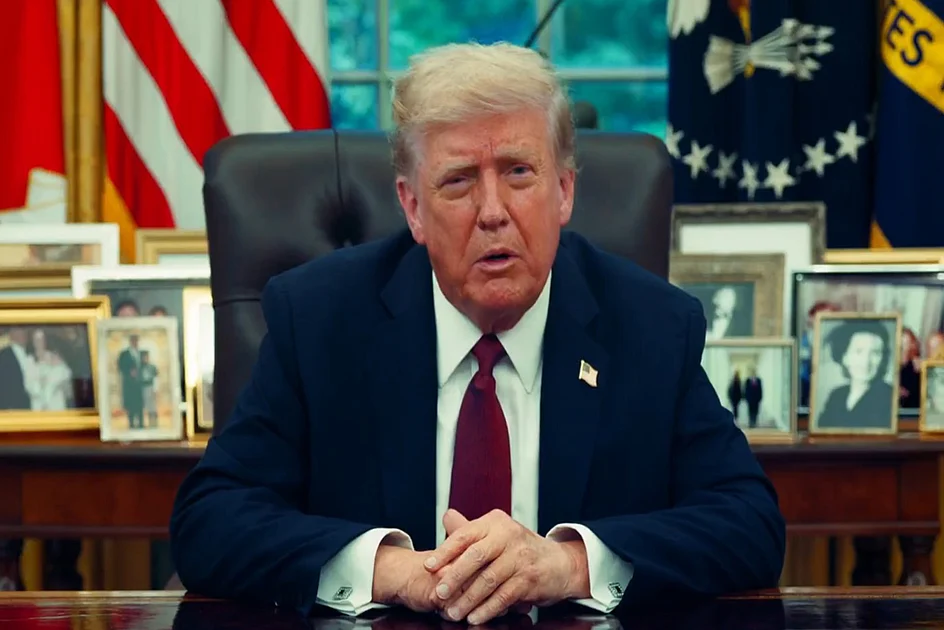
    In a comprehensive review of his administration’s accomplishments, former President Donald Trump has identified his purported mediation between India and Pakistan as a cornerstone achievement during his first year back in office. The White House released a document titled “365 Wins in 365 Days” cataloging these achievements, prominently featuring diplomatic efforts in South Asia under the section “Reasserting American Leadership on the World Stage.”

    During a press briefing commemorating his administration’s anniversary, Trump elaborated on his claims with heightened dramatic effect, notably increasing the number of aircraft he stated were shot down in the conflict from seven to eight. “I ended eight unendable wars in 10 months. Pakistan and India. They were really going at it. Eight planes were shot down,” Trump asserted. “They were going to go nuclear, in my opinion. The Prime Minister of Pakistan was here, and he said ‘President Trump saved 10 million people.’”

    The former president has repeatedly invoked this narrative since May of the previous year, positioning himself as the decisive factor in preventing catastrophic escalation between the nuclear-armed neighbors. These assertions appear strategically linked to his aspirations for the Nobel Peace Prize, an award he has consistently expressed grievance over not receiving.

    However, these claims stand in stark contrast to official positions from New Delhi. Indian authorities have consistently refuted any third-party involvement in conflict resolution, maintaining that peace negotiations were conducted exclusively through bilateral channels between the two nations. The initial military confrontation followed the devastating Pahalgam terror attack in Jammu and Kashmir in April 2025, which resulted in 26 casualties and triggered a significant escalation in cross-border tensions.

  • Nigeria police confirm mass church abductions after previous denial

    Nigeria police confirm mass church abductions after previous denial

    Nigerian authorities have executed a dramatic reversal, officially confirming the mass abduction of Christian worshippers from three churches in northern Kaduna state after initially denying the incident occurred. The police retracted their previous statements on Tuesday night, acknowledging that operational units and intelligence sources had verified the kidnapping in Kurmin Wali village.

    According to local residents who spoke with BBC, approximately 177 congregants were seized during Sunday morning services, with 11 managing to escape captivity. Police spokesperson Benjamin Hundeyin declined to provide specific numbers but confirmed security forces had been fully deployed to conduct search-and-rescue operations and area patrols.

    Eyewitness accounts describe armed militants surrounding the village during the attack at approximately 10:00 local time on Sunday. “Some people attempted to flee but found themselves encircled,” one witness reported. “The assailants gathered people together and forced them to march into the surrounding bush.”

    The targeted churches included two branches of the Cherubim and Seraphim Movement Church and one Evangelical Church Winning All (ECWA) congregation. This confirmation contradicts earlier statements from Kaduna state police commissioner Alhaji Muhammad Rabiu, who on Monday challenged journalists to “list the names of the kidnapped victims” while claiming no evidence supported the abduction reports.

    Amnesty International has condemned what it characterized as “the desperate denial” by Nigerian authorities. The human rights organization urged immediate action to address the escalating abduction crisis gradually becoming normalized across Nigeria.

    This incident occurs against a backdrop of severe security challenges confronting Africa’s most populous nation. Criminal gangs conducting ransom kidnappings, Islamist insurgency in the northeast, separatist violence in the southeast, and persistent conflicts between herders and farmers collectively strain national security resources. Experts attribute the crisis to systemic corruption, inadequate intelligence sharing, and chronically underfunded local policing.

    The kidnapping follows November’s abduction of over 300 students and teachers from a Catholic school in neighboring Niger state. The deteriorating security situation prompted Nigeria’s defense minister to resign last month, officially for health reasons, and triggered unprecedented US military involvement with airstrikes against Islamist militant camps on Christmas Day.

    President Donald Trump subsequently warned of additional strikes if attacks against Christians in the West African nation continue. Nigeria’s foreign ministry responded that the country remains committed to protecting all citizens regardless of faith, emphasizing constructive engagement with international partners including the United States.

  • Macron urges EU to consider trade ‘bazooka’ in response to US tariffs threat

    Macron urges EU to consider trade ‘bazooka’ in response to US tariffs threat

    BRUSSELS — The European Union is mobilizing its substantial economic defenses in response to escalating tensions with the United States, particularly concerning President Donald Trump’s aggressive posture toward Greenland. As a primarily trade-oriented bloc of 27 nations, the EU’s countermeasures center on powerful financial instruments that could potentially cost American companies billions.

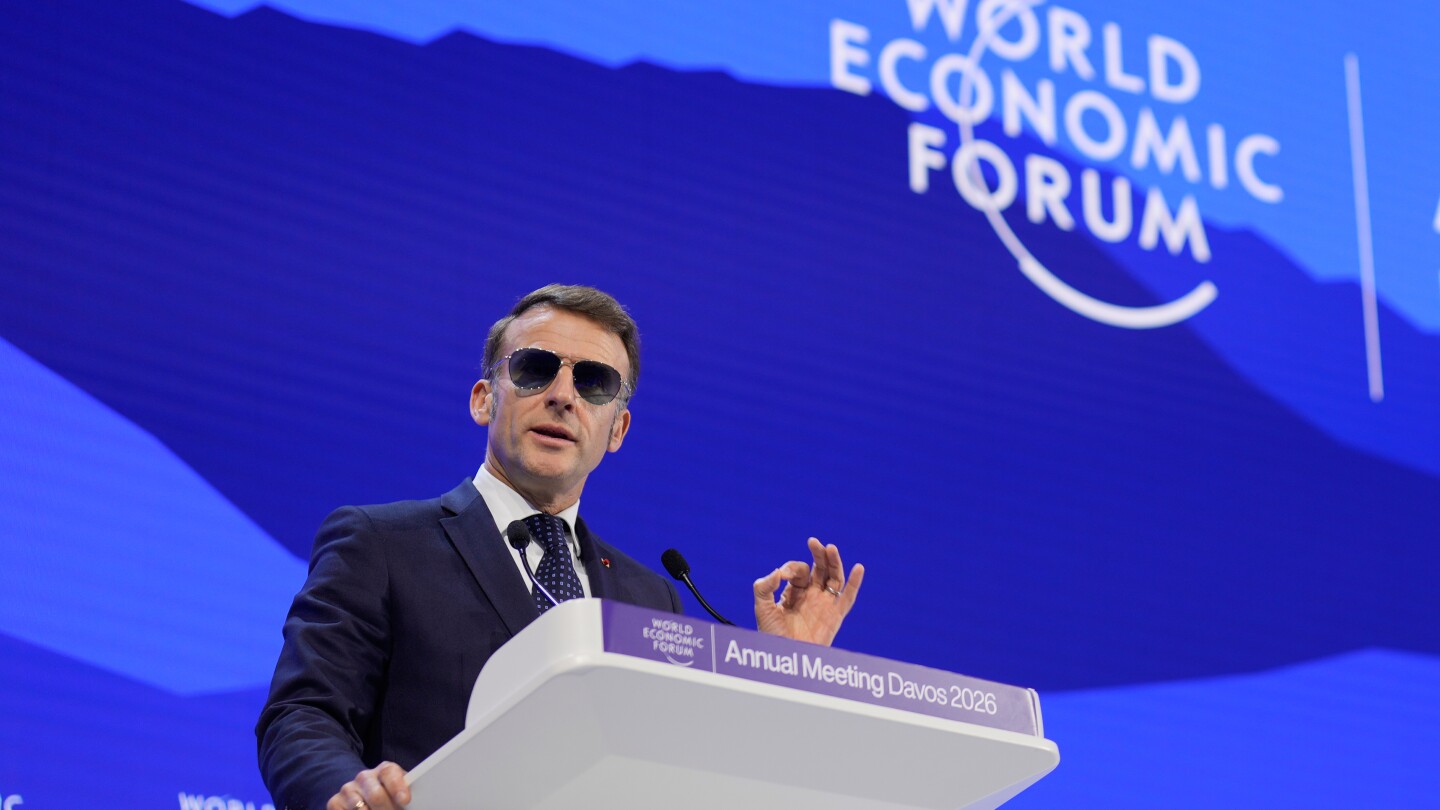
    The centerpiece of Europe’s defensive strategy is the Anti-Coercion Instrument (ACI), colloquially termed the ‘trade bazooka’ by French President Emmanuel Macron. This mechanism, established in 2021 following China’s trade restrictions against Lithuania over Taiwan relations, enables the EU to sanction individuals or institutions exerting undue pressure on member states.

    Speaking at the Davos forum on Tuesday, Macron issued a stark warning that additional U.S. tariffs could compel the EU to deploy its anti-coercion mechanism for the first time against its American allies. ‘The crazy thing is that we could find ourselves in a situation where we use the anti-coercion mechanism for the very first time against the United States,’ Macron stated, expressing regret over what he termed ‘unnecessary aggressiveness.’

    The potential sanctions under the ACI framework include restrictive market access measures, exclusion from EU public procurement contracts, limitations on foreign direct investment, and constraints on goods and services trade. Despite the powerful nature of these tools, significant hesitation exists among EU members, with France currently standing as the primary advocate for their potential deployment.

    EU leaders are convening an emergency summit in Brussels on Thursday to address the growing tensions. The timing is particularly sensitive as the bloc emphasizes the need for allied cooperation in addressing the conflict in Ukraine.

    The economic stakes are enormous: EU-U.S. trade in goods and services reached €1.7 trillion ($2 trillion) in 2024, averaging €4.6 billion daily. Europe’s major exports to the American market include pharmaceuticals, automobiles, aircraft, chemicals, medical instruments, and premium alcoholic beverages.

    According to European Commission documentation, the ACI requires at least six months to activate, with its primary objective being deterrence rather than punishment. As the commission previously stated, ‘The instrument will, therefore, be most successful if there is no need to use it.’