作者: admin

  • Not just rain: How UAE researchers are spotting hail, snow, even insects inside a storm

    Not just rain: How UAE researchers are spotting hail, snow, even insects inside a storm

    The United Arab Emirates is transforming weather modification science through cutting-edge radar technology and artificial intelligence, moving beyond traditional cloud seeding methods to achieve unprecedented precision in rainfall enhancement. Spearheaded by Dr. Dixon Michael, a prominent atmospheric scientist working with the UAE’s Rain Enhancement Programme (UAEREP), this innovative approach utilizes dual-polarization radar systems capable of identifying specific particles within storms—including hail, snow, ice, and even insects—rather than merely measuring precipitation intensity.

    The research addresses a fundamental challenge in weather modification: determining whether cloud seeding operations actually produce measurable results. Traditional methods relied on radar reflectivity to estimate storm strength but provided limited insight into internal cloud microphysics. “It doesn’t tell you a lot about what’s going on inside the storm,” Dr. Michael noted during the announcement of the sixth cycle awardees of UAEREP. “It doesn’t give you clues about the microphysics.”

    The upgraded system integrates advanced dual-polarization radar with AI algorithms to analyze storm composition in real-time, enabling operators to distinguish between various hydrometeors (particles of water or ice in the atmosphere). This technological advancement represents a significant upgrade to the long-standing LROSE/TITAN storm tracking system, which has been utilized globally for over three decades.

    A critical component of this initiative involves developing local expertise at the National Center of Meteorology (NCM), creating what Dr. Michael describes as “a pipeline of qualified personnel who can operate this system into the future.” This capacity-building ensures the sustainability of the UAE’s investment in water security technologies.

    Unlike historical randomized experiments where scientists would “flip a coin and seed half the storms” for comparison, the UAE’s operational program requires more sophisticated evaluation methods. AI now enables researchers to analyze massive datasets to detect patterns indicating successful seeding operations—whether a storm persisted longer, expanded further, or generated more precipitation following intervention.

    The integration of real-time aircraft telemetry with advanced modeling establishes the UAE as possessing one of the world’s most sophisticated cloud seeding infrastructures. This comprehensive approach transforms each storm into a data-rich experiment in sustainability, ultimately working toward ensuring water security for future generations in the region.

  • Egypt ends fee exemption on imported mobile phones: What expats, tourists must know

    Egypt ends fee exemption on imported mobile phones: What expats, tourists must know

    Egypt has abruptly terminated its longstanding customs exemption policy for imported mobile phones, implementing new fees that will impact travelers and expatriates entering the country. The National Telecommunications Regulatory Authority (NTRA) announced the significant policy shift effective January 21, 2026, at 12 PM Cairo time, marking a substantial change in the nation’s telecommunications import regulations.

    The previous framework permitted each passenger arriving in Egypt to import one mobile device every three years without customs charges, provided they registered the device at airport customs desks to ensure compatibility with Egyptian SIM cards. The new regulations eliminate this exemption entirely, subjecting all imported mobile devices to variable customs fees based on brand and specifications.

    The policy change has generated considerable concern within Egypt’s expatriate community, with many questioning the rationale behind imposing customs duties on personally owned devices purchased abroad. Egyptian authorities have responded by highlighting the growing domestic mobile manufacturing sector, noting that 15 international brands now operate production facilities within Egypt, manufacturing approximately 20 million devices annually with equivalent technical specifications to imported models.

    Tourists utilizing foreign SIM cards remain exempt from the new fees, while those requiring Egyptian SIM cards receive a 90-day exemption per visit. Egyptian expatriates visiting the country can similarly claim a 90-day exemption for personal devices, renewable through official channels including hotline 15380 or designated WhatsApp numbers with appropriate documentation.

    Payment mechanisms include the official ‘Telephony’ application, banking institutions, and e-wallet services, with a 90-day grace period from device activation to settle outstanding fees. Authorities have indicated that installment payment options will become available in the near future, though current requirements mandate full immediate payment.

    Devices previously registered under the exemption system remain unaffected by the new regulations, according to official statements from both the Egyptian Customs Authority and NTRA. Locally manufactured mobile devices continue to be exempt from customs charges entirely.

  • Trump drops tariffs threat over Greenland after Nato talks

    Trump drops tariffs threat over Greenland after Nato talks

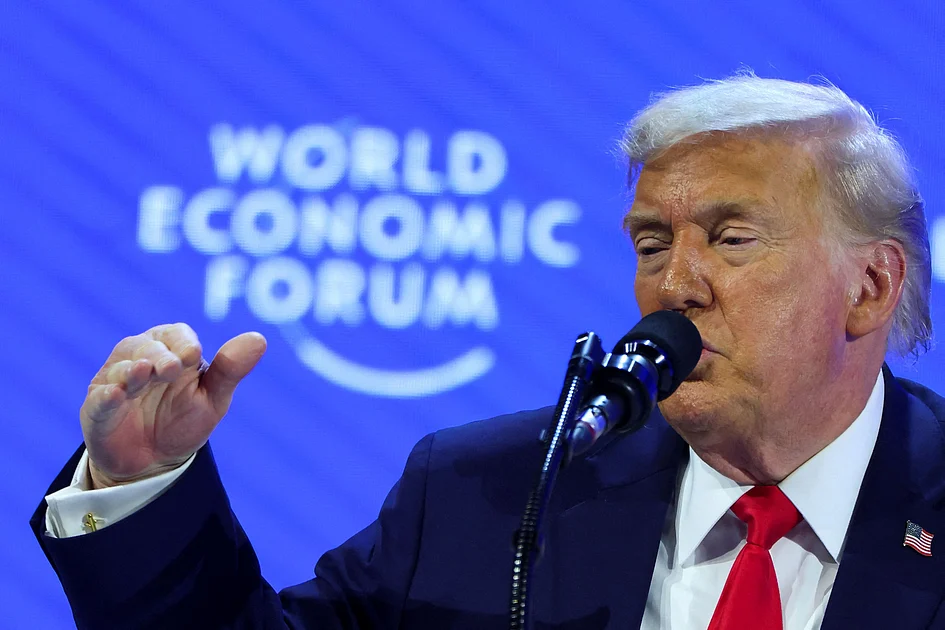
    In a significant diplomatic shift, former President Donald Trump has withdrawn his threat to impose sweeping tariffs on European NATO members following what he described as a “very productive meeting” with NATO Secretary General Mark Rutte at the World Economic Forum in Davos. The tariffs, which were initially slated to begin February 1st, were intended as leverage to force negotiations for the United States to acquire Greenland.

    The abrupt reversal came after Trump’s high-profile speech at Davos, where he insisted Greenland was vital for U.S. national security but pledged not to use military force to obtain it. Instead, he announced a new framework for negotiations focused on securing American strategic interests in the Arctic territory, which is currently an autonomous Danish territory.

    According to Trump’s statements on Truth Social and in subsequent media interviews, the proposed arrangement would grant the U.S. permanent control over specific land parcels in Greenland for military installations and resource extraction. Trump emphasized the deal would last “forever” and specifically address mineral rights and the planned ‘Golden Dome’ missile defense system—a comprehensive shield against long-range missiles.

    Danish Foreign Minister Lars Løkke Rasmussen expressed cautious optimism, stating the day had “ended on a better note than it began” and indicating willingness to discuss American security concerns while respecting Denmark’s sovereignty. NATO spokeswoman Allison Hart confirmed the alliance’s commitment to ensuring Russia and China gain no economic or military foothold in Greenland through forthcoming trilateral negotiations between the U.S., Denmark, and Greenland’s autonomous government.

    The development follows Trump’s confrontational rhetoric at Davos, where he criticized French President Emmanuel Macron for what he called decades of France “screwing” the U.S. and admonished Canadian officials for their perceived ingratitude toward American protection. The resolution suggests a pragmatic compromise emerged behind the scenes, moving from Trump’s initial demand for outright purchase to a negotiated agreement on strategic access, though many details about the potential deal’s structure remain undisclosed.

  • Liverpool cruise as Bayern reach Champions League last 16

    Liverpool cruise as Bayern reach Champions League last 16

    European football’s elite clubs solidified their positions in the UEFA Champions League during Wednesday’s pivotal matchday, with several powerhouses securing passage to the knockout rounds. Liverpool delivered a commanding performance in Marseille, cruising to a 3-0 victory that extended their unbeaten streak to 13 matches across all competitions since their surprising November defeat to PSV Eindhoven.

    The breakthrough came courtesy of Dominik Szoboszlai’s ingenious first-half free-kick, which the Hungarian midfielder expertly slotted beneath the defensive wall. ‘I completed my homework and learned that if nobody lies down, I can strike it under the wall,’ Szoboszlai explained post-match. The victory was sealed with an own goal from Marseille goalkeeper Geronimo Rulli and a late finish from substitute Cody Gakpo, positioning Liverpool to clinch their last-16 spot against Qarabag next week.

    In Munich, Harry Kane’s brace propelled Bayern to a 2-0 triumph over Belgian champions Union Saint-Gilloise, guaranteeing the German giants top-eight qualification with one match remaining. Kane’s header and penalty conversion brought his remarkable tally to seven goals in seven Champions League appearances this season, though his hat-trick opportunity was denied by the woodwork. Despite Kim Min-jae’s second-half dismissal, Bayern maintained control, with Kane noting: ‘We scored at decisive moments and demonstrated composure even with ten players.’

    Elsewhere, Newcastle United dominated PSV with a 3-0 victory at St James’ Park, while Chelsea edged Cypriot opponents Pafos 1-0 in new coach Liam Rosenior’s European debut. Barcelona mounted a impressive comeback against Slavia Prague, overcoming an early deficit to win 4-2 through Fermin Lopez’s double and decisive contributions from Dani Olmo and Robert Lewandowski.

    The matchday concluded with dramatic finishes across Europe: Juventus continued their resurgence with a 2-0 win over Benfica, Atalanta suffered a damaging 3-2 home defeat to Athletic Bilbao, and Azerbaijani surprise package Qarabag kept their playoff hopes alive with a dramatic 3-2 victory against Eintracht Frankfurt. The group stage will reach its climax next Wednesday with all final matches played simultaneously.

  • UAE abruptly cuts aid to vital hospitals after withdrawing from Yemen

    UAE abruptly cuts aid to vital hospitals after withdrawing from Yemen

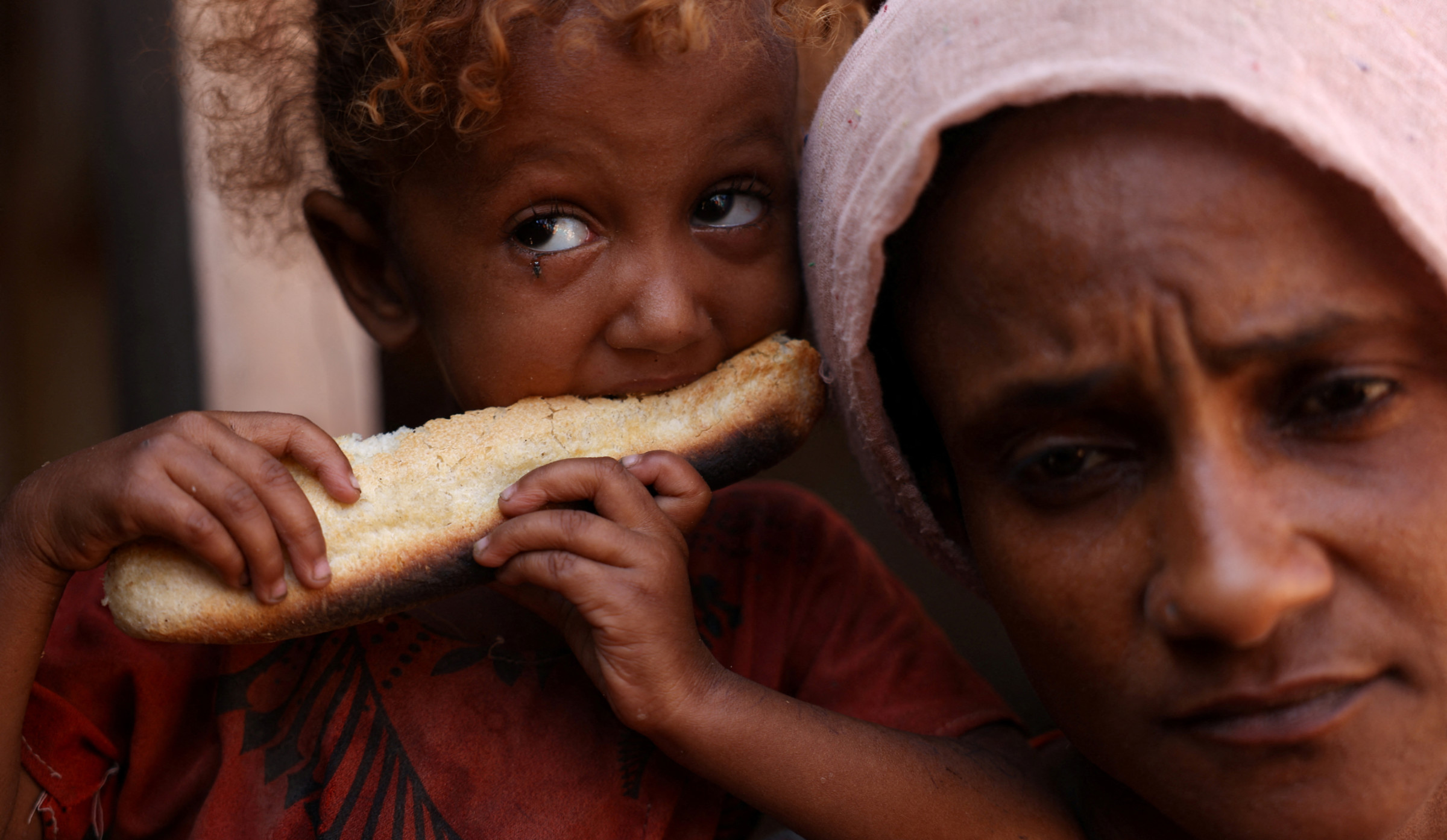
    A severe healthcare crisis is unfolding in Yemen following the United Arab Emirates’ abrupt military withdrawal and simultaneous termination of humanitarian funding for critical medical facilities earlier this month. The move has severed access to specialized healthcare for thousands of Yemenis who depended on UAE-funded hospitals after more than a decade of conflict devastated the country’s public health infrastructure.

    The withdrawal coincided with significant geopolitical shifts in southern Yemen, where the UAE’s separatist allies, the Southern Transitional Council, suffered substantial losses against Saudi-backed government forces. This development prompted Riyadh to strongly oppose continued Emirati influence in the region.

    Among the affected facilities is the strategically important 2nd of December Hospital in the port city of Mocha, which opened in late 2024 and quickly became a lifeline for communities along Yemen’s west coast. The hospital now faces a critical shortage of specialized medical staff after the UAE terminated its contract with the Indian company managing specialized services, prompting the immediate departure of surgical teams.

    Patients like Lutf al-Qaheri, a 59-year-old kidney patient who traveled five hours for treatment, now face impossible choices. ‘My turn was scheduled for January 5th, but I was informed it was cancelled because the specialized doctors had left,’ he reported. His needed surgery would cost $1,500 at a private hospital—an impossible sum for an unemployed man in Yemen’s devastated economy.

    The Saudi Development and Reconstruction Program for Yemen (SDRPY) has pledged a $500 million package to support these hospitals and other vital sectors. However, the transition has yet to materialize practically, leaving facilities without the specialized staff needed for complex procedures.

    The situation has sparked intense debate about the nature of humanitarian aid in conflict zones. Some Yemenis, like Hussein Ahmed whose wife received free surgery at a UAE-funded facility, express understanding: ‘The UAE is not responsible for us indefinitely. They acted at the request of our government.’

    Yet others see more calculated motives. Yemeni journalist Mohammed Sultan characterizes the withdrawal as ‘the militarization of aid,’ stating: ‘The fact that they terminated these contracts the moment they were asked to leave proves they only support us if we allow them to pursue their own agenda.’

    Despite the challenging transition, a doctor at the 2nd of December Hospital offered cautious optimism: ‘We have already begun coordinating that transition. Surgeries will soon resume at their previous capacity.’ The medical professional expressed frustration with those attempting to leverage the hospital’s situation for political gain, emphasizing that what matters most is ensuring Yemenis receive quality medical care regardless of political disputes.

  • Trump at Davos: Won’t use force to take Greenland, must still have ownership of it

    Trump at Davos: Won’t use force to take Greenland, must still have ownership of it

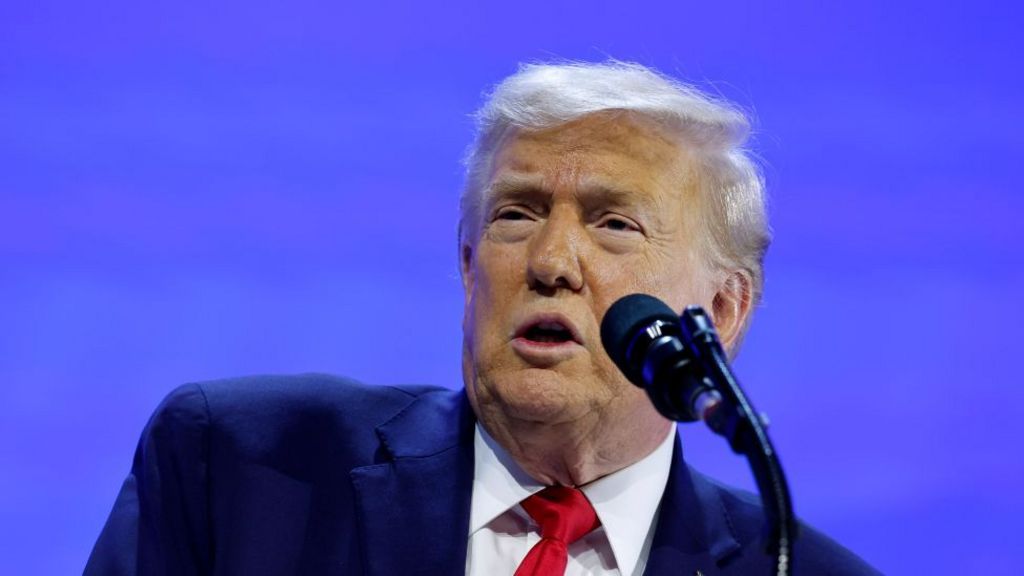
    In a remarkable address at the World Economic Forum in Davos, former U.S. President Donald Trump made headlines by explicitly ruling out military action to acquire Greenland while simultaneously asserting American ownership rights over the autonomous Danish territory. The controversial statements came during his high-profile appearance before global leaders on January 21, 2026.

    Trump’s declaration marked a significant diplomatic moment as he addressed longstanding speculation about his administration’s territorial ambitions. “We probably won’t obtain anything unless I opt to employ excessive strength and force, where we would be, frankly, unstoppable,” Trump stated before adding, “but I will refrain from doing so.”

    The former president characterized his position as a major concession, suggesting that many had anticipated more aggressive actions. “That’s likely the most substantial statement I’ve made today, because many assumed I would resort to force,” he told the assembled international delegates. Trump repeatedly emphasized his opposition to military intervention, stating unequivocally: “I don’t have to use force. I don’t want to use force. I won’t use force.”

    Despite disavowing military action, Trump maintained that the United States must ultimately secure ownership of the strategically valuable Arctic territory. This position continues a pattern of interest Trump demonstrated during his presidency, when he publicly floated the idea of purchasing Greenland from Denmark in 2019, an offer that was promptly rejected by the Danish government and widely criticized internationally.

    The latest remarks come amid renewed geopolitical competition in the Arctic region, where melting ice caps are opening new shipping routes and access to valuable natural resources. Greenland’s significance has grown substantially due to its strategic location and mineral wealth, making it a focal point for global powers including China, Russia, and the United States.

  • US seizes second Chinese-owned, Venezuela-linked oil tanker

    US seizes second Chinese-owned, Venezuela-linked oil tanker

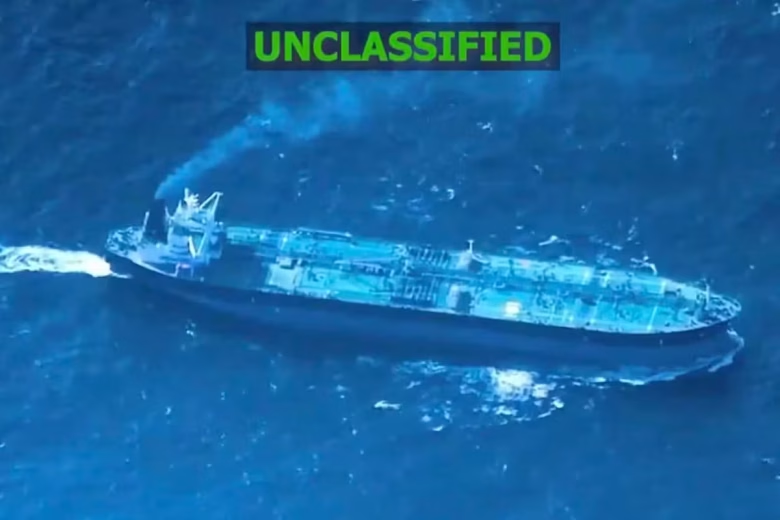
    In a continued escalation of its military campaign targeting Venezuela’s petroleum resources, United States forces have intercepted and seized a seventh oil tanker in the Caribbean Sea. The operation against the Liberian-flagged MV Sagitta occurred Tuesday morning without incident, according to US Southern Command (SOUTHCOM).

    This seizure represents the latest development in President Donald Trump’s quarantine initiative against sanctioned vessels transporting Venezuelan oil. The Sagitta, owned and managed by a Chinese company, becomes at least the second Chinese-operated tanker apprehended since the US administration announced its blockade policy last month.

    SOUTHCOM officials defended the action, stating: “The apprehension of another tanker operating in defiance of President Trump’s established quarantine demonstrates our resolve to ensure that the only oil leaving Venezuela will be oil that is coordinated properly and lawfully.”

    The US Department of Justice has previously indicted Venezuelan President Nicolás Maduro on multiple charges including conspiracy to commit narco-terrorism, conspiracy to import cocaine into the United States, and weapons-related violations. Maduro has pleaded not guilty to all charges and declared himself a “prisoner of war.”

    International response to these actions has grown increasingly critical, with regional and world leaders condemning the seizures as acts of piracy. Legal experts contend that the blockade, sanctions, and military operations—which have reportedly resulted in over 120 casualties—violate international law. These operations have included strikes on vessels allegedly transporting drugs, bombing campaigns, invasion attempts, and the attempted kidnapping of President Maduro and his wife, Cilia Flores.

  • Three journalists among 11 killed by Israel in Gaza bombing

    Three journalists among 11 killed by Israel in Gaza bombing

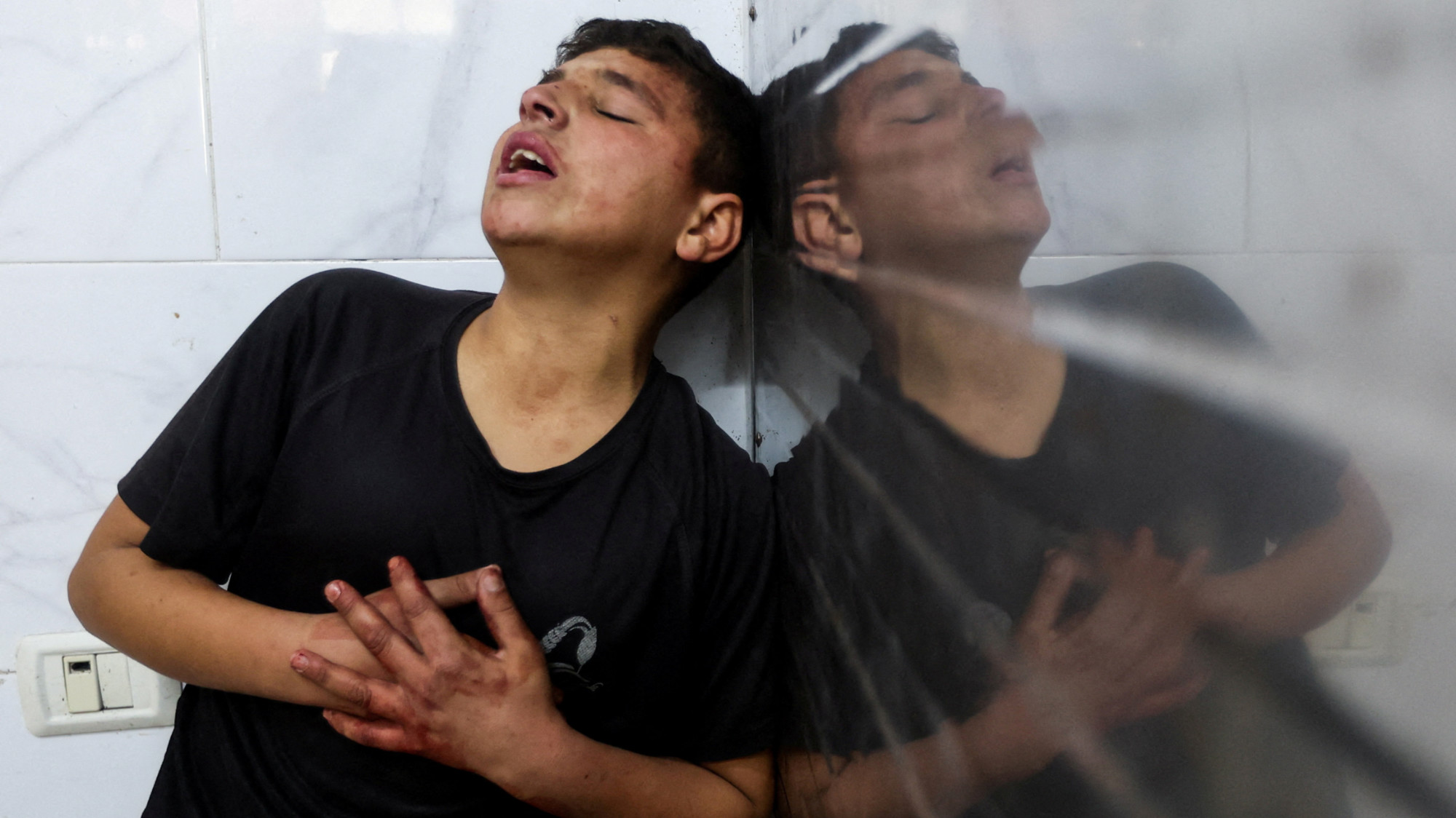
    A deadly Israeli airstrike in central Gaza on Wednesday resulted in the deaths of at least 11 Palestinians, including three journalists on assignment for the Egyptian relief committee. The journalists—identified as Mohammad Salah Qishta, Abdul Raouf Samir Shaat, and Anas Ghanem—were killed when their clearly marked vehicle was struck while they documented conditions at a displacement camp operated by the Egyptian committee.

    A spokesperson for the committee expressed profound shock, stating, ‘They were on a humanitarian mission. Everyone knew the vehicle and that those inside worked for the committee. We were devastated to see it directly targeted.’ A source within the committee described the incident as a ‘dangerous precedent,’ raising grave concerns about the safety of humanitarian operations throughout Gaza.

    The Israeli military confirmed the strike, asserting it targeted individuals allegedly operating a drone on behalf of Hamas. This incident occurred alongside separate artillery and gunfire attacks in Deir al-Balah and Khan Younis, which local media reported claimed five more lives, including two children and a woman.

    Hamas spokesperson Hazem Qassem condemned what he characterized as a significant escalation by Israel since the ceasefire agreement entered its second phase. In a video statement, Qassem accused Israel of attempting to undermine truce efforts and sabotage mediation led by the United States, alongside efforts to establish a new administrative committee. He urgently called on international mediators to intervene effectively to compel Israel to halt these alleged violations.

    According to Gaza’s Government Media Office, Israel has committed approximately 1,300 violations since the ceasefire began on October 10th. These reported breaches include airstrikes, civilian casualties, arrests, home demolitions, and restrictions on aid delivery. The Palestinian Ministry of Health reports that at least 450 Palestinians have been killed since the ceasefire was signed, adding to a devastating toll that has seen over 71,000 killed and 170,000 wounded during the conflict.

  • Israel’s demolition of Unrwa HQ ‘blatant violation of international law’

    Israel’s demolition of Unrwa HQ ‘blatant violation of international law’

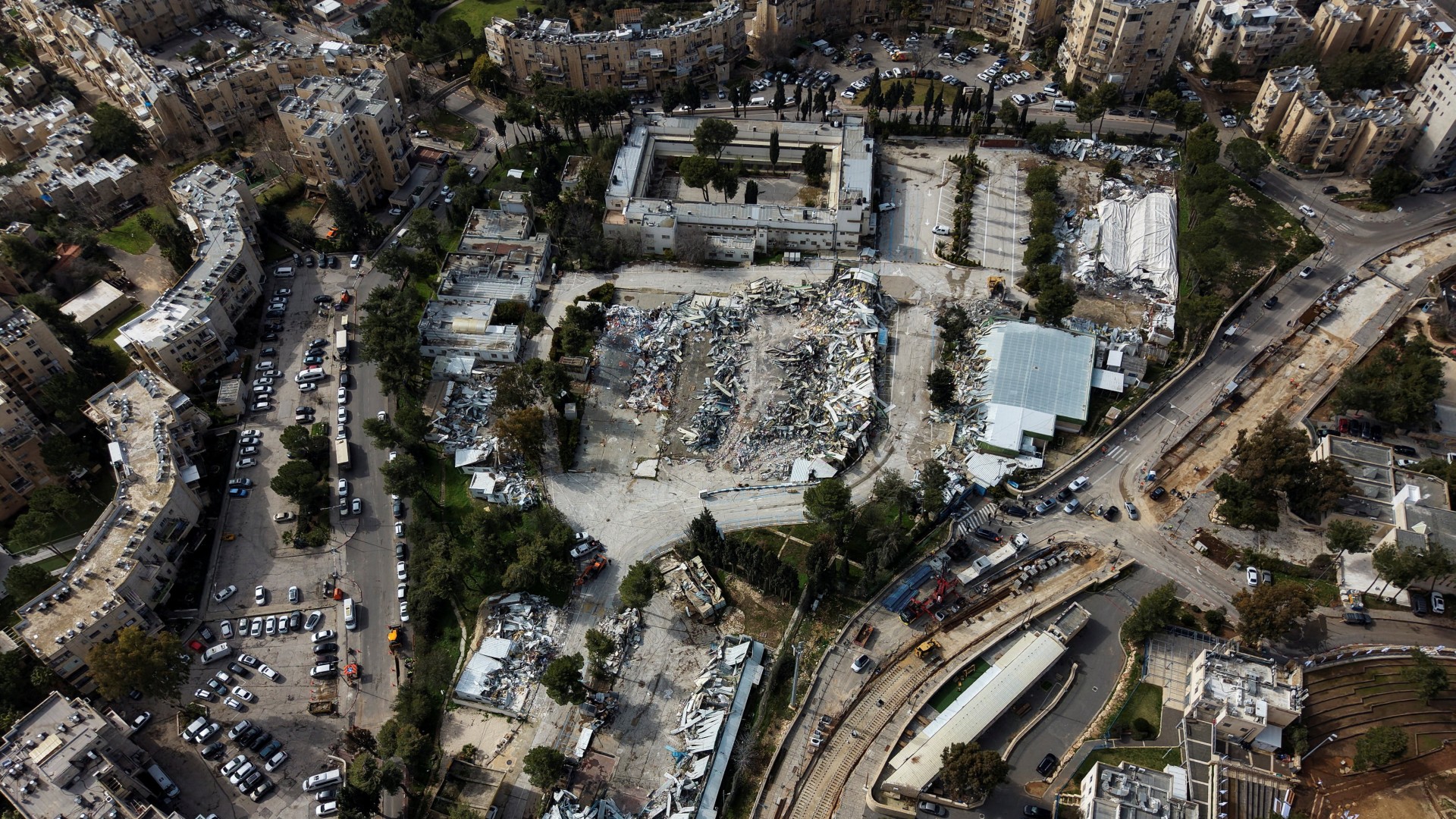
    European governments have issued strong condemnations against Israel’s demolition of a United Nations compound in occupied East Jerusalem, characterizing the action as a severe breach of international legal obligations. The raid, led by Israeli National Security Minister Itamar Ben Gvir, targeted the premises of UNRWA, the UN agency for Palestinian refugees, in Sheikh Jarrah on Tuesday.

    UK Minister for the Middle East and North Africa Hamish Falconer expressed being ‘appalled’ by the demolition, labeling it ‘another attack on the UN’s vital work for Palestinians.’ Belgium’s Foreign Minister Maxime Brevot denounced the operation as ‘a flagrant violation of international law and UN immunities,’ while EU Commissioner Hadja Lahbib reaffirmed the EU’s support for the UN and rules-based international order.

    The incident represents an escalation in Israel’s systematic campaign against UNRWA, which serves as the primary humanitarian provider for approximately 5.9 million Palestinian refugees across the region. The agency delivers essential services including education, food distribution, medical care, and fuel supplies, with its potential closure threatening catastrophic consequences for vulnerable populations.

    Ardi Imseis, who represented Palestine before the International Court of Justice, stated the demolition directly contravenes the ICJ’s advisory opinion regarding Israel’s obligations toward UN entities operating in occupied territories. ‘This is but the latest blatant violation of Israel’s obligations both as an occupying power and as a member of the United Nations,’ Imseis told Middle East Eye.

    UNRWA spokesperson Jonathan Fowler described the operation as ‘the latest low’ in an escalating effort to dismantle the agency’s presence, characterizing it as ‘shocking – the absolute, deliberate, unabashed defiance of international law.’ Fowler warned that the Qalandia Training Center, serving 350 vocational students, may be the next target for expropriation.

    The demolition occurs alongside Israel’s ongoing blockade preventing UNRWA from delivering aid to Gaza since March 2025, despite the agency continuing operations with approximately 12,000 staff providing essential services. UN Secretary-General António Guterres has repeatedly warned Israel that its actions violate UN legal protections, with diplomatic correspondence suggesting potential ICJ proceedings regarding alleged breaches of the 1946 Convention on UN Privileges and Immunities.

    Israel’s hostility toward UNRWA stems partially from the agency’s maintenance of refugee status for Palestinians displaced since the 1948 Nakba. Previous Israeli allegations against UNRWA staff were found unsubstantiated by UN reviews and the ICJ, which emphasized the agency’s impartiality and indispensable role in Palestinian relief operations.

  • Pakistan accepts invitation to join Trump’s Board of Peace in support of Gaza peace plan

    Pakistan accepts invitation to join Trump’s Board of Peace in support of Gaza peace plan

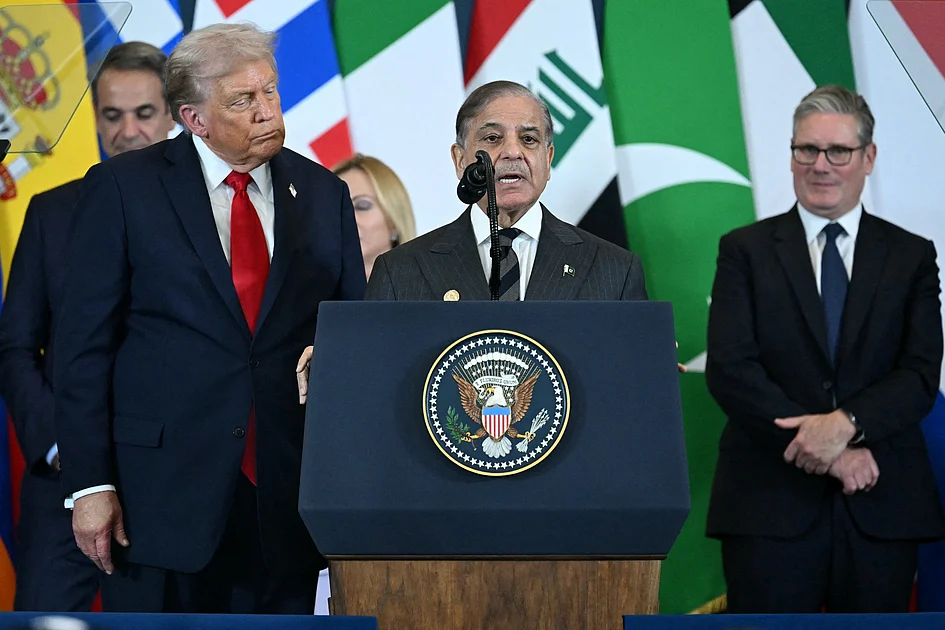
    Pakistan has formally accepted an invitation from former US President Donald Trump to participate in a newly proposed international peace initiative focused on resolving the Gaza conflict. The country’s foreign ministry confirmed its participation in the so-called “Board of Peace” on Wednesday, joining several Arab nations in supporting this diplomatic effort.

    Deputy Prime Minister and Foreign Minister Ishaq Dar announced the decision through an official statement on social media platform X, emphasizing Pakistan’s commitment to the Gaza Peace Plan framework established under UN Security Council Resolution 2803. The South Asian nation’s endorsement specifically backs key elements including a permanent ceasefire arrangement, comprehensive humanitarian assistance delivery, reconstruction efforts for the devastated Gaza Strip, and establishing a clear timeline for Palestinian statehood with East Jerusalem as its designated capital.

    The diplomatic coalition continues to expand with the United Arab Emirates, Bahrain, Morocco, and Egypt all confirming their participation in the US-proposed peace body. This collective engagement represents a significant multilateral approach to addressing one of the world’s most intractable conflicts, with both regional powers and international players converging on a structured peace process.

    The development marks a notable moment in Middle Eastern diplomacy, particularly given Pakistan’s historical stance on Palestinian self-determination and its strategic relationships throughout the Muslim world. The involvement of multiple Arab states alongside Pakistan suggests a broadening consensus around the proposed framework, though details regarding the board’s operational mechanisms, meeting schedule, and specific mandate remain undisclosed.