作者: admin

  • Footage captures moment NZ landslide starts in Mount Maunganui

    Footage captures moment NZ landslide starts in Mount Maunganui

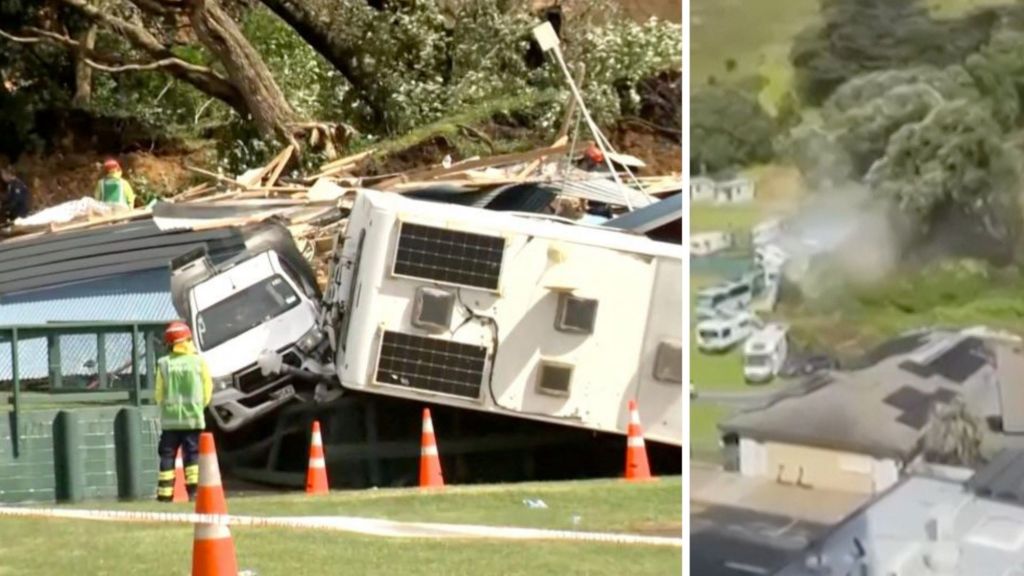
    Dramatic footage has emerged showing the terrifying moment a landslide was triggered on New Zealand’s Mount Maunganui, capturing an Australian tourist’s narrow escape from the cascading debris. The video evidence provides a firsthand perspective of the sudden geological event, with the visitor describing the instinctual flight for survival as earth and rock began tumbling downhill.

    The incident highlights ongoing concerns about geological stability in popular tourist destinations, particularly following periods of heavy rainfall that can destabilize slopes. Emergency services responded to the scene, though no injuries were reported thanks to the quick reactions of those present. Geologists are examining the area to assess further risks while local authorities have cordoned off vulnerable sections of the mountain.

    This event serves as a stark reminder of nature’s unpredictability, even in developed tourist areas with generally safe track records. Tourism operators in the region are reviewing safety protocols and considering additional warning systems for visitors during periods of elevated geological risk. The rapid response and fortunate outcome demonstrate the importance of both awareness and preparedness when exploring natural environments.

  • CRDB Bank opens Dubai office to channel Gulf capital into Africa’s $3.4 trillion economy

    CRDB Bank opens Dubai office to channel Gulf capital into Africa’s $3.4 trillion economy

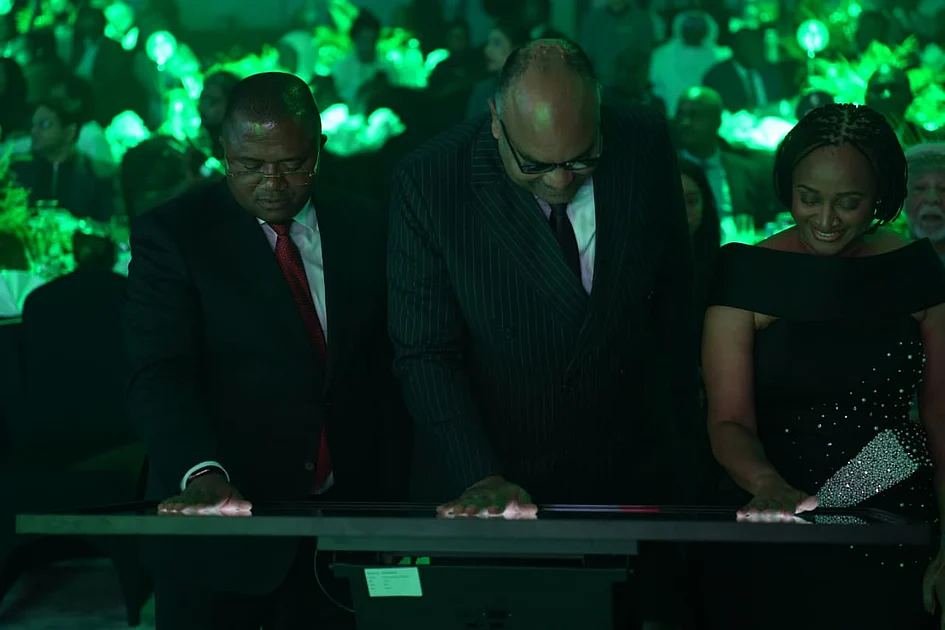
    In a landmark move for Africa-UAE economic relations, Tanzania’s CRDB Bank has inaugurated its Dubai Representative Office at the Dubai International Financial Centre (DIFC), marking the first Tanzanian financial institution to establish a presence within this globally influential financial hub. This strategic expansion positions Tanzania and the broader East and Central Africa region directly within the global capital ecosystem, utilizing an African-born financial institution as the crucial conduit between regional opportunities and international finance.

    The official launch ceremony gathered senior leaders from international financial institutions, global investors, multinational corporations, and development finance partners, signaling increasing global interest in Africa as the world’s next major growth frontier. Ambassador Mahmoud Thabit Kombo, Minister for Foreign Affairs and East African Cooperation, delivered a keynote address on behalf of Tanzanian President Samia Suluhu Hassan, commending CRDB Bank for advancing Tanzania’s national economic vision through a domestically-grown institution operating at global standards.

    Minister Kombo emphasized the strategic selection of Dubai, citing its status as a premier global capital hub and the robust regulatory framework of DIFC. “The presence of a Tanzanian bank in Dubai will significantly deepen economic, trade, and investment relations between Tanzania and the United Arab Emirates,” he stated, referencing existing bilateral trade that has already reached approximately $2.5 billion annually.

    Tanzania’s economic stability provides a strong foundation for this expansion. With over 60 million people, the country has maintained average GDP growth of 6-7% for more than two decades, preserved single-digit inflation, and demonstrated macroeconomic resilience even during global disruptions. This stability has transformed Tanzania into a natural gateway economy, connecting the Indian Ocean to landlocked markets across East and Central Africa.

    CRDB Bank, founded three decades ago, has evolved alongside Tanzania’s economy and regional integration agenda. The Group now serves over six million customers across the region with a balance sheet exceeding $9 billion, maintaining footprints in Tanzania, Burundi, and the Democratic Republic of Congo that mirror the region’s most vital trade, logistics, and investment corridors.

    Abdulmajid Nsekela, Group CEO of CRDB Bank, characterized the Dubai expansion as the logical progression in a regional strategy rooted in Tanzania’s economic geography and Africa’s integration agenda. “CRDB Bank was built to finance Tanzania’s growth. As Tanzania became a gateway, the Bank became regional,” he explained. “Dubai now enables us to complete the triangle—connecting global capital, Tanzania, and East and Central Africa through one trusted African institution.

    The targeted region represents a nearly 400 million-person market characterized by rising intra-African trade, expanding infrastructure networks, vast mineral and energy resources, and one of the world’s youngest labor forces. Africa collectively hosts 1.4 billion people, generates over $3.4 trillion in GDP, and is projected to account for a quarter of the global population by 2050.

    Despite this enormous potential, access to long-term, structured capital remains a persistent challenge. The CRDB Bank Dubai Representative Office specifically addresses this gap by originating deals, structuring financing, and mobilizing global capital for African projects requiring both local understanding and international standards. “Africa does not lack opportunity,” Mr. Nsekela noted. “What it often lacks is a bridge between capital and execution. This office is that bridge.”

    Through its DIFC presence, CRDB Bank is expected to enhance trade finance, cross-border investment structuring, and syndicated financing between the Gulf and Africa, utilizing Tanzania as the anchor and East and Central Africa as the growth hinterland. The office additionally strengthens Africa’s engagement with Islamic finance, a global market exceeding $4 trillion in assets.

    Neema Mori, Chairperson of the CRDB Bank Board of Directors, stated that this milestone reflects growing confidence in African institutions operating at the highest global level. “This is a statement about governance, capability, and trust,” she affirmed. “CRDB Bank’s presence in Dubai demonstrates that African banks can anchor global partnerships while remaining firmly aligned with Africa’s development priorities.”

    Leadership from the Dubai Financial Services Authority welcomed CRDB Bank into the DIFC ecosystem, recognizing that an African bank with profound regional roots strengthens the Africa-Middle East financial corridor and enhances the flow of long-term capital into emerging markets.
  • The sweet taste of wellness: How Maria Galabova is redefining luxury health

    The sweet taste of wellness: How Maria Galabova is redefining luxury health

    In a remarkable career transition from international diplomacy to artisanal patisserie, Maria Galabova has established Keto Kartel as a pioneering force in the luxury health food sector. The brand represents a fundamental shift in how consumers approach wellness, positioning health not as a restrictive practice but as an elevated lifestyle choice that combines gourmet indulgence with nutritional benefits.

    Galabova’s inspiration emerged from witnessing her husband’s transformative 25-kilogram weight loss through keto dietary practices, which sparked her curiosity about food’s emotional and physiological impact. This personal experience revealed a significant market gap: the absence of premium sugar-free, gluten-free products that delivered both exceptional taste and health benefits without compromise.

    Keto Kartel distinguishes itself through its meticulous ingredient selection and European craftsmanship standards adapted to Dubai’s dynamic market. The company utilizes scientifically-backed components including monk fruit as a natural sweetener that doesn’t affect blood sugar levels, xanthan gum for metabolic benefits, and psyllium husk for digestive and cardiovascular support. Each product undergoes approximately two years of development to achieve the perfect balance between health benefits and gourmet quality.

    Galabova’s background in law, sociology, and politics profoundly influences the brand’s operational philosophy. Her diplomatic experience informs the company’s emphasis on transparency, consistency, and long-term relationship building rather than short-term gains. This approach has enabled Keto Kartel to develop a trusted brand identity in a market saturated with quick-fix solutions.

    The company’s expansion strategy across GCC and European markets maintains several non-negotiable principles: unwavering commitment to premium ingredients, complete transparency about product composition, and preservation of artisanal craftsmanship standards regardless of scale. Each creation is treated as a culinary work of art, reflecting the brand’s core belief that health-conscious consumers deserve both optimal nutrition and sensory satisfaction.

    With plans to introduce a new lactose-free product range in 2026, Keto Kartel continues to redefine luxury consumption by demonstrating that wellness and indulgence can coexist harmoniously in modern dietary practices.

  • Trump defends Greenland bid and tariffs at Davos as EU weighs retaliation

    Trump defends Greenland bid and tariffs at Davos as EU weighs retaliation

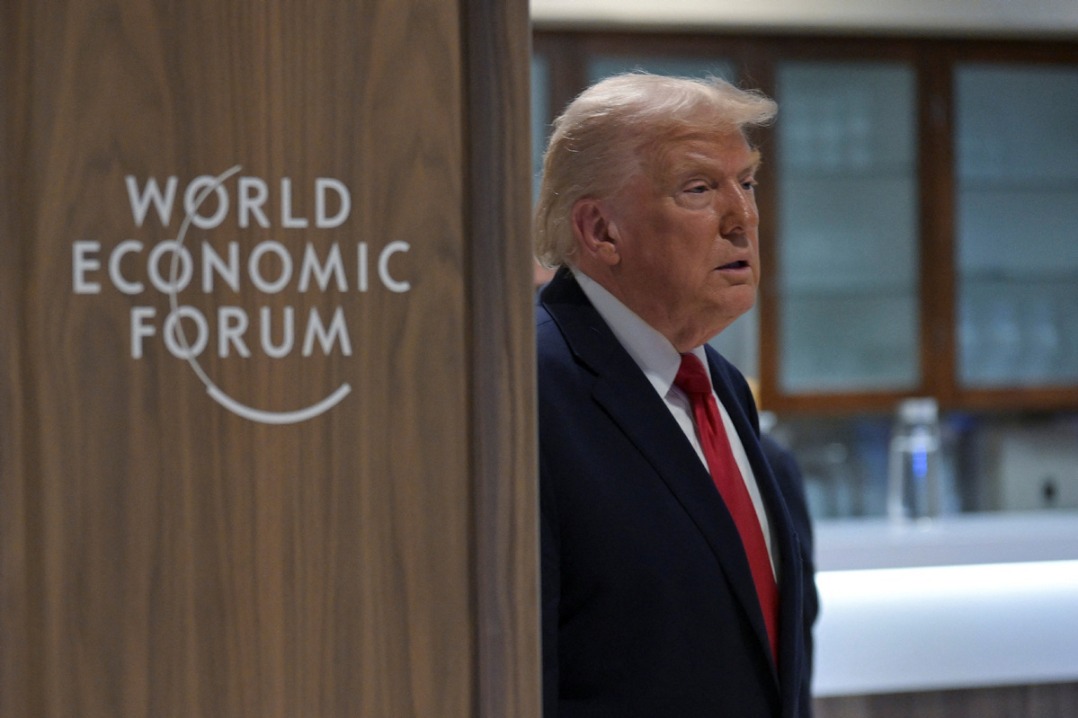
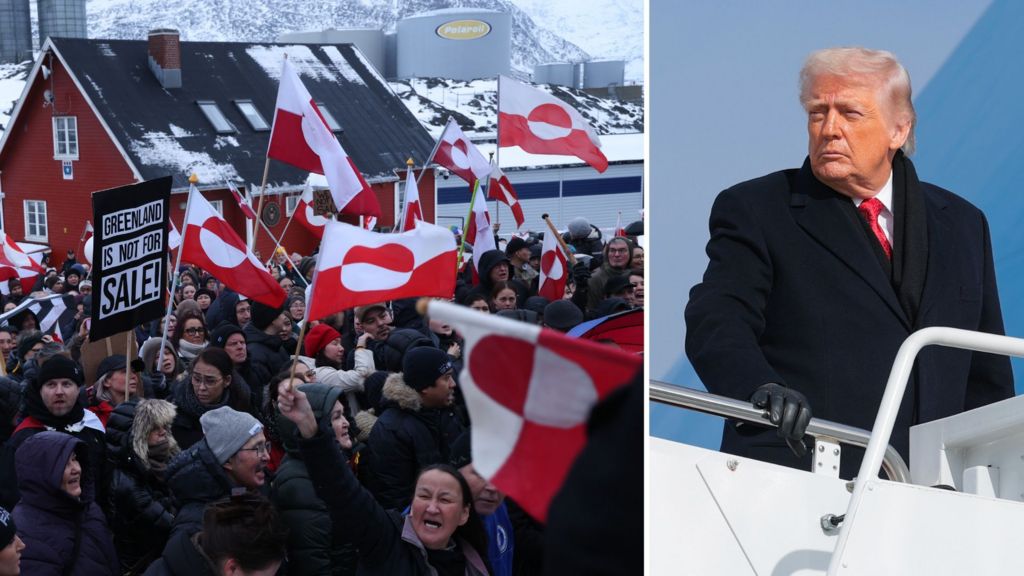
    At the World Economic Forum in Davos on January 21, 2026, U.S. President Donald Trump vigorously defended his controversial proposal to acquire Greenland from Denmark while justifying his tariff-based economic approach. The American leader characterized the Arctic territory as a critical strategic asset for national and international security, asserting that “no nation or group of nations is in any position to be able to secure Greenland other than the United States.”

    Trump’s address came amidst growing European opposition to both his territorial ambitions and economic policies. The president explicitly ruled out military force while demanding “immediate negotiations” for the purchase, framing it as a straightforward transaction rather than an expansionist maneuver.

    Regarding economic policy, Trump positioned tariffs as fundamental to American prosperity, declaring that “We have made some great trade deals; everyone knows when the U.S. grows, you will follow.” This defense followed his weekend threat on Truth Social to impose escalating tariffs—starting at 10% on February 1 and potentially reaching 25% by June—on eight NATO allies including the UK, Germany, and France unless they acquiesced to the Greenland acquisition.

    European leaders mounted a coordinated response ahead of Trump’s appearance. French President Emmanuel Macron rejected what he termed “the law of the strongest,” criticizing Trump’s approach as “new colonialism” and reaffirming Europe’s commitment to international law. European Commission President Ursula von der Leyen warned that tariff threats risked creating a “downward spiral” in transatlantic relations, while UK Prime Minister Keir Starmer condemned the proposed measures as “completely wrong.”

    The confrontation escalated following Trump’s speech, with the European Parliament formally suspending work on approving a previously negotiated U.S.-EU trade deal. European Council President Antonio Costa confirmed an emergency summit in Brussels to coordinate retaliatory measures, potentially targeting €110 billion ($129 billion) worth of American exports.

    Trump further complicated diplomatic tensions by attacking European renewable energy policies, particularly wind power, which he dismissed as a “hoax” that allegedly benefits China. However, industry data from the World Wind Energy Association directly contradicted his claims, showing China as the world’s largest wind power market with cumulative installed capacity exceeding 600 GW by mid-2025, including 51.4 GW added in the first half of that year alone.

  • AFL 2026: Marcus Bontempelli, Patrick Cripps named State of Origin captains

    AFL 2026: Marcus Bontempelli, Patrick Cripps named State of Origin captains

    In a landmark moment for Australian Rules Football, two of the AFL’s most revered figures have been bestowed with the prestigious honor of captaining their respective states in the upcoming State of Origin clash. Western Bulldogs icon Marcus Bontempelli will lead Victoria, while Carlton’s inspirational leader Patrick Cripps will captain Western Australia in the first elite-level interstate showdown in over a quarter-century.

    The historic match, scheduled for February 14 at Perth’s Optus Stadium, marks the revival of a cherished football tradition that had been dormant since the late 1990s. Both captains expressed profound reverence for their appointments, recognizing the significance of representing their states in what promises to be a capacity-crowd event.

    Bontempelli, reflecting on the deep historical significance of the Big V jersey, described the captaincy as an eternal honor. ‘There’s a deep history and pride that comes with representing your state,’ the Victorian skipper remarked, emphasizing his anticipation of leading Victoria’s finest footballers onto the field.

    Meanwhile, Cripps, who hasn’t experienced his hometown’s support from the opposing side since his 2013 drafting to Carlton, conveyed special emotional connection to leading Western Australia. The Carlton champion highlighted the unique opportunity to perform before home supporters while wearing state colors, expressing his determination to make the local faithful proud.

    The appointment of these two modern-day greats adds another chapter to their already distinguished careers, connecting them to the rich legacy of state-based football competition that once defined the Australian sporting landscape.

  • Japan records 5th straight yearly trade deficit

    Japan records 5th straight yearly trade deficit

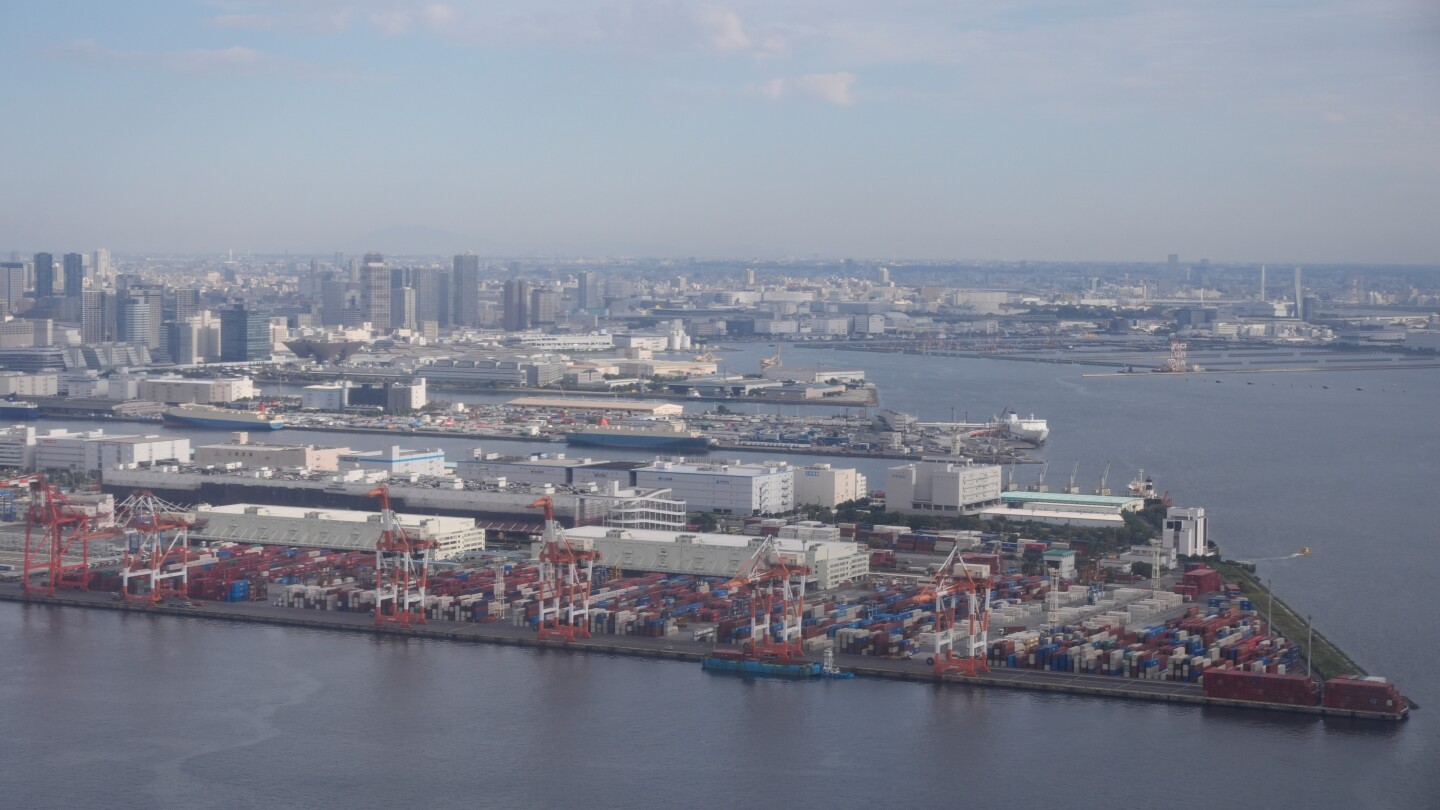
    Japan has marked its fifth successive year of trade deficit in 2025, according to preliminary data released by the Finance Ministry on Thursday. The nation reported an annual shortfall of 2.65 trillion yen ($17 billion), representing a significant 53% reduction from the previous year’s deficit. While exports demonstrated modest growth of 3.1% throughout the year, imports remained nearly stagnant with less than 1% growth.

    The December figures provided a temporary respite with a trade surplus of 105.7 billion yen ($669 million), though this represented a 12% decrease compared to the same month last year. Monthly data revealed exports growing at 5.1% while imports increased by 5.3% year-on-year.

    Geographic analysis reveals shifting trade patterns, with December exports to the United States declining by 11% amid ongoing trade tensions. Conversely, Japan experienced export growth to Britain, African markets, and Asian hubs including Hong Kong and India. Import dynamics showed strength in European sourcing while declining from Brazil and Middle Eastern suppliers.

    The trade landscape remains complicated by multiple geopolitical factors. The United States maintains a 15% tariff on most Japanese imports, representing a compromise from initially proposed 25% rates but still elevated from historical levels. Additionally, manufacturing sectors face potential disruption from China’s restrictions on rare earth exports, implemented following Prime Minister Sanae Takaichi’s comments regarding potential Japanese military response to Chinese actions toward Taiwan.

    Despite these challenges, Japan’s economy demonstrates resilience with the benchmark Nikkei index reaching record highs, even as public concerns persist regarding inflationary pressures and wage stagnation.

  • Immigration officials allow suspect in $100M jewelry heist to self deport, avoiding trial

    Immigration officials allow suspect in $100M jewelry heist to self deport, avoiding trial

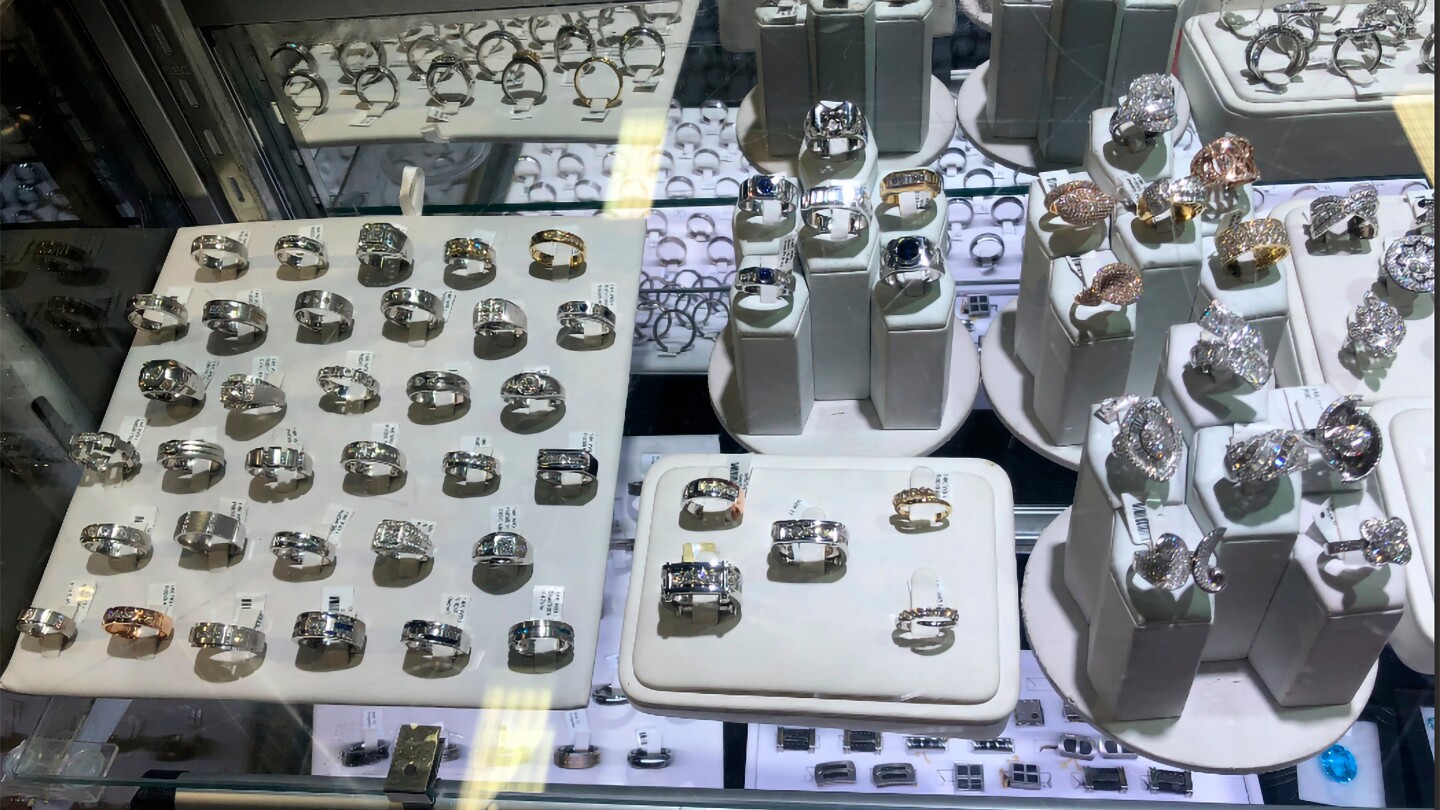
    In a stunning administrative decision that has jeopardized one of America’s largest criminal investigations, U.S. Immigration and Customs Enforcement (ICE) permitted the central suspect in a monumental $100 million jewelry theft to voluntarily depart for South America in December 2022. This unexpected deportation has created significant tensions between federal agencies and left prosecutors scrambling to salvage their case.

    Jeson Nelon Presilla Flores, identified as a key operative in the sophisticated 2022 armored truck robbery, faced substantial federal charges including conspiracy to commit theft from interstate and foreign shipment. The meticulously planned heist targeted a Brink’s tractor-trailer transporting precious gems and luxury watches from an international jewelry show near San Francisco. While court documents indicate Flores pleaded not guilty, conviction could have resulted in a 15-year prison sentence.

    The deportation occurred despite Flores’ status as a lawful permanent resident who had been released on bail. Defense attorney John D. Robertson subsequently filed a motion to permanently dismiss the indictment, arguing that ICE’s intervention violated his client’s criminal prosecution rights. Federal prosecutors have opposed this motion, requesting dismissal “without prejudice” to preserve future prosecution options should Flores reenter the United States.

    Legal experts characterize this interagency breakdown as highly unusual for a case of this magnitude. Former federal prosecutor Laurie Levenson noted the extraordinary nature of the deportation, stating, “It’s just beyond me how they would deport him without the prosecutors… being in on the conversation. This really was the left hand not knowing what the right hand was doing.”

    The aftermath has left numerous jewelry companies demanding answers and closure. Attorney Jerry Kroll, representing affected jewelers, emphasized the victims’ perspective: “When a defendant in a major federal theft case leaves the country before trial, victims are left without answers, without a verdict, and without closure.”

    Discrepancies in the reported value of stolen merchandise continue to complicate the case, with victims claiming over $100 million in losses while Brink’s security company maintains the stolen items were valued under $10 million.

  • Videos circulating online show SDF supporters attacking Syrians across Europe

    Videos circulating online show SDF supporters attacking Syrians across Europe

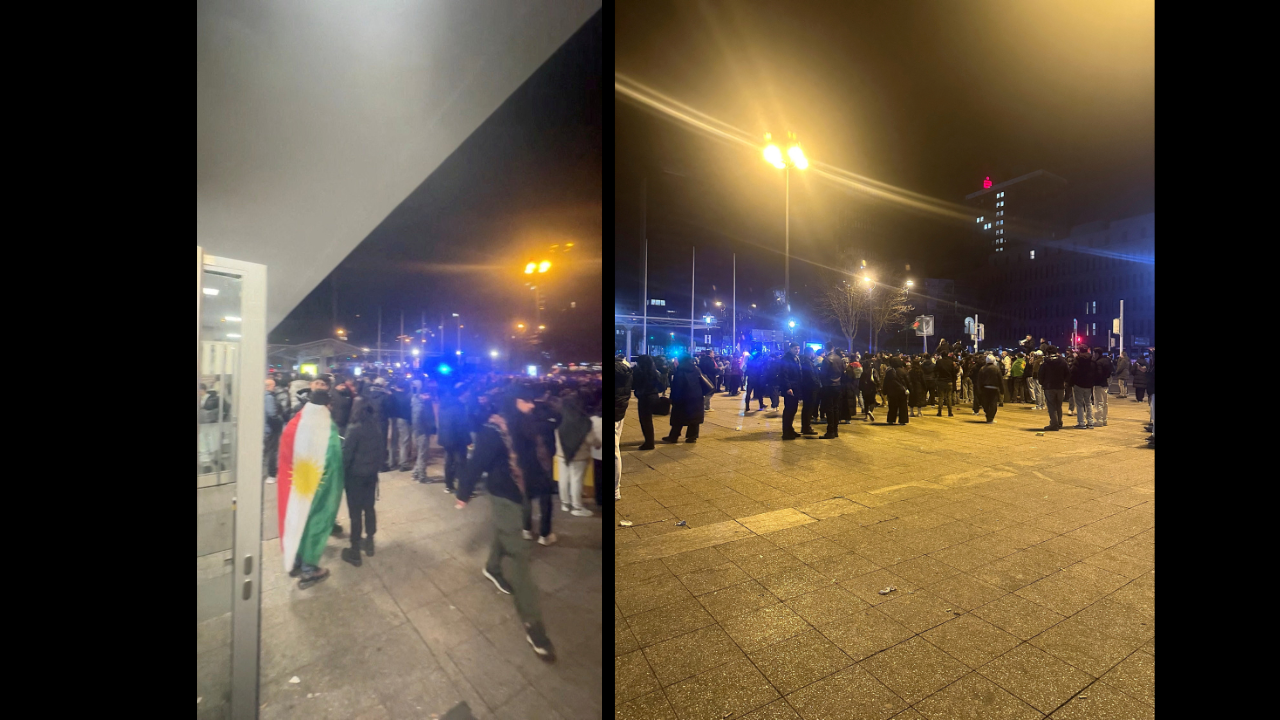
    European capitals witnessed a disturbing surge in coordinated attacks against Syrian refugees this week as tensions from Syria’s collapsing security situation spilled onto Western streets. From Berlin to Zurich, Manchester to Paris, supporters of Kurdish militant groups launched violent assaults targeting Arab-Syrian communities in retaliation for recent battlefield losses in their homeland.

    The unrest erupted following the strategic collapse of the Kurdish-led Syrian Democratic Forces (SDF), which lost critical territories including Raqqa and Deir el-Zour to Syrian government forces. This military setback triggered immediate demonstrations across European cities that rapidly devolved into widespread violence against Syrian civilians.

    Social media platforms became flooded with disturbing footage showing masked individuals vandalizing Syrian-owned businesses, physically assaulting perceived Arab targets, and shouting ethnic slurs. In Germany, protests organized by YPG and SDF supporters escalated into confrontations with police, with participants deploying firecrackers, pyrotechnics, and iron bars against law enforcement.

    French authorities documented similar scenes despite France’s historical support for Kurdish forces in Syria. Video evidence from multiple cities showed coordinated attacks on vehicles and property while perpetrators chanted racist epithets. The violence exposed deep fractures within Middle Eastern diaspora communities as decades-old ethnic tensions found new expression on European soil.

    Swiss police monitored large gatherings of PKK supporters in Zurich where participants effectively paralyzed sections of the city. British authorities responded to incidents in Manchester where assailants pursued Arab-appearing individuals while screaming ethnic slurs. Similar reports emerged from Austria and Sweden where Syrian refugees reported targeted harassment and property damage.

    The violence has sparked intense debate about European foreign policy in the Middle East, with critics questioning Western support for Kurdish groups that demonstrate authoritarian tendencies abroad. Security analysts note the irony of Kurdish diaspora groups—who fled authoritarianism—now employing similar tactics against other refugee communities in their host nations.

  • ‘They poisoned us’: grappling with deadly impact of nuclear testing

    ‘They poisoned us’: grappling with deadly impact of nuclear testing

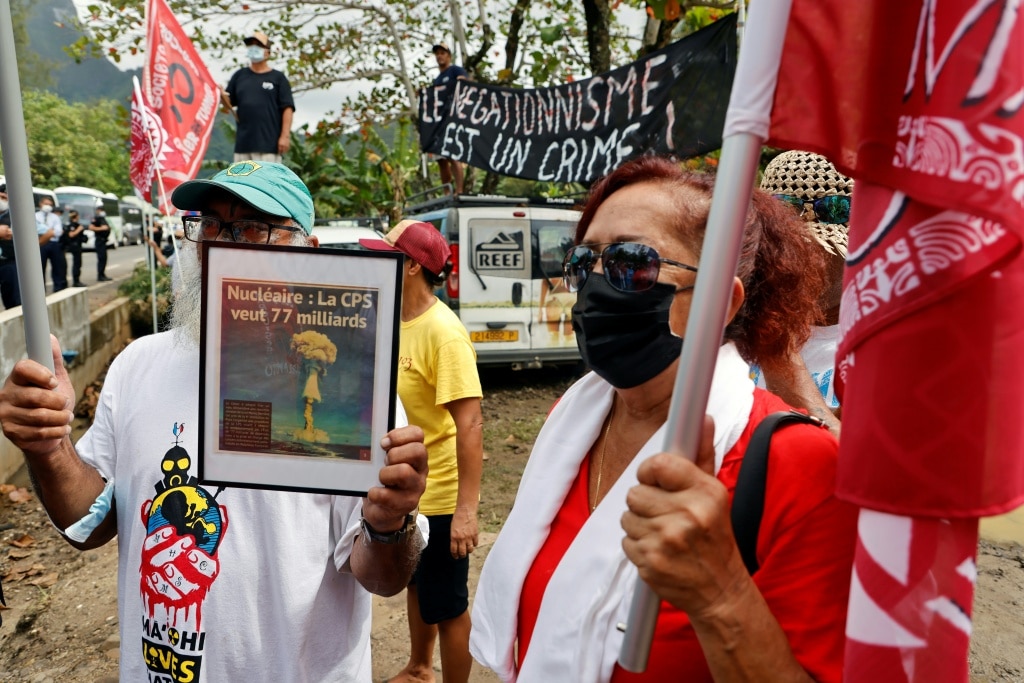
    A groundbreaking report from Norwegian People’s Aid (NPA) reveals nuclear weapons testing has inflicted catastrophic global health consequences, causing approximately four million premature deaths from cancer and related illnesses worldwide. The comprehensive 304-page study documents how over 2,400 nuclear detonations conducted between 1945 and 2017 continue to affect populations across continents.

    The research highlights how radiation exposure from atmospheric testing has left radioactive isotopes in the bones of every living person today. The report identifies particularly severe impacts on communities near test sites in 15 countries, many former colonies of nuclear-armed states, where residents experience elevated rates of cancer, congenital abnormalities, and intergenerational trauma.

    Hinamoeura Cross, a 37-year-old Tahitian parliamentarian who developed leukemia at age 24, represents the human toll of these tests. Her family history includes thyroid cancer in her grandmother, mother, and aunt—conditions she attributes to France’s 193 nuclear explosions in French Polynesia between 1966 and 1996. ‘These weren’t just tests. They were real bombs,’ Cross stated. ‘We were treated as guinea pigs.’

    The study condemns a persistent culture of secrecy among nuclear-armed nations, with critical health and environmental data remaining classified in locations like Kiribati and Algeria. Compensation programs, where they exist, primarily function to limit liability rather than provide meaningful support to victims.

    Medical experts contributing to the report emphasize that ionizing radiation from testing causes DNA damage, cardiovascular disease, and genetic effects even at low doses. Children and fetuses face the highest risks, with females 52% more vulnerable to radiation-induced cancer than males.

    The findings emerge amid concerning geopolitical developments, including former President Trump’s 2020 suggestion that the United States might resume nuclear testing. Researchers warn that renewed testing would compound existing health crises and undermine global non-proliferation efforts.

  • US allies won’t soon forget Greenland crisis triggered by Trump

    US allies won’t soon forget Greenland crisis triggered by Trump

    A tense diplomatic standoff over Greenland’s sovereignty, ignited by Donald Trump’s acquisition threats and military rhetoric, appears to have been resolved through high-level NATO intervention. The crisis, which unfolded over two weeks and threatened transatlantic relations, culminated in a strategic agreement focused on Arctic security rather than territorial transfer.

    NATO Secretary General Mark Rutte played a pivotal role in de-escalating tensions following Trump’s provocative statements about purchasing Greenland and imposing tariffs on European allies. The breakthrough built upon preliminary discussions between Washington and a diplomatic delegation comprising Danish and Greenlandic foreign ministers, which established a working group to address the island’s future.

    While specific terms remain confidential, emerging details suggest the arrangement involves enhanced U.S. military presence on Greenland rather than sovereignty transfer. Anonymous officials cited by The New York Times indicate potential Danish cession of small territorial parcels for American military bases, mirroring the UK’s sovereign base model in Cyprus. President Trump additionally referenced secured access to Greenland’s substantial mineral resources, though neither Danish authorities nor NATO have confirmed these claims.

    NATO clarified that discussions center on collective Arctic security efforts among the seven Arctic allies—United States, Canada, Denmark, Norway, Sweden, Finland and Iceland—with explicit intent to counter Russian and Chinese military and economic expansion in the region.

    The resolution leaves behind diplomatic reverberations, with Canadian Prime Minister Mark Carney describing the episode as a ‘rupture’ in traditional alliances and EU Commission President Ursula von der Leyen referencing ‘seismic change’ in international relations. Observers note the crisis has accelerated calls for European strategic independence and exposed the fragility of existing alliance structures in the face of unilateral actions.