作者: admin

  • Steven Deer: Former Melbourne CFMEU training manager accused of falsifying invoices

    Steven Deer: Former Melbourne CFMEU training manager accused of falsifying invoices

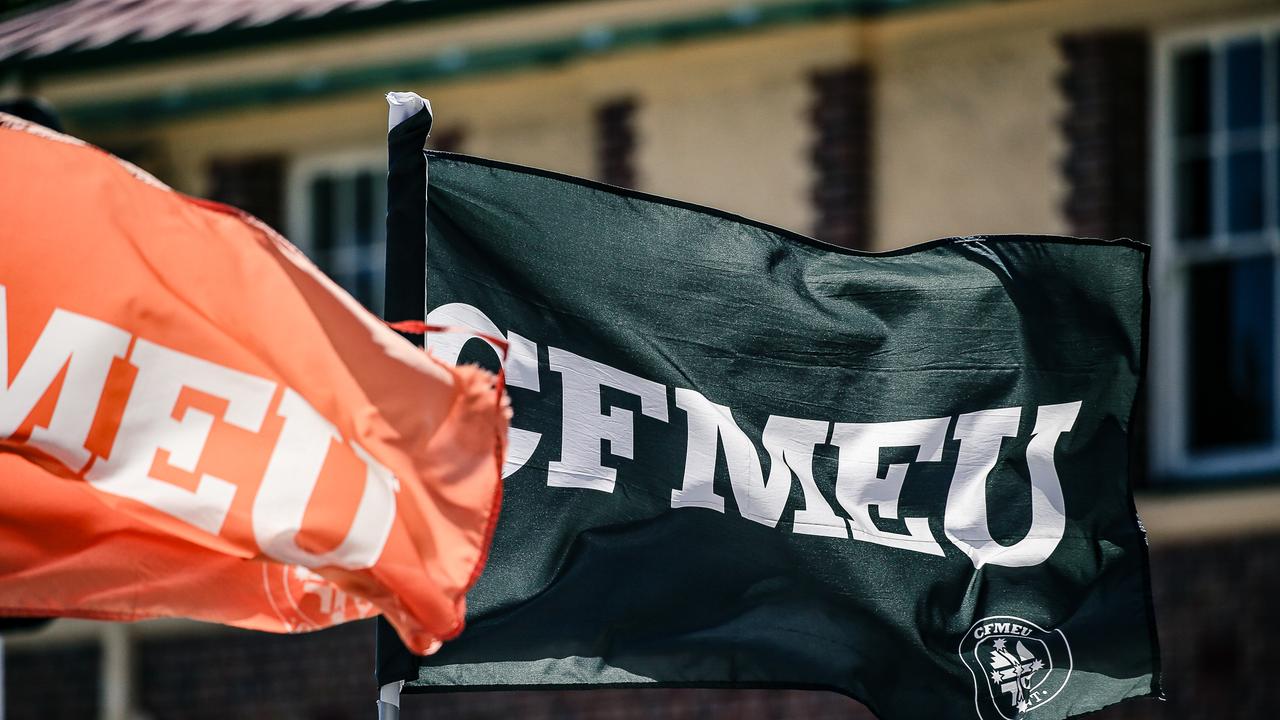
    A former training manager from Australia’s Construction, Forestry and Maritime Employees Union (CFMEU) is confronting serious fraud allegations following an investigation into financial misconduct within the union’s educational division. Steven Frederick Deer, 62, has been formally charged with 21 criminal offenses related to document falsification and deceptive property acquisition.

    The case emerged through collaborative efforts between CFMEU internal investigators and Victoria Police’s specialized Taskforce Hawk, which focuses on criminal activities within the construction sector. According to law enforcement authorities, the investigation began in October after union representatives provided evidence suggesting financial irregularities at CFMEU’s Port Melbourne training facility.

    Court documents reveal that Mr. Deer allegedly created seven fraudulent invoices totaling approximately $10,000 between June 2024 and May 2025. These documents were purportedly sent to four traffic control companies: TopUp Traffic, Dardi Munwurro Traffic, Phoenix Traffic, and VDTA. The charging sheets indicate three invoices were valued at $2,000 each, while four others amounted to $1,000 each.

    The legal proceedings commenced at Ringwood Magistrates’ Court, where the case received its first mention since charges were filed on November 7. Although Mr. Deer did not appear personally, his legal representatives requested a six-week adjournment via written correspondence to the court. Magistrate John O’Callaghan approved the postponement, scheduling the next hearing for March 5.

    According to professional records, Mr. Deer served as manager of CFMEU’s education and training unit from January 2022 until October of the previous year. The union has cooperated with authorities throughout the investigation, though no official statements have been released regarding the allegations against their former employee.
  • Trump is rolling out his Board of Peace at Davos at a time when US leadership is being questioned

    Trump is rolling out his Board of Peace at Davos at a time when US leadership is being questioned

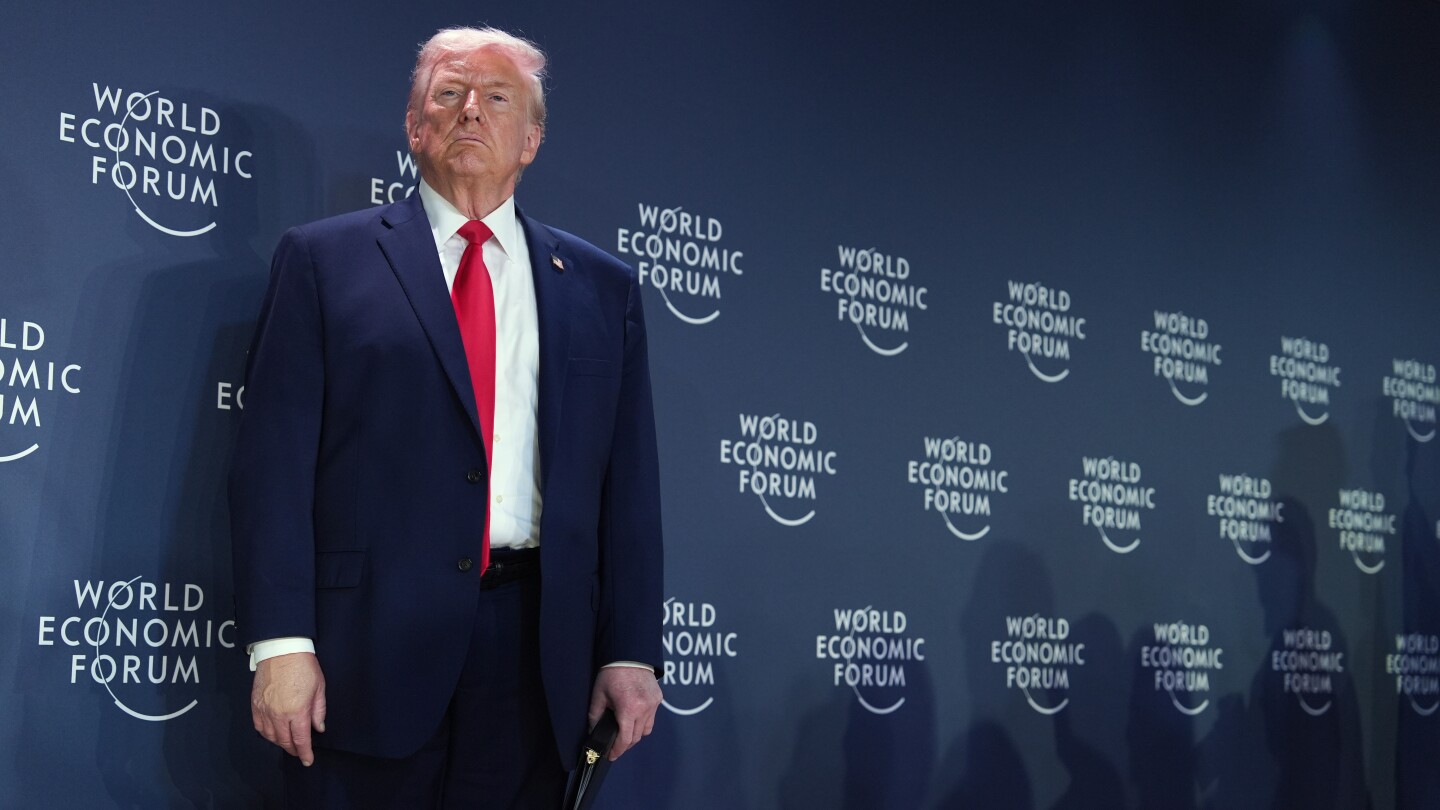
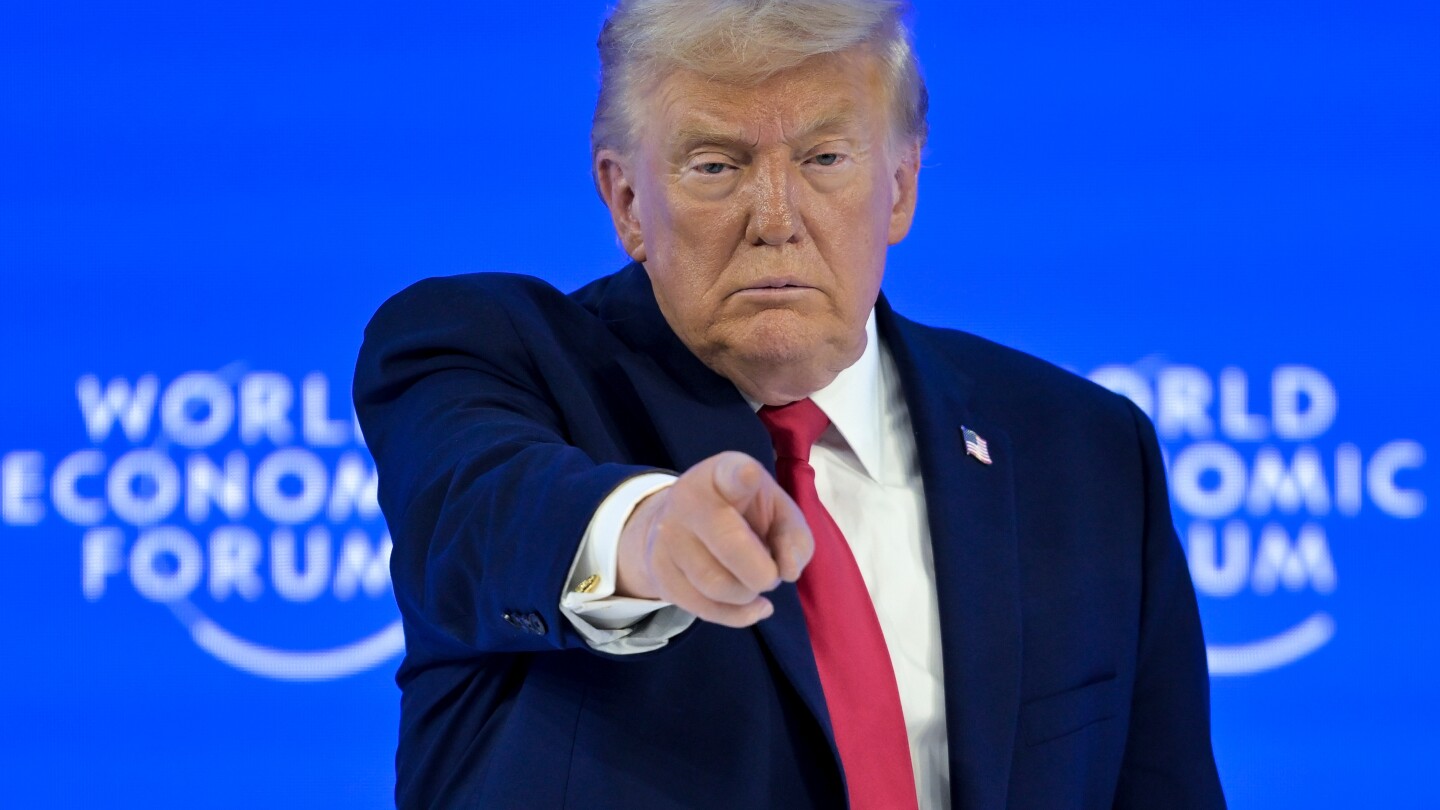
    DAVOS, Switzerland — President Donald Trump sought to redirect international attention toward his proposed ‘Board of Peace’ during the World Economic Forum on Thursday, following a week dominated by controversial remarks regarding Greenland. The initiative, initially conceived as a limited oversight body for the Gaza ceasefire, has expanded into a broader geopolitical project that has drawn both interest and skepticism from global powers.

    According to a senior administration official speaking under anonymity, approximately 35 nations have committed to joining the board, with invitations extended to 60 countries. Egypt has publicly confirmed its participation, with President Abdel-Fattah el-Sissi standing alongside Trump during Wednesday’s announcement. “We have a lot of great people that want to join,” Trump declared. “It’s going to be the most prestigious board ever formed.”

    However, the ambitious proposal faces significant challenges. Several European nations, including France, Norway, and Sweden, have declined participation. French officials expressed support for Gaza peace efforts but raised concerns about the board potentially undermining the United Nations’ role in conflict resolution. Slovenian Prime Minister Robert Golob similarly cited reservations about the board’s broad mandate and potential impact on international order.

    The membership roster remains uncertain, with key players including Russia, China, the United Kingdom, Canada, and the European Union yet to confirm their positions. Russian President Vladimir Putin stated that Moscow is consulting with “strategic partners” before deciding. Notably, Israeli Prime Minister Benjamin Netanyahu reversed earlier criticism and agreed to join on Wednesday.

    The board concept originated from Trump’s 20-point Gaza ceasefire plan, which received UN Security Council endorsement. However, invitation letters suggest the panel’s scope may extend beyond Gaza, aligning with Trump’s comments that the board “might” eventually replace some UN functions. “The UN hasn’t been very helpful,” Trump asserted, while acknowledging the world body’s potential.

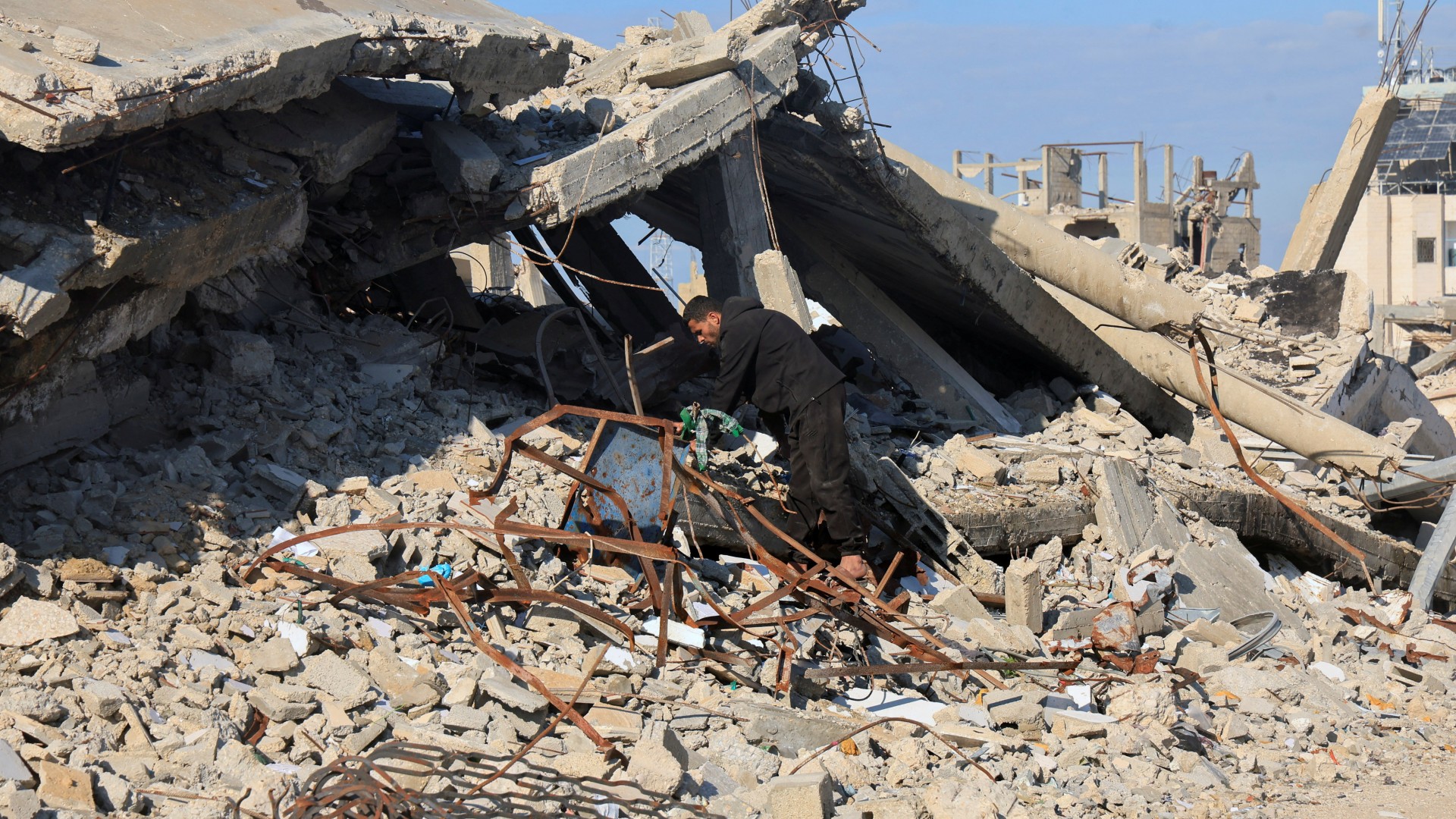
    The Gaza situation remains critical, with over two million Palestinians enduring humanitarian crisis despite the ceasefire. Central to lasting peace is Hamas’s disarmament—a condition the group has rejected and Israel considers non-negotiable. Trump warned that if Hamas fails to lay down weapons within weeks, “they’ll be blown away. Very quickly.”

    The peace initiative unfolds against broader geopolitical tensions, including Trump’s recent threats toward Iran over its crackdown on protests and ongoing frustrations with the Ukraine-Russia conflict. Trump is scheduled to speak with Ukrainian President Volodymyr Zelenskyy on Thursday, though details remain unclear.

  • Alex Honnold is climbing Taipei 101 with no ropes, live on TV. It’s drawing excitement — and concern

    Alex Honnold is climbing Taipei 101 with no ropes, live on TV. It’s drawing excitement — and concern

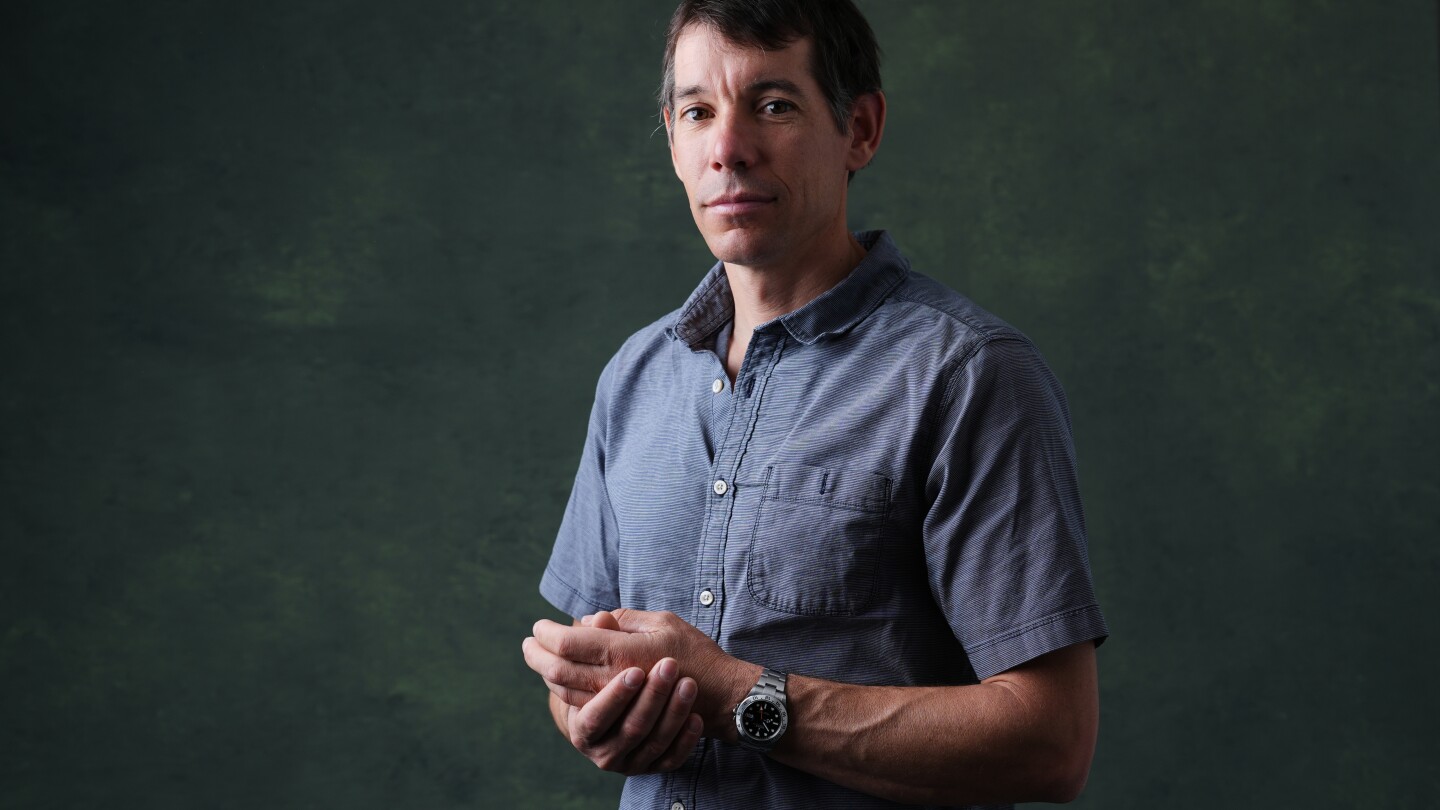
    TAIPEI — In an unprecedented feat of human endurance and skill, professional rock climber Alex Honnold is poised to undertake a free solo ascent of Taipei 101, the iconic 1,667-foot skyscraper that dominates Taiwan’s capital skyline. The live broadcast event, scheduled for Saturday morning local time, marks a groundbreaking moment in extreme sports broadcasting and has ignited complex ethical debates surrounding high-risk athletic endeavors.

    Honnold, whose legendary ropeless climb of Yosemite’s El Capitan was immortalized in the Academy Award-winning documentary “Free Solo,” has trained extensively for this urban climb. The 101-story structure presents unique challenges, with its most demanding section comprising 64 floors of steep, overhanging climbing through the building’s distinctive “bamboo box” design segments. Each eight-floor section concludes with a balcony where Honnold can briefly rest during his anticipated two-hour ascent.

    Event producer Plimsoll Productions has implemented extensive safety measures for the broadcast, including professional weather monitoring, a 10-second broadcast delay, and four roped camera operators who will simultaneously document the climb and serve as safety observers. Executive James Smith emphasized that all crew members are trusted climbing professionals familiar with Honnold’s methods and prepared to assist if complications arise.

    The ethical dimensions of broadcasting such high-risk athletic performance have drawn scrutiny from media ethics experts. Subbu Vincent of Santa Clara University emphasized the necessity of the broadcast delay as a crucial ethical safeguard, noting that transmission must immediately cease should any accident occur. Additional concerns center on the potential influence on impressionable viewers, particularly following several recent fatalities in both free solo climbing and the dangerous trend of “roof-topping.”

    Despite these concerns, the climbing community has largely expressed support for Honnold’s endeavor. Taiwanese climber Chin Tzu-hsiang described the event as the fulfillment of a shared dream among local climbers who have long admired the iconic structure. Honnold himself has characterized the climb as occupying a “perfect sweet spot”—technically engaging without being extreme—though he will become the first person to attempt the ascent completely without ropes.

    French climber Alain Robert previously scaled Taipei 101 with ropes in 2004 during the building’s inauguration, requiring nearly four hours to complete the climb under challenging weather conditions while managing injuries. Honnold’s attempt represents not only a athletic milestone but a cultural moment that tests the boundaries of how extreme sports are documented and consumed by global audiences.

  • Trump’s European threats could make it harder for future US leaders to repair ties

    Trump’s European threats could make it harder for future US leaders to repair ties

    The transatlantic alliance, once heralded by President Joe Biden’s 2021 proclamation that ‘America is back,’ now faces unprecedented strain during Donald Trump’s second term. The diplomatic landscape has undergone radical transformation as Trump dismantles seven decades of European partnerships that facilitated German reunification and Soviet collapse.

    Trump’s approach has deviated dramatically from conventional diplomacy, treating allied nations with confrontational rhetoric typically reserved for adversaries. His administration’s most shocking maneuver involved demanding Denmark cede control of Greenland, which Trump dismissively characterized as a substantial ‘piece of ice.’ This proposition risked fracturing NATO and represented a fundamental departure from established international norms.

    The former president escalated tensions by publicly branding Denmark ‘ungrateful’ for American protection during World War II, despite the nation suffering the highest per-capita casualty rate among coalition forces in Afghanistan. Trump further undermined diplomatic decorum by revealing private communications with European leaders and delivering a provocative address at Davos where he suggested Europe required authoritarian leadership, remarking that ‘sometimes you need a dictator.’

    This diplomatic rupture has compelled American allies to pursue independent strategies. Canadian Prime Minister Mark Carney, having resisted Trump’s territorial ambitions, declared the rules-based international order an ‘illusion’ and independently negotiated trade agreements with China. Simultaneously, the European Union and Mercosur bloc finalized a free trade agreement specifically designed as countermeasure against Trump administration policies.

    European leadership responded with unusually blunt criticism. French President Emmanuel Macron warned against ‘colonial adventures,’ while Belgian Prime Minister Bart De Wever described crossing ‘so many red lines’ that threatened national dignity. Even traditional conservative allies expressed alarm, with UK’s Nigel Farage labeling Trump’s Greenland approach the ‘biggest fracture’ in transatlantic relations in decades.

    While Congressional Republicans largely maintain support for Trump’s unconventional methods, dissenting voices like Nebraska Representative Don Bacon condemn the Greenland threat as ‘absurd’ and ‘totally unnecessary.’ Democrats advocate for stronger transatlantic responses, with California Governor Gavin Newsom employing vivid dinosaur metaphors to characterize Trump’s diplomatic style.

    Foreign policy experts suggest the damage may extend beyond repairability within a single presidential term. Former Biden deputy national security adviser Jon Finer observes that rational nations now perceive American reliability as limited to ‘four-year increments, if at all,’ fundamentally altering how global partners engage with the United States.

  • US sanctions six Palestinian aid groups it accuses of ties to Qassam Brigades

    US sanctions six Palestinian aid groups it accuses of ties to Qassam Brigades

    In a significant move targeting Hamas’s financial infrastructure, the U.S. Treasury Department imposed sanctions on six Palestinian humanitarian organizations operating in Gaza on Wednesday. The designated entities—Waed Society, Al-Nur, Qawafil, Al-Falah, Merciful Hands, and Al-Salameh—stand accused of functioning as a clandestine support network for Hamas’s military wing, the Qassam Brigades.

    The Treasury’s Office of Foreign Assets Control (OFAC) revealed that Hamas’s internal security personnel have been formally assigned to operate within several of these organizations, particularly Waed Society and Al-Salameh. According to official statements, Merciful Hands, Al-Nur, and Al-Falah have allegedly directed funds directly to Hamas’s military operations, while Qawafil has purportedly completed projects specifically designed to benefit the organization.

    Despite their public-facing activities—which include medical support for war wounds, distribution of food and medicine, community support sessions, and advocacy for Palestinian prisoners—these groups allegedly serve as fronts for Hamas’s financial operations. The Treasury also sanctioned The Popular Conference for Palestinians Abroad (PCPA), identifying it as a coordination body for flotilla attempts to break the Israeli siege on Gaza, along with its UK-based founder Zaher Khaled Hassan Birawi.

    Under Secretary of the Treasury for Terrorism and Financial Intelligence John K Hurley emphasized that the Trump administration would not tolerate Hamas’s exploitation of financial systems to fund terrorist operations. The designations immediately freeze all U.S. assets belonging to these entities and prohibit any transactions through American banking systems, effectively rendering credit cards like Visa and Mastercard unusable for these organizations.

    The Treasury statement clarified that the sanctions specifically target Hamas’s operational strategy rather than legitimate political advocacy, noting that members of the Palestinian diaspora retain the right to gather and advocate for their political concerns. This action represents the latest development in the ongoing U.S. campaign to disrupt Hamas’s financial networks while maintaining distinction between legitimate humanitarian work and terrorist financing operations.

  • Albanese government buzzing after Canadian PM’s Trump take-down

    Albanese government buzzing after Canadian PM’s Trump take-down

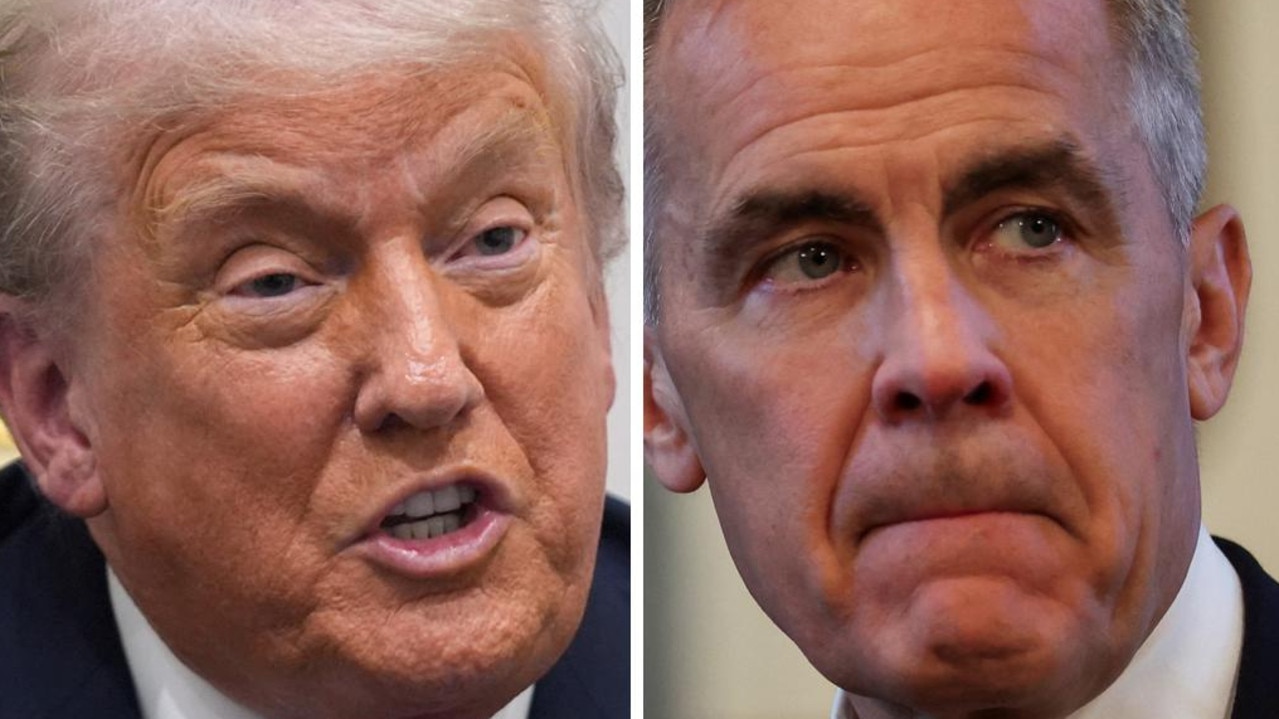
    The Albanese government is actively engaging with Canadian Prime Minister Mark Carney’s forceful critique of former U.S. President Donald Trump’s approach to international relations, according to Australian Treasurer Jim Chalmers. The speech, delivered at the Davos Economic Forum, characterized the current global situation as a “rupture, not a transition” of the rules-based order.

    Carney’s address warned that middle powers like Australia and Canada face significant disadvantages when negotiating bilaterally with hegemonic nations, stating they “negotiate from weakness” and are forced to “accept what is offered.” His comments gained particular relevance amid ongoing political fallout from Trump’s controversial threats to seize Greenland, a move analysts suggest could destabilize NATO and strain U.S.-European alliances.

    Treasurer Chalmers described Carney’s speech as “very thoughtful, and obviously very impactful,” confirming it has prompted multiple discussions within the Australian government. Chalmers acknowledged that the “old certainties” Australia previously relied upon are deteriorating, citing economic crises, trade tensions, NATO discussions, and Russia’s invasion of Ukraine as contributing factors to this geopolitical fragmentation.

    The Treasurer emphasized Australia’s need to navigate this changing landscape by maintaining commitment to international institutions while maximizing opportunities presented by the current volatility. He noted that middle powers like Australia and Canada possess “extraordinary advantages” despite the challenges of global instability.

    Adding to the conversation, former Prime Minister Malcolm Turnbull urged current leader Anthony Albanese to adopt Carney’s approach directly, characterizing Trump as valuing different principles than his presidential predecessors. Turnbull specifically encouraged Albanese to deliver a similar message of sovereignty and middle-power cooperation, stating: “We will not be bullied, we will maintain our sovereignty. As a middle power, we will work with other middle powers to stand up to the bully.”

  • Texas jury clears police officer for Uvalde school shooting response

    Texas jury clears police officer for Uvalde school shooting response

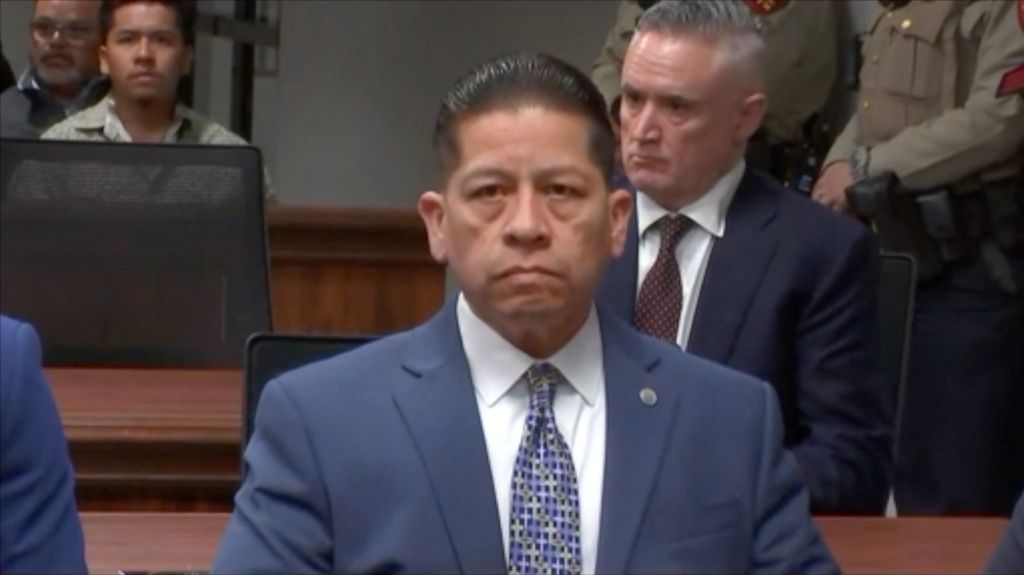
    In a landmark legal proceeding stemming from the tragic 2022 Robb Elementary School shooting, a Texas jury has delivered a not guilty verdict for police officer Adrian Gonzales on all 29 counts of child endangerment. The decision came after approximately seven hours of deliberation on Wednesday, concluding a three-week trial that scrutinized law enforcement’s heavily criticized response to one of America’s deadliest school shootings.

    The prosecution contended that Officer Gonzales, identified as among the first responders to the May 2022 incident where an 18-year-old gunman killed 19 students and two teachers, failed to immediately confront the attacker. Special prosecutor Bill Turner emphasized during closing arguments that decisive action during the initial moments could have altered the outcome, stating: “You can’t stand by and allow it to happen.”

    Defense attorney Jason Goss countered that his client was being unfairly scapegoated for systemic failures, arguing prosecutors sought to make Gonzales “pay for the pain of that day.” This case represented an exceptionally rare instance of criminal charges being brought against a law enforcement officer for allegedly failing to protect children from harm.

    The verdict arrives amid ongoing scrutiny of the delayed police response, which a comprehensive 2024 U.S. Justice Department report described as exhibiting a “lack of urgency.” The federal investigation identified “cascading failures of leadership, decision-making, tactics, policy and training” among the nearly 400 officers who responded to the scene, with authorities taking 77 minutes to ultimately neutralize the shooter.

    In 2024, victims’ families reached a $2 million settlement with the city of Uvalde regarding the emergency response, though this criminal trial represented a separate pursuit of accountability through the judicial system.

  • Slashed incomes and gamers go cold turkey: the fallout from Uganda’s internet shutdown

    Slashed incomes and gamers go cold turkey: the fallout from Uganda’s internet shutdown

    Uganda’s recent general election triggered a nationwide internet shutdown with profound consequences for citizens, businesses, and democratic processes. The government-ordered blackout, officially implemented to ‘ensure peace and protect national stability’ during the electoral period, effectively paralyzed the digital economy and restricted information flow throughout the country.

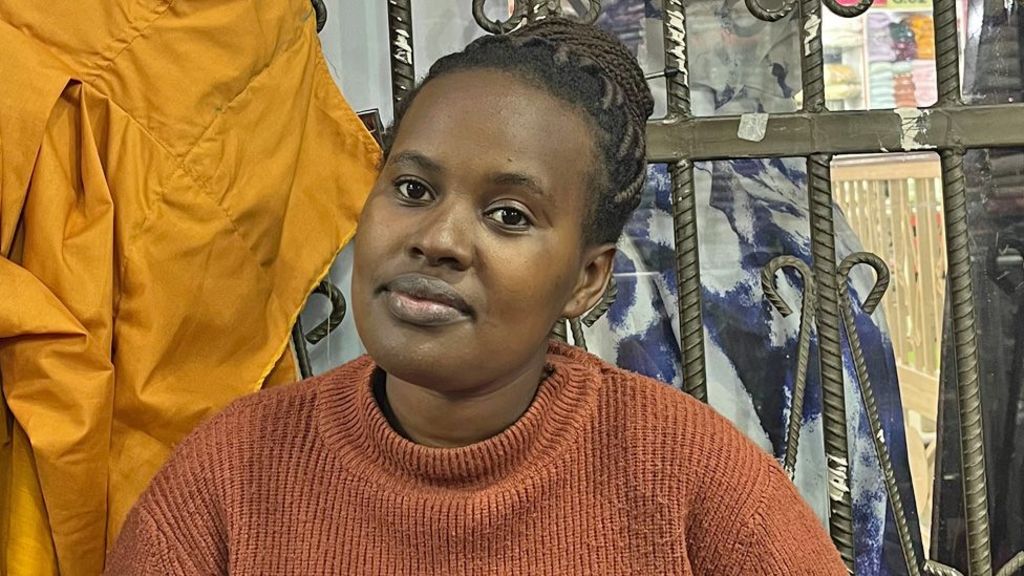
    Mobile money agent Mirembe Tracy experienced immediate financial devastation when withdrawal systems disconnected. Her weekly earnings of approximately 450,000 Ugandan shillings (£130) vanished entirely, leaving her unable to pay rent. ‘That money is what I use to pay rent. Losing it was a total loss,’ she told the BBC. Like thousands of others dependent on digital transactions, she found herself with no income source beyond minimal prepaid airtime sales that provide no commission.

    The disruption extended throughout Kampala’s economy. SafeBoda, the popular ride-hailing platform for motorcycle taxis, saw its entire server infrastructure rendered inoperative. Co-founders reported that both riders and dependent businesses were forced offline indefinitely. Meanwhile, entrepreneur Namukwaya Olivia, who relies on Instagram, TikTok and WhatsApp to market traditional cultural clothing, described complete operational paralysis: ‘We could not send pictures, we could not receive orders, and we could not make deliveries.’

    Journalists faced particularly severe challenges in fulfilling their professional duties. Ngabo Amon described smartphones becoming ‘largely useless’ as research, communication, and content transmission capabilities disappeared. The blackout created an information vacuum that prevented accurate election coverage and real-time reporting of developing situations. Some journalists resorted to physically transporting footage by bus from rural areas to Kampala—a process that rendered news obsolete by arrival time.

    The African Union election observation mission noted that the shutdown ‘limited access to information, freedom of association and curtailed economic activities,’ while simultaneously ‘creating suspicion and mistrust’ in the electoral process. President Yoweri Museveni’s landslide victory extended his 40-year rule amid opposition allegations of ‘fake results’ and ‘ballot stuffing.’

    Beyond economic and professional impacts, the blackout created personal hardships. Kenyan journalist Caroline Mutai described the psychological toll: ‘The shutdown almost gave me depression.’ Students like Aaron Benitez lost educational connectivity as online learning platforms and communication channels failed. ‘We usually study online, sometimes on Zoom, but during that time everything just stopped,’ he reported.

    Even after partial restoration following President Museveni’s victory declaration, many social media platforms remain restricted or slow, driving widespread adoption of VPN services. The episode served as a stark demonstration of how deeply digital accessibility underpins modern life, economic stability, and democratic transparency in contemporary Uganda.

  • France doesn’t intend to boycott World Cup over Greenland issue

    France doesn’t intend to boycott World Cup over Greenland issue

    The French government has definitively dismissed suggestions of boycotting the 2026 FIFA World Cup despite escalating diplomatic tensions with the United States over Greenland. Sports Minister Marina Ferrari explicitly stated that her ministry possesses “no desire” to withdraw from the prestigious tournament following President Donald Trump’s threats to impose tariffs on France and seven other European nations.

    The geopolitical conflict emerged from European leaders’ refusal to endorse Trump’s controversial proposal for the United States to assume control of Greenland, which the American president contends is vital for national security and NATO defense interests. Despite these mounting tensions, Minister Ferrari emphasized the importance of maintaining sports’ separation from political disputes during her Tuesday press briefing, as reported by French publication Le Monde.

    The World Cup, predominantly hosted across American cities, represents an exceptionally significant event for global sports enthusiasts according to Ferrari’s statements. Her remarks preceded Trump’s anticipated address at the World Economic Forum in Davos, Switzerland, where he was expected to intensify rhetoric regarding American intentions toward Greenland—a self-governing Danish territory.

    Meanwhile, the German government has delegated World Cup participation decisions to its national soccer administration, while FIFA President Gianni Infantino maintains cordial relations with Trump. The American president recently received FIFA’s inaugural Peace Prize during the World Cup draw ceremony in Washington D.C. on December 5th, which he described as “one of the great honors of my life.”

    In related developments, the French Football Federation confirmed the national team’s training base at Babson College in Wellesley, Massachusetts—a Boston suburb. France, competing in Group I, will conclude their round-robin stage against Norway on June 26th at Foxborough’s Gillette Stadium.

  • In the ashes of Lirquén: How a small town is rising from Chile’s devastating wildfires

    In the ashes of Lirquén: How a small town is rising from Chile’s devastating wildfires

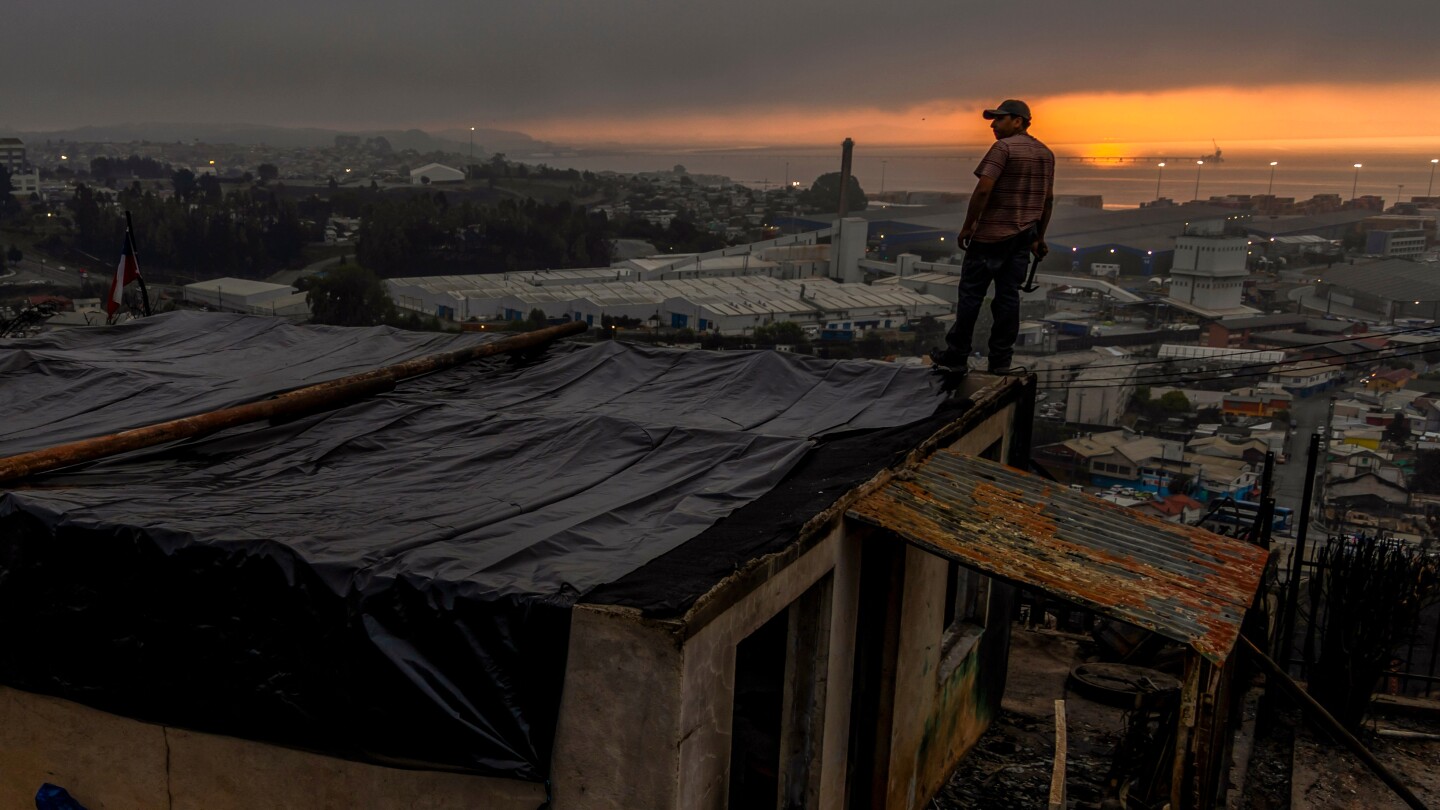
    Central and southern Chile continue to grapple with one of the most devastating wildfire outbreaks in recent history, with infernos consuming approximately 450 square kilometers of terrain and claiming at least 20 lives. The coastal fishing village of Lirquén has emerged as the epicenter of destruction, where 80% of the territory has been engulfed and 17 of the total fatalities occurred.

    Despite containment efforts, approximately twenty major fires remain active across the region, fueled by a dangerous convergence of strong winds, prolonged drought, and extreme temperatures. The catastrophe has left approximately 300 injured, tens of thousands evacuated, and over 750 homes completely destroyed.

    Survivors like Pamela Crisostomo, who escaped with only the clothes on her back, describe the experience as ‘hell,’ witnessing lifetimes of work obliterated within seconds. The reconstruction phase has now begun, driven primarily by community solidarity and international aid organizations rather than government response.

    Humanitarian organizations including World Central Kitchen and ADRA are delivering over 6,000 daily meals to affected communities. Hundreds of volunteers from Santiago and beyond have mobilized to establish temporary clinics, distribute food, and clear debris under sweltering conditions. Mobile veterinary units are providing care for injured animals, while police continue search operations for potential victims beneath the rubble.

    Local residents have expressed frustration with the slow official response, noting minimal municipal support despite the scale of destruction. As weather conditions continue to challenge firefighting efforts, with new evacuations ordered in towns like Florida, the nation faces a long recovery process from what officials are calling one of Chile’s worst natural disasters.