作者: admin

  • Nuclear reactor owned by Fukushima plant operator TEPCO suspends hours-old restart

    Nuclear reactor owned by Fukushima plant operator TEPCO suspends hours-old restart

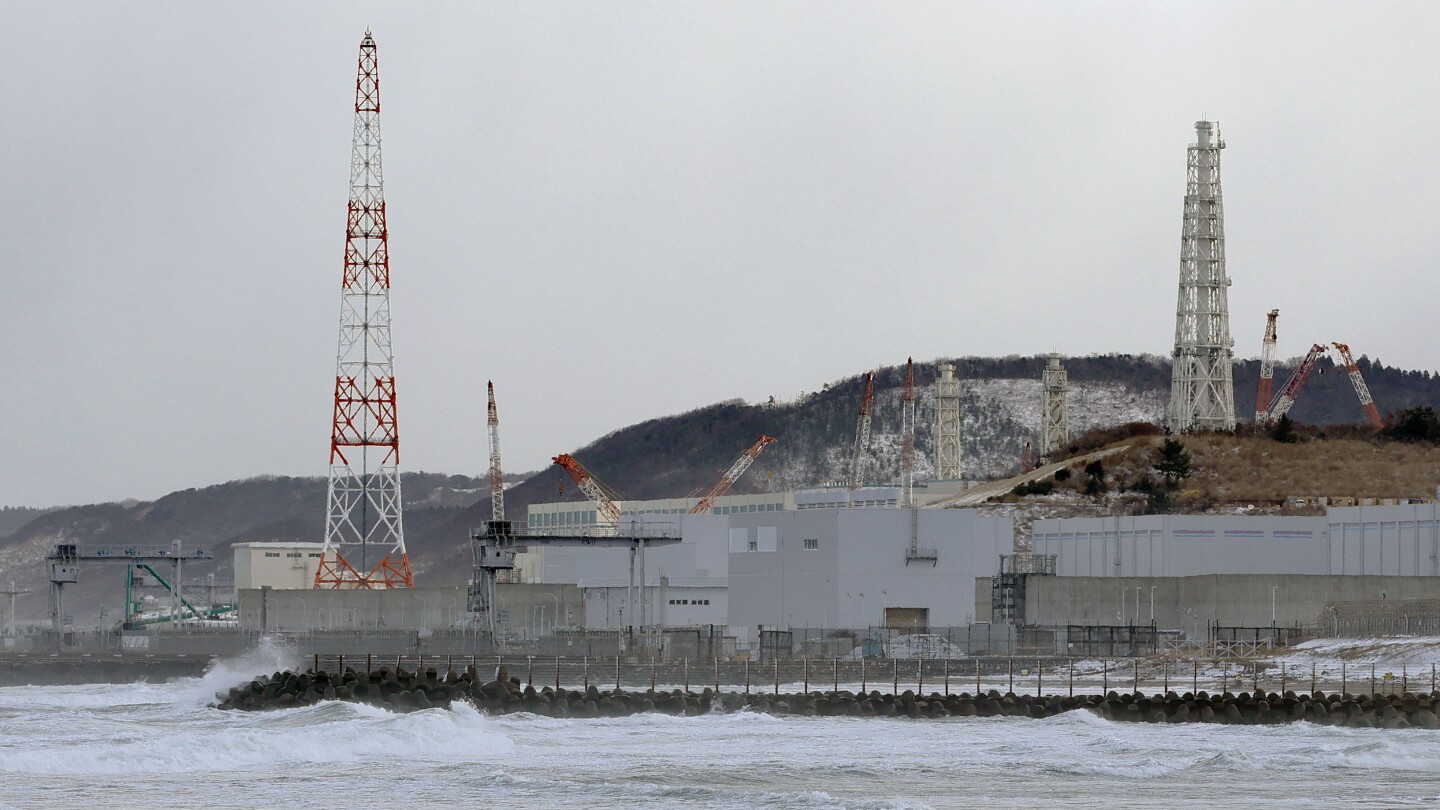
    Japan’s ambitious nuclear energy revival faced an unexpected setback Thursday when the restart of the Kashiwazaki-Kariwa nuclear power plant—the world’s largest such facility—was abruptly suspended mere hours after commencing operations. This marked the first attempted reactivation since the catastrophic 2011 Fukushima nuclear disaster.

    The suspension resulted from a technical anomaly involving control rods, critical components responsible for the safe initiation and shutdown of nuclear reactors. Tokyo Electric Power Company Holdings (TEPCO), the plant’s operator, confirmed the interruption while emphasizing that no safety compromises occurred. Company officials are conducting thorough investigations to determine the cause, with no definitive timeline provided for resuming the restart process.

    This development carries profound significance as TEPCO simultaneously manages the ongoing Fukushima cleanup—a project estimated at 22 trillion yen ($139 billion)—while working to restore its operational credibility. Both governmental and independent investigations had previously attributed the Fukushima catastrophe to TEPCO’s deficient safety protocols and inappropriate collusion with regulatory bodies.

    The Kashiwazaki-Kariwa facility, located approximately 220 kilometers northwest of Tokyo, represents TEPCO’s inaugural return to nuclear power generation since the 2011 disaster. While fourteen other reactors across Japan have successfully resumed operations during this period, this particular restart symbolizes a critical milestone in Japan’s broader energy strategy. The nation, resource-deficient and facing escalating electricity demands, is actively accelerating atomic power utilization to ensure energy security.

    The No. 6 reactor, once operational, promises to generate 1.35 million kilowatts of electricity—sufficient to power over one million households in the capital region. Despite the plant’s total capacity reaching 8 million kilowatts across seven reactors, TEPCO currently plans to recommission only two units in the foreseeable future. All seven reactors have remained inactive since 2012, following radiation contamination that rendered extensive areas surrounding Fukushima uninhabitable.


  • Dog weddings — how new industry laps up puppy love

    Dog weddings — how new industry laps up puppy love

    A remarkable social phenomenon is emerging across urban centers in China, where extravagant wedding ceremonies for pets are rapidly evolving into a sophisticated industry. This trend reflects the deepening emotional bonds between pet owners and their animal companions, transforming conventional pet care into elaborate celebrations of companionship.

    The market for pet weddings has witnessed exponential growth, with specialized event companies now offering comprehensive packages including venue decoration, custom attire, professional photography, and gourmet pet-friendly catering. These events typically range from intimate gatherings to lavish productions costing thousands of dollars, demonstrating the significant economic potential of this niche market.

    Shanghai resident Sun Yongning exemplifies this trend, having recently organized a wedding ceremony for her poodle Alice, who ‘married’ Max, a canine companion belonging to family friends. “Their meeting was extraordinarily dramatic—we encountered Max and his owners at a pet gathering, and the two dogs immediately developed a special connection,” Sun recounted. The subsequent discovery that the dogs shared familial ties through pedigree certificates added an unexpected dimension to their relationship, creating what Sun described as “a narrative worthy of literary fiction.”

    Industry analysts attribute this phenomenon to several socioeconomic factors: rising disposable incomes, changing family structures, and the increasing treatment of pets as family members. Urban professionals, particularly younger generations and middle-aged empty nesters, are driving demand for premium pet services that acknowledge the emotional significance of their animal companions.

    Beyond the ceremonial aspects, these events facilitate social networking among pet owners, creating communities centered around shared interests in animal welfare and luxury pet care. The trend has also stimulated adjacent market sectors including pet fashion, specialized confectionery, and event planning services specifically tailored for animal celebrations.

    While some critics question the extravagance of such ceremonies, proponents argue they represent meaningful expressions of companionship in increasingly digital and isolated urban environments. The industry shows no signs of slowing, with market researchers predicting continued expansion into related services and experiences that celebrate the human-animal bond.

  • Efficient medical care draws foreigners

    Efficient medical care draws foreigners

    A growing number of international patients are bypassing lengthy wait times in their home countries by seeking medical treatment in China, where they report receiving high-quality, efficient care at significantly lower costs. This emerging trend, highlighted by the experience of a British content creator named Amie, demonstrates China’s evolving position in the global healthcare landscape.

    Amie’s case exemplifies this phenomenon. Facing a two-week wait for a general practitioner consultation in Britain for persistent stomach pain, she instead booked a flight to Beijing. Within five days of arrival, she consulted a gastroenterologist at Beijing Tsinghua Changgung Hospital, completed comprehensive diagnostic tests including a sedated endoscopy, and received a definitive diagnosis of chronic gastritis with prescribed medication. The entire process cost approximately £300 for medical services—just one-tenth of what she would have paid through Britain’s National Health Service.

    Even including £1,500 in travel expenses, Amie reported the overall experience remained cost-effective while providing exceptional efficiency. “It feels like a well-oiled machine here. The efficiency and quality of care are outstanding,” she noted in social media posts that garnered significant attention.

    This medical tourism trend primarily attracts expatriates and former long-term residents familiar with China’s healthcare system. While China’s visa-free policy doesn’t specifically cover medical visits, many foreigners arrange treatment during permitted stays for tourism or business. Currently, travelers from 55 countries can utilize China’s 240-hour visa-free transit policy at 65 entry ports.

    Medical experts attribute China’s healthcare efficiency to sophisticated interdepartmental coordination and digital integration. “When a gastroenterologist orders a procedure, the lab quickly runs blood tests, the cardiology department performs an electrocardiogram, and anesthesiology handles preoperative assessment. The whole process is seamlessly integrated,” explained Lin Siyong, head of medical affairs management at Beijing Tsinghua Changgung Hospital.

    Foreign patients typically seek care at either private hospitals or international medicine departments within public hospitals. Wang Yiqun, deputy director of Beijing Tsinghua Changgung Hospital’s international medicine department, emphasized that while public hospitals prioritize domestic patients’ basic healthcare needs, they’ve established international divisions to support Beijing’s development as a global exchange hub. National guidelines cap international medical services at approximately 10% of total capacity.

    The trend extends beyond Beijing to other major cities. Di Yue, an ophthalmologist at Shanghai Children’s Hospital, has noticed a significant increase in overseas patients, particularly overseas Chinese from Canada, Singapore, Malaysia, and Australia. Specializing in treating trachomatous trichiasis, he notes that even including travel and accommodation expenses, treatment in China often proves more cost-effective than abroad.

    This influx of international patients not only provides revenue for hospitals but also reflects China’s growing medical capabilities. With the expansion of telemedicine and social media, healthcare professionals anticipate continued growth in medical tourism to China.

  • Arrival of Losar brings joy, good fortune to Tibetans

    Arrival of Losar brings joy, good fortune to Tibetans

    Across the high-altitude landscapes of Xizang Autonomous Region, vibrant celebrations for Losar—the traditional Tibetan New Year—are unfolding with profound cultural significance and communal joy. The festival, marked by intricate rituals and symbolic preparations, demonstrates the enduring preservation of Tibetan heritage amidst modern development.

    In Lhasa’s historic Barkhor district, a sprawling seasonal market operating from January 14 to February 16 has become the epicenter of festive commerce. Two hundred forty stalls offer specialized goods ranging from ceremonial barley sprouts and artisanal dairy products to regional delicacies from Qinghai and Xinjiang. The market embodies a fusion of traditional practices with contemporary convenience, creating a comprehensive shopping experience for residents preparing for the celebrations.

    Cultural symbolism permeates every aspect of Losar preparations. The Chemar Box, containing sacred tsampa (roasted barley flour), represents aspirations for abundance and prosperity. Elaborately painted barley ear decorations (Losar metok) and vibrant door curtains serve as traditional talismans believed to invite warmth and good fortune into households.

    This year’s astronomical alignment creates a rare temporal proximity between Losar and the Spring Festival, with merely one day separating the two celebrations. Tibetan calendrical expert Tobgayl explains that this synchronization results from complex lunar calculations, with the festivals sometimes coinciding or occurring weeks apart depending on annual celestial variations.

    Regional diversity characterizes Losar observances across Xizang. While most communities celebrate on the first day of the Tibetan calendar’s first month, residents of Shigatse and Nagchu traditionally observe the holiday at the commencement of the twelfth month—a distinction reflecting local agricultural cycles and geographical conditions.

    Perhaps most poignant are the celebrations in Tsakhor village, where residents displaced by last year’s 6.8 magnitude earthquake are now observing Losar in newly constructed Tibetan-style homes. “We are finally celebrating in our new homes without worries,” expressed villager Pema Chungdak, capturing the collective resilience of communities rebuilding amidst preservation of cultural traditions.

    From urban markets to rural villages, the pervasive spirit of renewal and cultural continuity defines this year’s celebrations, demonstrating how ancient traditions continue to shape contemporary life across the Tibetan plateau.

  • Outrage after Indian man drowns in open pit after begging for help for hours

    Outrage after Indian man drowns in open pit after begging for help for hours

    A devastating incident in Noida has exposed critical failures in urban infrastructure and emergency response systems, triggering nationwide outrage. Yuvraj Mehta, a 27-year-old IT professional, met a tragic end when his vehicle plunged into a waterlogged construction pit that lacked proper safety markings during dense winter fog last Friday midnight.

    The catastrophe unfolded when Mehta’s car reportedly struck a low boundary wall near the excavation site—a stalled construction project that had remained unsecured for years. Trapped in rapidly sinking conditions, the non-swimmer managed to climb onto the car roof and contacted his father via mobile phone. For nearly two hours, Mehta desperately signaled for help using his phone’s flashlight while his father coordinated emergency services.

    Despite rescue teams arriving at the scene, procedural delays and inadequate equipment hampered recovery efforts. Authorities cited near-zero visibility, submerged debris, and freezing temperatures as complicating factors. A civilian delivery worker named Moninder attempted a heroic rescue by diving into the hazardous waters with a makeshift rope system, but couldn’t locate the victim in the murky conditions.

    The incident has ignited furious public demonstrations at the accident site, with protesters condemning systemic negligence in urban governance. Following formal complaints from Mehta’s family, Noida police have registered cases against real estate developers and arrested construction site owner Abhay Kumar under charges of culpable homicide due to negligence.

    The Uttar Pradesh government has taken disciplinary action by removing a senior official from the local development authority and initiating a comprehensive investigation into rescue protocols and construction site safety compliance. Law enforcement officials acknowledge that further arrests are anticipated as investigations progress.

    This tragedy has amplified existing concerns about India’s road safety standards, with social media platforms flooded with personal accounts of similar hazardous conditions nationwide. Citizens are demanding urgent reforms in urban planning regulations, improved emergency response capabilities, and stricter enforcement of construction site safety norms to prevent such preventable fatalities.

  • Chinese EVs, batteries gain world market share as Trump backs oil

    Chinese EVs, batteries gain world market share as Trump backs oil

    China has solidified its position as the undisputed leader in clean-energy supply chains, capturing approximately 70% of both the global electric vehicle and battery markets in 2025. This remarkable dominance comes as U.S. energy policy under former President Donald Trump continues to prioritize traditional oil and gas resources, creating a stark contrast in global energy strategies.

    According to the China New Energy Vehicle Industry Development White Paper (2026) jointly published by the Beijing-based Yiwei Institute of Economics (EVTank) and the China Battery Industry Research Institute, China accounted for 70.3% of global new-energy vehicle sales last year. Global sales reached 23.54 million units, representing a significant 29.1% year-on-year increase.

    The report reveals divergent trends across major markets. European EV sales surged 30.5% to 3.77 million units, while the United States experienced minimal growth at just 1.72%, reaching 1.60 million units. The U.S. market stagnation was largely attributed to expired federal tax credits, with monthly sales dropping to approximately 80,000 units in the final quarter of 2025 and market penetration remaining at 9.6%.

    China’s supremacy extends to the power-battery sector, where Chinese companies commanded 69.4% of global installations in the first eleven months of 2025. Data from South Korea’s SNE Research shows six Chinese firms ranking among the world’s top ten suppliers, with CATL leading at 38.2% market share, followed by BYD at 16.7%.

    This shifting balance has prompted experts like Dang Wang, a research fellow at Stanford University’s Hoover Institution, to argue that global energy and manufacturing dynamics are decisively tilting toward China. In a New York Times opinion piece titled “Trump Is Obsessed With Oil, But Chinese Batteries Will Soon Run the World,” Wang contends that China’s electrification strategy is fundamentally reshaping global competition.

    The geopolitical landscape continues to evolve as nations adopt different approaches to Chinese EV imports. While the U.S. maintains 100% tariffs and the EU has implemented anti-subsidy duties ranging from 17.4% to 38.1%, Canada recently reduced its tariffs to 6.1% and increased import quotas. The United Kingdom, post-Brexit, has never imposed additional tariffs on Chinese EVs.

    Market projections indicate sustained growth, with global new-energy vehicle sales expected to reach 28.5 million units in 2026 and 42.7 million by 2030, potentially exceeding 40% market penetration worldwide.

  • Campaigning starts for Bangladesh’s first national election after Hasina’s ouster

    Campaigning starts for Bangladesh’s first national election after Hasina’s ouster

    DHAKA, Bangladesh — Bangladesh has commenced official campaigning for its first general elections since the 2024 uprising that culminated in the removal of long-serving Prime Minister Sheikh Hasina. The February 12 parliamentary vote represents a historic turning point for the South Asian nation, occurring under an interim administration led by Nobel Peace Prize recipient Muhammad Yunus.

    The electoral landscape has been fundamentally reshaped by the exclusion of Hasina’s formerly dominant Awami League party, which the interim government banned from participation. This development has created an unprecedented political vacuum, with the historically influential Bangladesh Nationalist Party (BNP) and a ten-party alliance led by the Islamist Jamaat-e-Islami organization emerging as primary contenders.

    Adding to the complex political dynamic is the National Citizen Party (NCP), a new political entity formed by student leaders who played instrumental roles in the July 2024 uprising. The alliance between Jamaat-e-Islami—long criticized by secular groups for challenging Bangladesh’s foundational secular principles—and the progressive NCP demonstrates the unusual political realignments characterizing this election.

    Tarique Rahman, chairman of the BNP and son of recently deceased former Prime Minister Khaleda Zia, has returned from seventeen years of exile in the United Kingdom and is widely perceived as a frontrunner for the premiership. Rahman commenced his campaign in Sylhet with plans for nationwide rallies, capitalizing on substantial support rooted in his mother’s political legacy.

    The interim government has repeatedly committed to ensuring peaceful and credible elections despite concerns about law and order following the violent crackdown that resulted in hundreds of casualties during the uprising. Yunus assumed leadership three days after Hasina departed for India on August 5, 2024.

    A distinctive feature of this electoral process involves a concurrent national referendum on the July National Charter, a proposed framework seeking constitutional reforms that would establish term limits for legislators, enhance presidential authority to counterbalance the prime minister’s power, and implement measures against corruption and money laundering. While the charter currently remains nonbinding, its supporters advocate for constitutional incorporation through the referendum process.

  • Australian stocks shrug off rate hike concerns to end three-day slide

    Australian stocks shrug off rate hike concerns to end three-day slide

    Australian equities staged a powerful rebound on Thursday, decisively halting a three-day decline as multiple sectors surged despite mounting expectations of imminent interest rate hikes. The benchmark S&P/ASX 200 index advanced 65.80 points (0.75%) to close at 8,848.70, while the broader All Ordinaries index gained 63.90 points (0.70%) to finish at 9,172.50.

    The rally unfolded against a backdrop of surprisingly strong employment data from the Australian Bureau of Statistics, which reported the national unemployment rate falling to 4.1% as 65,000 additional workers entered the workforce. This development typically signals potential inflationary pressures, prompting financial markets to fully price in at least one interest rate increase by May 2026.

    Market performance demonstrated remarkable resilience with nine of eleven sectors finishing higher. Energy stocks led the charge, buoyed by Brent crude futures climbing back above US$65 per barrel. Consumer discretionary shares and major financial institutions also posted substantial gains, each rallying more than 1.80%.

    The big four banks contributed significantly to the market’s upward trajectory. Commonwealth Bank rose 2.30% to $150.61, Westpac gained 2.10% to $38.91, NAB outperformed with a 3.04% surge to $42.43, and ANZ added 0.64% to $36.40.

    Energy producers capitalized on geopolitical tensions and supply concerns. Woodside Energy jumped 2.89% to $24.20, Santos surged 5.28% to $6.38, and Ampol advanced 2.17% to $30.61.

    Individual standouts included Premier Investments, which soared 9.87% to $14.02 following a broker upgrade from Macquarie to ‘outperform.’ DroneShield shares climbed 9.49% to $4.73 after Bell Potter raised its price target to $5 per share. A2 Milk recovered 5.44% to $8.53 after recent weakness tied to declining birth rates in China.

    The materials sector provided the primary drag on markets, with BHP falling 0.83% to $48.08 and Fortescue slumping 5.12% to $21.48. Gold miners faced substantial pressure as geopolitical tensions eased, with Northern Star Resources plummeting 8.43% to $26.18.

    The Australian dollar strengthened considerably, jumping 0.81% to trade at US68.07 cents. IG market analyst Tony Sycamore noted the currency’s appreciation potential, citing divergent monetary policy expectations between Australia and the United States.

  • Trump announces Greenland ‘framework,’ backs off 8-nation tariffs

    Trump announces Greenland ‘framework,’ backs off 8-nation tariffs

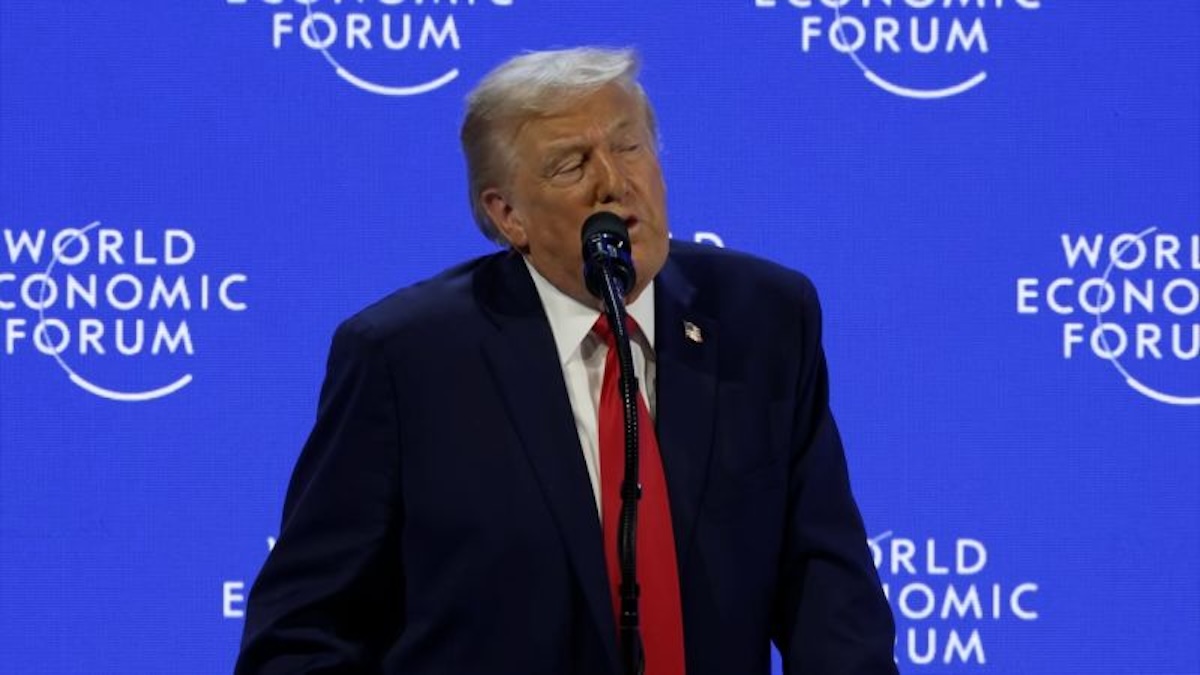
    In a significant diplomatic development, former President Donald Trump revealed through social media on Wednesday that he has established a preliminary agreement framework with NATO Secretary General Mark Rutte concerning Greenland and broader Arctic regional interests. The announcement followed Trump’s address at the World Economic Forum in Switzerland where he emphasized Greenland’s strategic importance while explicitly dismissing military intervention as an option.

    The proposed arrangement, described by Trump as “the ultimate long-term deal,” would reportedly address multiple strategic concerns including regional security and mineral resource access. As an immediate consequence of this diplomatic progress, Trump declared the suspension of previously threatened tariffs against several European nations including Denmark, Finland, France, Germany, and the United Kingdom.

    These tariffs, initially proposed at 10% and potentially escalating to 25% by June, were intended as leverage against countries opposing U.S. ambitions regarding Greenland. The negotiation process will now be handled by a team including Vice President JD Vance, Secretary of State Marco Rubio, and Special Envoy Steve Witkoff.

    While Trump enthusiastically promoted the arrangement as beneficial for all NATO members, he notably declined to confirm whether the framework includes U.S. sovereignty over Greenland. The proposal reportedly includes considerations for a missile defense system referred to as “The Golden Dome,” though specific details remain undisclosed pending further negotiations.

    The development follows Trump’s forum speech where he characterized Greenland as “a core national security interest” while employing ambiguous language regarding consequences for nations opposing U.S. objectives. This Arctic diplomacy occurs alongside domestic policy discussions, including Trump’s recent executive order targeting institutional investors in the housing market and proposed credit card interest rate limitations.

  • Mexico sends 37 accused drug gang members to the US

    Mexico sends 37 accused drug gang members to the US

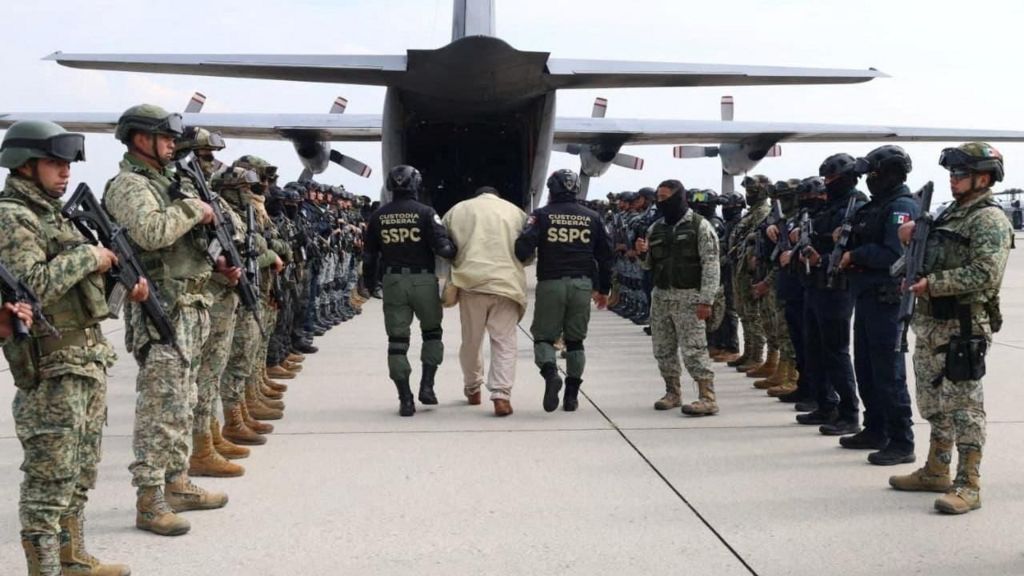
    In a significant bilateral security operation, Mexican authorities have transferred 37 inmates with alleged connections to powerful drug cartels to face judicial proceedings in the United States. This development follows recent remarks by former President Donald Trump suggesting potential U.S. military strikes against organized criminal networks operating within Mexican territory.

    This transfer represents the third such extradition initiative between the two nations within the past year, occurring during President Claudia Sheinbaum’s administration which has faced scrutiny regarding its approach to U.S. relations. Mexico’s Secretary of Security, Omar García Harfuch, communicated via social media platform X that the extradited individuals constituted a ‘threat to the country’s security.’

    The U.S. Justice Department publicly endorsed the extraditions, characterizing them as instrumental to a comprehensive strategy aimed at dismantling cartel operations. U.S. Attorney General Pam Bondi stated formally that ‘these 37 cartel members will now answer for their crimes against the American people within American judicial institutions.’

    Mexican officials secured assurances from U.S. prosecutors that capital punishment would not be sought against the transferred individuals. The operation was conducted pursuant to National Security Law provisions and established bilateral cooperation frameworks, with explicit acknowledgment of national sovereignty considerations.

    The detainees were transported aboard seven armed Mexican aircraft to multiple U.S. jurisdictions including Washington, New York, Houston, Pennsylvania, San Diego, and San Antonio. This latest operation brings the total number of extradited prisoners to 92 since the beginning of Trump’s second administration, following previous transfers of 26 ‘key operatives’ last August and a similar operation in February.

    President Sheinbaum’s government has intensified anti-narcotics efforts, citing a 50% reduction in fentanyl seizures at the southern U.S. border as evidence of effective policy. These developments occur alongside diplomatic discussions concerning U.S. military deployment along the border, which Mexican officials have explicitly stated remains ‘not on the table’ for consideration.

    The extradition program unfolds against a broader geopolitical backdrop that includes U.S. actions against other regional governments, following the precedent of military operations in Venezuela targeting former President Nicolás Maduro.