作者: admin

  • Ruuska storms to victory with stunning 62 at Egypt Golf Series New Giza

    Ruuska storms to victory with stunning 62 at Egypt Golf Series New Giza

    In a remarkable display of skill and determination, Finnish golfer Lauri Ruuska mounted an extraordinary comeback to secure victory at the Egypt Golf Series New Giza tournament. The professional golfer, competing in his first tournament since September, delivered a stunning performance with a ten-under-par 62 in the final round at New Giza Golf Club.

    Ruuska’s spectacular round featured ten birdies, enabling him to overcome a seven-shot deficit against overnight leader Ludovico Addabbo. The Finnish athlete finished the tournament at 14 under par, narrowly edging out American contender Charlie Crockett by a single stroke. Ruuska’s front nine included six birdies, followed by four additional birdies on the back nine, culminating in a decisive birdie on the final hole that established an unbeatable clubhouse target.

    Following his victory, Ruuska revealed his recent struggles on the DP World Tour and HotelPlanner Tour, explaining that he had taken a six-week complete break from golf to reset his approach to the game. The champion attributed his success to significant improvements in his putting technique, which he refined during practice sessions at his hotel after the initial rounds.

    American golfer Charlie Crockett posted a solid 67 in the final round to claim second place at 13 under par. The competition saw first-round leader Zan Luka Stirn and Italy’s Aron Zemmer sharing third position at 12 under, while overnight leader Addabbo dropped to a tie for seventh place after carding a final-round 73.

    Ruuska’s victory earned him $18,000 from the tournament’s $100,000 prize fund, along with valuable Official World Golf Ranking points. The event marks the beginning of the MENA Golf Tour’s Egypt swing, with the next tournament scheduled at Address Marassi Golf Resort on Egypt’s Mediterranean coast starting January 24th.

  • In Scotland, fishing trawlers scrape the seabed despite protection promises

    In Scotland, fishing trawlers scrape the seabed despite protection promises

    OFF THE COAST OF KYLEAKIN, Scotland — Beneath the surface of Scotland’s protected waters, a silent ecological crisis unfolds as industrial fishing methods continue to operate with minimal restrictions. Veteran fisherman Bally Philp, with over thirty years of experience, witnesses this degradation firsthand from his creel boat in Loch Alsh—one of the few remaining sanctuaries along Scotland’s coastline.

    Despite 37% of Scottish waters carrying marine protected area (MPA) designations, environmental organizations reveal that less than 5% have implemented management measures to enforce these protections. Consequently, destructive practices including bottom trawling and scallop dredging—methods that rake and devastate seabed ecosystems—are permitted across approximately 95% of Scotland’s coastal waters, including within designated conservation zones.

    The ecological cost of these practices is staggering. Bottom trawling vessels consume nearly triple the fuel of conventional fishing methods while crushing marine habitats and releasing stored carbon from disturbed seabed sediments. The method results in substantial bycatch discard with minimal survival rates for unintended marine life.

    Philp’s personal journey mirrors the industry’s transformation. Having worked on trawlers in the late 1980s, he witnessed the devastating practice of discarding dead bycatch—”a heartbreaking stream of dead fish flowing off the back of the boat.” This experience prompted his shift to sustainable creel fishing, which minimizes habitat damage and allows most unintended catch to survive release.

    The problem extends beyond Scotland. A 2024 report by the Marine Conservation Society and Oceana documented 4.4 million hours of bottom trawling within protected marine sites across seven European nations between 2015-2023. The repeal of Scotland’s historic 3-mile coastal trawling ban in 1984 precipitated catastrophic declines, with areas like the Clyde experiencing commercial fishery collapse.

    The economic implications are equally significant. A 2023 analysis projected that banning bottom trawling in UK offshore protected areas could yield net benefits reaching £3.5 billion ($4.7 billion) over two decades through enhanced carbon storage, pollution removal, and ecosystem services.

    Marine biologist Caitlin Turner explains the cascading ecological effects: “Degraded habitats provide fewer spawning grounds for juvenile fish, ultimately reducing abundance throughout the food chain—affecting larger predators that depend on these prey species.”

    The Scottish government has delayed crucial fisheries management consultations until at least mid-2026, citing parliamentary elections and contractor delays. While officials note that 13% of inshore protected areas currently restrict certain destructive practices, conservationists advocate for reinstating coastal protections covering至少 30% of Scotland’s inshore seas—aligning with international 2030 conservation targets.

    For Philp, who represents the third generation of fishers in his family, the timeline for action feels desperately slow. He has discouraged his own sons from continuing the family tradition, stating: “We’re at the arse end of something that was once really good. Unless we can turn that around, why would anyone want their kids to do this?”

  • Sabalenka digs deep as Alcaraz sets sights on Melbourne last 16

    Sabalenka digs deep as Alcaraz sets sights on Melbourne last 16

    Melbourne witnessed a day of high-intensity tennis as the Australian Open’s sixth day unfolded with gripping matches and emotional victories. Defending champion Aryna Sabalenka faced unexpected challenges while Carlos Alcaraz continued his determined march toward Grand Slam glory.

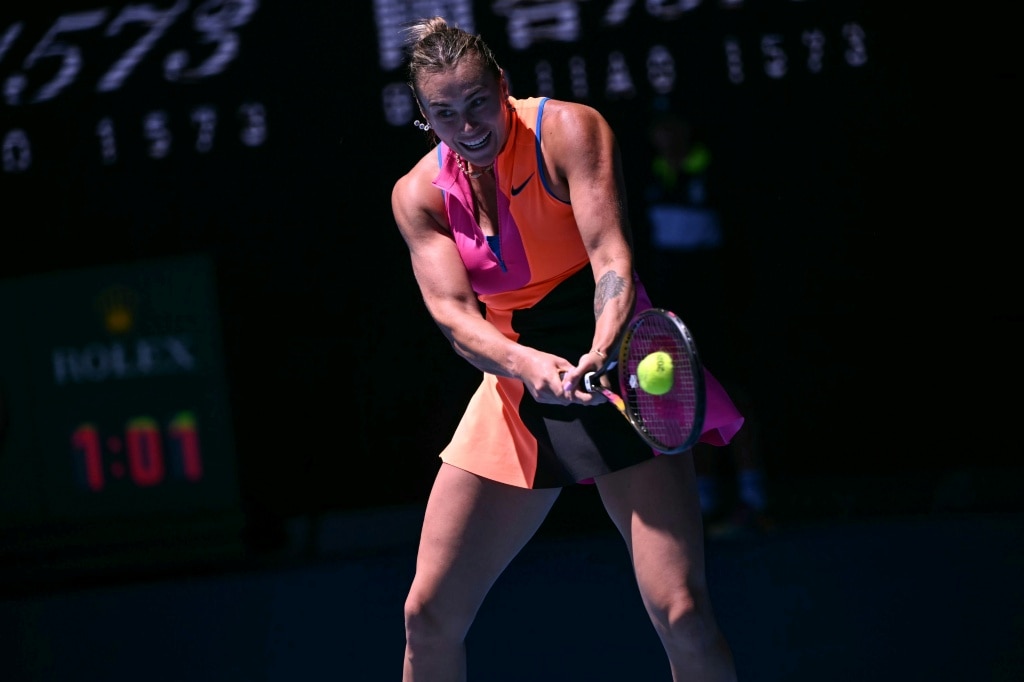
    World number one Sabalenka experienced what she described as an emotionally turbulent match against unseeded Anastasia Potapova. The Belarusian powerhouse required two tense tie-breakers (7-6, 7-6) to secure her place in the fourth round after a grueling two-hour battle under the Australian sun. ‘I was emotionally all over the place,’ confessed the four-time Grand Slam champion. ‘It was one of those days where you have to fight for every ball.’ Despite the struggle, Sabalenka expressed genuine enjoyment in the competitive challenge.

    The victory sets up an intriguing encounter with Canadian teenager Victoria Mboko, who demonstrated remarkable composure in her three-set victory over Denmark’s Clara Tauson. Meanwhile, American sensation Coco Gauff continues to impress, describing her current form as ‘near perfect’ as she prepares to face compatriot Hailey Baptiste.

    In the men’s draw, Spanish phenom Carlos Alcaraz navigated past a testing second-round match against Yannick Hanfmann (7-6, 6-3, 6-2) and now faces French 32nd seed Corentin Moutet. The 22-year-old, pursuing a career Grand Slam, acknowledged his gradual adaptation to Melbourne conditions. ‘I’m still getting used to the conditions and improving with every match,’ Alcaraz stated, expressing optimism about his progression through the tournament.

    The evening session promises compelling matchups with Germany’s Alexander Zverev facing Britain’s Cameron Norrie, while home favorite Alex de Minaur enjoys prime-time billing against American threat Frances Tiafoe. Russian contender Daniil Medvedev, a three-time finalist in Melbourne, prepares for a challenging encounter against Hungary’s Fabian Marozsan as he seeks to overcome past disappointments at this venue.

  • Palestinian NGO files criminal complaint against Israeli minister visiting Davos

    Palestinian NGO files criminal complaint against Israeli minister visiting Davos

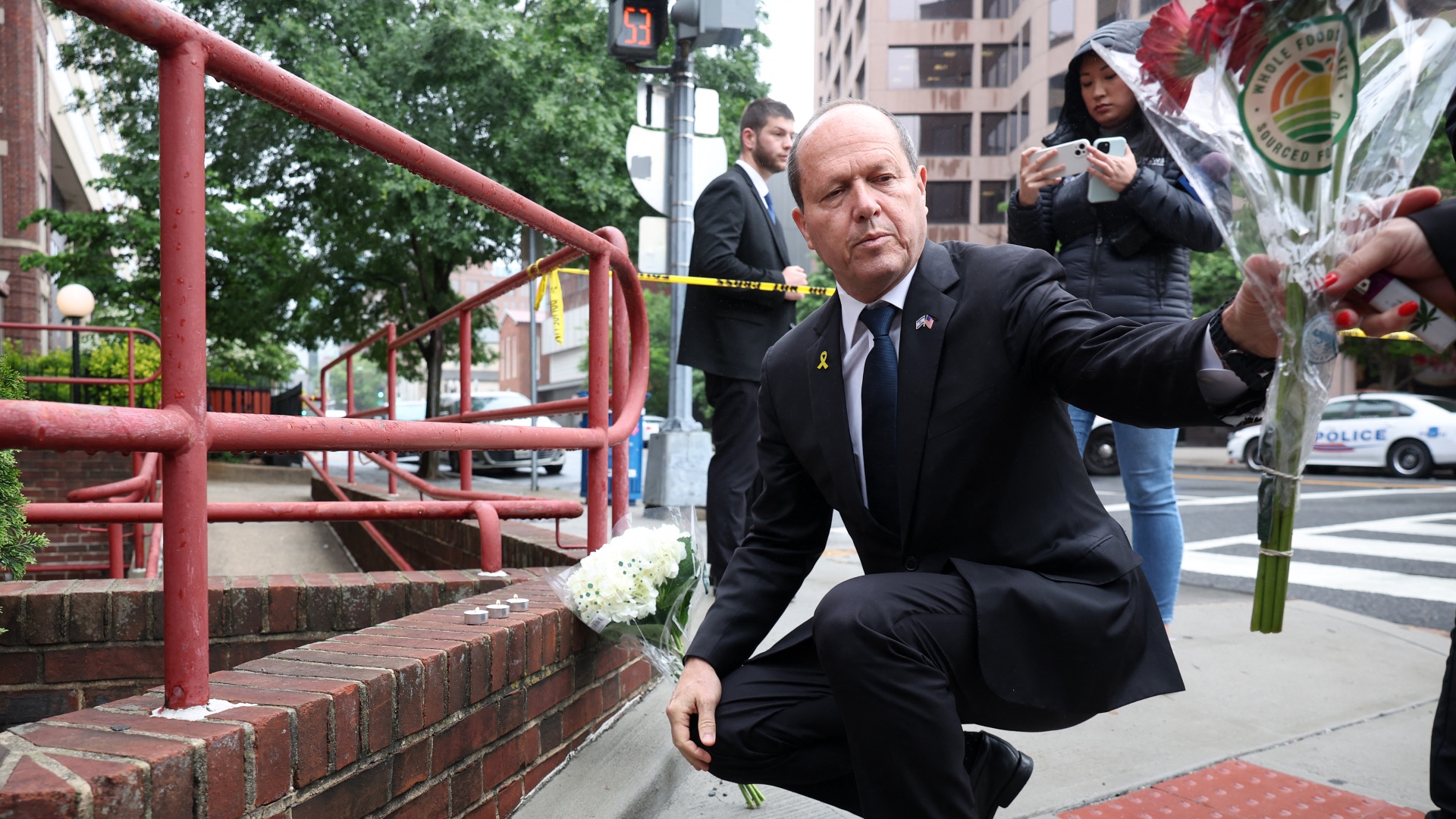
    In a significant legal maneuver at the World Economic Forum in Davos, the Palestinian legal advocacy organization Al-Haq has initiated criminal proceedings against Israeli Economy Minister Nir Barkat. The complaint, formally submitted to Swiss authorities on Thursday, demands an investigation into Barkat’s alleged involvement in international crimes related to Israeli settlement activities and actions in Gaza.

    Al-Haq’s allegations assert that Minister Barkat bears individual responsibility for unlawful colonization of Occupied Palestinian Territory, citing his tenure as Jerusalem mayor where he allegedly oversaw illegal settlement expansion, permit enforcement, and demolitions constituting apartheid practices. The organization contends these actions represent systematic international crimes requiring judicial scrutiny.

    Switzerland’s legal framework enables prosecution of international crimes when alleged perpetrators are physically present within its jurisdiction, prompting Al-Haq to declare that “Davos cannot be a safe haven for war criminals.” The complaint emerges amid heightened tensions following Israel’s military operations in Gaza, which have resulted in substantial Palestinian casualties according to health authorities.

    Minister Barkat responded defiantly on social media platform X, stating: “No terrorist organization will deter me. I will continue to develop the Israeli economy and represent the country without fear anywhere in the world.” His remarks came alongside controversial statements in Foreign Policy Magazine where he justified Gaza’s extensive demolition as necessary to eliminate tunnel networks allegedly designed to attack Israel.

    The legal action occurs within a broader context of Israel’s longstanding campaign against Al-Haq, which was designated a terrorist organization by Israel in 2021 and subsequently sanctioned by the Trump administration alongside other Palestinian rights groups. These sanctions froze US assets and prohibited dollar transactions, measures condemned by the organizations as attempts to suppress documentation of alleged Israeli human rights violations.

    Al-Haq, established in 1979 as one of Palestine’s oldest human rights monitors, has consistently faced Israeli opposition including office raids and intelligence campaigns alleging ties to the Popular Front for the Liberation of Palestine—claims for which Israel has never publicly produced evidence according to the organization.

  • Firefighters face attacks, drones and arsonists while battling deadly blazes in Chile

    Firefighters face attacks, drones and arsonists while battling deadly blazes in Chile

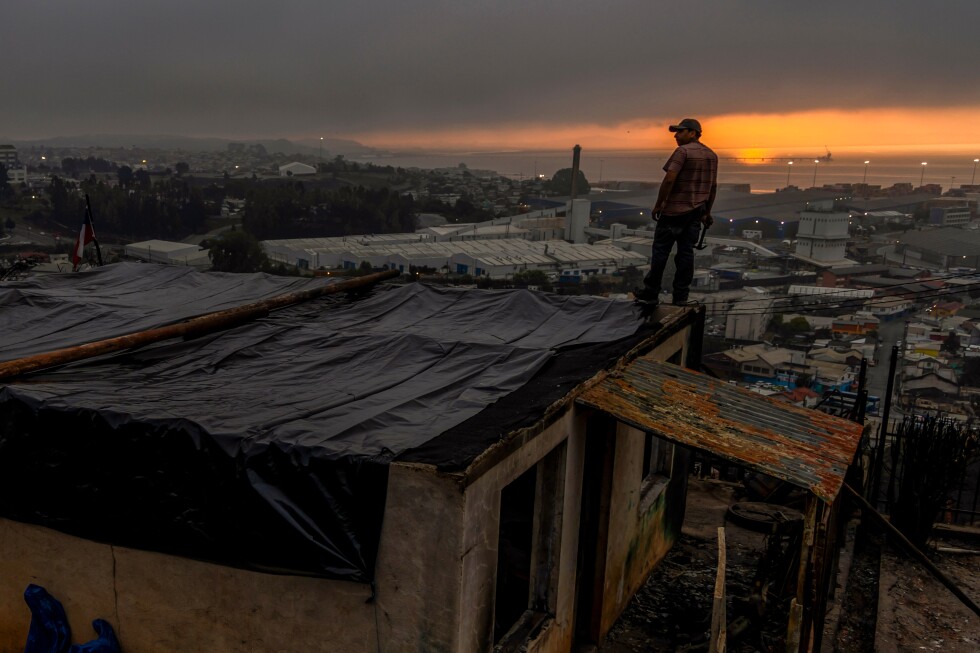
    FLORIDA, Chile — Chilean emergency crews combating the nation’s most devastating wildfires in recent history are confronting unprecedented challenges beyond the flames themselves—including armed attacks and unauthorized drone operations that threaten aerial firefighting operations.

    The catastrophic blazes have claimed at least 21 lives and scorched approximately 45,700 hectares (176 square miles) of forestland and residential areas, according to Thursday’s report from Chile’s National Forestry Corporation (CONAF). The scale of destruction has already surpassed April’s Valparaíso and Viña del Mar inferno that consumed 8,500 hectares and killed 131 people.

    The human toll continues to mount with 305 injured and 2,359 homes destroyed, leaving hundreds displaced in makeshift shelters. Charred landscapes reveal haunting scenes of burned vehicles and wildlife while search teams recover skeletal remains for forensic identification. Authorities acknowledge the casualty count will likely rise as assessment teams document the full extent of the tragedy.

    President Gabriel Boric declared two days of national mourning while visiting the devastated Biobío region, stating on social media platform X: ‘Amid the profound sorrow caused by the forest fires in the south-central region of our country, I have decided to decree two days of national mourning.’

    Firefighters facing dual threats

    The nearly 8,500 firefighters battling the blazes since Sunday have encountered deliberate hostility alongside natural dangers. Official reports confirm at least two attacks on fire crews, including one incident involving gunfire. President Boric condemned these aggressions as ‘absolutely unacceptable’ and promised full legal consequences for perpetrators.

    Simultaneously, unauthorized drone operations by journalists and hobbyists seeking aerial footage have forced temporary suspensions of critical airborne firefighting missions around the town of Florida, where wildfires remain uncontrolled. These civilian drones risk catastrophic mid-air collisions with water-dropping aircraft and distract ground crews.

    CONAF emphasized that drone use during firefighting operations is strictly prohibited, noting: ‘The use of unmanned aircraft can endanger the lives of helicopter and airplane pilots working to control these fires.’

    Authorities have arrested approximately 70 individuals this fire season for arson-related activities, including one suspect detained Thursday for allegedly starting a blaze in Punta de Parra near the epicenter of destruction.

    International solidarity emerges

    Global support has mobilized to assist Chile’s crisis response. Mexico deployed 145 firefighters who arrived Thursday at Concepción airport to work alongside local crews. Uruguay is providing approximately 30 professionals and air force aircraft, while the United States has delivered specialized firefighting equipment directly to Chilean authorities.

    Foreign Minister Alberto van Klaveren confirmed ongoing discussions with United Nations agencies and the European Union’s humanitarian aid office for additional support, noting that government planning already extends beyond fire containment to future reconstruction efforts.

  • Teens among the missing after landslide at campsite in New Zealand

    Teens among the missing after landslide at campsite in New Zealand

    Rescue operations persist in New Zealand’s North Island following devastating landslides that struck popular tourist areas, resulting in multiple casualties and numerous missing persons. The catastrophic events occurred after days of torrential rainfall battered the region, triggering massive earth movements that engulfed campgrounds and residential areas.

    At Mount Maunganui, a renowned tourist destination with cultural significance to the Māori people, emergency crews continue searching for six individuals reported missing after a landslide obliterated a crowded campsite. Among the unaccounted are two teenagers, with the youngest being just 15 years old. Authorities have additionally requested public assistance in locating three international tourists believed to have been present during the incident but who may have since departed the area.

    In the neighboring community of Welcome Bay, tragedy struck with confirmed fatalities when another landslide destroyed a residential property. Radio New Zealand reported the heartbreaking loss of a grandmother and her grandchild, with police confirming one victim held Chinese citizenship.

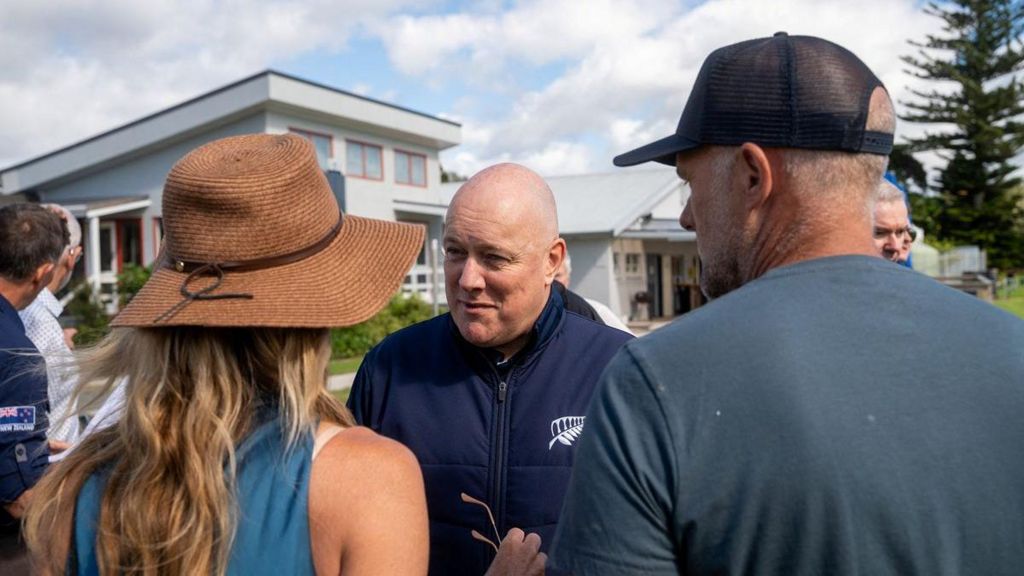
    Prime Minister Christopher Luxon visited the disaster zones on Friday, expressing admiration for the community’s resilience and the professional response of emergency services. ‘Despite the tragedy, I remain incredibly impressed by the professionalism demonstrated in the wake of this disaster,’ Luxon stated, while acknowledging ongoing challenges including road access to isolated communities and continuing risks of additional slips and flooding.

    Rescue coordinator Police District Commander Tim Anderson confirmed that no signs of life had been detected beneath the rubble during recent operations, but emphasized that teams were ‘working 24/7’ and ‘leaving no stone unturned’ in their efforts. Footage from the scenes shows rescue personnel and specially trained dogs meticulously searching through crushed caravans and flattened tents.

    The Chinese Embassy in New Zealand expressed profound sorrow over the events, with Ambassador Wang Xiaolong stating on social media platform X: ‘Our hearts are with the impacted families at this difficult moment.’

    The region has experienced multiple landslide incidents in recent years, raising questions about environmental management and safety protocols in areas increasingly affected by severe weather patterns.

  • Watch: Human edges AI in dramatic drone racing finale in Abu Dhabi

    Watch: Human edges AI in dramatic drone racing finale in Abu Dhabi

    In a stunning reversal of expectations at the ADNEC Centre Abu Dhabi, South Korean FPV pilot Minchan Kim defeated an autonomous drone system in a gripping best-of-nine finale at the A2RL Drone Championship. The historic matchup, held on January 22, 2026, saw human intuition ultimately prevail against machine precision in what organizers describe as a critical testing ground for autonomous systems.

    The championship’s climax unfolded with tactical sophistication as Kim employed a strategy of calculated patience against TII Racing’s AI drone. Rather than challenging the autonomous system’s superior speed directly, the human pilot maintained consistent flight patterns through the obstacle course gates, capitalizing on rare but decisive errors by the AI competitor. The contest reached its peak at a tense 4-4 tie, forcing a final heat that captivated spectators and professional pilots alike.

    Kim revealed the psychological intensity of competing against artificial intelligence: ‘When I fly with AI, I see the autonomous drone in my camera view, and it generates significant psychological pressure. The turbulence from nearby drones created additional aerodynamic challenges that required constant mental composure.’ His preparation involved both technical precision in drone positioning and deliberate psychological conditioning, repeating self-affirmations before each launch.

    While human pilots demonstrated superior recovery capabilities, the Technology Innovation Institute’s autonomous system established itself as the world’s fastest racing drone. Senior researcher Aaesha Al Shehhi acknowledged her team’s relatively recent entry into the field compared to human pilots with decade-long experience: ‘The privilege that human pilots have is their ability to recover from errors mid-flight. Our systems cannot yet replicate this adaptive capability when encountering unexpected conditions.’

    The event also featured a groundbreaking demonstration of simultaneous four-drone autonomous racing, marking a world first in coordinated AI flight systems. Although the formation quickly devolved due to sensor limitations and aerodynamic interference, the demonstration highlighted both the potential and current constraints of multi-drone autonomy.

    Organized by ASPIRE, the innovation arm of Abu Dhabi’s Advanced Technology Research Council, the championship serves as a real-world laboratory pushing autonomous systems beyond theoretical capabilities. The competition forms part of the broader Unmanned Systems Exhibition, where defense, aerospace and technology entities converge to advance autonomous mobility research.

    Despite human victory in this iteration, researchers emphasize the rapidly narrowing gap between human and artificial performance in extreme environments. The data collected from these high-speed encounters directly informs the development of more resilient autonomous systems capable of handling real-world unpredictability.

  • Gulf worker returns home for love, buried with partner in alleged honour killing

    Gulf worker returns home for love, buried with partner in alleged honour killing

    A young Indian laborer’s hopeful return from Saudi Arabia ended in tragedy when he and his romantic partner became victims of an apparent honor killing in Uttar Pradesh’s Moradabad district. Arman, 26, who had spent nearly four years working in Medina’s construction sector, recently returned to his homeland to pursue a relationship with Kajal Saini, a Hindu woman from his neighborhood.

    The couple’s cross-faith relationship, maintained through long-distance communication during Arman’s overseas employment, allegedly provoked violent opposition from Kajal’s family. According to police investigations, the tragedy unfolded when Kajal’s brothers discovered the couple together at their family home. Law enforcement officials report that the attackers restrained Arman before fatally assaulting him with sharp weapons, subsequently killing Kajal in what authorities describe as a premeditated honor crime.

    Following the murders, the perpetrators transported both bodies to the Gagan riverbank where they buried the victims in a shared grave. The crime remained concealed until Arman’s family initiated missing person reports, prompting police intervention that led to the excavation of the burial site and recovery of evidence.

    Moradabad police have arrested Kajal’s father and three brothers, charging them with murder and evidence destruction. Senior Superintendent of Police Satpal Antil confirmed that the accused have provided detailed confessions during interrogation. As a precautionary measure, additional security forces have been deployed in the religiously mixed village to prevent communal tensions.

    The case has highlighted the persistent challenge of honor-based violence in certain Indian communities, where interfaith relationships frequently encounter severe opposition. Medical examinations were conducted under video surveillance to ensure procedural transparency, with authorities reporting that the situation remains controlled but emotionally charged in the affected community.

  • Thomas Sewell: Australian neo-Nazi to mount constitutional argument to offensive behaviour, obscene language charges

    Thomas Sewell: Australian neo-Nazi to mount constitutional argument to offensive behaviour, obscene language charges

    Melbourne Magistrates Court has become the battleground for a contentious legal showdown involving Thomas Sewell, the 32-year-old former leader of the National Socialist Network (NSN). Facing charges of offensive behavior and using obscene language during what he characterized as a political rally last year, Sewell is preparing to argue that his inflammatory speech delivered through a megaphone constitutes protected communication under Australia’s Constitution.

    The case has gained significant attention following the recent disbandment of the NSN and associated groups, which occurred last Sunday in response to the government’s newly enacted Hate Speech laws. Home Affairs Minister Tony Burke had specifically identified both the NSN and radical Islamist organization Hizb ut-Tahrir as groups targeted by these new legislative provisions.

    Sewell’s legal strategy took formal shape when prosecutors confirmed receipt of his constitutional claim notification to Australia’s Attorneys-General, inviting their potential intervention in the proceedings. This procedural requirement sets the stage for a potentially landmark legal challenge regarding free speech protections.

    Supporting his defense, a crowdfunding initiative launched by Sewell has amassed $136,500, purportedly earmarked for a High Court challenge against the hate speech legislation. The substantial financial backing demonstrates significant support for his constitutional argument among certain segments of the population.

    Magistrate Patrick Southey has ordered the case bifurcated, with criminal allegations scheduled for hearing on February 4, while constitutional arguments will be addressed separately to allow adequate response time for any intervening Attorneys-General. Prosecutors intend to call three witnesses: a civilian who allegedly filmed portions of Sewell’s speech, a police officer who documented related social media content, and the investigating officer who filed the charges.

    The prosecution is currently evaluating whether to proceed with or withdraw the obscene language charge before the February hearing, indicating the complexity of balancing free speech protections with community standards regarding offensive language in public discourse.

  • Iran warns ‘finger on trigger’ as Trump says Tehran wants talks

    Iran warns ‘finger on trigger’ as Trump says Tehran wants talks

    A dangerous escalation in rhetoric between the United States and Iran has intensified as military leaders from both nations issued stark warnings, while President Donald Trump suggested Tehran might still be open to diplomatic engagement. The exchange occurs against the backdrop of a severe crackdown on domestic protests within Iran, which activists claim has resulted in thousands of fatalities.

    General Mohammad Pakpour, Commander of Iran’s Revolutionary Guards, declared in a written statement broadcast on state television that his forces were more prepared than ever, with their “finger on the trigger,” to respond to any external threats. The statement, released during a national day celebrating the Guards, emphasized that Iran had learned from historical confrontations and warned the U.S. and Israel to avoid miscalculations.

    This warning followed President Trump’s remarks to reporters aboard Air Force One, where he announced a “massive fleet” was being directed toward the Gulf region, stating, “We’re watching Iran.” Trump reiterated that he would prefer to avoid conflict but left open the possibility of military action, continuing a pattern of volatile diplomacy that has characterized his administration’s approach to Iran.

    The heightened tensions are set against the aftermath of widespread protests that began in late December, shaking the foundations of Iran’s clerical leadership. Iranian authorities provided their first official death toll, claiming 3,117 individuals were killed—a figure immediately disputed by international human rights organizations. The government sought to differentiate between “martyrs,” including security forces and bystanders, and what it labeled U.S.-backed “rioters.”

    However, organizations such as Iran Human Rights (IHR) and the U.S.-based Human Rights Activists News Agency (HRANA) have documented significantly higher numbers, with verified counts of 3,428 and 4,902 deaths, respectively. These groups attribute the majority of casualties to security forces firing directly on demonstrators. An unprecedented internet blackout, lasting over two weeks according to monitor Netblocks, has severely hampered independent verification of the actual scale of violence and arrests, which HRANA estimates exceed 26,000.

    In parallel, General Ali Abdollahi Aliabadi of the Iranian joint command headquarters warned that any American attack would make all U.S. interests, bases, and centers of influence “legitimate targets” for retaliation. Meanwhile, Iranian President Masoud Pezeshkian accused the U.S. and Israel of instigating the protests as an act of “cowardly revenge” for their perceived defeat in June’s 12-day war, which targeted Iran’s nuclear and ballistic missile programs.

    The international community continues to watch closely as both nations balance aggressive posturing with assertions of diplomatic openness, all while grave concerns over human rights violations and regional stability persist.