作者: admin

  • Vietnam’s ruling Communist Party re-elects To Lam as general secretary

    Vietnam’s ruling Communist Party re-elects To Lam as general secretary

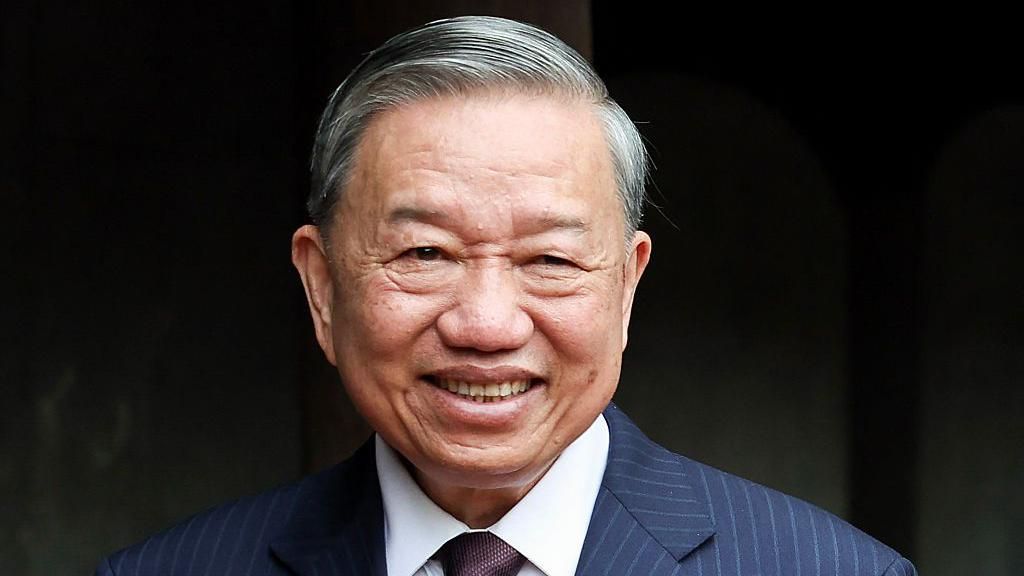
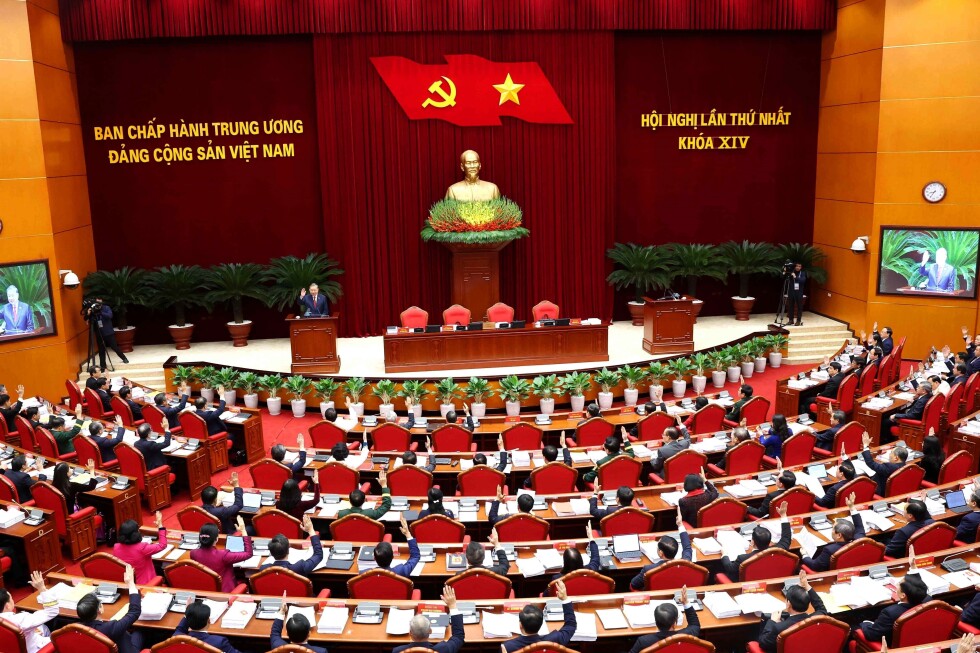
    HANOI, Vietnam — In a significant political development concluding Vietnam’s pivotal National Party Congress, To Lam has secured re-election as General Secretary of the ruling Communist Party. The decision, reached Friday, solidifies his position at the helm of the nation’s political leadership without immediate clarification on whether he will concurrently assume the presidency.

    This political gathering, serving as the country’s most crucial conclave, unfolded against the backdrop of Vietnam’s paramount national objective: achieving high-income economic status by 2045. In pursuit of this transformative vision, the Congress established an aggressive economic benchmark, targeting average annual GDP growth exceeding 10% for the period spanning 2026 to 2030.

    The composition of Vietnam’s supreme decision-making body, the Politburo, also saw renewal with the election of 19 members. Should To Lam ultimately consolidate power by obtaining both the general secretary and presidential roles, he would command unprecedented authority not witnessed in decades, drawing parallels to the centralized leadership model observed with Chinese President Xi Jinping. This potential consolidation marks a critical juncture for Vietnam’s political trajectory and its ambitious socioeconomic aspirations.

  • Police seek man wanted in fatal shootings of 3 in small Australian town

    Police seek man wanted in fatal shootings of 3 in small Australian town

    A massive police operation involving over 100 officers and military personnel continues in the remote Australian town of Lake Cargelligo as authorities search for 37-year-old Julian Ingram, the prime suspect in Thursday’s domestic violence-related shooting that left three dead and one critically injured. The victims included 25-year-old pregnant woman Sophie Quinn, who had obtained a restraining order against Ingram in December, along with her friend John Harris, 32, and aunt Nerida Quinn, 50. A 19-year-old male victim remains hospitalized in serious but stable condition. New South Wales Police Assistant Commissioner Andrew Holland confirmed that Ingram had been out on bail for previous domestic violence charges and had complied with all bail conditions despite his extensive criminal history. The town’s 1,100 residents have been instructed to remain indoors with streets deserted and businesses closed as the manhunt intensifies. Authorities are investigating how Ingram, who also uses the alias Julian Pierpoint, obtained a firearm without a state license. The tragedy occurred on Australia’s National Day of Mourning commemorating the Bondi Beach shooting victims, prompting renewed scrutiny of the country’s bail system and domestic violence protections.

  • Tsinghua math talent rivals top US peers, Yau says

    Tsinghua math talent rivals top US peers, Yau says

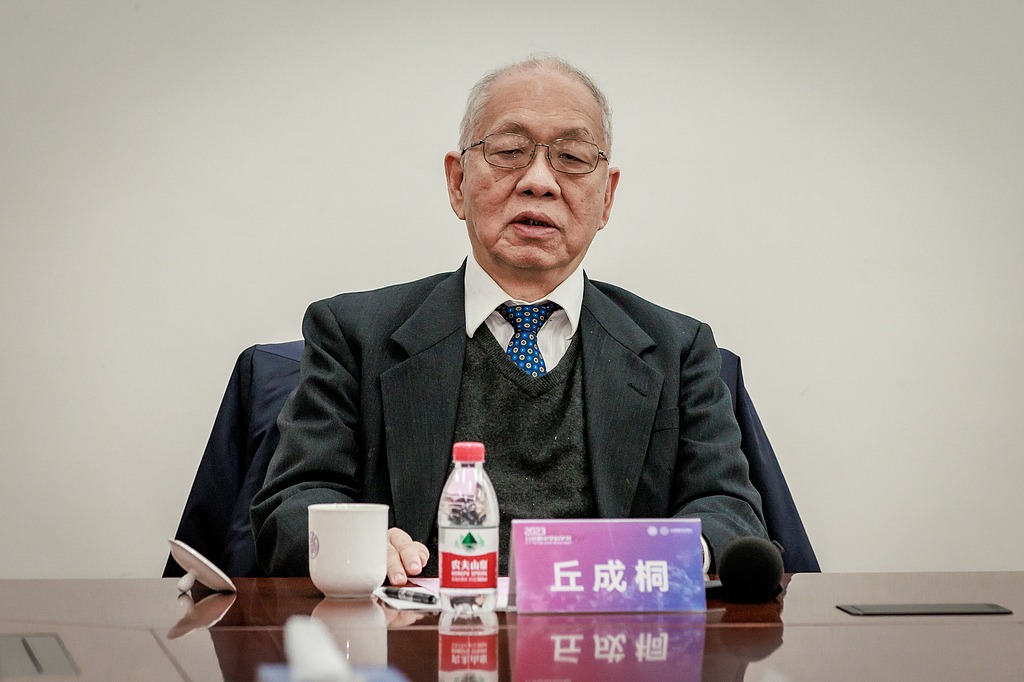
    World-renowned mathematician Shing-Tung Yau has declared that Tsinghua University’s specialized mathematics program has surpassed expectations, with students demonstrating capabilities that rival and even exceed those from top American universities. The Fields Medalist and dean of Tsinghua’s Qiuzhen College revealed these findings in an exclusive interview, simultaneously calling for fundamental reforms in China’s education system.

    The Yau Mathematical Sciences Leaders Program, established in 2020 with central government approval, selects approximately 100 secondary students annually for an accelerated eight-year bachelor’s-to-PhD track, exempting them from the traditional gaokao examination system. Now in its fifth year with nearly 800 students, the program has yielded exceptional results in the prestigious Putnam Competition—an intensely challenging undergraduate mathematics contest—where Tsinghua students have performed comparably to MIT counterparts and surpassed those from other elite US institutions since 2022.

    Beyond competitive achievements, Yau emphasized the program’s interdisciplinary approach that integrates mathematics and physics with artificial intelligence, biology, and humanities. Students visit historical sites to develop cultural connections, with some producing reflective travel notes in classical Chinese. The program aims to cultivate passionate, innovative thinkers rather than narrow specialists.

    Yau has additionally pioneered over 50 junior classes across China for gifted middle school students, enrolling approximately 3,000 twelve-year-olds annually. These programs emphasize authentic learning over exam preparation, fostering early interest in foundational sciences. The group-based admissions structure helps prevent psychological pressure and loneliness through peer support and mentoring from undergraduate and postdoctoral students.

    Despite these successes, Yau acknowledged challenges as students advance to postgraduate studies. While undergraduate training remains strong, the true measure of success will be whether graduates can produce world-leading research that transforms mathematical paradigms. Although Qiuzhen College already features world-class mathematicians like Fields Medalist Caucher Birkar and top symplectic geometry scholar Kenji Fukaya as chair professors, Yau stressed the need for additional elite scholars to guide students toward groundbreaking research.

    Yau criticized the exam-oriented approach that has dominated Chinese education over the past two decades, noting that drill-based preparation doesn’t represent traditional methodology. He expressed optimism about math graduates’ employment prospects given strong government support for basic science, urging young scholars to pursue deep engagement with their field rather than quick professional advancement.

    The mathematician also defended humanities’ role in scientific education, arguing that literature, history, and philosophy provide emotional depth and perspective that computers cannot replicate. While AI can synthesize historical poetry and produce well-written texts, it cannot cultivate genuine personal emotion or the human capacity for inspired creation.

    Yau measures the program’s ultimate success by its ability to produce thinkers who can change mathematics’ direction, not merely excel at examinations. With solid institutional backing, he believes Qiuzhen College students can eventually achieve this transformative impact on the field.

  • US officially leaves World Health Organization

    US officially leaves World Health Organization

    The United States has formally executed its departure from the World Health Organization (WHO), severing ties with the UN health agency and ceasing all financial contributions. This decision, initiated by an executive order from President Donald Trump a year prior, culminates in the withdrawal of U.S. personnel, the termination of funding, and the suspension of hundreds of collaborative engagements.

    The Trump administration justified the exit by citing the WHO’s alleged mismanagement of the COVID-19 pandemic, a perceived resistance to reform, and undue political influence from member nations, specifically accusing the organization of a ‘China-centric’ bias. U.S. Health Secretary Robert F. Kennedy and Secretary of State Marco Rubio issued a joint statement asserting that the WHO ‘abandoned its core mission and acted repeatedly against the interests of the United States.’

    In response, WHO Director-General Tedros Adhanom Ghebreyesus characterized the withdrawal as a detrimental loss for both global public health and the United States itself. The organization highlighted its historic achievements, including combating polio and HIV/AIDS, reducing maternal mortality, and establishing the international tobacco control treaty.

    The financial impact is immediate and severe. The U.S., traditionally the WHO’s largest donor, has withheld its dues for 2024 and 2025, creating an estimated $260 million shortfall that has already triggered significant job losses within the agency. Although WHO legal counsel contends the U.S. is obligated to settle these arrears, Washington has declared it sees no reason to comply.

    This move isolates the U.S. from a key multilateral health effort, notably the new international pandemic treaty agreed upon by all other WHO member states in April. The treaty aims to ensure equitable distribution of vaccines and drugs and improve preparedness for future global health crises.

    Going forward, U.S. officials stated that engagement with the WHO will be strictly limited to managing the withdrawal process and safeguarding American health. The administration plans to pursue bilateral agreements for disease surveillance and pathogen sharing, though it could not specify any established partnerships. Critical global health initiatives, such as the fight against polio and the development of the annual flu vaccine, will now rely on partnerships with NGOs and faith-based groups, details of which remain undefined.

  • China’s sacred revolutionary sites Zunyi, Yan’an to be connected by high-speed rail

    China’s sacred revolutionary sites Zunyi, Yan’an to be connected by high-speed rail

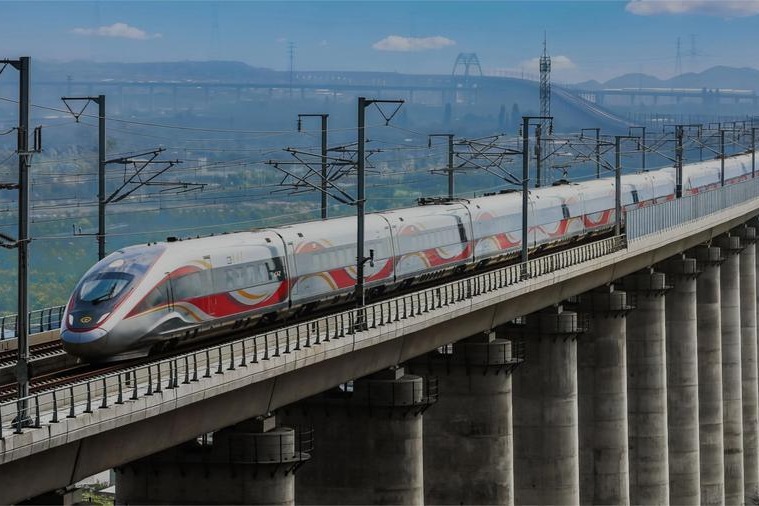
    China’s national railway network achieves another milestone as two historically significant revolutionary sites become directly connected through high-speed rail service. Beginning January 26, 2026, travelers can journey between Zunyi in Guizhou Province and Yan’an in Shaanxi Province with unprecedented efficiency.

    The new connection, implemented under China Railway Chengdu Group’s first-quarter schedule for 2026, represents a strategic enhancement to the country’s transportation infrastructure. This development effectively bridges the previous service gap between southwestern regions including Sichuan, Guizhou, and Chongqing with the historically important northern city of Yan’an.

    Travel time between these symbolic locations has been dramatically reduced. The southbound journey from Yan’an to Zunyi now requires merely 8 hours and 7 minutes, while the northbound route takes 8 hours and 49 minutes. This constitutes a remarkable improvement over the conventional rail service, which previously demanded more than 16 hours for the same journey.

    The railway authority confirmed that starting January 27, two round-trip high-speed services will operate daily between these destinations. This connectivity milestone follows earlier railway developments: the Chongqing-Guiyang Railway inaugurated Zunyi’s high-speed era in January 2018, while the new 299-kilometer Xi’an-Yan’an line commenced operations in December 2025.

    This expansion contributes to China’s position as operator of the world’s most extensive high-speed network, which recently surpassed 50,000 kilometers in total operational mileage. The connection reinforces the integration of historically significant regions into China’s modern transportation framework, facilitating both cultural exchange and economic development.

  • EU Commission indicates it’s ready to implement Mercosur trade deal despite parliament vote to delay

    EU Commission indicates it’s ready to implement Mercosur trade deal despite parliament vote to delay

    FRANKFURT, Germany — The European Union has declared its readiness to provisionally implement a comprehensive free trade agreement with South America’s Mercosur bloc, despite recent parliamentary obstacles. European Commission President Ursula von der Leyen announced Friday that the EU would move forward once at least one Mercosur nation completes ratification.

    Speaking at the conclusion of the Brussels summit where multiple national leaders addressed the matter, von der Leyen emphasized the collective interest in expediting the agreement’s benefits. “We maintain a clear interest in ensuring this agreement’s advantages take effect at the earliest opportunity,” she stated during a press briefing. “In essence, our preparedness matches theirs.”

    The Commission President clarified that no formal implementation decision has been finalized. Supporting this position, Antonio Costa, head of the EU Council, confirmed the executive commission’s jurisdictional authority to proceed with interim application.

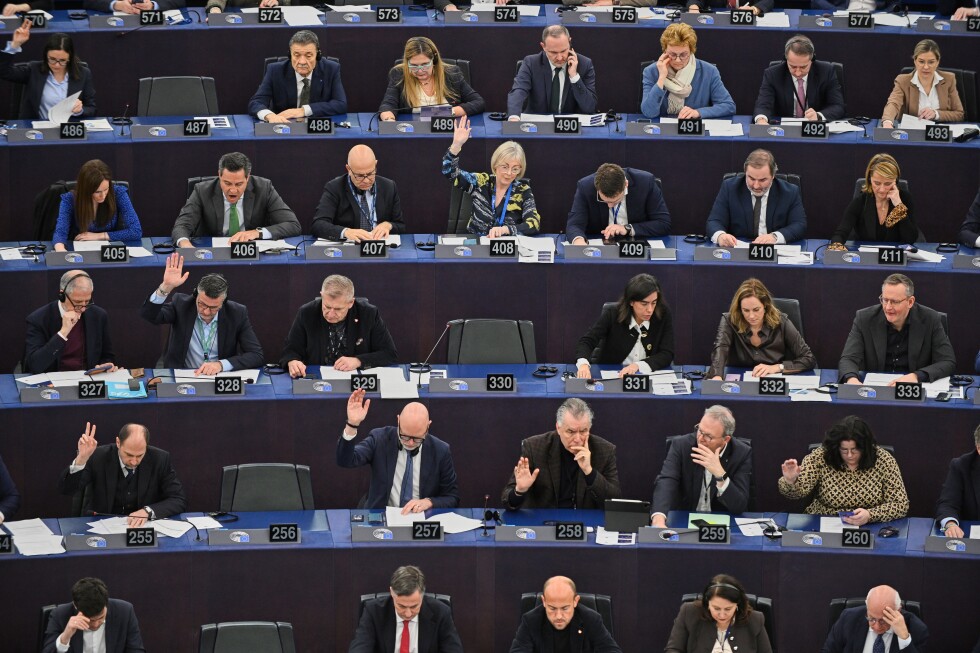
    This development occurs despite the European Parliament’s narrow Wednesday vote to refer the trade pact to the European Court of Justice for legal examination, effectively stalling ratification until judicial review completion—a process potentially requiring months.

    The Mercosur-EU agreement represents a cornerstone of Brussels’ strategy to diversify trade partnerships beyond historical U.S. dependencies, particularly following strained relations during Donald Trump’s presidency. The accord, championed by South American agricultural producers and European industrial sectors, proposes the progressive elimination of over 90% tariffs on commodities ranging from Argentine beef to German automobiles.

    France, the EU’s primary agricultural producer, continues advocating for enhanced farmer protections and has sought to postpone the pact. Conversely, German Chancellor Friedrich Merz characterized the parliamentary delay as “regrettable” while urging provisional implementation.

    Ratification appears virtually assured within South America, where the agreement enjoys substantial support. The Mercosur bloc comprises Argentina, Brazil, Paraguay, and Uruguay, with Bolivia excluded from the current agreement but potential future inclusion possible. Venezuela remains suspended from the bloc and is not party to the agreement.

  • Power of education shines in Xizang

    Power of education shines in Xizang

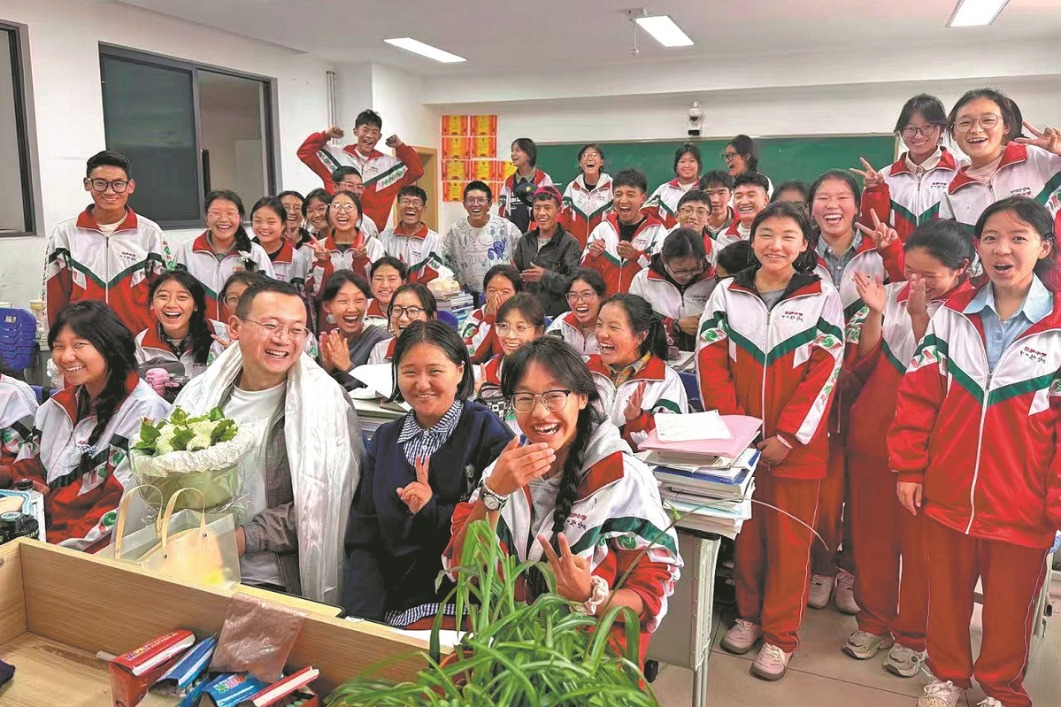
    On the morning of his departure to Lhasa, English instructor Shi Lei discovered his five-year-old son secretly curled inside his suitcase—a poignant symbol of the personal sacrifices made by educators serving Tibet’s remote communities. The young boy had concealed himself hoping to accompany his father, whispering fearfully, “I’m afraid you’ll leave me behind.

    This emotional moment encapsulates the challenging reality faced by hundreds of educators from Shaanxi Normal University who have dedicated their careers to teaching on the ‘roof of the world.’ Since 2007, SNNU has enrolled 1,196 students either originating from Tibet or committed to working in the region post-graduation. Between 2011 and 2025, the institution dispatched 884 graduates to classrooms across the autonomous region, with over 80% of teaching interns choosing to remain long-term.

    Shi Lei’s journey began during his formative years at SNNU, where he served as class monitor, joined the Communist Party of China, and met his future wife Wang Baohua. The university’s rigorous teacher training program equipped him with both pedagogical skills and philosophical foundations that would prove essential for high-altitude education.

    His commitment was solidified during a 2011 teaching internship at Gonggar Middle School in Lhokha, where he initially faced classrooms with only quarter of students possessing English textbooks. Through innovative methods incorporating English songs and poetry, Shi witnessed a remarkable transformation—within three weeks, nearly all students not only acquired textbooks but had carefully covered them in protective wrapping.

    Despite receiving attractive job offers from prestigious schools in Guangzhou, Chongqing, and his hometown Xi’an, Shi honored his commitment to teach at Lhasa Middle School. What began as a five-year plan has extended into nearly 14 years of service, despite significant physical tolls from the high-altitude environment. The region’s oxygen levels—approximately 60% of sea level—have contributed to serious health conditions including hyperthyroidism, hypothyroidism, pulmonary edema, immune system damage, and cardiac issues. Shi has collapsed twice during classes and experienced nine-hour blackouts from exhaustion.

    The personal costs extend beyond health concerns. Shi carries profound guilt for being unable to adequately care for his mother during cancer treatment, for his wife who abandoned a stable career in Fujian to restart in Xi’an, and for the son who desperately misses his absent father.

    Yet these sacrifices are balanced by exceptional professional fulfillment. Shi employs full English immersion techniques, brain science-based memorization methods, and focuses on holistic student development beyond academic scores. His dedication has earned him the affectionate title ‘big brother’ from students and the ultimate professional validation: two former pupils now study at his alma mater, continuing the educational legacy he helped establish.

  • Who is To Lam, the ex-cop who wants to revamp Vietnam’s success story?

    Who is To Lam, the ex-cop who wants to revamp Vietnam’s success story?

    Vietnam’s Communist Party has formally elected To Lam as its General Secretary, securing his leadership for a five-year term following his initial appointment in August 2024 after the passing of long-serving leader Nguyen Phu Trong. The 68-year-old leader now faces the formidable task of steering Vietnam toward developed economy status while navigating complex geopolitical tensions and domestic challenges.

    Lam’s vision centers on breaking Vietnam free from the ‘middle income’ trap through sweeping administrative and economic reforms. During his April address commemorating the 50th anniversary of Liberation Day (marking the end of the Vietnam War), he invoked the spirit of Vietnam’s 1975 victory and the economic transformation achieved through the Đổi Mới reforms initiated in 1986. These reforms previously propelled Vietnam from one of the world’s poorest nations to its current status as a manufacturing powerhouse.

    The new leader’s ambitious agenda requires maintaining Vietnam’s impressive 6.5% average annual economic growth rate, which would potentially triple per capita income within two decades. However, significant obstacles loom: heavy reliance on foreign-owned industry, potential crippling tariffs from ongoing trade tensions with the United States, and the delicate geopolitical balancing act between Washington and Beijing.

    Lam brings to the position a extensive background in security apparatus, having spent over four decades in the People’s Public Security Forces. He has been a major architect of the ongoing ‘blazing furnace’ anti-corruption campaign initiated by his predecessor, which has disciplined tens of thousands of officials and resulted in high-profile prosecutions including the case of Truong My Lan, sentenced to death for financial crimes totaling $44 billion. The campaign has improved Vietnam’s standing in Transparency International’s corruption perceptions index, rising from 113th in 2016 to 88th in 2024.

    Concurrently, Lam has pursued bureaucratic streamlining, eliminating approximately 100,000 civil service positions, reducing provincial divisions, and consolidating government ministries. While these measures demonstrate reformist ambitions, critics caution that the anti-corruption drive’s zealous implementation may be creating additional bureaucratic complications.

    Lam’s tenure has not been without controversy. His security background has translated into continued repression of civil liberties, with Reporters Without Borders documenting over 70 journalists imprisoned since 2016, 38 of whom remain incarcerated. Vietnam consistently ranks among the world’s worst countries for press freedom. A particularly notable incident involved the 2021 imprisonment of a noodle vendor for parodying Salt Bae after Lam himself was filmed eating a $20,000 gold-flecked steak prepared by the celebrity chef.

    In foreign policy, Lam must navigate increasingly complex relations with both China and the United States while pursuing technological advancement. He has championed ‘high-quality’ growth through technological development, quadrupling science-and-technology funding and targeting $100 billion annually from the semiconductor sector by 2050.

    Analysts characterize Lam’s leadership style as pragmatic rather than ideological, prioritizing economic development and political stability. While maintaining continuity with previous administration priorities, his actions suggest a potentially bolder, more assertive approach to governing as Vietnam seeks to transform itself into a high-income economy within a generation.

  • Ancient pressure cooker making a stir

    Ancient pressure cooker making a stir

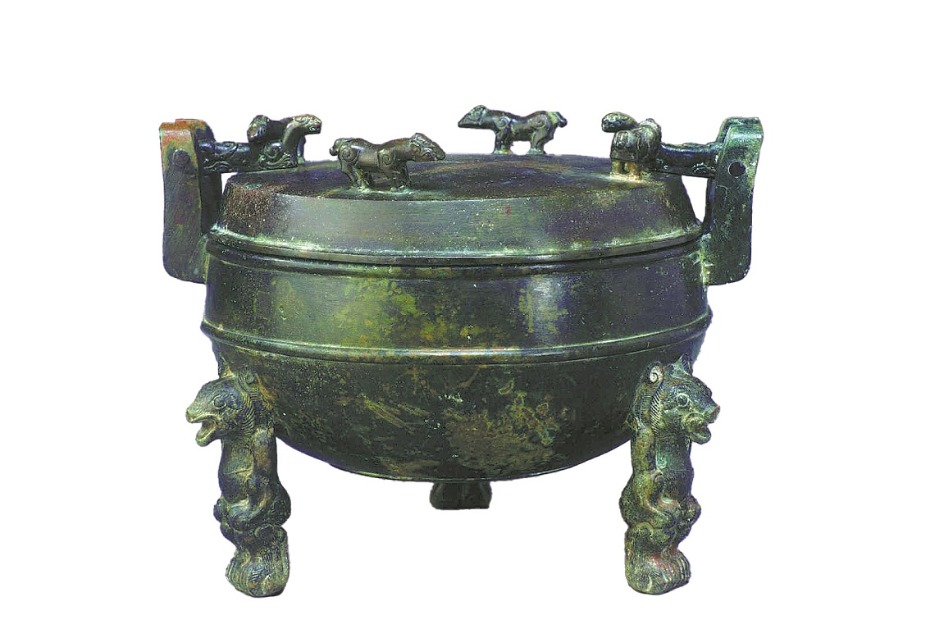
    A remarkable archaeological artifact from China’s Western Han Dynasty (206 BC-AD 24) has captured widespread public attention, demonstrating that pressure cooking technology existed more than two millennia before its official invention in the West. The Tripod with Bear-Shaped Feet, currently displayed at Hebei Museum in Shijiazhuang, represents an extraordinary fusion of culinary innovation, artistic craftsmanship, and ancient scientific understanding.

    Discovered in 1968 within the tomb of Prince Liu Sheng, this 18.1-centimeter bronze vessel features three distinctive bear-shaped feet that serve both decorative and symbolic purposes. During the Han Dynasty, bears were considered auspicious symbols representing good fortune and protection. Beyond its charming aesthetic, the tripod’s true technological marvel lies in its sophisticated sealing mechanism.

    The vessel incorporates an ingenious locking system consisting of flip-down animal-shaped latches attached to dual handles. When the lid is positioned and the latches are engaged with a slight twist, they secure beneath four standing animal figures on the lid’s surface, creating an exceptionally tight seal. This design, enhanced by raised patterns on both the rim and lid, effectively contains steam and increases internal pressure, significantly reducing cooking times while tenderizing ingredients.

    Archaeological experts from Peking University’s School of Archaeology and Museology have confirmed the functionality of this ancient pressure cooking system through replica testing. Professor Chen Jianli noted that chicken pieces placed inside a reconstructed model became perfectly tender after merely thirty minutes of cooking—a remarkable efficiency for the period.

    The technological sophistication evident in this artifact predates French physicist Denis Papin’s 17th-century “steam digester” by approximately 1,700 years. Museum researcher Chen Jing emphasized that the tripod’s manufacturing required exceptional bronze-casting skills, reflecting the advanced metallurgical capabilities of Han Dynasty craftspeople.

    The artifact has generated substantial interest on Chinese social media platforms, with many commentators expressing admiration for their ancestors’ ingenuity. The piece serves as a powerful reminder that innovative thinking transcends historical periods, connecting ancient culinary technology with modern kitchen practices through timeless scientific principles.

  • Trump’s MAGA movement ramps up attacks on ‘progressive white women’

    Trump’s MAGA movement ramps up attacks on ‘progressive white women’

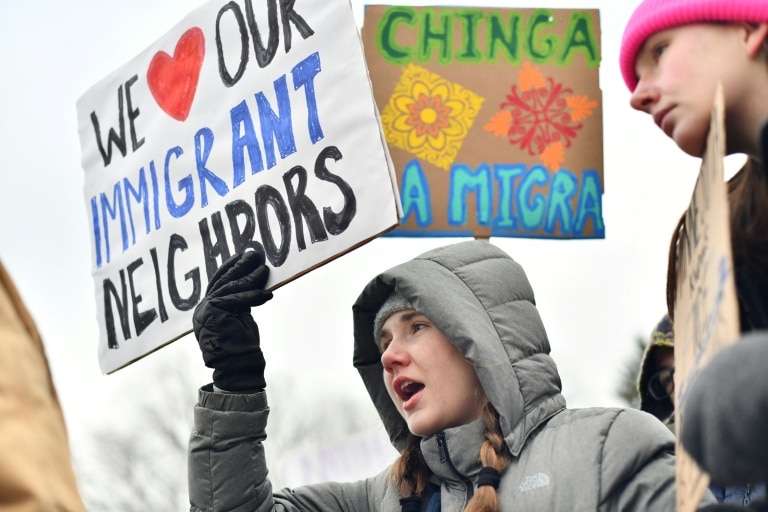
    The MAGA movement aligned with former President Donald Trump has significantly escalated its rhetorical attacks against progressive white women in recent weeks, employing increasingly vitriolic language to characterize this demographic. This offensive follows the death of 37-year-old Renee Good, who was killed during protests against Trump’s immigration policies in Minnesota, an event that triggered a wave of harsh commentary from conservative voices.

    Right-wing commentators have developed derogatory terminology targeting these women, with radio host Erick Erickson introducing the acronym ‘AWFUL’ (Affluent White Female Urban Liberal). Vincent Oshana, a conservative comedian, asserted on social media platform X that ‘White liberal women are a cancer on the nation,’ claiming they engage in social causes due to boredom rather than conviction. Columnist David Marcus similarly dismissed women activists protesting immigration policies as ‘organized gangs of wine moms.’

    This targeted criticism occurs within a broader conservative campaign that challenges modern feminist ideals while promoting traditional masculinity. Some far-right elements, particularly Christian nationalists, have advocated for reconsidering women’s societal roles, with firebrand pastor Dale Partridge controversially declaring the 19th Amendment granting women suffrage ‘a moral and political tragedy for America.’

    According to Professor Juliet Williams, a gender studies expert at UCLA, these statements reflect a patriarchal worldview that necessitates male superiority. The Trump administration has concurrently emphasized masculine imagery, exemplified by Pentagon official Pete Hegseth’s frequent exercise videos and Health Secretary Robert F. Kennedy Jr.’s comments praising Trump’s testosterone levels.

    Despite Trump maintaining majority support among white women overall in the 2016, 2020, and 2024 elections, polling data reveals a growing generational divide. Younger white women increasingly identify as progressive, while their male counterparts show stronger conservative leanings—a demographic dynamic that contributed significantly to Trump’s recent electoral success.

    The movement’s aesthetic dimensions have also emerged, with prominent Trump-affiliated women often presenting a specific appearance characterized by stylish attire, elaborate hairstyles, and cosmetic enhancements. Katie Miller, podcast host and wife of senior adviser Stephen Miller, explicitly claimed ‘Conservative women are just hotter than Liberal women,’ linking physical appearance to political ideology and reproductive choices. This perspective coincides with several high-profile pregnancies within Trump’s circle, including the Millers’ fourth child and Vice President JD Vance’s growing family.