作者: admin

  • Langenhan, Mueller, Fischnaller lead way after 1st 2 runs of Olympic men’s luge race

    Langenhan, Mueller, Fischnaller lead way after 1st 2 runs of Olympic men’s luge race

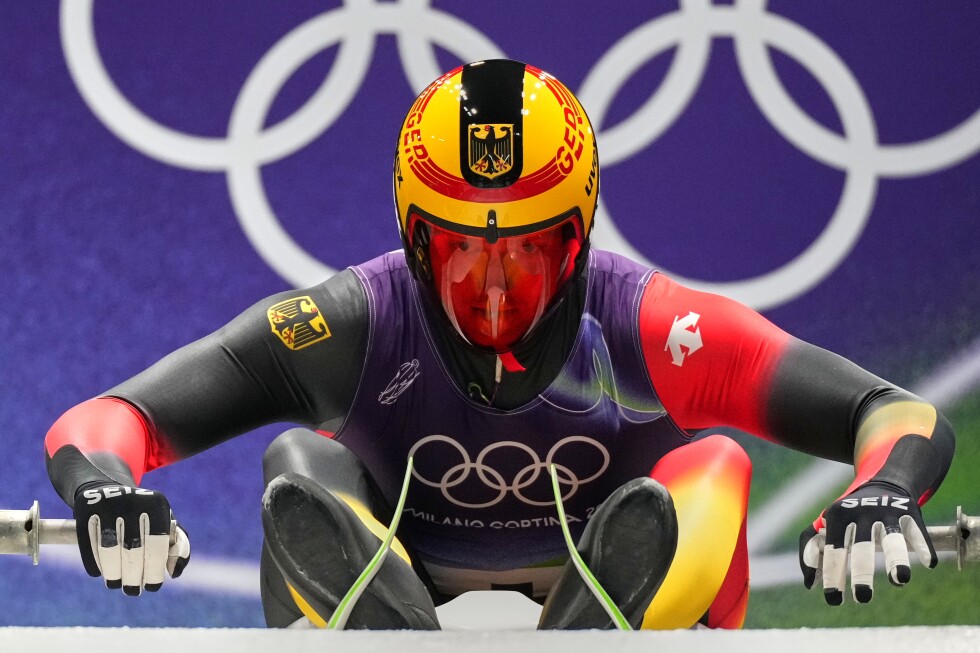
    CORTINA D’AMPEZZO, Italy — The men’s singles luge competition at the Winter Olympics has crystallized into an intense three-athlete battle for podium positions following Saturday’s opening heats. Germany’s Max Langenhan emerged as the frontrunner with a combined time of 1 minute, 45.826 seconds across his initial two runs, establishing a commanding position heading into Sunday’s decisive final runs.

    Austria’s Jonas Mueller sits closely behind in second place with a time of 1:45.988, while Italian favorite Dominik Fischnaller occupies third position at 1:46.124. The competition demonstrates remarkable concentration at the top, with no other competitor within half a second of Langenhan’s leading time.

    Notably absent from the immediate medal conversation are several pre-race favorites. Germany’s Felix Loch, a two-time Olympic champion and current World Cup leader, finds himself in a surprising eighth position. Similarly, Austria’s Wolfgang Kindl, the reigning Olympic silver medalist, sits seventh overall. Both athletes face significant challenges to climb into medal contention during Sunday’s final heats.

    Historical patterns suggest the current top three competitors hold substantial advantages. In all 16 previous Olympic men’s luge competitions, the eventual gold medalist has never been ranked lower than third after the initial two heats. Furthermore, in 10 of those competitions, the podium order remained unchanged from the halfway point to the final medal ceremony.

    For the American team, Jonny Gustafson occupies 11th position while Matthew Greiner sits 17th heading into Sunday’s concluding runs.
  • France investigates ex-minister Jack Lang over Epstein links

    France investigates ex-minister Jack Lang over Epstein links

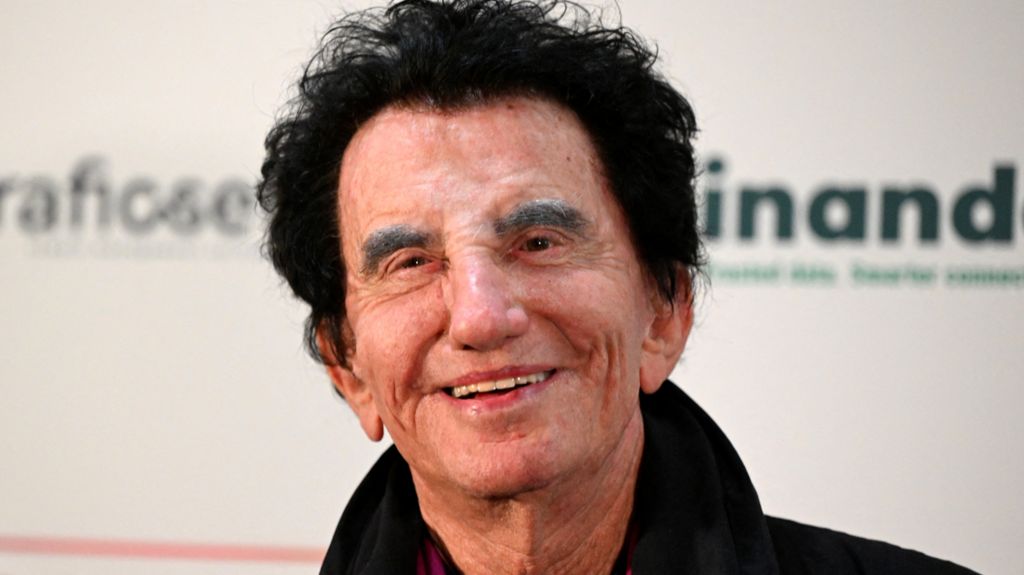
    French financial prosecutors have initiated a preliminary investigation into Jack Lang, the nation’s former Culture Minister, concerning his associations with the convicted sex offender Jeffrey Epstein. The probe centers on allegations of “laundering of tax fraud proceeds.”

    Lang, an 86-year-old prominent socialist figure who held ministerial positions in the 1980s and 2000s, has vehemently denied any wrongdoing, labeling the accusations as “baseless.” The investigation follows the U.S. Department of Justice’s disclosure of extensive court documents related to Epstein, which reference Lang and his family approximately 700 times.

    In response to the mounting pressure, Lang has offered to resign from his position as president of the Arab World Institute, a Paris-based organization dedicated to fostering Franco-Arab cultural relations. In a correspondence to Foreign Minister Jean-Noël Barrot, Lang stated his intention to formally submit his resignation at the upcoming board meeting. Barrot has acknowledged the offer and commenced the search for a successor.

    The investigation also encompasses Lang’s daughter, Caroline, aged 64, who recently stepped down as head of a French film producers’ union. While the released files document financial and social interactions between the Lang family and Epstein, they do not suggest involvement in his sexual crimes.

    Lang maintains that his encounters with Epstein occurred roughly 15 years ago, facilitated by an introduction from filmmaker Woody Allen. He described Epstein as “passionate about art, culture and cinema,” claiming ignorance of his criminal activities at the time. Documents revealed by French media indicate Lang solicited various favors from Epstein, including the use of his private plane and car.

    Caroline Lang acknowledged meeting Epstein in 2012 regarding a proposed art investment venture, admitting to being “incredibly naive” about his intentions. The U.S. financier died in prison in 2019 while awaiting trial on sex trafficking charges.

  • Ramadan 2026: Which countries will witness the longest, shortest fasting hours?

    Ramadan 2026: Which countries will witness the longest, shortest fasting hours?

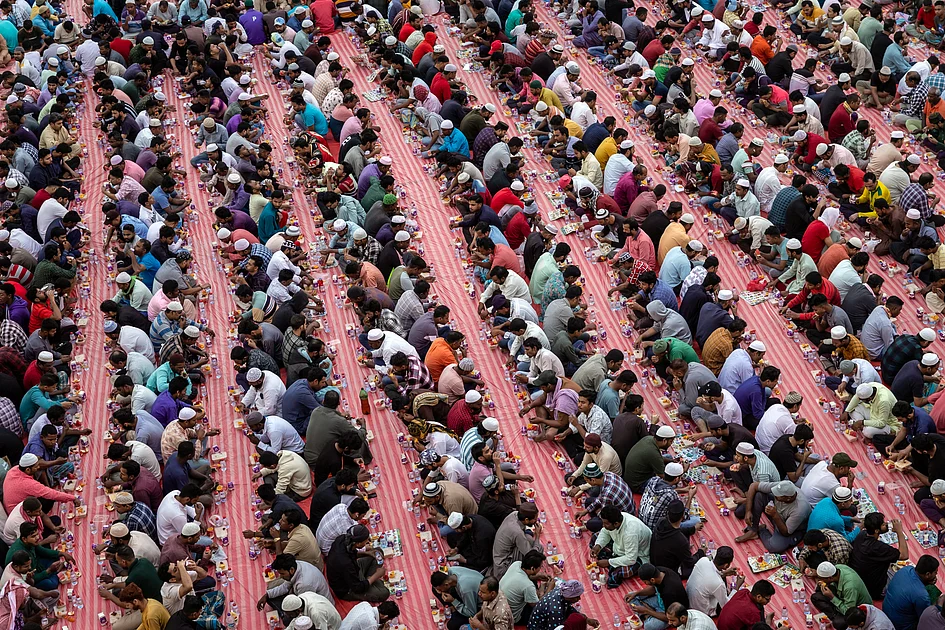
    As the Muslim world anticipates Ramadan 2026 commencing approximately February 19th, significant geographical variations in fasting durations are projected across global communities. With over 1.5 billion adherents preparing for spiritual devotion, this holy month’s temporal characteristics are directly influenced by the lunar-based Islamic calendar and planetary axial tilt.

    The forthcoming Ramadan period will demonstrate noticeably reduced fasting intervals compared to previous years, offering moderate relief to worshippers worldwide. This annual temporal shift occurs because the Hijri calendar advances 10-12 days earlier each solar year, consequently altering daylight exposure during the fasting period.

    Geographical positioning emerges as the primary determinant for fasting duration disparities. Nations within equatorial regions including Indonesia, Malaysia, Kenya, and Brazil will experience relatively balanced fasting windows of 11-13 hours due to consistent day-night cycles. Conversely, northern hemisphere territories at extreme latitudes face substantially extended devotions.

    Arctic and subarctic communities in Greenland, Iceland, and Scandinavian countries will endure the most demanding physical trials with fasting periods exceeding 16 hours. Certain northern Russian territories and Canadian regions might experience up to 20 hours of continuous fasting due to the midnight sun phenomenon.

    Islamic scholars have established adaptive measures for communities in extreme latitudes, permitting alignment with Mecca’s timings or adopting schedules from geographically moderate cities. The United Arab Emirates anticipates an inaugural fast of 12 hours 46 minutes—approximately 30 minutes shorter than 2025’s commencement.

    Throughout the sacred month’s progression, daily fasting durations will gradually extend by incremental minutes as the northern hemisphere approaches its vernal equinox. This celestial dynamic underscores the intersection of astronomical precision and religious observance within global Islamic practice.

  • Iran says missile programme ‘never negotiable’ in talks with US

    Iran says missile programme ‘never negotiable’ in talks with US

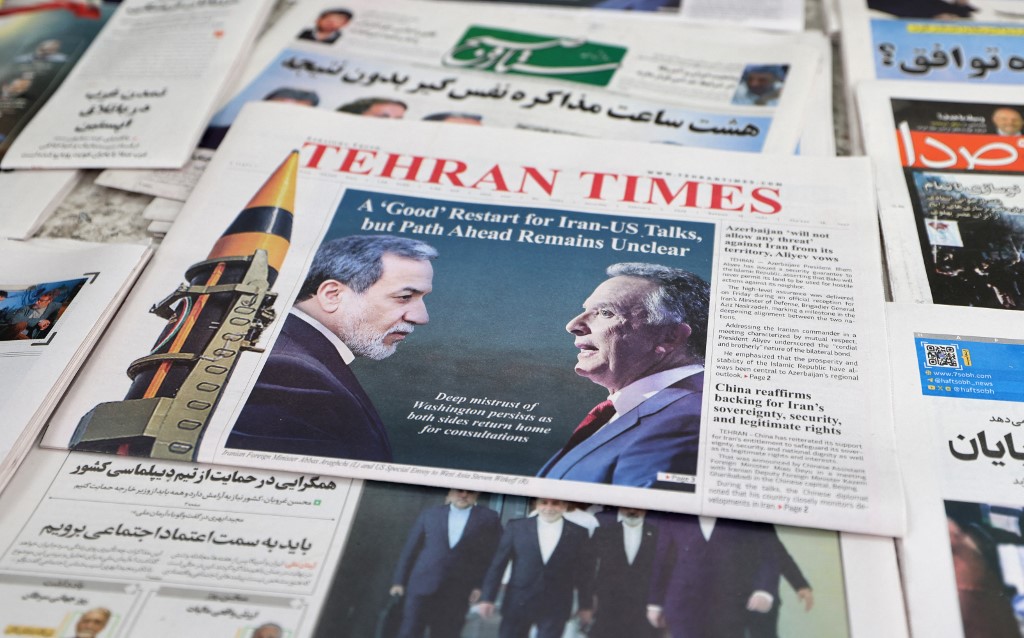
    Iran’s Foreign Minister Abbas Araghchi delivered a definitive statement regarding his country’s missile capabilities during ongoing diplomatic engagements with the United States, asserting that the Islamic Republic’s missile program remains “never negotiable” in any discussion framework. The declaration came through an interview with Al Jazeera on Saturday as indirect negotiations between Iranian and American delegations continued in Muscat, Oman.

    The discussions, mediated by Omani Foreign Minister Badr bin Hamad Al Busaidi, brought together US envoys Steve Witkoff and Jared Kushner with Iranian representatives led by Araghchi. Despite previous US demands for comprehensive talks encompassing both nuclear and ballistic missile programs, reports from Israeli newspaper Haaretz indicate Washington has acquiesced to Tehran’s conditions limiting discussions exclusively to nuclear matters. This apparent concession reportedly followed diplomatic interventions from regional powers including Qatar, Saudi Arabia, and Oman.

    While Omani officials characterized the dialogue as “useful to clarify both Iranian and American thinking,” tensions between the nations remain elevated. Shortly after the talks concluded, the United States implemented new sanctions targeting Iran’s oil export capabilities, designating 14 vessels flagged in Turkey, India, and the United Arab Emirates alongside sanctions against 15 entities and two individuals.

    The military posture in the region reflects ongoing volatility, with US aircraft carriers maintaining positions near Iranian coastal waters. The USS Abraham Lincoln was documented conducting replenishment operations in the Arabian Sea as Iran’s army spokesperson Brigadier-General Mohammad Akraminia warned of readiness for potential conflict that would “encompass the entire region and all US bases” if provoked.

    Diplomatic warnings have intensified concurrently, with the virtual US embassy in Iran issuing alerts urging American citizens to “leave Iran now” while Israeli Prime Minister Benjamin Netanyahu reportedly suggested conditions were building toward “the downfall of the Iranian regime.” Iranian officials have countered that they remain prepared for regional conflict should their negotiation framework conditions be rejected.

  • Alleged mastermind among four arrested after Pakistan mosque blast

    Alleged mastermind among four arrested after Pakistan mosque blast

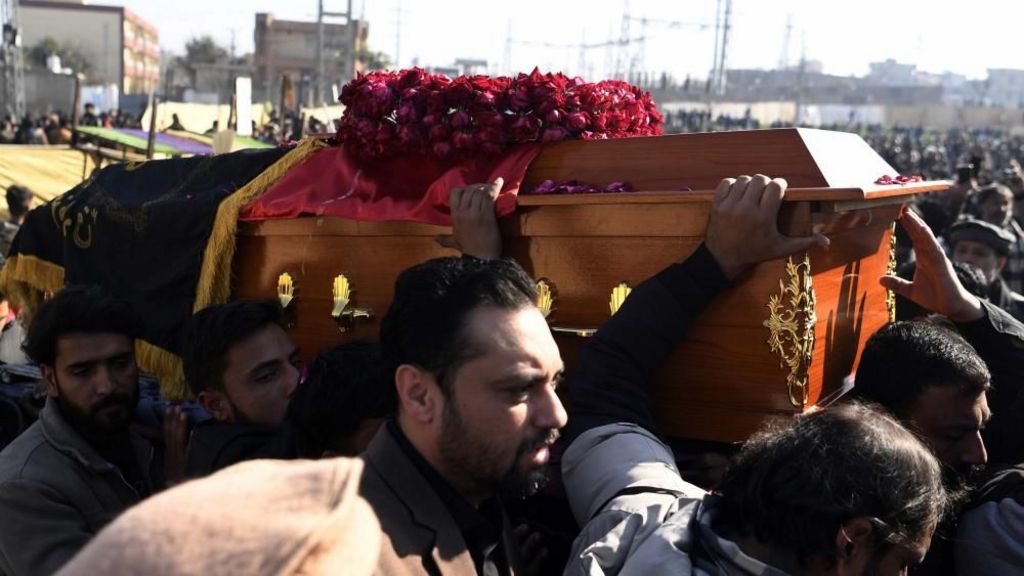
    Pakistani authorities have made significant breakthroughs in the investigation of Friday’s devastating suicide bombing that rocked the capital. Interior Minister Mohsin Naqvi announced the apprehension of four individuals suspected of facilitating the attack that claimed 32 lives and left over 160 injured at a Shia mosque in Islamabad’s Tarlai area.

    Among those detained is an Afghan national identified as the alleged mastermind behind the assault. The operation to capture the suspects came at a cost—one counter-terrorism officer lost his life and three others sustained injuries during the raids.

    The Islamic State group has formally claimed responsibility for targeting the mosque during Friday prayers, when the building was filled with worshippers. This represents the most lethal attack to hit Pakistan’s capital in more than ten years.

    On Saturday, massive crowds gathered under tight security measures to mourn the victims. Funeral proceedings occurred with heightened military presence and police checkpoints throughout key areas of the city.

    The human toll was painfully evident as families grappled with their losses. Ashiq Hussain, who lost his 21-year-old nephew Mujtaba Ali, expressed his family’s devastation to Reuters, simply stating they were ‘broken.’

    The political response has been swift and multifaceted. While Prime Minister Shehbaz Sharif expressed ‘deep grief’ and President Asif Ali Zardari condemned the targeting of innocent civilians as ‘a crime against humanity,’ the investigation has taken diplomatic turns. Minister Naqvi has accused India of funding the operation and providing targets—allegations firmly rejected by New Delhi as ‘baseless.’

    Further complicating regional dynamics, Defense Minister Khawaja Asif suggested Afghan involvement, prompting sharp rebuke from the Taliban government in Kabul, which described the accusations as ‘regrettable’ and lacking ‘credible evidence.’

    In response to the security breach, Naqvi has pledged substantial enhancements to Islamabad’s security apparatus, including the recruitment of thousands of new police officers and upgrades to the city’s smart security systems.

    The bombing concludes a week of severe violence across Pakistan, including coordinated attacks in Balochistan province that killed 58 civilians—operations claimed by the Balochistan Liberation Army (BLA) rebel group. The military reports having killed over 200 militants in response to these assaults.

  • Man critical after being hit by car

    Man critical after being hit by car

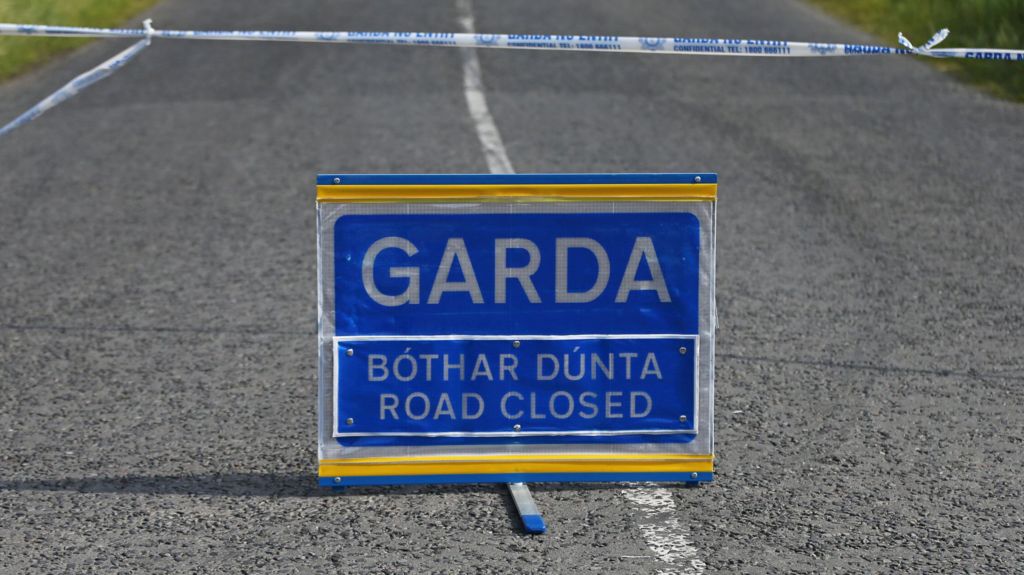
    A severe traffic incident has left a male pedestrian fighting for his life after being struck by a vehicle in County Louth during the early hours of Saturday morning. The collision transpired at approximately 3:00 AM local time along the N2 roadway near the area of Funshog, Collon.

    Emergency response teams, including An Garda Síochána (Irish police), were promptly dispatched to the location. The victim, a man reported to be in his 40s, received immediate medical attention at the scene before being transported to Our Lady of Lourdes Hospital in Drogheda. Due to the gravity of his injuries, he was later transferred to Beaumont Hospital in Dublin, where he remains in critical condition.

    The motorist involved, identified as a woman in her 20s, emerged from the incident physically unharmed. In the aftermath of the collision, Gardaí have initiated an investigation and are urging potential witnesses to come forward. They are particularly interested in speaking with anyone who was traveling in the vicinity around the time of the accident or who may have captured relevant dashcam footage.

  • Tourists stopped from seeing The Last Supper, while Olympic VIPs including Vance visit

    Tourists stopped from seeing The Last Supper, while Olympic VIPs including Vance visit

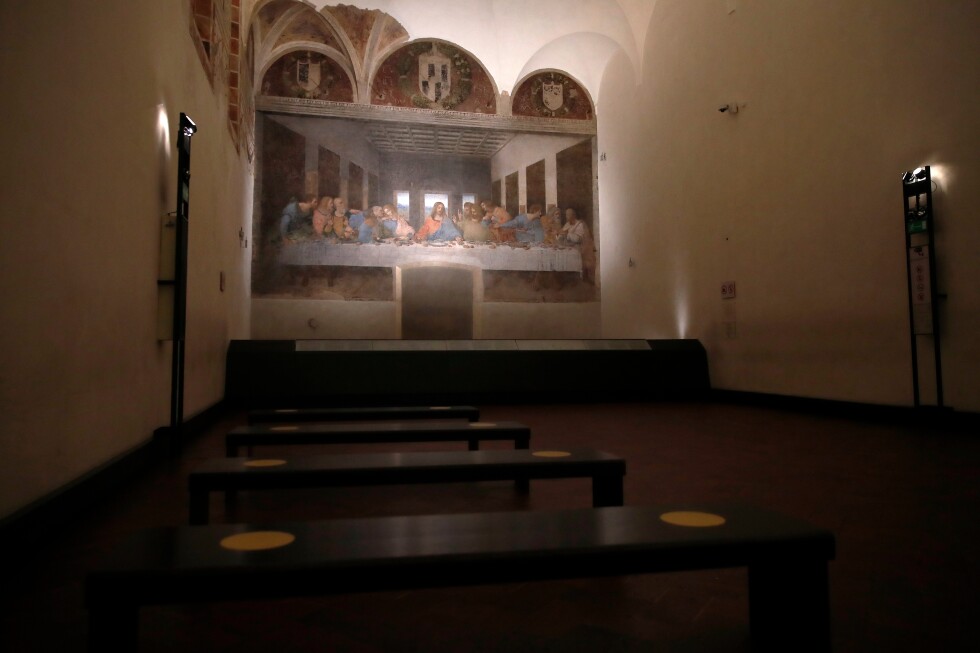
    Milan’s cultural landscape witnessed significant disruption during the Winter Olympics as ordinary tourists found themselves barred from viewing Leonardo da Vinci’s iconic ‘The Last Supper’ while VIP delegations received exclusive access. The masterpiece, housed within the Santa Maria delle Grazie convent, became the center of an accessibility controversy that left international visitors frustrated and local residents inconvenienced.

    The closure, implemented from February 5th through the morning of February 8th, caught numerous tourists by surprise. Antonio Rodríguez, a Spanish visitor, expressed disappointment: ‘We didn’t know we would face this situation. With only a weekend in Milan, we’ve lost our only opportunity to experience this cultural treasure.’

    Unbeknownst to the public, high-profile political figures including U.S. Vice President JD Vance and his family received special access to the artwork on Saturday. Multiple foreign delegations from China, Poland, Hungary, and Bulgaria also enjoyed privileged visits according to Angelo Crespi, director of Grande Brera, who described these arrangements as part of ‘responsible international relations.’

    The preferential treatment extended beyond museum access, with significant transportation disruptions affecting Milanese citizens. Fedeli Gioia, a local resident, reported: ‘The trams were changed without any notice. This whole area is blocked because someone is going to see Il Cenacolo? Where does that leave us citizens?’

    The 15-minute viewing sessions for ‘The Last Supper’ typically operate under strict conservation protocols, limiting groups to 40 visitors at a time. Leonardo’s innovative dry technique—diverging from traditional fresco methods—has made the artwork particularly vulnerable to environmental damage, necessitating rigorous climate control measures.

    The painting’s controversial history includes damage during Napoleon’s occupation when the refectory served as a stable, and severe bombing damage during World War II. More recently, its reinterpretation in the 2024 Paris Olympics opening ceremony drew criticism from Catholic authorities for perceived mockery of Christian symbolism.

    As Japanese tourists photographed the church from behind police cordons and Filipino Catholic residents expressed disappointment over missed spiritual opportunities, the incident raised broader questions about cultural accessibility during major international events.

  • ‘Doctrine of domination’: Iran’s FM criticises Israel after nuclear talks with US

    ‘Doctrine of domination’: Iran’s FM criticises Israel after nuclear talks with US

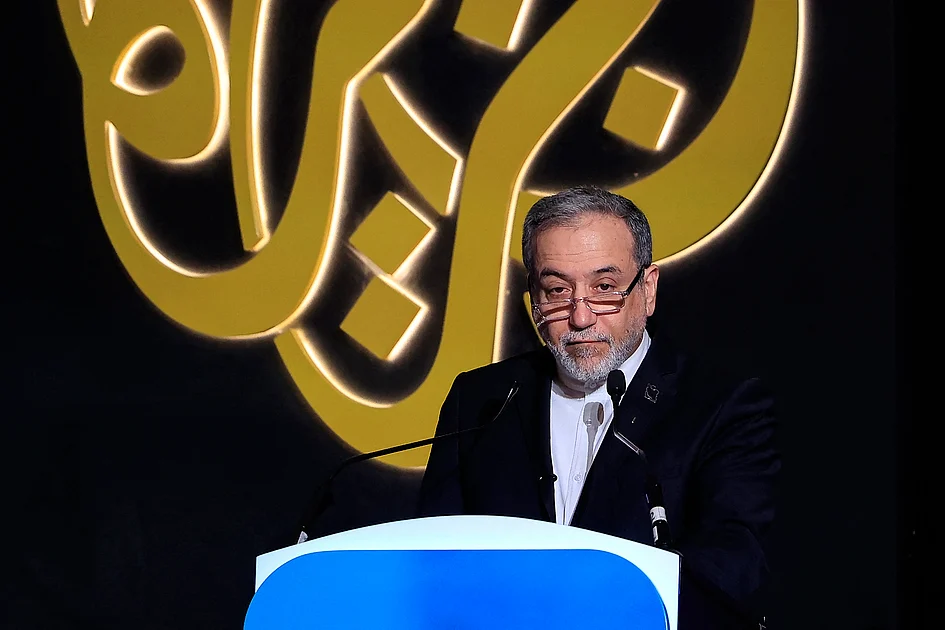
    Iranian Foreign Minister Abbas Araghchi launched a sharp critique against Israel during his address at the Al Jazeera Forum in Qatar on Saturday, condemning what he characterized as a “doctrine of domination” in regional security affairs. Speaking just one day after nuclear discussions with American officials, Araghchi asserted that this doctrine enables unchecked Israeli military expansion while demanding neighboring nations disarm.

    The senior diplomat articulated that Israel’s strategic objectives necessitate the systematic weakening of adjacent countries across multiple domains—military, technological, economic, and social. “Under this project Israel is free to expand its military arsenal without limits… Yet other countries are demanded to disarm. Others are pressured to reduce defensive capacity. Others are punished for scientific progress,” Araghchi stated before the international audience.

    Notably absent from his remarks was any direct reference to Friday’s negotiations in Muscat, where Araghchi led Iran’s delegation in indirect talks with US Middle East envoy Steve Witkoff. Both sides subsequently characterized the discussions positively, with US President Donald Trump describing them as “very good” and confirming mutual agreement to continue diplomatic engagement.

    These talks occurred against a complex backdrop of regional tensions. Last June witnessed the collapse of previous negotiations when Israel initiated an unprecedented bombing campaign against Iranian targets, triggering a twelve-day conflict that included Israeli strikes on military officials, nuclear scientists, and civilian areas. Iran responded with drone and missile attacks against Israeli positions and the largest US military installation in the Middle East, located in Qatar.

    The renewed diplomatic engagement follows recent Washington threats and aircraft carrier deployments to the region after Iran’s suppression of anti-government protests last month. The United States continues advocating for expanded negotiations addressing Iran’s ballistic missile program and support for regional militant groups—issues Israel strongly supports including in discussions. Tehran maintains its consistent position rejecting any expansion beyond nuclear matters.

  • Cortina’s curling darling Stefania Constantini is the focus of Italian fans in bid to advance

    Cortina’s curling darling Stefania Constantini is the focus of Italian fans in bid to advance

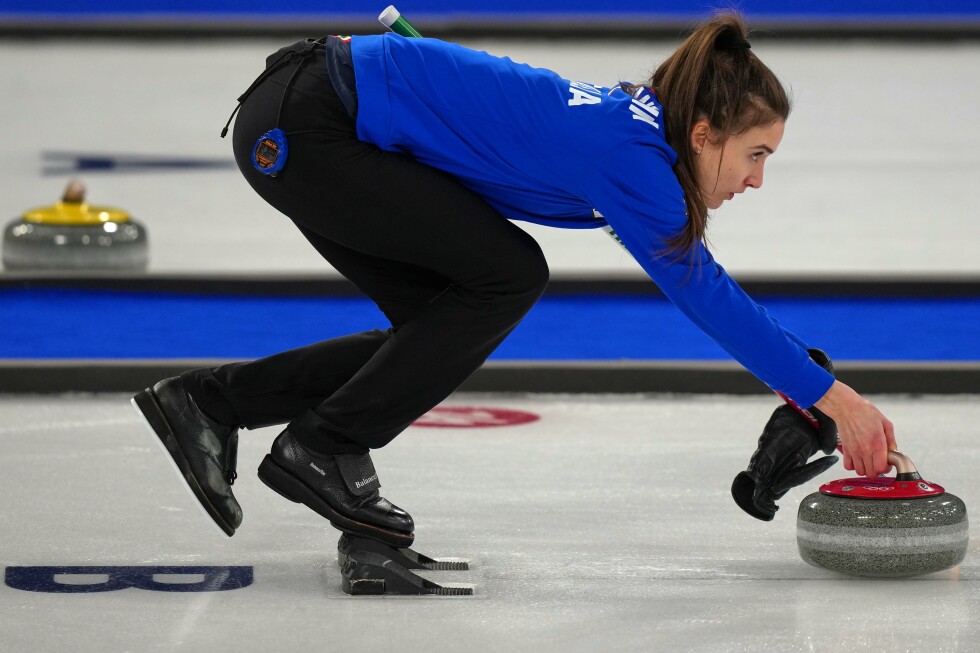
    CORTINA D’AMPEZZO (AP) — Amidst four simultaneous curling matches at the Cortina stadium, all local attention remains intensely focused on defending gold medalist Stefania Constantini. The 26-year-old native, distinguished by her high ponytail, has become the center of an electrifying atmosphere as she battles for advancement in the competition.

    The arena resonates with overwhelming Italian support as fans chant “Italia, Italia, Italia!” with such fervor that they drown out contingents from top curling nations like the United States and Great Britain. Spectators rhythmically pound the wooden barristers, creating reverberations that echo throughout the venue. A subtle gesture from Constantini triggers explosive cheers from the passionate crowd.

    Constantini’s journey began in this picturesque Tyrolean town, where she trained on courts nestled between the dramatic peaks of the Dolomites. Her historic gold medal performance with partner Amos Mosaner at Beijing 2022 positioned these Games as her opportunity to establish Italian dominance in the sport. However, recent setbacks against Sweden on Saturday and Canada the previous day have placed the duo outside the top four standings, requiring flawless performance in upcoming matches to secure playoff qualification.

    “Today we struggled somewhat to adapt from yesterday’s games to today’s conditions,” Constantini acknowledged post-match. Mosaner concurred, stating, “We must reset, avoid previous errors, and deliver our optimal performance tonight to position ourselves favorably for tomorrow.”

    Before her Olympic triumph, Constantini maintained employment as a sales associate at The North Face store on Corso Italia, a position she held until just one month before the Beijing Games. Their success has sparked unprecedented interest in curling throughout Italy, particularly in Cortina, which stands as the nation’s historical cradle for the sport. Notably, Mayor Gianluca Lorenzi, a former national team member and son of Italian curling’s founding father, underscores the town’s deep connection to the game.

    Despite mounting pressure, both athletes maintain that the high-stakes environment enhances rather than hinders their performance. “The crowd support is special and genuinely uplifting during competition,” Constantini remarked.

    The team faces crucial matches against Norway later Saturday, with subsequent games against Czechia and Great Britain scheduled for Sunday. Italian supporter Carla Pelosin, who traveled from Noale with the national flag painted on her face, expressed confidence: “They appeared slightly nervous today, but we maintain full belief in their capabilities for the coming matches. My message would be simply to give their utmost effort—the Italian people trust and believe in them completely.”

  • Italy says railways hit by ‘serious sabotage’ as Winter Olympics begin

    Italy says railways hit by ‘serious sabotage’ as Winter Olympics begin

    A series of coordinated sabotage attacks targeted Italy’s critical railway infrastructure during the opening ceremonies of the Winter Olympic Games, causing massive travel disruptions across northern Italy. Authorities confirmed three separate incidents that they believe were deliberately timed to coincide with the international sporting event.

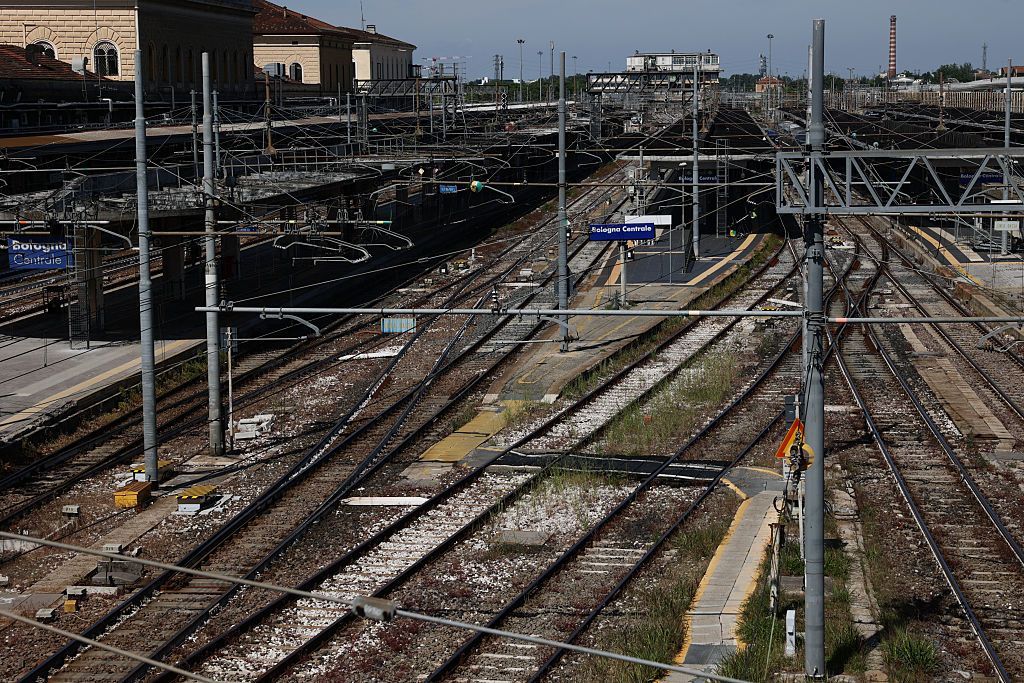
    The most significant incident occurred along the crucial Bologna-Venice corridor where arson damaged rail infrastructure, creating delays exceeding two-and-a-half hours for thousands of travelers. Subsequent police investigations uncovered severed electrical cables and a rudimentary explosive device planted near the tracks, suggesting a sophisticated sabotage operation.

    Near the Adriatic coastal city of Pesaro, assailants set fire to a critical track switch mechanism, while additional cable cutting was discovered in the Bologna region. As a major transportation hub connecting northern and southern Italy as well as east-west lines, Bologna’s disruption created ripple effects throughout the national rail network.

    Italian Transport Minister Matteo Salvini condemned the acts as ‘serious sabotage’ with striking similarities to attacks that targeted France’s high-speed rail network during the 2024 Paris Olympics. ‘There are similarities in action and timing to the French incident,’ Salvini told AFP, while maintaining that ‘these actions of unprecedented seriousness do not in any way tarnish Italy’s image in the world.’

    The state-owned high-speed railway serving Bologna was temporarily closed for security assessments but resumed normal operations by Saturday afternoon. Police authorities continue investigating with no individuals or groups having yet claimed responsibility for the coordinated attacks.

    The timing proved particularly disruptive as the Olympic Games opening ceremony took place Friday evening across multiple venues including Milan and Cortina, both accessible via rail connections from Venice. The widespread nature of events across Italy’s Alpine and Dolomite regions makes functional rail transportation essential for the Games’ operation.