作者: admin

  • Luxury watchmaker designs $1.5m model with Indian billionaire’s statue

    Luxury watchmaker designs $1.5m model with Indian billionaire’s statue

    Luxury watchmaker Jacob & Co has unveiled an extraordinary timepiece in India, creating a horological tribute to Vantara – the private wildlife sanctuary operated by Asia’s wealthiest individual Mukesh Ambani’s family. The spectacular watch features a meticulously hand-painted miniature sculpture of Anant Ambani, the billionaire’s youngest son, positioned at the center of the dial.

    Crafted with exquisite artistry, the jewelled masterpiece showcases sculpted figures of a lion and Bengal tiger surrounding Anant’s seated figurine. While Jacob & Co maintains discretion regarding pricing, industry experts from Watchopea estimate the timepiece’s value at approximately $1.5 million (£1.1 million, 137 million rupees).

    The Vantara center, spanning over 3,500 acres in Gujarat’s Jamnagar region, functions as a private wildlife rescue and rehabilitation facility housing more than 2,000 species including elephants, big cats, and numerous endangered animals. Although privately owned by Anant Ambani and inaccessible to the public, the sanctuary garnered significant attention last year following allegations regarding animal acquisition practices. However, a Supreme Court-appointed investigative team subsequently found no substantiating evidence of misconduct.

    Prime Minister Narendra Modi officially inaugurated Vantara in March 2023, with the facility later serving as a venue for Anant Ambani’s widely publicized pre-wedding celebrations in 2024. These extravagant events attracted global celebrities including Rihanna, Kim Kardashian, tech magnates Bill Gates and Mark Zuckerberg, former UK prime ministers Tony Blair and Boris Johnson, and Ivanka Trump with Jared Kushner.

    Jacob & Co’s social media announcement described the creation as embodying ‘stewardship and responsibility,’ incorporating 397 precious stones comprising diamonds, green sapphires, garnets, and various rare gems. According to executives from Ethos Watches, Jacob & Co’s Indian retail partner, the timepiece remains unavailable in stores with no official pricing released to the public.

  • A Myanmar military airstrike on a village sheltering displaced people killed 21, rebels say

    A Myanmar military airstrike on a village sheltering displaced people killed 21, rebels say

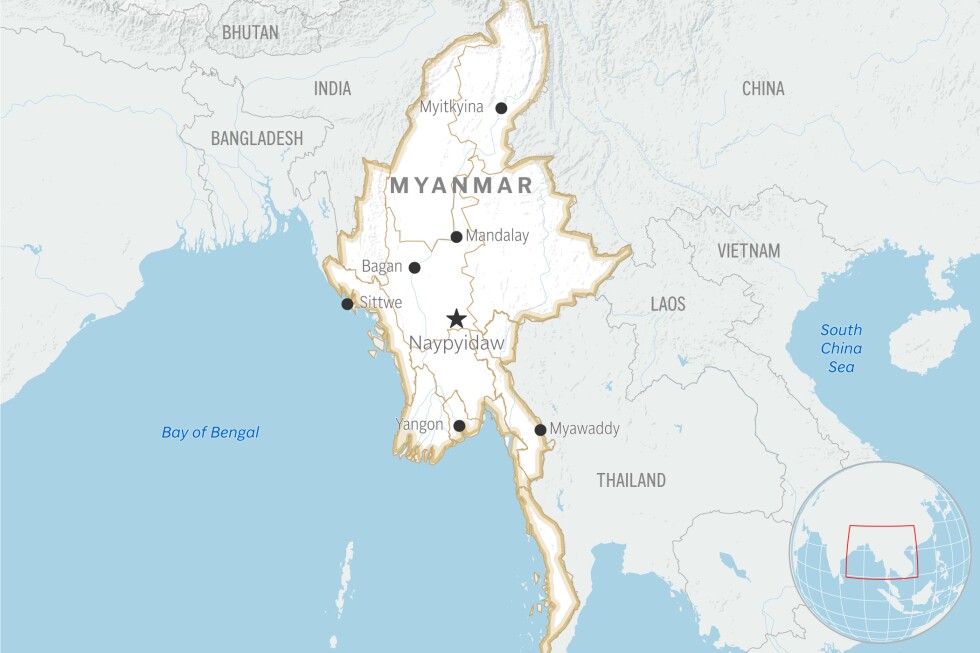
    BANGKOK (AP) — A military airstrike conducted by Myanmar’s armed forces has resulted in the deaths of 21 civilians and left 28 wounded in Hteelin village, Kachin state, according to reports from ethnic rebel groups and local media outlets. The attack occurred Thursday afternoon in a region where displaced persons had sought refuge from ongoing conflict.

    Colonel Naw Bu, spokesperson for the Kachin Independence Army (KIA), confirmed that a jet fighter targeted a compound where mourners were conducting prayer services for the deceased. The strike also hit a displacement camp, educational facility, and local marketplace. Approximately 500 civilians, including internally displaced residents, were present in the village during the bombardment. Among the injured victims is an infant, with several individuals reported in critical condition.

    The incident coincides with scheduled electoral activities in the northern township of Bhamo, where the final phase of Myanmar’s military-organized election process is set to occur this weekend. Independent verification remains challenging due to widespread internet blackouts and cellular service disruptions throughout the region. Kachin-based media organizations have circulated photographic and video evidence depicting casualties and structural damage resulting from the attack.

    Myanmar has experienced prolonged political instability since the February 2021 military coup that ousted the democratically elected government led by Aung San Suu Kyi. Subsequent suppression of peaceful protests prompted armed resistance movements, with current estimates indicating over 7,700 fatalities resulting from security force operations.

    The military administration has intensified aerial campaigns against pro-democracy forces and ethnic minority guerrilla groups, including the KIA, which maintains loose alliances with various resistance militias. Despite election preparations in 61 townships nationwide, KIA representatives assert that voting in Bhamo remains impossible due to their control over the urban center.

    International observers and critics have denounced the three-stage electoral process as fundamentally flawed, citing the exclusion of major political parties and systematic suppression of dissent nearly five years after military seizure of power.

  • Dubai: 24K close to Dh600 as gold prices hit record high 4th time this week

    Dubai: 24K close to Dh600 as gold prices hit record high 4th time this week

    Dubai’s gold market witnessed unprecedented trading activity on Friday as prices for the precious metal soared to historic highs for the fourth consecutive trading session this week. The 24K variant reached Dh597 per gram, marking a substantial increase of Dh19.25 within just 24 hours and approaching the psychological threshold of Dh600.

    The rally extended across all purity levels, with 22K opening at Dh553 (up Dh18), while 21K, 18K, and 14K traded at Dh530.25, Dh454.5, and Dh354.5 per gram respectively. The global benchmark simultaneously broke records, reaching $4,966.85 per ounce with a 1.17 percent gain.

    Market analysts attribute this sustained surge to fundamental shifts in investor sentiment toward traditional safe-haven assets. According to Kyle Rodda, Senior Market Analyst at Capital.com, “Faith in the US and its assets has been shaken, perhaps permanently, driving substantial capital into precious metals. The term ‘rupture’ has been circulating within financial circles, and I don’t believe this characterization exaggerates the current situation.”

    Rania Gule, Market Analyst at XS.com, provided additional context, noting that gold’s performance reflects a growing conviction among investors that the metal has transitioned into a strategic asset worth acquiring during price dips. This trend persists despite unexpected pressures from improved global risk appetite following recent geopolitical developments, including President Trump’s retreat from tariff threats.

    “The relative resilience of gold prices amid positive news suggests investors have grown more cautious about over-optimistic pricing in a global economy still confronting slowing growth, elevated debt levels, and questions about recovery sustainability,” Gule observed.

    The consecutive record-breaking performances indicate a structural repositioning within investment portfolios as market participants seek alternatives to traditional dollar-denominated assets amid ongoing economic uncertainty.

  • High stakes but low expectations ahead of Ukraine talks with Russia and US

    High stakes but low expectations ahead of Ukraine talks with Russia and US

    In a significant diplomatic development, representatives from Russia, Ukraine, and the United States are convening in Abu Dhabi for their first tripartite negotiations since Russia’s full-scale invasion of Ukraine in 2022. This meeting marks a new format in peace discussions, though fundamental disagreements between the parties remain largely unchanged.

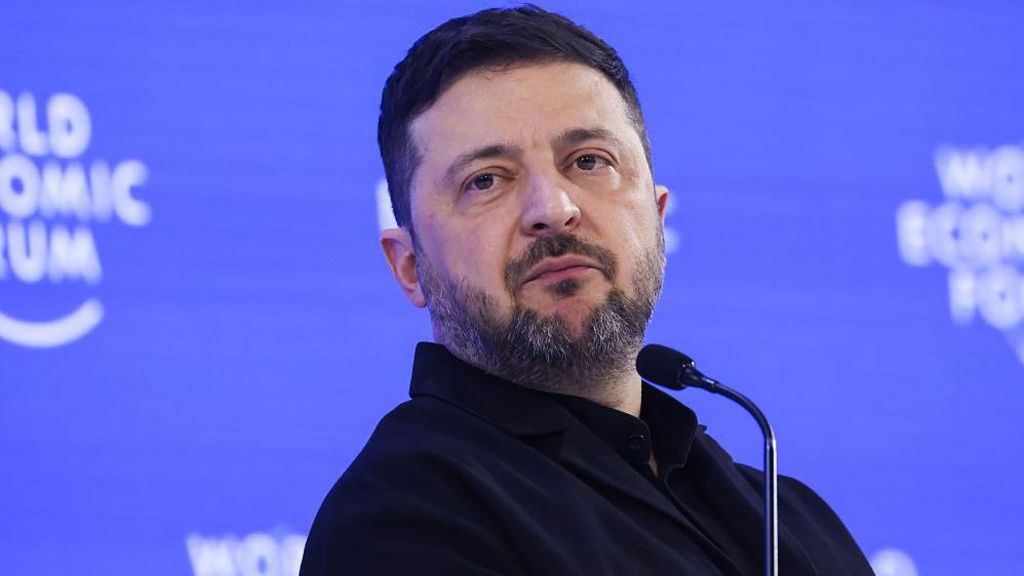
    Ukrainian President Volodymyr Zelensky has characterized his recent discussions with former US President Donald Trump in Davos as “really positive,” expressing hope for enhanced air defense support against Russia’s ongoing assaults. Despite this optimism, Zelensky maintains cautious realism regarding the Abu Dhabi talks, describing them merely as “a step” toward peace rather than a breakthrough.

    The core obstacle to any potential agreement centers on territorial sovereignty in eastern Ukraine. Russia continues to demand control over substantial portions of the Donbas region—territory it has failed to secure militarily. Ukraine remains steadfast in its refusal to cede these lands, where countless soldiers have perished defending the nation’s integrity.

    Concurrently, Russia has intensified attacks on Ukrainian civilian infrastructure, creating a humanitarian crisis during the harsh winter months. Kyiv’s mayor has advised residents to evacuate if possible, warning that critical infrastructure remains vulnerable to systematic bombardment.

    The reliability of US security guarantees under a potential Trump administration presents another layer of uncertainty. Previous actions, including the temporary suspension of military aid and intelligence sharing, coupled with Trump’s unconventional approach to international alliances, have raised questions about America’s long-term commitment to Ukrainian sovereignty.

    Despite these challenges, Ukraine approaches negotiations with determined pragmatism, recognizing that diplomatic engagement remains essential both for achieving peace and maintaining international support.

  • South Sudan army chief gives soldiers seven days to crush rebellion

    South Sudan army chief gives soldiers seven days to crush rebellion

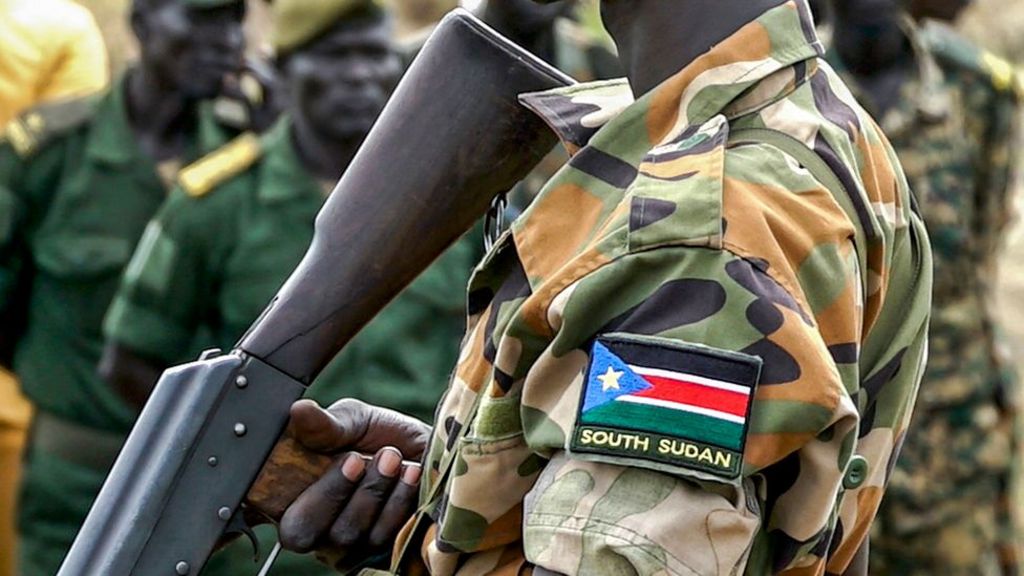
    The South Sudanese military has dispatched significant reinforcements to the strategic town of Bor in Jonglei State, responding to escalating hostilities from opposition forces that threaten to reignite the nation’s devastating civil conflict. Chief of Defense Forces General Paul Nang Majok issued a stark ultimatum to his troops, granting them precisely seven days to “crush the rebellion” and recapture territories recently seized by the Sudan People’s Liberation Army in Opposition (SPLA-IO).

    This military escalation comes amid growing concerns that the fighting could rapidly escalate toward the capital Juba, located merely two hours from the conflict zone. The SPLA-IO, led by suspended First Vice-President Riek Machar—who currently faces trial for murder, treason, and crimes against humanity—has captured multiple areas in Jonglei State according to local journalists, though these reports await independent verification.

    The current crisis represents the latest deterioration in the fragile 2018 peace agreement that formally ended five years of civil war that claimed approximately 400,000 lives. Despite the peace accord, implementation has remained incomplete amid persistent ethnic tensions, sporadic violence, and deepening political fractures between President Salva Kiir and his former deputy Machar.

    The strategic significance of Bor cannot be overstated—it served as the first major settlement captured by rebel forces during the previous conflict and now functions as a crucial staging post on the approach to Juba. The South Sudanese army receives operational support from Ugandan military forces, with unconfirmed reports suggesting approximately 4,000 Ugandan soldiers have been deployed.

    Analysts interpret the SPLA-IO’s offensive maneuvers as potentially designed to pressure the government into releasing Machar from detention. This theory gained credibility following President Kiir’s recent dismissal of Machar’s wife, Angelina Teny, from her position as interior minister—a move that sparked widespread criticism and fears of further escalation.

    The United Nations peacekeeping mission in South Sudan (UNMISS) has urgently called for immediate cessation of hostilities in Jonglei and other violence-affected regions. Acting UNMISS head Kiki Gbeho emphasized the critical need for leaders to “immediately cease hostilities, de-escalate tensions, and advance reconciliation through inclusive dialogue.”

    Adding to international concerns, the UN Commission on Human Rights in South Sudan expressed alarm over reported airstrikes in Jonglei that have resulted in civilian casualties, destruction of homes and medical facilities, and large-scale displacement. Commission chair Yasmin Sooka highlighted the deteriorating security situation while SPLA-IO acting chief of staff Lieutenant General Peter Thok Chuol Luak issued warnings to Juba residents of imminent military confrontations.

    Despite these threats, Juba Governor Emmanuel Adil Anthony has urged citizens to disregard the opposition’s warnings as government forces prepare to advance into SPLA-IO held territories.

  • Can Donald Trump buy Greenland? Cost and US interest explained

    Can Donald Trump buy Greenland? Cost and US interest explained

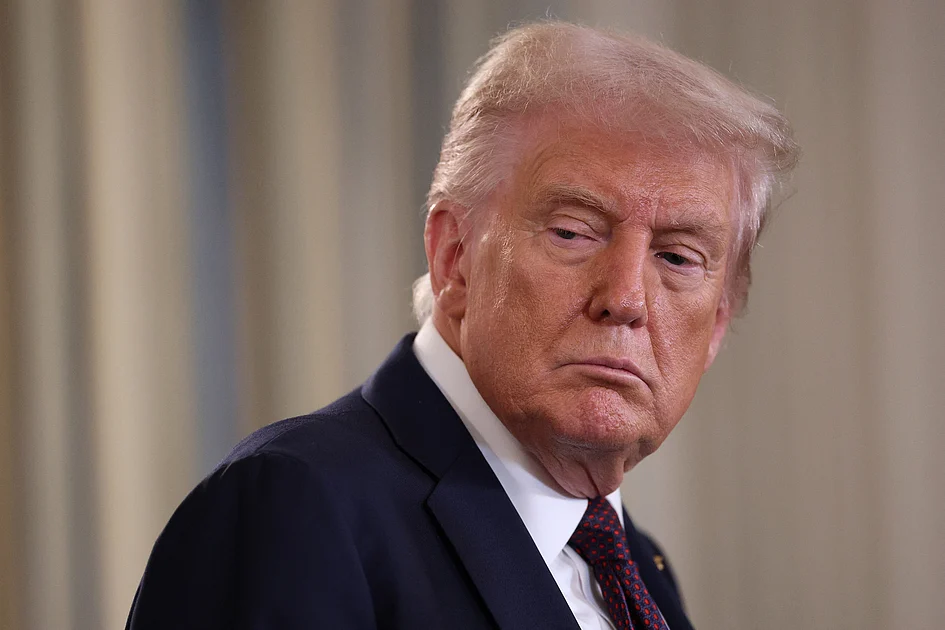
    The geopolitical landscape witnessed an unusual proposition as former President Donald Trump reiterated his interest in acquiring Greenland from Denmark, despite Copenhagen’s firm stance that the autonomous territory is not available for purchase. While Trump recently appeared to dismiss military options by claiming a NATO agreement ensured U.S. access to Greenland, specifics of such an arrangement remain undisclosed and unverified.

    Financial analysts project the hypothetical acquisition cost could approach $1 trillion when accounting for territory purchase, citizen compensation, welfare state maintenance, and infrastructure investments. This staggering figure raises eyebrows given the United States’ $38 trillion national deficit. Political opponents have questioned the prioritization, with Democratic Representative Brendan Boyle asking, “How about instead of giving the American people Greenland, we give them healthcare?”

    Constitutional constraints present significant obstacles to any territorial expansion. The acquisition would require Senate ratification by a two-thirds majority (67 senators), necessitating substantial bipartisan support currently absent from Congress. Even some Republican senators, including Lisa Murkowski of Alaska, have emphasized that “respect for the sovereignty of the people of Greenland should be non-negotiable.”

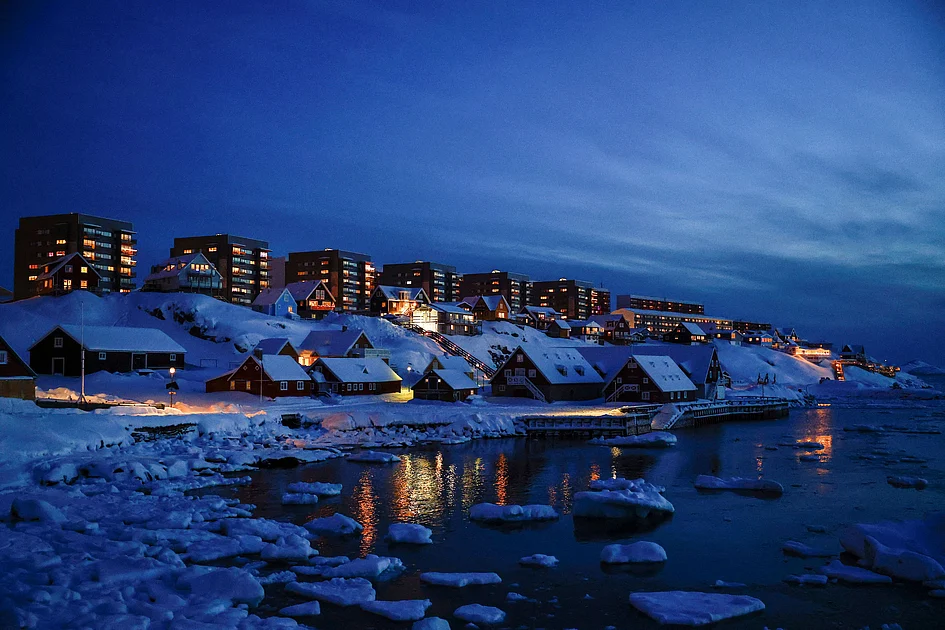
    Greenland’s current status as a self-governing territory within the Kingdom of Denmark complicates any potential transfer. With merely 57,000 inhabitants, statehood appears improbable, while alternative arrangements like a “compact of free association” or territorial status similar to Guam would require complex negotiations.

    The strategic rationale centers on Arctic security competition with Russia and China, plus access to Greenland’s substantial rare-earth mineral deposits. However, the United States already maintains Thule Air Base on the island, and environmental regulations currently prohibit oil and natural gas extraction, while mining projects face bureaucratic and indigenous opposition.

    Republican Senator Mitch McConnell summarized the prevailing skepticism: “I have yet to hear from this administration a single thing we need from Greenland that this sovereign people is not already willing to grant us.” The proposition remains more geopolitical theater than practical policy, highlighting the complex interplay between presidential ambition and constitutional reality.

  • Trump unveils ‘New Gaza’ plan with glittering skyscrapers, seaside resorts

    Trump unveils ‘New Gaza’ plan with glittering skyscrapers, seaside resorts

    In a high-profile presentation at the World Economic Forum in Davos, former President Donald Trump’s administration revealed ambitious plans for a completely reconstructed Gaza Strip. Jared Kushner, Trump’s son-in-law and senior advisor, presented a detailed vision featuring luxury residential towers, data centers, industrial parks, and Mediterranean seaside resorts, dramatically rebranding the war-torn territory as the potential “Riviera of the Middle East.”

    The announcement comes amid persistent violence that continues to undermine the October truce agreement. Just hours before the presentation, Gaza health officials reported five Palestinians killed in Israeli airstrikes, with no immediate comment from Israeli authorities. Since the ceasefire began, health officials report over 480 Palestinian fatalities, while Israel acknowledges three soldier deaths.

    Kushner’s color-coded “master plan” depicted extensive redevelopment beginning in Rafah, currently under complete Israeli military control. However, the proposal notably omitted critical details regarding property rights, compensation mechanisms for Palestinians who lost homes and livelihoods, and temporary housing solutions for the territory’s nearly two million internally displaced persons.

    The financial framework remains equally unclear, with Kushner announcing an upcoming Washington conference to secure private sector contributions while acknowledging the preliminary need to clear approximately 68 million tonnes of rubble and war debris. The presentation slides closely resembled those leaked to the Wall Street Journal in December, which indicated potential U.S. anchoring of 20% of the project.

    Concurrently, Palestinian technocrat leader Ali Shaath, backed by Washington to administer Gaza under Trump’s 20-point plan, announced via video link that the crucial Rafah border crossing with Egypt would reopen next week. Israel immediately countered that reopening remains contingent on Hamas fulfilling its ceasefire obligation to return the remains of the last hostage held in the territory.

    The reconstruction plan forms part of Trump’s broader “Board of Peace” initiative, which he has promoted as a key achievement of his administration’s first year, alongside brokering peace between India and Pakistan. The proposal has drawn significant criticism from Palestinians and observers for addressing architectural transformation while bypassing fundamental political and humanitarian concerns.

  • Trump steals the show in Davos with a mixed bag of rhetoric and results at elite gathering

    Trump steals the show in Davos with a mixed bag of rhetoric and results at elite gathering

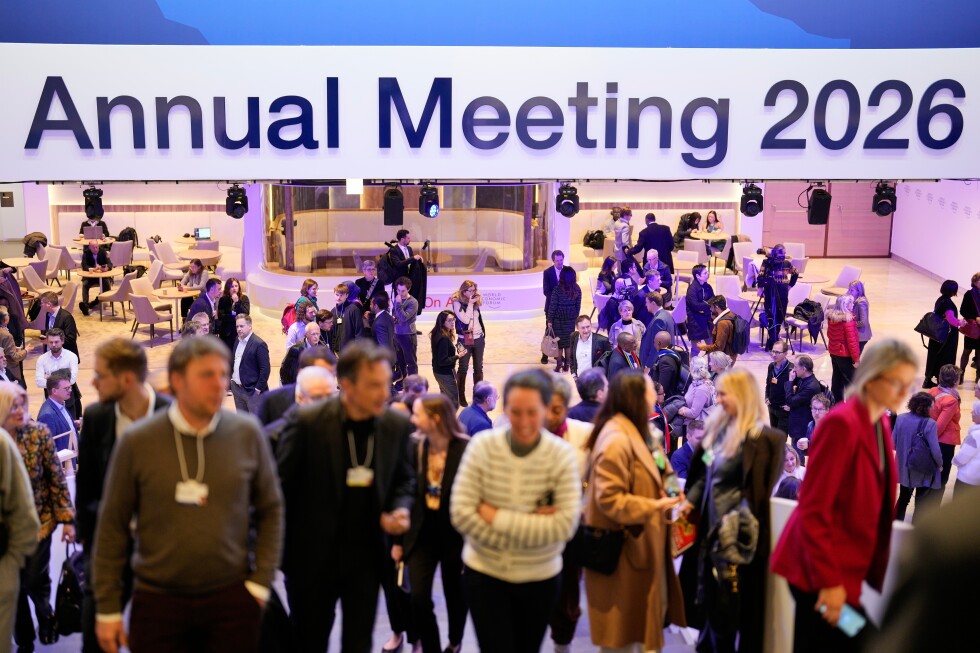
    DAVOS, Switzerland — The 2020 World Economic Forum witnessed a striking dichotomy as U.S. President Donald Trump’s geopolitical theater eclipsed substantive discussions on artificial intelligence and climate initiatives that traditionally dominate the annual gathering of global elites. During his whirlwind 24-hour appearance in the Swiss Alps, Trump commanded unprecedented attention through a combination of provocative policy announcements and diplomatic reversals that reshaped the forum’s narrative landscape.

    The presidential presence created what observers termed ‘two parallel conferences’: one focused on technological innovation where business leaders like Elon Musk and Nvidia’s Jensen Huang discussed AI infrastructure and employment impacts, and another dominated entirely by Trump’s geopolitical maneuvers. This division was notably articulated by former Congresswoman Jane Harman, who observed the forum’s unusual bifurcation between technological and political discourses.

    Trump’s agenda included the abrupt announcement of tariffs against eight European nations opposing his Greenland acquisition attempt—a move he dramatically reversed within days following international criticism. Simultaneously, he launched the controversial ‘Board of Peace’ initiative for Middle East conflict resolution, drawing mixed reactions from global leaders. While NATO’s Mark Rutte and Ukraine’s Volodymyr Zelenskyy praised Trump’s engagement with Eastern European security concerns, European allies expressed skepticism about the proposed alternative to UN frameworks.

    Amid the political spectacle, technological discussions advanced with cautious optimism. AI executives emphasized the technology’s potential to create infrastructure jobs rather than eliminate employment, while addressing concerns about energy consumption and U.S.-China trade tensions. The forum concluded with BlackRock’s Larry Fink invoking Elon Musk’s optimistic perspective, underscoring the business community’s preference for hopeful engagement over pessimistic forecasting despite the prevailing political turbulence.

  • Death toll in Pakistan’s Gul Plaza mall fire rises to 67, local government says

    Death toll in Pakistan’s Gul Plaza mall fire rises to 67, local government says

    A devastating fire that engulfed a shopping mall in Karachi has resulted in a catastrophic death toll of 67 individuals, according to an official statement from local government authorities on Friday. The tragedy at Gul Plaza represents the most lethal fire incident in Pakistan’s largest metropolis since the 2012 industrial inferno that claimed over 260 lives.

    Municipal officials reported that forensic teams have completed post-mortem examinations for all recovered victims, with DNA analysis currently underway to facilitate identification of the deceased. The comprehensive identification process reflects the severe impact of the blaze on victims and families.

    This catastrophe has reignited serious concerns about fire safety protocols and emergency preparedness in Pakistan’s urban centers. The incident marks the most significant loss of life from fire in Karachi in fourteen years, drawing painful parallels to previous industrial accidents that exposed similar safety deficiencies.

    Emergency response teams worked through the night battling the intense flames and conducting rescue operations. The rapid spread of fire through the commercial structure trapped numerous shoppers and employees, creating challenges for evacuation efforts.

    The tragedy has prompted calls for immediate review of fire safety regulations and building code enforcement across Pakistani cities, particularly in densely populated commercial districts where such disasters could have devastating consequences.

  • Outrage after Trump claims NATO troops avoided Afghan front line

    Outrage after Trump claims NATO troops avoided Afghan front line

    The British government has formally rebuked former U.S. President Donald Trump for what it called “wrong” comments that diminished NATO allies’ contributions during the Afghanistan conflict. The diplomatic row erupted following Trump’s interview with Fox News where he suggested NATO troops “stayed a little back, a little off the front lines” in Afghanistan.

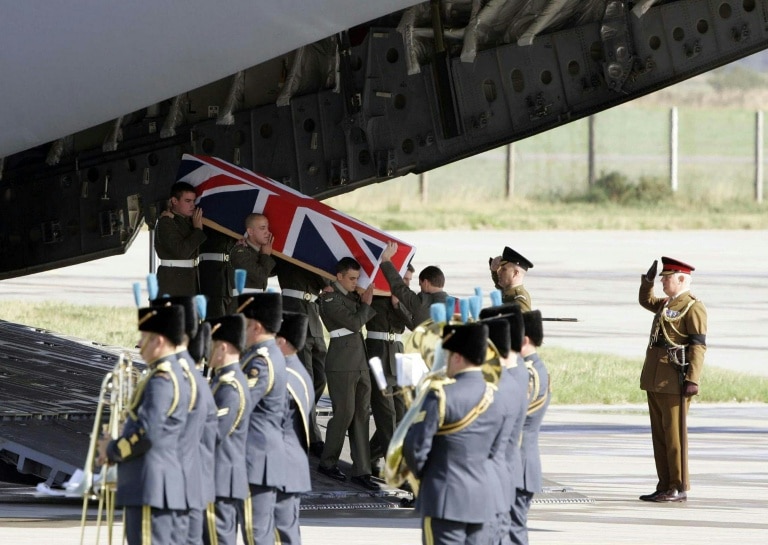
    British officials expressed particular outrage at Trump’s apparent unawareness that 457 British soldiers died during the conflict. Prime Minister Keir Starmer’s official spokesman emphasized that “their sacrifice and that of other NATO forces was made in the service of collective security and in response to an attack on our ally.”

    The controversy deepened as Defense Minister John Healey noted that NATO’s Article 5 collective security clause had only been triggered once in history—precisely to support the United States following the 9/11 attacks. “The UK and NATO allies answered the US call. And more than 450 British personnel lost their lives in Afghanistan,” Healey stated, describing the fallen troops as “heroes who gave their lives in service of our nation.”

    Families of deceased soldiers joined political leaders in expressing outrage. Lucy Aldridge, whose son William died in Afghanistan at age 18, told The Mirror newspaper that Trump’s remarks were “extremely upsetting.” Labour Party politician Emily Thornberry, chair of parliament’s Foreign Affairs Committee, denounced the comments as “so much more than a mistake” and “an absolute insult to 457 families who lost someone in Afghanistan.”

    Official UK figures confirm that 405 of the 457 British casualties in Afghanistan were killed in hostile military action, directly contradicting Trump’s assertion about NATO forces avoiding front-line combat. The United States reportedly lost more than 2,400 soldiers during the conflict.