作者: admin

  • UAE offers condolences to Tunisia over victims of deadly floods

    UAE offers condolences to Tunisia over victims of deadly floods

    The United Arab Emirates has formally expressed its profound condolences and solidarity with the Republic of Tunisia in the wake of devastating floods that have claimed multiple lives and caused extensive damage. Through an official statement released by its Ministry of Foreign Affairs, the UAE conveyed its deepest sympathies to the families of the victims and the Tunisian people, alongside wishes for a swift recovery to all those injured.

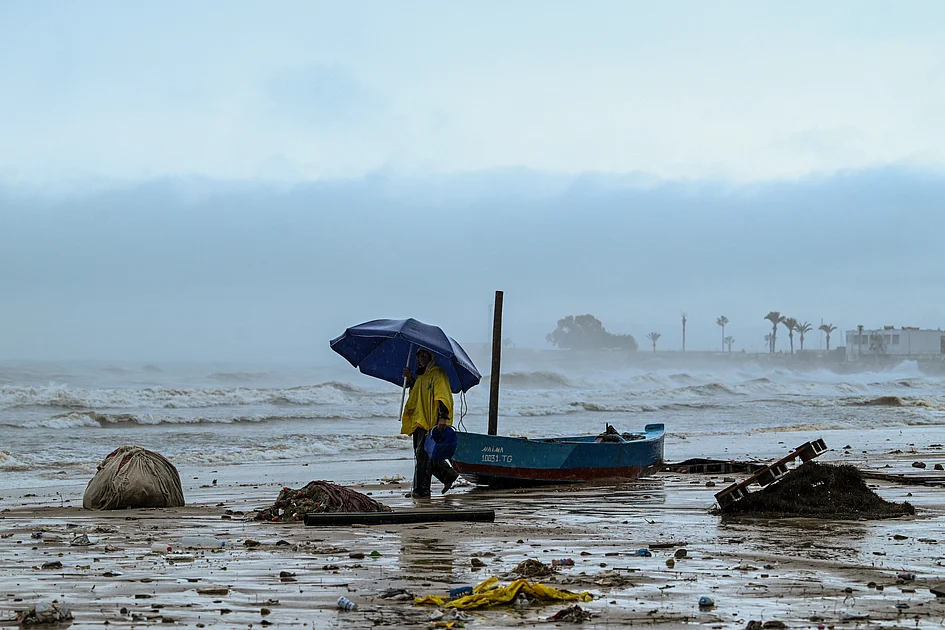
    The catastrophe unfolded as torrential rains, described by the National Institute of Meteorology as the heaviest in over seven decades, battered the North African nation beginning Monday night. The relentless downpour continued through Tuesday night, with residual showers persisting into Wednesday, leading to widespread school and business closures and severe disruptions to transportation networks.

    Official reports confirm a death toll of at least five individuals. Four fatalities occurred in the town of Moknine within the Monastir governorate, while a fifth was reported in Nabeul. Furthermore, local media outlets have reported four fishermen as missing after one colleague was successfully rescued in the coastal town of Teboulba, south of Monastir.

    Tunisian emergency services have been engaged in a large-scale response effort. The civil defence agency reported that its teams have rescued approximately 350 people trapped by rapidly rising floodwaters since the onset of the crisis. Khalil Mechri, a spokesman for the civil defence, indicated that while the intensity of the severe weather has subsided, a high state of alert remains in effect across affected regions.

    Visual evidence from AFP and social media platforms depicts scenes of severe inundation, with homes and roadways submerged and vehicles left stranded. The regions of Monastir, Nabeul, and greater Tunis were among the hardest hit. President Kais Saied visited several affected areas, including Moknine and Teboulba, to assess the damage firsthand.

    This extreme weather event highlights critical vulnerabilities in Tunisia’s urban infrastructure. Drainage and stormwater systems, often antiquated and poorly maintained, are frequently overwhelmed during heavy rainfall, a situation exacerbated by waste clogging the networks. Furthermore, rapid urbanization has reduced ground permeability, increasing surface runoff and flood risk.

    The devastating floods present a stark paradox for Tunisia, a country that has been grappling with a severe seven-year drought intensified by climate change, which has led to a critical decline in national water reserves. Neighbouring Algeria has also experienced significant rainfall and flooding, with authorities there reporting two fatalities in western regions.

  • Spain refuses to join Trump’s Gaza ‘Board of Peace’ over breach of international law

    Spain refuses to join Trump’s Gaza ‘Board of Peace’ over breach of international law

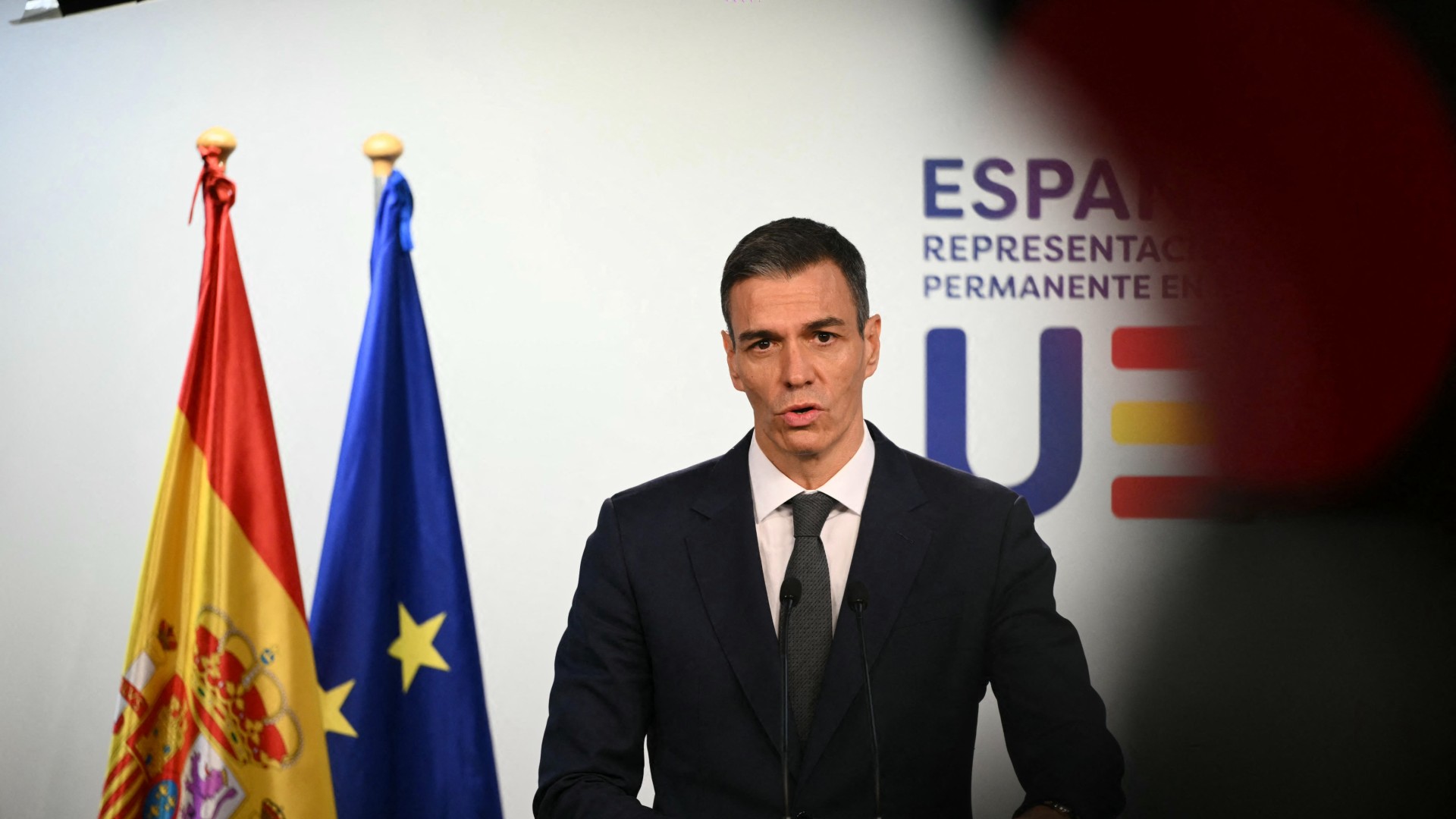
    In a significant diplomatic development, Spanish Prime Minister Pedro Sánchez has formally declined an invitation for his country to participate in former U.S. President Donald Trump’s proposed ‘Board of Peace’ initiative. The decision, announced during a speech at EU headquarters in Brussels, reflects growing international concern about the board’s structure and objectives.

    Prime Minister Sánchez emphasized that Palestinian representation remains fundamental to any legitimate peace process, stating unequivocally that ‘The future of Palestine as a whole should be settled by Palestinians.’ This position aligns Spain with several key U.S. allies including the United Kingdom and France, all of which have expressed reservations about joining the controversial board in its current form.

    The initiative faced additional turbulence as Trump unexpectedly rescinded Canada’s invitation through a Truth Social post directed at Prime Minister Mark Carney. The public disinvitation came shortly after Carney delivered critical remarks about U.S. policy and hegemony at the World Economic Forum in Davos, though the Trump administration provided no explicit justification for the reversal.

    Conceived as an international organization aiming to ‘promote stability, restore dependable and lawful governance, and secure enduring peace in conflict-affected regions,’ the Board of Peace has drawn scrutiny for its vague mandate and potential to undermine existing international institutions. Critics argue the board’s composition—which includes Trump’s son-in-law Jared Kushner, former UK Prime Minister Tony Blair, and U.S. Secretary of State Marco Rubio—lacks appropriate Palestinian representation despite its stated focus on Gaza reconstruction.

    Notably, while the board proposes appointing a 15-member Palestinian technocratic committee to oversee Gaza’s transition, no Palestinians currently sit on its executive board. This omission has raised questions about the initiative’s commitment to genuine Palestinian self-determination.

    Despite European hesitancy, several Middle Eastern nations including Saudi Arabia, the United Arab Emirates, Qatar, Egypt, Turkey, and Jordan have reportedly agreed to participate alongside Israel. The development unfolds against the tragic backdrop of more than 71,500 Palestinian casualties in Gaza since October 2023, highlighting the urgent need for credible peace mechanisms that command broad international legitimacy.

  • ‘It was brutal’: BTS fans in UAE battle queues, scramble for tickets ahead of World Tour

    ‘It was brutal’: BTS fans in UAE battle queues, scramble for tickets ahead of World Tour

    Dubai witnessed unprecedented fan fervor as BTS announced their monumental world tour, triggering a digital ticket scramble that left thousands of ARMY members empty-handed despite meticulous preparations. The seven-member K-pop phenomenon’s upcoming tour spanning 34 cities with 79 performances represents the largest such undertaking by any K-pop artist in history.

    Ticket presales launched on January 22 at 3 PM UAE time through Weverse, the official artist-fan platform that previously crashed following the tour announcement. The process required advanced ARMY membership verification and identity confirmation, yet within seconds of queue opening, over 141,000 fans were competing for approximately 40,000 available seats at the venue.

    Emirati fan Sara Albalooshi described the experience as ‘totally terrifying, but also ridiculously thrilling,’ comparing her multiple alarms to ‘a countdown to a rocket launch.’ She coordinated across countries with her sister, a doctor who rearranged shifts, and successfully secured tickets for Paris and Belgium performances after the US sale proved ‘brutal.’

    Yan Hinolan, administrator of Bangtan UAE fan club, emphasized the necessity of sleep deprivation for ticket acquisition, stating ‘no sleep or no tickets.’ Her strategic preparation included advance coordination with her bank to ensure payment processing and resulted in securing Los Angeles tickets without facing dynamic pricing thanks to BigHit’s controls.

    While many fans missed out despite hours-long digital waits, hopes remain high for Middle Eastern dates scheduled for 2027. Speculation runs particularly strong in the UAE, where BTS’s 2016 KCON performance in Abu Dhabi marked one of their earliest international appearances. The Korean Deputy Consul General in Dubai previously indicated potential future performances in the UAE, fueling anticipation among local fans who are already planning special fan projects and preparing for another ticket battle when regional dates are announced.

  • Watch: Three things to know about Trump’s Board of Peace

    Watch: Three things to know about Trump’s Board of Peace

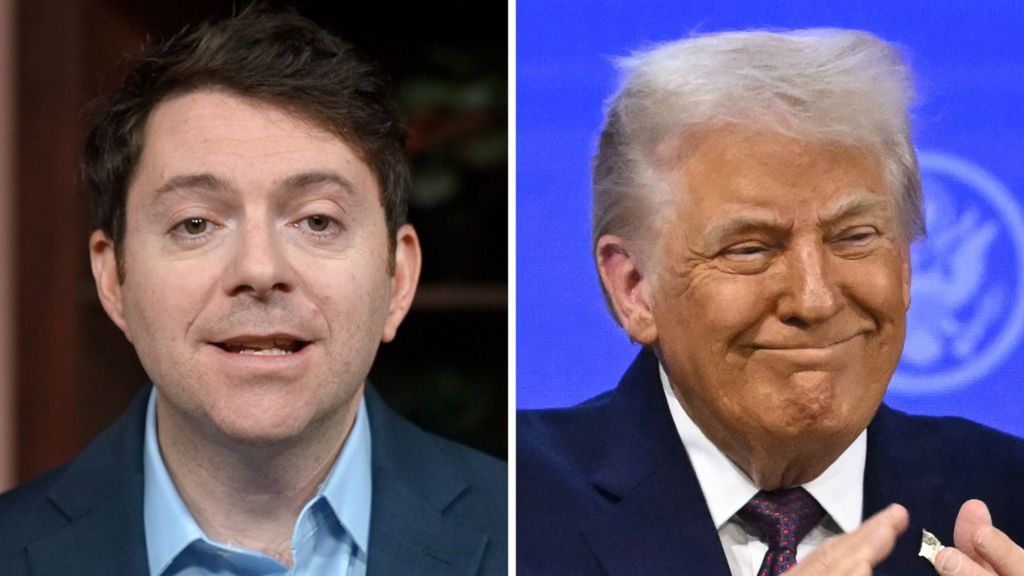
    In a comprehensive examination of former President Donald Trump’s proposed Board of Peace initiative, the BBC’s Washington Correspondent Daniel Bush provides critical analysis regarding participating nations and the allocation mechanisms for the charter’s financial resources. This initiative, emerging during a period of complex global diplomacy, represents a significant development in international peacebuilding efforts.

    The Board of Peace concept, championed by the Trump administration, seeks to establish a multilateral framework for conflict resolution through diplomatic and economic channels. Correspondent Bush’s investigation reveals strategic participation from key nations across different geopolitical blocs, indicating broad-based interest in this unconventional approach to international relations.

    Funding architecture for the initiative appears structured around voluntary contributions from member states, with allocations directed toward mediation resources, conflict prevention programs, and diplomatic mission support. The financial transparency mechanisms and oversight procedures remain central to understanding how effectively these resources would be utilized in practice.

    Bush’s analysis further explores how this initiative aligns with or diverges from traditional international peacekeeping frameworks, examining potential implications for global diplomatic norms and the changing landscape of international conflict resolution during the post-Trump presidency era.

  • Jury selection for Luigi Mangione trial set for September

    Jury selection for Luigi Mangione trial set for September

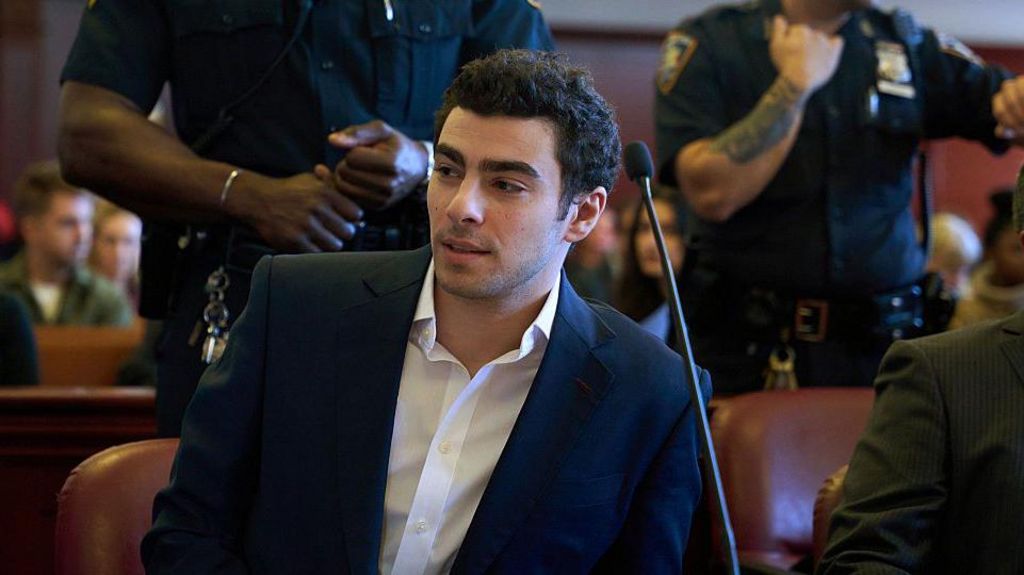
    Manhattan federal court has established critical timelines for the impending trial of Luigi Mangione, the individual charged with the fatal shooting of United Healthcare CEO Brian Thompson in December 2024. During Friday’s proceedings, Judge Margaret Garnett announced that jury selection will commence on September 8th, though the actual trial start date hinges on a monumental decision regarding capital punishment.

    The judicial process faces a bifurcated timeline based on whether federal prosecutors secure death penalty authorization. US Attorney General Pam Bondi’s pursuit of maximum punishment could push trial proceedings to January 2027 if approved. Should the court deny capital prosecution, opening statements will begin considerably sooner on October 13th.

    Friday’s 90-minute hearing centered on contentious evidence admissibility challenges from defense attorneys. Legal representatives for Mangione contend that critical evidence—including a firearm and notebook—was unlawfully obtained during warrantless searches of his backpack following arrest at a Pennsylvania McDonald’s location. Prosecutors maintain Altoona Police Department conducted constitutionally compliant procedures during the search operation.

    Mangione, 27, maintains not guilty pleas against both federal murder charges and separate New York state accusations including second-degree murder and weapons violations. Notably, terrorism charges initially filed against the defendant have been formally dismissed. The state-level proceedings await trial date scheduling while federal courts advance with evidence resolution and trial preparation.

  • Xinjiang reports highest foreign trade growth in China

    Xinjiang reports highest foreign trade growth in China

    China’s Xinjiang Uygur Autonomous Region has emerged as the nation’s top-performing foreign trade hub, achieving unprecedented growth of 19.9% year-on-year in 2025. According to official data released by Urumqi Customs District, the region’s total import-export volume reached a historic 520.4 billion yuan ($74.7 billion), marking the highest growth rate among all Chinese provinces and autonomous regions.

    The export sector demonstrated particularly robust performance, surging 25% to 460.7 billion yuan, while imports experienced a moderate decline of 8.9% to 59.6 billion yuan. Over the comprehensive Five-Year Plan period from 2021 to 2025, Xinjiang’s cumulative foreign trade exceeded 1.71 trillion yuan, representing a remarkable 144.3% increase compared to the previous five-year cycle.

    Customs officials attribute this exceptional performance to strategic policy implementations throughout 2025. Deputy Director Li Qinghua highlighted that targeted measures to enhance port development and advance the China (Xinjiang) Pilot Free Trade Zone significantly optimized foreign trade structures. The region simultaneously accelerated smart port construction initiatives, creating a more efficient trade ecosystem.

    Xinjiang’s international trade network has expanded substantially, maintaining particularly strong economic ties with Belt and Road Initiative partner nations. Trade with these countries reached 458.4 billion yuan, constituting 88.1% of Xinjiang’s total foreign trade volume. Central Asian countries accounted for over half of this trade, while ASEAN markets witnessed explosive 98.3% growth to 67.4 billion yuan—crossing the 10% threshold of Xinjiang’s total trade for the first time.

    The region’s export composition has undergone significant transformation, with high-tech and high-value-added products driving growth. Mechanical and electrical product exports reached 186.5 billion yuan, while automobiles, automotive parts, electrical equipment, and electronic components demonstrated particularly strong performance. Advanced equipment related to new quality productive forces and green technology products including new energy vehicles and lithium batteries grew by approximately 70%.

    Agricultural exports also flourished, increasing 25.4% due to rising international demand for dried and fresh products such as walnuts and grapes.

    Private enterprises played a pivotal role in this success story, contributing 92.8% of Xinjiang’s total foreign trade volume. Their import-export value reached 482.7 billion yuan with 20.1% year-on-year growth. Notably, self-branded goods exports surged 40.3% to 52.11 billion yuan, with proprietary products accounting for significant portions of electrical equipment (33%), lithium batteries (81.1%), and textile machinery (25%) shipments.

    Chief Inspector Huang Qun confirmed that Urumqi Customs District will continue supporting private businesses through enhanced regulatory efficiency, targeted policy guidance, and responsive service improvements to sustain this growth trajectory.

  • Global research project on AI guardrails launched in Beijing

    Global research project on AI guardrails launched in Beijing

    A landmark international research initiative titled “Building Global Consensus on AI Guardrails” was formally inaugurated in Beijing on Friday, bringing together prominent scholars from China, the United States, and other nations. The project addresses the urgent need for coordinated global action to establish safeguards for responsible artificial intelligence development and deployment.

    Professor Jia Qingguo, Director of the Institute for Global Cooperation and Understanding at Peking University, emphasized the critical nature of this endeavor in a video address. “Given our existing understanding of AI risks, the stakes are very high,” he stated. “We must address the challenges and risks AI poses to avoid ending up in a disaster unparalleled in history. Since AI is a global phenomenon, effective risk management presents significant challenges that demand international cooperation.”

    The ambitious project will develop a comprehensive policy and implementation blueprint that maps existing AI governance frameworks worldwide. Its primary objectives include identifying areas of convergence and divergence across different regulatory approaches and proposing concrete mechanisms to build global consensus on implementing responsible AI safeguards.

    Professor Wang Dong, Executive Director of the same institute, highlighted the current fragmentation in global AI governance. He noted persistent divisions among nations regarding risk assessment methodologies, technological boundaries, and governance implementation pathways. This research initiative aims to bridge these gaps through scholarly collaboration and evidence-based policy recommendations, creating a foundation for more harmonized international AI governance standards that balance innovation with ethical considerations and risk mitigation.

  • Austin signs Uruguay international winger Facundo Torres with designated player contract

    Austin signs Uruguay international winger Facundo Torres with designated player contract

    AUSTIN, Texas — In a significant move for the franchise, Austin FC has finalized the acquisition of Uruguayan international Facundo Torres on a designated player contract that will extend through the 2030 Major League Soccer season. The club officially announced the high-profile signing on Friday, securing the services of the dynamic winger from Brazilian powerhouse Palmeiras.

    The 25-year-old attacker brings an impressive offensive pedigree to Austin, having amassed a remarkable 47 goals and 25 assists across three productive seasons (2022-2024) with Orlando City SC. His most recent campaign with Palmeiras in 2025 yielded 10 goals and 6 assists, demonstrating consistent scoring prowess at the highest levels of South American football.

    While the financial specifics of the multi-year agreement remain undisclosed, club officials confirmed the contract includes an additional option for the 2031 season, potentially extending Torres’ tenure in the Texas capital for seven years. This long-term commitment represents a substantial investment in the player’s prime competitive years.

    Torres’ international credentials further enhance his value, with 22 senior appearances for Uruguay’s national team, including participation in World Cup qualifiers and Copa América tournaments. His experience in high-pressure matches will be invaluable to Austin’s ambitions.

    Austin FC Sporting Director Rodolfo Borrell expressed strong confidence in the acquisition, stating: ‘Facundo possesses proven attacking quality as evidenced by his exceptional goal contributions throughout his career. He arrives at an ideal age to immediately elevate our offensive capabilities as we push for success this season and beyond.’

    The signing represents a major statement of intent from Austin FC as they seek to strengthen their attacking options with a player entering his athletic prime, combining MLS experience with international pedigree.

  • Fury over five-year-old’s detention in US immigration crackdown

    Fury over five-year-old’s detention in US immigration crackdown

    A massive immigration enforcement operation in Minneapolis has ignited fierce political controversy following the detention of a five-year-old child, Liam Conejo Ramos. The incident has created a stark divide between the Trump administration and Democratic leaders, with Vice President JD Vance defending Immigration and Customs Enforcement (ICE) agents’ actions while local officials condemn what they describe as traumatic tactics.

    Vance confirmed Thursday that young Ramos was among those detained during widespread ICE operations targeting undocumented immigrants. The vice president asserted that federal agents acted appropriately, claiming the child’s father had abandoned him during an immigration sweep. “What are they supposed to do? Are they supposed to let a five-year-old child freeze to death?” Vance questioned during a press briefing.

    Democratic representatives have vehemently rejected this narrative. Texas Congressman Joaquin Castro branded Homeland Security authorities “sick liars,” noting that his office had been unable to locate the child reportedly held with his father in San Antonio, Texas. Former Vice President Kamala Harris expressed outrage, stating, “Liam Ramos is just a baby. He should be at home with his family, not used as bait by ICE.”

    The Department of Homeland Security issued a statement contradicting claims that agents targeted the child, explaining that ICE officers remained with Ramos for his safety after his father allegedly fled during an operation to arrest him. The department emphasized that parents are given options for removal with their children or placement with designated safe persons.

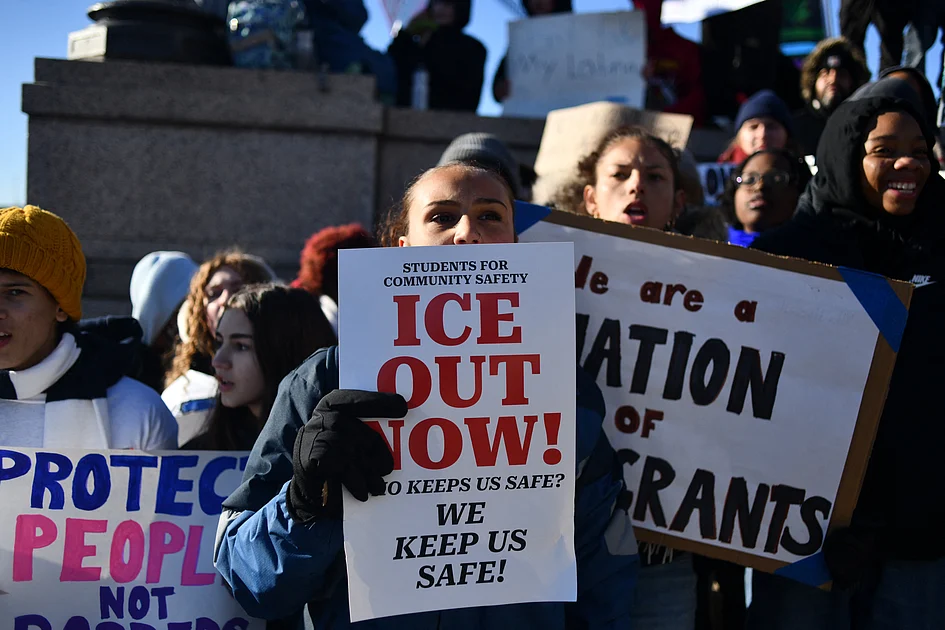
    This incident occurs within broader tensions surrounding ICE’s intensified enforcement activities. Minneapolis Mayor Jacob Frey described the influx of approximately 3,000 federal agents as feeling like an “occupation,” while local school administrators reported at least four children from the same school district being detained this month by masked, armed agents without clear identification.

    The legal status of Ramos and his father remains complex. Their attorney, Marc Prokosch, clarified that while not US citizens, both had followed proper legal procedures in applying for asylum within Minneapolis—a designated sanctuary city where local police typically do not cooperate with federal immigration sweeps. Vance criticized such sanctuary policies, arguing they “turn up the temperature” and hinder federal operations.

    Meanwhile, Minnesota state authorities have sought a temporary restraining order against ICE operations, with a federal court hearing scheduled for Monday that could potentially pause the controversial sweeps.

  • Attorney fears for safety of Ugandan opposition figure Bobi Wine after army chief threats

    Attorney fears for safety of Ugandan opposition figure Bobi Wine after army chief threats

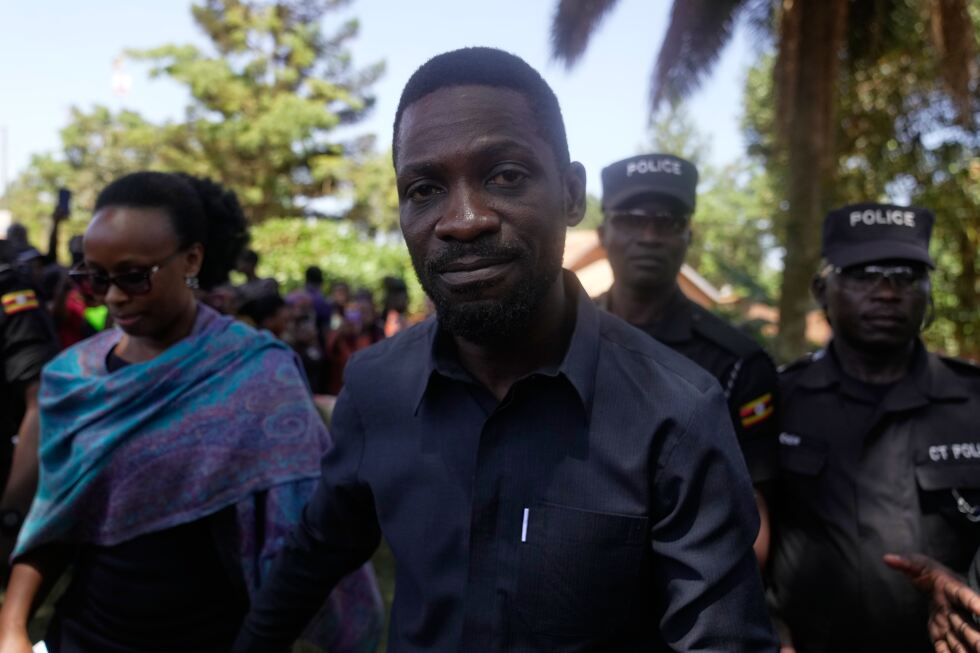
    KAMPALA, Uganda — The legal representative for Ugandan opposition leader Bobi Wine has issued an urgent appeal to the global community, demanding verifiable safety guarantees following what he describes as systematic threats from the nation’s highest military authority. Robert Amsterdam, attorney for the opposition figure, characterized the situation as critically dangerous in a formal statement distributed to international media outlets.

    The controversy centers on General Muhoozi Kainerugaba, son of President Yoweri Museveni and current head of Uganda’s armed forces, whose inflammatory social media rhetoric has targeted Wine repeatedly. The general has publicly referred to the opposition leader as both ‘baboon’ and ‘terrorist’ while claiming credit for the detention of over 2,000 supporters from Wine’s National Unity Platform (NUP). Most alarmingly, Kainerugaba asserted via Twitter that security forces had ‘killed 30 NUP terrorists’ without providing substantiating details.

    These developments occur against the backdrop of disputed electoral results that granted Museveni a seventh presidential term with 71.6% of votes, compared to Wine’s 24.7% share. The opposition has consistently rejected these figures as fraudulent, citing widespread irregularities including internet blackouts, malfunctioning voting technology, and alleged ballot stuffing in government strongholds.

    Wine currently remains in hiding, expressing legitimate fears for his physical safety despite official police statements that he faces no criminal charges. This contradiction highlights the apparent rift between Uganda’s civil law enforcement and military leadership regarding the treatment of political dissent.

    The situation escalated further with the recent arrest and terrorism charges against Muwanga Kivumbi, deputy president of Wine’s political party. Authorities accuse Kivumbi of orchestrating electoral violence in his constituency that resulted in seven fatalities—allegations he vehemently denies.

    Amsterdam emphasized that Kainerugaba’s statements cannot be dismissed as mere social media provocations, noting that as Uganda’s top military official, his words ‘carry the weight of state power and have operational significance.’ The attorney invoked international law obligations requiring the Ugandan government to prevent violence and protect those under threat.

    United Nations Secretary-General António Guterres has concurrently appealed for restraint from all parties and respect for legal protocols and human rights standards. The international community now faces mounting pressure to intervene in what appears to be an increasingly volatile political climate in the East African nation.