作者: admin

  • UAE President meets heads of delegation at US-Russia-Ukraine trilateral talks

    UAE President meets heads of delegation at US-Russia-Ukraine trilateral talks

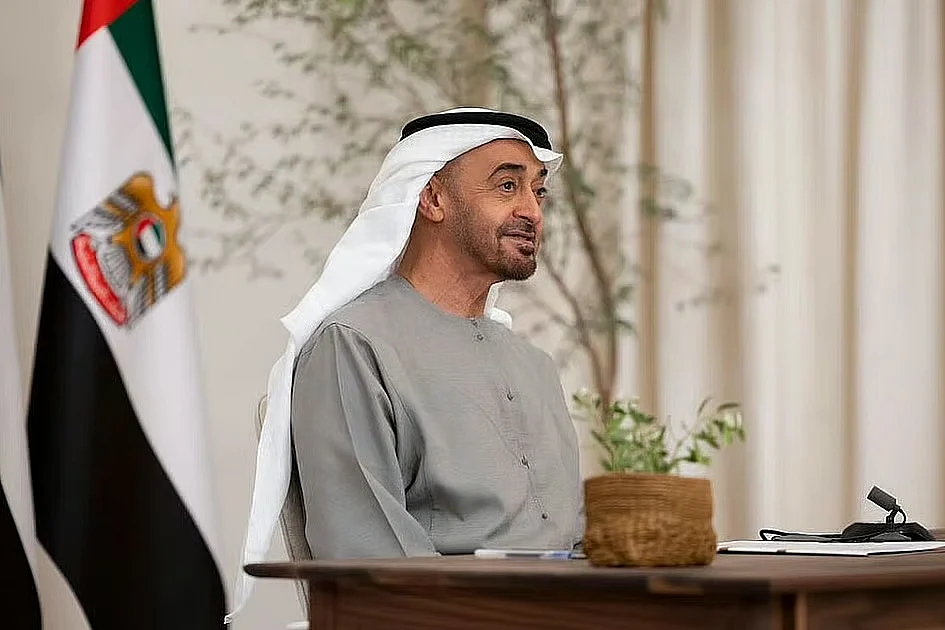
    In a significant diplomatic development, Abu Dhabi has become the stage for high-level trilateral negotiations aimed at addressing the prolonged Ukraine conflict. UAE President Sheikh Mohamed bin Zayed Al Nahyan personally met with delegation leaders from the United States, Russia, and Ukraine on Friday, January 23, 2026, demonstrating the Emirates’ commitment to facilitating peaceful conflict resolution.

    The high-stakes discussions brought together prominent figures including US presidential envoys Steve Witkoff and Jared Kushner, alongside Russian military representative Igor Kostyukov and Ukrainian officials Kyrylo Budanov and Rustem Umerov. This gathering represents one of the most direct diplomatic engagements between the conflicting parties in recent years.

    President Sheikh Mohamed articulated his earnest hope that the negotiations would yield successful outcomes capable of contributing to the termination of the years-long hostilities. He emphasized the UAE’s consistent foreign policy approach that prioritizes constructive dialogue and supports all initiatives aimed at advancing diplomatic solutions to international crises.

    The UAE leader further reinforced his nation’s stance by affirming support for all peaceful endeavors seeking to resolve the Ukraine crisis in a manner that respects the interests of all involved parties while promoting global stability. The meeting was attended by senior UAE officials including Abu Dhabi Crown Prince Sheikh Khaled bin Mohamed bin Zayed Al Nahyan and other prominent members of the royal family and government, underscoring the importance the Emirates places on these negotiations.

    This diplomatic initiative positions the UAE as an increasingly influential neutral mediator in complex international disputes, building on its growing reputation as a hub for diplomatic engagement and conflict resolution efforts.
  • Stuck between the US and Russia, Canada must prove it can defend its Arctic territory

    Stuck between the US and Russia, Canada must prove it can defend its Arctic territory

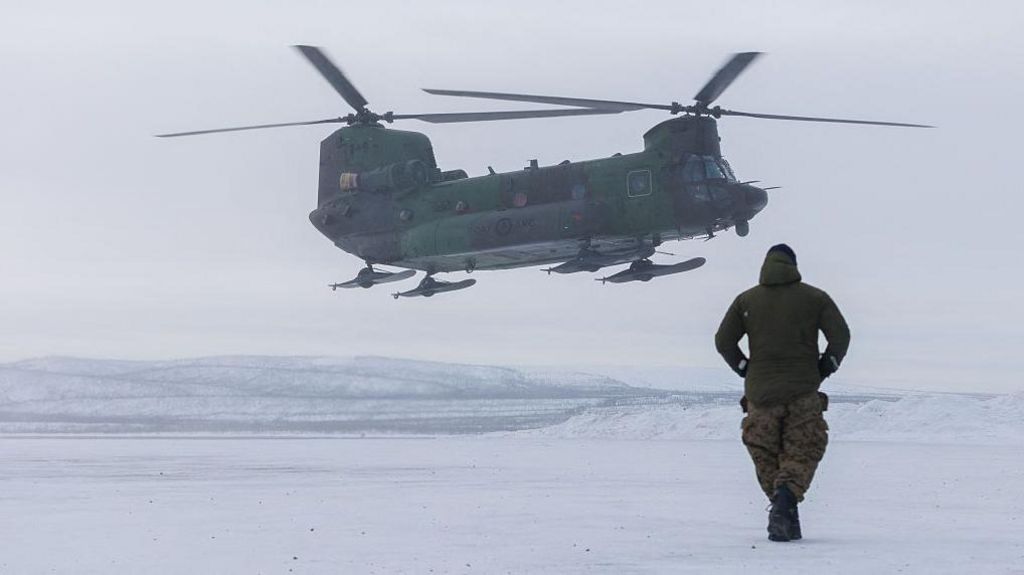
    In a significant strategic shift, Canadian Prime Minister Mark Carney has committed to deploying substantial military resources—including personnel, advanced radar systems, submarines, and aircraft—to secure Canada’s vast Arctic territories. This massive region spans nearly 4 million square kilometers, an area larger than continental Europe, yet is sparsely populated and notoriously treacherous.

    The Arctic has become a focal point of intense geopolitical competition, with Russia and the United States bordering the North Pole, and China aggressively expanding its naval and icebreaker fleets while declaring itself a ‘near Arctic state.’ The security landscape has been further complicated by the Trump administration’s expressed interest in Greenland and its criticism of Canada’s defense capabilities.

    Former Canadian Forces Northern Area Commander Pierre Leblanc emphasized the environmental and strategic challenges, noting that existing infrastructure—aging early warning radars, eight military bases, and approximately 100 Coast Guard personnel monitoring 162,000 km of coastline—is inadequate for modern threats. This assessment is supported by experts who point to the emergence of hypersonic missiles, which travel at least five times the speed of sound and render traditional defense systems obsolete.

    Russia’s operational use of hypersonic weapons in Ukraine, including the nuclear-capable ‘Oreshnik’ missile, has accelerated the need for advanced defense technologies. The Trump administration’s proposed Golden Dome missile defense system, incorporating over-the-horizon radar and space-based sensors, has sparked complex negotiations with Canada. Despite public tensions and provocative statements from Trump—including suggestions that Canada could become the ’51st state’—on-the-ground cooperation between U.S. and Canadian military practitioners remains strong.

    Canada’s defense spending is set to increase from 2% to 5% of GDP by 2035, funding what Col. Leblanc describes as ‘real action’ in Arctic security. However, logistical challenges persist, including limited port facilities and the difficulty of resupplying remote bases. While political rhetoric escalates, experts like Troy Bouffard of the Center for Arctic Security and Resilience affirm that bilateral operational coordination continues effectively, for now.

  • Tragic chapter on the trains sends rail superpower Spain into crisis

    Tragic chapter on the trains sends rail superpower Spain into crisis

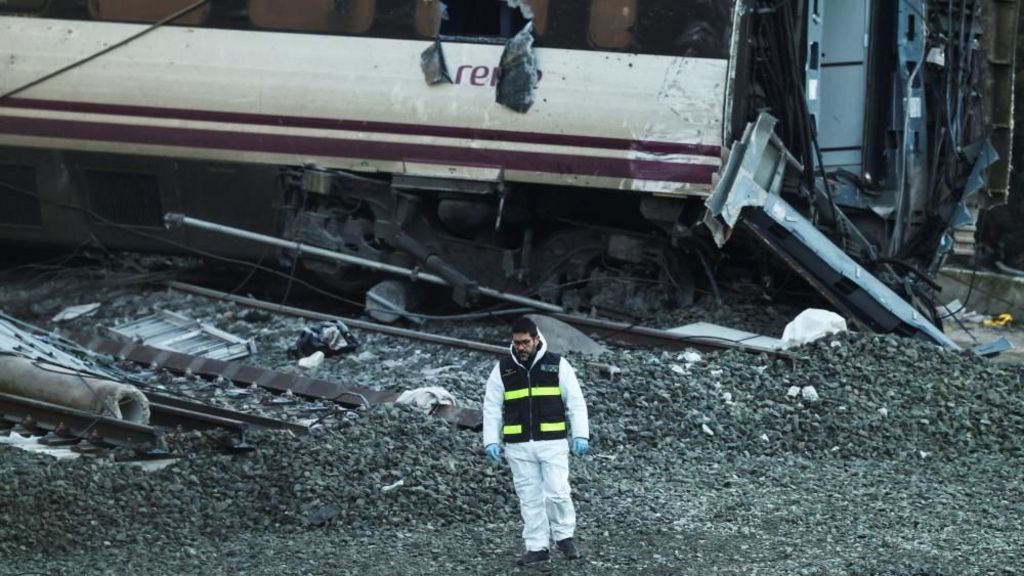
    Spain’s renowned high-speed rail system, once celebrated as a global benchmark for efficiency and safety, now faces an unprecedented crisis following a series of devastating accidents that have claimed 46 lives and shaken public confidence. The nation observed three days of mourning this week as investigators continue probing the catastrophic collision between two high-speed trains in Andalusia, which represents the deadliest rail disaster in Spain’s modern history.

    For three decades, Spain’s AVE network stood as a transport marvel—second only to China in total coverage with 3,900 kilometers of dedicated high-speed tracks. The system earned international acclaim, notably from former U.S. President Barack Obama who in 2009 praised the Madrid-Seville line as so successful that it outperformed air and road travel combined. Spanish engineering expertise even expanded globally, with consortiums building desert railways in Saudi Arabia.

    This impeccable reputation shattered within days. The initial tragedy occurred when the rear carriages of an Italian-operated Iryo train derailed at high speed along a straight section near Córdoba, veering into the path of an oncoming Renfe service. The investigation’s preliminary findings reveal grooves on multiple train wheels suggesting track fracture preceded the derailment. Subsequently, a trainee driver died near Barcelona when heavy rainfall collapsed a wall onto his cab, while separate incidents involved rock collisions and crane impacts causing minor injuries.

    The cascade of accidents has exposed systemic vulnerabilities. Catalonia’s train drivers initiated strike action demanding safety guarantees, paralyzing regional services. Nationwide, the Semaf union has called February strikes citing ‘constant deterioration of rail infrastructure.’ Even high-speed lines now operate under temporary speed restrictions amid safety reviews.

    Public trust has evaporated rapidly. Córdoba shopkeeper Alberto Montavez Montes, whose business faces city hall where flags fly at half-mast, expressed the prevailing sentiment: ‘It’s not psychosis, but undoubtedly you feel reluctant to board trains now.’ Local resident Olga Márquez reported her husband frequently noted concerning vibrations and noises on the very line where the collision occurred.

    The political response has intensified scrutiny on maintenance investment. Transport Minister Óscar Puente defended government spending, noting €700 million recently allocated to modernize the Madrid-Andalusia line including the accident site. ‘We’re not looking at problems of maintenance, obsolescence, or investment,’ he asserted, while acknowledging potential ‘unprecedented network issues.’

    However, European comparative data reveals Spain ranks last among 14 nations in per capita rail infrastructure investment. Engineering expert Salvador García-Ayllón warns liberalization policies that doubled annual high-speed passengers to 22 million have left Spanish rail ‘bursting at the seams.’ He analogized: ‘The challenge isn’t just buying a Ferrari—you must maintain it properly.’

    Performance metrics confirm declining reliability: Renfe’s high-speed trains averaged 19-minute delays in July 2025, while technical incidents on Madrid’s commuter network tripled since 2019. The tragedies have ignited political warfare, with opposition parties accusing the government of withholding information and declaring train travel unsafe.

    Prime Minister Pedro Sánchez acknowledged the ‘irreparable damage’ while maintaining that high-speed rail remains ‘Spain’s pride.’ Yet for citizens confronting broken confidence and unanswered safety questions, such assertions ring hollow amid the deepest crisis in Spanish rail history.

  • ‘Half of my friends were killed’ – the girls returning to a school caught up in war

    ‘Half of my friends were killed’ – the girls returning to a school caught up in war

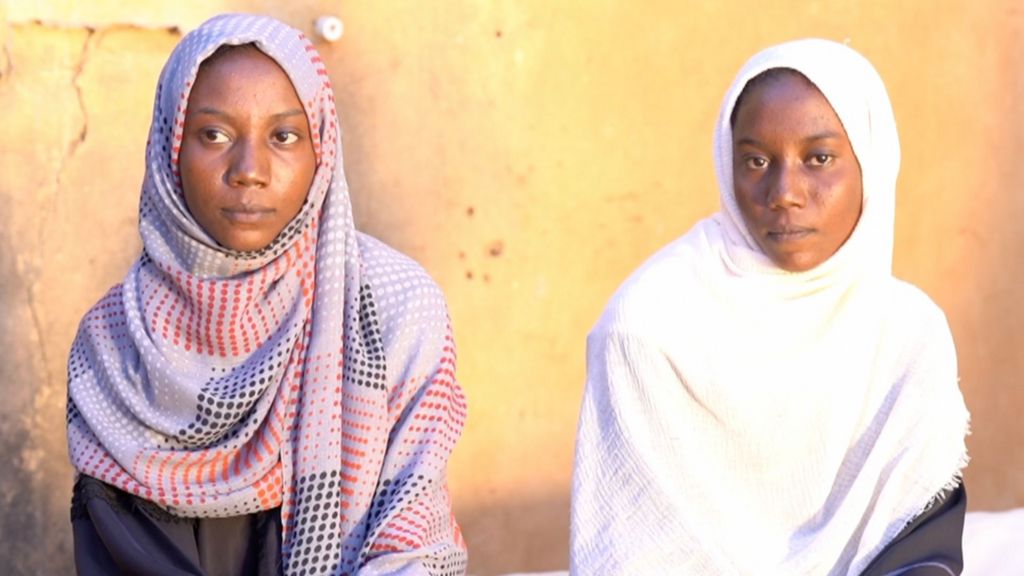
    In a harrowing account from Sudan’s civil war, 18-year-old twins Makarem and Ikram survived a devastating artillery attack on their school in el-Obeid, North Kordofan, in August 2024. The sisters were attending separate classes when shells struck the Abu Sitta girls’ school, killing their English teacher and 13 classmates while injuring dozens more.

    Makarem sustained serious injuries during the attack, suffering shoulder and head wounds from shrapnel. ‘We took cover beside the wall when a classmate noticed my bleeding shoulder,’ she recalls. In the ensuing chaos, the twins desperately searched for each other amid the destruction, with Makarem eventually transported to hospital by local residents using private vehicles and animal-drawn carts due to the absence of functional ambulance services.

    The attack left a permanent physical reminder for Makarem—a small shrapnel fragment embedded in her head that continues to cause periodic pain, particularly during colder weather. ‘The headaches were unbearable initially, requiring constant pain medication,’ she explains.

    Despite the trauma, both twins have demonstrated remarkable resilience. Following three months of school renovations, they returned to the same classrooms where their friends and teacher perished. ‘Initially, I couldn’t imagine returning,’ Ikram admits. ‘But seeing my friends come back gave me courage.’ The emotional toll remains evident as she confesses to closing her eyes while passing the attack site to avoid traumatic memories.

    The school administration implemented comprehensive support measures, including psychological counseling and medical facilities with beds and nurses to accommodate injured students during examinations. Headteacher Iman Ahmed describes the girls’ determination to continue their education as ‘a form of defiance and loyalty to those who were lost.’

    Their story unfolds against the backdrop of Sudan’s devastating conflict, which has claimed over 150,000 lives since April 2023 and created the world’s worst humanitarian crisis according to UN assessments. The strategically vital Kordofan region, rich in oil resources, has become a major frontline in the war between the Sudanese army and paramilitary Rapid Support Forces (RSF).

    Regional authorities attribute the school attack to RSF forces, though the group has never acknowledged responsibility for the incident. The conflict has severely disrupted education nationwide, with approximately 13 million of Sudan’s 17 million school-aged children currently unable to attend classes according to UN estimates.

    In el-Obeid, educational challenges persist despite the city’s liberation from an 18-month RSF siege in February 2025. Dozens of schools have been converted into shelters for nearly one million displaced persons, creating overcrowded conditions that complicate learning environments.

    Despite these obstacles, both twins maintain hopeful outlooks. Ikram now studies English at a local university, inspired by her deceased teacher, while Makarem aspires to become a doctor despite initially falling short of the required exam scores for medical school. ‘The shrapnel made studying difficult—I could only manage one-hour sessions,’ she reveals. Undeterred, she plans to retake her exams, asserting: ‘I believe I will achieve my target score. I am hopeful for the future.’

    Neurologist Dr. Tarek Zobier notes that retained shrapnel effects vary case by case, with some patients requiring no intervention while others need surgery for severe symptoms. For Makarem, pain management continues through medication as she pursues her academic ambitions amid ongoing conflict.

  • Trump stirs talk of ‘new world order’ as leaders signal shifting global alliances

    Trump stirs talk of ‘new world order’ as leaders signal shifting global alliances

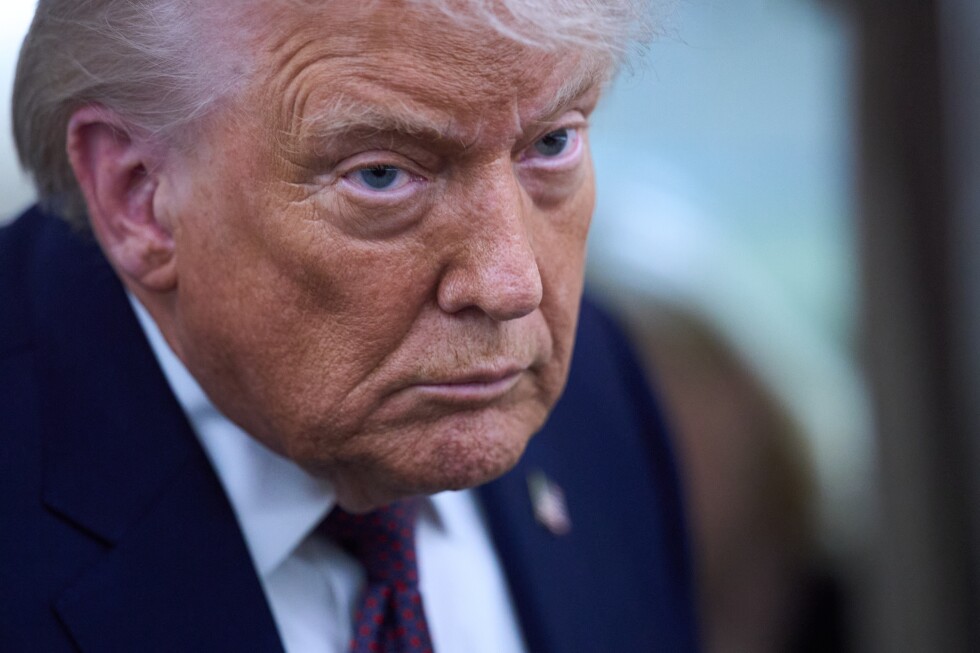
    WASHINGTON — President Donald Trump’s unconventional approach to international relations reached new heights this week as his personal reactions to foreign leaders triggered dramatic policy shifts and diplomatic confrontations. The president’s mercurial temperament has become the central driver of U.S. foreign policy, fundamentally challenging the post-World War II international order.

    In a series of consequential moves, Trump revoked Canadian Prime Minister Mark Carney’s invitation to join his Board of Peace initiative following what he perceived as Canada’s increasingly assertive posture toward the United States. The organization, initially formed to maintain the Israel-Hamas ceasefire, has expanded into a potential rival to the United Nations, drawing skepticism from Western allies.

    During his appearance at the World Economic Forum, Trump demonstrated his transactional approach by threatening tariffs against Switzerland after its leader allegedly “rubbed me the wrong way” during a phone conversation. Although he ultimately lowered the proposed tariffs, the incident highlighted how personal chemistry influences his economic decisions. Similarly, the president pressured Denmark to acquiesce to U.S. ambitions regarding Greenland with a stark ultimatum: “say yes and we will be very appreciative. Or you can say no and we will remember.”

    This pattern of behavior reflects Trump’s deliberate effort to dismantle the rules-based international system that has governed Western diplomacy for decades. His supporters view this approach as a necessary correction to what they consider an inefficient system overly focused on compromise. However, critics argue that replacing established norms with a personality-driven framework creates dangerous instability.

    Republican Senator Lisa Murkowski of Alaska, returning from Davos, reported hearing concerns about a “new world order” among international leaders. She noted that traditional allies now question American reliability, with nations considering alternative partnerships due to uncertainty about U.S. intentions.

    The administration’s maximalist strategy, described by former adviser Steve Bannon as continuing “until you meet resistance,” has encountered little opposition from the Republican-controlled Congress. However, foreign leaders are increasingly vocal in their pushback.

    Prime Minister Carney has emerged as a leading voice for middle powers seeking to counter American unpredictability. Speaking before Trump in Davos, Carney advocated for collective action among secondary nations, stating, “If you are not at the table, you are on the menu.” He proposed creating a “third path” based on legitimacy, integrity, and rules—a vision that drew Trump’s ire and prompted threats against Canada.

    UK Prime Minister Keir Starmer condemned Trump’s recent comments questioning NATO’s mutual defense commitments as “insulting and frankly appalling.” The criticism came despite NATO’s Article 5 being invoked only once—in defense of the United States following the 9/11 attacks.

    Analysts worry that Trump’s tactics may cause lasting damage to American global standing while encouraging nations to strengthen ties with China. Former Biden national security adviser Jake Sullivan observed that Chinese leadership views Trump’s conflicts with allies as beneficial to Beijing’s interests.

    Democratic Senator Chris Coons of Delaware, who participated in a bipartisan delegation to Denmark, noted that Trump appears to respect only those nations that demonstrate toughness and resilience, while treating accommodating partners with disregard.

    The president’s personal diplomacy has created a fundamental shift in how the United States engages with the world, replacing established protocols with a system where flattery, personal animus, and immediate gratification drive international decision-making.

  • For some intrepid travelers, sky will not be limit

    For some intrepid travelers, sky will not be limit

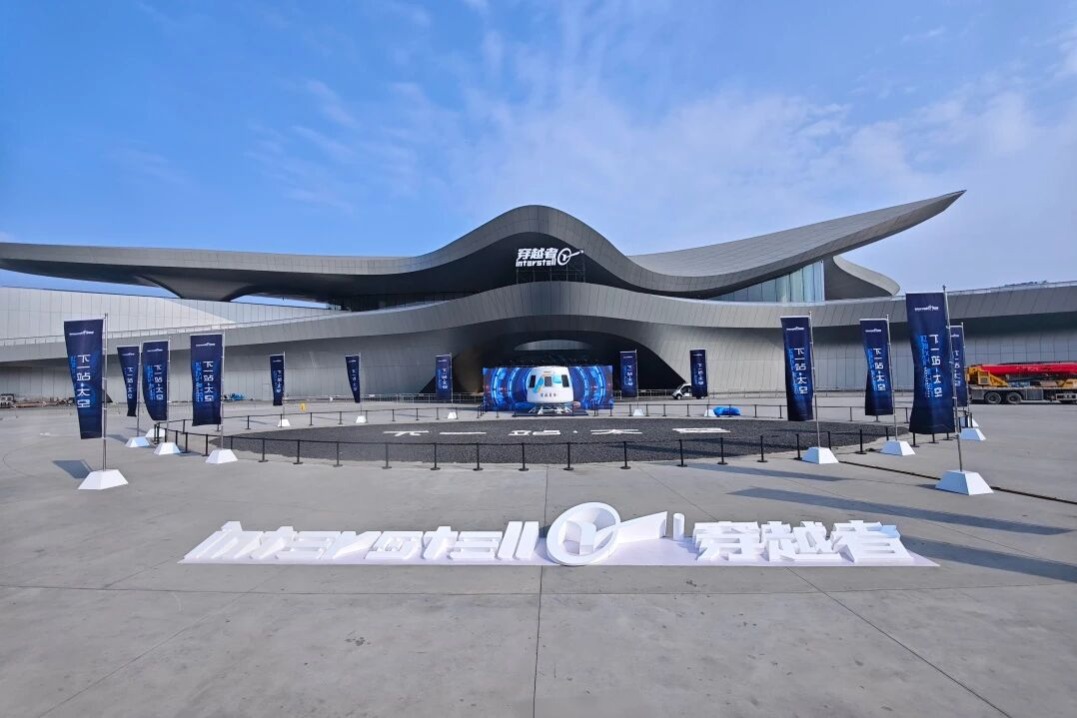
    China’s commercial space sector is poised for a revolutionary leap as private aerospace company Beijing InterstellOr Human Spaceflight Technology reveals ambitious plans to offer civilian space travel experiences. The announcement comes amid a wave of favorable government policies designed to boost the nation’s commercial space industry.

    At a recent business presentation in Chengdu, company founder and CEO Lei Shiqing detailed the development of the CYZ-1 manned spaceship, engineered to provide paying passengers with what she described as a “safe, comfortable and affordable” suborbital flight experience. The spacecraft represents a significant milestone in China’s growing private space sector.

    The technical specifications reveal a sophisticated design: the 8-metric-ton spacecraft features a 4-meter diameter with 21 cubic meters of interior space, comprising two primary components—a crew module accommodating six passengers and a standalone escape capsule for emergency scenarios. The vessel will be propelled by a small carrier rocket that separates at approximately 70 kilometers altitude.

    Following separation, the craft will continue its ascent through momentum, crossing the internationally recognized Kármán line at 100 kilometers—the conventional boundary of space—with capacity to reach altitudes up to 200 kilometers without achieving orbital velocity. Passengers will experience approximately three minutes of weightlessness during the 20-minute journey before the spacecraft initiates atmospheric reentry.

    The landing sequence employs multiple giant parachutes to ensure a soft touchdown, completing what InterstellOr promises will be an extraordinary adventure for space enthusiasts.

    Chief designer Zhang Minjie, formerly of the China Academy of Space Technology, emphasized the incorporation of innovative technologies in escape, reentry, and landing systems. “Our focus on reusability significantly reduces operational costs while maintaining stringent safety standards,” Zhang stated. “We will conduct extensive ground testing to verify all systems before manned missions.”

    The company’s roadmap includes two unmanned test flights scheduled before late 2028, with the inaugural crewed mission to follow shortly thereafter. Remarkably, over 20 seats on initial flights have already been reserved by Chinese business leaders, a prominent actor, and a distinguished scientist at approximately $430,000 per ticket.

    Looking beyond suborbital tourism, InterstellOr has announced development of the CYZ-2 model capable of reaching low-Earth orbit, with maiden voyage projected around 2032. Recent successful tests of the landing-buffering system have yielded satisfactory results, with post-examination analysis confirming system reliability and structural integrity.

    This venture signals China’s accelerating entry into the commercial space tourism market, potentially creating new opportunities for civilian space experiences while demonstrating technological advancements in reusable spacecraft design.

  • UAE to host two-day trilateral peace talks between US, Russia, Ukraine

    UAE to host two-day trilateral peace talks between US, Russia, Ukraine

    The United Arab Emirates is poised to facilitate a critical diplomatic initiative by hosting two-day multilateral peace negotiations among the United States, Russia, and Ukraine. Scheduled for late January 2026, this strategic dialogue represents a significant development in international conflict resolution efforts regarding the ongoing Eastern European tensions.

    According to regional diplomatic sources, the UAE’s selection as neutral territory underscores its growing influence in global affairs and its capacity to mediate between conflicting international powers. The Gulf nation’s established relationships with all involved parties position it uniquely to foster constructive dialogue where previous venues have faced challenges.

    This diplomatic undertaking follows multiple previous attempts to establish sustainable communication channels between the conflicting nations. The extended duration of the talks suggests participants are preparing for substantive discussions beyond preliminary positioning, potentially addressing core security concerns and humanitarian considerations that have previously hindered progress.

    International observers note the timing coincides with increasing global pressure for conflict de-escalation amid evolving geopolitical dynamics. The participation of both US and Russian representatives at the negotiating table, alongside Ukrainian delegates, indicates potential openness to exploring alternative frameworks for stability in the region.

    The international community continues monitoring developments closely, recognizing that successful mediation could establish new precedents for conflict resolution in complex geopolitical environments while potentially reshaping regional power dynamics.

  • EFG Hermes tops LSEG MENA ECM Bookrunner rankings for second consecutive year

    EFG Hermes tops LSEG MENA ECM Bookrunner rankings for second consecutive year

    EFG Hermes, the premier investment banking institution within EFG Holding, has once again clinched the foremost position in London Stock Exchange Group’s (LSEG) MENA equity capital markets (ECM) bookrunner rankings for 2025. This achievement marks the second consecutive year the financial powerhouse has dominated the regional league tables, reinforcing its commanding presence across Middle Eastern and North African capital markets.

    LSEG’s comprehensive assessment methodology evaluates financial institutions based on two critical parameters: total capital proceeds raised throughout the assessment period and the aggregate number of successfully completed transactions. EFG Hermes demonstrated exceptional performance across both metrics during the 2025 review cycle.

    The investment bank’s transaction volume reached unprecedented levels with 12 completed ECM operations—precisely double the deal count of the second-ranked institution. These transactions spanned multiple regional exchanges including Tadawul, Nomu, Abu Dhabi Securities Exchange, Dubai Financial Market, Nasdaq Dubai, Muscat Stock Exchange, Bourse Kuwait, and the Egyptian Exchange.

    Mostafa Gad, Global Head of Investment Banking at EFG Hermes, emphasized that this industry recognition reflects the firm’s expanding regional footprint and enduring client relationships. “Our continued focus remains on executing sophisticated transactions that simultaneously advance client objectives while contributing to the broader development of MENA capital markets,” Gad stated, highlighting the institution’s unique capacity to navigate diverse regulatory environments.

    EFG Hermes established itself as the sole investment bank to execute ECM transactions across five key markets—Saudi Arabia, the UAE, Oman, Kuwait, and Egypt—during the assessment period. Beyond equity markets, the firm advised on 42 regional transactions encompassing 18 ECM deals, 16 debt capital market operations, and 8 mergers and acquisitions.

    The bank’s expertise extended across various ECM structures including initial public offerings, accelerated bookbuilds, and rights issues. Notable 2025 transactions included serving as sole financial advisor for the Jamjoom IPO in Saudi Arabia and joint global coordinator for the ADNOC Gas secondary offering—the largest placement in ADX history.

    Christopher Laing, Head of ECM at EFG Hermes Investment Banking, attributed the firm’s outstanding performance to its comprehensive research coverage and unparalleled access to institutional and family office investors throughout the region. The institution has maintained its position as the top trader on the Dubai Financial Market for eight consecutive years.

    This latest industry recognition solidifies EFG Hermes’ status as the preeminent equity capital markets facilitator in the MENA region amid sustained issuance activity across developing capital markets.

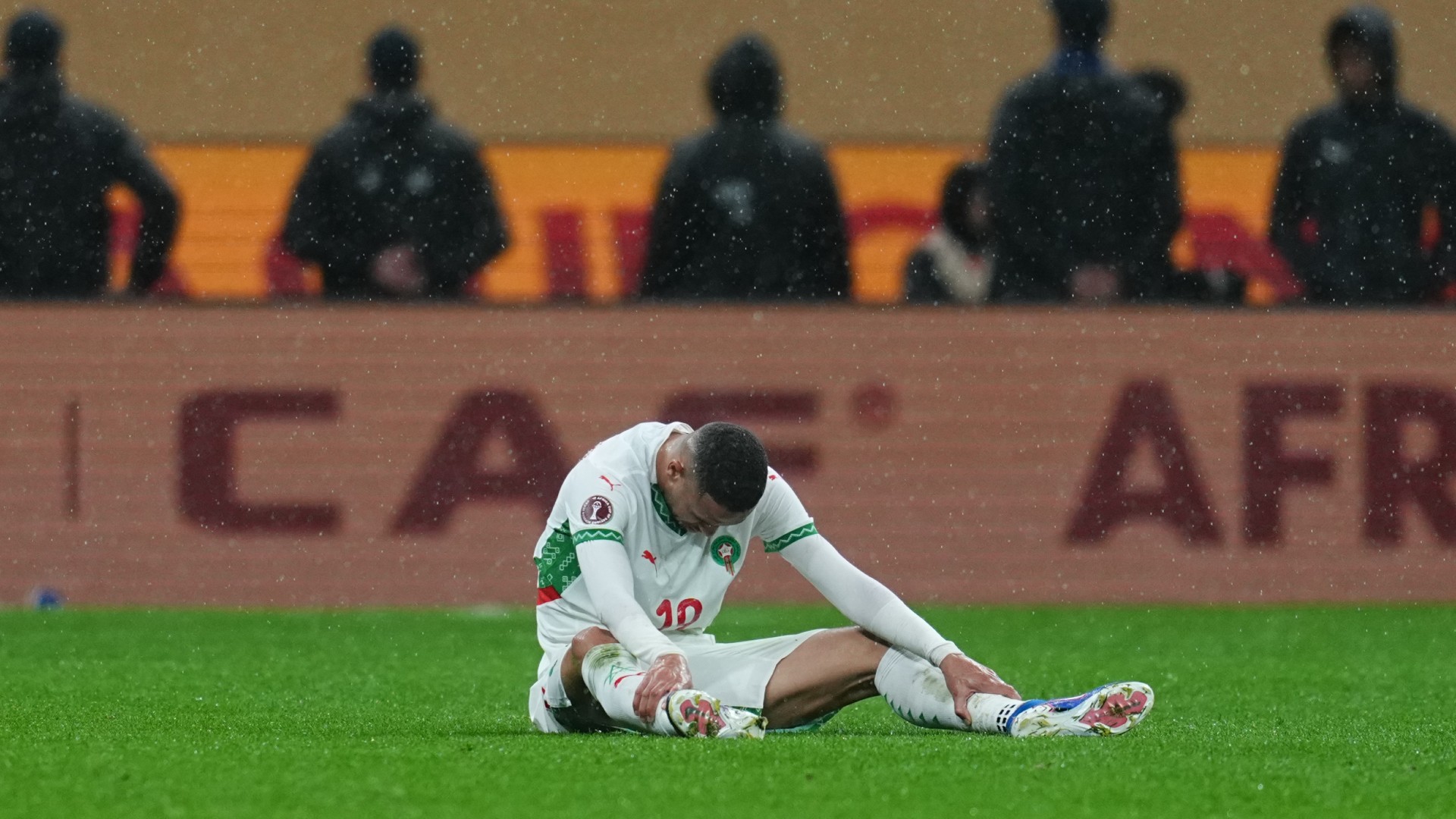
  • Chaos, defeat and repression: How Afcon drama drowned out Morocco’s Gen Z crackdown

    Chaos, defeat and repression: How Afcon drama drowned out Morocco’s Gen Z crackdown

    While Morocco captivated global attention hosting the African Cup of Nations tournament, a potent protest movement dubbed GenZ 212 highlighted the nation’s stark domestic tensions. The demonstrations, which swept across dozens of cities between September and December 2025, were initially sparked by public outrage over the deaths of eight women from botched caesarean sections at a public hospital in Agadir. This tragedy galvanized a youth-led movement demanding urgent reforms to Morocco’s chronically underfunded healthcare and education systems, alongside calls to address systemic corruption and enhance political rights.

    The government response was severe. Security forces shot and killed at least three protesters, while over 2,400 individuals were arrested during the unrest. Hundreds remain in custody, with many reporting brutal beatings and dire detention conditions. Omar, a relative of one detainee who spoke under pseudonym for security reasons, described overcrowded cells designed for ten people holding forty, where diseases spread rapidly.

    The timing of the protests created a striking contrast with Morocco’s ambitious sporting ambitions. As the government prepared to co-host the 2030 World Cup, investing $1.4 billion in new stadiums including plans for the world’s largest arena in Casablanca, protesters adopted a powerful chant: “The stadiums are here, but where are the hospitals?” This slogan encapsulated their critique of the state’s misplaced priorities.

    During the Afcon tournament, authorities implemented overwhelming security measures. Public spaces felt heavily monitored, gatherings were deemed suspicious by default, and political expression became significantly riskier. International attendees encountered stringent checks, including biometric passport registration on an app developed by a relative of the king’s closest aide.

    According to Jonathan Hill, director of the Institute of Middle Eastern Studies at King’s College London, hosting such mega-events forms part of Morocco’s strategy to gain international recognition and demonstrate economic strength. However, GenZ 212 members describe this as more than mere ‘sportswashing’—characterizing it as comprehensive propaganda masking systemic failures.

    Beneath the spectacle of sporting achievement lies a nation of profound inequality. The World Inequality Database indicates Morocco’s top 1 percent earn a similar proportion of national income as the bottom 50 percent. With hundreds still detained and sentences of up to 15 years being handed down for protest-related charges, analysts predict further social unrest is inevitable given the structural limits of Moroccan democracy.

    The movement maintains significant organizational capacity, with over 180,000 users on its Discord server continuing discussions. As one activist noted, the current calm represents not acceptance but ‘enforced calm through violence’—a temporary condition that cannot permanently suppress an educated, connected generation aware of the system’s repressive nature.

  • Award-winning Colibri Views by Major Developments in RAK nearly sold out in record time

    Award-winning Colibri Views by Major Developments in RAK nearly sold out in record time

    Major Developments’ premier residential project, Colibri Views, has achieved near complete sell-out status at unprecedented velocity within Ras Al Khaimah’s rapidly evolving urban core. The twin-tower development reports 100% absorption of studio and one-bedroom configurations, with only a limited inventory of two-bedroom residences and two exclusive penthouses remaining available at RAK Central.