作者: admin

  • Sx hospitalised in legionnaires’ disease outbreak in Craigieburn as health officials investigate source

    Sx hospitalised in legionnaires’ disease outbreak in Craigieburn as health officials investigate source

    Health authorities in Melbourne have launched an urgent investigation into a concerning outbreak of Legionnaires’ disease that has resulted in the hospitalization of six individuals. The Victorian Department of Health has identified the suburb of Craigieburn and surrounding areas including Mickleham, Greenvale and Roxburgh Park as the focal point of this public health emergency, with all confirmed cases developing symptoms during early March.

    The epidemiological investigation suggests the exposure period likely occurred in late February, prompting health officials to systematically examine potential contamination sources throughout the affected region. Cooling towers and complex water systems are undergoing particular scrutiny as possible origins of the bacterial outbreak, given their known potential for harboring and disseminating legionella pathogens.

    Legionnaires’ disease represents a severe form of pneumonia caused by legionella bacteria, which naturally occur in freshwater environments but can proliferate dangerously in human-made water systems. Transmission occurs exclusively through inhalation of contaminated water droplets or mist, with no documented cases of person-to-person transmission. While many individuals exposed to the bacteria don’t develop illness, vulnerable populations including elderly residents, chronic smokers, and immunocompromised individuals face significantly elevated risks.

    Medical professionals across the region have been placed on high alert and instructed to maintain heightened suspicion for legionella infection in patients presenting with severe or atypical pneumonia, particularly those with recent travel history through the identified suburbs. Early diagnostic testing and prompt antibiotic intervention are emphasized as critical components of effective clinical management, potentially preventing serious complications including respiratory failure and multi-organ dysfunction.

    The Department of Health has issued renewed directives requiring immediate reporting of all suspected cases while continuing their traceback investigation to identify and remediate the outbreak’s source. Public health advisories urge residents and recent visitors experiencing influenza-like symptoms including fever, chills, myalgia and persistent cough to seek immediate medical evaluation, emphasizing the time-sensitive nature of effective treatment.

  • Iran war to spike US grocery costs, threaten global food crisis

    Iran war to spike US grocery costs, threaten global food crisis

    The escalating military confrontation between the United States and Iran is generating significant economic repercussions worldwide, with rising fuel and agricultural input costs threatening to trigger broader inflationary pressures. Recent market data indicates diesel prices have surpassed $5 per gallon for the first time since December 2022, creating direct impacts on consumer goods transportation costs throughout the United States.

    According to financial analysts, sustained high diesel prices will inevitably translate into increased consumer expenses. Paul Dietrich, Chief Investment Strategist at Wedbush Securities, emphasized that “diesel is what moves the real economy,” noting its critical role in transporting food, packages, and construction materials. This price surge represents a direct hit on household budgets through more expensive groceries and delivery services.

    The conflict’s economic impact extends beyond transportation fuels. The closure of the Strait of Hormuz by Iran in response to US and Israeli military actions has severely disrupted global fertilizer supply chains. Middle Eastern urea export prices have surged approximately 40%, rising from under $500 to over $700 per metric ton within days. Analytics firm Kpler estimates that prolonged closure could disrupt up to one-third of global fertilizer trade.

    This dual shock to both transportation and agricultural inputs has raised concerns about potential global food insecurity. The World Food Program has warned that continued conflict could push millions into extreme hunger, with Deputy Executive Director Carl Skau stating that without adequate humanitarian response, the situation could spell catastrophe for vulnerable populations already facing food shortages.

    The economic pressures emerge alongside concerning inflation indicators. Recent data shows US wholesale prices surged 0.7% in February—more than double economists’ expectations—representing the highest annual increase in twelve months. These pipeline inflation pressures suggest persistent cost increases that typically translate to higher consumer prices as businesses pass on additional expenses.

    Market analysts note these developments complicate the Federal Reserve’s monetary policy decisions regarding interest rate levels, as persistent inflation conflicts with goals of maintaining economic stability. The situation demonstrates how geopolitical conflicts can rapidly translate into tangible economic challenges affecting global supply chains and household budgets worldwide.

  • Top US intelligence official says it’s not her job to determine imminent threats

    Top US intelligence official says it’s not her job to determine imminent threats

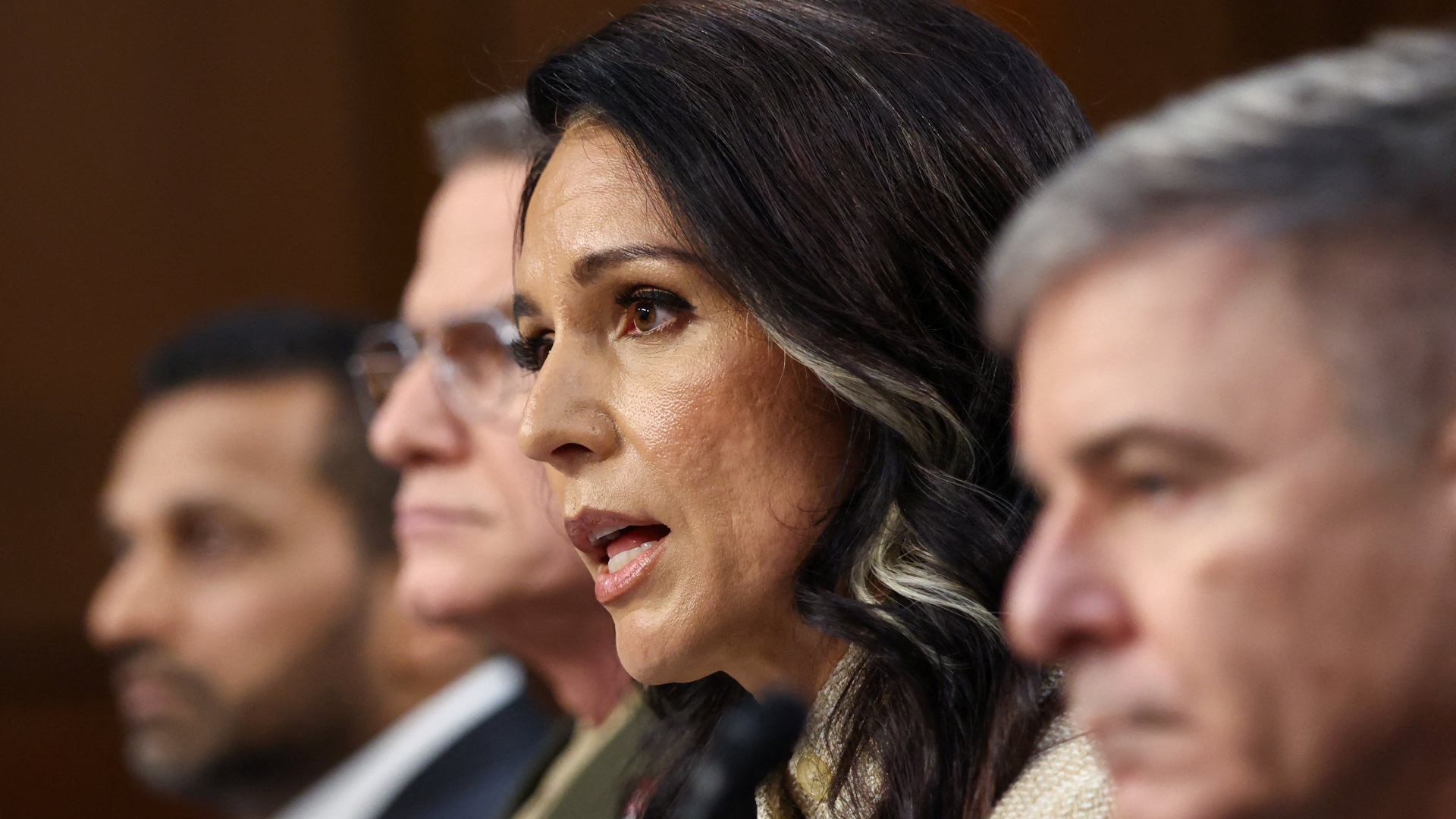
    A tense Senate Intelligence Committee hearing on Wednesday revealed significant tensions between the intelligence community and the White House regarding the ongoing military engagement with Iran. Director of National Intelligence Tulsi Gabbard asserted that determining what constitutes an “imminent threat” to the United States falls exclusively within presidential authority, not the intelligence community’s purview.

    The hearing, occurring during the fourth week of joint U.S.-Israel operations against Iran, focused extensively on whether President Trump received adequate intelligence assessments before initiating hostilities. Democratic senators expressed particular concern about the administration’s apparent surprise when Iran retaliated by targeting Washington’s Gulf partners and moving to block the strategically vital Strait of Hormuz.

    Senator Jon Ossoff (D-GA) directly questioned whether intelligence assessments had identified an imminent nuclear threat from Iran, to which Gabbard responded: “Senator, the only person who can determine what is and is not an imminent threat is the president… it is not the intelligence community’s responsibility.” This exchange highlighted the fundamental disagreement between legislators and the intelligence director regarding proper threat assessment protocols.

    The proceedings revealed additional complications stemming from Gabbard’s appointment. Democrats suggested her longstanding anti-war stance—maintained during her tenure as both a Democratic and Republican congresswoman—may have contributed to her marginalization within administration decision-making circles.

    CIA Director John Ratcliffe intervened during the hearing to defend the administration’s preparedness, stating intelligence officials had provided constant briefings regarding Iran’s capabilities and intentions. He revealed that intelligence indicated “Iran had specific plans to hit US interests in energy sites across the region,” prompting protective measures before Operation Epic Fury.

    The human cost of the conflict emerged during testimony, with disclosures that six soldiers died in Kuwait during the initial 48 hours of hostilities at an inadequately fortified facility. Additionally, over one million U.S. citizens across the region received only shelter-in-place instructions after hostilities began, with evacuation plans delayed several days.

    Public opinion appears to be turning against the administration’s handling of the conflict. A Yahoo/YouGov survey released Wednesday showed two-thirds of Americans disapprove of President Trump’s management of rising gasoline prices directly linked to the Iranian conflict.

  • Saudi analyst says kingdom will activate defence pact with Pakistan if it joins Iran war

    Saudi analyst says kingdom will activate defence pact with Pakistan if it joins Iran war

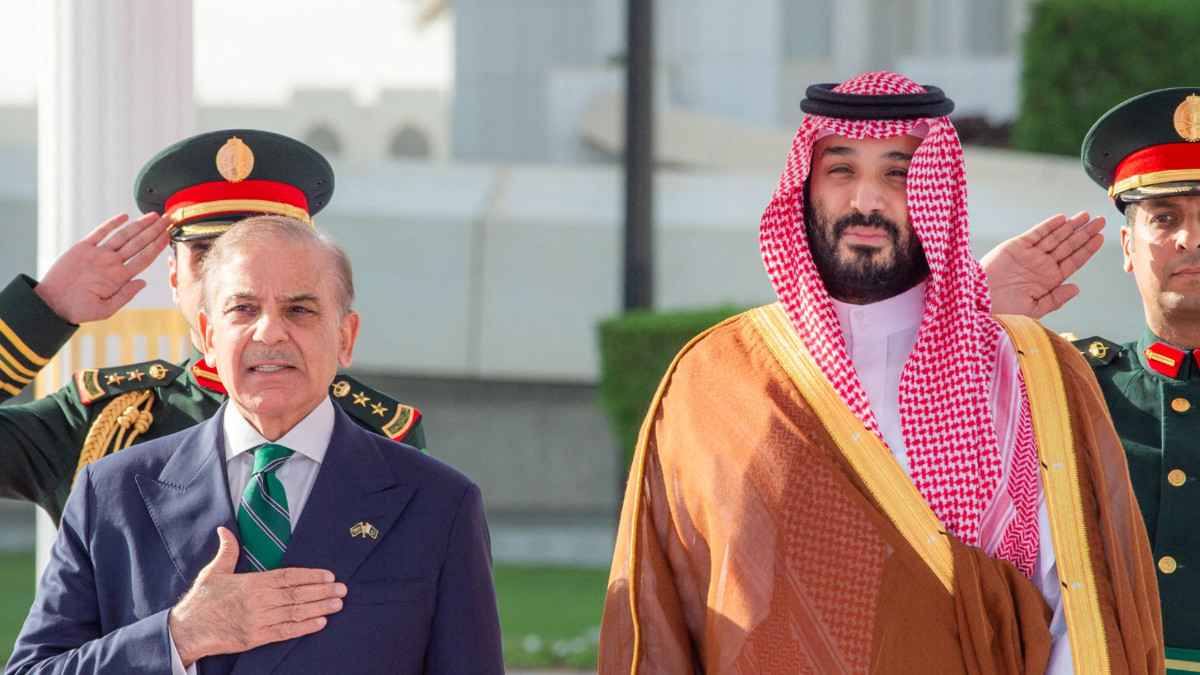
    A prominent Saudi geopolitical analyst has revealed that any direct Saudi involvement in a US-Israeli military campaign against Iran would trigger the kingdom’s mutual defense agreement with Pakistan, potentially bringing Pakistani nuclear capabilities into the regional conflict.

    Salman al-Ansari, a respected Saudi geopolitical researcher, stated in an exclusive interview with Canada’s CBC News that full Saudi military engagement would make Iran “the biggest loser” due to the automatic activation of the Riyadh-Islamabad defense pact. “We can say it literally that there is a nuclear umbrella over Saudi Arabia,” al-Ansari emphasized during the revealing discussion.

    The significant defense agreement, formalized last year following Israeli strikes on Hamas negotiators in Doha, establishes a collective security framework structurally comparable to NATO’s Article 5. Official documents from both governments explicitly state that “any aggression against either country shall be considered an aggression against both,” creating potential obligations for Pakistani military assistance if Saudi territory faces sustained attacks.

    This development occurs amid escalating regional tensions, with Saudi infrastructure already experiencing repeated assaults from Iranian ballistic missiles and drone attacks. Critical facilities including the US Embassy in Riyadh, Prince Sultan Air Base, and vital energy installations have been targeted, while Iran’s strategic control over the Strait of Hormuz has significantly impacted Saudi oil exports.

    Despite developing alternative energy export routes like the East-West pipeline, which maintains approximately four million barrels per day in crude sales bypassing Hormuz, Saudi leadership faces mounting pressure regarding potential direct involvement in offensive operations against Iran. The kingdom, along with other Gulf states, had previously lobbied the Trump administration against military engagement with Tehran.

    The Pakistan dimension introduces complex global implications, potentially internationalizing the conflict beyond the Middle East. Pakistani Foreign Minister Ishaq Dar recently confirmed discussing the defense pact directly with Iranian counterpart Abbas Araghchi, noting Tehran’s demand for assurances that Saudi territory wouldn’t serve as a staging ground for attacks against Iran.

    Energy dependencies further complicate the situation, with Pakistan relying heavily on Gulf crude oil and natural gas imports. In a significant development this week, a Pakistani-flagged tanker successfully transited the Strait of Hormuz with its tracking systems active—the first vessel carrying non-Iranian crude to do so—following apparent diplomatic negotiations between Islamabad and Tehran.

  • US appeals court pauses investors’ efforts to trace Argentine assets in YPF case

    US appeals court pauses investors’ efforts to trace Argentine assets in YPF case

    A United States appellate court has issued a significant temporary suspension against investor efforts to locate and seize Argentine assets within American jurisdiction. This legal intervention stems from a monumental $16 billion judgment related to Argentina’s controversial 2012 nationalization of YPF SA, the nation’s premier energy enterprise.

    The U.S. Court of Appeals for the Second Circuit in New York effectively froze all discovery procedures initiated by former shareholders Petersen Energía and Petersen Energía Inversora. These entities, financially supported by litigation specialist Burford Capital, had been pursuing comprehensive asset identification measures against Argentine holdings in the United States, including central bank gold reserves.

    This judicial pause means investors cannot advance their asset-tracing activities until all appellate proceedings conclude in this protracted legal battle. The case originated from U.S. District Judge Loretta Preska’s ruling that Argentina must provide substantial compensation to investors affected by the government’s seizure of YPF’s majority stake.

    Argentine President Javier Milei hailed the decision as “historic” and “unprecedented,” characterizing it as a major victory for Argentina’s legal defense strategy. In an official statement, Milei emphasized that this litigation has imposed “enormous economic, legal and reputational costs” on Argentina throughout its twelve-year duration.

    Legal experts caution that this procedural victory doesn’t necessarily predict the final outcome. Sebastián Maril, a Latam Advisors analyst and litigation specialist, clarified that the suspension merely halts secondary asset-discovery processes pending the appellate court’s ruling on the core compensation judgment, which has accumulated to over $18 billion with accrued interest.

    The case represents deeper complexities in Argentina’s economic history. The original nationalization occurred under former President Cristina Fernández de Kirchner (2007-2015), further damaging Argentina’s standing in international financial markets. Current President Milei, who has committed to privatizing state-owned enterprises and rebuilding depleted foreign reserves, attributes the legal predicament to previous administrations.

    YPF’s unique position as a New York Stock Exchange-listed entity enabled U.S. jurisdiction over the matter. Despite the controversy, YPF has dramatically expanded Argentina’s shale gas production from the Vaca Muerta field in Patagonia, with crude output reaching approximately 600,000 barrels daily in January 2025 and achieving a decade-high profit of $5 million.

  • Messi scores 900th career goal but Miami crash out

    Messi scores 900th career goal but Miami crash out

    Lionel Messi achieved a monumental career milestone by scoring his 900th professional goal during Inter Miami’s CONCACAF Champions Cup match against Nashville SC on Wednesday. The Argentine maestro found the net merely seven minutes into the second leg encounter, momentarily positioning Miami advantageously in their last-16 clash.

    Despite Messi’s historic breakthrough, Nashville SC’s Cristian Espinoza delivered a decisive equalizer in the 74th minute, ultimately eliminating Inter Miami from the tournament via the away goals rule after aggregate scores finished level at 1-1. The outcome delivered a bittersweet conclusion to Miami’s final appearance at Chase Stadium in Fort Lauderdale before relocating to their new purpose-built venue next month.

    Messi’s extraordinary scoring achievement spans 21 years since his first senior goal for Barcelona against Albacete in 2005. The 38-year-old’s prodigious tally comprises 672 goals during his legendary Barcelona tenure, 32 with Paris Saint-Germain, 81 since joining Inter Miami in 2023, and 115 international strikes for Argentina.

    Inter Miami manager Javier Mascherano, who previously played alongside Messi for both Barcelona and Argentina, characterized the milestone as “insane” during pre-match comments. “The number we’re discussing is extraordinary, confirming Leo’s unique status in football history,” Mascherano stated.

    While Messi’s scoring prowess remains undiminished, he still trails longtime rival Cristiano Ronaldo’s recognized total of 965 career goals. The Argentine superstar has extended his contract with Inter Miami through the 2028 season and is anticipated to feature in his sixth World Cup later this year as Argentina defends their title in the expanded United States, Canada, and Mexico hosted tournament.

  • Senegal demands ‘corruption’ probe over AFCON decision as Morocco defend appeal

    Senegal demands ‘corruption’ probe over AFCON decision as Morocco defend appeal

    Senegal’s government has formally called for an independent international investigation into alleged corruption within African football’s governing bodies after the Confederation of African Football (CAF) stripped the national team of their Africa Cup of Nations title and awarded the championship to Morocco.

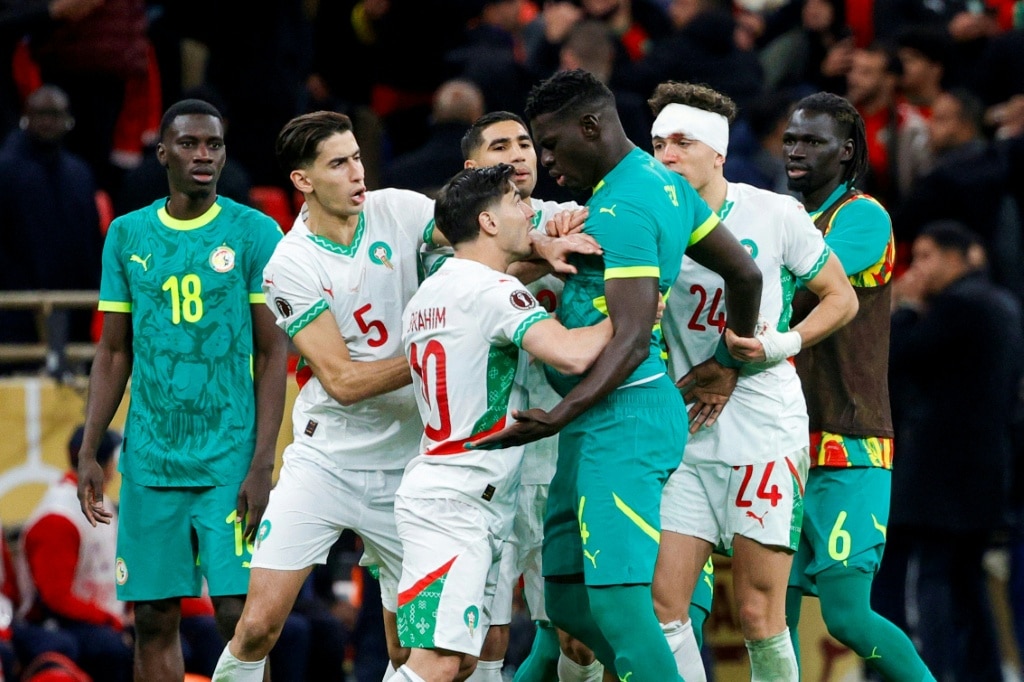
    The controversy stems from the chaotic final match played on January 18 in Rabat, where Senegal’s players staged a dramatic walk-off protest in the closing minutes of stoppage time when the hosts were awarded a controversial penalty. After intervention from captain Sadio Mané, the Senegalese squad returned to the pitch, only to witness Moroccan forward Brahim Díaz miss the critical spot-kick. The match proceeded to extra time, where Pape Gueye scored the decisive goal that initially secured Senegal’s 1-0 victory.

    Morocco’s football federation subsequently filed an appeal citing competition regulations, leading CAF’s Appeals Committee to invoke Articles 82 and 84 of the AFCON Regulations. These provisions mandate that any team abandoning the pitch without referee authorization automatically forfeits the match 3-0. Based on this technicality, CAF officially declared Morocco champions on Tuesday.

    Senegalese government spokeswoman Marie Rose Khady Fatou Faye condemned the decision as “an unjustified attempt at dispossession” that “seriously undermines CAF’s own credibility.” Meanwhile, the Royal Moroccan Football Federation maintained their appeal sought only “the application of the competition regulations” rather than challenging Senegal’s sporting performance.

    CAF President Patrice Motsepe emphasized the governing body’s commitment to equitable treatment across all African nations, stating that no country receives preferential treatment. He additionally expressed support for Senegal’s right to appeal to the Court of Arbitration for Sport (CAS), which Senegalese football authorities have pledged to pursue promptly.

    The original match was marred by multiple disruptions, including attempted pitch invasions by Senegalese supporters and nearly 20 minutes of stoppage time due to the penalty protest. The controversial penalty decision itself resulted from a VAR review of a challenge on Díaz by El Hadji Malick Diouf in the eighth minute of added time.

    In the aftermath of CAF’s ruling, several Senegalese players expressed outrage on social media, with Lyon defender Moussa Niakhate posting an image of himself lifting the trophy captioned “they’re mad.” The decision also impacts legal proceedings against 18 Senegalese supporters imprisoned since the final, whose appeal trial has been postponed until March 30.

  • A real possum appears among plush toy animals in Australian airport gift shop

    A real possum appears among plush toy animals in Australian airport gift shop

    In an extraordinary wildlife encounter at Hobart Airport, Tasmania, a live Australian brushtail possum was discovered seamlessly blending among plush toy marsupials on a gift shop display shelf. The incident occurred Wednesday when an alert passenger noticed unusual movement from what initially appeared to be another stuffed animal.

    The possum had positioned itself strategically between kangaroo toys, with bilbies (long-eared marsupials) above and Tasmanian devil plushies alongside. Retail manager Liam Bloomfield recounted how staff initially doubted the passenger’s report before confirming the astonishing discovery themselves.

    Airport personnel documented the unusual visitor with smartphone video before the creature, growing wary of increasing human attention, voluntarily departed the premises. The possum was subsequently escorted from the airport terminal unharmed, having apparently entered the secure departure area without detection.

    Bloomfield speculated the animal might have been attracted to the plush companions, humorously suggesting it ‘decided to make its home with those’ in an attempt to camouflage. The precise entry method and duration of the possum’s retail residency remain mysteries, though authorities dismiss the possibility of a prank due to stringent security screening requirements for accessing the terminal.

  • US civil rights leader Cesar Chavez accused of sexual abuse

    US civil rights leader Cesar Chavez accused of sexual abuse

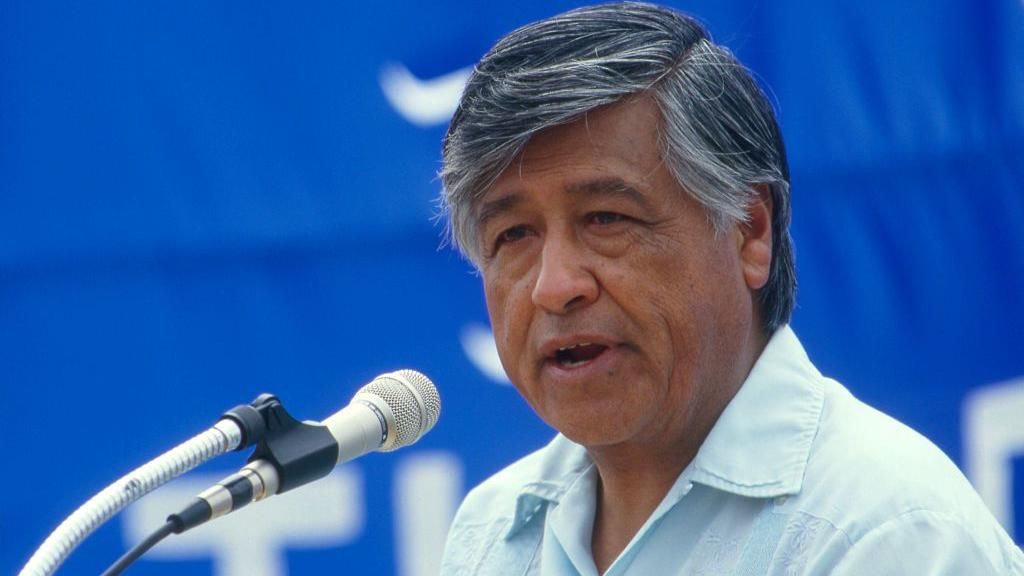
    The towering legacy of American labor rights pioneer Cesar Chavez faces profound reassessment following devastating sexual misconduct allegations from multiple women, including his longtime movement co-leader. A New York Times investigation published Wednesday reveals accusations spanning decades against the late United Farm Workers (UFW) co-founder, who died in 1993.

    Dolores Huerta, the 95-year-old civil rights icon who co-created the UFW with Chavez, disclosed two traumatic sexual encounters in the 1960s involving coercion and forced intimacy that resulted in pregnancies. She maintained secrecy for decades, explaining ‘building the movement and securing farmworker rights was my life’s work.’

    Two additional accusers—Ana Murguia and Debra Rojas, both 66—detailed systematic abuse beginning in their childhood during 1972-1977, when Chavez was in his forties. Their accounts describe years of grooming and sexual exploitation within the labor movement infrastructure.

    The revelations have triggered immediate institutional responses. Multiple scheduled events for Cesar Chavez Day (March 31) have been canceled or renamed, including the UFW’s official participation. California Governor Gavin Newsom acknowledged the movement transcends any individual, voicing support for ‘the courageous women’ while considering renaming the state holiday. Republican Assemblywoman Alexandra Macedo has filed legislation to redesignate the observance as Farmworker Day.

    Los Angeles Mayor Karen Bass emphasized the systemic nature of such violations, stating ‘what Dolores, Ana, and Debra endured is not isolated, nor is it of the past.’ The League of United Latin American Citizens (LULAC) declared that ‘no individual, regardless of stature or legacy, is above accountability.’

    The Chavez family expressed being ‘devastated’ while praising the accusers’ courage. The Cesar Chavez Foundation acknowledged ‘disturbing allegations’ of inappropriate behavior with women and minors during Chavez’s UFW presidency, pledging to support those potentially harmed and collaborate with farmworker movement leaders to address these historical claims.

  • As Cuba struggles with power cuts, how is the island holding up?

    As Cuba struggles with power cuts, how is the island holding up?

    Cuba is confronting one of its most severe energy crises in decades as nationwide power grid failures plunge the island into darkness and disrupt daily life. The complete collapse of the national electrical system has created extraordinary challenges for Cuban citizens, who now face prolonged blackouts affecting homes, businesses, and essential services across the island.

    The energy infrastructure breakdown comes amid existing economic pressures and international sanctions that have complicated maintenance and modernization efforts. Electrical grids require consistent upkeep and investment, resources that have become increasingly scarce in Cuba’s current economic climate. The situation has forced communities to develop adaptive strategies, with neighbors sharing resources and establishing informal support networks to mitigate the crisis’s impact.

    Despite the severity of the power outages, there’s a notable demonstration of collective resilience among Cuban citizens. The population has shown remarkable ingenuity in coping with the emergency, developing community-based solutions to maintain some semblance of normalcy. This response highlights both the severity of the infrastructure challenges and the capacity of Cuban society to withstand adversity through cooperation and shared perseverance.

    The government’s response to the crisis has included emergency measures and public appeals for conservation, while acknowledging the system’s vulnerabilities. International observers note that resolving the structural issues within Cuba’s energy sector will require substantial investment and technical expertise, presenting complex challenges given the country’s current economic circumstances and geopolitical situation.