作者: admin

  • Climber delays rope-free skyscraper challenge over rain

    Climber delays rope-free skyscraper challenge over rain

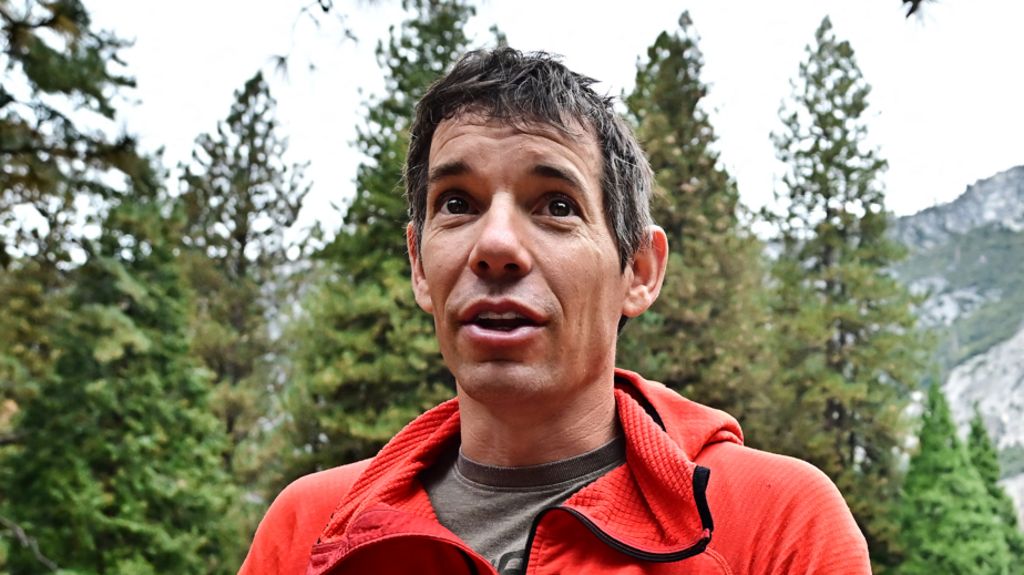
    Renowned American free solo climber Alex Honnold has postponed his highly anticipated rope-free ascent of Taipei 101 due to unfavorable weather conditions. The 508-meter (1,667-foot) skyscraper, among the world’s tallest structures, presented wet surface conditions that forced a 24-hour delay for safety reasons.

    Honnold, who achieved global recognition for his unprecedented rope-free climb of Yosemite’s El Capitan in 2017, expressed disappointment but emphasized safety considerations. ‘Sadly it’s raining in Taipei right now so I don’t get to go climbing,’ the 40-year-old climber stated on Saturday.

    The architectural marvel features eight distinct sections designed to resemble bamboo segments, creating unique climbing challenges with slight overhangs. Netflix, which will stream the event live, has implemented a 10-second delay protocol as a precautionary measure. ‘We’ll cut away. Nobody expects or wants to see anything like that to happen,’ explained Netflix executive Jeff Gaspin.

    The climb, now rescheduled for Sunday, represents a lifelong ambition for Honnold, who is married with two children. His historic El Capitan ascent was documented in the Academy Award-winning film ‘Free Solo,’ showcasing his extraordinary climbing prowess on the 915-meter granite face.

    This attempt follows French climber Alain Robert’s 2004 ascent using safety equipment, which required four hours to complete. Honnold’s approach will involve three distinct phases: navigating an initial 113-meter section of sloping steel and glass, conquering the eight bamboo-inspired segments, and finally scaling the tower’s spire.

    Netflix officials confirmed that ‘safety remains our top priority’ while acknowledging the significance of this athletic achievement in the mountaineering world.
  • UAE President says learning ‘reinforces identity’ on International Day of Education

    UAE President says learning ‘reinforces identity’ on International Day of Education

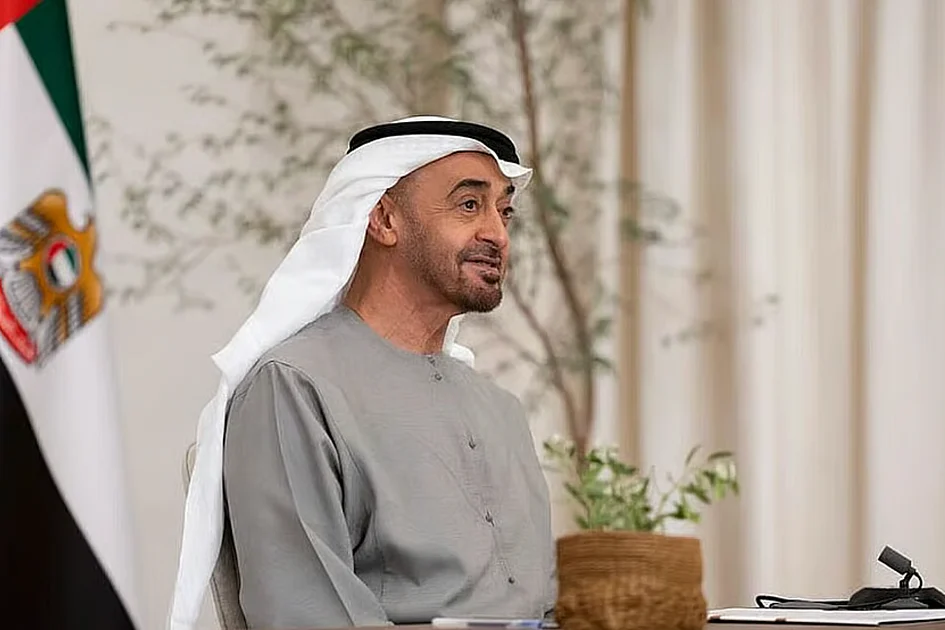
    On International Day of Education, UAE President Sheikh Mohamed bin Zayed Al Nahyan articulated a powerful vision for learning as both an instrument of national development and a guardian of cultural identity. In his address, the President emphasized that education remains “a fundamental pillar of the UAE’s long-term strategic vision,” specifically designed to reinforce national values while driving progress.

    The country’s educational framework, according to the President, serves dual purposes: empowering youth to become “active partners” in national advancement while simultaneously preserving Emirati heritage. This approach positions education as critical infrastructure supporting the nation’s priorities across knowledge sectors, technological innovation, and economic diversification.

    Echoing this sentiment, Sarah Al Amiri, UAE Minister of Education, utilized social media platform X to recognize the collective effort behind the nation’s educational achievements. She celebrated “teachers, families, and learners across the UAE who make education a shared national effort,” highlighting the collaborative nature of the country’s learning ecosystem.

    The Minister further elaborated on the practical orientation of UAE’s educational strategy, noting the commitment to providing “every learner with practical skills to thrive.” This skills-based approach, she explained, directly serves national economic objectives by preparing citizens of all ages to contribute to a competitive economy while enhancing the country’s international standing.

    Both leaders framed education as an indispensable investment in the nation’s future prosperity, with Al Amiri concluding that through collective effort, the UAE prepares its people “for a more prosperous tomorrow for all.”

  • Rescuers dig for six missing, youngest 15, in New Zealand landslide

    Rescuers dig for six missing, youngest 15, in New Zealand landslide

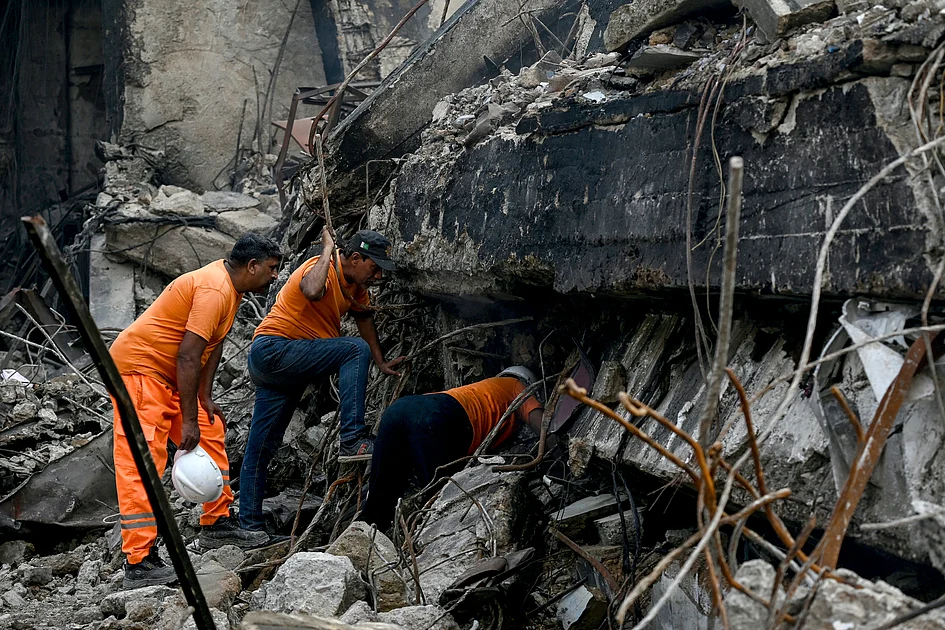
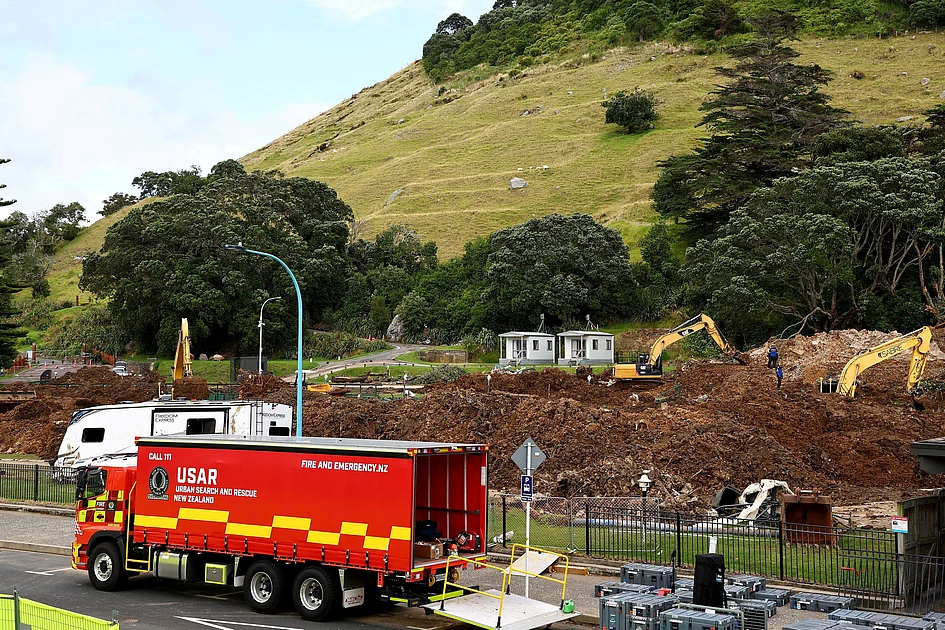
    Emergency crews in New Zealand are engaged in a critical search operation for six individuals, including a 15-year-old teenager, following a catastrophic landslide that engulfed a popular campsite near Mount Maunganui on Thursday. The disaster, triggered by torrential rains that saturated an extinct volcano’s slopes, sent a massive wall of mud and debris crashing onto holidaymakers, demolishing facilities and vehicles.

    A multi-agency response team comprising search and rescue specialists, contractors operating heavy excavators, and police dog units has been working relentlessly through the night and into a second day. Initial reports from the scene indicated voices calling for help from beneath the rubble immediately after the collapse, but no further signs of life have been detected since, according to witnesses and officials.

    The recovery operation, described by Fire and Emergency assistant national commander David Guard as a ‘complex and high-risk environment,’ is proceeding with painstaking caution. The somber mood at the site was underscored when machinery was halted and a hearse was witnessed departing, though officials have refrained from confirming any fatalities out of respect for the families awaiting news.

    Assistant Police Commissioner Tim Anderson confirmed the six missing persons while acknowledging efforts to verify the whereabouts of three other campers who may have left the area. ‘Not as of today, but we live in hope,’ Anderson stated regarding potential survivors.

    The tragedy has prompted serious questions regarding preventative measures, as reports emerged of a smaller landslip at the same location earlier that day. Local Tauranga mayor Mahe Drysdale acknowledged these concerns, stating ‘Those questions will be answered,’ while noting some individuals had reportedly moved away from the initial minor slip.

    Prime Minister Christopher Luxon expressed the nation’s anguish after speaking with affected families, describing their state as ‘highly anxious, clearly hopeful.’ The incident marks another devastating weather-related tragedy after two fatalities were confirmed from a separate landslide in nearby Tauranga, one of whom was identified as a Chinese national.

  • ‘It felt like doomsday’: Karachi mall inferno came after ignored warnings, delayed response

    ‘It felt like doomsday’: Karachi mall inferno came after ignored warnings, delayed response

    A catastrophic fire that engulfed Karachi’s Gul Plaza shopping complex on January 17th has exposed critical safety failures and institutional neglect, resulting in one of Pakistan’s deadliest urban disasters in recent memory. The inferno claimed at least 67 lives with 15 individuals still missing and presumed dead, according to police official Asad Ali Raza.

    Survivors described apocalyptic scenes as smoke rapidly filled the multi-story building within seconds, plunging the complex into complete darkness. Muhammad Imran, a shop owner with pre-existing health conditions, recounted the horror: ‘It felt like doomsday. You couldn’t see the person next to you.’ His escape, along with dozens of others, was severely hampered by locked emergency exits and inadequate ventilation systems.

    Investigative findings reveal that Gul Plaza had been operating in violation of building safety standards for over a decade. Documents obtained by Reuters show the provincial Sindh Building Control Authority had filed multiple court cases regarding safety compliance issues dating back to 1992, with the most recent inspections in 2023-2024 categorizing the building’s fire safety systems as ‘unsatisfactory’ across critical categories including alarm systems, emergency lighting, and firefighting equipment.

    The tragedy was compounded by delayed emergency response and inadequate resources. While provincial spokesperson Sukhdev Assardas Hemnani stated the first fire vehicles arrived within 10 minutes of the initial emergency call, survivors reported watching the complex burn as firefighters struggled with equipment limitations and logistical challenges. The blaze, fueled by flammable materials and over 50 gas cylinders stored within the building, raged for nearly two days before being fully extinguished.

    The human toll continues to unfold as families await DNA identification of remains. Many of the missing were shop employees and traders who reportedly helped others escape before succumbing to the flames themselves. The disaster has left Karachi’s commercial community traumatized and questioning how repeatedly identified safety violations were allowed to persist unchecked.

  • Wife of Uganda’s opposition leader recounts how armed men attacked her at her home

    Wife of Uganda’s opposition leader recounts how armed men attacked her at her home

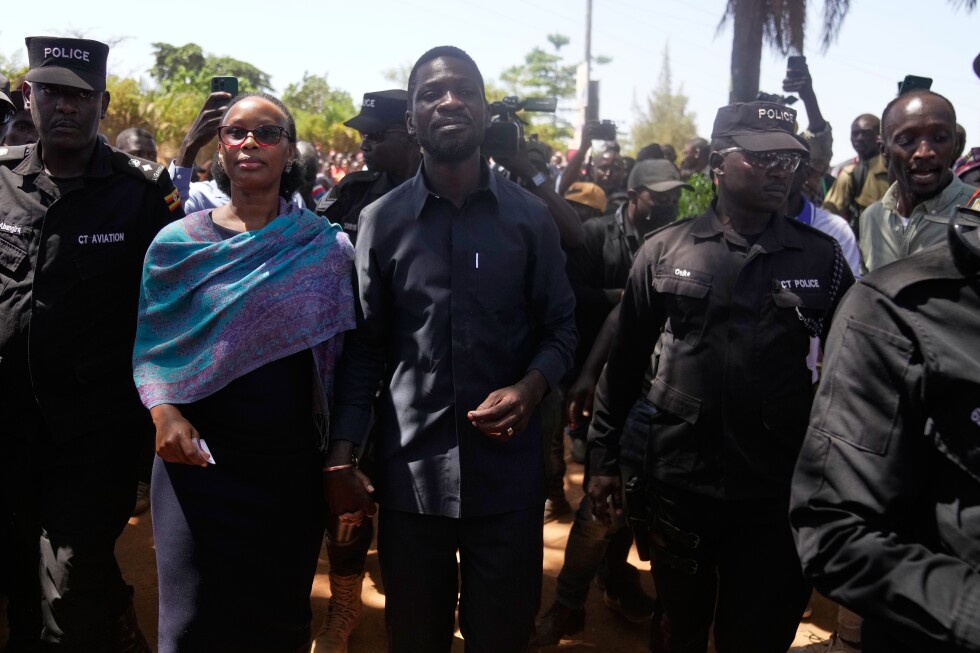
    KAMPALA, Uganda — The residence of Ugandan opposition figure Bobi Wine became the scene of a violent intrusion Friday night as armed men in military attire forcibly entered the property seeking information on his whereabouts. Barbara Kyagulanyi, the politician’s wife commonly known as Barbie, sustained injuries during the confrontation and is currently receiving medical treatment at Nsambya Hospital in Kampala.

    According to eyewitness accounts from Ms. Kyagulanyi, approximately two dozen uniformed personnel breached the security perimeter of the compound while the opposition leader remained in hiding following recent presidential elections. The assailants allegedly subjected her to physical assault and intimidation tactics in an attempt to extract information regarding her husband’s location.

    The incident occurred amidst heightened political tensions following the January 15 electoral process that saw President Yoweri Museveni declared victor with 71.6% of ballots. Wine’s National Unity Platform (NUP) party has formally rejected the official results, citing widespread irregularities and alleging electoral manipulation.

    Digital evidence captured during the raid, subsequently circulated on social media platform X, depicts moments of the altercation that culminated in Ms. Kyagulanyi losing consciousness. Medical reports indicate she received treatment for physical trauma and acute anxiety following the episode.

    Political analysts have raised concerns regarding escalating patterns of intimidation against opposition members. General Muhoozi Kainerugaba, current army chief and presidential son, has previously engaged in inflammatory rhetoric targeting Wine through social media channels, though no direct evidence links him to Friday’s events.

    International observers including United Nations Secretary-General António Guterres have called for restraint and adherence to constitutional principles. The electoral process was previously marred by nationwide internet restrictions and technical failures in biometric voting systems, particularly affecting opposition strongholds.

    President Museveni, who will now commence his seventh term extending his rule toward five decades, maintains support from constituents who credit his administration with maintaining regional stability. Meanwhile, NUP leadership reports numerous party members remain detained or unaccounted for since the election.

  • Trump threatens Canada with 100% tariff if it completes China trade deal

    Trump threatens Canada with 100% tariff if it completes China trade deal

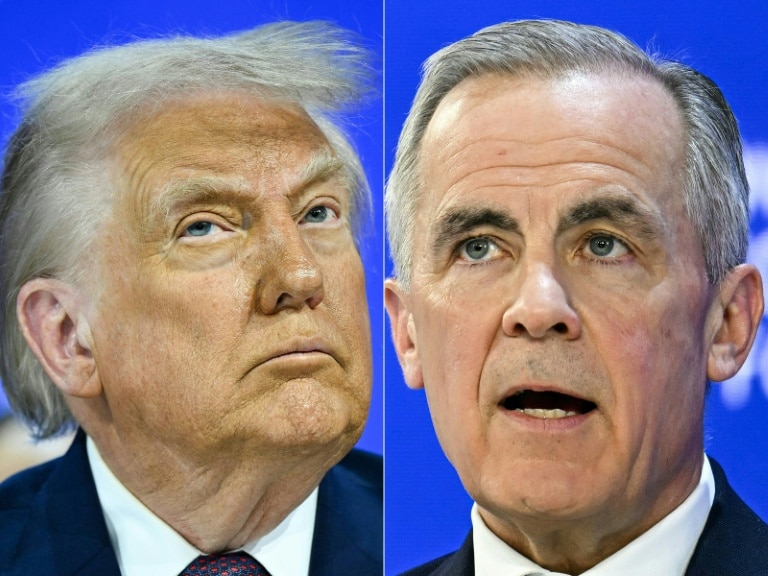
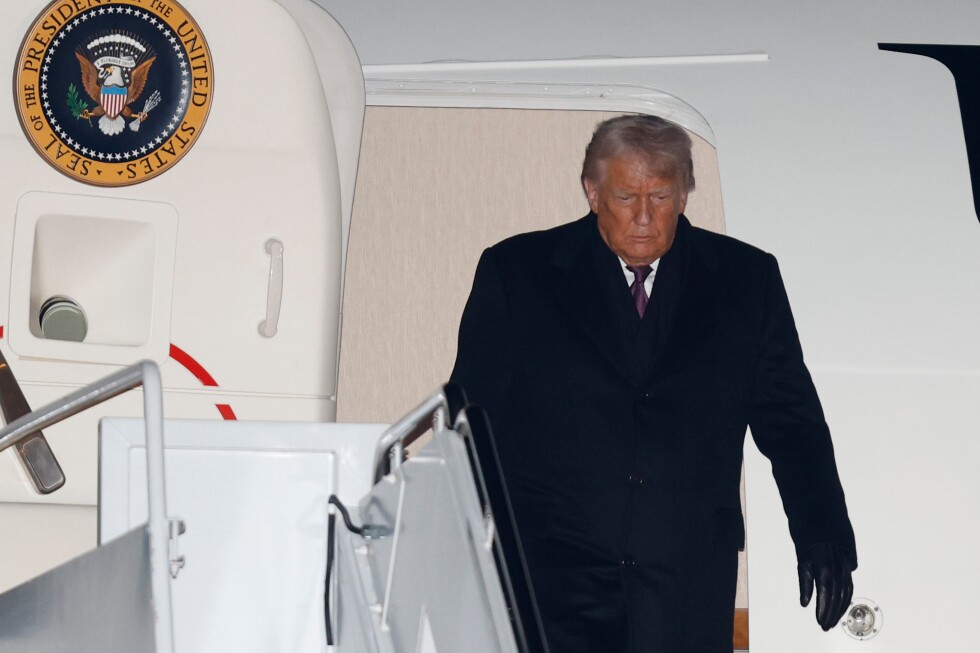
    In a significant escalation of North American trade tensions, former US President Donald Trump has issued a stark warning to Canada regarding its potential trade agreement with China. Should Prime Minister Mark Carney finalize the proposed trade deal with Beijing, Trump has pledged to impose comprehensive 100% tariffs on all Canadian goods entering the United States.

    The diplomatic relationship between the neighboring nations has deteriorated substantially since Trump’s return to the White House in January 2025. The current friction stems from Carney’s recent visit to China, where he announced a preliminary trade agreement aimed at reducing tariffs between Ottawa and Beijing. Trump responded vehemently on his Truth Social platform, asserting that Canada would become a ‘Drop Off Port’ for Chinese products destined for American markets if the agreement proceeds.

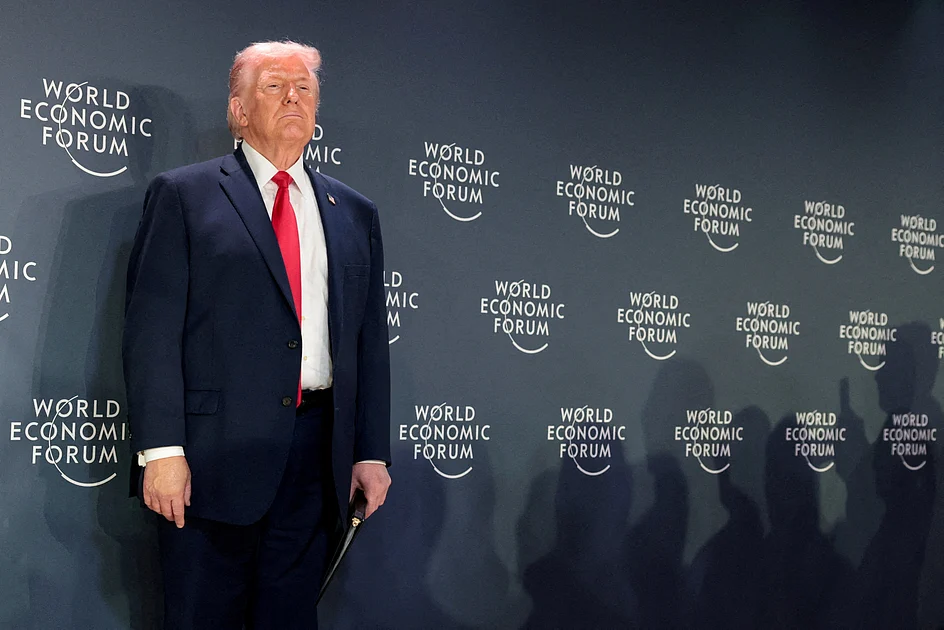
    Trump’s rhetoric intensified with dramatic claims that China would ‘completely devour’ Canada, potentially destroying its business sector, social fabric, and way of life. This exchange represents the latest development in an ongoing war of words between the two leaders that began at the World Economic Forum in Davos. There, Carney received a standing ovation for his critique of the ‘rupture’ in the US-led global order—a remark widely interpreted as targeting Trump’s unconventional foreign policy approach.

    The confrontation has extended beyond trade matters, with Trump rescinding Carney’s invitation to participate in his proposed ‘Board of Peace’—an initiative initially conceived to address postwar Gaza but now apparently expanding into a broader international conflict resolution body that some observers view as a potential rival to the United Nations.

    Despite the heated rhetoric, Canada maintains substantial economic dependence on its southern neighbor, with over 75% of Canadian exports destined for US markets. While previous Trump tariffs affected key Canadian industries including automotive, aluminum, and steel sectors, the existing North American free trade framework has somewhat mitigated the economic impact. With negotiations to revise this agreement scheduled for this year, Trump’s repeated assertions that the United States doesn’t require access to Canadian products suggest potentially sweeping consequences for Canada’s economy.

    The situation remains particularly volatile given Trump’s additional threats of Canadian annexation, recently symbolized by a social media post depicting Canada, Greenland, and Venezuela under the American flag. This developing diplomatic crisis unfolds as both nations, along with Mexico, prepare to co-host the upcoming World Cup.

  • ICC replaces Bangladesh with Scotland at T20 World Cup over security stalemate

    ICC replaces Bangladesh with Scotland at T20 World Cup over security stalemate

    DUBAI, United Arab Emirates — In an unprecedented last-minute decision, the International Cricket Council (ICC) has officially replaced Bangladesh with Scotland for the upcoming T20 World Cup following a contentious security dispute. The dramatic roster change comes after weeks of failed negotiations between cricket’s governing body and the Bangladesh Cricket Board (BCB).

    The conflict originated from BCB’s formal request to relocate its matches from India to Sri Lanka, citing unspecified security apprehensions. Despite multiple high-level discussions conducted both virtually and in-person over three weeks, the ICC remained unconvinced by Bangladesh’s security claims.

    In an official statement released Saturday, the ICC revealed it had conducted thorough security assessments and found “no credible or verifiable security threat to the Bangladesh national team in India” for the month-long tournament commencing February 7. The governing body emphasized that modifying the published event schedule so close to the tournament’s opening was not justified.

    The situation reached its climax when BCB failed to confirm its participation by the ICC’s stipulated deadline. This procedural failure triggered the ICC’s established governance protocols, resulting in Scotland’s selection as the replacement team based on their ranking as the highest-tier T20 team not initially qualified.

    Complicating matters further, the Bangladesh government cited strained political relations with India as the underlying reason for their security concerns. The tension reportedly stems from the recent removal of Bangladeshi fast bowler Mustafizur Rahman from the Indian Premier League by order of the Board of Control for Cricket in India.

    The dispute has garnered international attention, with Pakistan Cricket Board chairman Mohsin Naqvi publicly criticizing the ICC for alleged “double standards” and expressing solidarity with Bangladesh. Naqvi revealed that Pakistan’s own participation remains contingent on government approval, indicating potential further disruptions to the tournament lineup.

    Scotland now prepares to enter Group C, where they will assume Bangladesh’s original schedule of three matches in Kolkata and one in Mumbai, adding an unexpected dynamic to the tournament’s competitive landscape.

  • Iran says two Daesh‑linked men executed for 2023 bus bombing

    Iran says two Daesh‑linked men executed for 2023 bus bombing

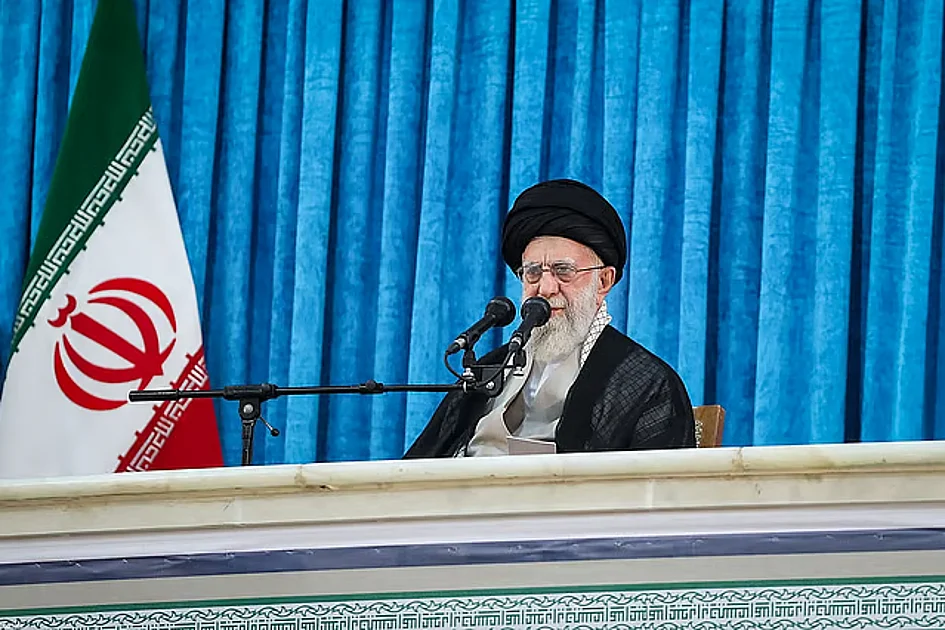
    Iranian judiciary authorities have carried out the execution of two individuals convicted of orchestrating a deadly 2023 bus bombing that targeted pilgrims, with official sources confirming their affiliation with the terrorist organization Daesh (ISIS).

    The Mizan News Agency, the official media outlet of Iran’s judiciary, reported on Saturday that both executed individuals were directly responsible for planting and detonating the explosive device that struck a passenger bus traveling from Tehran to Ilam province. The western region of Ilam shares a strategic border with Iraq and serves as a frequent transit route for religious pilgrims.

    The tragic incident, which occurred in 2023, resulted in the death of a young child and caused significant injuries to multiple other passengers aboard the vehicle. The attack represented one of several security challenges Iran has faced from extremist groups operating within the region.

    Judicial proceedings determined that the perpetrators had established operational ties with ISIS, which has historically claimed responsibility for similar attacks targeting civilian populations in Iran. The execution demonstrates Tehran’s continued hardline approach toward security threats and terrorist activities within its borders.

    This development occurs amid ongoing regional tensions and reflects Iran’s persistent concerns regarding terrorist infiltration and operations targeting its civilian infrastructure and religious sites.

  • ‘Trump Always Chickens Out’: What is TACO trade and why is it back?

    ‘Trump Always Chickens Out’: What is TACO trade and why is it back?

    Financial markets experienced significant volatility this week as President Donald Trump’s threats of imposing tariffs on multiple European nations—including Germany, France, Britain, and Denmark—triggered widespread uncertainty. The market turbulence stemmed from these countries’ resistance to Trump’s controversial proposition to acquire Greenland, Denmark’s autonomous territory.

    The situation took an unexpected turn on Wednesday when the President abruptly retracted both his tariff threats and ambitions to forcibly seize the Arctic island from the NATO ally. This reversal catalyzed what analysts have termed the ‘TACO trade’—an acronym for ‘Trump Always Chickens Out’—prompting one of the most substantial market rallies witnessed in recent months.

    According to Fawad Razaqzada, market analyst at Forex.com, this pattern has become characteristic of Trump’s approach to international negotiations. The terminology originated among Wall Street analysts in May 2025, describing the President’s tendency to establish aggressive tariff deadlines in April only to substantially moderate them as deadlines approached.

    The TACO phenomenon resurfaced dramatically during the Davos summit, where Trump initially delivered an uncompromising reaffirmation of his claims over Greenland, which he described as a ‘big piece of ice.’ However, he subsequently surprised attendees by declaring, ‘I won’t use force,’ acknowledging this concession as ‘probably the biggest statement I made.’ Hours later, he announced via Truth Social that he had negotiated a ‘future deal’ regarding the Danish territory and would lift sanction threats against eight European nations.

    California’s Democratic Governor Gavin Newsom promptly characterized this reversal as another TACO moment, drawing parallels to Trump’s relaxation of ‘Liberation Day’ tariffs the previous April. Some analysts suggest this pattern reflects the ‘art of the deal’ strategy Trump outlined in his 1987 book, involving extreme initial demands to secure unexpected concessions.

    The uncertainty surrounding this negotiation technique continues to concern U.S. allies, particularly given Trump’s statement regarding Greenland: ‘You can say yes, and we will be very appreciative. Or you can say no and we will remember’—a comment compared by New York Times commentator Bret Stephens to dialogue from mafia classic ‘The Godfather.’

  • Trump threatens Canada with 100% tariffs over its new trade deal with China

    Trump threatens Canada with 100% tariffs over its new trade deal with China

    In a significant escalation of diplomatic tensions, former President Donald Trump issued a stark warning to Canada through social media on Saturday, threatening to impose 100% tariffs on Canadian imports should the nation proceed with its recently negotiated trade agreement with China. Trump asserted that Prime Minister Mark Carney would be “sorely mistaken” if he believed Canada could serve as a transit point for Chinese goods entering the United States.

    The threat emerges amidst already strained relations between the two NATO allies, further complicated by Trump’s persistent interest in acquiring Greenland and his controversial remarks suggesting Canadian absorption into the United States. Trump’s provocative language extended to referring to Carney as “Governor Carney”—a derogatory nickname previously used for former Prime Minister Justin Trudeau—highlighting the deterioration in their diplomatic relationship.

    This development occurs against the backdrop of Canada’s strategic move to lower tariffs on Chinese electric vehicles in exchange for reduced import taxes on Canadian agricultural products. Ironically, Trump had initially characterized this agreement as a positive step for Canada. The former president subsequently revoked Carney’s invitation to participate in his proposed “Board of Peace,” an initiative aimed at addressing global conflicts.

    The ongoing trade friction between the nations continues despite the protective framework provided by the Canada-U.S.-Mexico Agreement, which is scheduled for review this year. The situation represents a critical juncture in North American relations with potential implications for global trade dynamics and international diplomacy.