作者: admin

  • Wild possum shelters with plush toys in Australian airport shop

    Wild possum shelters with plush toys in Australian airport shop

    Hobart International Airport became the stage for an unexpected wildlife encounter when a wild possum turned a souvenir shop into its temporary sanctuary. The marsupial was discovered nestled among plush toy companions in the airport’s gift boutique, creating a surreal spectacle that captivated travelers and staff alike.

    Security footage captured the nocturnal visitor perched cautiously on display shelves, its natural camouflage making it nearly indistinguishable from the manufactured kangaroo and teddy bear plushies surrounding it. Airport personnel confirmed the animal appeared disoriented but unharmed during its unusual retail exploration.

    Store management responded with characteristic Australian humor to the unexpected browsing session. “While we’ve always prided ourselves on our realistic plush collection, this represents the ultimate endorsement of authenticity,” remarked gift shop supervisor Liam Bloomfield. “We’re delighted our local visitor found our merchandise appealing enough for personal inspection.”

    The airport’s wildlife protocol team swiftly intervened to ensure both animal welfare and passenger safety. Specialists carefully relocated the possum to its natural habitat beyond the terminal confines. An airport representative noted the incident reflected Tasmania’s unique character, stating: “This spontaneous visitation truly encapsulates the distinctive charm of Australian travel experiences.”

    This incident highlights the ongoing intersection between urban infrastructure and native fauna in Australia, where wildlife occasionally ventures into human spaces with surprising results. The possum’s brief retail adventure concluded without incident, adding another chapter to Australia’s reputation for unexpected animal encounters.
  • Probe of Hong Kong’s deadliest fire in decades begins evidence hearings

    Probe of Hong Kong’s deadliest fire in decades begins evidence hearings

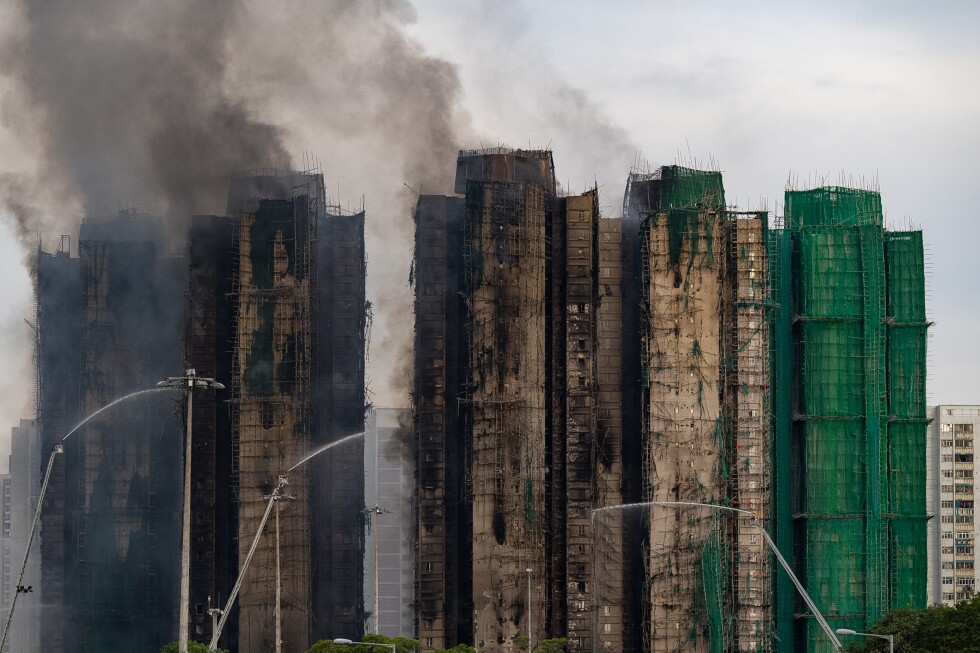
    HONG KONG — A landmark investigative hearing into Hong Kong’s most catastrophic fire in over two decades commenced on Thursday, unveiling a devastating sequence of systemic failures that enabled the inferno to consume seven residential buildings and claim 168 lives in November 2025. The independent committee, established last December, conducted its first evidentiary session focused on the tragedy that obliterated the densely populated Wang Fuk Court community in Tai Po.

    Victor Dawes, lead counsel for the investigation, presented opening arguments detailing how the disaster resulted from an unprecedented convergence of safety violations. Forensic evidence indicates the blaze originated in a light well exterior to lower-level units, where discarded cigarette butts were discovered alongside scaffolding materials.

    Dawes revealed that critical life-saving systems—including fire alarms and emergency hose systems—were deliberately deactivated during the incident. Compounding these failures, construction crews had installed highly flammable scaffolding netting and sealed ventilation points with combustible foam boards, creating ideal conditions for rapid fire propagation.

    ‘Virtually every fire protection mechanism designed to safeguard residents failed due to human intervention,’ Dawes stated during the proceedings. The rapid escalation of the November 26 fire prompted mass evacuations and led to multiple arrests concerning manslaughter, fraud, and corruption charges.

    The judicial panel, operating under a nine-month mandate, will additionally examine potential bid-rigging practices within Hong Kong’s building maintenance sector. Meanwhile, displaced survivors continue residing in temporary accommodations across the city while awaiting permanent housing solutions.

    Government officials recently proposed buying back property rights from affected homeowners, though this compensation approach has disappointed residents hoping for neighborhood reconstruction. Chief Executive John Lee announced plans for supervised apartment visits in April, enabling former residents to retrieve salvagable belongings from the fire-damaged complex.

  • Japan’s Prime Minister Takaichi meets with Trump as he seeks help securing the Strait of Hormuz

    Japan’s Prime Minister Takaichi meets with Trump as he seeks help securing the Strait of Hormuz

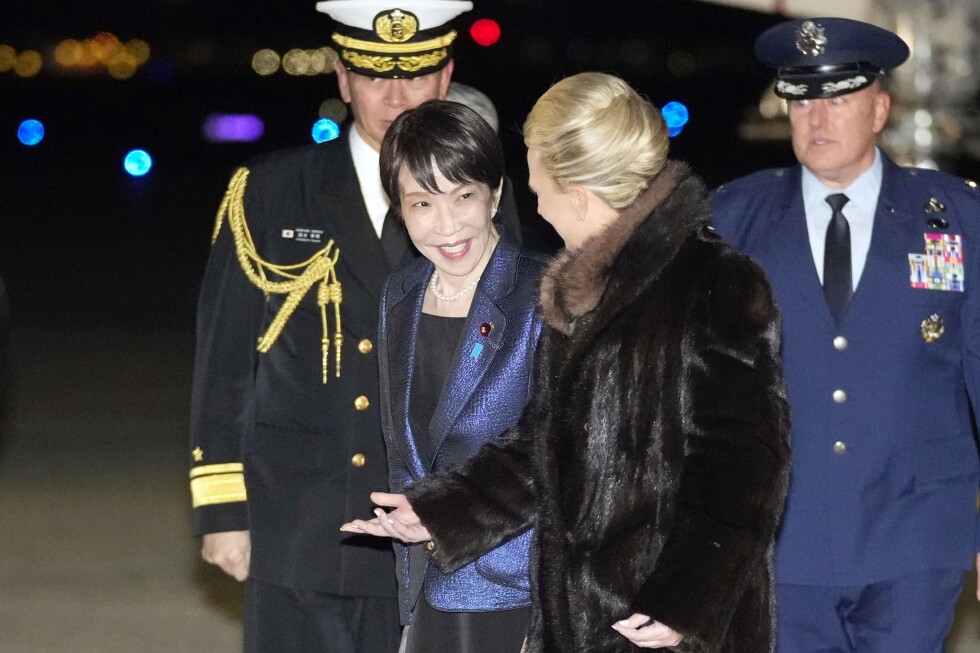
    The highly anticipated White House meeting between U.S. President Donald Trump and Japanese Prime Minister Sanae Takaichi on Thursday has transformed from a strategic dialogue into a potentially contentious encounter, overshadowed by the ongoing Iran conflict and diplomatic tensions over maritime security. Originally intended to coordinate positions ahead of Trump’s planned China visit—now postponed—the summit instead faces heightened stakes due to Trump’s public expressions of frustration toward U.S. allies.

    President Trump has vocally criticized Japan and other nations for declining his request to assist in safeguarding the Strait of Hormuz, a critical global oil transit route. In a characteristically bold statement on Truth Social, Trump asserted, “WE DO NOT NEED THE HELP OF ANYONE!” despite previously soliciting international support. This shift in tone underscores the challenging diplomatic atmosphere Prime Minister Takaichi anticipated when she described the upcoming meeting as “very difficult” before departing Tokyo.

    Japan, bound by its post-World War II constitution which restricts military action to self-defense scenarios, has consistently denied receiving any formal request from Washington to deploy warships to the U.S.-Israeli operation in the region. Kurt Campbell, former U.S. deputy secretary of state and current chair of The Asia Group, noted that Trump is likely to exert “enormous pressure” on Takaichi. Campbell emphasized that the Japanese leader must navigate the discussion carefully to position Japan as a collaborative partner in Middle East security, potentially leveraging this cooperation to gain U.S. support on issues critical to Japan, such as Taiwan.

    Beyond immediate regional security concerns, the meeting also occurs against a backdrop of strategic unease in the Indo-Pacific. Japan has expressed growing alarm over China’s military activities, particularly around Taiwan—a self-governed island that China claims as sovereign territory. Takaichi, a conservative leader and protégé of former Prime Minister Shinzo Abe, has previously voiced support for Taiwan, raising tensions with Beijing. Compounding these concerns, the U.S. has redirected some troops stationed in Japan to the Middle East, reducing its deterrent presence in East Asia precisely as China intensifies military exercises near Taiwan.

    Christopher Johnstone of The Asia Group pointed out that while Japan could contribute mine-sweeping capabilities or leverage its existing anti-piracy naval presence in the region, participating in a U.S.-led mission would require invoking collective self-defense—a politically monumental step never before taken. The broader implication, Johnstone warned, is that U.S. preoccupation with the Middle East could come at the expense of security and stability in East Asia, where deterrence challenges are mounting.

  • BTS will stage a long-awaited comeback concert at a Seoul landmark

    BTS will stage a long-awaited comeback concert at a Seoul landmark

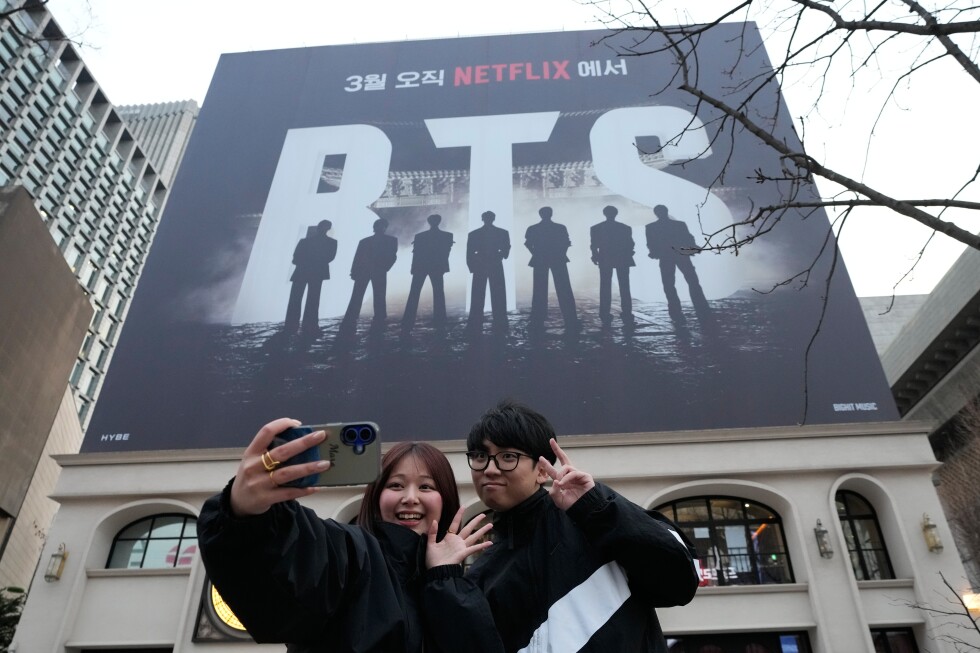
    SEOUL, South Korea – In a landmark cultural event that merges tradition with contemporary global influence, K-pop phenomenon BTS is set to make their triumphant return to the stage Saturday evening at Seoul’s iconic Gwanghwamun Square. The highly anticipated free concert, projected to attract hundreds of thousands of attendees and global streaming viewers, marks the group’s first major performance following their nearly four-year hiatus due to mandatory military service commitments.

    The strategically selected venue holds profound national significance as both a historical landmark and modern democratic gathering space. Named after the main gate of the Gyeongbokgung Palace from the Joseon Dynasty era, the square features monuments to national heroes King Sejong and Admiral Yi Sun-shin while simultaneously serving as ground zero for contemporary political movements and cultural celebrations.

    BTS will debut material from their new album ‘ARIRANG,’ titled after the Korean Peninsula’s most cherished traditional folk melody. HYBE Corporation, the group’s parent company, characterized the album as embodying ‘the origin and identity of BTS’ while conveying their current artistic message. The location selection reflects deliberate symbolism, connecting Korea’s rich cultural heritage with its modern global cultural exports.

    Cultural analyst Ha Jae-keun noted that while BTS could successfully stage their comeback anywhere globally, choosing Gwanghwamun represents a deeply meaningful statement about their Korean roots. The concert’s production aligns with a broader cultural trend where traditional Korean elements achieve global resonance, recently demonstrated by the Oscar-winning success of ‘KPop Demon Hunters.’

    President Lee Jae Myung officially endorsed the event, recognizing BTS as ‘a proud artist of the Republic of Korea’ whose performance showcases the nation’s cultural heritage. Despite some resident concerns regarding public inconvenience, authorities are implementing comprehensive safety protocols including road closures, transit adjustments, and approximately 240,000 additional viewing spaces with temporary screens surrounding the primary venue for 20,000 ticketed attendees.

    The historic performance will be globally livestreamed via Netflix, amplifying South Korea’s cultural diplomacy initiatives through soft power diplomacy. Cultural commentators emphasize that beyond commercial success, this event represents a national celebration reaffirming BTS’s identity as cultural ambassadors who expanded from Korean origins to global recognition.

  • Key Middle East energy sites under fire

    Key Middle East energy sites under fire

    Critical energy installations throughout the Persian Gulf have sustained substantial damage amid escalating hostilities between the US-Israel coalition and Iran, triggering global concerns about energy security and market stability. The conflict has transformed the region’s energy landscape into a battleground, with multiple strategic facilities experiencing repeated assaults.

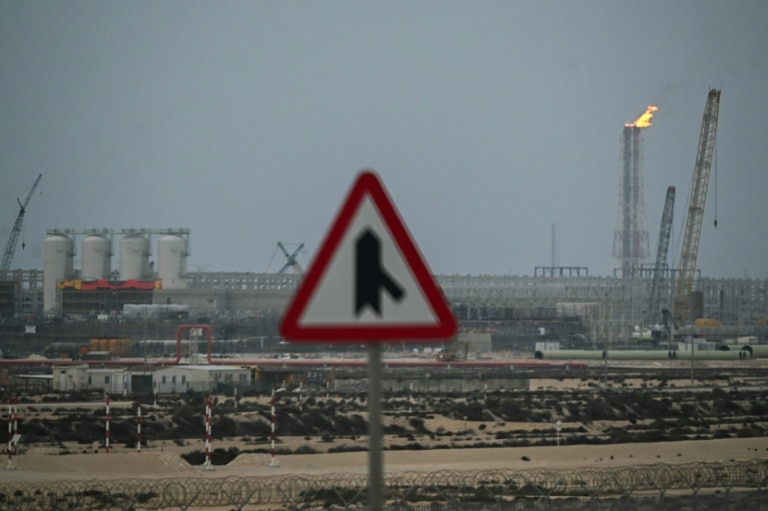
    Qatar’s Ras Laffan complex, recognized as the world’s largest liquefied natural gas (LNG) hub, has endured consecutive waves of Iranian strikes resulting in extensive infrastructure damage. QatarEnergy confirmed substantial fires and significant operational disruptions across multiple LNG facilities following attacks on Wednesday and Thursday. This development follows March incidents that compelled QatarEnergy to declare force majeure and suspend production. The facility processes resources from the North Field, Qatar’s portion of the shared natural gas reservoir with Iran, representing approximately 10% of global known gas reserves.

    Simultaneously, Iran’s South Pars/North Dome field—the world’s largest natural gas reserve providing 70% of Iran’s domestic supply—suffered retaliatory strikes that ignited substantial fires. The shared nature of this resource with Qatar has intensified diplomatic tensions, with Gulf neighbors condemning Tehran’s aggressive actions.

    Further escalating the crisis, Iran’s Kharg Island export terminal—handling 90% of the country’s crude oil exports—was struck by US forces on Saturday. Although Iranian officials reported normal export operations continuing without casualties, the attack highlighted the vulnerability of regional energy channels. The situation is compounded by Iran’s threats to blockade the Strait of Hormuz, a critical maritime passage for global energy exports.

    Additional facilities including the Ruwais refinery in Abu Dhabi (world’s fourth-largest single-site refinery) and Saudi Arabia’s Ras Tanura complex (among the Middle East’s largest refineries with 550,000 barrel daily capacity) have experienced operational disruptions from drone attacks and precautionary shutdowns.

    The cumulative impact has reduced Gulf countries’ combined oil output from 30 million to 20 million barrels per day according to International Energy Agency metrics. This supply contraction triggered a 5% surge in oil prices, with Brent crude exceeding $112 per barrel. Industry leaders including Aramco’s president warn of potentially catastrophic consequences for global energy markets if hostilities persist.

  • ‘Not at all’: Michael Maguire responds to heated criticism over half Adam Reynolds

    ‘Not at all’: Michael Maguire responds to heated criticism over half Adam Reynolds

    Brisbane Broncos coach Michael Maguire has publicly addressed the week-long controversy surrounding captain Adam Reynolds’ rib injury and the subsequent criticism from club legend Gorden Tallis. The drama unfolded after Reynolds exited last week’s match against Parramatta with a rib complaint, then traveled to Sydney for a media engagement—a move Tallis described as creating “not great optics” for the injured halfback.

    Speaking from Melbourne ahead of Friday’s grand final rematch against the Storm, Maguire asserted the external criticism hasn’t affected his focus. “Not at all,” Maguire stated. “At the end of the day, I look after my players and my captain. That’s my viewpoint, and everyone else has their viewpoint as well.”

    The coach revealed he initially believed Reynolds would be available for the crucial match, but the skipper ultimately couldn’t make the trip. Veteran Ben Hunt is expected to start at halfback in Reynolds’ absence, with Maguire expressing confidence about his captain’s return next week.

    Maguire also responded to broader criticism of the Broncos’ disappointing 0-2 start to the season, despite ending the club’s premiership drought last year. Storm coach Craig Bellamy had previously called the scrutiny “ridiculous,” a sentiment Maguire echoed while emphasizing his commitment to building sustained success.

    Addressing defensive concerns after conceding 66 points in two games, Maguire made significant lineup changes, most notably dropping strike centre Gehamat Shibasaki to the bench following poor defensive reads. “Everyone plays a part in defense,” Maguire explained. “The whole game cycles on itself, so we’ve got to be better in areas to be able to help our edges.”

  • WHO warns of ‘worst-case scenario nuclear incident’ in US-Israeli war on Iran

    WHO warns of ‘worst-case scenario nuclear incident’ in US-Israeli war on Iran

    The World Health Organization has issued grave warnings about the potential humanitarian catastrophe that could result from nuclear escalation in the ongoing tensions between the United States, Israel, and Iran. Dr. Hanan Balkhy, WHO Regional Director for the Eastern Mediterranean, expressed deep concern about worst-case scenarios involving nuclear incidents, stating that the consequences would persist for decades regardless of preparedness measures.

    In an interview with Politico, Dr. Balkhy emphasized that nuclear fallout would cause irreversible harm that transcends immediate casualties, leading to long-term respiratory problems, environmental contamination, and increased cancer rates across affected populations. The health organization official referenced historical nuclear events including the 1945 atomic bombings in Japan and the 1986 Chernobyl disaster as precedents for the scale of devastation possible.

    The warning comes amid heightened regional tensions following unprecedented U.S. airstrikes against Iran’s three primary nuclear facilities in Natanz, Isfahan, and Fordow in June. While the U.S. administration claims successful destruction of these sites, Iranian authorities have not disclosed the human impact of these attacks.

    The nuclear landscape in the region remains complex: The United States maintains the world’s largest nuclear arsenal, Israel possesses undeclared nuclear capabilities as the Middle East’s sole nuclear power, and Iran’s nuclear ambitions continue under international scrutiny despite not having reached weapons-grade uranium enrichment levels according to IAEA assessments.

    WHO is currently advising public health officials on emergency protocols, though specific preparedness measures remain undisclosed. The organization’s warnings highlight the severe limitations of medical and public health systems in responding to nuclear incidents, where preventive measures cannot mitigate the scale of long-term damage.

  • Thai Parliament convenes to vote for new prime minister with the incumbent leader expected to stay

    Thai Parliament convenes to vote for new prime minister with the incumbent leader expected to stay

    Thailand’s political future took center stage Thursday as Parliament assembled to determine the nation’s leadership following May’s consequential general election. The session culminated in incumbent Prime Minister Anutin Charnvirakul securing sufficient legislative support to maintain his position, signaling continuity in the country’s conservative political trajectory.

    Official election results positioned Anutin’s Bhumjaithai Party as the dominant political force with 191 parliamentary seats, subsequently forming a coalition government with several smaller parties including the populist Pheu Thai Party, which captured 74 seats. This alliance established a governing majority within the 500-member House of Representatives, requiring only a simple majority for the prime ministerial confirmation.

    The progressive People’s Party, having secured 120 seats to become the second-largest parliamentary bloc, declared its intention to remain outside the governing coalition. While the party nominated a symbolic challenger for the prime ministerial vote, the gesture represented more a demonstration of opposition than a viable contest for power.

    Anutin’s political ascendancy follows his September appointment after predecessor Paetongtarn Shinawatra’s removal from office due to ethics violations concerning Cambodia relations. His decision to dissolve Parliament in December preempted a threatened no-confidence vote, setting the stage for the recent election.

    The prime minister’s popularity surge stems largely from his nationalist positioning during recent Thailand-Cambodia border conflicts, which included two military engagements last year over disputed territory. This stance resonated strongly with voters amid heightened patriotic sentiment.

    Despite the expected leadership continuity, the incoming administration faces significant challenges including global economic pressures from Middle East conflicts that have driven energy prices upward, threatening potential oil shortages and increased living costs.

    Additional uncertainty emerged as Thailand’s Constitutional Court announced Wednesday it would consider invalidating the recent election. The case, brought by the Ombudsman’s Office against the Election Commission, alleges that barcodes and QR codes on ballots potentially compromised voter anonymity, violating constitutional requirements for secret balloting.

    Following parliamentary approval, the prime minister-elect will receive formal appointment from King Maha Vajiralongkorn, with cabinet selections anticipated in the coming weeks.

  • ‘No oil, no money’: Orban brings Ukraine standoff to Brussels

    ‘No oil, no money’: Orban brings Ukraine standoff to Brussels

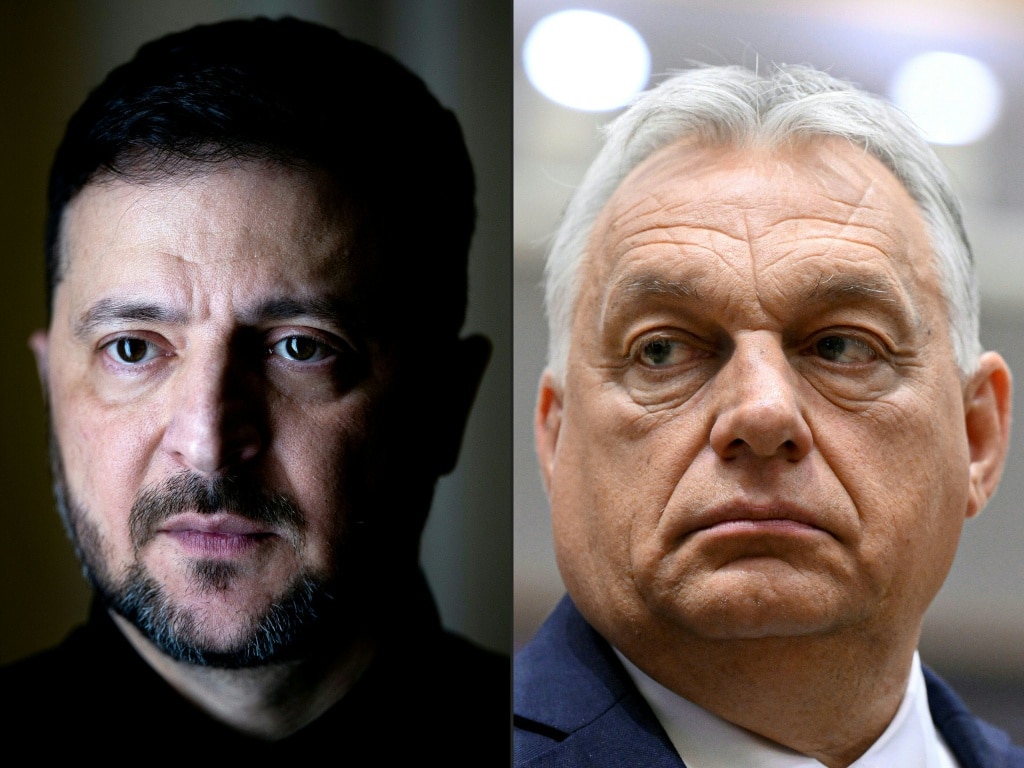
    A critical European Union summit in Brussels has been overshadowed by a deepening confrontation between Hungarian Prime Minister Viktor Orban and Ukrainian leadership, placing a vital €90 billion ($104 billion) financial package for Kyiv in jeopardy. The dispute centers on the Druzhba oil pipeline, a crucial energy conduit running from Russia through Ukraine to Hungary, which has suffered damage and subsequently halted oil flows to landlocked Hungary and Slovakia.

    Orban, maintaining his position as Moscow’s closest ally within the EU bloc, has explicitly linked the restoration of oil transit to the approval of Ukrainian aid. In a stark ultimatum, he declared, “No oil, no money,” asserting that President Volodymyr Zelensky must ensure the pipeline’s reopening to receive the EU funds. This stance frames the economic lifeline for a nation at war as conditional on resolving a bilateral infrastructure issue.

    Kyiv has vehemently rejected this linkage, characterizing the Hungarian leader’s demands as outright “blackmail” that inappropriately connects technical repairs to essential military and financial support against Russian aggression. While the European Commission has attempted to mediate by dispatching a technical team to address the pipeline damage, Budapest dismissed these efforts as mere “theatre,” demonstrating no willingness to compromise.

    EU diplomats express widespread frustration, noting that Orban had previously consented to the loan package at a December summit. The deadlock presents a significant challenge for other member states, who must navigate the delicate balance of pressuring Hungary without bolstering Orban’s domestic narrative as an EU maverick, particularly as he faces a tight electoral contest on April 12th. With Ukraine requiring the funds by early May, the Brussels summit represents a critical juncture, yet insiders remain pessimistic about a breakthrough, acknowledging there is no viable “Plan B” should Orban refuse to honor his prior commitment.

  • Brent crude briefly tops $119 per barrel before pulling back, and stocks sink worldwide

    Brent crude briefly tops $119 per barrel before pulling back, and stocks sink worldwide

    Escalating hostilities in the Persian Gulf region triggered significant turbulence across global financial markets on Thursday, with crude oil benchmarks surging to multi-month highs amid supply disruption fears. The international Brent crude benchmark momentarily breached $119 per barrel during morning trading before settling at $110.90, still representing a substantial 3.2% daily increase. Simultaneously, U.S. West Texas Intermediate crude climbed 2.2% to reach $98.40 per barrel.

    This price acceleration followed intensified Iranian assaults on energy infrastructure throughout the Gulf region, representing retaliatory measures for earlier Israeli strikes on critical Iranian natural gas facilities. Market analysts expressed mounting concern that prolonged regional conflict could substantially constrain global energy exports, particularly through the strategically vital Strait of Hormuz transit corridor which typically handles approximately 20% of worldwide oil shipments.

    The energy market volatility precipitated substantial equity declines across international exchanges. Japan’s Nikkei index plummeted 3.4%, while South Korean markets retreated 2.7%. European markets mirrored this negative trajectory with Germany’s DAX declining 2.8% and London’s FTSE 100 dropping 2.3%. Wall Street demonstrated relative resilience, though the S&P 500 still declined 0.7% amid expectations of prolonged inflationary pressures.

    Market participants dramatically recalibrated interest rate expectations in response to the geopolitical developments. CME Group data indicated traders now price an 8% probability of Federal Reserve rate increases during 2024, completely reversing previous expectations of multiple rate reductions. This sentiment shift propelled Treasury yields upward, with the two-year note reaching its highest level since summer 2023 and the benchmark ten-year yield climbing to 4.28%.

    The commodities complex experienced broad-based selling pressure despite energy sector gains. Gold prices declined 6.1% to $4,598.80 per ounce, while silver witnessed more pronounced selling with a 9.3% decrease. Mining equities consequently underperformed, with Newmont Corporation declining 8.6% and Freeport-McMoRan falling 4.8%.

    Corporate highlights included Micron Technology decreasing 3.6% despite reporting exceptional quarterly results, while Rivian Automotive advanced 2.7% following announcement of a strategic partnership with Uber Technologies involving potential $1.25 billion investment and purchase commitments for autonomous vehicle technologies.