作者: admin

  • Aryan Khan gushes over dad Shah Rukh’s ‘King’ release date announcement

    Aryan Khan gushes over dad Shah Rukh’s ‘King’ release date announcement

    Bollywood’s reigning monarch Shah Rukh Khan has officially unveiled the theatrical release date for his highly anticipated cinematic venture ‘King,’ scheduled for December 24, 2026. The announcement has ignited fervent excitement across the global entertainment landscape, with none more visibly enthusiastic than the superstar’s own son, Aryan Khan.

    The emerging director, fresh from his Netflix series ‘The B***ds of Bollywood’ debut, publicly celebrated the revelation through his Instagram platform. Aryan shared the official date announcement video to his Instagram Story, accompanying the visual with the succinct yet powerful Hindi caption ‘Baap’ (father), creating an immediate viral sensation among fans and media outlets alike.

    Director Siddharth Anand and production houses Red Chillies Entertainment alongside Marflix Pictures jointly disclosed the Christmas Eve 2026 release through freshly released visuals that present Khan in a transformative avatar. The imagery depicts the iconic actor sporting silver-haired sophistication, intense facial expressions, and projecting an aura of brooding intensity that suggests a radical departure from his previous screen personas.

    The project’s development timeline reveals strategic marketing brilliance, with the title initially revealed on November 2nd to coincide with Khan’s birthday. Last year’s 60th birthday celebrations featured the release of a teaser that offered glimpses into the film’s high-octane action sequences and darker narrative tones, showcasing what industry analysts predict could be Khan’s most physically demanding and psychologically complex performance to date.

    This father-son cinematic synergy represents a significant moment in Indian entertainment, blending established superstardom with emerging directorial talent while demonstrating the evolving nature of film promotion in the digital age through strategic social media engagement.
  • Topography, extreme rainfall causes of Guizhou landslide, report says

    Topography, extreme rainfall causes of Guizhou landslide, report says

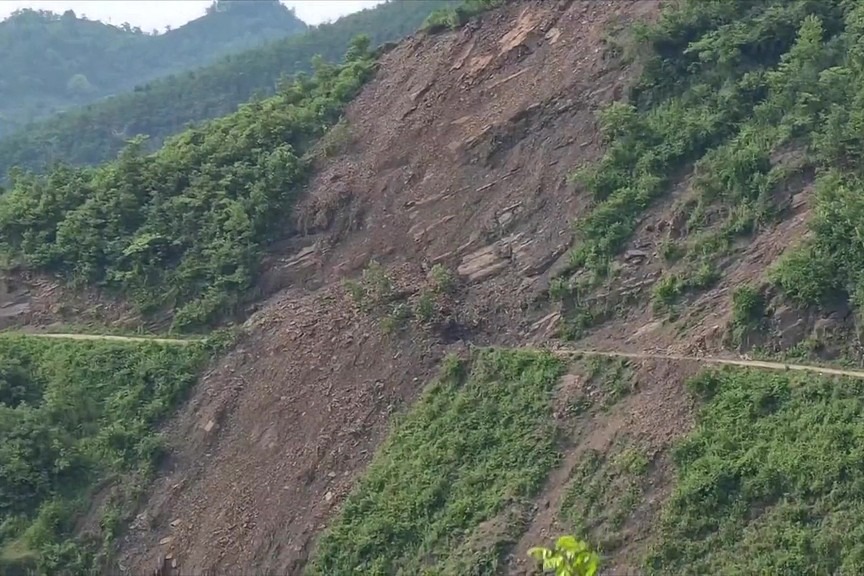
    A comprehensive geological investigation has determined that the catastrophic landslide in Dafang county, Guizhou province, resulted from a combination of unfavorable topography and unprecedented rainfall patterns. The disaster, which occurred on May 22, 2025, claimed seven lives with twelve individuals remaining unaccounted for, while causing direct economic damages approximating $2.86 million (19.9176 million yuan).

    The provincial Department of Natural Resources’ technical analysis revealed that inherently unstable slope structures and problematic terrain characteristics created the fundamental conditions for collapse. These latent vulnerabilities were activated by extreme precipitation that saturated the region. Notably, the affected area had not been previously identified as a high-risk zone in geological surveys, highlighting gaps in existing hazard mapping systems.

    Rescue operations persisted through May 29, 2025, with emergency teams working extensively to locate survivors. Technical investigators determined that prolonged water infiltration had progressively weakened the rock mass, with the exceptional rainfall serving as the final trigger mechanism.

    The report concludes with critical recommendations for enhanced geological monitoring, urging local authorities to improve early-warning systems’ precision and expand surveillance to include concealed areas with potential instability. These measures aim to prevent similar tragedies through advanced risk identification and mitigation strategies.

  • Captain of suspected Russian shadow tanker in French custody

    Captain of suspected Russian shadow tanker in French custody

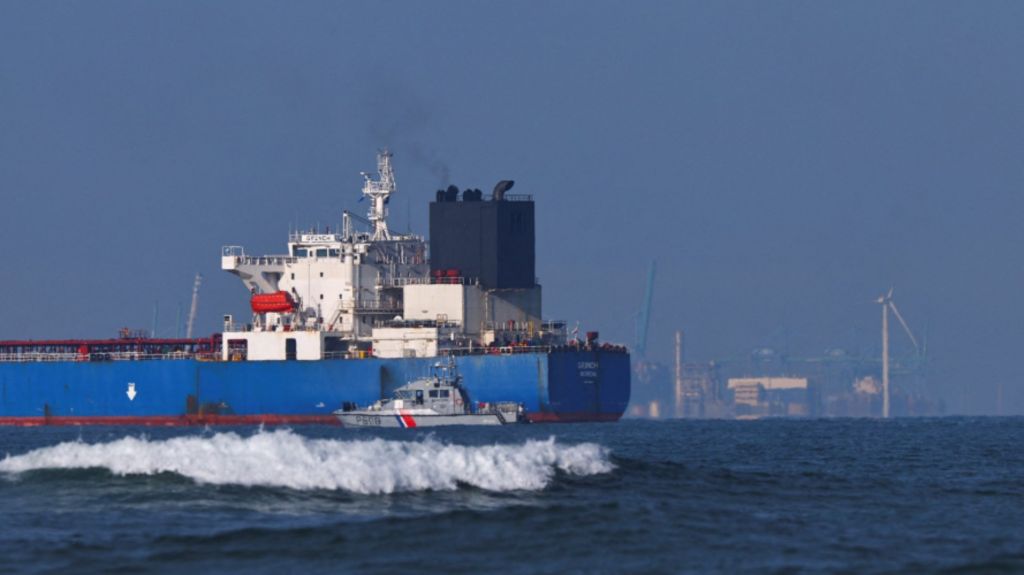
    In a significant maritime enforcement operation, French naval forces intercepted the oil tanker ‘Grinch’ on Thursday as it transited through the Mediterranean Sea. The vessel, suspected of belonging to Russia’s shadow fleet, was seized following orders from President Emmanuel Macron who declared the tanker was “subject to international sanctions and suspected of flying a false flag.

    The interception occurred while the Grinch was en route from the Russian Arctic port of Murmansk. The vessel is currently secured under guard at a southern French port near Marseille while investigations continue.

    French authorities have taken the Indian captain, 58, into custody while the remaining crew members—all Indian nationals—remain confined aboard the vessel. The Marseille prosecutor’s office confirmed an ongoing investigation to “verify the validity of the flag used by the tanker,” with French media reporting the vessel was sailing under a Comoros Islands registry.

    President Macron emphasized that such shadow fleet operations directly “finance Russia’s war of aggression against Ukraine.” The French government has established nautical and air exclusion zones around the anchorage site as security measures.

    This action represents the latest in a series of Western enforcement measures against Russian energy sanctions implemented following the 2022 invasion of Ukraine. Earlier in January, British armed forces supported a U.S. operation to seize a Russian-flagged tanker in the Atlantic for sanctions violations.

    Shadow fleets have become increasingly prevalent with Venezuela, Iran, and Russia all accused of utilizing them to circumvent oil sanctions. According to financial intelligence firm S&P Global, approximately one in five oil tankers worldwide are now used to transport oil from sanctioned nations.

    The operation follows France’s October interception of another sanctioned tanker, the Boracay, which was released after several days of investigation.

  • Gaza’s Rafah crossing with Egypt to open soon, Palestinian official says

    Gaza’s Rafah crossing with Egypt to open soon, Palestinian official says

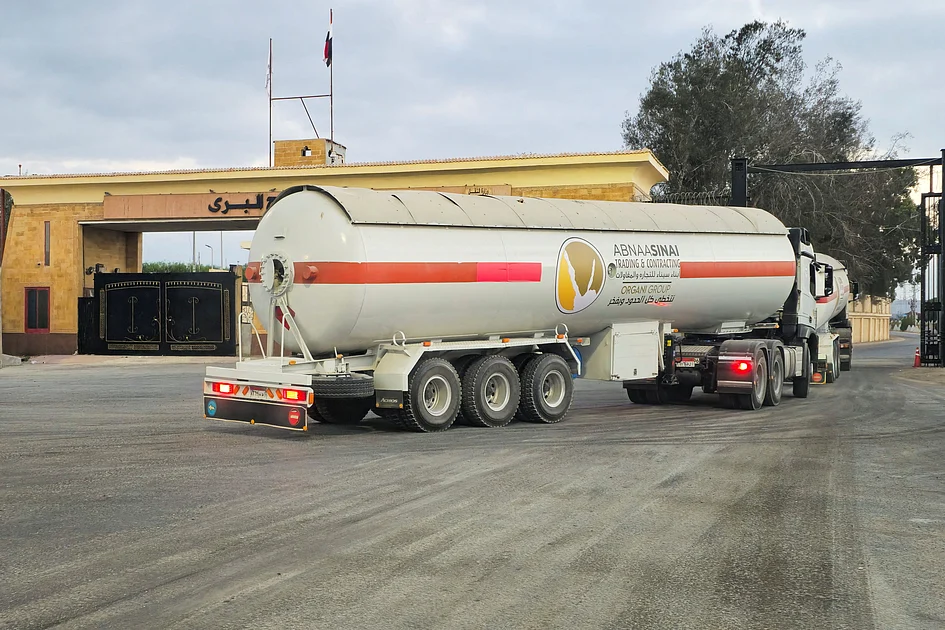
    In a significant development for Gaza’s humanitarian situation, Palestinian authorities have confirmed the imminent reopening of the Rafah border crossing with Egypt. The announcement came during a high-profile event in Davos hosted by former President Donald Trump, where Palestinian technocrat leader Ali Shaath revealed via video link that the critical passage would resume operations next week.

    The Rafah crossing, described by Shaath as “more than a gate—it is a lifeline and symbol of opportunity,” has remained largely closed throughout the Israel-Hamas conflict. Its reopening represents a key implementation of the October ceasefire agreement brokered by Trump, which had previously left this crucial element unfulfilled.

    The announcement occurred during the formal launch of Trump’s “Board of Peace” initiative, which initially focuses on cementing Gaza’s fragile ceasefire. Shaath emphasized that “opening Rafah signals that Gaza is no longer closed to the future and to the war,” highlighting the crossing’s symbolic and practical importance for Palestinian mobility and access.

    Notably absent was immediate commentary from Israeli authorities, who have maintained control over the Rafah crossing since 2024. The current ceasefire arrangement leaves Israel in control of more than half of Gaza territory, including the area adjacent to the border crossing, while Hamas retains control over the remaining enclave sections.

    The reopening promises to restore Gaza’s primary gateway to the outside world, enabling the movement of Palestinians in both directions after prolonged restrictions during the conflict period.

  • Major winter storm pounds US from south to northeast

    Major winter storm pounds US from south to northeast

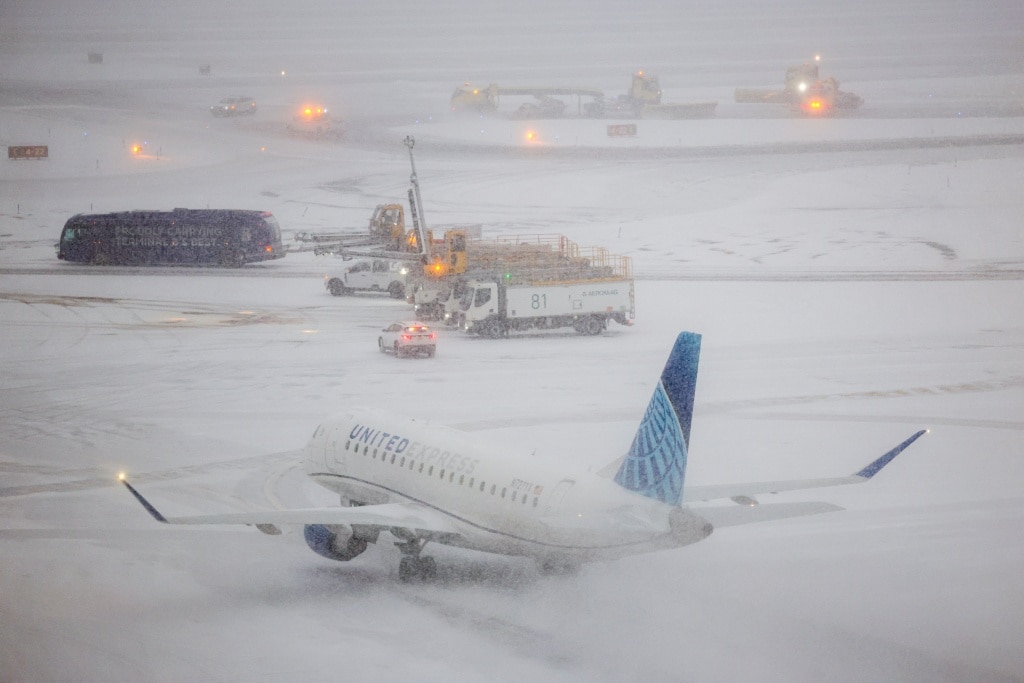
    A devastating winter storm, originating from a distorted polar vortex, has unleashed a multi-day assault across the United States, creating treacherous conditions from the Southern states to the Northeast corridor. The system, which began its onslaught on Saturday, has resulted in a cascading crisis of widespread power failures, mass transportation cancellations, and urgent safety warnings from authorities.

    As of Sunday morning, over 700,000 utility customers found themselves without electricity, with the most severe impacts felt in regions unaccustomed to such severe winter weather. Tennessee reported nearly 250,000 outages, while Texas, Mississippi, and Louisiana each contended with more than 100,000 customers plunged into darkness. The National Weather Service issued grave warnings, indicating that the combination of snow, sleet, and subsequent re-freezing would render surfaces perilously icy for both drivers and pedestrians well into the coming week.

    The storm’s disruptive path forced the preemptive closure of federal offices in Washington D.C. for Monday, while major aviation hubs in Philadelphia, New York, and the capital saw near-total flight groundings. Flight tracking data revealed a staggering operational meltdown with over 10,000 U.S. flights canceled on Sunday alone, compounding more than 4,000 cancellations from the previous day.

    With at least 20 states and the District of Columbia declaring states of emergency, officials from Texas to North Carolina and New York issued blanket advisories for residents to remain indoors. The Texas Emergency Management Division emphasized the severity via social media, urging: ‘Stay off the roads unless absolutely necessary.’

    Adding to the immediate hazards, forecasters warn of an impending Arctic air mass set to drive temperatures to life-threatening lows across the Northern Plains and Upper Midwest, where wind chills could plummet to a dangerous -50°F (-45°C)—conditions capable of causing frostbite within minutes.

    The meteorological phenomenon behind the extreme weather involves an elongated polar vortex, which typically remains confined to the Arctic but has destabilized into an oval shape, spilling frigid air across North America. While the scientific community continues to debate connections between such polar vortex disruptions and climate change, the event has already sparked political commentary, including former President Donald Trump’s skepticism about global warming on his Truth Social platform.

    In response to the escalating crisis, the NWS highlighted particular concerns about heavy ice accumulation potentially triggering prolonged power outages and significant tree damage, especially in states ill-equipped for such intense winter conditions.

  • Various activities held across China to welcome upcoming Laba Festival

    Various activities held across China to welcome upcoming Laba Festival

    Communities across China are embracing traditional customs through diverse cultural activities in anticipation of Laba Festival, observed this year on January 26th. The festival, which marks the eighth day of the twelfth lunar month, has sparked nationwide engagement through culinary workshops, educational events, and charitable distributions.

    In Jiangsu province’s Kunshan city, kindergarten classrooms transformed into cultural laboratories as educators demonstrated the art of preparing Laba porridge—the festival’s signature dish. Young learners participated in interactive sessions identifying traditional ingredients like grains, nuts, and dried fruits that compose the nutritious concoction.

    Beyond educational institutions, community centers and temples organized large-scale porridge preparation events, blending culinary tradition with social harmony. Volunteers distributed steaming bowls of the symbolic dish to elderly residents and essential workers, continuing the festival’s ancient tradition of sharing abundance during winter’s coldest period.

    Cultural historians note that these celebrations represent a vibrant revival of intangible cultural heritage, particularly among younger generations. The festival’s timing—one week before the Chinese New Year—serves as both culinary and spiritual preparation for the year’s most important holiday period, embodying themes of gratitude, community solidarity, and cultural continuity.

  • Beijing plans further expansion of its world-class metro network

    Beijing plans further expansion of its world-class metro network

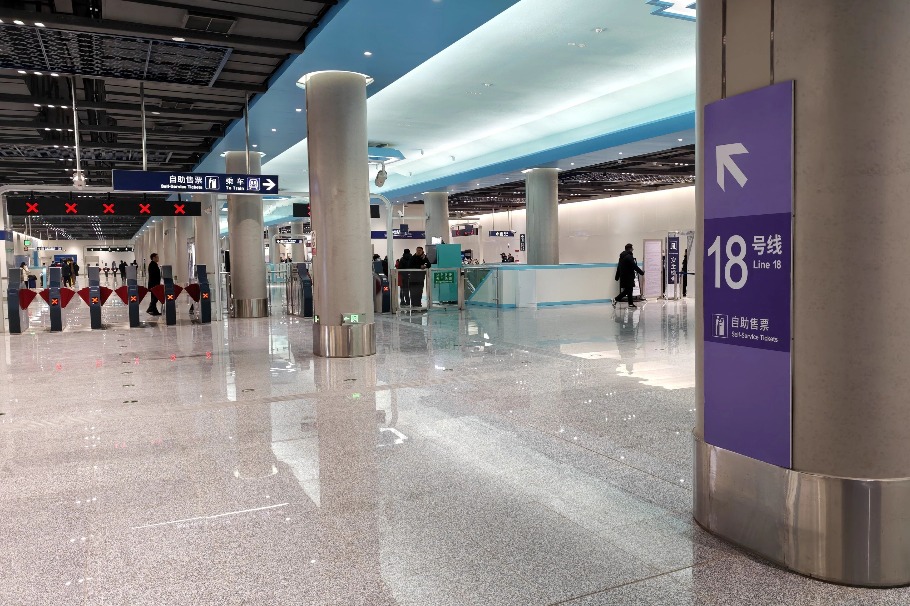
    Beijing is poised to further cement its status as China’s urban rail transit leader with ambitious expansion plans for its metro system in 2026. Mayor Yin Yong announced the development strategy during his government work report presentation at the Beijing Municipal People’s Congress session on Sunday.

    The Chinese capital, which already operates the nation’s most extensive subway network at 909 kilometers, will add over 40 kilometers of new track this year. This continues the city’s aggressive infrastructure development after adding 30 kilometers through three new lines in 2025.

    A key focus of the expansion will be improving transfer convenience between transportation modes. The municipality aims to increase the proportion of bus-to-rail transfers within a 50-meter radius from the current 91% to 93%, significantly enhancing connectivity for daily commuters. This initiative represents part of Beijing’s broader strategy to create a more integrated and efficient urban transit ecosystem that reduces travel time and improves the passenger experience.

    The continuous expansion of Beijing’s metro system reflects the city’s commitment to addressing urban mobility challenges while supporting sustainable development goals. As one of the world’s most heavily used metro systems, these improvements will benefit millions of residents and visitors while maintaining Beijing’s position at the forefront of urban transportation innovation.

  • WHO chief says reasons US gave for withdrawing ‘untrue’

    WHO chief says reasons US gave for withdrawing ‘untrue’

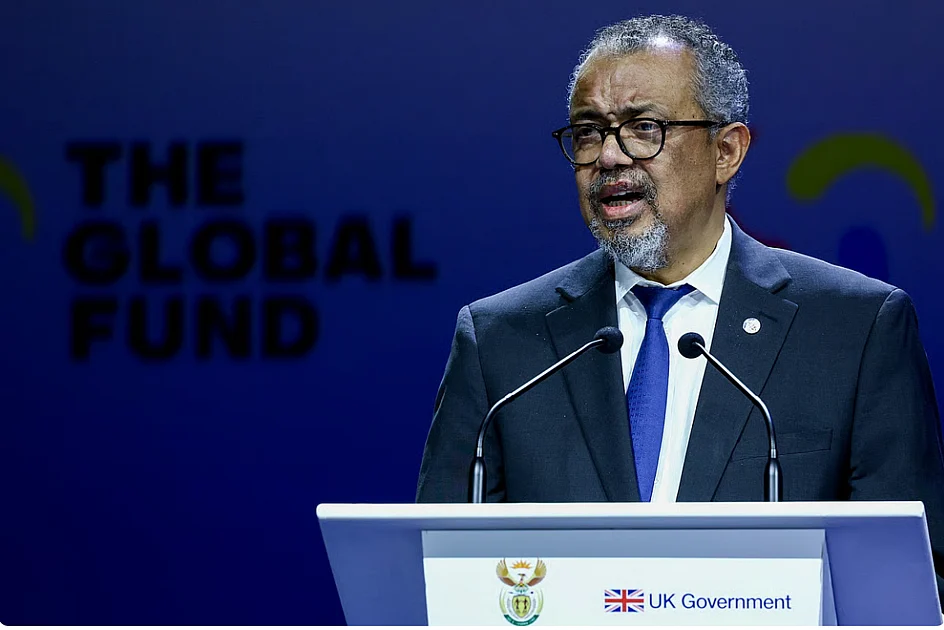
    In a striking rebuttal to Washington’s official position, World Health Organization Director-General Tedros Adhanom Ghebreyesus has publicly challenged the United States’ stated justification for withdrawing from the UN health agency, characterizing the reasoning as fundamentally inaccurate. The diplomatic confrontation emerged following Thursday’s formal announcement by U.S. Secretary of State Marco Rubio and Health Secretary Robert F. Kennedy Jr. that America would terminate its WHO membership.

    The WHO leadership issued a comprehensive response on multiple platforms, including an official statement and social media postings on X (formerly Twitter), directly countering the U.S. administration’s claims. The organization emphasized that it has consistently operated with full respect for national sovereignty while facilitating international cooperation during health emergencies.

    The American withdrawal notification, which follows an executive order signed by President Donald Trump one year ago, cites alleged failures during the COVID-19 pandemic and actions purportedly taken against U.S. interests. Specifically, U.S. officials accused the WHO of obstructing timely information sharing and concealing operational shortcomings that potentially cost American lives.

    WHO’s rebuttal systematically addressed each criticism, noting that the organization ‘acted quickly, shared all information it had rapidly and transparently with the world, and advised Member States on the basis of the best available evidence’ throughout the pandemic. The agency clarified that while it recommended protective measures including masks, vaccines, and physical distancing, it never mandated specific implementations, leaving those decisions to sovereign governments.

    Complicating the withdrawal process are outstanding financial obligations totaling approximately $260 million in unpaid dues for 2024 and 2025. The WHO has indicated that the withdrawal notification ‘raises issues’ that will require examination during upcoming Executive Board meetings in February and the World Health Assembly in May. Despite the diplomatic rupture, Dr. Tedros expressed hope for America’s eventual return to active participation in global health governance while reaffirming WHO’s commitment to its constitutional mandate of achieving the highest attainable health standard for all people.

  • India-EU ‘mother of all deals’ nears finish line as Trump tariffs jolt trade

    India-EU ‘mother of all deals’ nears finish line as Trump tariffs jolt trade

    In a significant geopolitical shift, India and the European Union are finalizing a comprehensive free trade agreement, strategically timed to counter growing global trade volatility. The pact, dubbed the ‘mother of all deals,’ represents a decisive move to establish stable trade corridors amid increasing unpredictability in US trade relations under the Trump administration.

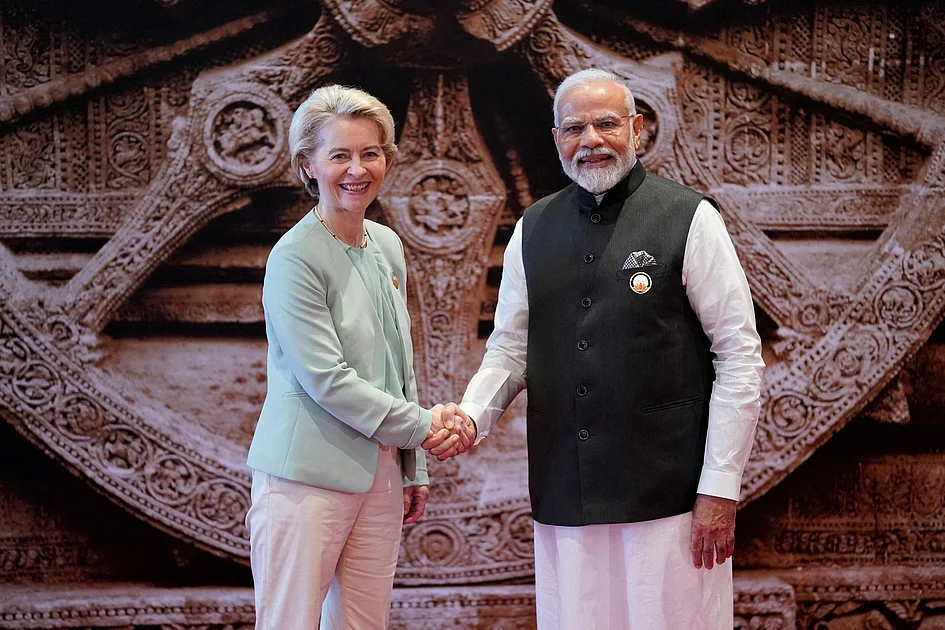
    European Commission President Ursula von der Leyen and European Council President António Costa have arrived in New Delhi for the 16th EU-India Summit on January 27, where officials anticipate announcing the conclusion of negotiations that have spanned nearly two decades. While formal signatures may follow later, the political commitment marks a watershed moment in EU-India relations.

    The agreement emerges against a backdrop of escalating US tariff pressures, with some Indian exports facing duties as high as 50%. This environment has transformed the EU-India negotiation from a conventional economic initiative into a strategic safeguard mechanism. The partnership aims to secure predictable trade rules, diversify market access, and reduce vulnerability to abrupt policy changes from traditional partners.

    The scale of existing trade underscores the agreement’s potential impact. Two-way goods trade between India and the EU reached approximately $136 billion in FY2024/25, making the bloc India’s largest goods trading partner. The proposed FTA would expand this economic corridor across multiple sectors—from industrial goods to services—while addressing persistent non-tariff barriers and regulatory friction.

    This development reflects India’s broader ‘portfolio approach’ to trade diplomacy, systematically building bilateral agreements to broaden market access and attract foreign investment. A recent example includes the ambitious agreement with the UAE, targeting a doubling of bilateral trade to $200 billion within six years after surpassing $100 billion under the CEPA framework.

    Despite the breakthrough, sensitive issues remain unresolved. Agriculture remains politically contentious, with the most sensitive agricultural matters temporarily excluded from negotiations. Additionally, Europe’s Carbon Border Adjustment Mechanism (CBAM) presents concerns for Indian industries fearing new carbon-based charges on exports.

    The EU has simultaneously pushed for stronger intellectual property protections and data governance assurances. Beyond commercial elements, the summit is expected to yield a comprehensive strategic package including defense cooperation, information security agreements, and mobility frameworks covering skilled workers, students, and researchers.

    Trade analysts characterize the impending agreement as India’s clearest signal yet of its strategy to build overlapping trade alliances as economic shock absorbers. In an era of tariff threats and shifting trade blocs, both New Delhi and Brussels appear determined to establish a historic economic corridor before the next wave of global trade turbulence emerges.

  • Row erupts within UK’s governing Labour Party after popular mayor blocked from upcoming election

    Row erupts within UK’s governing Labour Party after popular mayor blocked from upcoming election

    A significant internal conflict has emerged within Britain’s ruling Labour Party following the decisive blocking of Manchester Mayor Andy Burnham’s attempt to re-enter Parliament. The party’s National Executive Committee (NEC), a 10-member body overseeing election machinery, rejected Burnham’s Saturday request to stand as candidate in the upcoming Gorton and Denton constituency by-election expected before February’s end.

    The NEC justified its decision as necessary to avoid “an unnecessary election” for Manchester mayor that would impose “a substantial and disproportionate impact on party campaign resources.” Had Burnham won the traditionally safe Labour seat, he would have been required to resign his mayoral position, triggering another special election in Manchester. His current mandate as mayor extends through May 2028.

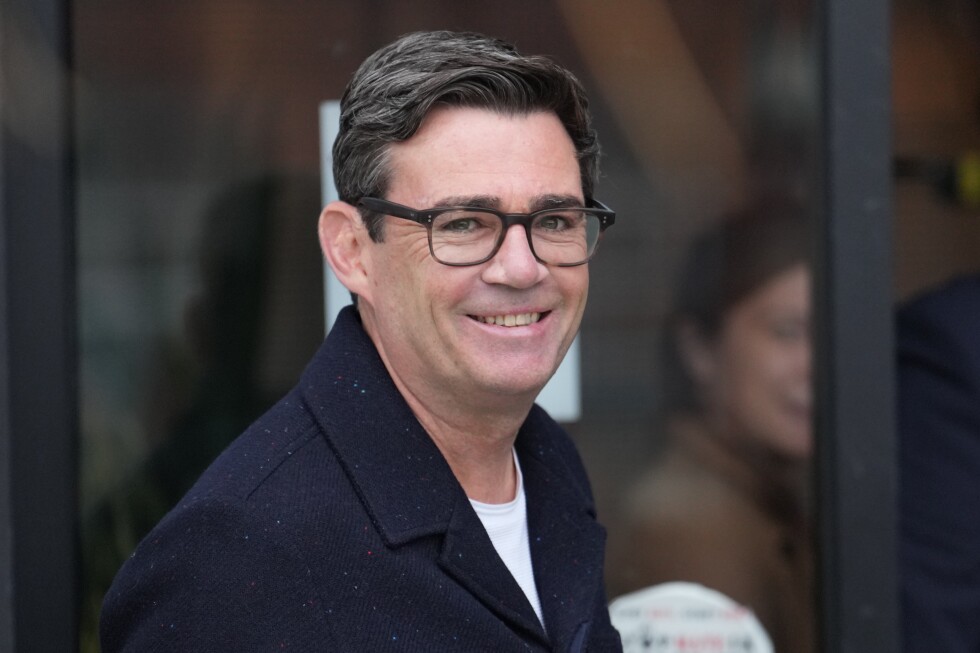
    Critics within the party perceive this move as Prime Minister Keir Starmer strategically neutralizing a potential leadership rival. Burnham, twice previously unsuccessful in Labour leadership contests and colloquially known as the “King of the North,” has openly expressed ambitions to lead the party eventually. The former minister under Blair and Brown governments has recently voiced policy disagreements with Starmer, particularly on economic matters, and called for renewed debate on party direction.

    The controversy unfolds against a backdrop of concerning poll numbers for Labour since their July 2024 landslide victory. The party faces predicted significant losses in May’s critical elections—Britain’s equivalent of U.S. midterms—with potential historic defeat in Wales, continued opposition in Scotland, and substantial losses in English local elections. Anti-immigration Reform UK and the Greens have been primary beneficiaries of Labour’s declining support.

    Reactions within the party reflect deep divisions. Labour lawmaker John Slinger praised the “quick and clear decision” as allowing the party to move beyond “damaging introspection” and unite behind the eventual candidate. Conversely, former Cabinet minister Louise Haigh described the blocking as “incredibly disappointing” and urged the NEC to reconsider.