作者: admin

  • How the Iran war has left Europe facing yet another energy crisis

    How the Iran war has left Europe facing yet another energy crisis

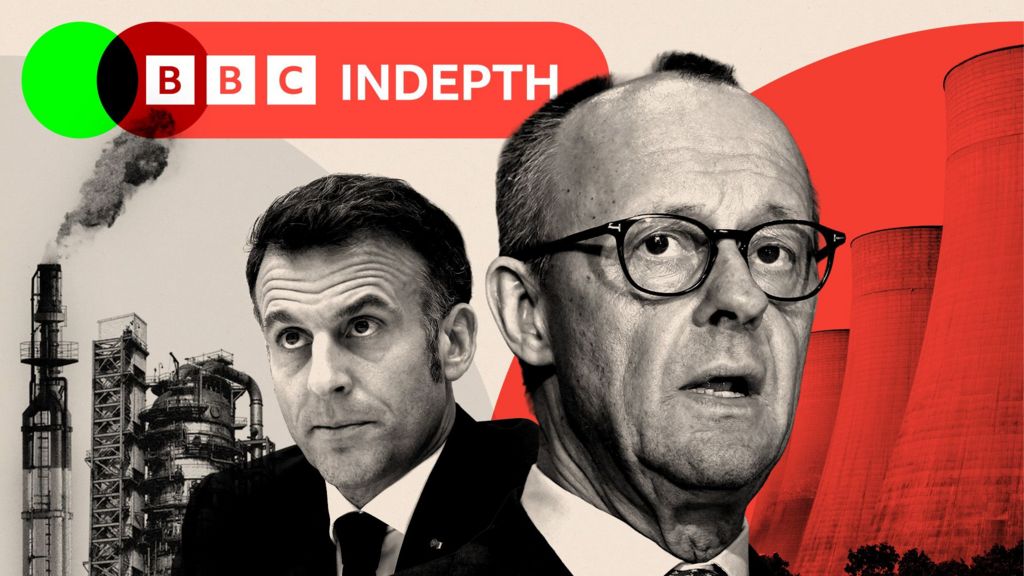
    Europe finds itself confronting a severe energy security crisis reminiscent of the 2022 Russian invasion of Ukraine, as escalating Middle East tensions trigger market volatility and expose the continent’s persistent dependency on external suppliers. Despite solemn pledges to achieve energy independence following Russia’s aggression, European leaders now face renewed panic over soaring prices and political divisions that threaten to undermine both economic stability and strategic autonomy.

    The current crisis emerged when Iran effectively blocked the Strait of Hormuz in late February following US-Israeli attacks on Tehran, creating immediate supply constraints that drove oil prices up 8% and European gas prices surging 20% on March 2nd. While Europe imports minimal physical energy from the Middle East, the blockade demonstrates how global market interdependencies continue to leave the continent vulnerable to geopolitical disruptions far beyond its borders.

    This vulnerability stems partly from Europe’s dramatic energy reorientation since 2022. The EU rapidly reduced Russian energy imports from pre-war levels of 55% of German gas supplies to just 2% of oil imports today, primarily reaching Moscow-friendly Hungary and Slovakia. This transformation came at enormous cost, however, as European nations replaced Russian pipeline gas with liquefied natural gas (LNG) imports—primarily from the United States, which now supplies 57% of EU LNG imports and 96% of Germany’s LNG needs.

    This dependency has created new strategic vulnerabilities. The Trump administration has leveraged Europe’s energy desperation to extract favorable trade terms, including a $750 billion commitment to US energy exports over three years. During tense negotiations last July, Trump threatened 30% tariffs on EU exports before “reducing” them to 15% following European Commission President Ursula von der Leyen’s visit to his Scottish golf resort. The arrangement has positioned Europe in a clear position of weakness relative to American interests.

    Energy security expert Dan Marks of the Royal United Services Institute notes that Europe’s choice “between Russian energy and global market volatility is a very bad choice,” emphasizing that simply switching suppliers hasn’t solved fundamental security problems. The continent remains exposed to multiple risk layers—from potential US domestic decisions to withhold energy supplies to physical infrastructure vulnerabilities like LNG terminal destruction during extreme weather events.

    Even reliable democratic suppliers present challenges. Norway, now providing one-third of EU gas consumption, operates near maximum output capacity. Oslo has criticized EU policies that limit Arctic energy development while Russia expands its LNG production in the same region, creating competitive disadvantages that complicate energy security planning.

    The crisis has intensified political divisions within Europe. At Thursday’s emergency EU summit, leaders grappled with proposals ranging from tax revisions and consumer price caps to potentially suspending the Emissions Trading System (ETS)—the cornerstone of EU climate policy. Italian Prime Minister Giorgia Meloni called for ETS suspension for electricity production, while Belgian Prime Minister Bart De Wever shocked colleagues by suggesting normalizing relations with Russia to regain access to cheap energy.

    These divisions reflect broader strategic dilemmas. As Brussels-based energy specialist Georg Zachmann observes, “We are in a complex world of trade-offs” between energy security, climate goals, and economic competitiveness. While the EU has set ambitious legally binding targets to reduce net greenhouse gas emissions by 90% by 2040, the current crisis reveals the enormous practical challenges in achieving these goals while maintaining energy affordability and security.

    The situation has also hampered potential energy cooperation with post-Brexit Britain, despite obvious mutual benefits. The UK possesses Europe’s largest offshore wind capacity and extensive North Sea development plans, while Britain would benefit from assurance that France wouldn’t cut energy supplies during crises. Yet political tensions continue to prevent pragmatic collaboration.

    As European leaders convene in Brussels, they face not merely a price crisis but a fundamental test of whether the continent can develop coherent, united energy strategies that balance security, sustainability, and sovereignty. With populist movements gaining traction amid voter anger over energy costs, and with global conflicts demonstrating the persistent fragility of energy systems, the stakes have never been higher for European integration and strategic autonomy.

  • AFL 2026: Melbourne captain Max Gawn took ownership of his marathon final quarter

    AFL 2026: Melbourne captain Max Gawn took ownership of his marathon final quarter

    In a dramatic opening to the AFL season, Melbourne Demons captain Max Gawn demonstrated exceptional leadership by personally deciding to play the entire final quarter without rest, ultimately securing his team’s narrow victory over St Kilda. New coach Steven King revealed the pivotal moment when Gawn, recognizing opponent Tom De Koning’s fatigue and his own command of the match, insisted on staying on the field during the critical final term.

    King, coaching his first game for Melbourne, expressed admiration for Gawn’s initiative, noting the stark contrast with St Kilda’s approach that saw their key player Nasiah Wanganeen-Milera benched for six crucial minutes late in the game. The coach described Gawn’s self-determination as emblematic of his commitment to the club and his role model status among teammates.

    The victory proved particularly significant for King, who admitted to approaching the game with concerns about the team’s preparation. Melbourne’s pre-season had been disrupted by multiple challenges including injuries, a player being bitten by a dog, another breaking an arm, and weather disruptions that limited their competitive preparation to just a single half of football.

    Despite these setbacks, the Demons demonstrated remarkable resilience in their season opener. The team now faces an even greater challenge as they prepare to meet Fremantle at Perth Stadium in the upcoming weekend, building on the momentum established by Gawn’s decisive leadership and the team’s collective determination.

  • Overnight storm in Pakistan’s largest city, Karachi, kills at least 15 people and injures several

    Overnight storm in Pakistan’s largest city, Karachi, kills at least 15 people and injures several

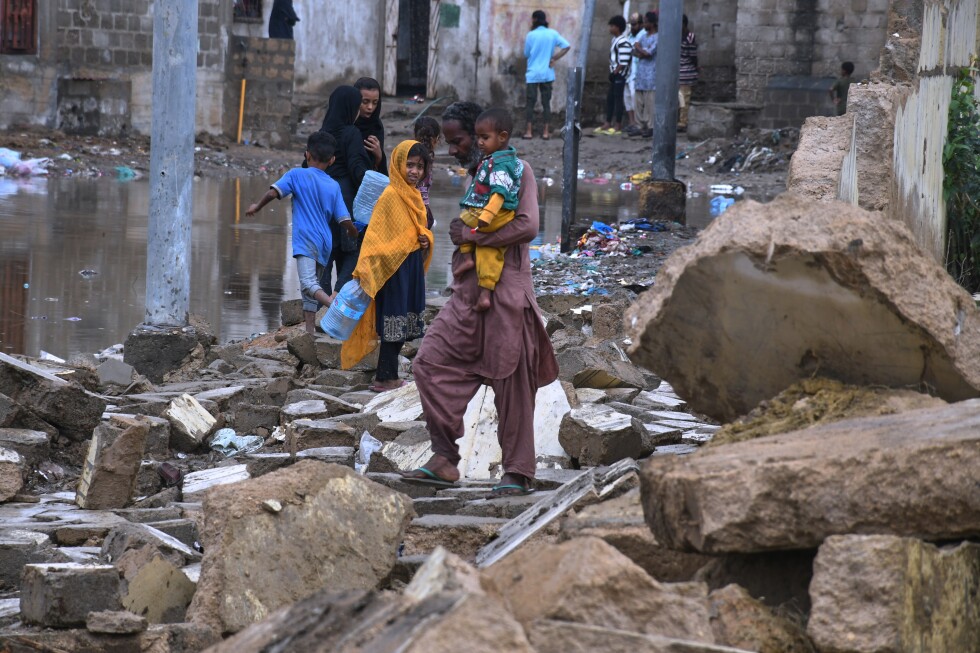
    A severe weather system pummeled Pakistan’s port metropolis of Karachi overnight, resulting in significant casualties and widespread disruption. Emergency services confirmed a death toll of at least 15 individuals, with more than two dozen others sustaining injuries, following a night of torrential rains and destructive winds exceeding 90 kilometers per hour (56 mph).

    The tempest, which commenced on Wednesday and persisted through the night, triggered multiple structural failures across the city. Officials reported that the fatalities and injuries were primarily caused by the collapse of residential walls and roofs under the force of the storm. The main city hospital received numerous casualties as the emergency response was activated.

    Beyond the human toll, the powerful winds wreaked havoc on urban infrastructure. Countless roadside trees were uprooted, blocking major thoroughfares and bringing traffic to a standstill. Municipal crews, under the direction of Karachi Mayor Murtaza Wahab, initiated large-scale clearance operations to restore access. Authorities issued repeated advisories, urging the city’s millions of residents to remain indoors and avoid all non-essential travel to facilitate rescue efforts and prevent further accidents.

    The Pakistan Meteorological Department attributed the extreme conditions to a westerly weather system moving across the southern region. Forecasters have issued further warnings, predicting continued rain and thunderstorms with strong gusts and potential isolated hailstorms for Karachi and surrounding areas of Sindh province. Similar severe weather was also reported impacting other regions across the nation, indicating a widespread climatic event.

  • As Senegal cracks down on homosexuality, gay people say they suffer

    As Senegal cracks down on homosexuality, gay people say they suffer

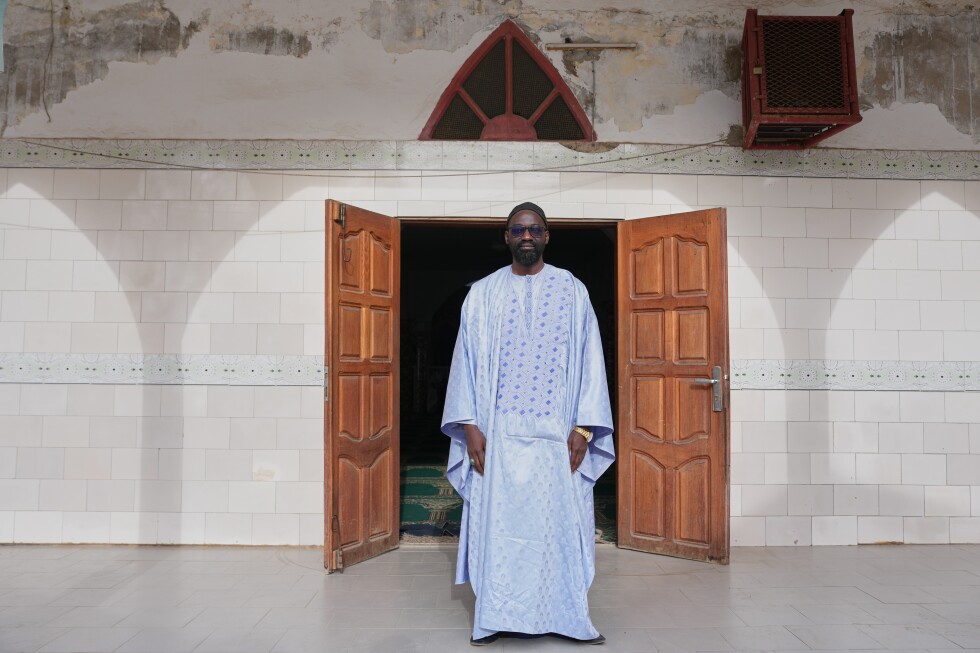
    Senegal is intensifying its crackdown on LGBTQ+ individuals through legislative measures that would significantly increase prison sentences for same-sex conduct. The West African nation, where homosexuality remains criminalized under colonial-era laws, is poised to enact tougher penalties that have triggered widespread fear within the LGBTQ+ community.

    The legislative advancement follows Prime Minister Ousmane Sonko’s proposal earlier this year to enhance punishments for what Senegalese law euphemistically terms ‘unnatural acts.’ The amended legislation, ratified on March 11, awaits presidential endorsement from newly elected President Bassirou Diomaye Faye. If enacted, imprisonment terms would double from five to ten years maximum.

    This legal hardening occurs against a backdrop of escalating social hostility. Human Rights Watch documents how anti-LGBTQ+ rhetoric has intensified, with numerous arrests reported since February. In one horrific incident from October 2023, a mob in Kaolack exhumed, desecrated, and burned the body of a man presumed to be gay—an event that circulated widely on social media.

    Activist groups like And Samm Djiko Yi (‘Together for the Preservation of Values’) have organized protests framing homosexuality as foreign to Senegalese values. Founder Serigne Ababacar Mboup alleges an imposed ‘LGBTQ+ agenda’ from Western nations and international bodies, stating: ‘Homosexuality contradicts our customs, values, and beliefs.’

    The climate has forced organizations like Free Senegal to cease operations—closing a Dakar safe house in 2025 over security concerns. A spokesperson noted that homophobic organizations now operate with impunity, often backed by politicians seeking electoral support. Many LGBTQ+ individuals have gone into hiding or fled the country entirely, with some finding refuge in nations like France.

    Despite international condemnation of similar measures in Uganda and other African states, Senegal joins the trend of strengthening anti-LGBTQ+ laws across the continent, where over half of countries criminalize same-sex relationships.

  • European Union summit will focus on Iran war and a loan to Ukraine blocked by Hungary

    European Union summit will focus on Iran war and a loan to Ukraine blocked by Hungary

    BRUSSELS — European Union leaders convened an urgent summit on Thursday to address multiple overlapping crises, with Hungarian Prime Minister Viktor Orbán’s obstruction of a critical €90 billion ($104 billion) loan package for Ukraine dominating discussions. The funding deadlock has exposed deep fractures within the 27-nation bloc as Ukraine faces severe budgetary shortfalls in its ongoing defense against Russian aggression.

    The Brussels gathering also prioritized developing coordinated responses to escalating energy price shocks and potential refugee flows stemming from Middle Eastern instability. Many EU members have resisted pressure from former U.S. President Donald Trump to deploy military resources to secure the Strait of Hormuz, instead favoring diplomatic solutions to ensure global energy security.

    According to senior European diplomats speaking anonymously, the European Commission has proposed a comprehensive ‘toolbox’ of market-specific measures to mitigate economic disruptions from the war. This approach acknowledges the diverse energy markets across member states that require tailored solutions rather than one-size-fits-all policies.

    The Ukraine aid package, initially agreed upon at December’s summit, has been stalled since Orbán reversed his position following a January drone attack on the Druzhba oil pipeline. The Hungarian leader, facing reelection next month, has launched an aggressive media campaign portraying both EU leadership and Ukrainian officials as adversaries. ‘If there is no oil, there is no money,’ Orbán declared in a social media statement this week.

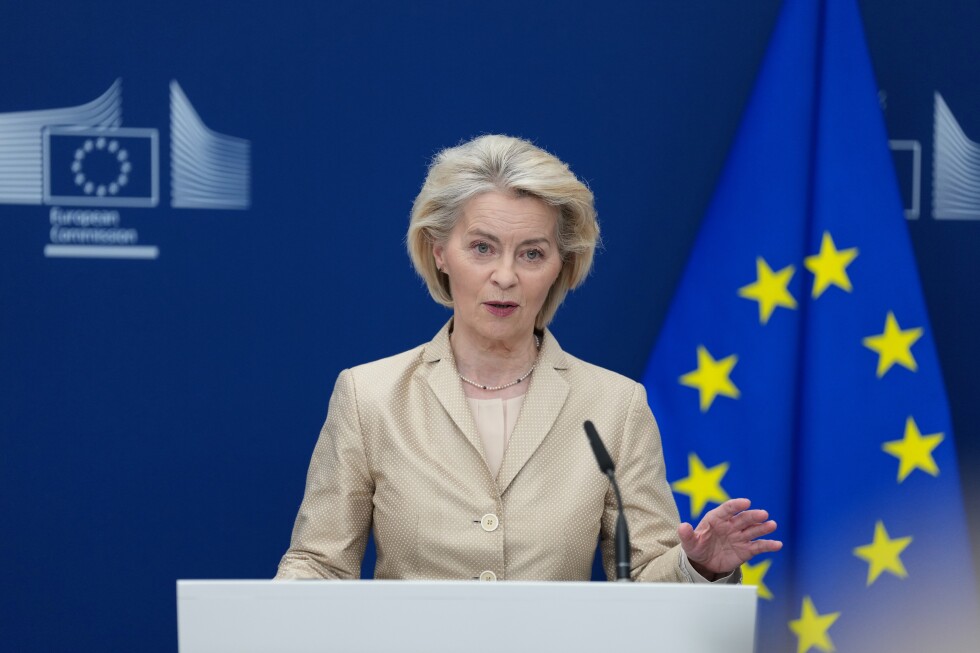
    European Commission President Ursula von der Leyen has attempted to break the impasse by offering EU funding to repair the damaged pipeline and develop alternative fuel supply routes for Hungary and Slovakia, whose Prime Minister Robert Fico has similarly adopted pro-Russia positions.

    Ukrainian President Volodymyr Zelenskyy emphasized the critical nature of the blocked funds, stating that while financing mechanisms might vary, ‘there is simply no alternative to strengthening our army.’ German Chancellor Friedrich Merz echoed this urgency, condemning the blockade as domestically motivated and calling for accelerated sanctions against Russia alongside the vital financial package.

  • Trump threatens to destroy Iran’s largest gas field

    Trump threatens to destroy Iran’s largest gas field

    In a significant escalation of Middle East hostilities, U.S. President Donald Trump has delivered a stark ultimatum to Iran, threatening to completely demolish the massive South Pars natural gas field unless Tehran immediately ceases its attacks on Qatari energy installations. The warning came as Iranian missile strikes caused substantial damage to Qatar’s Ras Laffan LNG facility, triggering a 5% surge in global crude oil prices and intensifying concerns about long-term damage to worldwide energy supplies.

    The conflict, now in its third week, has created devastating humanitarian consequences across the region. Southern Lebanon has witnessed massive civilian displacements, with families fleeing to coastal cities like Sidon as fighting intensifies between Israeli forces and Hezbollah militants. Central Beirut has suffered multiple Israeli strikes, resulting in numerous casualties and creating desperate scenes of evacuation.

    Trump asserted that Washington had no prior knowledge of Israel’s initial strike on Iran’s South Pars facility, which triggered Tehran’s retaliatory campaign against Gulf energy targets. The U.S. president vowed that no further Israeli attacks would occur on the gas field if Iran halted its offensive operations, but promised catastrophic retaliation against the critical energy infrastructure should Tehran refuse compliance.

    The human cost continues to mount with reports indicating thousands of casualties in Iran from U.S.-Israeli strikes, while missile barrages have killed foreign workers in Israel and Palestinian women in the West Bank. The conflict has also decimated Iranian leadership through targeted assassinations, most recently claiming intelligence chief Esmail Khatib following the killing of security chief Ali Larijani.

    French President Emmanuel Macron has engaged in diplomatic efforts, conversing with both Trump and Qatar’s Emir while advocating for a moratorium on attacks targeting civilian infrastructure. Meanwhile, France’s foreign minister is scheduled to visit Lebanon to demonstrate solidarity with civilians caught in the escalating violence.

  • Thousands of Moldovans cut off from water after Russian strike on Ukrainian hydropower plant

    Thousands of Moldovans cut off from water after Russian strike on Ukrainian hydropower plant

    A severe environmental emergency has unfolded in Moldova after a Russian military strike on Ukrainian infrastructure triggered massive oil contamination in the Dniester River, leaving tens of thousands without access to clean water. The crisis originated from an attack on Ukraine’s Novodnistrovsk hydropower plant on March 7th, located merely 15 kilometers upstream from Moldova’s northern border with Ukraine.

    Moldovan President Maia Sandu has explicitly attributed responsibility to Russia, declaring the pollution incident “threatening Moldova’s water supply” in the Eastern European nation currently pursuing EU candidacy. The hydroelectric facility typically provides water to approximately 80% of Moldova’s population of 2.5 million people.

    In response to the escalating situation, Moldova’s environment ministry instituted a 15-day environmental state of alert, enabling authorities to implement emergency technical interventions and impose temporary water restrictions. “We are taking this decision to make sure we prevent any risk to the population’s health,” the ministry stated, citing “continuous wave of pollution with oil products” and exceeding contaminant levels in the river’s northern section.

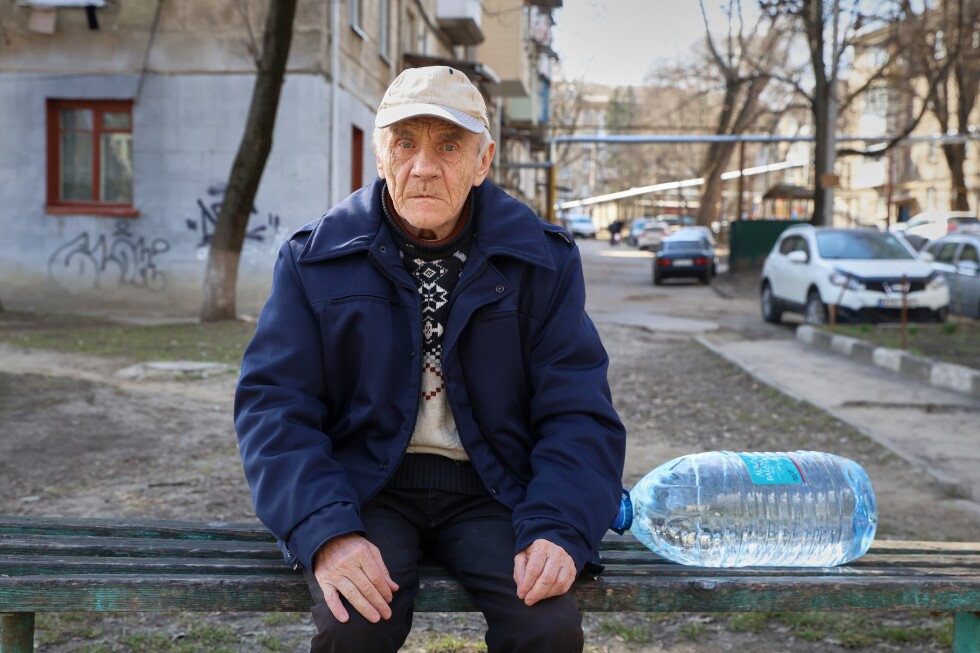
    The water shortage has particularly impacted Moldova’s second-largest city Balti, where approximately 90,000 residents have been affected. Military personnel have been deployed to distribute drinking water via tanker trucks while humanitarian assistance arrives from neighboring Romania. Elderly residents like 84-year-old Liuba Istrati face particular hardship, carrying buckets of water to fifth-floor apartments for herself and her bedridden husband.

    Environmental monitoring has shown recent improvements, with officials reporting that three critical monitoring points have “reached the admissible limit” of oil pollution for the first time since the crisis began. Environment Minister Gheorghe Hajder indicated that if water quality maintains or improves over the next 48 hours, authorities may consider reopening a crucial pumping station on the northeastern border.

    Moldova’s General Prosecutor’s Office has announced plans to initiate a criminal investigation into the incident, while the foreign ministry presented Russia’s ambassador with a sample of the contaminated water. The Russian embassy has countered these allegations, claiming Moldovan authorities have provided no concrete evidence of Russia’s involvement and have put forward “conflicting theories” about the pollution’s origin.

    Environmental experts caution that the full ecological impact remains uncertain. Biologist Ilya Trombitsky noted that while some invertebrate species have already perished, the long-term consequences depend on the specific pollutants involved—information that remains unclear. “Moldova does not have experience in such spills,” Trombitsky acknowledged, highlighting the unprecedented nature of this environmental challenge.

  • Philippines beats Uzbekistan 2-0 in an Asian playoff to secure a Women’s World Cup spot

    Philippines beats Uzbekistan 2-0 in an Asian playoff to secure a Women’s World Cup spot

    In a historic breakthrough for Philippine football, the women’s national team secured qualification for the 2027 FIFA Women’s World Cup with a decisive 2-0 playoff victory against Uzbekistan at the Gold Coast on Thursday. The monumental achievement came during the Women’s Asian Cup playoffs, where two final World Cup slots were contested.

    The match remained scoreless throughout the first half despite the Philippines generating nine scoring opportunities. The breakthrough arrived dramatically just two minutes after the restart when defender Angela Beard timed her run perfectly to volley home a soaring cross from close range. The momentum continued as midfielder Jaclyn Sawicki extended the lead in the 52nd minute with a clinical header, sealing the historic qualification.

    This victory marks the Philippines’ successful navigation through the Asian Cup’s complex qualification structure, where six teams earned World Cup berths. Four nations—Australia, Japan, China, and South Korea—had previously secured qualification as quarterfinal winners, while the remaining two spots were determined through Thursday’s playoff matches.

    In tournament developments, host Australia and two-time champion Japan advanced to the championship final following impressive semifinal performances. Japan dominated South Korea with a 4-1 victory on Wednesday, featuring goals from Riko Ueki, Maika Hamano, Saki Kumagai, and Remina Chiba. Australia edged defending champion China 2-1 in their semifinal clash, setting up a highly anticipated final showdown at Sydney’s Stadium Australia on Saturday.

  • Tina Turner’s name, image, likeness and most music catalog rights acquired by Pophouse

    Tina Turner’s name, image, likeness and most music catalog rights acquired by Pophouse

    NEW YORK – In a landmark move within the music industry, Swedish entertainment firm Pophouse Entertainment has secured the name, image, and likeness rights of the legendary Tina Turner, alongside a majority stake in her extensive music catalog from BMG. The acquisition, announced Thursday, marks another significant expansion for the company co-founded by ABBA’s Björn Ulvaeus, renowned for its pioneering work in digital avatars and immersive entertainment experiences.

    While financial specifics remain undisclosed, Pophouse CEO Jessica Koravos emphasized the unique visual and energetic stage presence that made Turner an iconic figure. “We are deeply focused on developing projects that can portray and recreate her incredible dynamism,” Koravos told The Associated Press. She further highlighted the company’s commitment to consolidating Turner’s legacy, placing her among cultural icons like Elvis Presley and Marilyn Monroe.

    Although Koravos did not confirm plans for a digital avatar, she indicated that specific projects would be unveiled within the next six months. The late Tina Turner, hailed as the ‘Queen of Rock ‘n’ Roll,’ passed away in 2023 at the age of 83. Her illustrious career included 12 Grammy Awards, dual inductions into the Rock & Roll Hall of Fame, and global record sales exceeding 150 million copies.

    Negotiations for this acquisition commenced following Turner’s passing. BMG retains a minority share of her catalog, and Turner’s estate was kept informed throughout the process though not directly involved as a negotiating party.

    Alistair Norbury, President of BMG U.K., Continental Europe, and APAC, stated: “Tina Turner’s voice and spirit shaped modern music and popular culture. Our responsibility, alongside Pophouse and the Estate, is to ensure her work continues to resonate with global audiences while honoring the strength and originality that defined her career.”

    This transaction aligns with Pophouse’s strategy of acquiring culturally significant music properties. Earlier in 2024, the company acquired Kiss’s catalog, brand, and intellectual property in a deal valued at over $300 million. That partnership already yielded digitized avatars of the band, developed using cutting-edge technology from Industrial Light & Magic—the same collaboration behind the acclaimed ‘ABBA Voyage’ virtual concert experience in London.

    Similarly, Cyndi Lauper entered a partnership with Pophouse this year, selling a majority share of her music catalog. Lauper praised the company for its innovative, artist-forward approach, contrasting it with traditional music executives who she said often lack creative vision.

    Koravos emphasized that Pophouse distinguishes itself from major labels by focusing on a curated portfolio of unique artistic legacies. “We aim to acquire 10 to 12 exceptional properties and support the creative visions attached to them,” she noted, underscoring the company’s intent to help artists and estates realize ambitious multimedia projects.

  • ‘Terrifying’ simulation video shows why Queenslanders must prepare for category 5 cyclone

    ‘Terrifying’ simulation video shows why Queenslanders must prepare for category 5 cyclone

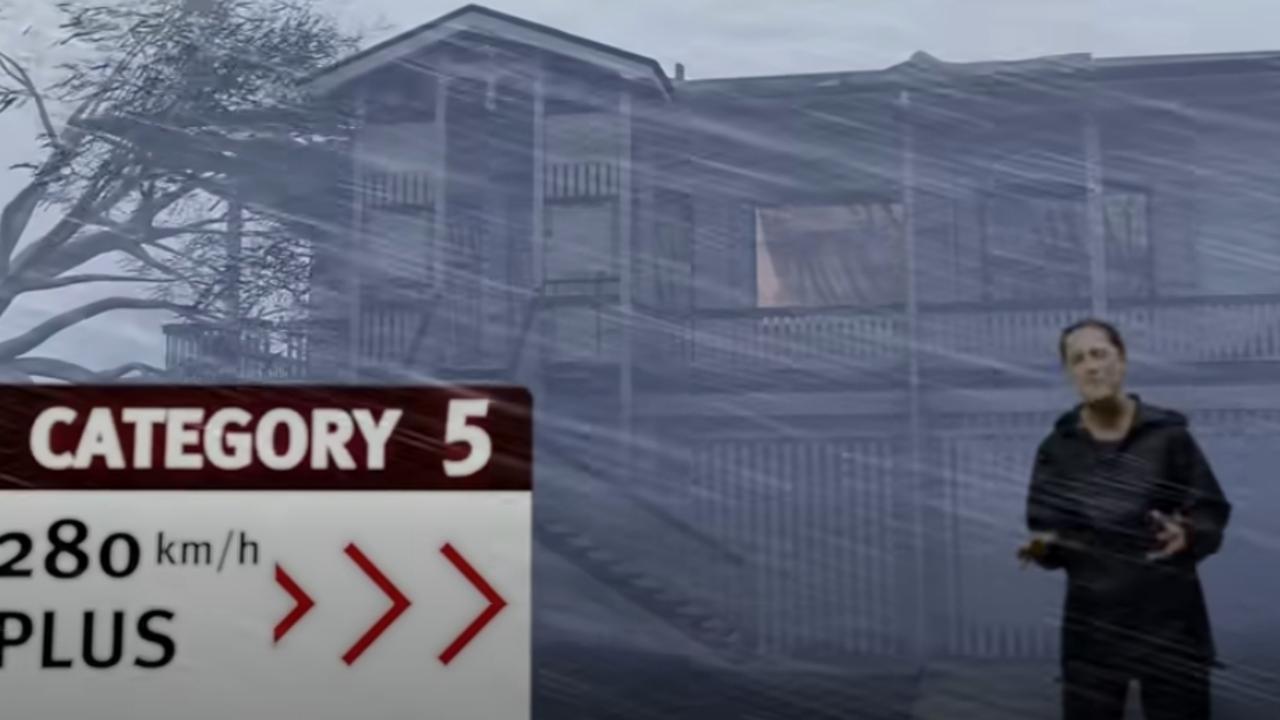
    Queensland authorities have launched a groundbreaking public safety initiative by releasing a harrowing simulation video depicting the catastrophic potential of Severe Tropical Cyclone Narelle. The Category 5 system, poised to strike Far North Queensland on Friday morning, represents the first landfall event on the Cape York Peninsula in over a century.

    The innovative visual presentation, disseminated through the Queensland government’s Get Ready Queensland program, features Senior Meteorologist Laura Boekel from the Bureau of Meteorology. Standing before a typical Queensland residence, Boekel delivers crucial preparedness guidance while the simulation progressively demonstrates the cyclone’s destructive escalation—from intensifying winds and rain to structural collapse and flying debris.

    Meteorological projections indicate wind velocities potentially reaching 260 kilometers per hour, accompanied by significant flood risks across Cape York Peninsula and North Tropical Coast regions. The simulation graphically illustrates additional hazards including flash flooding and water contamination from debris and wildlife.

    Queensland Premier David Crisafulli emphasized the urgency of preparation, stating, “The window to prepare is closing quickly,” while highlighting multiple threats including storm surges and flash flooding. State Disaster Coordinator Chris Stream provided grim assessment of the cyclone’s potential lethality, noting that wind forces could propel objects at fatal velocities exceeding 100 km/h.

    Emergency protocols have already been activated with evacuations conducted in Port Stewart and Lizard Island. Designated warning zones now extend from Lockhart River north to Cape Tribulation south, with remote communities establishing refuge shelters ahead of the system’s anticipated impact.