作者: admin

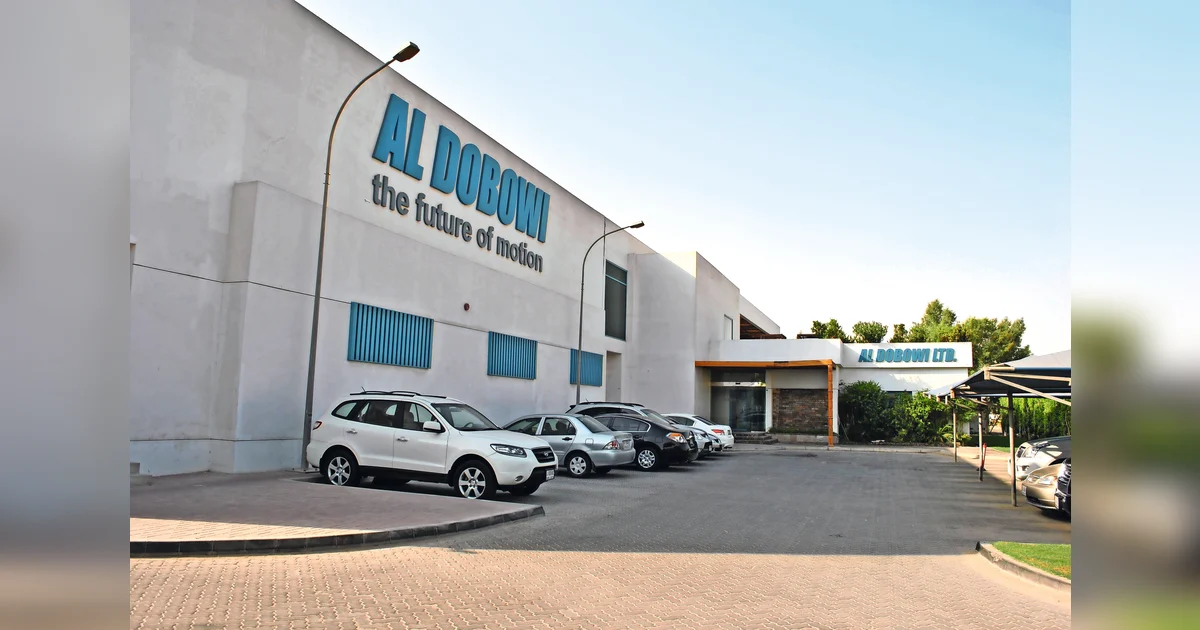
  • Al Dobowi Group: Five decades of engineering motion solutions

    Al Dobowi Group: Five decades of engineering motion solutions

    Celebrating five decades of industrial innovation, the Al Dobowi Group has transformed from its 1976 origins in Middle Eastern tire management into a comprehensive global motion solutions provider. The UAE-based conglomerate now delivers integrated systems across tire management, power storage, industrial rubber, material handling, and fluid management sectors.

    With operations spanning more than 10 countries and employing over 2,000 professionals, the group maintains manufacturing partnerships with Asia’s largest tire production facilities while utilizing proprietary equipment and in-house research capabilities. The company has achieved particular distinction as the MENA region’s largest battery manufacturer, supplying both automotive and industrial power solutions that support global economic activities.

    Through its subsidiary Eternity Technologies, established in 2011 in Ras Al Khaimah, the group has emerged as a rapidly expanding force in industrial battery production. The company specializes in motive power batteries for electric forklifts and renewable energy storage systems, operating from advanced manufacturing facilities that incorporate sustainable practices.

    Eternity Technologies’ product evolution includes the 2014 introduction of OPzV and OPzS batteries for standby power markets, followed by 2020’s expansion into 6V and 12V Gel Blocs for light traction applications. The company’s innovation milestone came in 2021 with the QUASAR series—Thin Tube Carbon Nano Motive Batteries engineered for demanding applications including airport ground support equipment, offering extended runtime, rapid charging, and superior cold-storage performance.

    Currently distributing to over 100 countries, Eternity Technologies maintains manufacturing presence in the UAE complemented by partner operations in Germany, Spain, the United States, Chile, and South Africa. The company operates within a circular economy framework, incorporating over 80% recycled materials in manufacturing and producing products that achieve 99% recyclability rates.

    The company’s commitment aligns with UAE’s sustainability objectives, providing reliable energy storage solutions while advancing renewable energy infrastructure and environmental stewardship through closed-loop manufacturing processes.


  • Trump sends top official to Minneapolis after killing sparks backlash

    Trump sends top official to Minneapolis after killing sparks backlash

    President Donald Trump has dispatched top border security official Tom Homan to Minneapolis following escalating civil unrest and political backlash over federal immigration enforcement tactics. The deployment comes amid growing national outrage surrounding two fatal shootings by Immigration and Customs Enforcement (ICE) agents during protests against the administration’s intensified immigration crackdown.

    The crisis reached a critical juncture as federal judges prepared to hear arguments Monday regarding whether the deployment of heavily armed, masked federal agents violates Minnesota’s state sovereignty. Simultaneously, Congressional Democrats threatened to block government funding unless significant immigration enforcement reforms are implemented.

    ICE has undergone a dramatic transformation under Trump’s administration, emerging as the nation’s most heavily funded law enforcement agency. However, recent polls indicate mounting public anger over its increasingly aggressive tactics. The situation escalated when ICE agents shot and killed two American citizens during separate protest incidents: Renee Good, a 37-year-old mother of three, on January 7th, and Alex Jeffrey Pretti, a 37-year-old intensive care nurse, two days later.

    Despite Pretti being legally licensed to carry the firearm found at the scene, Minnesota Attorney General Keith Ellison condemned Trump’s narrative suggesting the nurse intended to shoot police as “flat-out insane.” The president maintained his position in a Wall Street Journal interview, stating he “doesn’t like any shooting” but expressed concern about protesters carrying “powerful, fully loaded guns.”

    The standoff has created unprecedented rifts between federal and local authorities, with Minnesota Governor Tim Walz even considering deploying the state’s National Guard against federal agents. Notably, Republican lawmakers including House Oversight Committee chairman James Comer have broken ranks with the administration, suggesting federal agents should withdraw from Minneapolis—a significant departure from the party’s typical lockstep support for Trump’s immigration policies.

  • Gold smashes $5,000 barrier as UAE buyers feel the heat

    Gold smashes $5,000 barrier as UAE buyers feel the heat

    Gold markets witnessed an unprecedented milestone as prices catapulted beyond the $5,000 per ounce threshold for the first time in history, reaching an intraday peak of $5,085. This remarkable surge represents the continuation of a powerful rally that has captivated global investors seeking sanctuary from mounting geopolitical tensions and fiscal instability.

    The precious metal’s spectacular ascent—registering a 17% gain year-to-date and more than doubling its value over the past 24 months—reflects what market specialists term the ‘debasement trade.’ This phenomenon describes the massive capital flight from sovereign bonds and traditional currencies toward hard assets perceived as more stable stores of value.

    In the United Arab Emirates, retail markets immediately reflected the global trend with 24K gold trading at approximately Dh612 per gram and 22K at Dh566.75 per gram. These local prices underscore how international macroeconomic developments directly influence regional jewelry and investment markets.

    The rally stems from multiple convergent factors: a substantial sell-off in Japanese government bonds, escalating public debt burdens across developed economies, and renewed policy uncertainty surrounding the U.S. Federal Reserve’s independence. Additionally, geopolitical flashpoints from Greenland to Venezuela and ongoing Middle Eastern tensions have further eroded investor confidence in conventional financial instruments.

    Max Belmont, portfolio manager at First Eagle Investment Management, contextualized the movement: ‘Gold fundamentally represents the inverse of confidence. It serves as a critical hedge against unanticipated inflation spikes, unexpected market corrections, and sudden escalations in geopolitical risk.’

    The precious metals rally extends beyond gold. Silver breached the $100 per ounce barrier and advanced over 4% in Monday trading, while platinum achieved record highs and palladium maintained elevated levels. This broad-based strength indicates robust demand across both industrial applications and wealth preservation strategies.

    Ipek Ozkardeskaya, senior analyst at Swissquote, observed that the flight to safety continues despite the absence of major new geopolitical headlines. ‘The surge past $5,000 clearly signals that risk appetite has not returned to markets,’ she noted, highlighting that recent U.S. tariff threats against Canada demonstrate how trade tensions persist beneath the surface.

    Institutional participation has been particularly vigorous. Western exchange-traded funds have accumulated approximately 500 tonnes of gold since early 2025, while ultra-wealthy investors and family offices have emerged as significant players focused on generational wealth preservation.

    Central banks, particularly in emerging markets, continue aggressive accumulation with Goldman Sachs estimating monthly official purchases averaging 60 tonnes—substantially above pre-2022 levels—as monetary authorities diversify away from paper currencies.

    Financial institutions are revising forecasts upward. Union Bancaire Privée projects year-end targets near $5,200 per ounce, while Goldman Sachs recently elevated its December 2026 prediction to $5,400, citing persistent macro-policy risks and sustained demand for inflation hedges.

    With market expectations building around potential Federal Reserve rate cuts under new leadership, gold’s appeal as a non-yielding diversifier remains potent. As one Dubai bullion trader summarized: ‘Many current geopolitical and fiscal uncertainties aren’t dissipating soon. Gold will likely remain relevant for months, if not years, despite periodic corrections following substantial gains.’

  • Japanese PM Takaichi pledges to resign if ruling bloc loses majority in upcoming snap election

    Japanese PM Takaichi pledges to resign if ruling bloc loses majority in upcoming snap election

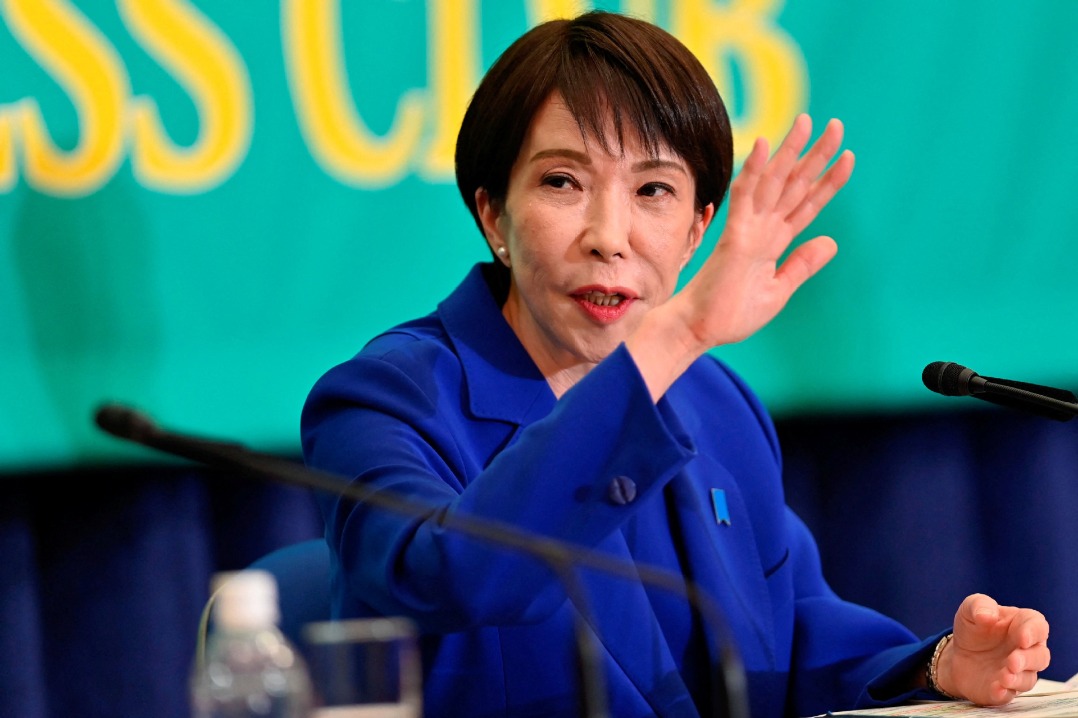
    In a dramatic political declaration, Japanese Prime Minister Sanae Takaichi has committed to immediate resignation should her ruling coalition fail to secure a parliamentary majority in the impending snap election. The conservative leader made this consequential pledge during a high-profile party leaders’ debate at the Japan National Press Club in Tokyo on January 26, 2026.

    Takaichi, who simultaneously serves as president of the dominant Liberal Democratic Party (LDP), framed her ultimatum as a matter of political accountability and democratic principle. The announcement introduces heightened stakes for the upcoming lower house contest, effectively transforming the election into a direct referendum on her administration’s performance and policy agenda.

    This development occurs amidst evolving political dynamics in Japan, where the ruling coalition has maintained extended governance through various administrations. Political analysts suggest Takaichi’s gamble reflects both confidence in her party’s electoral prospects and awareness of growing opposition challenges. The pledge establishes clear accountability mechanisms while potentially energizing both government supporters and opposition forces ahead of the critical vote.

    The timing and circumstances surrounding this commitment suggest strategic calculation rather than mere reactionary politics. By personally staking her leadership on the outcome, Takaichi has effectively centralized the electoral narrative around her premiership while attempting to consolidate support behind the existing governing coalition.

  • India’s $5 trillion sprint: Will incomes keep up?

    India’s $5 trillion sprint: Will incomes keep up?

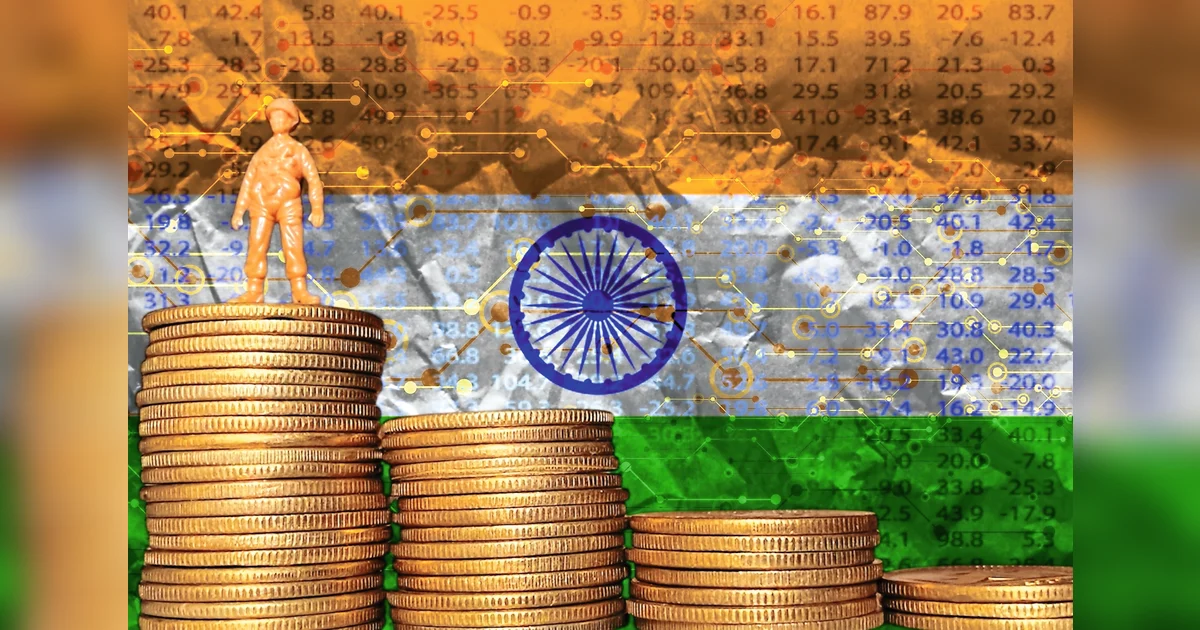
    India’s remarkable economic expansion positions the nation firmly on course to achieve a monumental $5 trillion economy, potentially surpassing Germany to claim the title of world’s third-largest economy within the coming years. This accelerated growth trajectory, outpacing most major economies, represents a significant geopolitical milestone that underscores India’s emergence as a formidable global economic power.

    However, beneath this impressive macroeconomic achievement lies a crucial socioeconomic question: Will this national output surge genuinely elevate living standards and income levels for India’s vast population of over 1.4 billion? The fundamental paradox remains that a nation can ascend global economic rankings while simultaneously grappling with stagnant wages, widespread informal employment, and escalating living costs for millions of households.

    Current economic indicators reveal both the strength and structural imbalances within India’s growth model. While international institutions consistently project growth rates exceeding global averages, driven by robust domestic demand, substantial infrastructure investments, and rapid digital transformation, per capita income continues to lag significantly behind advanced economy benchmarks.

    Economists emphasize that India’s next phase of development must transition from pure output expansion to income-centered growth that generates substantial formal employment. The critical challenge involves ensuring economic gains are distributed across labor-intensive manufacturing, infrastructure-linked construction, logistics networks, and agricultural processing sectors beyond metropolitan centers.

    Manufacturing competitiveness must evolve through productivity enhancements rather than protectionist measures, with export integration and global supply chain participation serving as crucial drivers for sustainable income growth. This requires addressing infrastructural bottlenecks, streamlining regulatory approvals, ensuring reliable power supply, and reducing logistics costs to capitalize on shifting global trade patterns.

    Human capital development emerges as the fundamental determinant of whether economic growth translates into tangible income improvements. Despite advancements in digital infrastructure, the nation must prioritize educational quality, vocational training pipelines, and workforce reskilling initiatives to prepare for an AI-driven economic landscape.

    Furthermore, elevating female workforce participation represents both a social imperative and economic opportunity, potentially unlocking substantial household income growth through improved urban mobility, accessible childcare, and flexible work arrangements. Simultaneously, bridging the rural-urban productivity divide by enhancing agricultural processing capabilities and rural logistics could unlock significant earnings potential without triggering destabilizing migration patterns.

    India’s economic narrative thus transcends mere statistical achievements, evolving into a complex story about transforming national scale into shared prosperity. The ultimate measure of success will be whether the coming decade delivers substantial real wage growth, comprehensive job creation, and sustained income mobility across all demographic segments and geographic regions.

  • Pakistanis in UAE can continue using their home country SIMs without blocking

    Pakistanis in UAE can continue using their home country SIMs without blocking

    In a significant policy shift benefiting millions abroad, the Pakistan Telecommunication Authority (PTA) has implemented new measures allowing overseas citizens to maintain active mobile SIM connections indefinitely during foreign residency. This regulatory change specifically assists Pakistan’s substantial diaspora population across Gulf Cooperation Council (GCC) nations, particularly the 1.7 million nationals residing in the United Arab Emirates.

    The telecommunications regulator announced that subscribers must formally notify their respective service providers to activate this continuity feature, which may involve applicable service charges. This initiative marks a departure from previous protocols where SIM cards would automatically deactivate after prolonged international non-use.

    Technical requirements differ between prepaid and postpaid subscribers. Prepaid users must generate at least one network activity—including outgoing calls, text messages, mobile data usage, or balance top-ups—within any 180-day period to maintain connection validity. Postpaid subscribers must ensure consistent and timely payment of monthly line rentals and outstanding dues to prevent service interruption.

    The Pakistani diaspora community in the UAE has welcomed this development as transformative. Sajid Ahmed, a 33-year-old Lahore native, noted the practical benefits: “This government initiative resolves the persistent issue of SIM deactivation abroad. Previously, I faced complete service disruption requiring constant number migration between devices.”

    Additional advantages include uninterrupted access to Pakistani digital services requiring local number verification, particularly useful during international travel. Sameena Noor, a decade-long Sharjah resident, emphasized the social connectivity benefits: “Eliminating SIM swapping means I no longer lose precious contact information during transitions between countries.”

    With approximately 10 million Pakistani citizens living overseas—including 5.5 million throughout Gulf nations—this policy represents one of the largest telecommunications facilitation programs for expatriates globally. The PTA advises all overseas subscribers to maintain regular communication with their providers and adhere strictly to usage requirements to ensure seamless service continuity.

  • Italian President Mattarella to begin state visit to UAE tomorrow

    Italian President Mattarella to begin state visit to UAE tomorrow

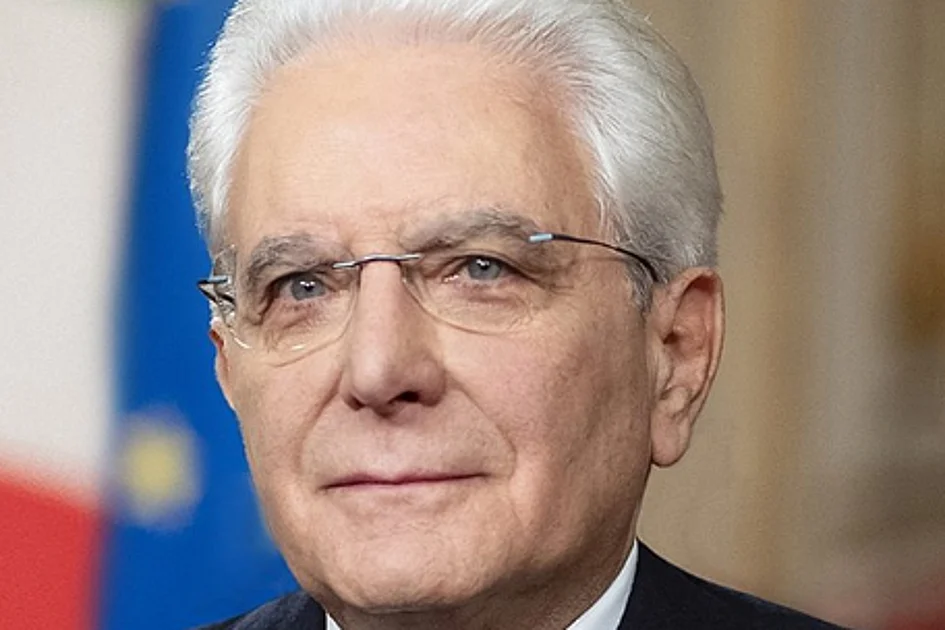
    ABU DHABI – Italian President Sergio Mattarella is scheduled to commence a significant state visit to the United Arab Emirates on Tuesday, marking a pivotal moment in bilateral relations between the two nations. The high-level diplomatic engagement will center on discussions between President Mattarella and UAE President Sheikh Mohamed bin Zayed Al Nahyan at the presidential palace.

    The upcoming talks are strategically positioned to strengthen the existing framework of cooperation between the UAE and Italy, with particular emphasis on economic collaboration and developmental initiatives. Both leaders are expected to deliberate on enhancing investment opportunities, trade expansion, and joint ventures across multiple sectors including energy, technology, and infrastructure development.

    This diplomatic mission occurs against the backdrop of growing geopolitical significance in the Mediterranean-Gulf corridor, with both nations seeking to fortify their strategic partnership amid global economic transformations. The agenda will additionally encompass regional security matters and international concerns of mutual interest, reflecting the comprehensive nature of UAE-Italy relations.

    The state visit signifies the continued commitment of both countries to deepening their diplomatic ties beyond conventional boundaries, potentially paving the way for new agreements that could shape economic cooperation frameworks for the coming decade. Observers note that this meeting could establish new benchmarks for European-Gulf cooperation models in the post-pandemic era.

  • Two Brits detained in France over far-right protest

    Two Brits detained in France over far-right protest

    French authorities have apprehended two British citizens in northern France on suspicion of intending to participate in a prohibited far-right demonstration. The individuals, aged 35 and 50, were taken into custody near Calais on Sunday following their live-streamed activities on social media platforms.

    According to Prosecutor Cécile Gressier, who confirmed the details to the BBC, the detention resulted from evidence gathered through their broadcasted content. The charges against them include ‘incitement to hatred’ and ‘participation in a group with the intent to prepare acts of violence.’

    The arrests occur against the backdrop of heightened security measures implemented by French officials, who had previously announced immediate deportation for any UK arrivals attempting to join anti-migrant demonstrations over the weekend. This preventive action targeted planned gatherings in northern coastal areas where small boats frequently launch carrying asylum seekers across the English Channel.

    French social media monitoring had identified calls for participation in what was termed ‘Operation Overlord’—a protest movement specifically banned by French authorities. The Pas-de-Calais prefecture issued an official statement clarifying that ‘these individuals were arrested during an identity check while they were posting a video on social media that allegedly contained discriminatory comments and attested to their potential participation in this organisation.’

    The incident highlights ongoing tensions surrounding migration patterns across the Channel and demonstrates France’s firm stance against organized demonstrations perceived as threatening public order or promoting discriminatory agendas.

  • India-UAE: A blueprint for 21st-century strategic cooperation

    India-UAE: A blueprint for 21st-century strategic cooperation

    As India commemorates its 77th Republic Day, the nation’s transformation into a global economic and strategic powerhouse finds perfect expression in its groundbreaking partnership with the United Arab Emirates. This alliance has evolved beyond conventional diplomacy to establish what analysts are calling a blueprint for 21st-century international cooperation.

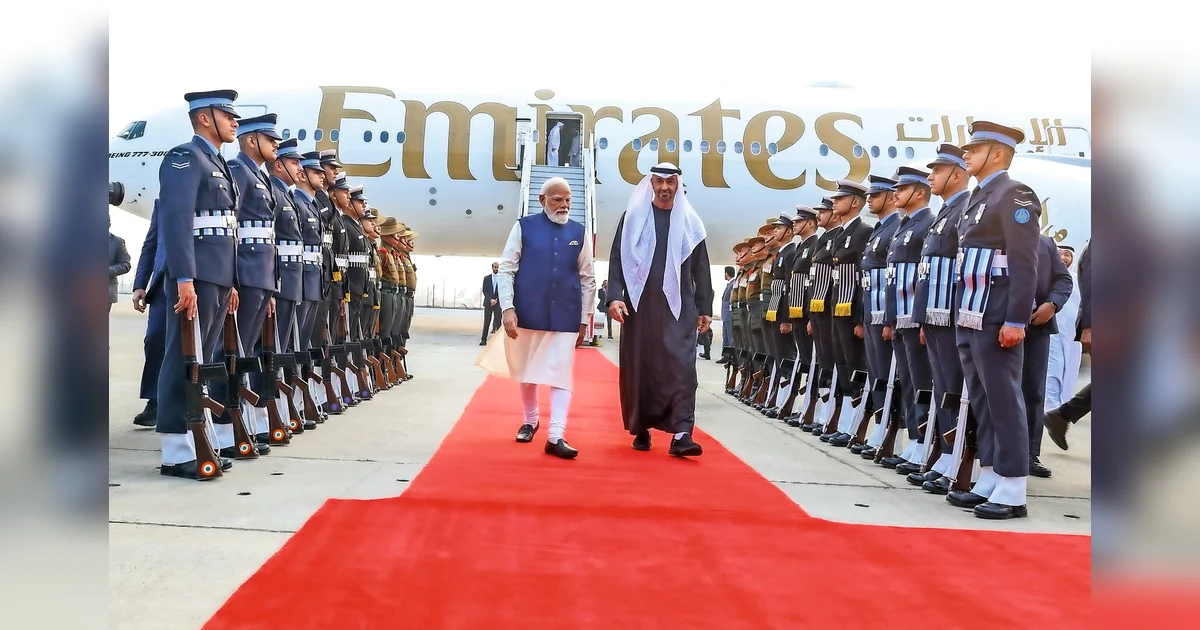
    The relationship’s foundation rests on the remarkable personal chemistry between Indian Prime Minister Narendra Modi and UAE President Sheikh Mohamed bin Zayed Al Nahyan, whose six reciprocal high-level visits within three years have created unprecedented diplomatic momentum. This bond has now extended to the next generation of leadership, with Crown Princes of both Abu Dhabi and Dubai making significant visits to India, ensuring continuity in bilateral relations.

    Economically, the partnership has shattered previous paradigms. Bilateral trade has spectacularly surpassed the $100 billion milestone, driven by the groundbreaking Comprehensive Economic Partnership Agreement (CEPA) and the 2024 Bilateral Investment Treaty. These frameworks have enabled revolutionary initiatives including the integration of India’s UPI with the UAE’s AANI payment systems, the introduction of the Jaywan card for seamless transactions, and plans for a Virtual Trade Corridor alongside the establishment of Bharat Mart to transform logistics infrastructure. These achievements have prompted both nations to set an ambitious $200 billion trade target by 2032.

    Strategic cooperation has equally deepened, with the recently announced Strategic Defence Partnership positioning both countries as stabilizers in regional security architecture. Simultaneously, the partnership invests in future human capital through the establishment of IIT Delhi-Abu Dhabi and IIM Ahmedabad’s Dubai campus, creating shared ecosystems for educating next-generation leaders.

    At its heart, the relationship is powered by the over four million-strong Indian diaspora in the UAE, whose contributions form the soul of this partnership. The inauguration of the BAPS Hindu Temple in Abu Dhabi and plans for a ‘House of India’ cultural center stand as permanent testaments to mutual respect and cultural pluralism.

    This comprehensive alliance demonstrates how nations can align destinies beyond geographical proximity, creating a model that looks not at maps but at shared horizons in defining global future trajectories.

  • Balkan truck drivers block border crossing in protest of EU entry rules

    Balkan truck drivers block border crossing in protest of EU entry rules

    Truck drivers across four Balkan nations launched coordinated border blockades on Monday, creating massive traffic disruptions in a dramatic protest against recently enforced European Union entry regulations. The industrial action targeted key freight crossings in Bosnia, Serbia, North Macedonia, and Montenegro, including the strategic Adriatic Sea port of Bar in southern Montenegro.

    The conflict centers on the EU’s enhanced Electronic Entry and Exit System (EES), implemented in October to modernize border management and scheduled for full activation by April. While designed to combat illegal migration and monitor permitted stays, the system has triggered unintended consequences for commercial transport operators.

    At the heart of the dispute is the strict enforcement of the Schengen Area’s 90/180-day rule, which limits non-EU citizens to 90 days within any 180-day period. Professional drivers who regularly cross EU borders report exhausting their allotted days rapidly, resulting in extended periods where they cannot operate their established routes. Numerous drivers have faced detention and deportation for overstaying their permitted time.

    ‘Amid the Svilaj border crossing protest between Bosnia and Croatia, trucker Amir Hadzidedic expressed the industry’s frustration: ‘We regret that circumstances have forced this action, but we had no alternative. Our sole demand through this demonstration is the right to continue working—nothing more. We appeal for understanding as we have exhausted all other options.’

    The situation has escalated to diplomatic levels, with Serbian Prime Minister Djuro Macut recently advocating for special status for regional drivers during meetings with EU representatives. Macut warned that without intervention, the regulations risk ‘complete paralysis’ of transportation networks and significant economic damage across Balkan economies.

    Protest organizers have implemented humanitarian exceptions, permitting the passage of medical supplies, live animals, and hazardous materials including weapons and explosives. The disruption extends beyond freight transport, with bus drivers similarly affected—stranding passengers for hours when drivers exceed their permitted stays and require replacement.

    The protest highlights broader tensions as six Western Balkan nations—Albania, Bosnia-Herzegovina, Serbia, Kosovo, North Macedonia, and Montenegro—progress through various stages of the EU accession process, balancing regulatory alignment with practical economic realities.