作者: admin

  • Building an education destination for non-resident Indians

    Building an education destination for non-resident Indians

    The southern Indian city of Coimbatore has undergone a remarkable transformation from its industrial roots to become a leading destination for higher education, particularly attracting Non-Resident Indian families from Gulf regions. This evolution stems from the city’s unique combination of robust industry presence, academic excellence, and exceptional quality of life that creates an ideal ecosystem for globally-relevant education.

    Central to Coimbatore’s educational appeal is its strong integration with thriving engineering, manufacturing, healthcare, IT, and emerging deep-tech sectors. This industrial connectivity provides students with unparalleled opportunities for industry-linked learning, applied research, and practical problem-solving experiences. The city offers academic distinction within a culturally grounded, safe environment without the excessive pressures and costs associated with larger metropolitan centers.

    For Gulf-based NRI families, Coimbatore presents particular advantages including cultural familiarity, English-medium instruction, robust infrastructure, and strong academic outcomes that ease the transition from overseas schooling to Indian higher education. The city delivers global standards and employability while maintaining affordability and traditional values that resonate with international Indian families.

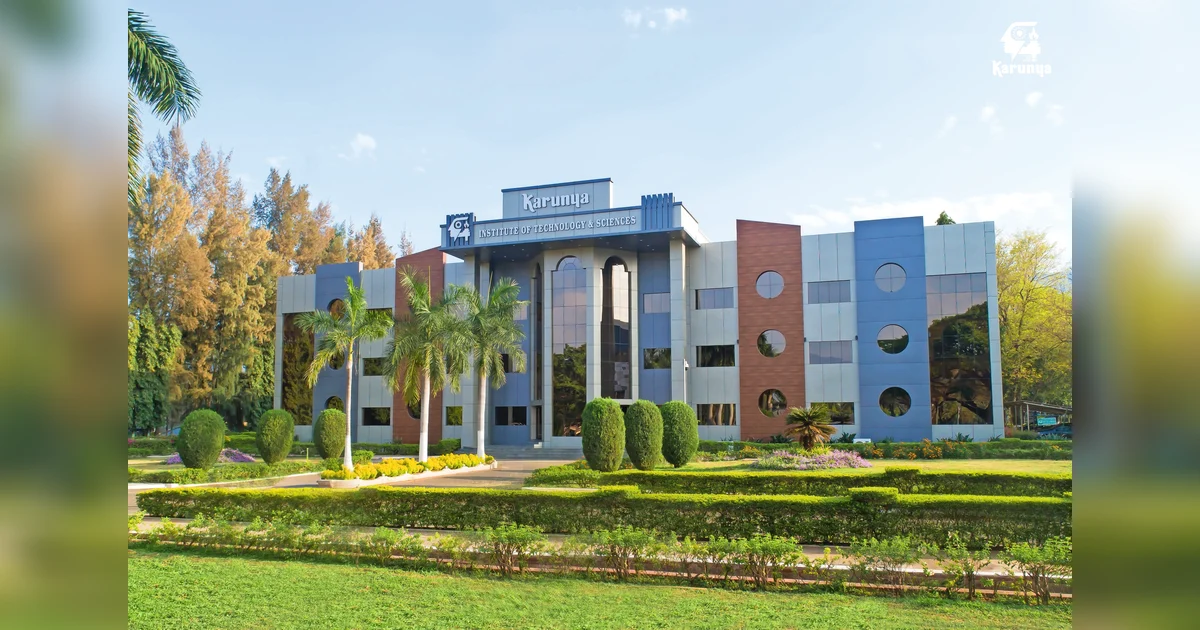
    Karunya University stands at the forefront of this educational transformation, having established itself as a benchmark for private higher education in South India. The institution’s impressive credentials include NAAC A++ accreditation, UGC Category 1 status, QS I-GAUGE Platinum rating, and recognition in the Times Higher Education World University Rankings 2025. These accolades reflect sustained investments in research infrastructure, faculty development, and global engagement initiatives.

    The university’s industry-integrated programs represent a significant draw for international students. Notable collaborations include B.Tech in Computer Science with Google, Robotics and Automation with FESTO, MBA integrated with Zoho, Energy Science with AMARON, and Biomedical Engineering with Phoenix Medical Systems. These partnerships ensure academic learning remains aligned with real-world market requirements.

    Financial accessibility is enhanced through scholarship programs offering up to 70% support for eligible NRI students, complemented by structured assistance for accommodation, mentorship, and visa processing. This combination of affordability and credibility creates a compelling proposition for international families.

    Beyond teaching excellence, Karunya has established itself as a research-intensive institution, securing over ₹600 million in funded projects from prestigious agencies including DST, DRDO, ISRO, DBT, and ICMR. Research focuses address critical global challenges through advanced AI, robotics, renewable energy, water sustainability, biomedical innovation, and precision agriculture.

    The university’s technological infrastructure includes an Nvidia DGX Supercomputer supporting advanced AI and deep learning research. Centers of Excellence with industry leaders such as Siemens, IBM, Nvidia, CISCO, Microsoft, and Novell bridge theoretical knowledge with practical application.

    Karunya’s research initiatives have generated substantial societal impact through collaborations with international partners. These include developing desalination and wastewater treatment systems with Ben-Gurion University and SUEZ India, creating AI-based assistive technologies for the visually impaired in partnership with Harvard Medical School, and designing precision farming solutions with Israel’s Agricultural Research Organization.

    Global engagement forms a core component of Karunya’s educational philosophy. The university maintains active collaborations with prestigious institutions worldwide including Technion and Hebrew University in Israel, RWTH Aachen in Germany, University of Wisconsin Milwaukee, and numerous partners across Europe, North America, Asia, and Australia. Students benefit from semester-abroad programs, international internships, joint research opportunities, and academic exchanges spanning more than 90 countries.

    While maintaining a 100% placement record across all departments, Karunya measures success beyond conventional employment metrics. The university’s comprehensive incubation ecosystem—comprising the Karunya Technology Business Incubation Park (K-TBIP), Karunya Incubation Foundation (KIF), and Karunya Innovation Design Studio (KIDS)—supports student startups, patent development, and entrepreneurial ventures. This approach cultivates not just employable graduates but ethical innovators and change-makers prepared for global leadership roles.

  • Rain, patriotic songs, and tricolour: UAE’s Indian community marks 77th Republic Day

    Rain, patriotic songs, and tricolour: UAE’s Indian community marks 77th Republic Day

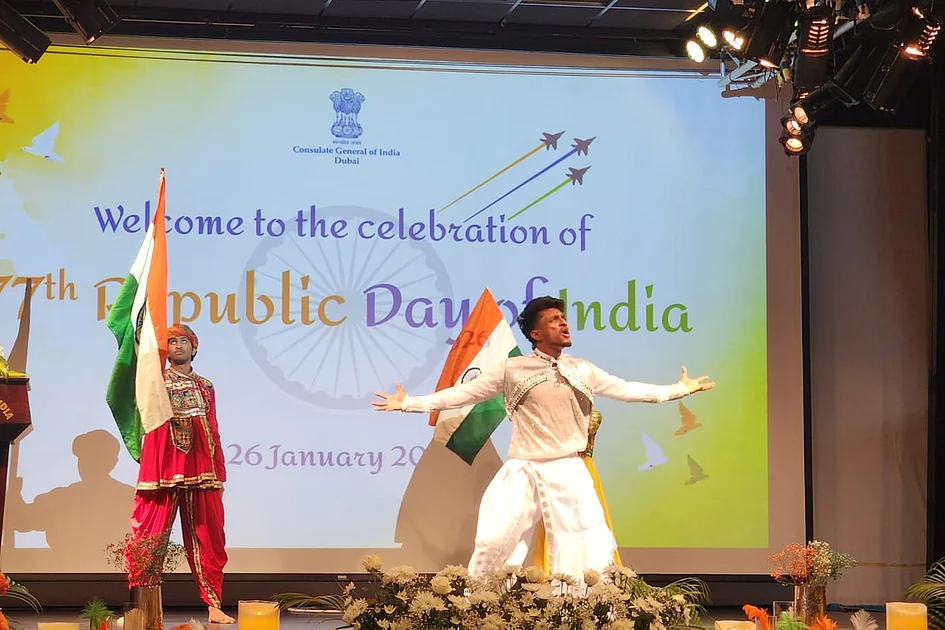
    Under steady morning rainfall on the first working day of the week, hundreds of Indian expatriates gathered at the Indian Consulate in Dubai to commemorate India’s 77th Republic Day. Families with children arrived early, carrying national flags, demonstrating unwavering patriotic spirit despite weather challenges.

    At precisely 7:15 AM, Consul General of India in Dubai Satish Kumar Sivan hoisted the Indian tricolor flag while community members observed respectfully—some recording the moment, others watching with folded hands in contemplative silence. Parallel ceremonies occurred at the Indian Embassy in Abu Dhabi, followed by cultural programs honoring freedom fighters with special tributes to Dr. BR Ambedkar, architect of the Indian Constitution.

    Consul General Sivan highlighted significant milestones in India-UAE relations, noting bilateral trade has exceeded $100 billion in 2025-26. “These gains represent jobs created, products traded, markets expanded, and livelihoods transformed,” he emphasized, adding both nations have agreed to double trade volumes by 2032. He referenced recent agreements in energy, defense, space, and digital infrastructure following UAE President Sheikh Mohamed bin Zayed Al Nahyan’s visit, characterizing the relationship as “co-creating a future shaped by innovation, resilience, and mutual prosperity.”

    Beyond diplomatic achievements, the event held profound personal significance for participants. Sixteen-year-old Harsvartha Sathiskumar from the Just Dance team expressed performing instilled national pride, while first-time performer Ashil D’Souza, 20, described the emotional experience of representing different Indian states through dance. Sahil, a dance instructor with 15 years experience, noted how patriotic songs evoked deep emotions among expatriates living away from their homeland.

    Not all planned performances proceeded smoothly. JaiChitra Parasuraman, Manager at Just Dance, reported a student group traveling from Ajman encountered a minor vehicle accident that delayed their arrival, preventing them from performing after nearly a month of preparation.

    Across the UAE, Indian educational institutions celebrated with equal enthusiasm. The Indian High Group of Schools integrated themes of Aatmanirbhar Bharat and the 150th anniversary of Vande Mataram, involving over 7,000 students and 15,000 parents and guests—reportedly among the largest Republic Day events organized outside India. Shining Star International School conducted special assemblies, classroom viewings of the Delhi parade, and educational skits titled ‘Guru Versus Google.’

  • Rushdie warns of political violence as he recounts his attack

    Rushdie warns of political violence as he recounts his attack

    Author Salman Rushdie delivered a sobering warning about escalating political violence in the United States during the Sundance Film Festival premiere of “Knife: The Attempted Murder of Salman Rushdie” on Sunday. The documentary, directed by Alex Gibney, serves as a cinematic companion to Rushdie’s memoir detailing the horrific 2022 attack that left him blind in one eye and with permanent injuries.

    Rushdie characterized his near-fatal stabbing as symptomatic of broader societal dangers, stating that ‘everybody’s in danger now’ in America’s increasingly volatile climate. His comments coincided with recent fatal shootings of protesters by federal agents and an assault on Congressman Maxwell Frost at the same festival.

    The film incorporates graphic footage of the Chautauqua, New York attack where 24-year-old Hadi Matar stabbed Rushdie 15 times on stage. It also explores the historical context of the 1989 fatwa issued by Iran’s Ayatollah Khomeini, which forced Rushdie into decade-long hiding after declaring his novel ‘The Satanic Verses’ blasphemous.

    Rushdie connected his personal ordeal to wider patterns of authoritarian violence targeting cultural institutions. ‘For the authoritarian, culture is the enemy,’ he observed, citing current attacks on journalism, universities, and literature through book bans and rhetorical assaults. The author specifically referenced the Trump administration’s crackdown on higher education and immigration enforcement operations that have resulted in civilian casualties.

    Despite the documentary’s original focus on his personal trauma, Rushdie acknowledged its unintended relevance to contemporary political tensions. ‘I’m now beginning to think that maybe the film is here at a kind of apposite moment,’ he noted, suggesting that all citizens now face similar risks of ideological violence.

    Hadi Matar, sentenced to 25 years for the attack, admitted to barely reading Rushdie’s controversial work while claiming the author had ‘attacked Islam.’ The documentary juxtaposes this limited engagement with the profound consequences it inspired, examining how political manipulation transforms cultural disagreements into violent acts.

    The Sundance screening occurred against a backdrop of heightened security concerns, reflecting the very dangers Rushdie described in his warning about America’s deteriorating civic landscape.

  • Adil Group of Supermarkets: A taste of India, rooted in Trust

    Adil Group of Supermarkets: A taste of India, rooted in Trust

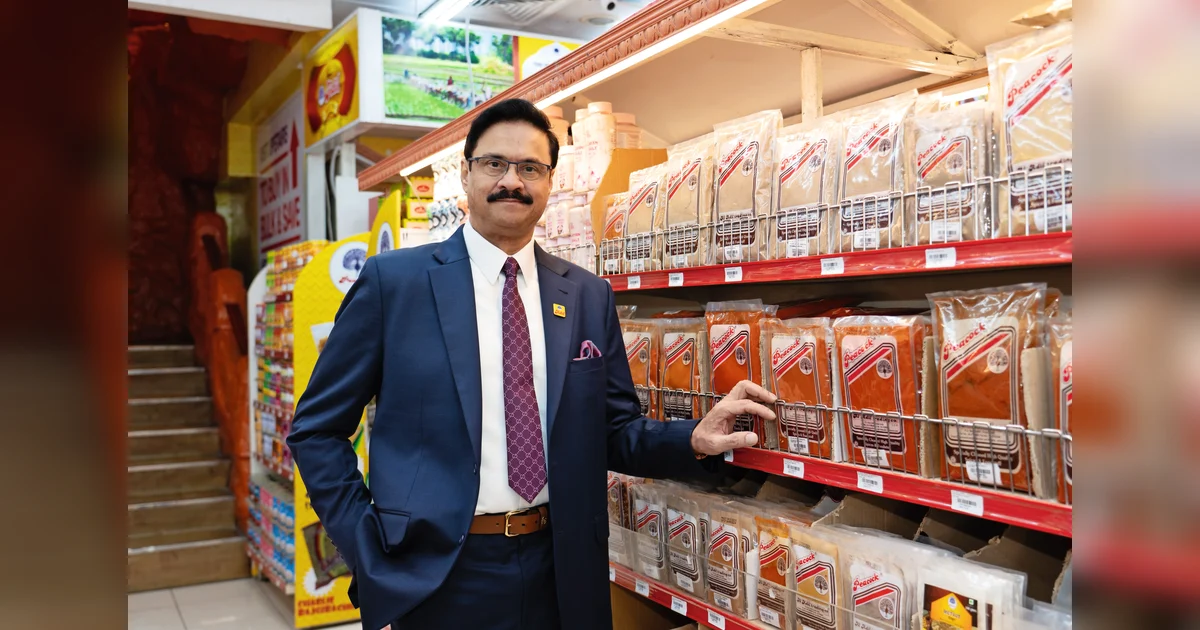
    For decades, the Adil Group of Supermarkets has served as far more than a conventional retail chain for the Indian diaspora in the UAE. It has evolved into an essential cultural touchstone, providing a tangible connection to homeland traditions through authentic culinary products. With an expansive network exceeding 50 outlets throughout the GCC region, the enterprise has established itself as a preeminent name in ethnic retail by maintaining uncompromising quality standards and preserving genuine Indian flavors.

    Dr. Dhananjay Datar, the visionary Chairman and Managing Director renowned as the ‘Masala King,’ has been the architectural force behind this remarkable transformation. His profound understanding of expatriate community needs enabled him to develop a basic retail concept into a comprehensive cultural institution. The Group’s product ecosystem now encompasses everything from traditional spices, pulses, and grains to specialized festive items, sweets, and ready-to-cook solutions—effectively creating complete Indian kitchens abroad.

    The organization’s distinctive identity stems from its pioneering commitment to operating purely vegetarian supermarkets, a revolutionary approach that resonated powerfully with families prioritizing authenticity, ethical sourcing, and dietary purity. This strategic positioning, combined with consistently affordable pricing, has made the brand accessible across all community segments while maintaining premium quality.

    Reflecting on India’s Republic Day significance, Dr. Datar emphasized: ‘This occasion powerfully symbolizes India’s core values of unity, resilience, and cultural pride. Our fundamental mission has always centered on keeping the overseas Indian community connected to their roots. Customer trust represents our most valuable asset and continuously inspires elevated standards. As India celebrates this historic milestone, we reaffirm our dedication to strengthening bilateral bonds between India and the UAE.’

    Transcending commercial objectives, the Group maintains active involvement in community development initiatives. From supporting cultural celebrations to partnering with charitable programs, the organization consistently demonstrates its commitment to social responsibility. These efforts embody principles of compassion, inclusivity, and service that align seamlessly with the Indian Constitution’s foundational spirit.

    As India commemorates its democratic journey, the Adil Group stands as a testament to how businesses can effectively bridge nations, preserve cultural heritage, and foster enduring people-to-people connections between India and the UAE through purposeful commerce.

  • Shing-Tung Yau: We aim to cultivate interdisciplinary talent

    Shing-Tung Yau: We aim to cultivate interdisciplinary talent

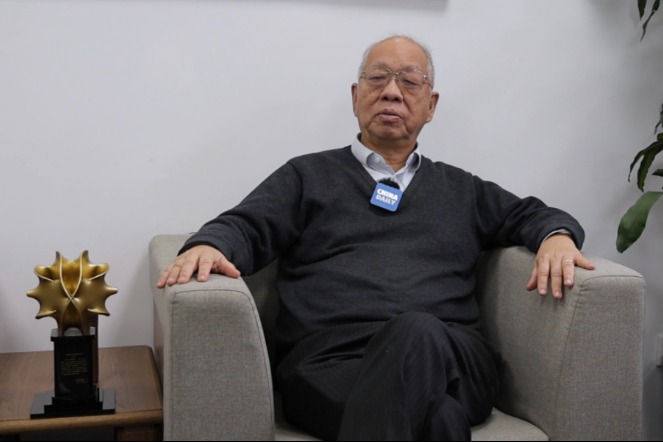
    In an exclusive interview with China Daily, renowned mathematician and Fields Medal recipient Shing-Tung Yau outlined the educational philosophy behind Tsinghua University’s Qiuzhen College, emphasizing the critical need for cultivating interdisciplinary talent rather than narrow specialists. As the founding dean of this specialized institution launched in October 2020 with central government approval, Yau articulated a vision for developing innovative thinkers with broad knowledge bases and adaptable mindsets.

    The distinguished mathematician criticized conventional educational approaches that confine students within rigid disciplinary boundaries, advocating instead for an integrated learning model that fosters intellectual versatility. Yau’s comments come as China continues to strengthen its advanced education system, particularly in foundational sciences and mathematics.

    Qiuzhen College represents a significant experiment in Chinese higher education, established specifically to nurture exceptional mathematical talent through a unique curriculum that encourages cross-disciplinary exploration. Yau emphasized that true innovation emerges from the intersection of different fields, where mathematical thinking can inform and transform other domains of knowledge.

    The college’s approach aligns with global trends in elite education that prioritize synthetic thinking and problem-solving capabilities over specialized technical proficiency. Yau, who has previously noted that Tsinghua’s mathematical talent rivals top US institutions, believes this educational model will produce graduates capable of addressing complex, multidimensional challenges that define contemporary scientific and technological advancement.

  • Nobel laureate inspires students in Beijing: the ‘Goldbach’s conjecture’ of life sciences

    Nobel laureate inspires students in Beijing: the ‘Goldbach’s conjecture’ of life sciences

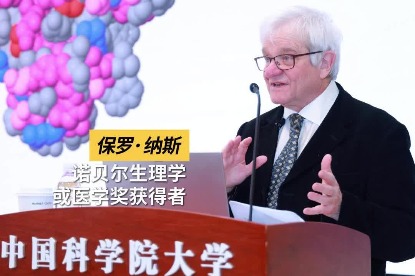
    Nobel Prize-winning scientist Sir Paul Nurse presented a captivating analogy for one of biology’s greatest mysteries during an inspirational lecture to students in Beijing, framing a fundamental cellular question as life science’s equivalent of mathematics’ famous Goldbach Conjecture.

    The renowned geneticist and physiologist, who received the 2001 Nobel Prize in Physiology or Medicine for discoveries concerning cell cycle regulation, engaged young scholars with a thought-provoking hypothetical: what scientific question would he leave for prehistoric ancestors to accelerate life science development?

    Sir Paul identified the central mystery as understanding how a simple cell, the fundamental unit of life, coordinates thousands of simultaneous chemical reactions within its minimal structure. He described this cellular coordination puzzle as biology’s version of the Goldbach Conjecture – mathematics’ centuries-old unsolved problem regarding prime numbers that has challenged generations of mathematicians.

    ‘The cell is where all the processes of life come together,’ Nurse explained to the attentive audience. ‘How this extraordinarily complex chemistry is organized within such a simple structure remains one of our field’s deepest mysteries.’

    The event, held on January 26, 2026, provided Chinese students with rare access to one of contemporary science’s most distinguished voices. Nurse emphasized that solving biology’s equivalent of the Goldbach Conjecture would represent a transformative breakthrough in human understanding of life itself.

    His presentation blended scientific insight with philosophical reflection, encouraging students to pursue ambitious scientific questions despite their apparent difficulty. The lecture highlighted China’s growing role in global scientific education and its commitment to exposing students to world-leading scientific minds.

  • Israel military says remains of last Gaza hostage Ran Gvili returned

    Israel military says remains of last Gaza hostage Ran Gvili returned

    Israel has confirmed the identification and repatriation of Ran Gvili, the last hostage held in Gaza, concluding a nearly two-year ordeal that began with Hamas’ October 2023 assault. The Israeli military announced Monday that Gvili’s remains had been returned for burial, marking the resolution of a complex diplomatic and military effort to recover all 251 captives taken during the cross-border attack.

    The repatriation fulfills Prime Minister Benjamin Netanyahu’s pledge to bring home “everyone back… down to the very last captive.” President Isaac Herzog noted this moment represents the first time since 2014 that no Israeli citizens remain hostage in Gaza, acknowledging that “an entire nation prayed and waited for this moment.”

    Gvili, a 24-year-old motorcycle enthusiast and elite police officer, was on medical leave for shoulder surgery when Hamas attacked. Despite his injury, he grabbed his personal weapon and raced toward the conflict zone to engage militants, where he was ultimately killed in combat near Alumim kibbutz.

    The recovery operation involved Israeli forces searching cemeteries in northern Gaza, with the discovery occurring amid U.S.-brokered ceasefire negotiations. Hamas spokesman Hazem Qassem characterized the body’s return as demonstrating the group’s “commitment to all requirements of the ceasefire agreement.”

    The ceasefire’s second phase had faced opposition from Gvili’s family until his remains were recovered. The agreement also includes reopening Gaza’s Rafah crossing, though initially for pedestrian travel to Egypt only.

    Remembered as “the Defender of Alumim” by his community, Gvili was described by the Hostages and Missing Families Forum as “a true friend, loved by everyone” who “carried a powerful yet calm presence.” His father recalled him as always being “the first to help and the first to jump in,” even while injured.

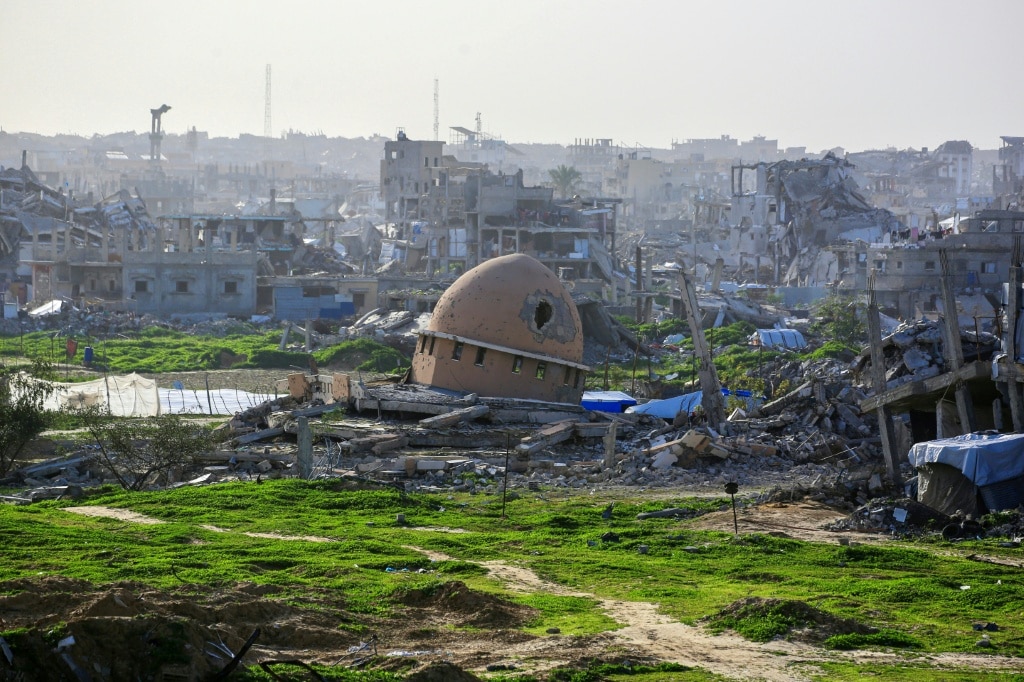
    The conflict that began with Hamas’ attack (which Israeli figures indicate killed 1,221 people) has resulted in extensive destruction across Gaza, with the territory’s Hamas-run health ministry reporting over 71,660 fatalities—figures the UN considers reliable.

  • Empowering NRIs with long-term financial security

    Empowering NRIs with long-term financial security

    In an exclusive Republic Day interview, Debashis Prasad Pattanaik, CEO and Executive Director of LIC International BSC, detailed the company’s remarkable 36-year journey serving non-resident Indians across GCC nations. The insurance giant has established a formidable presence since commencing operations in 1989, providing dollar-denominated financial solutions specifically tailored for expatriate requirements.

    The United Arab Emirates represents a particularly strategic market for LIC International, hosting one of the largest Indian diaspora communities globally. Pattanaik emphasized the UAE’s combination of robust regulatory frameworks, financial transparency, and rapid technological adoption as key factors making it an ideal environment for long-term financial planning. The dollar-denominated policies offered in the region provide customers with currency stability when planning for education, retirement, and intergenerational wealth transfer.

    Despite significant market volatility throughout 2025, the company achieved sustainable growth through a disciplined long-term investment strategy. Rather than reacting to short-term market fluctuations, LIC International focused on appropriate asset allocation within their Unit Linked Insurance Plans (ULIPs) aligned with individual risk profiles and life stages. This approach enabled policyholders to continue building wealth in US dollars while maintaining essential life insurance coverage.

    Digital transformation played a pivotal role in the company’s 2025 success story. Enhanced digital onboarding processes, online policy management systems, and real-time fund performance tracking capabilities allowed customers worldwide to manage their investments with unprecedented convenience. The organization is now advancing its technological infrastructure through artificial intelligence integration to further streamline product accessibility and service delivery.

    Social media engagement has emerged as a crucial component of LIC International’s outreach strategy, particularly for connecting with younger NRI demographics. These platforms serve as educational tools that help potential customers make informed financial decisions through better product understanding.

    Pattanaik highlighted that trust remains the cornerstone of their relationship with the Indian diaspora, earned through 36 years of consistent service delivery, transparent processes, and reliable claim settlements. This trust factor proves especially critical for NRIs who must navigate complex cross-border financial planning involving multiple currencies and regulatory environments.

    Concluding with Republic Day greetings, the CEO encouraged global Indian communities to continue contributing positively to both their host countries and homeland while preserving India’s rich cultural heritage for future generations.

  • Watch: Olympic snowboarder Shaun White pulls tricks in NYC snowstorm

    Watch: Olympic snowboarder Shaun White pulls tricks in NYC snowstorm

    Five-time Olympic snowboarding medalist Shaun White transformed New York City’s recent heavy snowfall into an extraordinary public demonstration, captivating spontaneous spectators with an awe-inspiring display of aerial maneuvers in Central Park. The legendary athlete, renowned for his halfpipe dominance across multiple Winter Games, leveraged the blizzard conditions to execute a series of perfectly landed flips and technically advanced tricks typically reserved for competitive slopes and specialized terrain parks. This unexpected urban exhibition occurred as a powerful winter storm blanketed the Northeast, depositing several inches of snow across the metropolitan area and creating unusually favorable conditions for winter sports enthusiasts. White’s masterful performance, shared widely across his social media platforms, showcased his enduring athletic prowess and signature style years after his final Olympic appearance. The viral video documentation reveals both the three-time gold medalist’s undiminished technical mastery and his genuine enthusiasm for engaging directly with fans in unconventional settings, effectively turning a weather disruption into a memorable sporting spectacle that blurred the lines between competitive athletics and urban recreation.

  • India fetes EU at Republic Day parade ahead of trade deal

    India fetes EU at Republic Day parade ahead of trade deal

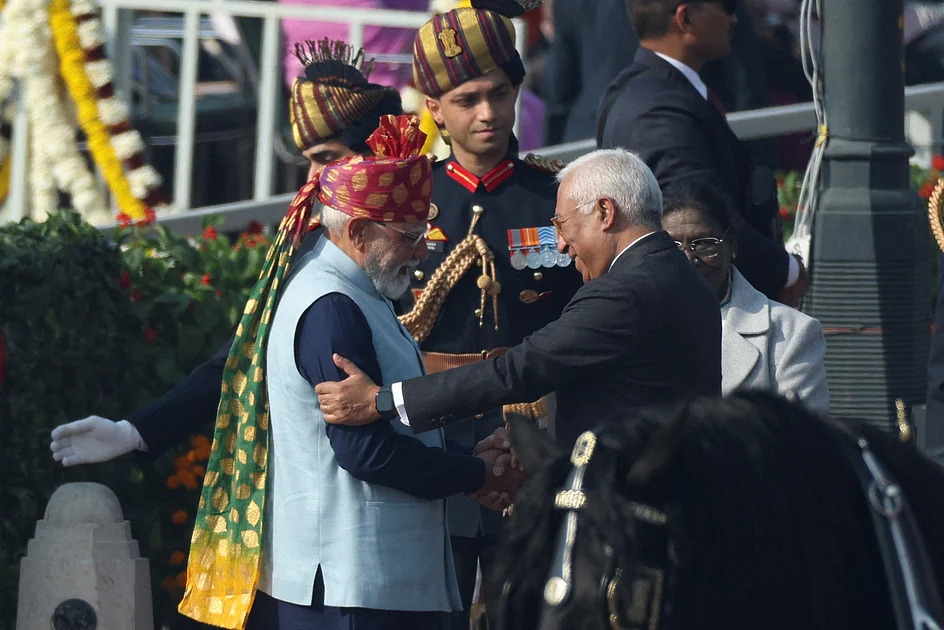
    In a display of strengthening diplomatic ties, European Union leaders attended India’s Republic Day celebrations as distinguished guests on Monday, setting the stage for a pivotal EU-India summit scheduled for Tuesday. The ceremonial parade in New Delhi featured military bands, cavalry units, and aerial demonstrations while showcasing India’s advanced defense systems recently deployed in regional conflicts.

    Prime Minister Narendra Modi emphasized the occasion as inspiration for building “a developed India” during his address. European Council President Antonio Costa and European Commission President Ursula von der Leyen witnessed the elaborate spectacle that included cultural presentations representing India’s diverse population of 1.4 billion people.

    The strategic partnership advances as both parties prepare to announce a comprehensive free trade agreement and security collaboration after more than a decade of negotiations. The accelerated timeline follows recent US trade policies that prompted Brussels and New Delhi to intensify their economic alignment efforts.

    Bilateral trade statistics reveal substantial growth, with goods exchange reaching €120 billion ($139 billion) in 2024—a 90% increase over the past decade—plus an additional €60 billion in services trade. The anticipated agreement represents a significant geopolitical maneuver as both economies seek alternative markets amid global trade tensions and Chinese export regulations.

    For the EU, India emerges as a crucial economic partner, while New Delhi views European technology transfer and investment as essential for infrastructure development and job creation. The partnership coincides with India’s projected ascent to become the world’s fourth-largest economy this year, according to International Monetary Fund forecasts.