作者: admin

  • NATO chief wishes ‘good luck’ to those who think Europe can defend itself without US help

    NATO chief wishes ‘good luck’ to those who think Europe can defend itself without US help

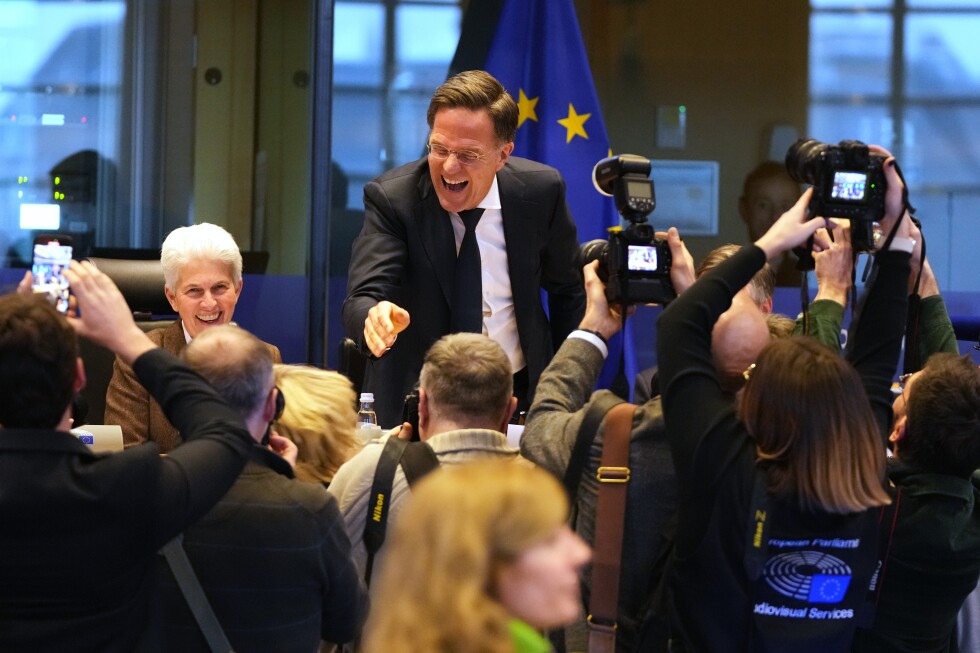
    BRUSSELS — NATO Secretary-General Mark Rutte delivered a stark warning to European Union legislators on Monday, asserting that European nations remain fundamentally incapable of autonomous self-defense without American military backing. Rutte emphasized that achieving true strategic independence would require more than doubling current defense spending targets and developing independent nuclear capabilities—a financially prohibitive endeavor.

    During his address at the EU parliamentary session, Rutte explicitly dismissed notions of European strategic autonomy as unrealistic. “Should anyone believe that the European Union or Europe collectively could defend itself absent American support, they are merely indulging in fantasy,” he stated. “The transatlantic partnership remains indispensable—we mutually depend on one another.”

    The Secretary-General’s remarks arrive amid escalating tensions within NATO following recent controversies involving former U.S. President Donald Trump. These included renewed threats to annex Greenland—a semi-autonomous Danish territory—and the imposition of tariffs against its European supporters. Although these threats were subsequently withdrawn following diplomatic intervention and a tentative agreement regarding the mineral-rich region, the incidents highlighted the alliance’s fragility.

    Rutte referenced the July NATO summit in The Hague, where European members (excluding Spain) and Canada committed to matching U.S. defense spending relative to economic output within ten years. The agreement stipulated elevating core defense expenditure to 3.5% of GDP, with an additional 1.5% allocated to security infrastructure—totaling 5% of GDP by 2035.

    However, Rutte cautioned that truly independent defense would necessitate expenditures approaching 10% of GDP, alongside the development of an independent nuclear deterrent costing “billions upon billions of euros.” He underscored Europe’s continued reliance on the U.S. nuclear umbrella as “the ultimate guarantor of our freedom.”

    These developments occur against growing French-led advocacy for European “strategic autonomy,” a movement that gained momentum after the Trump administration indicated shifted security priorities and suggested European nations should assume greater defense responsibility.
  • Former BCCI president Inderjit Singh Bindra passes away at 84

    Former BCCI president Inderjit Singh Bindra passes away at 84

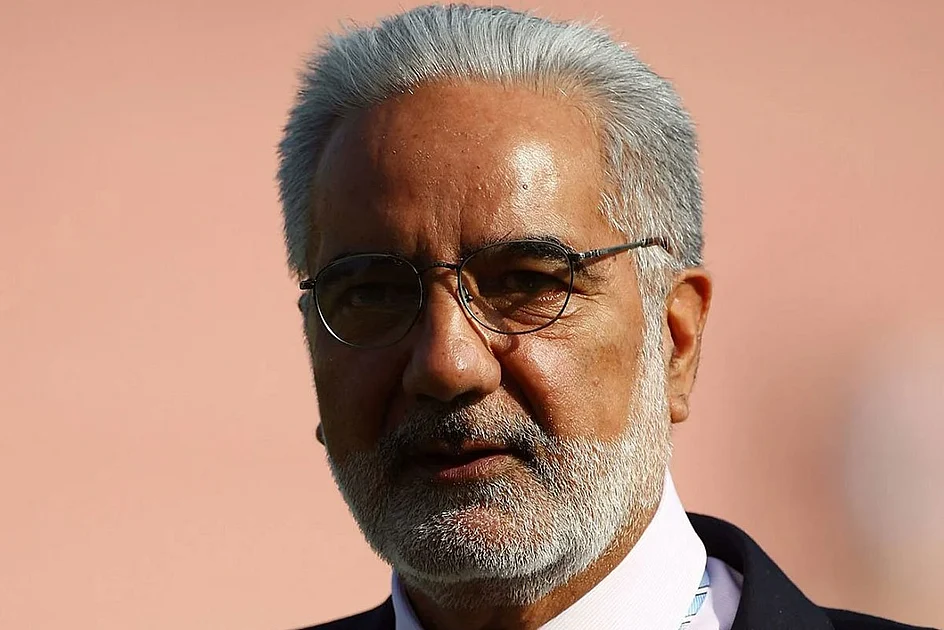
    The cricketing world mourns the loss of I.S. Bindra, the former President of the Board of Control for Cricket in India (BCCI), who passed away in New Delhi at the age of 84. The BCCI officially confirmed the news, paying tribute to one of the most transformative figures in the sport’s administration.

    Bindra’s tenure as BCCI president from 1993 to 1996 marked a pivotal era in Indian cricket. His influence, however, extended far beyond those years. He held an unprecedented 36-year presidency at the Punjab Cricket Association (PCA), a testament to his enduring commitment to the game’s development at the regional level.

    His legacy is physically embodied in the PCA Stadium in Mohali, a world-class venue he was instrumental in developing. This ground has been the stage for numerous historic contests, including the electrifying 2011 World Cup semifinal between India and Pakistan and a dramatic run-chase led by Virat Kohli in the 2016 T20 World Cup.

    Perhaps his most profound impact was on the global stage. Bindra, alongside contemporaries NKP Salve and Jagmohan Dalmiya, was a central architect in shifting cricket’s power dynamics. They successfully brought the 1987 World Cup to the Indian subcontinent, breaking the Anglo-Australian monopoly on hosting the sport’s premier event. This move catalyzed a new era, empowering Asian cricketing nations and leading to subsequent World Cup victories for Pakistan (1992) and Sri Lanka (1996).

    A skilled diplomat, Bindra played a crucial role in diffusing geopolitical tensions, notably ahead of the 1987 tournament. His strategic thinking continued to shape international cricket as a principal advisor to ICC President Sharad Pawar from 2010 to 2012. Tributes have poured in from across the cricket community, with current ICC Chairman Jay Shah highlighting Bindra’s enduring legacy as an inspiration for future generations.

  • Guyanese businessman facing US extradition elected opposition leader

    Guyanese businessman facing US extradition elected opposition leader

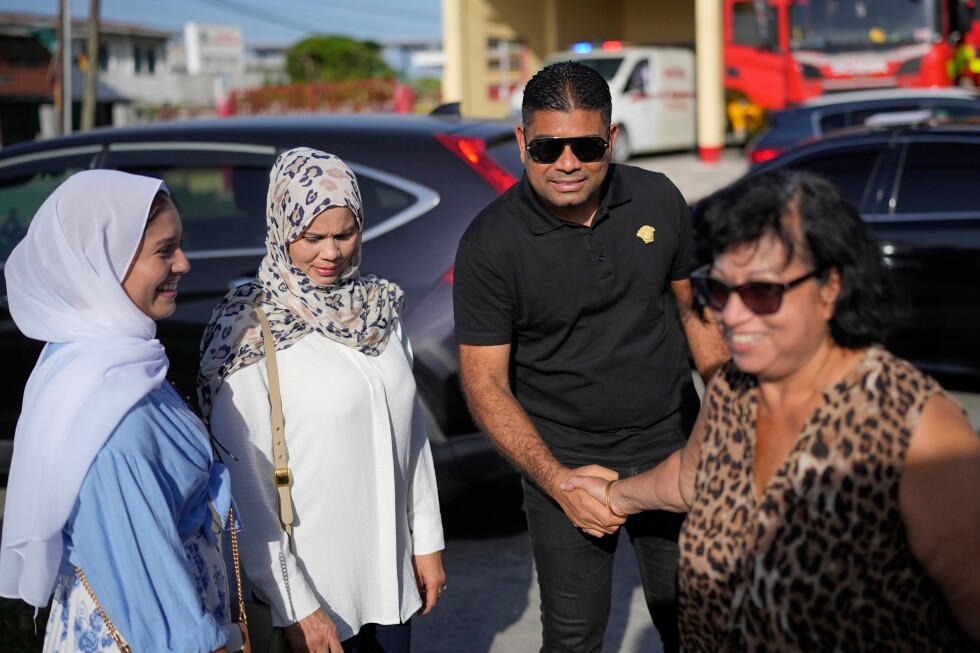
    GEORGETOWN, Guyana — In a remarkable political development, Azruddin Mohamed, a 38-year-old Guyanese businessman confronting serious U.S. criminal charges, has been formally elected as the nation’s official opposition leader. This unprecedented political ascension occurred Monday through a parliamentary vote held six months after Mohamed established his We Invest in Nationhood Party (WIN), which has rapidly emerged as Guyana’s second-largest political force.

    The parliamentary confirmation proceeded with 17 lawmakers—16 from WIN and one from a single-seat party—voting in Mohamed’s favor. This political milestone unfolds simultaneously as a magistrate’s court deliberates on state arguments for his extradition to the United States, where he and his father face federal indictments for gold smuggling and money laundering.

    Last year, Florida prosecutors unsealed indictments against the Mohamed family, alleging their involvement in smuggling over 10,000 kilograms of gold from Guyana to the United States while evading more than $50 million in taxes. These charges followed earlier sanctions imposed by the U.S. Treasury Department, which identified the Mohameds as significant players in Guyana’s gold industry through their extensive business operations, including foreign exchange outlets and substantial real estate holdings.

    The case has highlighted persistent governance challenges in the oil-rich South American nation, with authorities having shuttered all Mohamed family businesses and commercial bank accounts following the sanctions announcement.

    Monday’s parliamentary session, attended exclusively by opposition lawmakers, occurred amid mounting international pressure. Western nations and civil society groups had accused Guyanese authorities of deliberately delaying parliamentary proceedings to obstruct Mohamed’s election. Parliament had convened only once since its dissolution in July preceding September’s general elections.

    Addressing concerns about potential extradition, Mohamed asserted the fundamental legal principle that “a person is innocent until proven guilty.” He suggested political motivations behind the legal actions, contending that his prosecution relates directly to WIN’s successful opposition to the ruling People’s Progressive Party (PPP).

    “I announced my candidacy because of the people of this country,” Mohamed told reporters outside parliament. “The people asked me. I would not have had any court issues if I did not contest this election. I am ready to serve the people of this country.”

    House Speaker Manzoor Nadir acknowledged the unusual circumstances, describing himself as being in a “difficult position” for overseeing the appointment of an indicted individual as opposition leader. Despite these reservations, Nadir presided over the proceedings and formally congratulated Mohamed on his electoral victory.

  • Beckham family tensions put spotlight on celebrity trademark disputes

    Beckham family tensions put spotlight on celebrity trademark disputes

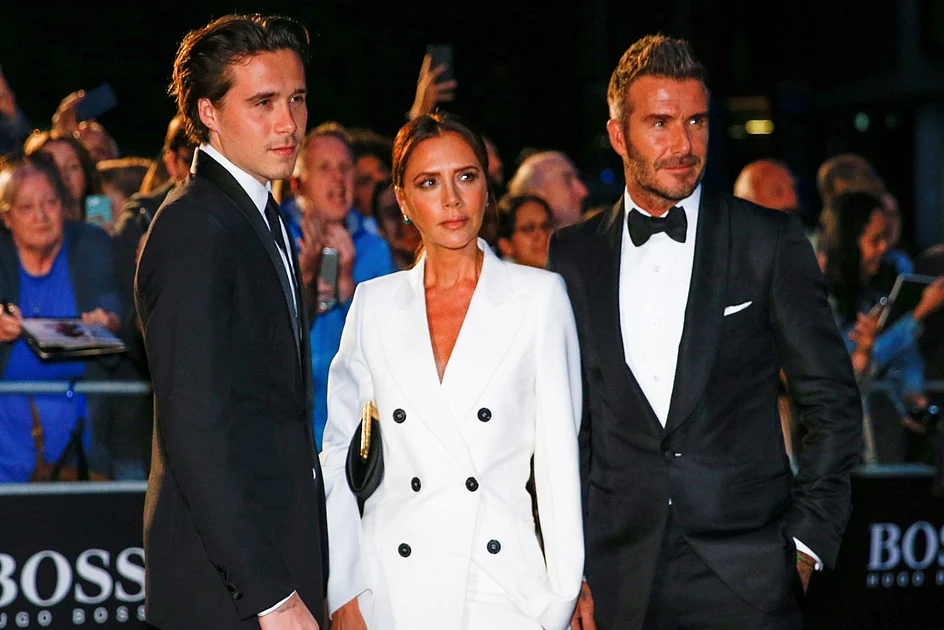
    The Beckham family’s internal conflicts have escalated into public discourse, revealing the complex legal landscape of celebrity trademark practices. Brooklyn Beckham, eldest son of global icons David and Victoria Beckham, recently made explosive allegations that his parents prioritized ‘Brand Beckham’ over family relationships, particularly regarding control of his name rights.

    UK Intellectual Property Office records confirm that all four Beckham children’s names were registered as trademarks, with Victoria Beckham listed as legal owner in her capacity as parent and guardian. Brooklyn’s name was specifically trademarked in 2016 when he was 17, covering extensive commercial categories including beauty products, cosmetics, apparel, toys, and entertainment services. This registration is scheduled to expire in December of this year.

    According to Brooklyn’s social media statements, his parents pressured him to ‘sign away the rights to my name’ preceding his 2022 marriage to Nicola Peltz, daughter of American billionaire Nelson Peltz. While Beckham family representatives have remained silent on these allegations, the controversy has highlighted how celebrity families increasingly utilize trademark protections to safeguard their commercial interests.

    This practice has become increasingly common among high-profile figures seeking to prevent unauthorized commercial exploitation of their names. Notable precedents include Australian singer Kylie Minogue’s opposition to reality star Kylie Jenner’s trademark application for ‘Kylie,’ and singer Katy Perry’s ongoing legal battle with Australian fashion designer Katie Perry.

    Legal experts note that trademark registration remains relatively accessible in both UK and US jurisdictions. In Britain, basic registration costs approximately £170 plus £50 for each additional commercial class, providing protection for a decade. The Beckhams have built a multimillion-pound empire through strategic brand management, with David’s football legacy and Victoria’s fashion and beauty ventures creating a comprehensive commercial ecosystem.

    Intellectual property specialists suggest Brooklyn could potentially challenge trademark renewal or pursue independent registration if the name hasn’t been actively commercially exploited. However, complications arise from the inherent connection between ‘Brooklyn’ and the powerful ‘Beckham’ brand identity. Any resolution would likely involve negotiated settlements determining permissible usage across various product categories.

    Notably, Brooklyn has already begun incorporating his wife’s surname into his professional identity, using the initials ‘BPB’ (Brooklyn Peltz Beckham) for endorsements and his Cloud23 hot sauce venture, signaling a possible shift toward independent brand development outside the Beckham family enterprise.

  • China says Canada deal does not target the US after Trump tariff threat

    China says Canada deal does not target the US after Trump tariff threat

    Former U.S. President Donald Trump has issued a stark warning to Canada, threatening to impose 100% tariffs on Canadian products should the nation finalize its recently announced trade agreement with China. The threat was delivered via Trump’s Truth Social platform over the weekend, where he asserted that China is “successfully and completely taking over” Canada and cautioned against the country becoming a “drop off port” for Chinese goods destined for the U.S. market.

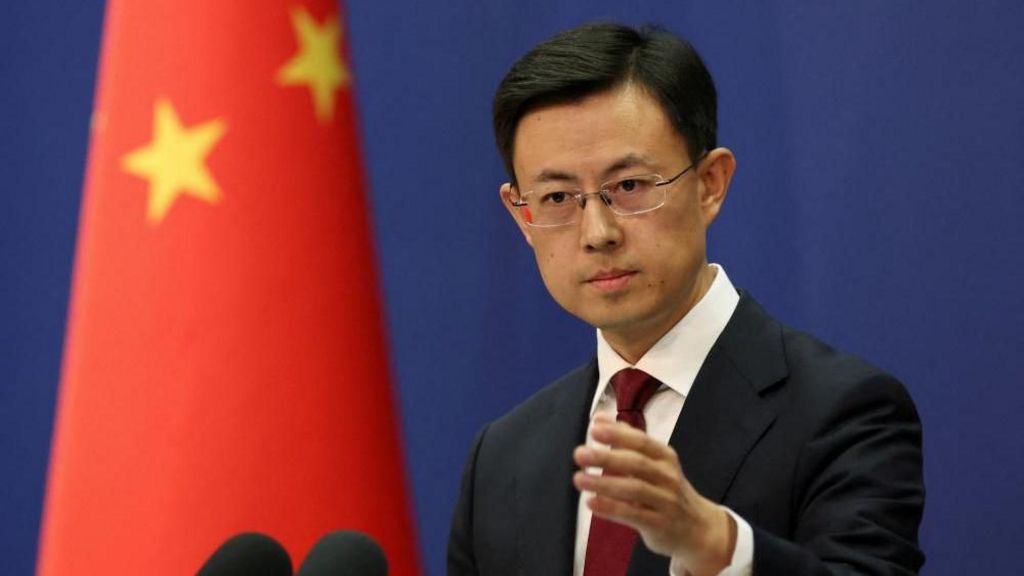
    In response to these allegations, both Canadian and Chinese officials have moved to clarify the nature of their new arrangement. Chinese Foreign Ministry spokesperson Guo Jiakun stated on Monday that the partnership “does not target any third party” and is designed to “serve the common interests of the people of both countries.” He emphasized that international relations should be approached with a “win-win rather than the mentality of zero-sum” framework.

    Canadian Prime Minister Mark Carney explicitly denied that the agreement constitutes a free-trade deal with Beijing, stating Canada has “never” considered such an arrangement. He clarified that the understanding focuses on specific tariff adjustments: reducing levies on Canadian canola oil exports to China from 85% to 15% by March, while Canada will apply the Most-Favoured-Nation rate of 6.1%—a significant reduction from 100%—to a limited number of Chinese electric vehicle imports.

    Prime Minister Carney suggested that Trump’s threats are likely a negotiation tactic ahead of a mandatory review of the United States-Mexico-Canada Agreement (USMCA) scheduled for later this year. “The president is a strong negotiator, and I think some of these comments and positioning should be viewed in the broader context of that,” Carney told reporters. He also reaffirmed Canada’s commitment to diversifying its trade portfolio to become “less dependent on the United States,” a position he recently underscored in a speech at Davos where he noted the rupture of the U.S.-led world order.

    The escalating tension marks a notable shift from Trump’s previous stance, which had characterized a potential Canada-China deal as “a good thing.” U.S. Treasury Secretary Scott Bessent later sought to clarify the conditional nature of the tariff threat, explaining it would apply specifically “if we see that the Canadians are allowing the Chinese to dump goods.”

  • Dubai’s Al Habtoor Group warns Lebanon of legal action over Dh6-billion losses

    Dubai’s Al Habtoor Group warns Lebanon of legal action over Dh6-billion losses

    Dubai-based conglomerate Al Habtoor Group has issued a formal warning to the Lebanese government, signaling imminent legal proceedings over substantial financial losses exceeding $1.7 billion (Dh6.24 billion). The multinational corporation alleges systematic violations of bilateral investment agreements through restrictive measures imposed by Lebanese authorities and the central bank, Banque du Liban.

    The dispute centers on the Group’s diversified portfolio across Lebanon’s hospitality, retail, leisure, real estate, and banking sectors. According to official statements, these investments have suffered severe deterioration due to capital control measures preventing access to lawfully deposited funds in Lebanese financial institutions. These financial restrictions, exacerbated by Lebanon’s prolonged political and economic crises, have created an unsustainable operational environment for foreign investors.

    Al Habtoor Group emphasized having exhausted all diplomatic channels and good-faith negotiation attempts since formally notifying Lebanon of the investment dispute in January 2024. The six-month cooling-off period mandated under UAE-Lebanon bilateral investment treaties concluded without resolution, despite the Group’s engagement with relevant authorities.

    The conglomerate now asserts that international legal action represents the only remaining recourse to enforce its rights under binding international agreements. These treaties obligate Lebanon to ensure protection, fair treatment, and effective remedies for foreign investors. While maintaining openness to constructive solutions, the Group stated it cannot continue absorbing losses resulting from what it characterizes as systemic failure and prolonged governmental inaction.

    This development follows Chairman Khalaf Al Habtoor’s January 2025 announcement canceling all Lebanese investment projects and divesting existing properties, citing security concerns including personal threats received in 2024. The case highlights worsening investor confidence in Lebanon’s ability to stabilize its financial systems and protect foreign investments amid ongoing economic collapse.

  • Trump moved to cut funding for ICE body cameras, pared back oversight

    Trump moved to cut funding for ICE body cameras, pared back oversight

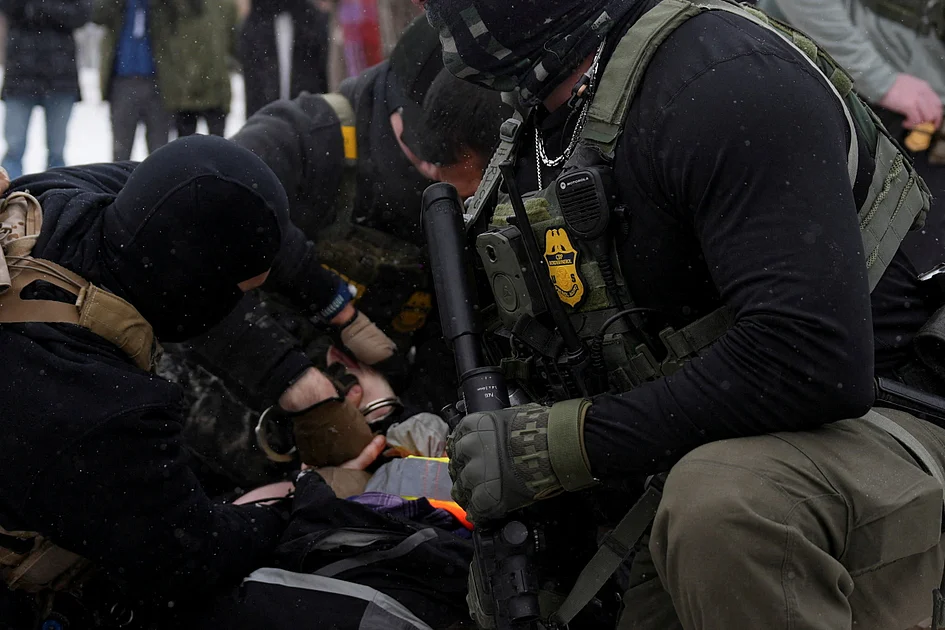
    The Trump administration systematically opposed the expansion of body camera usage among immigration officers while simultaneously reducing oversight staffing levels, according to recent investigations. This policy shift occurred as federal officers were deployed in large numbers to Minneapolis and other urban centers, resulting in several violent confrontations.

    Bystander footage capturing two fatal shootings of U.S. citizen protesters, including Saturday’s incident that claimed the life of an ICU nurse, has demonstrated the critical importance of video evidence in challenging official narratives. These recordings contradict claims that victims provoked violent encounters with immigration officers.

    Despite body cameras being central to police reform efforts nationwide, the administration deliberately slowed a pilot program initiated in 2024. In June, officials urged Congress to reduce related funding by 75%, countering the broader trend toward increased law enforcement transparency. Concurrently, nearly all staffers working for three internal watchdogs overseeing immigration agencies were placed on paid leave, significantly impairing their ability to investigate potential abuses.

    Darius Reeves, former director of ICE’s Baltimore field office, confirmed that the body camera program had progressed slowly under President Biden and was effectively abandoned under the Trump administration.

    The administration’s approach to immigration enforcement intensified following Congressional approval of a $170 billion funding package for crackdown operations. This substantial financial injection is expected to fundamentally transform how ICE and Border Patrol operate.

    Meanwhile, oversight capabilities have been dramatically reduced. The Office of the Immigration Detention Ombudsman, which previously employed over a hundred staff, now operates with just three full-time employees and two detailees. Complaint processing has consequently plummeted—from over 11,000 complaints in 2023 to just 285 between March and December 2025.

    A lawsuit challenging these reductions argues that the administration effectively eliminated oversight offices without Congressional authorization, creating a system with no meaningful accountability mechanisms for addressing abuses.

  • Pakistan says President to visit UAE for ‘high-level meetings’

    Pakistan says President to visit UAE for ‘high-level meetings’

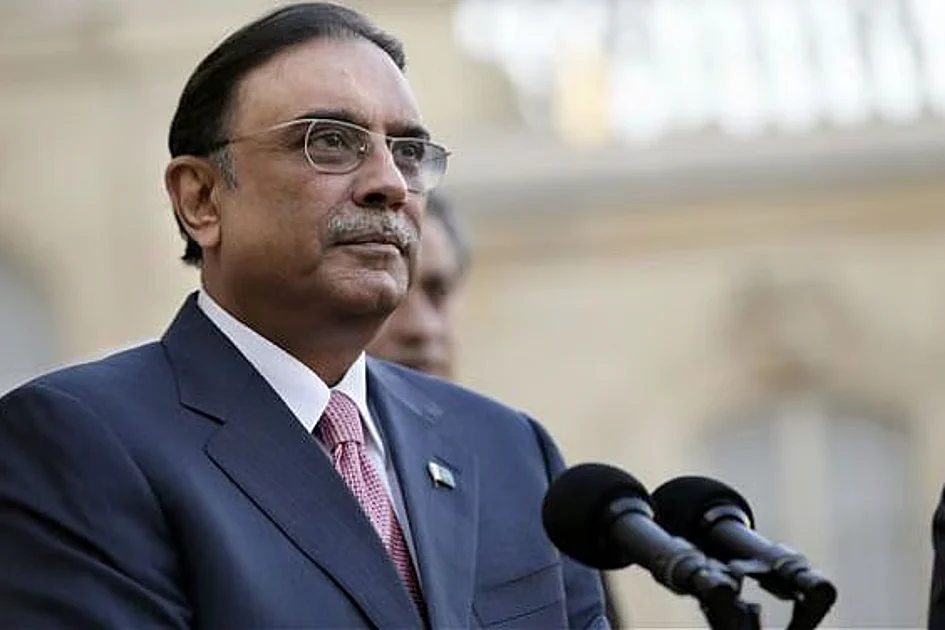
    In a significant diplomatic development, Pakistani President Asif Ali Zardari has embarked on an official state visit to the United Arab Emirates from January 26-29, 2026. The high-level engagement marks a continuation of strengthened bilateral relations between the two nations, following UAE President Sheikh Mohamed bin Zayed Al Nahyan’s recent trip to Islamabad just last December.

    The Pakistani Foreign Ministry confirmed the visit will feature comprehensive discussions covering the entire spectrum of mutual interests, with particular emphasis on enhancing trade and economic partnerships, defense and security cooperation, and cultural exchanges. The agenda also includes deliberations on pressing regional and international matters of shared concern.

    This reciprocal diplomatic exchange underscores the deepening fraternal bonds between Pakistan and the UAE. The previous December summit saw both nations commit to expanding collaboration across critical development sectors including energy infrastructure, technological innovation, and investment opportunities.

    Official statements characterize these ongoing high-level engagements as reflective of the special relationship between the two countries, demonstrating a mutual commitment to transforming their historical friendship into a more structured, mutually beneficial strategic partnership. The consistent diplomatic dialogue suggests both nations are prioritizing the institutionalization of their bilateral cooperation framework.

  • With ‘Border 2’ running to packed houses, Karan Johar says ‘Bollywood is here to stay’

    With ‘Border 2’ running to packed houses, Karan Johar says ‘Bollywood is here to stay’

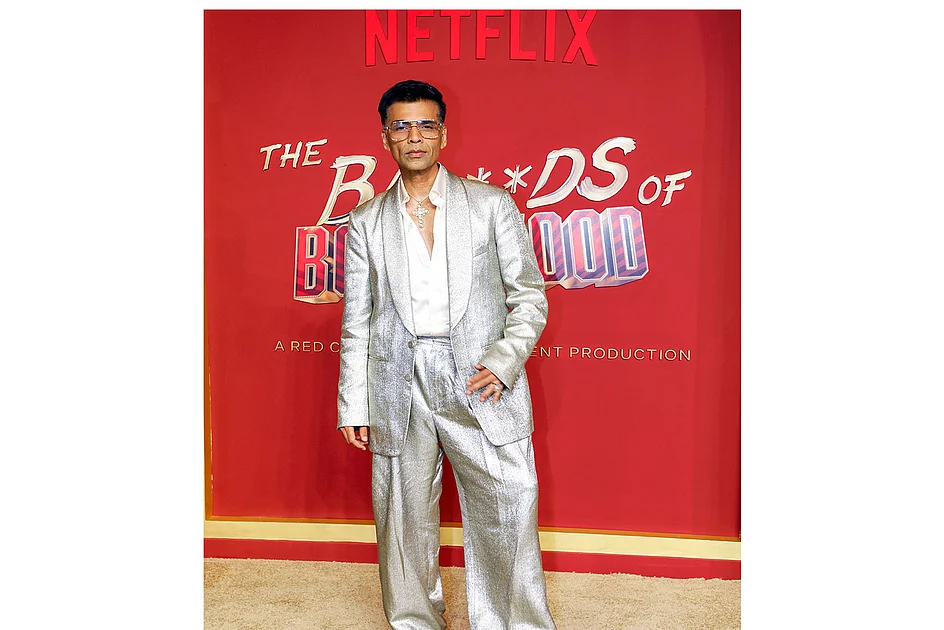
    Bollywood’s resurgence finds powerful validation as two major war dramas dominate box office charts, prompting industry titan Karan Johar to proclaim the enduring strength of Hindi cinema. The momentum builds with ‘Border 2,’ directed by Anurag Singh, achieving one of the most impressive openings in recent memory while rapidly approaching the coveted ₹1 billion (approximately Dh40.1 million) benchmark.

    Johar took to Instagram to celebrate the consecutive successes of ‘Border 2’ and ‘Dhurandhar,’ asserting that these commercial triumphs definitively silence critics questioning Bollywood’s relevance. His social media declaration emphasized that emotional resonance with audiences remains the ultimate determinant of cinematic success, enabling quality productions to transcend perceived boundaries.

    The box office performance substantiates Johar’s enthusiasm. According to trade analyst Taran Adarsh, ‘Border 2’ garnered ₹321 million net in India on its opening day alone, demonstrating robust performance across both single-screen theaters and urban multiplexes. Despite weather-related disruptions in Northern regions, industry observers anticipate substantial growth throughout the weekend and Republic Day holiday period due to overwhelmingly positive audience reception.

    Featuring an ensemble cast including Sunny Deol, Varun Dhawan, Diljit Dosanjh, and Ahan Shetty, the January 23rd release continues its strong theatrical run. Simultaneously, ‘Dhurandhar’ starring Ranveer Singh and Akshaye Khanna has achieved a remarkable 50-day theatrical presence, surpassing the previous record held by ‘Pushpa 2: The Rule’ to become the highest-grossing Hindi film to date.

    This dual success story signals a revitalized phase for Indian cinema, demonstrating that strategically crafted productions with emotional depth can achieve both critical and commercial acclaim while reinforcing the industry’s cultural significance.

  • Dior couture debut for Anderson mixes wonder, wit, celebrity-wattage — and an occasional wobble

    Dior couture debut for Anderson mixes wonder, wit, celebrity-wattage — and an occasional wobble

    PARIS — The Musée Rodin transformed into an anticipatory stage for Dior’s haute couture spectacle, where celebrity guests including French First Lady Brigitte Macron, Lauren Sánchez Bezos, and Parker Posey awaited the arrival of pop icon Rihanna. As the lights dimmed, a suspended ceiling garden of delicate flowers set the tone—petals descending gracefully to the floor, embodying Jonathan Anderson’s thematic vision of beauty under tension.

    This marked the inaugural haute couture presentation by Anderson, the Northern Irish designer who simultaneously helms Dior’s menswear, womenswear, and couture divisions—a unprecedented triple role in the modern era of the fashion house. As a cornerstone of the LVMH luxury conglomerate, Dior utilizes couture to demonstrate artistic prowess and technical mastery.

    Titled ‘Nature in Motion,’ the collection reimagined historical fragments through a contemporary lens, employing a disciplined palette of black, white, and ecru punctuated by vibrant bursts of color and texture. Clean lines alternated with soft draping and structured silhouettes, showcasing Anderson’s signature crispness previously evident in his work at Loewe and Dior menswear.

    The show’s most provocative statements included pannier gowns reinterpreted as modern fanny pack silhouettes—a characteristically witty Anderson gesture that transformed historical volume into contemporary relevance. Micro-detailing ascended to macro-impact through intricate floral motifs crafted from silk, chiffon, and organza, layered to evoke feather-like textures.

    Notable touches included oversized hydrangea-inspired earrings, a decorative nod to Dior’s legacy that reflected creative dialogue with former director John Galliano. While the collection demonstrated formidable ambition and technical achievement, it occasionally revealed a designer still synthesizing his distinct vision for Dior’s couture identity—strong individual elements seeking cohesive harmony within the garden-inspired universe Anderson envisioned.