
In a landmark ruling that has captivated the Philippines for years, former Bamban Mayor Alice Guo has been sentenced to life imprisonment for her involvement in human trafficking and operating a massive scam center. On Thursday, Guo and three accomplices were handed life sentences and fined 2 million pesos ($33,832) by the court. The case, which has drawn national attention, stems from the discovery of one of the country’s largest scam hubs in Bamban, a small town north of Manila. Authorities rescued approximately 800 Filipinos and foreigners from the center, many of whom were coerced into participating in ‘pig butchering’ scams—a notorious form of online fraud. Guo, 35, was arrested in 2024 after fleeing for weeks and has consistently denied all charges. It remains unclear whether she will appeal the verdict. The case against Guo includes five ongoing charges, one of which is money laundering. Elected as Bamban’s mayor in 2022, Guo was initially perceived as a compassionate leader by local residents. However, her reputation crumbled in 2024 when a sprawling scam center, masquerading as an online casino (locally known as Philippine Online Gaming Operations or Pogo), was uncovered near her office. Despite her initial claims of ignorance, a senate investigation revealed that the 8-hectare compound, housing 36 buildings, was constructed on land she previously owned. Further scrutiny exposed inconsistencies in her background, including her false claim of being born in the Philippines. Investigations confirmed that Guo migrated from China as a teenager, and her fingerprints matched those of a Chinese national named Guo Hua Ping. Following her removal from office, Guo disappeared in July 2024, prompting an international manhunt across four countries. She was eventually arrested in Indonesia in September 2024 and extradited to the Philippines, where her passport was revoked. The case has unfolded against the backdrop of ongoing territorial disputes between the Philippines and China in the South China Sea. While the allegations against Guo have dominated Philippine headlines, China has remained notably silent on the matter.
作者: admin
-

Leaders press on with G20 summit in South Africa that won’t have US and Trump
The Group of 20 (G20) summit, hosted for the first time in Africa, is underway in Johannesburg, South Africa, but the absence of U.S. President Donald Trump and his administration has overshadowed the event. Trump’s boycott, citing alleged discrimination against South Africa’s white farmers, has sparked controversy and dominated discussions, diverting attention from the summit’s agenda, which includes climate resilience, debt sustainability for poor nations, and global inequality. South African President Cyril Ramaphosa has refuted Trump’s claims, calling them ‘completely false.’
The U.S. boycott extends beyond Trump’s absence, with no U.S. officials attending the summit. The U.S. has also discouraged member nations from adopting a ‘Leaders Declaration,’ which would signify multilateral consensus. This move has raised concerns about the summit’s effectiveness, though South Africa’s Foreign Minister Ronald Lamola views it as an opportunity to demonstrate that the world can progress without U.S. involvement, albeit with challenges.
Other notable absences include Russian President Vladimir Putin, who faces an arrest warrant from the International Criminal Court over Russia’s war in Ukraine, and Chinese President Xi Jinping, who has sent Premier Li Qiang as his representative. Despite these absences, Johannesburg has been bustling with preparations, including street clean-ups and vibrant decorations.
South Africa, as the G20 president, is focusing on advancing an inclusive agenda, particularly addressing the needs of poor nations. Key issues include securing financing for climate change mitigation, with experts estimating a need for $1 trillion annually by 2030. The African Union plans to advocate for African countries facing climate and financial challenges, while experts emphasize the importance of global governance reform to ensure all regions, including Africa, have a meaningful voice in global priorities.
Support for the summit remains strong among other major nations, including France, Germany, and the United Kingdom, whose leaders are expected to attend. U.N. Secretary-General António Guterres has also confirmed his participation, expressing commitment to advancing international financial reforms and sustainable development in Africa.
-

US approached Yemen about international force in Gaza: Report
The Trump administration has reportedly engaged with Yemen’s internationally recognized government (IRG) in Aden regarding potential participation in an international stabilization force for Gaza, according to an AFP report published on Wednesday. Sources within Yemen’s presidential council, a diplomat, and a senior military official, all speaking anonymously, confirmed the discussions. While the military official noted that Yemen’s involvement has been discussed with the U.S., no formal request has been made yet. The IRG, despite its UN representation and Washington ambassador, wields minimal control within Yemen, having been ousted from the capital, Sanaa, by Houthi rebels over a decade ago. The Houthis, who dominate much of Yemen, have faced air strikes from Saudi Arabia, the UAE, Israel, and the U.S., and openly support Hamas in Gaza. Hamas, however, has strongly opposed the idea of a U.S.-led international force, insisting that any such force must operate under UN supervision and exclude Israeli involvement. This development follows President Trump’s recent meeting with Saudi Crown Prince Mohammed bin Salman, where Saudi Arabia’s financial backing for Gaza’s reconstruction and its role in assembling a stabilization force were emphasized. While countries like Turkey and Indonesia have prepared troops, Hamas’s resistance to U.S. oversight could escalate tensions between the force and Palestinian fighters.
-
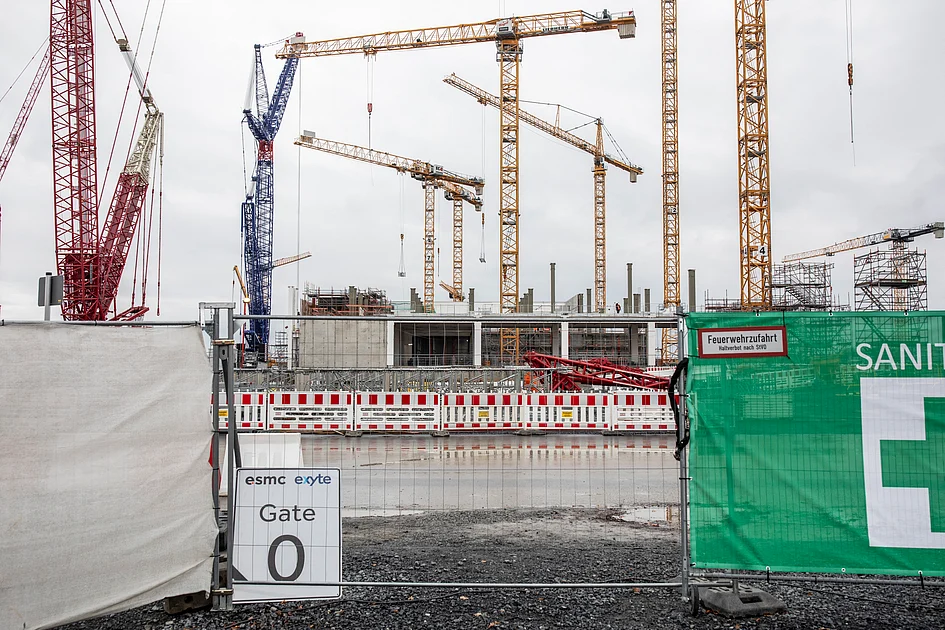
Europe’s semiconductor dreams confront business realities
Europe’s aspirations to bolster its semiconductor industry are encountering significant challenges as it seeks to reduce its reliance on global supply chains. Currently, Europe produces less than 10% of the world’s advanced chips, a figure that European officials aim to double by 2030 with the assistance of Taiwan Semiconductor Manufacturing Co. (TSMC). This ambitious goal comes in response to supply chain disruptions during the COVID-19 pandemic and geopolitical tensions surrounding Taiwan, which dominates global chip production. Germany, alongside the United States and Japan, is investing heavily in domestic chip manufacturing. A joint venture between TSMC and European chipmakers, including Bosch, Infineon, and NXP, is constructing a €10 billion ($11 billion) facility near Dresden, expected to commence operations in 2027. The project aims to transform the region into a hub for semiconductor innovation, dubbed “Silicon Saxony.” However, the initiative faces obstacles such as complex permitting processes, labor laws, and environmental regulations. Additionally, Taiwanese suppliers supporting TSMC’s operations in Europe are grappling with visa issues, language barriers, and cultural integration. The high costs of building factories in Europe, nearly double those in Taiwan, further complicate the endeavor. Despite these challenges, European officials remain optimistic, viewing the TSMC project as a catalyst for job creation and economic growth. Meanwhile, concerns persist in Taiwan about the potential dilution of its semiconductor dominance as TSMC expands globally. Former Taiwanese President Tsai Ing-wen recently visited the Dresden site, urging Taiwanese engineers to remain connected to their homeland while contributing to the global semiconductor industry.
-

Digital readiness and e-commerce surge drive Buy Now, Pay Later adoption in UAE
The United Arab Emirates (UAE) is witnessing a seismic shift in consumer finance, driven by the rapid adoption of Buy Now, Pay Later (BNPL) services. This transformation is fueled by the nation’s robust digital infrastructure, a tech-savvy population, and a booming e-commerce sector. With smartphone penetration projected to reach 90% by 2030 and mobile wallets becoming ubiquitous, BNPL is redefining shopping habits and business models across the Emirates.
-
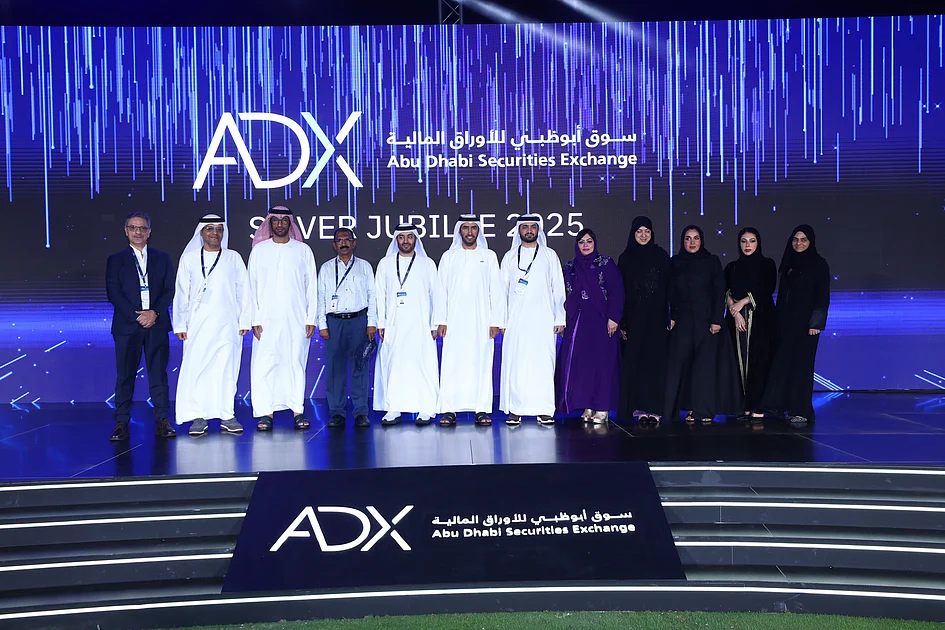
Abu Dhabi Securities Exchange celebrates 25 years of growth and innovation
The Abu Dhabi Securities Exchange (ADX) commemorates its 25th anniversary, marking a quarter-century of remarkable growth, innovation, and global influence. Established in 2000 with a modest foundation of 12 listed companies and local investors, ADX has evolved into a powerhouse in the financial world. Today, it boasts over 200 listed securities, serves 1.2 million investors from more than 200 nationalities, and ranks among the top 20 exchanges globally by market capitalization, with a market value exceeding Dh3 trillion. Since 2020, ADX has facilitated IPOs raising approximately Dh59 billion, solidifying its position as a global hub for capital and investment. Ghannam Al Mazrouei, Chairman of the ADX Group, reflected on the exchange’s journey, emphasizing its transformation from a local market to a strategic gateway for global capital. The past five years have been particularly transformative, with IPO activity raising nearly Dh18 billion in 2023 and Dh12.8 billion in 2024. ADX-listed companies have distributed over Dh320 billion in cash dividends since 2020, achieving a compound annual growth rate of over 33%. Abdulla Salem Alnuaimi, Group CEO of ADX, highlighted the exchange’s forward-looking strategy, focusing on expanding products, deepening liquidity, embracing technology, and creating long-term value for stakeholders. ADX has also pioneered regional firsts, including exchange-traded funds, foreign sovereign bonds, blockchain-enabled eVoting, and the region’s first blockchain-based digital bond. Looking ahead, ADX aims to strengthen digital infrastructure, expand investment products, and deepen regional integration through platforms like Tabadul, which links six regional markets. With a legacy of innovation and a roadmap for future growth, ADX stands poised to continue empowering capital, investors, and sustainable prosperity for generations to come.
-
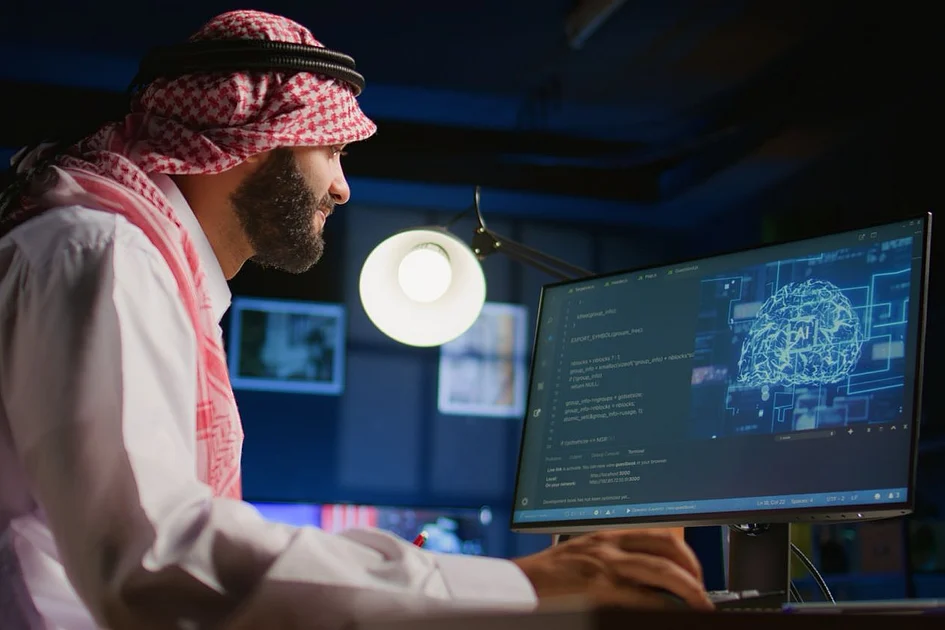
Gulf cybersecurity spend to top Dh120 billion by 2030
The Gulf region is poised to witness a significant surge in cybersecurity investments, with spending projected to surpass Dh120 billion by 2030. This growth is driven by the rapid adoption of artificial intelligence (AI), sovereign cloud strategies, and hyperscale data infrastructure, according to a recent report by Grand View Research titled ‘Cyber Resilience in the Gulf: Where Technology Meets Sovereign Risk (2025 Edition).’ The UAE and Saudi Arabia are at the forefront of this transformation, with both nations accelerating their digital agendas under the ‘We the UAE 2031’ vision and Vision 2030 programs, respectively. The report highlights that the region’s ambitious infrastructure projects, including national data centers, AI clusters, and cloud corridors, are fueling unprecedented investments in cyber resilience and data sovereignty. The UAE’s AI-driven security market alone is expected to grow more than fourfold, exceeding Dh19.6 billion by 2030. Swayam Dash, Managing Director of Grand View Research, emphasized that cyber resilience has evolved from a technical discipline to a sovereign capability, crucial for sustaining growth, attracting capital, and maintaining public trust. The UAE and Saudi Arabia, which together account for over 60% of the region’s cybersecurity expenditure, are embedding digital protection into national policies. The UAE is focusing on AI-driven threat intelligence, zero-trust frameworks, and sovereign cloud ecosystems, while Saudi Arabia’s National Cybersecurity Authority (NCA) and SDAIA are prioritizing data protection across industrial and infrastructure projects. The report also notes a shift in the region’s cybersecurity approach, from network defense to institutionalized resilience through policy, collaboration, and redundancy. Key initiatives include the ADGM Cyber Risk Management Framework (2025), Saudi Central Bank’s cyber stress-testing regime, and cross-border CERT intelligence sharing. As the line between cyber disruption and economic disruption narrows, digital resilience is increasingly viewed as a form of sovereign credit, with Gulf banks incorporating cyber metrics into ESG disclosures and regulators considering system uptime a proxy for fiscal stability. Dash concluded that the Gulf’s next global advantage will stem not from faster networks but from networks that never fail.
-

Major League Baseball signs deals with Netflix, ESPN and NBCUniversal
Major League Baseball (MLB) has finalized a series of groundbreaking broadcasting agreements with leading media giants, including Netflix, ESPN, and NBCUniversal, to expand its reach and enhance viewer access over the next three seasons. Netflix, the global streaming powerhouse, will showcase marquee MLB events such as the league’s opening night and the Home Run Derby, which annually captivate millions of fans. ESPN has secured rights to MLB.TV, the league’s on-demand service, enabling fans to watch out-of-market games starting in the 2026 season. Meanwhile, NBCUniversal will reintroduce Sunday night games to its network after a 25-year hiatus. Additionally, Netflix will broadcast the World Baseball Classic in Japan, while Fox Sports retains its coverage of the World Series, and Apple TV streams Friday Night Baseball. These deals emerged after ESPN opted out of the final three seasons of its previous contract, which would have cost the network over $1.5 billion. The negotiations reflect MLB’s strategic push to diversify its broadcasting platforms and maximize its global audience.
-

UAE clarifies gold import rules amid Sudan reports
The UAE Ministry of Foreign Trade has issued a detailed statement addressing recent reports concerning gold imports from Sudan, reaffirming the nation’s commitment to transparency and regulatory excellence in the gold trade. In 2024, the UAE processed a staggering $186 billion worth of gold, with only $1.97 billion originating from Sudan, accounting for a mere 1.06% of the total. This figure represents less than 0.4% of the UAE’s GDP, underscoring the limited economic impact of Sudanese gold imports. The ministry emphasized that the UAE, as the world’s second-largest gold trading hub, sources gold from exporters across all continents. Over the past five years, the UAE has implemented a robust regulatory framework to ensure the security, safety, and transparency of gold transactions. This framework includes mandatory anti-money laundering measures, customer due diligence protocols, annual audits, and compliance with OECD guidelines for responsible supply chains from conflict-affected regions. The UAE’s regulatory standards mandate enhanced due diligence for gold refineries and traders, particularly for suppliers operating in high-risk areas. This risk-based approach, supported by stringent oversight and comprehensive training programs, has significantly reduced the likelihood of conflict-affected gold entering the legitimate supply chain. These measures have bolstered the UAE’s reputation as a stable and reliable gold trading center, earning the trust of global exporters. The ministry concluded by affirming its commitment to maintaining the highest international standards in collaboration with global regulatory bodies.
-
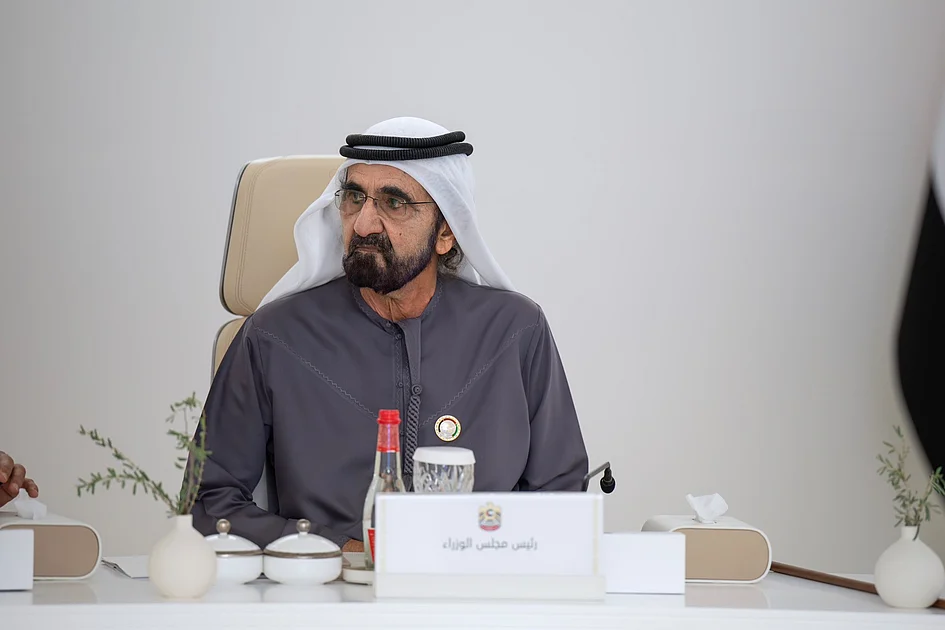
Sheikh Mohammed announces Dh36.7 billion National Investment Fund to encourage FDIs
In a significant move to bolster economic growth, UAE Vice-President Sheikh Mohammed bin Rashid Al Maktoum unveiled the National Investment Fund with an initial capital of Dh36.7 billion. The announcement was made during the Cabinet meeting at the Dubai Airshow 2025 on Wednesday. The fund aims to attract foreign direct investments (FDIs) by offering financial incentives, with ambitious targets to increase annual FDIs from Dh115 billion to Dh240 billion by 2031, and to grow the accumulated balance from Dh800 billion to Dh2.2 trillion in the same year. Sheikh Mohammed emphasized the UAE’s commitment to providing a conducive environment for global investors, stating, “Our message is clear to all investors around the world… the United Arab Emirates welcomes you, it will provide the best environment for your investments and will support your future growth and success.” Additionally, the Cabinet reviewed the National Strategy for Industry, highlighting a 244% increase in national industrial spending over the past five years, reaching Dh110 billion. Industrial exports also surged to Dh197 billion, contributing Dh210 billion to the GDP, with a target of Dh300 billion by 2031. The UAE civil aviation sector was another focal point, contributing Dh340 billion (18.2% of GDP) in 2024, with airports handling 148 million passengers and over one million air traffic operations, marking significant year-on-year growth.