作者: admin

  • Trump raises potential concerns over $72bn Netflix-Warner Bros deal

    Trump raises potential concerns over $72bn Netflix-Warner Bros deal

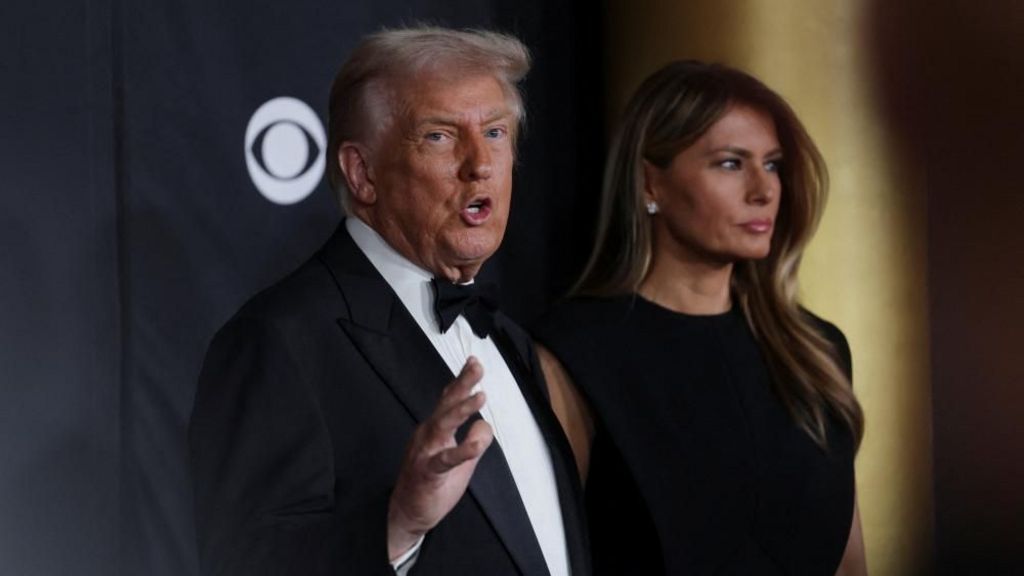
    Former President Donald Trump has raised significant antitrust concerns regarding Netflix’s monumental $72 billion proposal to acquire Warner Bros Discovery’s studio assets and HBO streaming services. Speaking at a Washington DC event on Sunday, Trump emphasized that Netflix already commands a “very big market share” that would expand substantially through this consolidation, potentially creating competitive issues.

    The landmark agreement, announced Friday, would merge Warner Bros’ iconic franchises including Harry Potter and Game of Thrones with Netflix’s dominant streaming platform, potentially reshaping the media landscape. The deal requires approval from U.S. competition authorities, with the Justice Department’s antitrust division evaluating whether the combined entity would control an excessive portion of the streaming market.

    Trump revealed his personal involvement in the approval process, noting that Netflix co-CEO Ted Sarandos recently visited the Oval Office. The former president expressed admiration for Sarandos, stating, “I have a lot of respect for him. He’s a great person who’s done one of the greatest jobs in the history of movies.”

    The proposed acquisition has generated industry-wide concerns about market concentration, with regulators examining potential violations of antitrust legislation. The combination would create an unprecedented media conglomerate with extensive control over both content production and distribution channels.

  • Starmer to host Zelensky for Ukraine talks in London

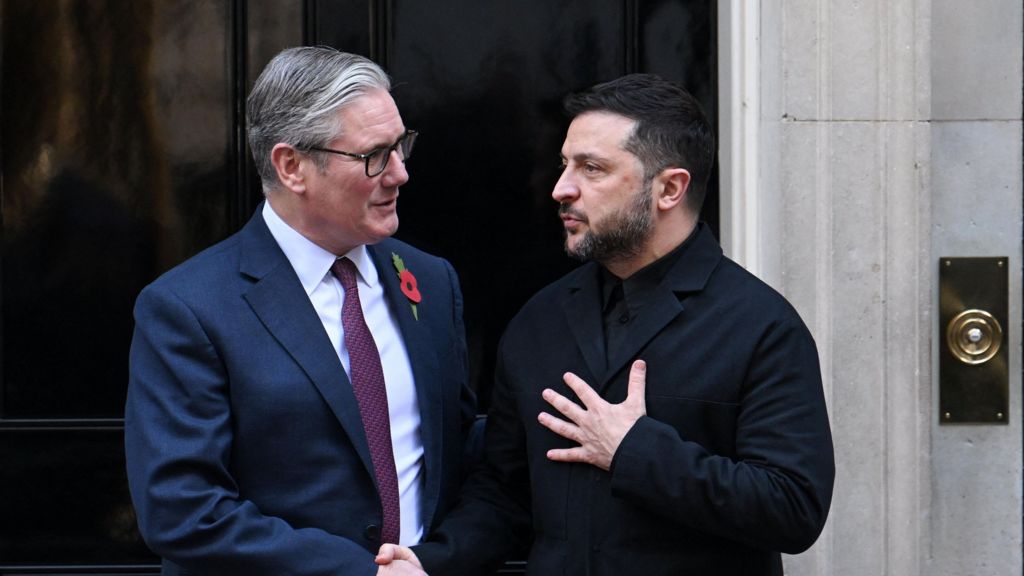
    Starmer to host Zelensky for Ukraine talks in London

    British Prime Minister Sir Keir Starmer is convening an urgent summit with Ukrainian President Volodymyr Zelensky in London on Monday, with French President Emmanuel Macron and German Chancellor Friedrich Merz joining the high-stakes diplomatic gathering. This emergency meeting occurs as international efforts to resolve the Ukraine conflict face significant obstacles despite reported progress in US-mediated negotiations.

    Cabinet Minister Pat McFadden emphasized that ensuring Ukraine’s security and self-determination would form the central focus of discussions, characterizing the current diplomatic phase as ‘exceptionally pivotal.’ The announcement follows three days of intensive talks in Miami where US officials indicated a potential agreement might be within reach, contingent upon Russia’s cooperation.

    According to US Special Envoy for Ukraine Keith Kellogg, negotiations have encountered particular difficulties regarding two fundamental issues: the future size of Ukraine’s military forces following the conflict’s conclusion and Russia’s ongoing control of the Donbas region. ‘If we can resolve these two critical matters, the remaining components should fall into place relatively smoothly,’ Kellogg stated in an interview with Reuters, expressing cautious optimism that parties were ‘approaching a resolution.’

    The London summit represents the latest European initiative to assume a substantive role in peacemaking efforts, with Downing Street confirming the leaders would concentrate on ‘ongoing peace negotiations and subsequent measures’ without elaborating on specific details. This development occurs alongside continued military aggression, as Russia launched extensive aerial bombardments across Ukraine throughout the weekend, deploying hundreds of drones and missiles in sustained attacks.

    The diplomatic landscape has been complicated by substantial disagreements regarding proposed peace frameworks. European leaders previously objected to preliminary versions of the US-orchestrated peace plan, criticizing its perceived favorability toward Russian interests. Subsequent revisions attempted to address these concerns, though Moscow has rejected the modified proposals outright.

    Russian President Vladimir Putin maintained an uncompromising stance, threatening to seize Donbas militarily if Ukraine refuses to relinquish control of the territory, approximately 85% of which Russian forces currently occupy. This position persists despite substantial economic sanctions and significant battlefield casualties suffered by Russian military forces.

    The geopolitical dynamic further intensified with last week’s publication of the US National Security Strategy, which notably did not classify Russia as a direct threat to European security—a characterization Moscow welcomed as ‘constructive and aligned with our strategic perspective.’ As diplomatic efforts continue, European officials have emphasized the necessity of preserving transatlantic cooperation, with Polish Prime Minister Donald Tusk asserting that maintaining historic alliances represents ‘the sole rational strategy for our collective security.’

  • Royal Navy unveils new Atlantic strategy to counter Russian threat

    Royal Navy unveils new Atlantic strategy to counter Russian threat

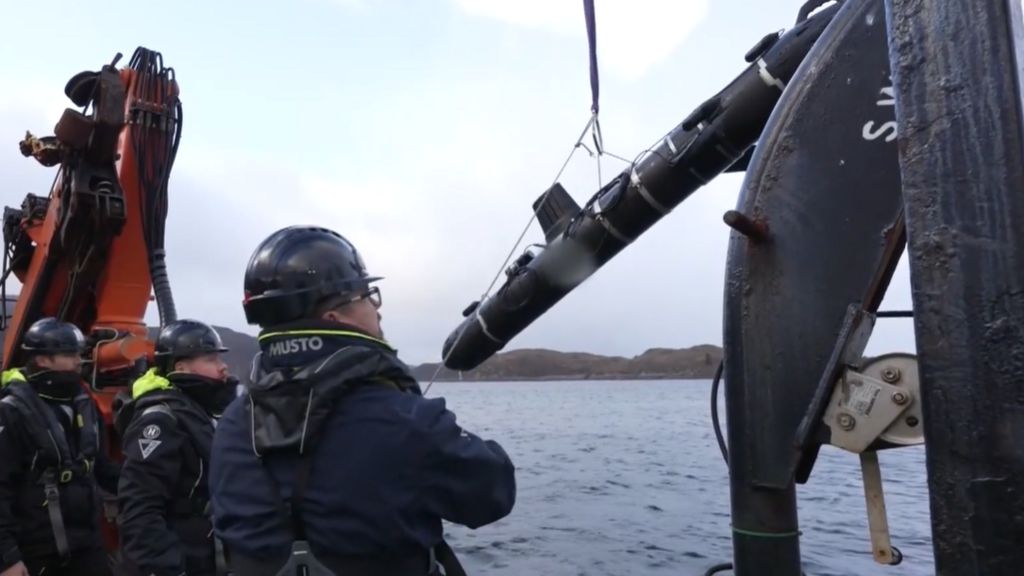
    Beneath the murky waters off Scotland’s western coast, a revolutionary autonomous defense system is being deployed to safeguard national security. The SG-1 Fathom, a torpedo-shaped glider with wing-like appendages, operates silently as it patrols the depths, its advanced sensors constantly gathering intelligence on potential underwater adversaries.

    Developed by German defense contractor Helsing and currently undergoing trials with the Royal Navy, this cutting-edge technology represents a significant advancement in maritime surveillance. The Fathom glider is engineered for extended autonomous operations, capable of patrolling for months without human intervention while working in coordination with dozens of similar units.

    Programme Manager Katie Raine explains the system’s capabilities: ‘The glider processes and identifies threats more quickly than we’ve been able to do previously, using software trained on decades of acoustic data.’ This enhanced detection capability is specifically designed to counter Russian submarines suspected of covertly mapping the UK’s critical undersea infrastructure, including communication cables and energy pipelines.

    The Fathom system forms a crucial component of Atlantic Bastion—a comprehensive defense network incorporating drones, warships, and surveillance aircraft. The Ministry of Defence unveiled elements of this program Monday, stating it directly addresses ‘the resurgence in Russian submarine and underwater activity.’ Official reports indicate a 30% increase in Russian vessels threatening UK waters over the past two years.

    Defence Secretary John Healey emphasized the urgency of the situation during a recent Portsmouth visit, stating, ‘This is about keeping us ahead of the Russians.’ He highlighted government investments in new technologies, including remote-controlled speedboats, unmanned helicopters, and the 12-meter Excalibur unmanned submarine.

    The UK has strengthened its response through the Lunna House Agreement, a defense pact with Norway enabling joint operations against Russian submarine activities. First Sea Lord Gen Sir Gwyn Jenkins acknowledged the challenge: ‘We’re still ahead in the Atlantic, but not by as much of an advantage as I would like. We’re being pressed, and we’re definitely in the competition to stay ahead.’

    However, some experts express skepticism about the strategy. Prof Peter Roberts of RUSI argues that the Royal Navy ‘does not have the ships to do this job coherently or credibly’ and is relying on drones as cheaper alternatives to proper naval assets. He suggests Russia has operated largely unchallenged in UK waters for years, with current measures representing belated attempts to address long-ignored threats.

    Russia has dismissed UK concerns as provocative and hysterical, with Foreign Ministry spokesperson Maria Zakharova warning that increased monitoring of Russian naval activity risks ‘provoking unnecessary conflicts’ in international waters. Despite diplomatic tensions, military officials maintain they are proceeding with clear-eyed determination to protect critical undersea infrastructure from potential disruption.

  • Wicked or Avatar? Hollywood gears up for Golden Globe nominations

    Wicked or Avatar? Hollywood gears up for Golden Globe nominations

    The entertainment industry turns its attention to the 2026 Golden Globe Awards as nominations prepare to unveil Hollywood’s first major honors of the awards season. Scheduled for announcement on Monday at 13:15 GMT by actors Marlon Wayans and Skye P Marshall, the shortlists will set the stage for a months-long campaign culminating with the Oscars in March.

    This year’s competition features an impressive array of cinematic achievements across multiple genres. Blockbuster contenders include ‘Wicked: For Good,’ the concluding chapter of the Wicked Witch’s origin story, and James Cameron’s anticipated ‘Avatar: Fire and Ash,’ which introduces the Na’vi to an aggressive new tribe. Historical adaptations also feature prominently, with ‘Hamnet’ bringing Maggie O’Farrell’s novel about Shakespeare’s son to the screen, while ‘One Battle After Another’ explores the kidnapping of a former revolutionary’s daughter.

    The sports biopic category demonstrates particular strength with three major contenders: ‘Marty Supreme’ following a table-tennis player’s pursuit of greatness, ‘Christy’ chronicling boxer Christy Martin’s career, and ‘The Smashing Machine’ depicting UFC fighter Mark Kerr’s journey. These compete against diverse offerings including conspiracy theory drama ‘Bugonia,’ a fresh ‘Frankenstein’ adaptation, Hollywood satire ‘Jay Kelly,’ and Bruce Springsteen biopic ‘Springsteen: Deliver Me from Nowhere.’

    Acting categories promise fierce competition with numerous A-list performers in contention. Leonardo DiCaprio may earn recognition for his role as a former revolutionary in ‘One Battle After Another,’ while Timothée Chalamet could receive nomination for his portrayal of table tennis player Marty Mauser in ‘Marty Supreme.’ ‘Wicked: For Good’ stars Cynthia Erivo and Ariana Grande might repeat their previous nominations, with Sydney Sweeney generating buzz for her transformative performance as boxer Christy Martin.

    Notable contenders include Dwayne Johnson’s awards play in MMA drama ‘The Smashing Machine,’ George Clooney and Adam Sandler’s collaboration in ‘Jay Kelly,’ and Irish actors Jessie Buckley and Paul Mescal’s work in ‘Hamnet.’ Additional recognition may go to Emma Stone and Jesse Plemons for ‘Bugonia,’ Julia Roberts for ‘After The Hunt,’ and Jeremy Allen White for his portrayal of Springsteen.

    The Globes maintain their unique position in awards season with 36 acting nomination slots—nearly double the Oscars’ 20—by separating categories between drama and musical or comedy. This approach allows for broader recognition and ensures a star-packed ceremony scheduled for January 11th in Los Angeles, with comedian Nikki Glaser returning as host following her critically acclaimed performance last year.

    Television categories also command attention, particularly whether British drama ‘Adolescence’ will replicate its Emmy Awards success. The limited series about a teenage boy accused of stabbing a classmate faces competition from ‘The Pitt,’ ‘Severance,’ ‘Slow Horses,’ and ‘The White Lotus’ in drama categories, while comedy frontrunners include ‘The Studio,’ ‘Hacks,’ ‘Nobody Wants This,’ and ‘Abbott Elementary.’

    This year introduces a new category recognizing podcast excellence, expanding the Globes’ traditional focus on film and television. The ceremony maintains its reputation as awards season’s ‘drunk uncle’—a more relaxed affair where celebrities mingle over drinks and meals, though the outcomes significantly influence Oscar trajectories. Last year’s winners Fernanda Torres and Sebastian Stan, along with Best Picture recipients ‘I’m Still Here’ and ‘Flow,’ demonstrated the Globes’ predictive power when they continued to Oscar success.

  • Can Japan get more female business leaders?

    Can Japan get more female business leaders?

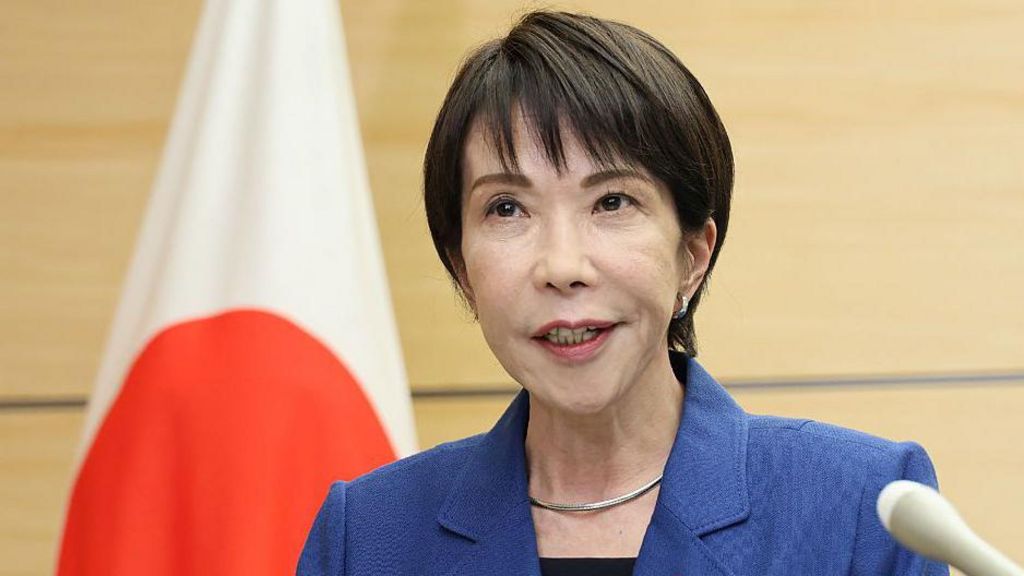
    Japan’s political landscape witnessed a historic milestone in October with the election of Sanae Takaichi as the nation’s first female prime minister. While this achievement symbolizes a shattered glass ceiling, it unfolds against a backdrop of deep-rooted gender disparities that continue to challenge Japanese society.

    The nation presents a perplexing contradiction: despite boasting one of the highest female labor participation rates among developed economies—surpassing 77% for women aged 15-64, exceeding even the United States—Japan simultaneously ranks a dismal 118th on the World Economic Forum’s Gender Gap Index. This positioning makes it the worst performer among all 38 OECD countries, highlighting a significant disparity between women’s workforce presence and their advancement into leadership roles.

    Corporate leadership reveals particularly stark inequalities. Although the government initially set an ambitious target of 30% female representation in leadership positions by 2020, this goal was quietly postponed by a decade when the deadline proved unattainable. Current figures show merely 11.1% of business leadership roles are held by women, underscoring the immense gap between policy aspirations and reality.

    Yumiko Murakami, co-founder of Japan’s first female-led venture capital firm MPower Partners, acknowledges the progress in female labor participation while highlighting persistent challenges. ‘Japan has done a really good job increasing female labor market participation,’ she notes, attributing this growth to both economic necessities—driven by an aging population and labor shortages—and policy interventions such as reducing nursery waiting lists to facilitate mothers’ return to work.

    However, significant obstacles remain. A 2024 government survey revealed that Japanese women earn only 70-80% of their male counterparts’ wages, a disparity that extends into the entrepreneurial ecosystem. Murakami’s WPower fund, half-funded by the Tokyo Metropolitan Government, focuses exclusively on supporting female founders and women-empowerment businesses to address the capital access gap.

    The venture capital environment itself presents barriers. Murakami describes Japan’s VC community as a ‘clubby male environment’ where insiders enjoy privileged access to information and networks. This exclusivity disproportionately affects female entrepreneurs, who struggle to secure funding and face alarming rates of sexual harassment—more than half reported such experiences in a 2024 survey.

    In response to these challenges, support organizations like Startup Lady have emerged to create safe spaces for female entrepreneurs. Co-founder Moeko Suzuki explains their mission: ‘We wanted to create somewhere very, very safe for female entrepreneurs in Japan, even if they’re not Japanese.’ Their programs now include lectures, workshops, and mentoring sessions in collaboration with Tokyo local government.

    Educational institutions also reflect persistent gender gaps. Japan has one of the lowest percentages of female students in STEM fields among OECD nations, and at prestigious Tokyo University, only 20% of undergraduates are women. The university has launched the UTokyo Gender Equity #WeChange initiative, aiming to increase female faculty members from 16% to 25% by 2027 through subsidies and outreach programs that counter early-stage gender bias.

    Professor Kaori Hayashi, executive vice president leading the initiative, acknowledges progress while noting the limited candidate pool. The university now sends female students back to their high schools as role models to counteract cultural discouragement of girls pursuing STEM fields or elite education.

    Amid these complex challenges, Prime Minister Takaichi’s election represents both a symbolic breakthrough and a point of contention. While some celebrate her achievement as evidence of progress, others note her conservative viewpoints—including opposition to separate surnames after marriage—and question whether her leadership will advance gender equality policies.

    Youth activist Momoko Nojo expresses cautious skepticism: ‘I understand that some people are encouraged by the idea that a woman can become prime minister, but I don’t think it will lead to the realization of gender equality policies.’

    Nevertheless, Takaichi’s precedent-setting election underscores Japan’s gradual, complex journey toward gender parity—a transformation occurring across multiple sectors despite persistent cultural and structural barriers. As Japan continues to navigate this path, the significance of having a woman in the highest office remains undeniable, even as the nation confronts the substantial work still required to achieve true gender equality.
  • UAE weather tomorrow: Cloudy day ahead as temperatures rise

    UAE weather tomorrow: Cloudy day ahead as temperatures rise

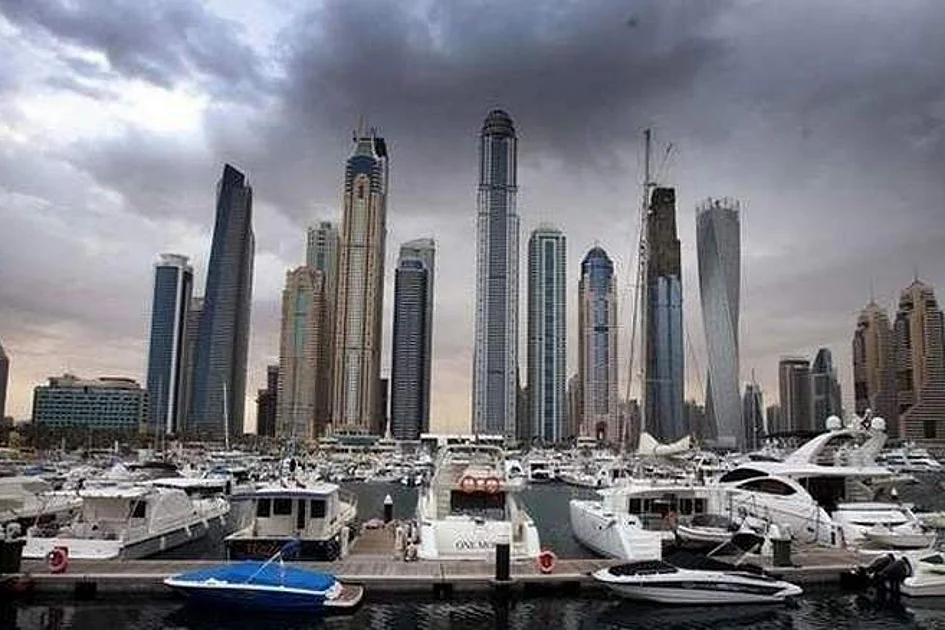
    Meteorological authorities project a shift in weather patterns across the United Arab Emirates this week, with residents preparing for warmer conditions and increased humidity along western coastal regions. The National Centre of Meteorology (NCM) forecasts predominantly fair to partially overcast skies for Monday, December 8, 2025, with low cloud formations expected particularly around offshore islands and western territories.

    Temperature readings indicate a noticeable upward trend, with Abu Dhabi anticipated to reach daytime highs of 30°C while Dubai and Sharjah may experience slightly warmer conditions at 31°C. Nighttime temperatures will provide some relief, dropping to 19°C, 21°C and 18°C in the respective emirates.

    Weather patterns will feature light to moderate winds shifting between southeasterly and northeasterly directions throughout the day. Maritime conditions remain generally calm, with slight to moderate waves in the Arabian Gulf and tranquil waters prevailing in the Oman Sea.

    Of particular note is the humidity forecast, with western coastal areas expected to experience noticeably humid conditions during nighttime hours extending into Tuesday morning. This meteorological development may affect residents in these regions, though no severe weather advisories have been issued at this time.

    The comprehensive weather briefing comes from the UAE’s official meteorological authority, providing residents with accurate forecasting to facilitate daily planning and preparedness.

  • Netanyahu expects Gaza truce to move to second phase ‘shortly’

    Netanyahu expects Gaza truce to move to second phase ‘shortly’

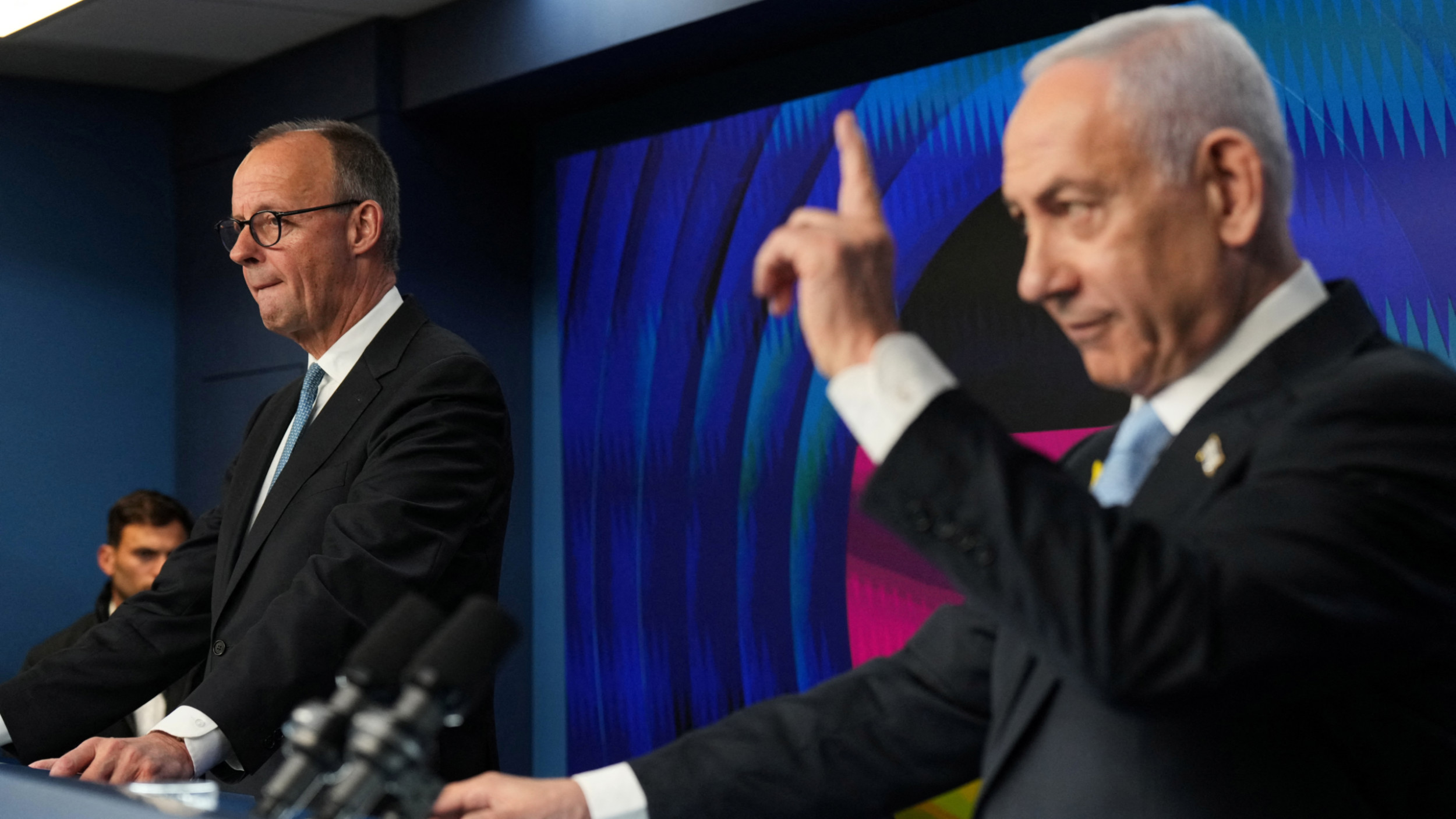
    Israeli Prime Minister Benjamin Netanyahu has indicated that the implementation of the second phase of a US-backed proposal to conclude the Gaza conflict is nearing, though critical obstacles remain unresolved. Speaking at a joint press conference in Jerusalem with German Chancellor Friedrich Merz, Netanyahu emphasized that substantial discussions with US President Donald Trump scheduled for the end of this month would be pivotal for advancing the plan’s next stage.

    The Prime Minister characterized the upcoming phase as inherently more challenging, acknowledging that while a tenuous ceasefire has reduced active combat since October 10th, persistent hostilities continue. Israeli military operations have reportedly resulted in over 373 fatalities and approximately 900 injuries due to hundreds of documented ceasefire violations.

    Central to Netanyahu’s conditions for progression is Hamas’s compliance with both the ceasefire and its stipulated commitments under the agreement, which encompass full disarmament and the demilitarization of the Gaza Strip. The initial phase, which saw Israel maintain control over 53% of Gaza territory, concluded with the exchange of 47 captives—both living and deceased—though one Israeli police officer’s remains have not been recovered.

    The envisioned second phase anticipates further Israeli military withdrawal concurrent with the establishment of a transitional governing authority in Gaza, the deployment of an international security force, and the initiation of reconstruction efforts. While a multinational coordination center has been set up in Israel, the absence of binding deadlines has resulted in stalled implementation, according to officials.

    Netanyahu also revealed that his forthcoming dialogue with President Trump would explore broader regional peace opportunities, specifically referencing US-led initiatives to normalize relations between Israel and Arab and Muslim nations. He articulated a dual-path approach: pursuing comprehensive peace with Arab states while working toward a pragmatic arrangement with Palestinian neighbors, simultaneously reaffirming Israel’s intention to retain security control over the occupied West Bank.

    The Prime Minister addressed the politically sensitive matter of West Bank annexation, confirming it remains under active consideration. This follows the Israeli parliament’s recent preliminary approval of legislation seeking to extend sovereignty to two West Bank settlements.

    When questioned about potential retirement from politics should he receive a pardon in his ongoing corruption trial, Netanyahu offered a definitive denial. Last month, his legal team formally sought presidential clemency, arguing that the judicial proceedings impair his governance capabilities and that a pardon would serve the national interest.

  • UAE-India IndiGo flights returning to normal after weekend disruptions

    UAE-India IndiGo flights returning to normal after weekend disruptions

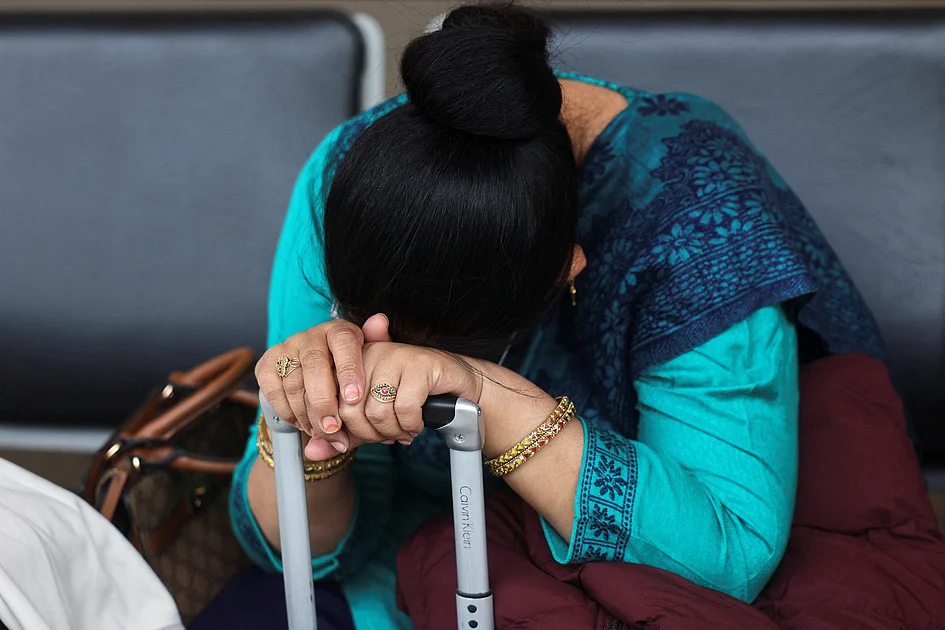
    IndiGo’s flight operations between the UAE and India showed significant signs of recovery on Sunday following a weekend of severe disruptions that had left passengers facing delays exceeding 10 hours. The airline’s performance improved markedly with many flights departing and arriving on schedule, while others experienced manageable delays ranging from 15 to 90 minutes.

    Key routes demonstrated this stabilization: the Ras Al Khaimah to Hyderabad flight departed precisely at its scheduled 2:30 AM time, while the Sharjah-Lucknow service took off as planned at 2:00 AM. The Dubai-Chennai route also operated according to its timetable. Minor delays affected some services, including the Dubai-Mumbai flight (15 minutes late) and the Delhi-Dubai route (17 minutes behind schedule). However, one notable exception was the Dubai-Kozhikode flight, which departed nearly ten hours late at 12:44 PM instead of its original 3:20 AM scheduled time.

    Domestically within India, the situation showed progressive improvement. On the sixth day of operational challenges, IndiGo canceled 500 domestic flights—a substantial reduction from Saturday’s 700 cancellations and Friday’s 1,000 grounded flights. The airline announced it was operating approximately 1,650 flights on Sunday, up from 1,500 the previous day. Most impressively, on-time performance surged from 30% to 75% within a single day.

    The crisis originated when India’s Directorate General of Civil Aviation implemented new Flight Duty Time Limitations (FDTL) on Tuesday, mandating 48 hours of weekly rest for pilots and limiting night landings to two per week instead of the previous six. These regulations, initially introduced in 2024 to address pilot fatigue concerns, created immediate staffing challenges.

    In response to the escalating situation, India’s Ministry of Civil Aviation suspended the new FDTL directives on Friday while emphasizing that safety standards would remain uncompromised. The government additionally imposed airfare caps to protect consumers from price gouging during the disruption period.

    The widespread cancellations had generated significant public outrage throughout the week, with numerous passengers missing critical events including weddings, funerals, and professional opportunities. One entrepreneur publicly shared her distress after relatives couldn’t attend her father’s funeral due to the cancellations.

    Accountability measures are now underway, with a committee formed to investigate the root causes of the disruptions. A parliamentary panel is scheduled to question IndiGo’s senior management about the operational crisis. The airline has committed to full waivers for cancellation and rescheduling requests for bookings through December 15 as it processes approximately Rs6,100 million in passenger refunds.

  • Women protest gender-based violence across Brazil following shocking cases

    Women protest gender-based violence across Brazil following shocking cases

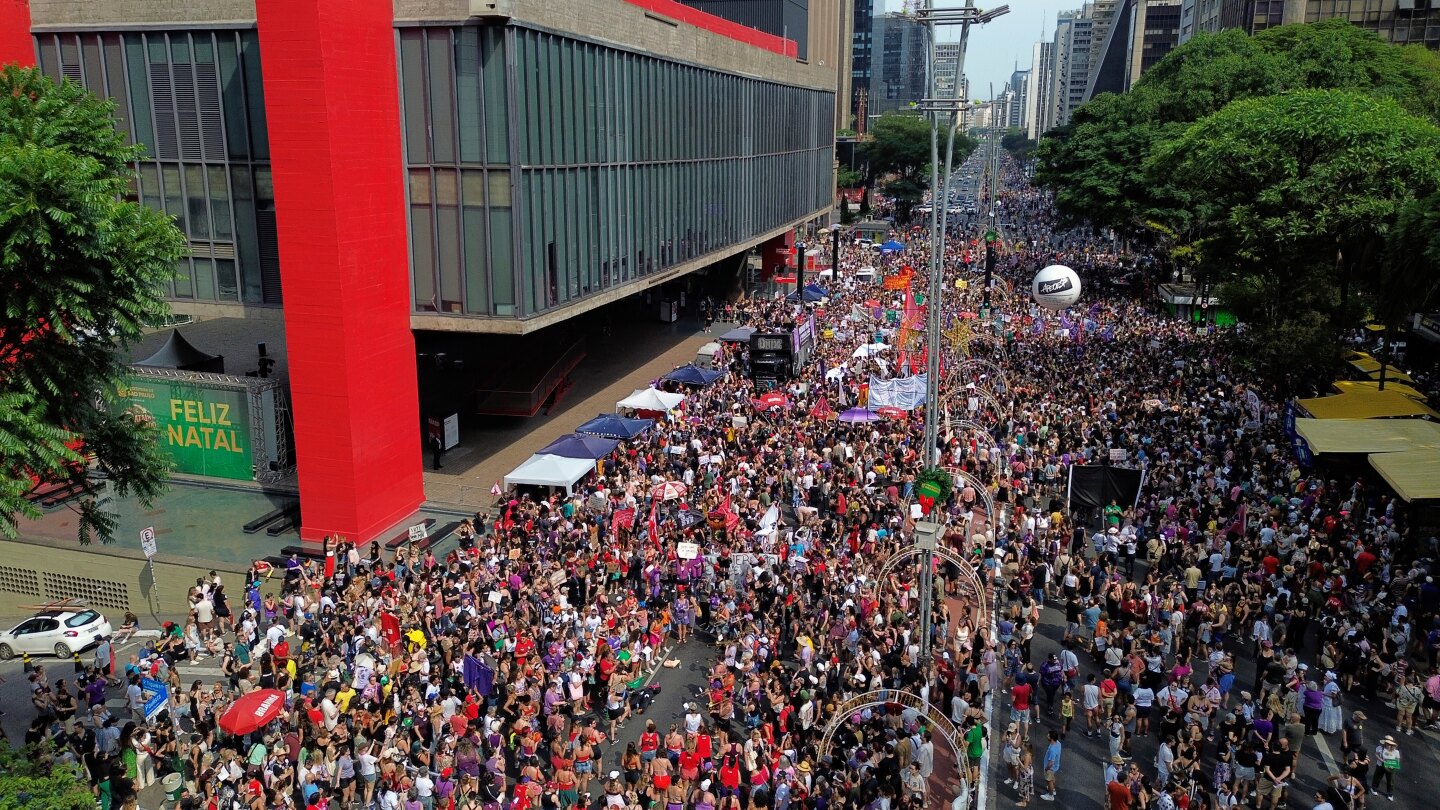
    RIO DE JANEIRO — A massive wave of civil unrest swept across Brazil on Sunday as tens of thousands of demonstrators flooded urban centers to denounce an escalating epidemic of gender-based violence. The nationwide mobilization, marked by unprecedented participation, represents a watershed moment in Brazil’s feminist movement following a series of brutal femicides that have shocked the nation.

    In a powerful display of solidarity, women across generations alongside male allies occupied the iconic boardwalks of Copacabana and São Paulo’s Paulista Avenue, demanding immediate legislative action against femicide, sexual violence, and systemic misogyny. The protests gained momentum from recent high-profile cases that have exposed the alarming normalization of gender-based brutality.

    Among the victims remembered was Alline de Souza Pedrotti’s sister, an educational administrator murdered on November 28th by a male colleague who reportedly resented female authority. “I’m devastated but fighting through the pain,” Pedrotti stated from the Copacabana demonstration. “I demand legal reforms and preventive protocols to stop these tragedies.”

    The movement gained further urgency from two additional atrocities that captured national attention. Taynara Souza Santos, 31, suffered traumatic amputations after being deliberately run over and dragged nearly a kilometer by her former partner in São Paulo. English instructor Catarina Kasten was sexually assaulted and strangled near a Florianopolis beach trail on November 21st while en route to a swimming lesson.

    These cases exemplify a disturbing national trend documented by the Brazilian Forum on Public Safety. Their 2025 report reveals over one-third of Brazilian women endured gender violence within the past year—the highest rate since monitoring began in 2017. Last year recorded 1,492 femicides, the most since the 2015 legislation that recognized femicide as a distinct crime category.

    Juliana Martins, institutional relations manager at the Brazilian Forum, noted the dual crisis of increasing frequency and intensifying brutality: “Social transformations toward gender equality have triggered violent backlash aimed at reaffirming female subordination.”

    Protest symbolism included black crosses representing victims and green scarves symbolizing reproductive rights. Evelyn Lucy da Luz, a 44-year-old educator who survived an attempted femicide decade ago, declared: “I almost died, but I didn’t—and now I fight.”

    Historical context emerged from 79-year-old Lizete de Paula, who connected rising violence to the erosion of protective policies during former President Bolsonaro’s administration. “Women are entering new spaces, and macho men can’t tolerate this,” she observed.

    The demonstrations notably included male participants like João Pedro Cordão, father of three daughters, who emphasized: “Our duty is to challenge misogyny daily—not just at protests—if we hope to reduce this violence.”

  • Death of Venezuelan opposition figure in custody ‘vile’, US says

    Death of Venezuelan opposition figure in custody ‘vile’, US says

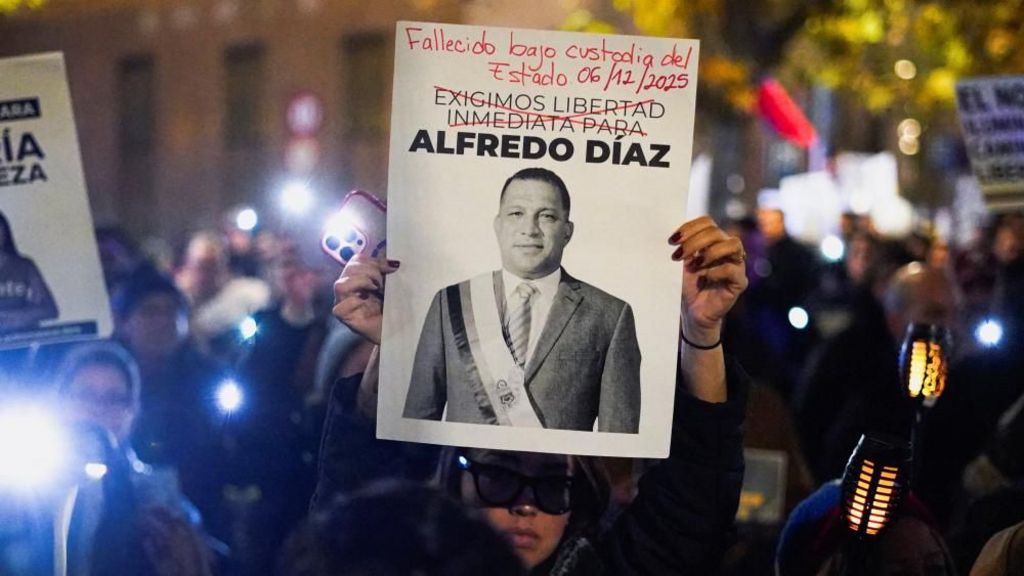
    The United States has issued a sharp condemnation of the Venezuelan government following the death of opposition figure Alfredo Díaz in state custody, characterizing the incident as emblematic of the “vile nature” of President Nicolás Maduro’s regime.

    Díaz, a 56-year-old former governor of Nueva Esparta state, died under contested circumstances while detained at El Helicoide prison in Caracas. While Venezuelan authorities attribute his death to apparent heart attack complications, human rights organizations and opposition groups maintain he perished in his prison cell after enduring more than a year of arbitrary detention under harsh conditions.

    The deceased politician was initially apprehended in 2024 alongside numerous opposition figures who challenged the legitimacy of that year’s presidential election. International observers widely dismissed the electoral process as neither free nor fair, despite Maduro’s government-controlled election council declaring victory. Díaz faced charges of “incitement to hatred” and “terrorism” for questioning the official election results.

    Alfredo Romero, president of Venezuelan human rights organization Foro Penal, revealed Díaz had been held in solitary confinement with severely restricted visitation rights—only one meeting with his daughter throughout his entire incarceration. This case marks the 17th death among political prisoners since 2014 according to human rights documentation.

    Prominent opposition leader and Nobel Peace Prize laureate María Corina Machado, currently in hiding to avoid arrest, characterized Díaz’s death as part of “an alarming and painful chain of deaths of political prisoners” within Venezuela’s post-election repression context. Her planned absence from the Nobel ceremony in Oslo underscores the ongoing political persecution.

    This incident exacerbates already heightened tensions between the Trump administration and Maduro’s government. The United States has intensified its military presence in the region while conducting lethal strikes against vessels allegedly involved in drug trafficking. President Trump has personally accused Maduro of leading regional drug cartels and threatened potential military intervention “by land.”

    Venezuela has responded with military mobilization, swearing in over 5,600 new soldiers simultaneously in what defense officials termed a response to American “threats.” Simultaneously, Maduro’s government continues diplomatic outreach, announcing resumed Turkish Airlines flights following coordination with President Recep Tayyip Erdogan—a development occurring ironically on the same day as Díaz’s death and the mass military induction.