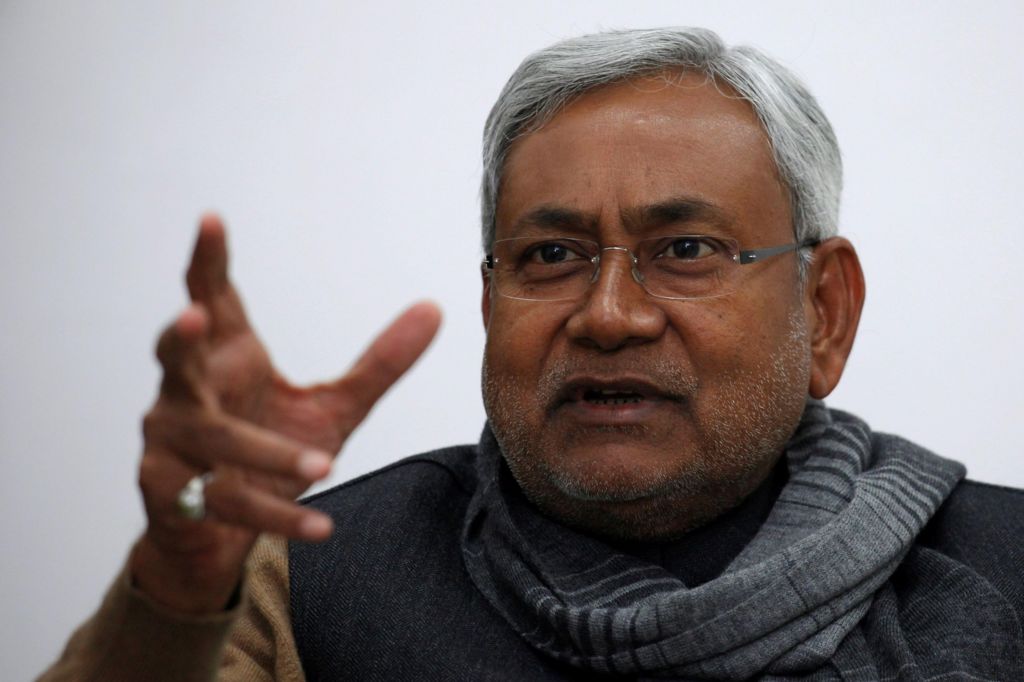
In a historic political milestone, Nitish Kumar, the leader of Janata Dal (United), has been sworn in as the Chief Minister of Bihar for an unprecedented 10th term. This follows a resounding victory in the state’s recent elections, where his party and its allies, including Prime Minister Narendra Modi’s Bharatiya Janata Party (BJP), secured a commanding 202 out of 243 seats. The 74-year-old political stalwart, who has dominated Bihar’s political landscape for most of the past two decades, took the oath of office in Patna before a massive gathering on Thursday. The ceremony came a day after his party’s legislators unanimously elected him as their leader, with the broader alliance endorsing the decision. The election itself was marked by controversy, with opposition parties alleging that a revision of voter lists unfairly favored the BJP—a claim both the party and the Election Commission denied. Bihar, one of India’s poorest states with over 74 million voters, has long been a political battleground. Despite its challenges, the state saw a record voter turnout of 66.91%, the highest since 1951, with women outnumbering men at the polls. The BJP won 89 seats, while Kumar’s party secured 85, with the remaining 28 seats going to other alliance partners. The opposition coalition, led by the Congress party and the Rashtriya Janata Dal (RJD), managed to win only 35 seats. This election is seen as a precursor to crucial state polls next year in West Bengal, Kerala, and Tamil Nadu, where the BJP has struggled to establish a foothold. Prime Minister Modi hailed the Bihar results as ‘a victory for democracy,’ underscoring the significance of the outcome in shaping India’s political future.
作者: admin
-
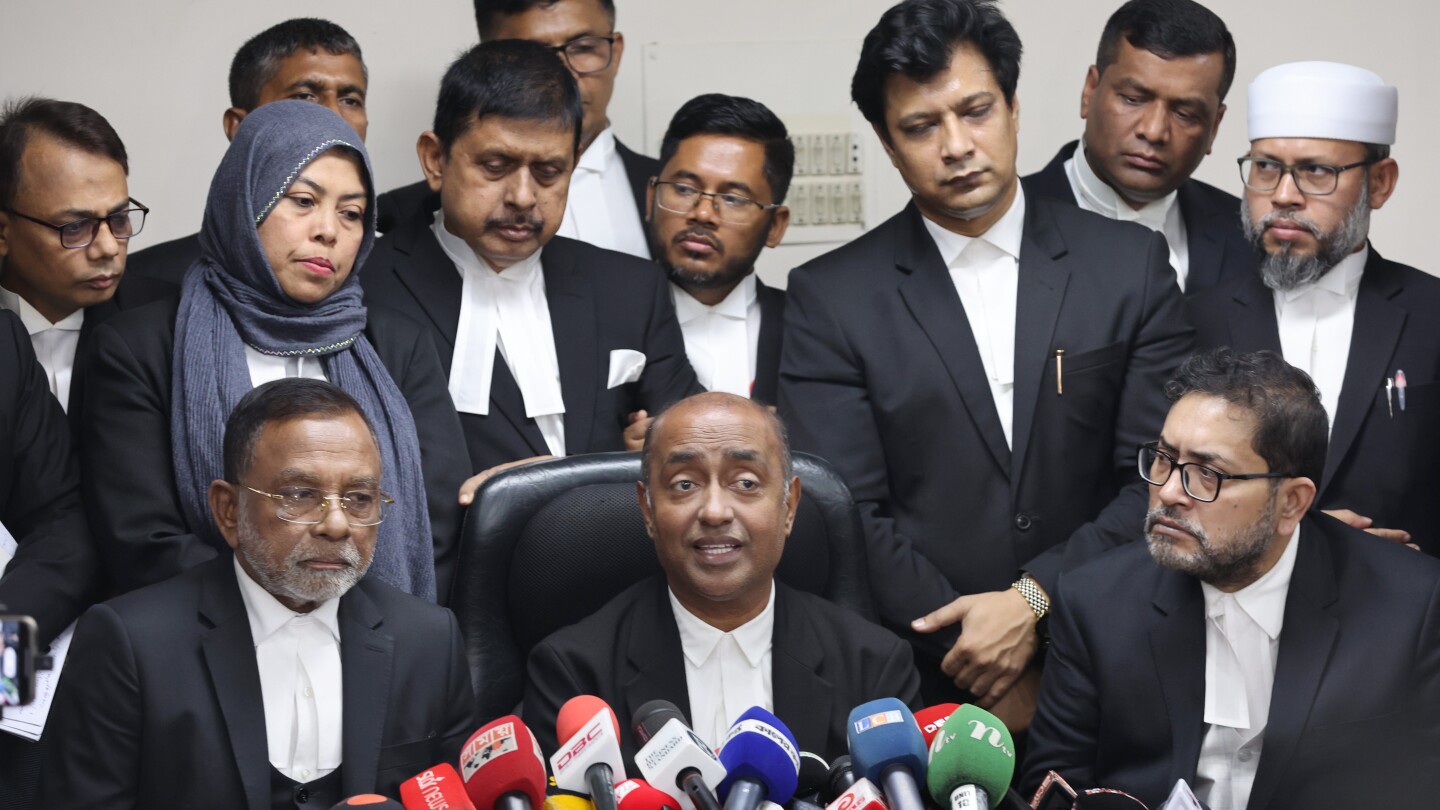
Bangladesh Supreme Court restores nonpartisan caretaker system but not for next elections
In a landmark decision on Thursday, Bangladesh’s Supreme Court reinstated the nonpartisan caretaker government system for national elections, a move hailed as a step toward ensuring electoral fairness. However, the ruling clarified that the system would not apply to the upcoming elections scheduled for early next year. The caretaker system, first introduced in 1996, was widely regarded as a cornerstone of democratic integrity in Bangladesh, a parliamentary democracy of 170 million people. It facilitated two subsequent elections in which retired chief justices led nonpartisan governments, ensuring smooth transitions of power within 90 days. The 2008 elections were also conducted under a former central bank governor. Despite its initial success, the system was abolished in 2011 under then-Prime Minister Sheikh Hasina, following political disputes. Critics accused Hasina of manipulating future elections, a claim underscored by the controversial 2014, 2018, and 2024 elections, which were marred by allegations of credibility issues. The Bangladesh Nationalist Party (BNP), led by Hasina’s rival Khaleda Zia, boycotted the 2014 and 2024 polls, demanding the restoration of the caretaker system. The Supreme Court’s unanimous ruling on Thursday addressed two appeals and four petitions seeking a review of the 2011 verdict. The court stated that the caretaker system would be reinstated for the 14th national election since Bangladesh’s independence in 1971 but would not affect the 13th post-independence vote, which will be overseen by the interim government led by Nobel Peace Prize laureate Muhammad Yunus. Attorney General Mohammed Asaduzzaman praised the decision, calling it a milestone for Bangladesh’s democracy. Meanwhile, the BNP welcomed the ruling, with party leader Amir Khasru Mahmud Chowdhury describing it as the dawn of a new era. The decision comes amid a turbulent political climate, with Hasina in exile in India following her ousting in August 2024 and subsequent death sentence for crimes against humanity. Analysts warn that Bangladesh faces a challenging path ahead as it navigates this critical juncture under Yunus’s leadership.
-
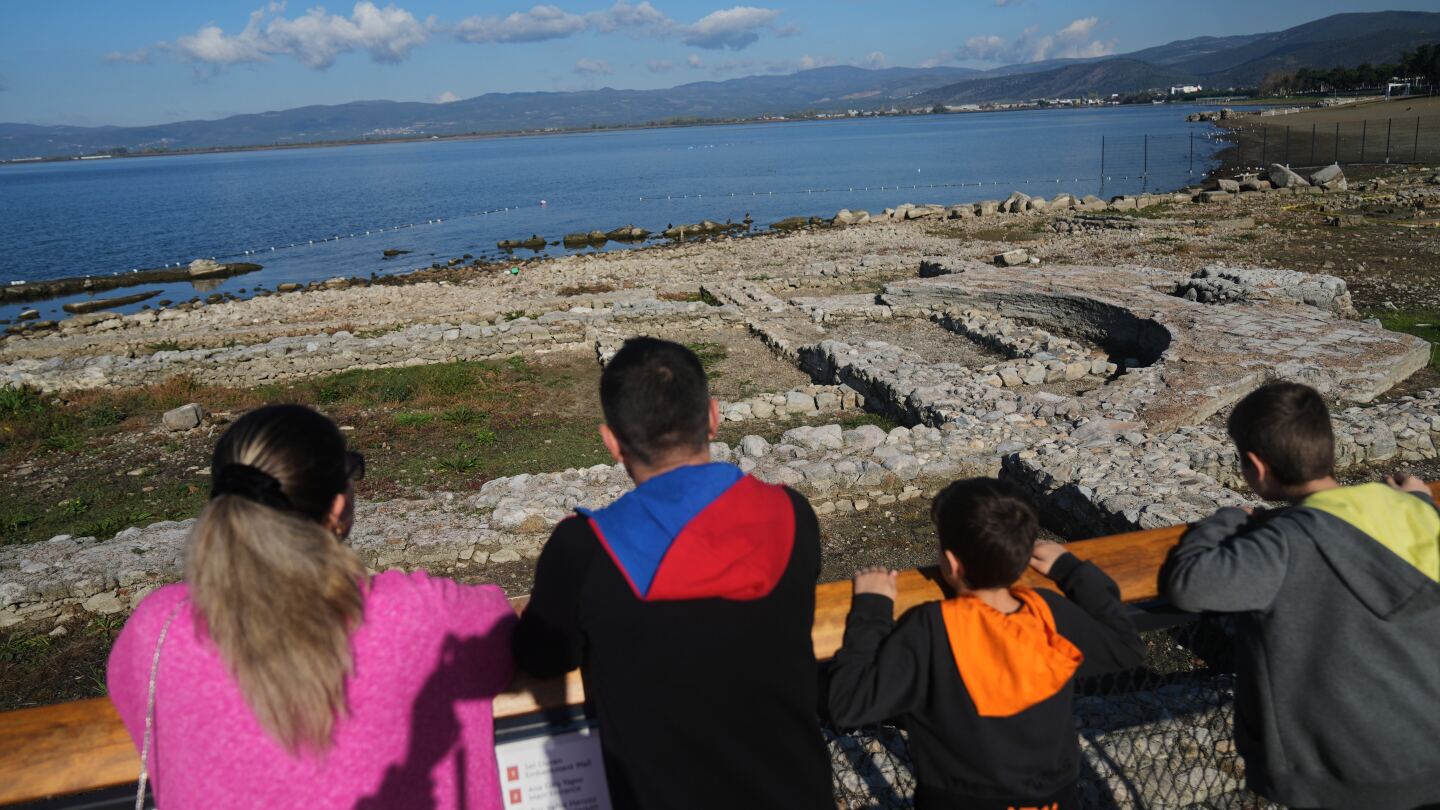
1,700 years ago, bishops and an emperor wrote a creed. Millions still recite it in church
The Council of Nicaea, convened 1,700 years ago in present-day Turkey, remains a cornerstone of Christian history, symbolizing both unity and division within the faith. This historic gathering, orchestrated by Roman Emperor Constantine in 325 AD, produced the Nicene Creed, a foundational statement of Christian belief still recited by millions worldwide. Pope Leo XIV’s visit to the site on November 28, as part of his first major foreign trip, underscores its enduring significance. The council marked the first ecumenical meeting of bishops, addressing theological disputes, particularly the “Trinitarian Controversy,” which centered on the relationship between God the Father and Jesus the Son. Despite later schisms, the Nicene Creed remains a unifying document for Catholic, Orthodox, and most Protestant denominations. The anniversary has been commemorated globally, with events ranging from the World Council of Churches’ celebration in Egypt to local gatherings in the U.S. The council’s legacy, however, is complex. While it achieved theological compromise, it also institutionalized antisemitism and failed to permanently resolve doctrinal conflicts. Arius, whose teachings were condemned at Nicaea, later regained influence, and debates persisted for generations. Subsequent councils, such as the one in Constantinople in 381, expanded the creed, but divisions continued, including the Great Schism between the Catholic and Eastern Orthodox churches in the 11th century. Despite these fractures, the anniversary serves as a reminder of Christianity’s call to unity, offering hope for reconciliation in a divided church.
-
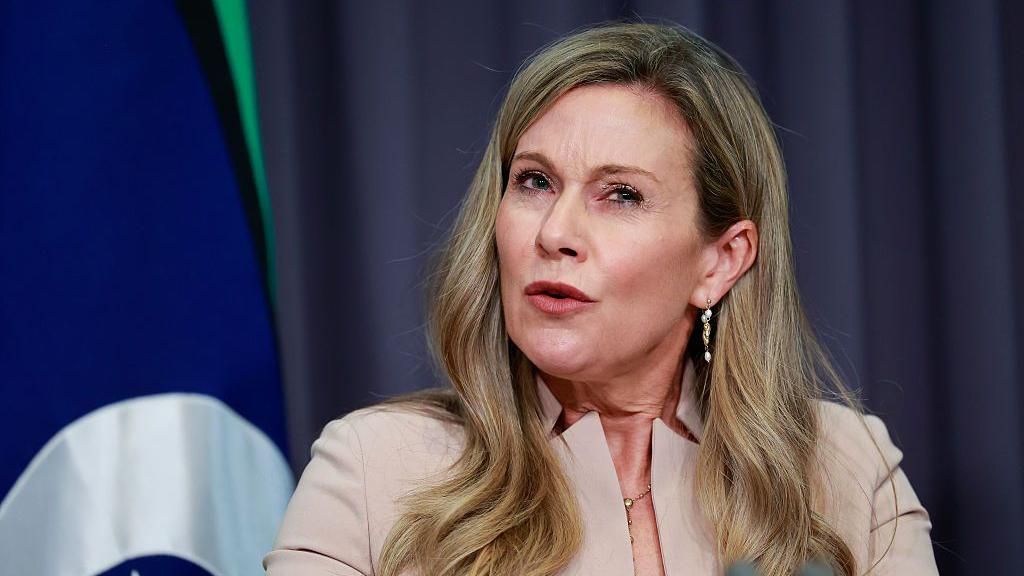
US congress calls Australia’s internet regulator to testify
Australia’s eSafety Commissioner, Julie Inman Grant, is under scrutiny from US Republican Congressman Jim Jordan, who has requested her testimony before the US Congress. Jordan, chair of the Committee of the Judiciary, expressed concerns that Australia’s Online Safety Act (OSA) enforcement is impinging on free speech in the United States. In a letter to Inman Grant, Jordan criticized her as a ‘noted zealot for global takedowns’ and accused her of overreaching by applying Australian laws extraterritorially, which he claims threatens American citizens’ speech rights. He has demanded her appearance by December 2, just before Australia’s social media ban for under-16s takes effect. A spokesperson for Inman Grant stated that she is considering the request, emphasizing that her role is to enforce Australian laws and that she is accountable to Australia’s Minister for Communications and Parliament. The spokesperson also clarified that eSafety’s actions do not restrict American companies from displaying content to Americans. Jordan’s letter referenced Inman Grant’s past legal actions against Elon Musk’s X platform, where she sought the removal of videos depicting a Sydney church stabbing, deemed a terrorist incident, from global users. Although X initially refused to comply, it later blocked the videos in Australia. Jordan also accused Inman Grant of collaborating with pro-censorship entities in the US to promote ‘global censorship regimes’ and criticized her speech at Stanford University, labeling it as ‘troubling’ and indicative of efforts to censor lawful American speech. He warned that such global content takedown orders could set a dangerous precedent for other governments to follow.
-
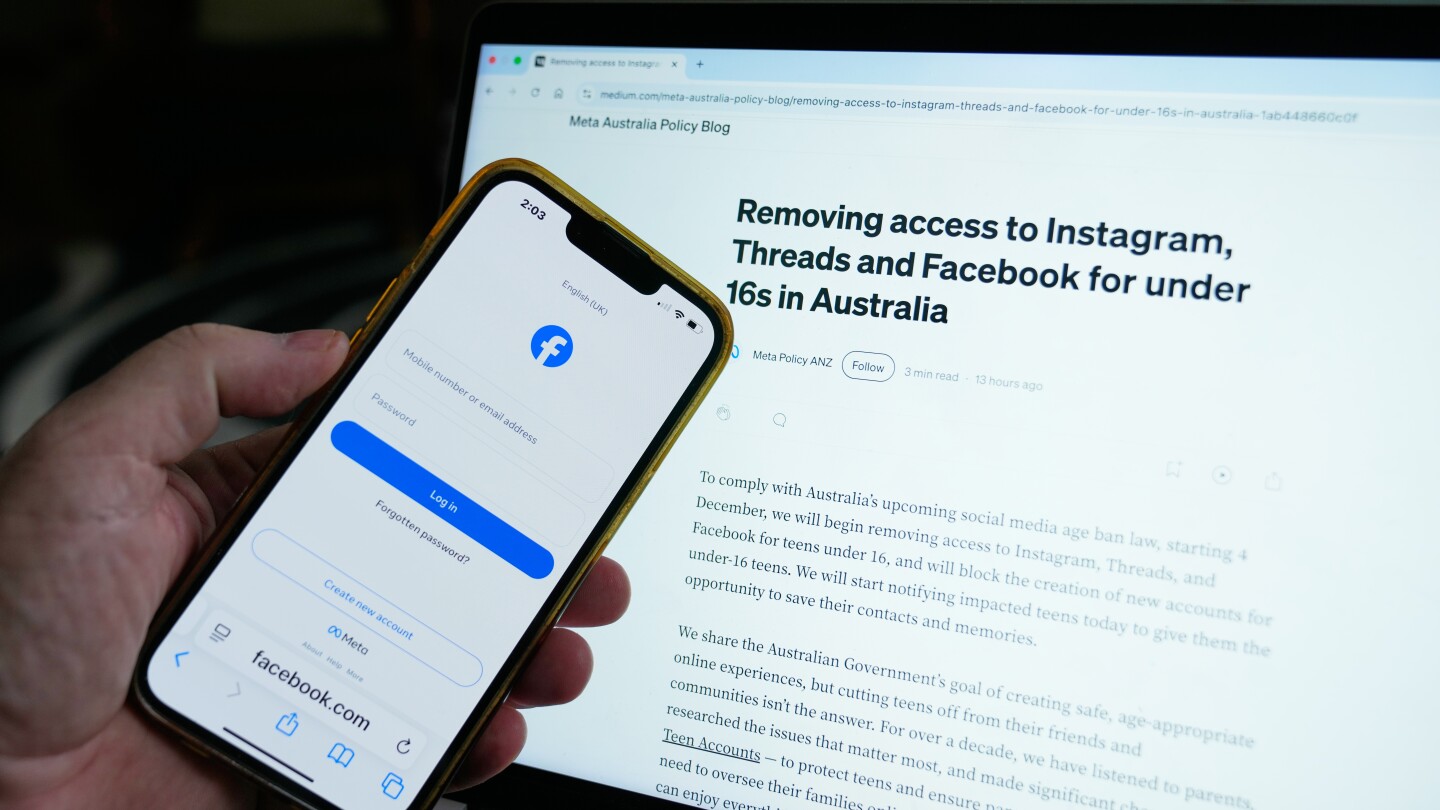
Meta alerts young Australians to download their data before a social media ban
In a landmark move, Meta has begun notifying thousands of young Australians to download their digital histories and delete their accounts from Facebook, Instagram, and Threads. This action precedes the enforcement of Australia’s pioneering social media ban on accounts of children under 16, set to take effect on December 10. The Australian government recently mandated that major platforms, including Meta’s trio, Snapchat, TikTok, X, and YouTube, implement measures to exclude users below the age of 16. Meta, headquartered in California, has emerged as the first tech giant to outline its compliance strategy. Starting December 4, suspected underage users will be denied access, with Meta issuing warnings via SMS and email. The company has advised young users to utilize the notice period to save their data and update contact details for future account recovery. Meta estimates that 350,000 Australians aged 13-15 are on Instagram, with an additional 150,000 on Facebook. For those mistakenly flagged, Meta offers age verification through Yoti, requiring government-issued IDs or a ‘video selfie.’ However, experts like Terry Flew of Sydney University caution that facial-recognition technology has a failure rate of at least 5%. The government has warned platforms against imposing blanket age verification, emphasizing that they already possess sufficient data to identify underage users. Non-compliance could result in fines up to AUD 50 million (USD 32 million). Meta’s Antigone Davis advocates for a standardized, privacy-preserving age verification system at the OS/app store level, arguing it would offer more comprehensive protection. Meanwhile, Dany Elachi of the Heaps Up Alliance, a parents’ group that lobbied for the ban, urges parents to help their children reallocate time previously spent on social media. Despite some reservations about the legislation’s implementation, Elachi supports the principle that children under 16 are better off engaging with the real world.
-
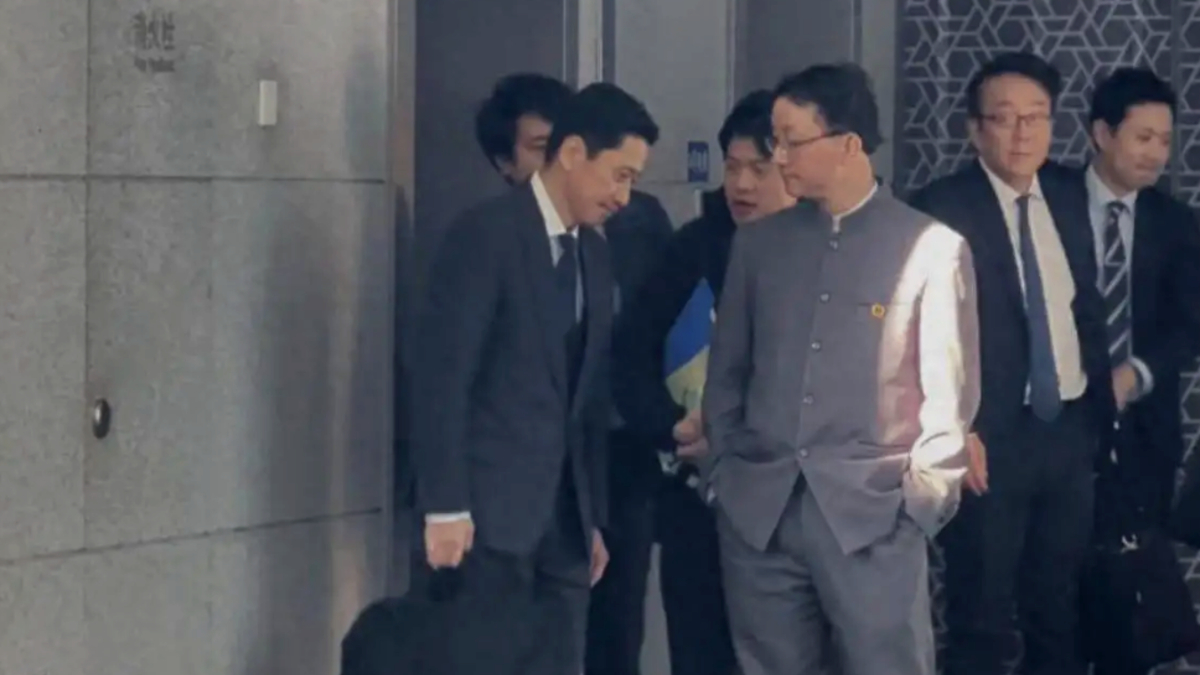
China’s economic retaliation against Takaichi is just beginning
The diplomatic relationship between China and Japan has taken a sharp turn towards confrontation following provocative remarks by Japanese Prime Minister Sanae Takaichi regarding Taiwan. In response, Chinese analysts and policymakers have proposed stringent measures against Japan, including banning exports of rare earths and halting imports of Japanese seafood and agricultural products. Gao Zhikai, a prominent Chinese academic and former diplomat, suggested these measures in a social media video, emphasizing the need for a robust response to Japan’s pro-Taiwan stance. Gao also recommended canceling visa-free arrangements for Japanese passport holders and barring entry to those who visited the controversial Yasukuni Shrine in the past year. These proposals have already begun to materialize, with China suspending imports of Japanese aquatic products and terminating bilateral consultations on Japanese beef exports. The rare earths issue is particularly critical, as Japan relies heavily on China for these materials, essential for its high-tech industries. The situation has been further exacerbated by China’s issuance of travel advisories and study-abroad alerts, citing deteriorating security conditions in Japan. The economic impact is significant, with Chinese travel platforms canceling hundreds of thousands of tickets to Japan, leading to substantial revenue losses for Japanese businesses. The tensions stem from Takaichi’s recent comments on Taiwan, which Beijing views as a direct challenge to its sovereignty. China has warned of severe consequences if Japan intervenes militarily in the Taiwan Strait, with state media highlighting the risks of a hostile security environment and international criticism. Despite diplomatic efforts to stabilize ties, including a recent meeting between officials from both countries, progress has been minimal. The situation remains volatile, with both nations standing firm on their positions.
-
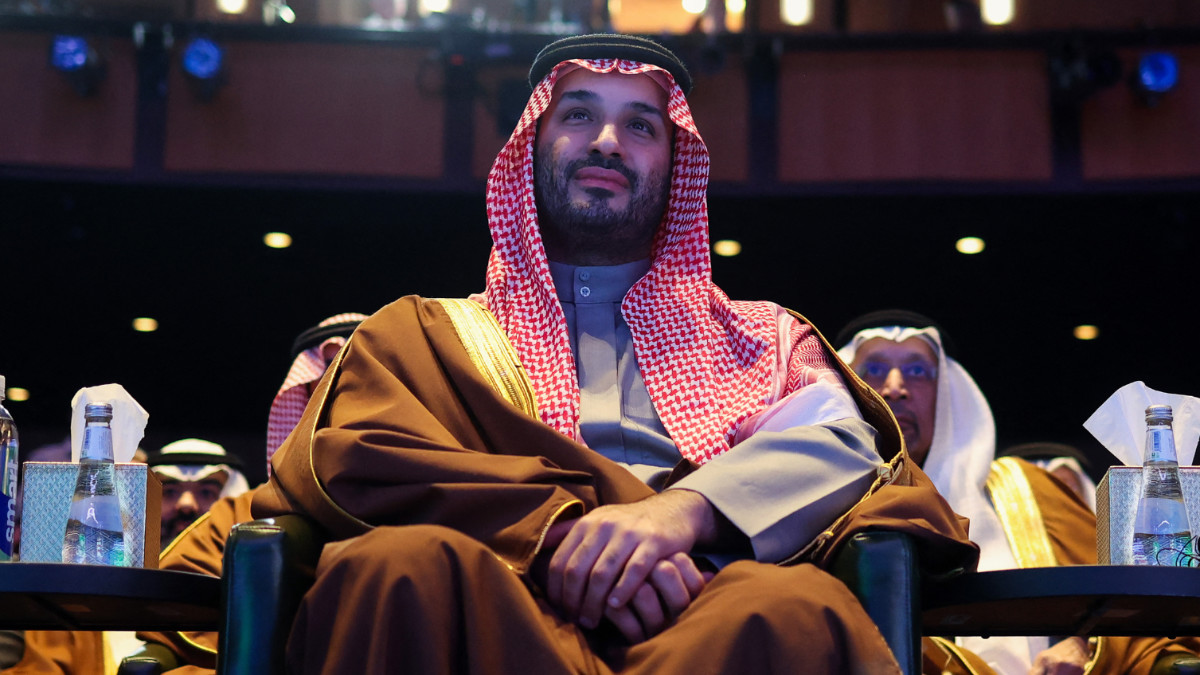
These were the major deals signed by Saudi crown prince on his US visit
In a landmark series of agreements, the United States and Saudi Arabia have solidified a robust economic partnership, with deals worth hundreds of billions of dollars announced during Crown Prince Mohammed bin Salman’s visit to Washington. President Donald Trump revealed that $270 billion in new investment deals were signed, while Saudi state media reported an even higher figure of $557 billion. These agreements span various sectors, including technology, rare earth minerals, and energy, underscoring the deepening ties between the two nations.
Among the most notable deals is a joint venture between MP Materials, a US-based rare earths company, and Saudi Arabian Mining Company (Maaden). The partnership aims to establish a refinery in Saudi Arabia to process rare earth minerals, critical for advanced technologies. The US Department of War is financing the American contribution to this venture, highlighting the strategic importance of reducing reliance on China, which dominates global rare earth refining.
In the tech sector, Elon Musk’s xAI announced a collaboration with Saudi Arabia’s state-owned AI company, Humain, to develop a network of GPU data centers, including a massive 500-megawatt facility. Humain also secured partnerships with AMD, Cisco Systems, and Amazon to expand its data center capacity, positioning Saudi Arabia as a global hub for AI infrastructure. The kingdom’s competitive electricity prices, driven by its abundant fossil fuel and solar energy reserves, make it an attractive location for energy-intensive data centers.
Additionally, Saudi Aramco, the kingdom’s state-owned oil giant, signed 17 preliminary agreements with US companies, potentially worth over $30 billion. These deals span sectors such as liquefied natural gas, financial services, and advanced materials manufacturing, further cementing Saudi Arabia’s role as a key player in global energy markets.
While the scale of these agreements is impressive, questions remain about the distinction between pledges and actual financial commitments. Nevertheless, the deals reflect a concerted effort by both nations to strengthen economic and technological cooperation, with Saudi Arabia leveraging its sovereign wealth fund and strategic resources to attract global investments.
-

A corruption scandal pressures Ukraine’s Zelenskyy to show greater accountability
Ukrainian President Volodymyr Zelenskyy is under increasing pressure to demonstrate accountability as a corruption scandal threatens to destabilize his government amidst the ongoing war with Russia. The scandal, involving the embezzlement of $100 million from Ukraine’s energy sector, has led to the dismissal of two top officials and sanctions on close associates. However, these actions have failed to quell public outrage, particularly as Ukrainians endure frequent power outages caused by Russian bombardments. Calls are growing for the resignation of Zelenskyy’s chief of staff, Andrii Yermak, who is seen as a central figure in the administration. While neither Zelenskyy nor Yermak have been directly implicated, critics argue that senior leaders must be held accountable to restore public trust and maintain credibility with Western allies. The scandal has intensified scrutiny of Ukraine’s long-standing corruption issues, which Zelenskyy had pledged to eradicate when elected in 2019. Despite the political storm, Zelenskyy has not yet decided to dismiss Yermak, whose influence in the administration remains significant. The situation highlights the delicate balance Zelenskyy must strike between addressing internal corruption and maintaining focus on the war effort.
-

Dubai: Voting opens for Globe Soccer Awards with Dembélé, Ronaldo nominated
The 16th edition of the prestigious Globe Soccer Awards is set to take place on December 28, 2025, at the luxurious Atlantis The Royal hotel on Palm Jumeirah in Dubai. Football enthusiasts worldwide are invited to participate in the voting process, which opened on November 20 and will continue until November 27 for nine of the 15 award categories. A second round of voting will run from December 3 to 11, with final winners determined by a combination of fan votes and the esteemed Globe Soccer Jury, featuring football legends like Marcello Lippi, Francesco Totti, Iker Casillas, and Luis Figo.
Paris Saint-Germain (PSG) dominates the nominations following their stellar 2024-2025 season, which saw them clinch the Uefa Champions League, Super Cup, Ligue 1, and Coupe de France. The club is vying for the Best Men’s Club award, while manager Luis Enrique and sporting director Luís Campos are shortlisted for Best Coach and Best Sporting Director, respectively. Eight PSG players, including Ousmane Dembélé and Gianluigi Donnarumma, are nominated for Best Men’s Player, alongside other football giants like Vinícius Júnior, Kylian Mbappé, and Mohamed Salah.
In the women’s categories, Barcelona Femení and Spain midfielder Aitana Bonmatí aims for a third consecutive Best Women’s Player award. She is joined by teammates and England’s Uefa Women’s Euro 2025 champions on the shortlist. Arsenal, the Uefa Women’s Champions League winners, are among the contenders for Best Women’s Club.
Cristiano Ronaldo, representing Portugal and Al-Nassr, is nominated for Best Middle East Player, competing against Salem Al-Dawsari, Karim Benzema, and others. The event promises to celebrate the finest talents in global football, with fans playing a pivotal role in deciding the winners.
-
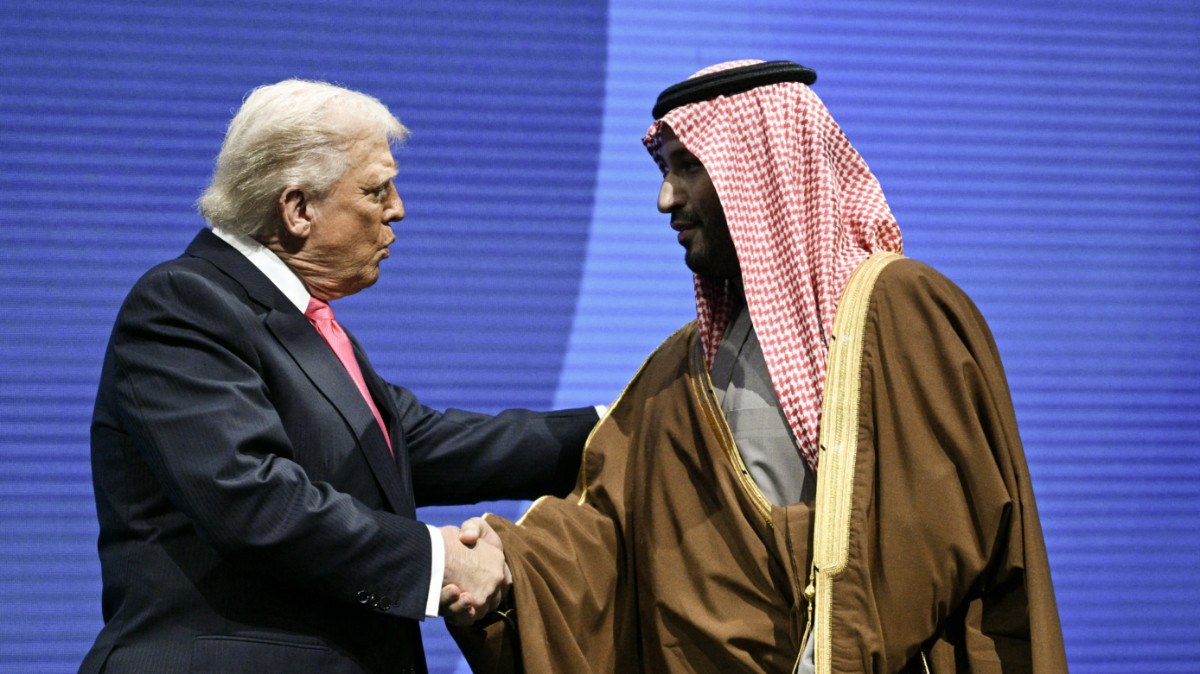
Trump says he will intervene in Sudan war at Saudi leader’s request
In a significant diplomatic development, former U.S. President Donald Trump has announced his intention to intervene in Sudan’s ongoing civil war, following a direct appeal from Saudi Crown Prince Mohammed bin Salman. The decision, confirmed during a U.S.-Saudi investment conference, aligns with an exclusive report by Middle East Eye (MEE) that Riyadh had planned to lobby Trump for involvement in the conflict. Trump described the war as ‘crazy and out of control,’ emphasizing the importance of addressing the crisis at the Saudi leader’s request. The move comes amid rising tensions between Saudi Arabia and the United Arab Emirates (UAE), which has been accused of supporting the paramilitary Rapid Support Forces (RSF) in Sudan. Trump’s intervention marks a potential shift in U.S. foreign policy towards the region, as the conflict has escalated into one of the world’s most severe humanitarian crises. U.S. Secretary of State Marco Rubio has also condemned the RSF’s supporters, hinting at increased pressure on the UAE. The war, which began in April 2023, pits the Sudanese Armed Forces (SAF) against the RSF, with both sides receiving external backing. Saudi Arabia has positioned itself as a mediator, though sources suggest Riyadh favors the SAF for perceived stability. The UAE, meanwhile, denies allegations of supplying weapons to the RSF, despite evidence to the contrary. Trump’s involvement could reshape the dynamics of the conflict and its regional implications.