作者: admin

  • Pooled efforts expected to deepen reforms in Hong Kong with new legislature elected

    Pooled efforts expected to deepen reforms in Hong Kong with new legislature elected

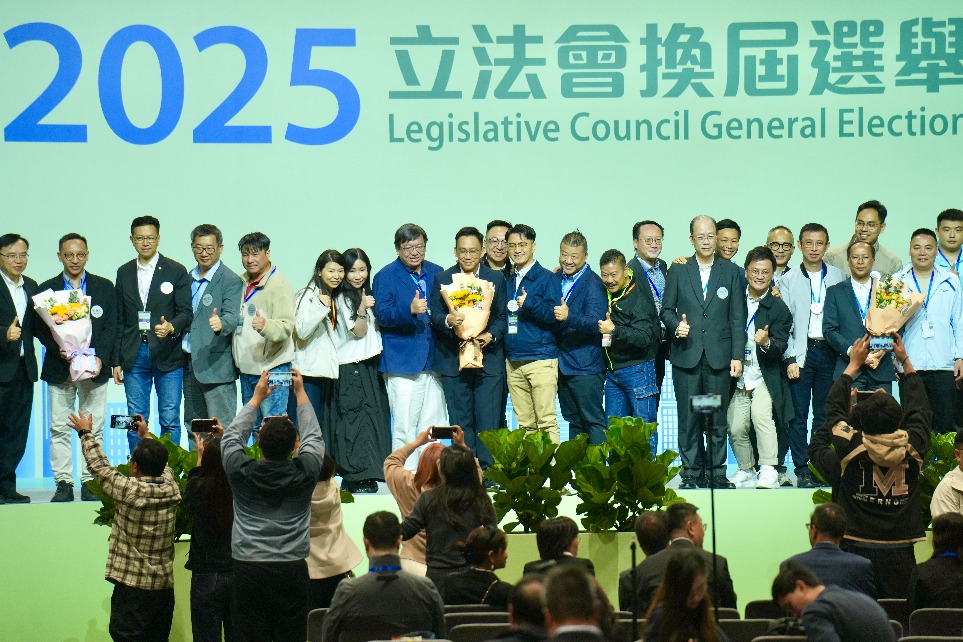
    Hong Kong has successfully concluded elections for its eighth-term Legislative Council (LegCo), with all 90 seats officially confirmed in the early hours of Monday, December 8, 2025. This electoral process marks the second legislative election conducted under the reinforced “patriots administering Hong Kong” principle and the territory’s revamped electoral framework.

    The polling occurred amidst challenging circumstances, following closely after the devastating Tai Po residential complex fire that claimed numerous lives less than two weeks prior. Despite this tragedy, the electoral proceedings advanced without disruption, demonstrating Hong Kong’s institutional resilience.

    Chief Executive John Lee characterized the election’s successful execution as a testament to Hong Kong’s steadfast commitment to constitutional order and legal governance. He highlighted the campaign’s notably elevated standards, with candidates participating in 39 public forums that fostered substantive policy discussions rather than partisan conflicts.

    “The newly elected legislators will collaborate closely with our administration to deepen structural reforms and shape our collective future,” Lee stated. He specifically emphasized the legislature’s crucial role in addressing post-fire recovery needs through legislative updates and systemic improvements aimed at enhancing urban safety.

    Reelected legislator Tang Fei shared insights from his grassroots campaign, noting: “My engagements with educational professionals revealed tremendous dedication. I am committed to amplifying their voices and driving meaningful improvements in our education system.

    China’s Liaison Office in Hong Kong applauded the electoral outcome, describing it as validation of the “one country, two systems” framework’s effectiveness and the superior nature of the updated electoral mechanisms. The office emphasized the election’s significance for Hong Kong’s governance optimization and sustained prosperity.

    Simultaneously, the Office for Safeguarding National Security addressed external interference attempts, noting that certain foreign elements and anti-China factions had sought to exploit the Tai Po tragedy for destabilization purposes. The office unequivocally stated that such efforts had proven futile against Hong Kong’s electoral integrity.

    Both central government offices reaffirmed their unwavering support for Hong Kong’s lawful governance and continued development, underscoring their commitment to the region’s long-term stability and security.

  • AI seen boosting Asian GDP

    AI seen boosting Asian GDP

    A new economic forecast from Japanese investment bank Nomura indicates artificial intelligence will serve as a primary catalyst for economic expansion across the Asia-Pacific region through 2026. The bank’s Asia Macro Outlook 2026 report projects regional GDP growth of 3.7% by end-2025, followed by 3.6% expansion in 2026, driven substantially by robust global demand for computing infrastructure and semiconductor components.

    Rob Subbaraman, Nomura’s head of global macro research, characterized 2026 as a period that will ‘shine a brighter light on Asia’ during a Hong Kong press briefing. He highlighted that Asia’s strong economic fundamentals would attract increased capital inflows amid growing global investment diversification trends. However, Subbaraman emphasized significant regional variations, noting that ‘2026 is also a year of differentiation’ across Asian economies.

    According to Sonal Varma, Nomura’s chief economist for India and Asia ex-Japan, technology exports are poised to accelerate substantially, primarily fueled by sustained spending from cloud service providers. ‘AI demand will remain quite strong,’ Varma stated, indicating this trend would prove ‘fairly positive for the big tech exporters in the region.’ The report specifically identifies Malaysia, Singapore, and South Korea as likely outperformers benefiting most from the AI boom.

    The outlook remains positive for Japan, where a recently announced ¥21.3 trillion stimulus package is expected to boost consumer spending. Nomura also anticipates a forthcoming US-India trade agreement that would support India’s 2026 growth trajectory.

    Euben Paracuelles, Nomura’s chief economist for Southeast Asia, presented a ‘very bifurcated outlook’ for the subregion. While expressing bullish sentiment toward Malaysia and Singapore’s growth prospects, he projected disappointing performance from Indonesia, Thailand, and the Philippines. Paracuelles cited political uncertainty in Thailand and the Philippines, alongside a corruption scandal affecting flood control projects in the latter, as factors constraining fiscal spending and GDP growth.

    The analysis further noted that structural reforms and AI-related demand would continue benefiting Singapore and Malaysia, with major initiatives like the Johor-Singapore Special Economic Zone boosting construction and investment activity. While ASEAN members attempt to mitigate global economic uncertainty through enhanced intra-regional trade, Nomura expressed skepticism about the bloc’s ability to overcome existing trade barriers based on historical performance.

  • Nanfeng mandarins of Jiangxi are going global

    Nanfeng mandarins of Jiangxi are going global

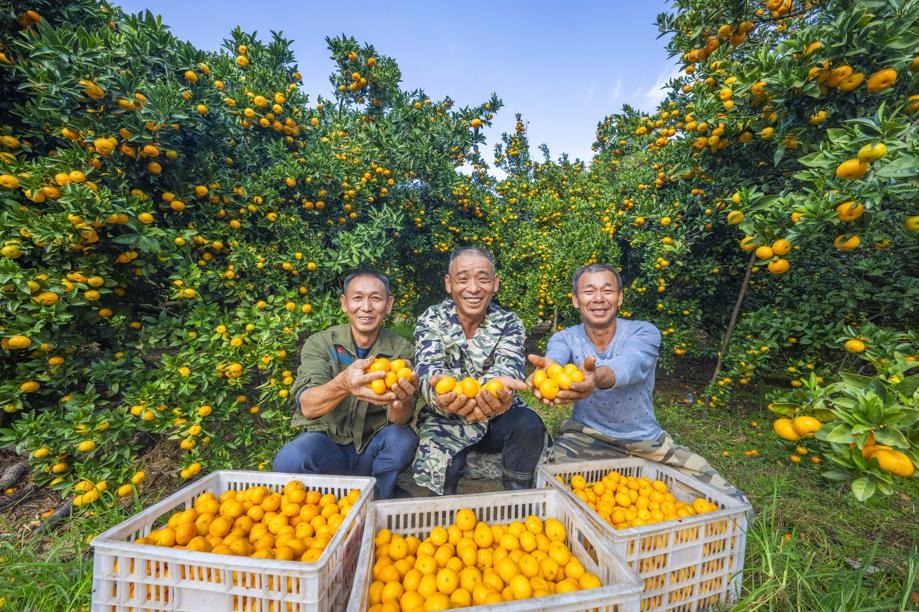
    NANFENG COUNTY, China – As the peak harvest season culminates in Jiangxi province, agricultural authorities project a record-breaking yield of approximately 300,000 metric tons of Nanfeng mandarins. This exceptional harvest from the renowned citrus-growing region signals both robust domestic production and expanding international influence for this distinctive fruit variety.

    Cultivated across 14,700 hectares in Nanfeng county within Fuzhou city, these mandarins have achieved legendary status for their exceptional qualities: remarkably thin skin, abundant juiciness, and intense sweetness. The fruit’s prestige traces back to the Tang Dynasty (618-907 AD), when they were exclusively selected as imperial tribute for royal households, establishing their historical significance in Chinese agriculture.

    Contemporary agricultural exporters have successfully transformed this historical legacy into global commercial success. According to official trade data from Fuzhou Customs, local producers have strategically expanded their international footprint, now distributing to over 40 countries and regions worldwide. Key export markets include Southeast Asian nations and European Union countries, demonstrating the fruit’s cross-cultural appeal.

    The January-November 2025 export statistics reveal substantial growth: 66,000 tons of Nanfeng mandarins valued at 410 million yuan (approximately $58 million) passed through customs supervision. This export performance highlights the fruit’s increasing competitiveness in international produce markets and the effectiveness of China’s agricultural export strategies.

    The global distribution of Nanfeng mandarins represents more than mere commercial achievement—it signifies the successful internationalization of a historically significant agricultural product while maintaining its quality standards and cultural heritage. As harvest operations continue, industry observers anticipate further market expansion and potential price premiums for this premium citrus variety in international markets.

  • Seventy percent of Britons say UK should boycott Eurovision over Israel’s participation

    Seventy percent of Britons say UK should boycott Eurovision over Israel’s participation

    A significant majority of the British public supports withdrawing from the 2026 Eurovision Song Contest if Israel is permitted to participate, according to a new poll. The survey, commissioned by senior political advisor Pablo O’Hana, reveals that 82% of Britons believe Israel should be excluded from the competition, while 69% endorse a UK boycott if Israel competes.

    The findings emerge amidst a growing international controversy following the European Broadcasting Union’s (EBU) decision last Thursday to allow Israel’s participation. Ireland, Spain, Slovenia, and the Netherlands have already announced their formal boycott of the event, citing Israel’s military actions in Gaza and allegations of unfair voting practices.

    The poll further indicates that three-quarters of British respondents view the EBU’s contrasting treatment of Russia (banned from previous contests) and Israel as inconsistent. O’Hana commented that the results demonstrate the public views Eurovision as more than mere entertainment, stating: “Eurovision isn’t just about songs and staging – it’s about values.”

    Despite expectations of a contentious vote at the recent EBU general assembly, no formal ballot was taken. The EBU stated that a large majority of members agreed the contest should proceed with “additional safeguards in place.”

    The issue has sparked sharp political divisions within the UK. The BBC, Britain’s public broadcaster, has expressed support for the EBU’s decision. Conversely, the Green Party has called for the UK to join the boycott, arguing the event must not “whitewash Israel’s ongoing genocide in Gaza.” The Conservative Party chairman Kevin Hollinrake maintained Britain should remain a “friend of Israel” and compete.

    The debate intensified with Liberal Democrat leader Ed Davey criticizing the boycotting nations, suggesting that with a ceasefire in Gaza, the action was misguided. This drew fierce criticism from MP Zarah Sultana of the left-wing Your Party, who labeled Davey “spineless” and drew parallels to historical sporting boycotts of apartheid South Africa.

  • Former Peking University vice-president expelled from Party, public office after corruption probe

    Former Peking University vice-president expelled from Party, public office after corruption probe

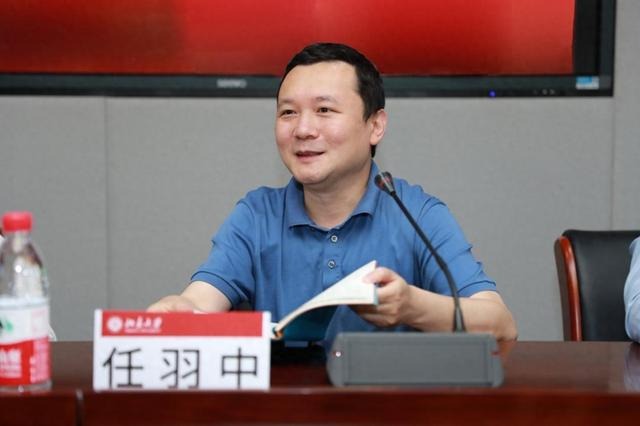
    In a significant demonstration of China’s ongoing anti-corruption campaign, Ren Yuzhong, former vice-president of Peking University, has been permanently expelled from the Communist Party of China and removed from all public offices. The decisive action follows an extensive investigation authorized by the CPC Central Committee and conducted by the nation’s top disciplinary bodies.

    The Central Commission for Discipline Inspection and the National Commission of Supervision announced on Monday that their probe revealed multiple serious violations by the former academic leader. Investigators determined that Ren had systematically abused his influential position for personal enrichment, engaging in illegal acceptance of substantial monetary gifts and valuable property.

    According to official statements, Ren’s misconduct extended across multiple domains of university operations. The investigation documented how he manipulated staff recruitment processes, provided improper advantages in student admissions and employment placements, and violated regulations by holding undisclosed shares in private companies. His actions represented a comprehensive breach of both party discipline and legal boundaries.

    The disciplinary report characterized Ren’s behavior as particularly egregious, noting that he ‘completely ignored disciplinary and legal boundaries’ and ‘showed no restraint’ in his pursuit of personal gain at the institution’s expense. His case has been described as both serious in nature and damaging in its broader impact.

    With his party membership revoked and public office terminated, Ren now faces criminal proceedings. All illicit assets acquired through his misconduct have been confiscated, and judicial authorities will review the evidence for potential prosecution on bribery charges.

    Ren Yuzhong, a 45-year-old native of Sichuan province, had risen through academic ranks to become one of China’s most prominent university administrators. Holding a doctoral degree in law from Peking University, he previously served as head of the university’s Party committee publicity department and acted as institutional spokesperson.

  • Alina Habba resigns after court disqualified her from being New Jersey’s top prosecutor

    Alina Habba resigns after court disqualified her from being New Jersey’s top prosecutor

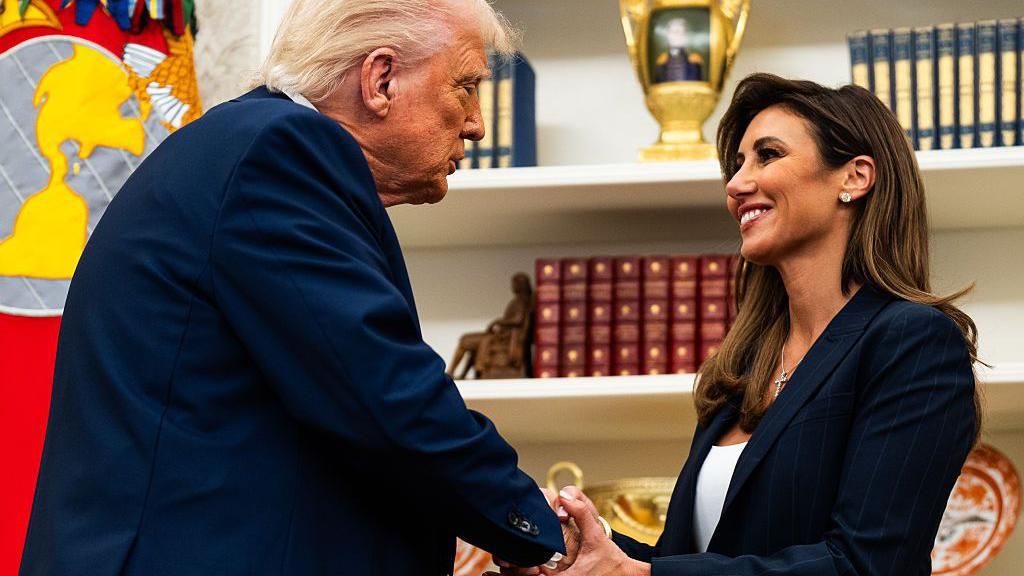
    Alina Habba, previously serving as Donald Trump’s personal attorney, has stepped down from her position as New Jersey’s chief federal prosecutor following a judicial determination that her appointment violated federal statutes. The resignation, accepted by US Attorney General Pam Bondi on Monday, came in response to an appellate court ruling that declared Habba’s service unlawful under the Federal Vacancies Reform Act.

    The judicial panel determined that the Trump administration circumvented constitutional requirements by installing Habba on an acting basis after her formal nomination faced rejection in district court. This procedural bypass eliminated the mandatory Senate confirmation process, creating legal vulnerabilities that affected numerous criminal proceedings throughout the state.

    Attorney General Bondi characterized the court’s decision as “flawed” and acknowledged the resulting environment made effective leadership “untenable.” Despite resigning her prosecutorial role, Habba will maintain influence within the Justice Department as senior adviser to Bondi, with plans to pursue further legal review of the appellate decision.

    In her public statement via social media platform X, Habba framed her departure as a protective measure for “the stability and integrity of the office which I love,” while simultaneously vowing to continue her advocacy nationwide. The former prosecutor notably represented President Trump during his New York criminal trial involving business record falsification, resulting in conviction on 34 counts currently under appeal.

    Bondi publicly defended Habba’s performance, citing a 20% crime reduction in Newark and Camden’s first homicide-free summer in five decades during her tenure. The attorney general further contended that judicial authority should not supersede presidential discretion in selecting prosecutors responsible for executing the executive branch’s law enforcement functions.

    Habba initially joined Trump’s legal team in 2021 following their meeting at his Bedminster golf club, later earning his designation as prospective presidential counsellor for a potential second administration due to her “unwavering loyalty” and advocacy.

  • Artform that binds China and Vietnam gets Shanghai showing

    Artform that binds China and Vietnam gets Shanghai showing

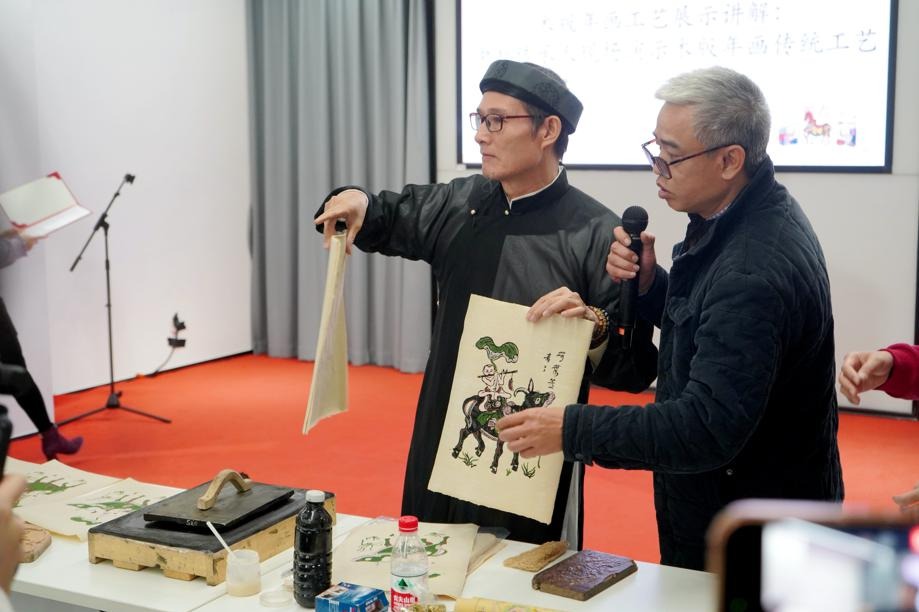
    Shanghai’s East China Normal University is currently hosting a groundbreaking cultural exhibition featuring over 100 traditional New Year paintings from China and Vietnam. The showcase, running through January 7, highlights the shared artistic heritage between the two neighboring nations through the vibrant medium of nianhua (New Year woodprint pictures).

    This comprehensive display primarily consists of woodblock prints recognized by UNESCO as part of China’s inaugural national intangible cultural heritage list in 2006. These traditional artworks employ centuries-old printing techniques to depict auspicious symbols and celebratory themes that embody collective aspirations for prosperity and happiness.

    The exhibition demonstrates how this distinctive folk art form has flourished across various regions of China while simultaneously exerting substantial cultural influence throughout Southeast Asia. Vietnam, sharing a border with China, has emerged as a particularly significant hub for the preservation and practice of this traditional art, developing its own distinctive variations while maintaining the core techniques and symbolic language.

    Cultural experts note that the parallel development of New Year paintings in both countries represents a fascinating case study in cross-cultural artistic exchange. The artworks serve as both decorative items during lunar new year celebrations and as cultural artifacts carrying deep symbolic meaning related to family values, agricultural cycles, and spiritual beliefs.

    The university’s decision to host this bilateral exhibition reflects growing academic interest in the comparative study of traditional art forms across national boundaries. Visitors can observe firsthand the technical similarities and stylistic variations that have developed in different regional centers of woodblock printing throughout China and Vietnam.

    This cultural initiative comes amid increased focus on preserving traditional folk arts in both countries, where modernization has threatened the continuity of many ancient crafts. The exhibition includes workshops and demonstrations by master artisans to educate the public about the intricate process of creating these colorful woodprints, from carving to printing to hand-coloring.

  • Pets given pride of place at Jilin cinema

    Pets given pride of place at Jilin cinema

    A cinema in Changchun, Jilin province has launched an innovative pet-friendly viewing experience, allowing movie enthusiasts to enjoy films alongside their animal companions. The special screening of Disney’s animated sequel Zootopia 2 marked a significant departure from traditional cinema protocols, creating a unique social experience for pet owners.

    The theater implemented comprehensive modifications to accommodate its four-legged guests. Technical adjustments included softened lighting and reduced sound levels to ensure animal comfort during the presentation. The venue further enhanced the experience by providing specialized amenities including plush pet cushions and absorbent diapers, addressing both comfort and practical concerns for pet owners.

    This initiative represents a growing trend in consumer entertainment experiences that recognize pets as family members. The carefully curated environment allowed both humans and animals to enjoy the cinematic experience without the stress typically associated with bringing pets into public venues. Local residents responded enthusiastically to the opportunity, with many attending the special screening as a novel family activity.

    The cinema’s management demonstrated how commercial establishments can adapt their services to evolving consumer expectations regarding pet inclusion in public spaces. This experimental approach to entertainment could potentially influence how other public venues consider pet accommodation policies in the future.

  • Why some African countries are prone to military takeovers

    Why some African countries are prone to military takeovers

    DAKAR, Senegal — West Africa finds itself trapped in a disturbing cycle of military interventions, with Benin becoming the latest nation to experience an attempted coup this Sunday. Soldiers briefly appeared on state television claiming power, only to have President Patrice Talon announce the thwarting of their efforts hours later. This incident follows closely on the heels of Guinea-Bissau’s recent military takeover after a contentious presidential election.

    Since 2020, an alarming pattern has emerged across the continent with nine African nations experiencing successful or attempted coups. Analysis reveals this trend stems from compounding factors including deteriorating socioeconomic conditions, institutional fragility, and widespread dissatisfaction with civilian governments’ handling of security challenges.

    Beverly Ochieng of Control Risks Group explains: “Throughout West Africa, where military forces maintain significant political involvement, persistent crises like insurgencies and economic hardships frequently motivate soldiers to intervene when they perceive civilian leadership as ineffective.”

    The phenomenon extends beyond West Africa. Madagascar witnessed military leaders assuming control in October following youth-led demonstrations demanding President Andry Rajoelina’s resignation. Similarly, Gabon’s oil-rich government was toppled in 2023 when soldiers deposed long-ruling President Ali Bongo immediately after his contested electoral victory.

    Chad, Guinea, Sudan, Mali, Burkina Faso, and Niger have all experienced military takeovers in recent years. The Sahel region nations particularly struggle with extremist violence, with juntas often justifying their actions as necessary measures to restore security.

    A striking pattern emerges in the colonial origins of affected nations. With exceptions including former British colony Sudan and Portuguese-colonized Guinea-Bissau, most recent coups have occurred in former French territories.

    Bakary Sambe of the Timbuktu Institute notes: “Francophone Africa’s political systems, heavily influenced by France’s centralized presidential model combined with ongoing economic dependence, create conditions ripe for military intervention. Weak governance, corruption, and ineffective response to jihadist threats provide fertile ground for armies positioning themselves as national saviors.”

    Conversely, former British colonies generally demonstrate greater stability. Sambe attributes this to “more decentralized institutions, diversified economies, and reduced external monetary control” inherited from British colonial administration.

    Ochieng further elaborates: “Anglophone African nations typically maintain clearer separation between military, executive, and judicial powers. This institutional distinction creates more stable democratic transitions and reduces confusion about authority structures.”

    As military rulers increasingly participate in elections themselves—as seen in Guinea where coup leader Mamady Doumbouya plans to run for presidency—the region faces fundamental questions about democratic consolidation and civilian governance.

  • What happened to all the US liquor Canada pulled off the shelves?

    What happened to all the US liquor Canada pulled off the shelves?

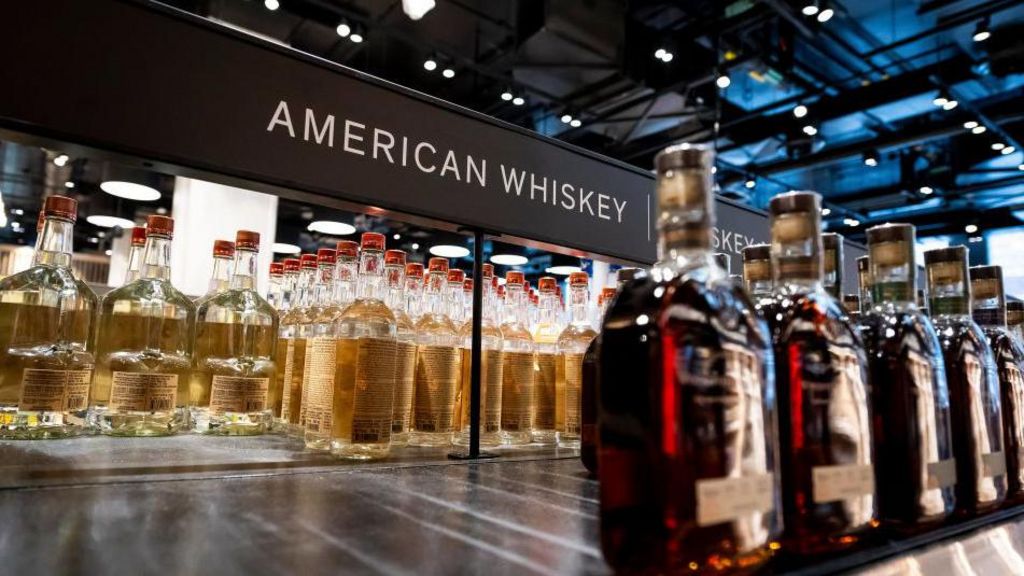
    A substantial inventory of American alcohol worth millions of dollars remains stranded across Canadian provincial warehouses, creating an unprecedented logistical challenge following a nationwide boycott initiated in February. The trade protest against US tariffs has left provincial governments grappling with disposal strategies for premium spirits and wines, with only Alberta and Saskatchewan continuing normal sales of American products.

    Ontario faces the most significant predicament with approximately C$80 million ($57.7 million) in shelved inventory, including products approaching expiration. Finance Minister Peter Bethlenfalvy confirmed the province will maintain its boycott until securing “a tariff-free deal or low-tariff deal” with the US, noting that less than C$2 million of their stockpile faces imminent expiration.

    Several provinces have implemented charitable solutions for their surplus. Nova Scotia and Manitoba collectively committed to selling C$17.4 million worth of remaining inventory, with proceeds designated for local food banks and charitable organizations. Nova Scotia reported unusually strong sales since restocking shelves last week, with Kentucky bourbon emerging as the top-selling product.

    Quebec initially contemplated destroying C$300,000 of expiring products but reversed course following public criticism, opting instead to donate soon-to-expire liquor to charity events and hospitality schools. British Columbia adopted an alternative approach, diverting its inventory to restaurants and bars rather than retail consumers.

    The alcohol boycott originated in February as a retaliatory measure against Trump administration tariffs on Canadian metals, lumber, and automotive products. While most tariffs were exempted under existing trade agreements, sector-specific levies remained, triggering Canada’s coordinated response.

    The economic impact has been substantial. The Distilled Spirits Council of the United States (DISCUS) reported an 85% decline in exports to Canada, describing the sales drop as “very troubling.” Council president Chris Swonger expressed hope that both nations would resolve trade concerns promptly, allowing American products to return to Canadian shelves.

    US Ambassador to Canada Pete Hoekstra characterized the boycott as a significant irritant in bilateral relations, noting it contributed to the Trump administration’s characterization of Canada as “mean and nasty”—a remark that British Columbia Premier David Eby interpreted as evidence that provincial efforts were effectively capturing attention.